
Experts Matter. Find Yours.
Connect for media, speaking, professional opportunities & more.

Stress-Free Holiday Gatherings Made Simple
Holiday gatherings often bring a mix of joy and challenges, especially when navigating complex family dynamics. Anticipating potential hurdles, such as sensitive topics or interpersonal tensions, can help family members approach these events with confidence and clarity. Baylor University communication expert Allison M. Alford, Ph.D., researches adult daughtering, invisible labor and family relationships and emphasizes the importance of preparation to ensure a more relaxed and enjoyable experience for everyone over the holidays. She shares five practical tips to help families navigate the holidays with ease: Dr. Allison Alford’s Five Family Tips for a Stress-free Holiday 1.Work out known hurdles before you arrive to the holiday event. Family dynamics often have predictable friction points – whether it’s a difference in political views, sibling rivalries or unresolved conflicts. Identify these hurdles in advance and decide how to approach them. “For instance, if you anticipate a certain topic will come up, plan a calm response or rehearse setting a boundary,” Alford said. “If you’re traveling with a partner or children, discuss how you’ll handle challenging moments as a team. The goal is to minimize surprises and feel equipped to manage potential stressors.” 2.Come prepared with a list of topics you’re ready and willing to talk about (and off-limits subjects, too!). Having a mental (or physical!) list of neutral or positive conversation topics can keep the mood light and engaging, Alford said. “Think about shared hobbies, family memories or recent accomplishments,” she said. “At the same time, identify subjects that are off-limits for you – like contentious debates or sensitive personal matters – and practice polite ways to redirect or deflect those conversations. For example, you could say, ‘I’d rather not get into that today. Tell me about your new garden!’ Preparation is key to feeling in control of the dialogue.” 3.Set a mantra for your intention. Repeat often. Alford suggests anchoring yourself with a phrase or saying that aligns with your values and goals for the event. For example, “I will stay calm and kind,” or “I am here to connect, not to control.” Repeat this mantra to yourself whenever you feel stress creeping in. “It acts as a mental reset and helps you respond intentionally rather than react impulsively. Over time, this practice can shift your mindset and create a buffer against family tension,” Alford said. View her profile 4.Take breaks when you feel things going off the rails. Recognizing when you’re overwhelmed is a vital skill. If emotions are running high, excuse yourself for a breather. A short walk, stepping outside for fresh air, or even taking an extended “bathroom break” can provide the time you need to decompress and regroup. “Use this break to practice deep breathing, text a supportive friend or simply enjoy a few moments of solitude. Returning with a clearer head can prevent escalation and help you maintain your composure,” Alford said. 5.Stand up for your needs. Don’t abandon yourself! While family gatherings often involve compromise, Alford said it’s important not to sacrifice your emotional well-being. If a situation feels uncomfortable or hurtful, express your needs calmly but firmly, she said. For example, “I feel uncomfortable when this is discussed. Let’s talk about something else.” “Prioritize your mental health and remember that it’s okay to say no, step away or leave early if necessary. Standing up for yourself sends a clear message that your feelings matter and reinforces healthy boundaries,” Alford said. By addressing known hurdles in advance, curating conversation topics, setting personal intentions and taking mindful breaks when needed, Alford said family members can create a buffer against tension and foster meaningful connections. “At the same time, standing up for your needs and setting boundaries helps preserve your emotional well-being,” she said. “With these strategies, you’ll be better equipped to approach holiday events with confidence and calm.”



Trim the Clutter, Keep the Cheer
The holiday season brings warmth, joy and a touch of magic into our homes, but it also can bring excess clutter, waste and energy consumption, making it hard to feel festive. However, there are simple and creative ways to decorate sustainably without sacrificing the festive spirit. Baylor University human sciences and design professor Elise King, M.I.D., M.A., an expert in interior design and built environments, says embracing sustainable decorations, changing to energy-efficient lights, eliminating clutter and reducing waste can help maintain a tidy, eco-friendly home – and create a holiday atmosphere that resonates with joy and meaning. “The holidays can often feel busy and stressful, so it’s helpful to focus on traditions and decorations that bring joy and add meaning to the season,” King said. By taking simple steps to reuse materials, reduce energy consumption and focus on what matters most, families can celebrate the season with both heart and mindfulness, King said. Decorating sustainably One of the easiest ways to approach sustainable decorating is by reusing or repurposing materials you already have or finding decorations at resale shops. "Upcycling items from thrift stores or turning last year’s Christmas cards into garlands are simple and creative ideas," King said. “Beyond thriftiness, these practices add a personal and nostalgic touch to decorations.” King also said that it is important to consider the lifecycle of a product, beyond just being recyclable. "Also consider elements such as durability/longevity, manufacturing processes, transportation, energy consumption and disposal,” she said. “I recommend people make the best-informed decisions they can, while also remembering not to let it become overwhelming. Switch to LED Christmas lights Changing from incandescent to LED Christmas lights is good for both style and sustainability. LED lights reduce energy usage, are more durable and typically last longer than incandescent. Plus, they have come a long way over the past few years. “The criticism used to be that LEDs had a blue hue and were ‘cold’ compared to incandescent,” King said. “That isn’t really the case anymore. You have to be particular about what you purchase, but several companies offer lights that are virtually indistinguishable from vintage lights.” A clutter-free peaceful mindset While holiday decorations create a festive touch around the house, they can add to the clutter and busyness, which ultimately takes away the joy, King said. Decluttering and organization can help create a peaceful environment. “Most people enjoy Christmas decorations, but over the years we tend to accumulate a lot of them,” King said. “Sadly, for many, the thought of decorating for Christmas no longer brings feelings of excitement and joy. Instead, we dread going into the attic, dragging out the tree and boxes of ornaments, checking strands of lights, fixing broken bulbs, etc., only to know that we’ll have to put it all back in about a month. "Keep decorations that bring joy and let go of what no longer feels fulfilling can make a big difference in decreasing the excess while emphasizing what is important to you and your family," she said. By clearing both physical and mental space, families can better prioritize the activities and moments that truly matter. Reducing paper use It can be difficult to go fully paperless because of gift wrapping, but there are ways to reduce paper in the holidays from reusing materials or gifting experiences. “You can reuse paper shopping bags or even cut up the bags or other paper you have around the house and wrap gifts,” King said. Gifting experiences rather than physical items is another growing trend. “I find that many people are interested in receiving or gifting experiences, which can also reduce wrapping needs,” King said. “Not only does this minimize waste, but it also emphasizes shared moments over material possessions.” King noted that since COVID, there has been a trend to go paperless and people tend to be more comfortable with virtual communication and remote collaboration in general, which can also eliminate the need for Christmas cards and other paper products.


One AI-based advancement at a time, UF leaders are transforming the sports industry
As emerging technologies like AI reshape sport industries and professional demands evolve, it is essential for students to graduate with the expertise to thrive in their future careers. To ensure that these students are set up for success, the UF College of Health & Human Performance has launched a new sports analytics program. Led by Scott Nestler, Ph.D., CAP, PStat, a professor of practice in the Department of Sport Management and a national analytics and data science expert, the program ties back to the UF & Sport Collaborative – a five-part project intended to elevate UF’s presence on the global stage in sports performance, healthcare and communication. “Tools and insights that previously were only available to professional sports teams are now coming to the college level, and it makes sense for universities to begin using these data, technologies and new analytic methods,” Nestler said. The sports analytics program fosters collaboration between academic units, such as the Warrington College of Business and the University Athletic Association, helping bridge the gap between sport research and innovation and empowering students to address real-world challenges through data and AI. For example, the program offers opportunities to leverage technology and analytics for strategic decision making in player acquisition, team formation and in-game decisions. Beyond performance metrics, the program also explores marketing strategies and revenue analytics, providing a well-rounded understanding of the field. “When you have enough data and a large enough sample of individuals, AI can help make predictions that otherwise would take prohibitively longer for a human to accomplish with traditional methods,” said Garrett Beatty, Ph.D., the assistant dean for innovation and entrepreneurship and an instructional associate professor in the College of Health & Human Performance’s Department of Applied Physiology and Kinesiology. “Because those data volumes are getting so large, AI models, machine learning, deep learning and other strategies can be leveraged to make sense and glean insights from sport and human performance data in ways that have never been done before.” The program seeks to offer several educational opportunities, such as individual courses, certificate programs and potentially a full degree program. In the long term, Nestler envisions the program evolving into a center or institute, beginning with establishing a research lab in the spring. Additionally, the program will leverage the university’s supercomputer, HiPerGator, to analyze larger data sets and use newer predictive modeling machine learning algorithms. “As faculty and staff move from working with box score and play-by-play data to using tracking data, which contains coordinates of all players and the ball on the field or court tens of times per second, the size of data files in sports analytics has grown tremendously,” Nestler said. “HiPerGator, with its large storage capacity and multiple central processing units/graphic processing units, is ideal for using in sports analytics work in 2025.” Nestler also aims to increase student involvement by enhancing UF’s Sport Analytics Club and hiring research assistants to work on projects for the University Athletic Association. “We need to take a broader view of what AI is and realize that it incorporates a lot of what we’ve been calling data science and analytics in the form of machine learning models, which came more out of statistics and computer science. Those are types of AI and those that I think will largely continue to be used in the coming years within the sports space,” Nestler said. “Also, we’re continuing to see growth in the number of people interested in working in this space, and I don’t foresee that changing. Fortunately, we are also seeing the number of opportunities available to those with the appropriate skills increase as well.”



“See a gap, fill a gap.” That’s how Jeffrey Klibert, Ph.D., associate director of clinical training in Georgia Southern University’s Doctor of Psychology (PsyD), described the inspiration behind a project designed to extend behavioral health services in rural areas. Filling gaps is something Klibert said has always been a challenge in behavioral health care. This challenge became steeper in the aftermath of the COVID-19 pandemic. “When COVID hit, we saw some really alarming rates of people seeking services, and there just weren’t enough providers to meet that need,” Klibert said. “We saw waitlists that were six months, eight months, sometimes a year long.” Waitlists of this length are a common occurrence in Georgia’s rural areas, where resources are scarce and reported health outcomes are among the worst in the state. Klibert, along with colleagues Lindsey Stone, Ph.D., and Thresha Yancey, Ph.D., and students, is working to improve the situation across 14 rural counties in Georgia, thanks to the renewal of a research and training grant from the Health Resources and Services Administration. Stone and Yancey will supervise the trainees, while Klibert will oversee the entire program. The grant enables quantitative and qualitative research to increase access to behavioral health care in rural areas, while also providing Georgia Southern’s fourth-year PsyD students with hands-on training through local care providers. The ultimate goal is to develop more efficient and effective models for interprofessional, team-based care in areas of the state where it is most needed. “Everybody sees the need. We just need the glue to link everybody together,” Klibert said. “That’s what the program is trying to be. It’s trying to build those bridges to create a more comprehensive system of care.” Students will provide a range of services in collaboration with local care providers, including psychological assessments and therapy for individuals and families. Alex Cudd, a fourth-year PsyD student who joined the program in August, calls the experience “invaluable” and hopes to join the 94% of program alumni who currently provide care in rural settings. “In just a few months, I’ve learned so much about providing well-rounded care,” Cudd said. “I know I’ll carry this training into my career.” CarePartners of Georgia (CPGA), a resiliency- and recovery-based behavioral health agency serving Bulloch, Candler and Emanuel counties, is among the local providers partnering with Georgia Southern. “All the interns we’ve had from Georgia Southern understand the concept of recovery, are trauma-informed and very effective at delivering services,” said CPGA CEO David Crooke. “It’s been mutually beneficial. We are helping them further their education, and they quickly become important members of our team due to the breadth and depth of their knowledge.” Klibert notes that the grant’s initial four-year term brought significant improvements in local healthcare networks and enhanced communication between providers, something he sees as an investment in lasting success. “We’re doing some exciting stuff, but at the end of the day, we are very aware of making sure what we’re doing sticks and that we have the resources to continue care after the grant ends,” Klibert said. Looking to know more about Georgia Southern University's Doctor of Psychology Program or arrange an interview with Jeffrey Klibert — simply contact Georgia Southern's Director of Communications Jennifer Wise at jwise@georgiasouthern.edu to arrange an interview today.


Newsrooms’ Editing Decisions Under a Microscope
Mark Lukasiewicz, dean of The Lawrence Herbert School of Communication, is featured in the Associated Press article, “In Trump-dominated media world, editing video takes on new significance — as BBC uproar shows.” The article is about high level resignations at the BBC, after filmmakers behind the documentary, Trump: A Second Chance, admitted they spliced together quotes from different sections of the speech Trump made before the Jan. 6, 2021, U.S. Capitol riot to make it seem like he was directly urging violence. Dean Lukasiewicz noted that “every editing decision taken in a newsroom is now under a microscope and can be weaponized for political purposes.”


Is Your Phone About to Ruin Thanksgiving Dinner?
Thanksgiving is supposed to be about connection. But for a lot of families, the quiet guest at the table is everyone’s phone. Licensed marriage and family therapist Gaea Woods says the damage rarely comes from one big fight about tech. It’s the drip of small moments: someone telling a story while another person scrolls, a partner checking notifications mid-sentence, a teen disappearing into their screen. “Every time that happens, the signal is: my phone has part of my attention right now,” Woods explains. “Over the course of a holiday, that can add up to people feeling unseen or unimportant.” Instead of laying down hard-and-fast “phone rules” for the whole family, Woods suggests starting with your own intentions and leading by example. One simple move: say it out loud. “I’m going to leave my phone in the other room so I can focus on being present and spending time with you all. I invite you to do the same.” “There’s no pressure, no shaming,” Woods says. “You’re naming what matters to you and opening the door for others to join you.” Woods emphasizes that the goal isn’t perfection. It’s micro-moments of presence: a few minutes of eye contact, one conversation where everyone’s really listening, a shared laugh that isn’t about something on a screen. “Most families don’t need another rule,” she says. “They need a way to say: I care about you, and I want more of you here with me right now. Thanksgiving is a beautiful time to practice that.” About the Expert Gaea Woods is a licensed marriage and family therapist who helps couples and families navigate communication breakdowns, digital “third-wheel” dynamics, and everyday phone habits that quietly erode intimacy - especially during high-stress times like the holidays. Gaea is part of the Offline.now Relationship Stress expert community.



How mitochondria shape brain health from childhood to old age
From the first spark of neural development to the challenges of ageing, Dr Lissette Sánchez Aranguren is uncovering how the cell’s powerhouses — mitochondria — hold the key to a healthy brain across the human lifespan. Her pioneering research at Aston University explores how these microscopic energy generators safeguard the brain’s communication network and how their dysfunction may underlie conditions such as dementia, stroke, and neurodevelopmental disorders. Mapping the brain’s energy defence system Dr Sánchez Aranguren’s work focuses on the partnership between brain cells and the blood vessels that nourish them — a relationship maintained by the blood–brain barrier. When mitochondria fail, that protective interface can weaken, allowing harmful molecules to penetrate and trigger inflammation or cell loss. Her team’s studies show that mitochondrial malfunction disrupts the dialogue between neurons and vascular cells, an imbalance seen both in the developing and ageing brain. To counter this, she and her collaborators have engineered a mitochondria-targeted liposome, a nanoscale “bubble” that delivers restorative molecules directly where they are needed most. By re-balancing cellular energy and communication, this innovation could one day reduce brain injury or slow neurodegenerative decline. From heart cells to the human mind Originally trained in cardiovascular science, Dr Sánchez Aranguren became fascinated by how mitochondria regulate energy and stress in blood-vessel cells — insights that ultimately led her toward neuroscience. View her profile here “Mitochondria do much more than produce energy. They send signals that determine how cells communicate and survive.” That realisation inspired her to trace mitochondrial signalling across the continuum of life — linking early brain development to later-life vulnerability. Her research now bridges traditionally separate fields of developmental biology, vascular physiology, and ageing neuroscience, helping identify shared molecular pathways that influence lifelong brain resilience. Global collaboration for a healthier brain Her work thrives on multidisciplinary and international partnerships. At Aston, she collaborates with scientists from Coventry University, Queen’s University Belfast, and the University of Lincoln, alongside research partners in the Netherlands, Italy, Malaysia, and China. Together they integrate chemistry, biology, and computational modelling to understand mitochondrial function from molecule to organism — and translate discoveries into practical therapies. Towards mitochondria-targeted brain therapies The next frontier is refining these mitochondria-targeted nanocarriers to enhance precision and efficacy in preclinical models, while exploring how mitochondrial signals shape the brain’s vascular and neural architecture from infancy through adulthood. Dr Sánchez Aranguren envisions a future where protecting mitochondrial health becomes central to preventing brain disease, shifting medicine from managing symptoms to preserving the brain’s natural defence and repair systems. “If we can protect the cell’s own energy engines,” she says, “we can give the brain its best chance to stay healthy for life.”



Avoiding the Reverse Mortgage Reflex
Every once in a while, an industry article really hits the mark. Recently, one did just that—Canadian Mortgage Trends' "Who Uses Mortgage Brokers Today and Why? (Part 2)" gave seniors their own category, not as an afterthought, but as a client segment worthy of attention. Bravo. It's about time someone acknowledged that older Canadians aren't just "another niche." But then… came the reverse mortgage section. Don't get me wrong—it's refreshing to see financial professionals finally acknowledge that Canada's aging population presents both opportunities and complexities. But suggesting that "helping seniors" automatically means "offering a reverse mortgage" is like telling everyone who's thirsty to drink espresso. Some will love it. Others will lie awake at 3 a.m. with regrets. Let's call it what it is: type-casting seniors into a product. The Reverse Mortgage Reflex There's a curious habit in our industry. Mention the word "senior" and watch what happens: eyes light up, marketing decks shuffle, and—as if on cue—the term "reverse mortgage" materializes like a pop-up ad from 2007. It's as if the entire profession has agreed that every retiree with a pulse and property must be yearning to re-mortgage their home. Except… most aren't. Most seniors spent decades teaching their kids to avoid debt and pay off mortgages as quickly as possible CBC Radio. Suggesting they should now joyfully jump back into one to "solve retirement" isn't just unappealing—it's borderline insulting. Here's the truth: no one dreams of retiring into debt. And the numbers bear this out. Debt Levels: While only about a quarter of people over 65 had debt in the late 1990s, that figure has climbed to more than 40% today (Source: CBC News). Anxiety Levels: Nearly 50% of retirees now worry about their debt, according to the Credit Counselling Society. Reverse mortgages can absolutely be valuable tools. The reverse mortgage market has exploded, with over $8.2 billion in outstanding debt as of June 2024—an 18.3% increase from the previous year (Source: MoneySense). But offering one before understanding the client's full picture isn't being a trusted advisor—it's running on sales autopilot. Brokers, You're Better Than This Brokers pride themselves on being client advocates—the ones who shop the market, decode fine print, and find creative solutions when banks can't. The very definition of a broker is someone who matches the right solution to the customer's needs. So why, when it comes to seniors, do many skip the most important part—the needs assessment—and leap straight to the product? It's backwards. While it may seem very simple, a proper financial conversation starts with identifying the problem, then illustrating a solution, and finally defining the intended outcome. • Why does this person need to access equity? • What problem are they really solving? • How do they define "financial comfort" The first step of solution selling isn't talking—it's listening. Start With the Need, Not the Product Before reaching for any rate sheet, it's critical to understand the client's true priorities. According to research from HomeEquity Bank, 9 in 10 Canadians want to age in place and live out their retirement years in the comfort of their home (Source: Canadian Mortgage Trends). But their financial needs are as diverse as their travel insurance policies. The reality is stark: A 2024 survey by the Healthcare of Ontario Pension Plan (HOOPP) found that 39% of Canadians aged 55-64 have less than $5,000 in savings, and 73% have $100,000 or less. More than half of Canadians over 60 who remain in the workforce do so out of financial necessity, not choice (Source: CBC Radio). Ask the right questions: • Do they need to eliminate high-interest debt? • Do they need cash flow to cover rising expenses? • Are they struggling to afford in-home care or medical support? • Do they want income stability—that pension-like feeling—rather than a lump sum? • Do they want to downsize, relocate, or age in place with dignity? Only after understanding the full financial picture can you propose the best, most robust solution. That's not just good practice. That's respectful advising. Solution Selling: Connecting the Dots Here's a classic example: A client walks in with a paid-off home and a stack of monthly bills that feel heavier than the Sunday paper. They're anxious about cash flow but debt-averse. The reflex answer? "Reverse mortgage!" Not so fast. Solution sellers focus on understanding customers' challenges and delivering ideas that address their daily needs, rather than pushing products. When clients can see exactly what they're getting, they make better decisions and advisors earn lasting trust through transparency, not sales pressure. Maybe downsizing to a more manageable property makes sense. Perhaps a small secured line of credit covers the gap without interest compounding as quickly. Maybe an annuity provides steady income with less long-term cost. Or maybe—just maybe—they don't need a mortgage at all. Consider that a $100,000 reverse mortgage balance can grow to $150,000 in just 5 years at current rates, with interest compounding annually. When you solve the real problem (not just the balance sheet), you build lasting trust and genuine loyalty. The Psychology of the Senior Client It's not just about the math; it's about the mindset. Here's where most brokers stumble: they treat all seniors as if they're cut from the same cloth. They're not. Let's get real: seniors aren't a monolithic group. A 55-year-old and an 85-year-old? They're separated by 30+ years of life experience, different communication styles, varying financial literacy, and completely different emotional triggers around money. Cookie-cutter advice doesn't cut it. The best advisors listen first. They ask questions. They assess each client's actual financial situation—not what they assume it is—and then deliver advice that fits that person's life, not some generic "senior strategy." Respect Is the Real Differentiator Understanding a client's lifestyle, fears, and goals isn't just good ethics—it's good business. Seniors have finely tuned radar for sincerity. They can smell a sales pitch faster than a Labrador finds bacon. Want to stand out? Lead with curiosity, not a contract A holistic, solution-based approach positions you as a trusted advisor—not a product pusher. Once you earn that trust, referrals flow like coffee at a church social. From Product Pushing to Purpose Selling Here's the shift our industry needs: Stop viewing seniors as a market. Start viewing them as individuals with layered needs. Solution selling isn't anti-reverse mortgage—it's anti-assumption. It ensures the whole problem gets solved, not just the one that fits your product lineup. Yes, over 25% of Canadians aged 55 and older are considering a reverse mortgage (Source: Canadian Mortgage Trends), and it might eliminate a monthly payment—but if it doesn't solve for cash flow, health costs, or income stability, you've only done half the job. The real opportunity? Elevate the conversation from product placement to purpose-driven advising. Advisors, Reset Your Lens Seniors don't need to be sold. They need to be understood. Give them the dignity of choice, the respect of time, and the power of informed decision-making. When advisors show prospective clients detailed solutions, it allows clients to properly assess the quality of advice and make fully informed decisions, supporting healthy long-term relationships The best brokers—the ones shaping the next chapter of this industry—don't just sell mortgages. They sell confidence, clarity, and control. And that, my friends, is how you truly help Canadians retire hip, fit, and financially free. Want to become an expert on serving the senior demographic? Just message me to be notified about the next opportunity to become a "Certified Equity Advocate" — mastering solution-based advising that transforms how you work with Canada's fastest-growing client segment.


Do the math: We’re awake roughly 16 hours a day. We spend 10 of those hours staring at screens – phones, tablets, computers, TV, gaming devices. That’s 63% of our waking life. The first platform dedicated entirely to digital balance launching today reveals something even more startling: It's not that we lack willpower to change our behavior. It's that we lack confidence. New proprietary research from Offline.now shows that 8 in 10 people are ready to change their relationship with technology, but more than half are so overwhelmed with their digital habits, they don’t know where to start. “If you don’t learn how to manage the screens in your life, they will manage you,” says Eli Singer, Founder of Offline.now and author of Offline.now: A Practical Guide to Healthy Digital Balance. “When people tell us they feel overwhelmed, it’s not laziness. It’s a crisis of confidence. And confidence is something that can be built.” Digital Wellness Experts Address the Struggles No One Else Will These insights come from digital wellness experts in the Offline.now Digital Wellness Directory – a growing community of licensed professionals across North America specializing in ADHD, relationships, family dynamics, high-achievers, and sustainable behavior change. They’re not offering generic advice. They’re addressing specific digital struggles that define contemporary life. Psychotherapist Harshi Sritharan, who specializes in modern anxiety and ADHD, explains: “The biggest mistake people make is reaching for their phone or turning on their computer first thing in the morning. It injects your dopamine full of uncertainty. You’ve essentially told your brain the most important thing you have to do today is put out fires. I tell clients to delay that first scroll as long as possible and never hit ‘snooze’. You’re fragmenting your REM sleep and making yourself more exhausted. These aren’t willpower issues; they’re about understanding how blue light disrupts your circadian rhythm, especially for those with ADHD who already struggle with sleep regulation.” According to Sritharan, the breakthrough happens when people understand the dopamine cycles driving their dependence and “reframe how they connect with all their screens, whether it’s their phone, gaming console, or streaming TV.” High Achievers Can’t Unplug. The ‘Always-On’ Trap is Killing Productivity, Not Boosting It “A lot of high performers think they need better time management,” says Executive Function Coach, Craig Selinger. “But what they actually need are boundaries. They’ve built empires by being available 24/7, and their phones have become permission slips to say yes to everything.” The difference between old and new technology matters,” he explains. “Back in the day with TV, there was a clear demarcation of beginning and end, right? The episode ends and you move on. Now it’s like Minecraft or TikTok – there’s no ending. And mobility makes it sticky, because you’re physically carrying the drug with you, versus a TV that stayed in one room.” The breakthrough happens when they realize being unavailable on purpose isn’t a weakness. “Things like turning off notifications during deep work, or setting ‘do not disturb’ windows? Those aren’t luxuries. They’re the competitive advantages they’ve been missing.” Digital Dependency as a Third Party in a Relationship Licensed Marriage and Family Therapist Gaea Woods says digital devices are killing interpersonal relationships, not because tech is evil, but because “we use it unconsciously at the moments when connection matters most. When you’re scrolling at dinner, you’re telling your partner ‘my phone is more interesting and important than you’.” The breakthrough happens when couples set explicit agreements: response times, when devices go off-limits – and even what’s it’s OK with AI companions. “We’ve exited the era of meaningful communication without realizing it, and now we must deliberately rebuild it. Nature isn’t ‘Nice to Have’. It’s the Antidote to Screen Fatigue No One is Talking About After running a tech-free camp for 25 years, Personal Development Coach Mark Diamond says he’s seen what happens when kids get genuine face-to-face time interaction outdoors. “Their brains reset. The beauty and physical activity provide perspective that screens can never replicate. Digital dependency has eroded our ability to develop real human connections across all ages, not just teenagers. Screens should not replace the moments that define our wellbeing.” Why This Matters Now The stakes extend beyond personal frustration. Unchecked screen dependency is linked to rising rates of anxiety, deteriorating sleep quality, relationship breakdown, and what mental health experts call “continuous partial attention”, a state where we’re always connected, but never fully present. The Data Reveals When Change is Possible Beyond the confidence divide, Offline.now’s research uncovers the precise moments when users are most open to shifting their digital habits: Evenings from 6 pm-11:59 pm emerge as the “Go Time” window. 40% of self-assessment responders peak readiness to act. Sunday is “Reset Day, when 43% want to set boundaries for the week ahead. Saturdays offer natural opportunities for self-compassion and rest. Afternoons become the “Overwhelm Window”, with 57% feeling consumed by their screens. Critically, Fridays – despite having the highest overwhelm factor – are the worst time for interventions. Users are depleted and change rarely sticks. The Framework That Powers the Platform At the platform’s core is the Offline.now Matrix, a behavioral framework that maps the confidence and motivation levels of users to reveal their starting point: Overwhelmed, Ready, Stuck, or Unconcerned. Based on Singer’s book, Offline.now: A Practical Guide to Healthy Digital Balance, the approach replaces willpower-based advice with microlearning strategies – each taking 20 minutes or less – that track emotional triggers rather than just screen time totals. It offers 100 real-world alternatives to scrolling, from reorganizing a drawer to visiting a thrift shop, and reframes slip-ups as data, not disasters. “The books shows that lasting change doesn’t require deleting Instagram or TikTok tomorrow,” says Singer. “You need to win one personal victory today, and then another tomorrow. That’s how confidence rebuilds.” Propelled by University of Toronto’s Innovation Ecosystem Offline.now is a University of Toronto-affiliated startup, leveraging one of the world’s most powerful innovation networks. U of T is ranked among the top five university-managed business incubators globally and has helped create more than 1,500 venture-backed companies and secured more than CAD$14 billion in investment over the past decade. How Offline.now Works For individuals and families: Take the free self-assessment quiz using the Offline.now Matrix to map your motivation and confidence levels in under three minutes. Receive instant access to practical strategies, curated resources, and a searchable directory of digital wellness experts organized by specialty, location, and insurance coverage. For digital wellness professionals: Join a growing community of licensed mental health practitioners, certified behaviorial coaches, and registered social workers by creating your profile at Offline.now. The platform provides new client leads, professional development opportunities, and visibility in a rapidly expanding market. About Offline.now Offline.now is the first global platform dedicated entirely to achieving digital balance. Founder and author Eli Singer built one of North America’s first social media agencies before seeing technology shift from community-building to attention-harvesting. As a parent, he experienced firsthand the struggle to maintain digital balance. The platform combines proprietary behavioral research, expert guidance and counselling from licensed professionals, and science-backed strategies to help individuals and families build healthier relationships with their screens. Visit Offline.now at https://offline.now Expert Interview Availability Offline.now can arrange interviews with: Eli Singer, Founder – Vision for digital wellness; behavioral data insights Harshi Sritharan, Psychotherapist – Dopamine cycles, ADHD, anxiety and intentional tech use Craig Selinger, Executive Function Coach – Digital distraction in high achievers, family dynamics, ADHD Mark Diamond, Personal Development Coach – Outdoor wellness, sustainable behavior change, happiness, connection Gaea Woods, Licensed Marriage and Family Therapist – Communication, digital third-party relationships, phubbing Additional Resources Free self-assessment quiz - The Offline.now Matrix: https://offline.now/quiz Expert directory and booking: https://offline.now/experts/ Join the directory: https://offline.now/join/ Order Offline.now: A Practical Guide to Healthy Digital Balance: https://offline.now/book/



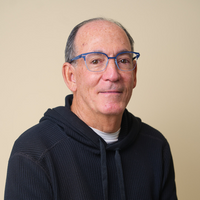

As sustainability moves from niche topic to boardroom central, companies face an increasingly complex global environment of regulatory divergence, disclosure demands and reputational risk. A recent article by J.S. Held's John Peiserich examines how multinational firms can respond effectively to the “crosscurrents” of ESG compliance, litigation exposure and evolving definitions of corporate responsibility. John Peiserich specializes in environmental risk and compliance. With over 30 years of experience, John provides consulting and expert services for heavy industry and law firms throughout the country with a focus on Oil & Gas, Energy, and Public Utilities, including serving as an expert witness in arbitration proceedings and in state and federal courts. View his profile here Key Insights: Sustainability now touches every major business function — environmental, social, and governance — and must be embedded in strategy rather than treated as an add-on. Regulatory landscapes are diverging: while the U.S. federal approach remains fragmented, individual states like California are moving ahead with mandatory climate and emissions-related corporate disclosures. In contrast, the European Union’s Green Deal and related frameworks promote a more unified regulatory model, creating operational tension for multinational corporations. Litigation and disclosure risk are increasing, with “greenwashing” (overstating sustainability achievements) and “greenhushing” (avoiding or under-reporting ESG performance) emerging as major board-level concerns. Effective risk management now requires scalable data systems, transparent communication, strong governance, and agility to adapt across multiple regulatory regimes. Why this matters: The widening divide between jurisdictions — and intensifying scrutiny of corporate sustainability claims — means ESG compliance can no longer be treated as a checkbox exercise. Organizations that fail to anticipate regulatory expectations or align ESG strategy with business goals risk legal exposure, reputational harm, and missed opportunities for value creation. Strategic Insights for Corporate Leadership on Sustainability Boards and executives must adjust their mindset, seeing sustainability not as a burden but as a catalyst for growth and differentiation. Proactive investment in research, development, and stakeholder engagement will help organizations seize new opportunities and maintain credibility in a fast-changing world. Documentation and transparency are vital defenses against legal challenges, while ongoing monitoring of policy and market trends ensures adaptability. Ultimately, the most successful companies will treat sustainability as an essential tenet of strategy—aligning profit, purpose, and governance to secure their position in the global marketplace. Navigating the crosscurrents of sustainability requires courage, judgment, and a commitment to continuous learning. By embracing these principles, corporations can build a future that is not only profitable but also just, resilient, and worthy of the trust placed in them by shareholders and society alike. Looking to know more or connect with John Peiserich about this important topic? Simply click on his icon now to arrange an interview today.

