
Experts Matter. Find Yours.
Connect for media, speaking, professional opportunities & more.

Could This Be the Ultimate Way to Showcase Your Experts?
Getting more media coverage is all about helping journalists find everything they need to get their stories out on deadline. Simple right? Well, that depends. Our research shows that most media relations and comms departments are significantly resource-constrained when it comes to pitching experts. And even when you are pitching it’s a challenge. Industry research shows that 97% of pitches fail to generate coverage. The secret is to publish content that draws in journalists in a way that helps them immediately understand (within seconds) how you can help them enhance their stories with your experts. What if there was a way to get all this done in minutes? Not days. Welcome to our latest Spotlight release, designed to help you organize your expert content in the most engaging ways possible. We’ve made enhancements in 5 key areas: Create a More Engaging Design that is Optimized for Mobile Your brand’s identity matters. Our new design ensures your Spotlight Posts reflect your unique style and voice. With bolder headers, enhanced logo placements, customizable fonts, and color schemes, you can create more visually stunning posts. And unlike a lot of other websites, your pages will be beautifully optimized for mobile—which is how most journalists will see your content. Tell a More Visual Story with Images Research from HubSpot indicates that content with relevant images gets 94% more views than content without. It’s time to get more visual. With our higher image resolution plus new editing tools like text wrap and captions, you can really make your images stand out. Plus we’ve helped solve the problem of sourcing images. We’ve now added access to thousands of royalty-free stock images for your posts - it’s all covered as part of your ExpertFile subscription. Make Your Experts Really Stand Out We’ve now made it even easier to display your experts more prominently with enhanced “expert callouts,” which are specially designed to engage journalists with the key information they are looking for. And our pagination features allow you to add content that sets your experts apart. Within seconds you can add videos and images or even stylized quotes from your previous media coverage. Leverage the Latest AI Tools for Faster Content Creation We’ve turbocharged our AI writing tools using OpenAI’s latest release. Enhance your content by generating innovative story ideas and draft posts with AI. This power is all conveniently built right into our editor to save you time. Save Time with Content Repurposing Creating high-quality content takes time and effort, and we want to help you get the most out of it. With our new publishing date feature, along with our current scheduling capabilities, it is easier than ever to make use of existing content effectively. This gives it a second life as part of your expertise marketing efforts while allowing you to better connect it to your experts to drive inquiries. Clone Your Posts for Even Faster Creation. Being able to leverage that perfectly crafted post going forward quickly and easily can help you jump on opportunities as they present themselves. With cloning you can take the layout elements and simply updated the content to highlight new experts or areas of expertise that you wish to showcase. And that's not all… You’ll still enjoy all the current benefits of "Spotlight Posts," including distribution through expertfile.com, integration into expert profiles, full SEO compliance with advanced meta and schema data, and various options for adding this valuable content to your website. Ready to elevate your expertise marketing game? Dive into these new features and watch your content—and your experts—shine brighter than ever. Want to see it in action? Check out the sample we’ve shown here, which we generated with Milwaukee School of Engineering (MSOE) to feature their experts during the Republican National Convention. We can also set you up with a customized demo showing how all this can make your experts stand out. Let us know what you think! About ExpertFile ExpertFile is changing the way organizations tap into the power of their experts to drive valuable inquiries, accelerate revenue growth, and enhance their brand reputation. Used by leading corporate, higher education and healthcare clients worldwide, our award-winning platform helps teams structure, manage and promote their expert content while our search engine features experts on over 50,000+ topics. Download our "Guide to Expertise Marketing", book a demo and more here.



Sport and Study: Villanova University Faculty Offer Academic Lens to Paris Olympics Storylines
All eyes are on Paris: more than 10,000 athletes from 206 nations are set to compete in the Games of the XXXIII Olympiad, the third Olympics in the City of Love and the first since 1924. Below, Villanova University faculty members provide their academic expertise on the unique storylines and narratives already taking place as Paris 2024 gets underway. Portraying a National Image in the Opening Ceremony Étienne Achille, PhD Director of French and Francophone Studies After months of speculation, the daily Le Parisien has officially confirmed that renowned French-Malian singer Aya Nakamura will lend her vocals to an opening ceremony featuring an iconic backdrop steeped in history. “Nakamura is the most-streamed Francophone singer in the world, embodying France’s culture on a global stage, and she’ll be paying homage to one of the most cherished representatives of the chanson française,” said Dr. Achille, referring to reports she will sing one of beloved French crooner Charles Aznavour’s greatest hits. According to Dr. Achille, the pop star’s presence is significant and symbolic. “A performer, or even a flagbearer, can easily become the face of a global event like the Olympics,” he said. The details of the setting for the ceremony – in the heart of Paris, along the Seine – are just as intentionally symbolic. “Not only will this be the first opening ceremony to take place entirely outside of a stadium; its location along the river and the fact the delegations will be on boats are key. “It represents movement and connection to the world,” Dr. Achille said. “And Nakamura’s performance projects the image of a modern, multi-ethnic nation building on tradition while proudly marching into the future.” Swimming in the Seine: Safe or Not? Metin Duran, PhD Professor of Civil and Environmental Engineering It is, perhaps, the most-asked question of the last few weeks. Is the Seine River, set to host multiple swimming events, safe? The river has been illegal to swim in for a century due to the presence of harmful bacteria such as E. Coli, and recent testing has reaffirmed this concern. The Seine, which had undergone an expensive cleaning to mitigate this issue, received the endorsement of Paris Mayor Ann Hidalgo, who personally took a dip in the water herself to attest to its safety. The stunt did little to convince experts such as Dr. Duran, who studies wastewater, to abandon concern about the potential health risks of athletes being exposed to pathogens in the water. “When we have fecal pollution, there is a high likelihood of pathogens being present,” Dr. Duran said. “Those could be viral, like a norovirus, or protozoan. “If you’re swimming in that water, you run the risk of ingesting it. Once you ingest that polluted water, you’re likely to contract some of those disease-causing pathogens. Ingesting this water doesn’t mean you’re necessarily going to get sick, but based on the number of people in a big city like Paris, there is a very high likelihood of some of these pathogens existing now in the river.” Accommodations for Breastfeeding Athletes Sunny Hallowell, PhD, APRN, PPCNP-BC Associate Professor of Nursing The IOC and Paris 2024 Organizing Committee is providing support to all breastfeeding athletes competing in the Games. A few national governing bodies, like the French Olympic Committee, are going a step further and offering hotel rooms near the Village for their country’s breastfeeding athletes to share with their children and spouses. “A few decades ago, the idea of a female athlete who also wanted to breastfeed their child was so taboo it may have prevented an athlete from competing,” said Dr. Hallowell. “Now, many female athletes who choose to breastfeed their newborns or toddlers conceptualize breastfeeding as another normal function of their remarkably athletic bodies.” Accommodation for breastfeeding athletes and increased awareness are needed more than ever. Dr. Hallowell notes that in addition to changing views on breastfeeding, the needs for such accommodations are increasing as the age of peak athletic performance also increases. “Advances in sports nutrition, wellness and lifestyle have extended the longevity and performance of many athletes into adulthood,” she said. And while some athletes with rigorous training regimens might feel “frustrated incorporating breastfeeding into the routine,” Dr. Hallowell says that for others, “breastfeeding provides both physical and socio-emotional benefits for the mother and the infant that allow the athlete to focus on the job of competition.” Protecting Against the Parisian Heat Ruth McDermott-Levy, PhD, MPH, RN, FAAN Professor of Nursing The potential for extreme heat in Paris has been a topic of concern for athletes and organizers, prompting certain outdoor events to be proactively scheduled at times to avoid the day’s worst heat. Current forecasts predict temperatures in the 90s for several days early on in the Games, which could be exacerbated by Paris’ reputation as an urban heat island, unable to cool due to lack of green space and building density. Dr. McDermott-Levy says the athletes are inherently vulnerable, because “the added stress of physical exertion during their events puts them at greater risk of heat-related illness.” But she also notes that many of the athletes have likely undergone pre-competition training in extreme heat conditions to acclimate and will have trainers and health professionals monitoring them frequently. “The group of concern are the workers at the stadiums, outdoor workers and spectators who are there to enjoy or work at the events and may have had little to no acclimation,” Dr. McDermott-Levy said. “They need to follow local instructions and take frequent breaks from the heat, seek shade and maintain hydration by avoiding alcohol and sugary drinks and drinking water.” How Nature Can Inspire Future Use of Olympic Infrastructure Alyssa Stark, PhD Assistant Professor of Biology Gone, hopefully, are the days of abandoned Olympic Villages and venues, overrun with weeds and rendered useless soon after the Games conclude. The IOC’s commitment to sustainability has been transparently relayed ahead of the 2024 Games, featuring a robust range of initiatives and programs. Dr. Stark is particularly interested in one aspect of ensuring a sustainable Olympics. “How will the structures, materials and systems they developed for the Olympics be re-used, re-shaped or re-worked afterward?” she posed. “This could include re-using buildings to larger scale or re-working transportation systems set in place for the Games that could then integrate into day-to-day life post Olympics.” At the root of her interest is the concept of biomimicry. “A lot of the way we think about designing, if we’re using this biomimicry lens, is how do we learn from nature to solve problems that we have in a sustainable way, keeping in mind the environment we are in?” Dr. Stark said. In this case, consider how something like a dwelling of a living creature might be repurposed to fit the needs of another creature, or serve another natural purpose, without harming the ecosystem. Could that inspire a way to re-use the Olympic infrastructure? “There are a ton of examples of [biomimicry] being used and working in products,” Dr. Stark said. “But I would say the next step is looking at the social levels of these big ecosystems – building architecture, city planning, flow of information and, in this instance, repurposing what was created for the Olympics.” Paris Could Be a Transportation Model for Major City Events in the United States Arash Tavakoli, PhD Professor of Civil and Environmental Engineering Paris has invested 250 million Euro the last several years to transform the city to a 100% cycling city, making it one of the most bike-friendly municipalities in the world. Currently, more trips are being made by bicycles in Paris than by cars (11% vs. 4%), a trend that has permeated to the surrounding suburbs as well. With an influx of travelers in Paris for the Games, Dr. Tavakoli, an expert in human transportation, said, “The Olympics will be a test for how well these kinds of systems respond to high fluctuations in the population as compared to vehicle-centric systems.” While Paris is thousands of miles away from the United States, how bicycle, pedestrian and vehicle systems work during the Games could provide helpful insight ahead of major events in American cities. “With the World Cup coming to the U.S. in a few years, it will be interesting to compare [Paris] with how our own system responds to people’s needs,” Dr. Tavakoli said. “Not just based on traffic data and congestion, but also considering factors like how comfortable the transportation system is, how much it affects our well-being and how much it attracts a nonresident to enjoy the U.S. when their only option, for the most part, is a vehicle.”


Gold medal-worthy experts for Olympic Summer Games coverage
The University of Delaware boasts several experts who can comment on health-related topics such as injuries and training and business-focused areas like marketing and team behavior as they relate to the 2024 Olympic Games in Paris. Matt Robinson Professor, sport management Relevant expertise: Will be in Paris and can discuss the Olympics from an onsite perspective; can give the backstory on The International Coaching Enrichment Certificate Program (ICECP) and what’s new in the Paris Olympics. Link to profile and contact Tom Kaminski Professor, kinesiology and applied physiology Relevant expertise: Can comment on the impact of heading in Olympic soccer and has studied the risks of concussions in sports for nearly three decades. Link to profile and contact Karin Silbernagel Professor, physical therapy Relevant expertise: Research aims to advance the understanding of tendon and ligament injuries and repair. Can also discuss sailing. Link to profile and contact Tim DeSchriver Associate professor, sport management Relevant expertise: Sport finance, economics and marketing Link to profile and contact Other experts: INJURIES: Tom Buckley Associate professor, kinesiology and applied physiology Relevant expertise: Head impacts from boxing. Stephanie Cone Assistant professor, biomedical engineering Relevant expertise: Studies the structure-function relationship that exists in tendons and ligaments with a special interest in changes in this relationship during growth and following injury. Mike Eckrich Clinical instructor, physical therapy Relevant expertise: Weightlifting; can talk about the difference between men’s and women’s injuries and form in the sport. Donald Ford Physical therapy Relevant expertise: Shoulder injuries/rehab expert Jeffrey Schneider Senior instructor, kinesiology and applied physiology Relevant expertise: Athletic training and injury prevention, with a particular interest in ice skating injuries. Worked with athletes competing in Winter Olympics (2002, 2006) as a strength and conditioning coach and athletic trainer. EVENTS: Jocelyn Hafer Assistant professor, kinesiology and applied physiology Relevant expertise: Race Walk events and how biomarkers are used in walking studies. Airelle Giordano Associate professor, physical therapy Relevant expertise: Gymnastics; she was a collegiate gymnast Kiersten McCartney Doctoral student Relevant expertise: Can chat about Paralympic Triathlon (running, hand cycling, swimming). Steve Goodwin Associate professor, health behavior and nutrition sciences Relevant expertise: He is also in Paris leading a study abroad cohort. He has been to multiple Olympics, and can also speak to on-site experience, differences in games, etc. George Edelman Adjunct professor, physical therapy Relevant expertise: How the "underwaters” technique gives Olympians an edge. BUSINESS: John Allgood II Instructor, sport management Relevant expertise: Sport business management, event management SCIENCE: Joshua Cashaback Assistant professor, biomedical engineering Relevant expertise: Specializes in neuromechanics and control of human movement. His research falls under two major themes: The neuroplasticity and adaptation research line tests how reinforcement feedback can subserve our ability to acquire new motor skills.


In today's rapidly evolving digital landscape, cybersecurity has emerged as an indispensable aspect of business operations. Automated infrastructures, which include endpoint devices, cloud services, and IoT systems, have made companies more vulnerable to cyber threats. These threats can disrupt operations, lead to financial losses, and compromise sensitive data. Therefore, understanding and implementing robust cybersecurity measures is non-negotiable for modern enterprises seeking resilience and stability. Dr. Walter Schilling, professor and cybersecurity expert at Milwaukee School of Engineering, is available to discuss what companies should consider when designing their cyber defense strategy. To protect their automated infrastructure, businesses must: integrate cybersecurity deeply into their overall strategy adopt a proactive approach to identifying and mitigating risks conduct regular security assessments deploy advanced threat detection systems enforce strong access control policies train employees on cybersecurity best practices foster a culture of vigilance is equally important.



Ethical Implications of AI in Business: Balancing Innovation with Responsibility
Artificial Intelligence (AI) has revolutionized the business landscape, driving innovation and reshaping industries. From automating routine tasks to enhancing customer experiences, AI's applications are vast and rapidly expanding. As businesses stand on the brink of unprecedented technological advancement, they must also navigate the complex web of ethical implications associated with AI deployment. This delicate balance between innovation and responsibility sets the stage for an ongoing dialogue that is crucial for sustainable growth and societal well-being. Dr. Jeremy Kedziora, associate professor and the PieperPower Endowed Chair in Artificial Intelligence at Milwaukee School of Engineering (and former CIA chief methodologist), is available to discuss how these new technologies are enhancing business operations along with their ethical implications: Automating tasks using AI Using large language models like ChatGPT Algorithmic bias in AI systems Transparency in AI decision-making processes Steps needed to create fair and equitable AI solutions


The Power of Place: Growth and Challenges of Milwaukee's Neighborhoods
Dr. Michael Carriere, professor and Honors Program director at Milwaukee School of Engineering, is an urban historian with expertise in Milwaukee and Wisconsin history and politics, urban agriculture, creative placemaking, and the Milwaukee music scene. He is available to discuss the growth of Milwaukee's neighborhoods; the challenges many of them are facing; and some of the solutions that are being implemented. Things such as urban gardens, hydroponic farms, neighborhood improvement districts, and pocket parks. Carriere's creative place-based initiatives focus on harnessing the unique characteristics and resources of Milwaukee's neighborhoods to generate solutions that are tailored to its specific needs. His approach recognizes that one-size-fits-all strategies often fail to address the nuanced realities of different communities. Carriere also works toward solutions with long-term sustainability and actively involved and invested community members.


From Facial Recognition to Deepfakes: What Could Be Done With Your Image?
Facial Recognition: Convenience and Controversy Facial recognition technology is everywhere, making our day-to-day tasks faster and more convenient. It offers substantial benefits, from enhanced security measures to streamlined user experiences. Airports utilize it for faster check-ins, smartphones use it for secure authentication, and law enforcement agencies employ it for identifying suspects. However, the technology also raises considerable privacy concerns. The pervasive deployment of facial recognition without adequate oversight can lead to unwarranted surveillance, potential biases in profiling, and the erosion of personal privacy. The Rise of Deepfake Technology Meanwhile, deepfake technology has advanced rapidly, leveraging AI to create highly realistic synthetic, or "fake", media. These hyper-realistic videos, showing individuals doing or saying things they never actually did, have become a significant concern. The potential misuse of deepfakes ranges from spreading misinformation and manipulating elections to causing personal distress by enabling crimes like fraud and defamation. Dr. Derek Riley, a seasoned media expert, professor and program director of the B.S. in Computer Science program at Milwaukee School of Engineering, is available to discuss how these technologies work, how they're regulated, how they can be used in a positive manner, and how individuals can protect themselves.


Higher education, biotech and innovation - will the future be part of the 2024 campaign?
As the RNC brings national attention to Milwaukee, discussions are expected to cover pivotal topics such as biotechnology, innovation, and higher education. And as the Republican National Convention 2024 begins, journalists from across the nation and the world will converge on Milwaukee, not only to cover the political spectacle but also to dig deeper on the key issues that may decide the election. To help visiting journalists navigate and understand these issues and how and where the Republican policies are taking on these topics our MSOE experts are available to offer insights. Dr. Wujie Zhang, Dr. Jung Lee, Dr. Eric Baumgartner, Dr. Candela Marini, and Dr. John Walz are leading voices nationally on these important subjects and are ready to assist with any stories during the convention. Dr. John Walz President Expertise: Thought leadership on higher education, relevancy and value of higher ed View Profile “Engineering is not a very diverse field,” Walz said. “I want to continue to push those boundaries and make our programs open, to see more and more under-represented students come here and succeed here, and do well here.” MSOE president John Walz works to make 'hidden gem' not so hidden. Milwaukee Journal Sentinel May 17, 2023 Dr. Wujie Zhang Professor, Chemical and Biomolecular Engineering Expertise: Biomaterials; Regenerative Medicine and Tissue Engineering; Micro/Nano-technology; Drug Delivery; Stem Cell Research; Cancer Treatment; Cryobiology; Food Science and Engineering (Fluent in Chinese and English) View Profile “We accidentally noticed that we can make the hydrogel particle red blood cell shaped,” he explains. “We started then to make artificial red blood cells to mimic pretty much all aspects of red blood cells.” You're Somebody's Type MKE Lifestyle January 24, 2020 Dr. Jung Lee Professor, Chemical and Biomolecular Engineering Expertise: Bioinformatics, drug design and molecular modeling. View Profile Dr. Eric Baumgartner Executive Vice President of Academics Expertise: Thought leadership on higher education, relevancy and value of higher ed, role of A.I. in future degrees and workforce development. View Profile MSOE serves as an educational resource to Wisconsin companies is building an A.I.-ready workforce. In 2018 MSOE was the first in the nation to launch a B.S. in Computer Science with a sole focus on A.I. and machine learning. Wisconsin Governor’s Task Force on Workforce and Artificial Intelligence December, 2023 Dr. Candela Marini Assistant Professor Expertise: Latin American Studies and Visual Culture View Profile “Contrary to stereotypical images of Native Americans trying to stop ‘progress’ by fighting against mines and pipelines projects, the Menominees’ sustainable forestry stands out as a clear example of resource management that actually thinks about, and works for, the future,” said Marini. The MSOE Mindset visits the Menominee Indian Reservation MSOE Online April 11, 2019 . . . Media Relations Contact To schedule an interview or for more information, please contact: JoEllen Burdue Senior Director of Communications and Media Relations Phone: (414) 839-0906 Email: burdue@msoe.edu . . . About Milwaukee School of Engineering (MSOE) Milwaukee School of Engineering is the university of choice for those seeking an inclusive community of experiential learners driven to solve the complex challenges of today and tomorrow. The independent, non-profit university has about 2,800 students and was founded in 1903. MSOE offers bachelor's and master's degrees in engineering, business and nursing. Faculty are student-focused experts who bring real-world experience into the classroom. This approach to learning makes students ready now as well as prepared for the future. Longstanding partnerships with business and industry leaders enable students to learn alongside professional mentors, and challenge them to go beyond what's possible. MSOE graduates are leaders of character, responsible professionals, passionate learners and value creators.




Water, resources and infrastructure
Across America we're seeing flooding, drought, epic storms and reservoirs running dry. Water, how it is controlled and regulated is an emerging topic. And for the next four years, with the unknown impacts of climate change - water will be on a lot of people's minds. And as the Republican National Convention 2024 begins, journalists from across the nation and the world will converge on Milwaukee, not only to cover the political spectacle but also to dig deeper on the key issues that may decide the election. To help visiting journalists navigate and understand the depth of Milwaukee's heritage and modern vibrancy, our MSOE experts are available to offer insights. Professor William Gonwa has worked in the fields of wastewater collection, storm water management, and flood protection since 1984. His research focuses on the water resources area of civil engineering including collection systems and stormwater management. He received his doctorate from Marquette University, his masters from the University of Kentucky, and his bachelors from the University of Wisconsin-Madison, all in civil and environmental engineering. . . . Dr. William Gonwa Professor, Civil Engineering Expertise: Water Resources, Sewers, Storm Water, Civil Engineering education View Profile One may hear of news reports of large events and notice that they appear to occur more frequently than they might expect (i.e. a 100-year storm is reported in the news in the Detroit region more often than once every 100 years). A casual observer not well versed in what these rainfall statistics mean might be tempted to blame this on climate change, but the dynamic described here is not the result of just climate change. It is the result of the large size of the city of Detroit and the fact that rainfall frequencies are published for a point rainfall, not regions. This regional rainfall effect will occur in any metropolitan area with a large geographic extent. Why properly characterizing large storms is critical for stormwater professionals Stormwater Solutions June 07, 2024 . . . For further information and to arrange interviews with our experts, please contact: JoEllen Burdue Senior Director of Communications and Media Relations Phone: (414) 839-0906 Email: burdue@msoe.edu . . . About Milwaukee School of Engineering (MSOE) Milwaukee School of Engineering is the university of choice for those seeking an inclusive community of experiential learners driven to solve the complex challenges of today and tomorrow. The independent, non-profit university has about 2,800 students and was founded in 1903. MSOE offers bachelor's and master's degrees in engineering, business and nursing. Faculty are student-focused experts who bring real-world experience into the classroom. This approach to learning makes students ready now as well as prepared for the future. Longstanding partnerships with business and industry leaders enable students to learn alongside professional mentors, and challenge them to go beyond what's possible. MSOE graduates are leaders of character, responsible professionals, passionate learners and value creators.

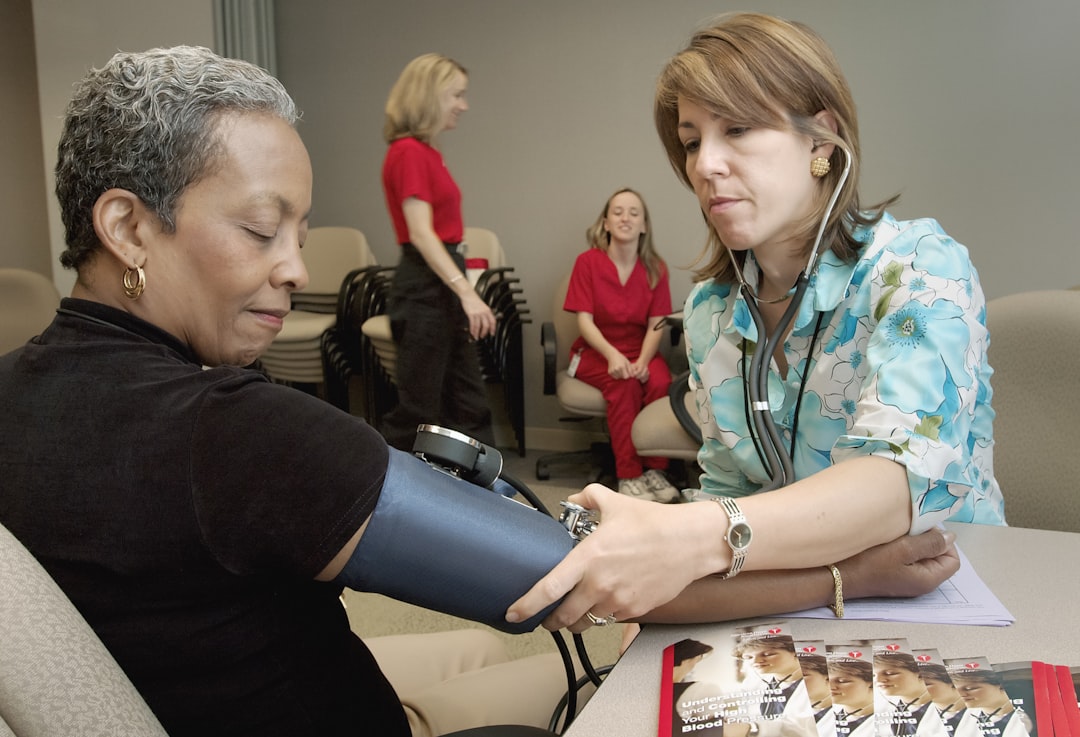
The pandemic and who reacted better has been debate fodder for the campaigns of Donald Trump and Joe Biden already this election. The pandemic, preparing for the next one is just one of several key public health issues that America is dealing with. Opioids, obesity and nutrition are just a few others. And as the Republican National Convention 2024 begins, journalists from across the nation and the world will converge on Milwaukee, not only to cover the political spectacle but also to dig deeper on the key issues that may decide the election. To help visiting journalists navigate and understand the depth of Milwaukee's heritage and modern vibrancy, our MSOE experts are available to offer insights. Robin Gates is a nurse executive with a wide range of experience in community home, health and hospice, organ and tissue donation, managing primary care clinics, and clinical trials involving medical devices and pharmaceuticals. She has also worked as a nurse educator for health care organizations and higher education. . . . Robin Gates Assistant Professor, Nursing Expertise: Population health expert: understanding and addressing the diverse factors that influence health outcomes across different populations. View Profile “Leadership experience in various health care environments provides my ability to empower the next generations of nurses to understand the medical system for nursing practice wholistically,” said Gates. “Nurses are change agents. We are a pivotal part of a multidisciplinary team. I emphasize to nursing students their role in the community, corporations, hospitals, clinics, telehealth, home care and hospice, insurance, government and so on.” MSOE Online February 25, 2022 . . . For further information and to arrange interviews with our experts, please contact: JoEllen Burdue Senior Director of Communications and Media Relations Phone: (414) 839-0906 Email: burdue@msoe.edu . . . About Milwaukee School of Engineering (MSOE) Milwaukee School of Engineering is the university of choice for those seeking an inclusive community of experiential learners driven to solve the complex challenges of today and tomorrow. The independent, non-profit university has about 2,800 students and was founded in 1903. MSOE offers bachelor's and master's degrees in engineering, business and nursing. Faculty are student-focused experts who bring real-world experience into the classroom. This approach to learning makes students ready now as well as prepared for the future. Longstanding partnerships with business and industry leaders enable students to learn alongside professional mentors, and challenge them to go beyond what's possible. MSOE graduates are leaders of character, responsible professionals, passionate learners and value creators.
