Experts Matter. Find Yours.
Connect for media, speaking, professional opportunities & more.

Researchers warn of rise in AI-created non-consensual explicit images
A team of researchers, including Kevin Butler, Ph.D., a professor in the Department of Computer and Information Science and Engineering at the University of Florida, is sounding the alarm on a disturbing trend in artificial intelligence: the rapid rise of AI-generated sexually explicit images created without the subject’s consent. With funding from the National Science Foundation, Butler and colleagues from UF, Georgetown University and the University of Washington investigated a growing class of tools that allow users to generate realistic nude images from uploaded photos — tools that require little skill, cost virtually nothing and are largely unregulated. “Anybody can do this,” said Butler, director of the Florida Institute for Cybersecurity Research. “It’s done on the web, often anonymously, and there’s no meaningful enforcement of age or consent.” The team has coined the term SNEACI, short for synthetic non-consensual explicit AI-created imagery, to define this new category of abuse. The acronym, pronounced “sneaky,” highlights the secretive and deceptive nature of the practice. “SNEACI really typifies the fact that a lot of these are made without the knowledge of the potential victim and often in very sneaky ways,” said Patrick Traynor, a professor and associate chair of research in UF's Department of Computer and Information Science and Engineering and co-author of the paper. In their study, which will be presented at the upcoming USENIX Security Symposium this summer, the researchers conducted a systematic analysis of 20 AI “nudification” websites. These platforms allow users to upload an image, manipulate clothing, body shape and pose, and generate a sexually explicit photo — usually in seconds. Unlike traditional tools like Photoshop, these AI services remove nearly all barriers to entry, Butler said. “Photoshop requires skill, time and money,” he said. “These AI application websites are fast, cheap — from free to as little as six cents per image — and don’t require any expertise.” According to the team’s review, women are disproportionately targeted, but the technology can be used on anyone, including children. While the researchers did not test tools with images of minors due to legal and ethical constraints, they found “no technical safeguards preventing someone from doing so.” Only seven of the 20 sites they examined included terms of service that require image subjects to be over 18, and even fewer enforced any kind of user age verification. “Even when sites asked users to confirm they were over 18, there was no real validation,” Butler said. “It’s an unregulated environment.” The platforms operate with little transparency, using cryptocurrency for payments and hosting on mainstream cloud providers. Seven of the sites studied used Amazon Web Services, and 12 were supported by Cloudflare — legitimate services that inadvertently support these operations. “There’s a misconception that this kind of content lives on the dark web,” Butler said. “In reality, many of these tools are hosted on reputable platforms.” Butler’s team also found little to no information about how the sites store or use the generated images. “We couldn’t find out what the generators are doing with the images once they’re created” he said. “It doesn’t appear that any of this information is deleted.” High-profile cases have already brought attention to the issue. Celebrities such as Taylor Swift and Melania Trump have reportedly been victims of AI-generated non-consensual explicit images. Earlier this year, Trump voiced support for the Take It Down Act, which targets these types of abuses and was signed into law this week by President Donald Trump. But the impact extends beyond the famous. Butler cited a case in South Florida where a city councilwoman stepped down after fake explicit images of her — created using AI — were circulated online. “These images aren’t just created for amusement,” Butler said. “They’re used to embarrass, humiliate and even extort victims. The mental health toll can be devastating.” The researchers emphasized that the technology enabling these abuses was originally developed for beneficial purposes — such as enhancing computer vision or supporting academic research — and is often shared openly in the AI community. “There’s an emerging conversation in the machine learning community about whether some of these tools should be restricted,” Butler said. “We need to rethink how open-source technologies are shared and used.” Butler said the published paper — authored by student Cassidy Gibson, who was advised by Butler and Traynor and received her doctorate degree this month — is just the first step in their deeper investigation into the world of AI-powered nudification tools and an extension of the work they are doing at the Center for Privacy and Security for Marginalized Populations, or PRISM, an NSF-funded center housed at the UF Herbert Wertheim College of Engineering. Butler and Gibson recently met with U.S. Congresswoman Kat Cammack for a roundtable discussion on the growing spread of non-consensual imagery online. In a newsletter to constituents, Cammack, who serves on the House Energy and Commerce Committee, called the issue a major priority. She emphasized the need to understand how these images are created and their impact on the mental health of children, teens and adults, calling it “paramount to putting an end to this dangerous trend.” "As lawmakers take a closer look at these technologies, we want to give them technical insights that can help shape smarter regulation and push for more accountability from those involved," said Butler. “Our goal is to use our skills as cybersecurity researchers to address real-world problems and help people.”



Department of Energy awards $928,000 to Lane Carasik, Ph.D., for fusion energy systems research
The Department of Energy (DOE) recently announced $128 million of funding for seven Fusion Innovation Research Engine (FIRE) Collaboratives. Virginia Commonwealth University (VCU) College of Engineering researchers will support the project titled “Advancing the maturity of liquid metal (LM) plasma facing materials and first wall concept” led by the Department of Energy’s Princeton Plasma Physics Laboratory (PPPL). This includes $928,000 to support research led by Lane Carasik, Ph.D., assistant professor in the Department of Mechanical and Nuclear Engineering, as part of a multi-institution effort for fusion energy systems. The FIRE Collaborative seeks to advance the maturity of liquid metal plasma-facing materials and wall concepts. High operating temperatures within fusion energy systems pose a significant material design challenge. Research will help solve technical problems with liquid metal plasma-facing materials and first wall concepts, including four main challenges: testing protective materials, understanding material properties, studying how liquid metals behave in magnetic fields and developing new liquid metal alloys. The goal is to make liquid metals viable for fusion pilot plant designs. “The work done by VCU as part of the FIRE Collaborative will help raise the technology readiness of Liquid Metal based fusion energy concepts. Over the next four years, we will train undergraduate and graduate students on how to extract electricity from these fusion concepts,” Carasik said. Rajesh Maingi, Ph.D., is the lead primary investigator at PPPL. Institutional investigators for the group include Sergey Smolentsev, Ph.D., Oak Ridge National Laboratory (ORNL); Vsevolod Soukhanovskii, Ph.D., Lawrence Livermore National Laboratory (LLNL); Daniel Andruczyk, Ph.D., University of Illinois Urbana-Champaign; Bruce Koel, Ph.D., Princeton University; Michael Kotschrenreuther, Ph.D., ExoFusion; Xing Wang, Ph.D., The Pennsylvania State University; Kevin Woller, Ph.D. from Massachusetts Institute of Technology; and Carasik from VCU. Up to $220 million is expected to fund the FIRE Collaboratives over four years, with $31 million allocated for the 2025 fiscal year. Future distributions are dependent on congressional appropriations.

UF water researchers develop prediction system for harmful algae
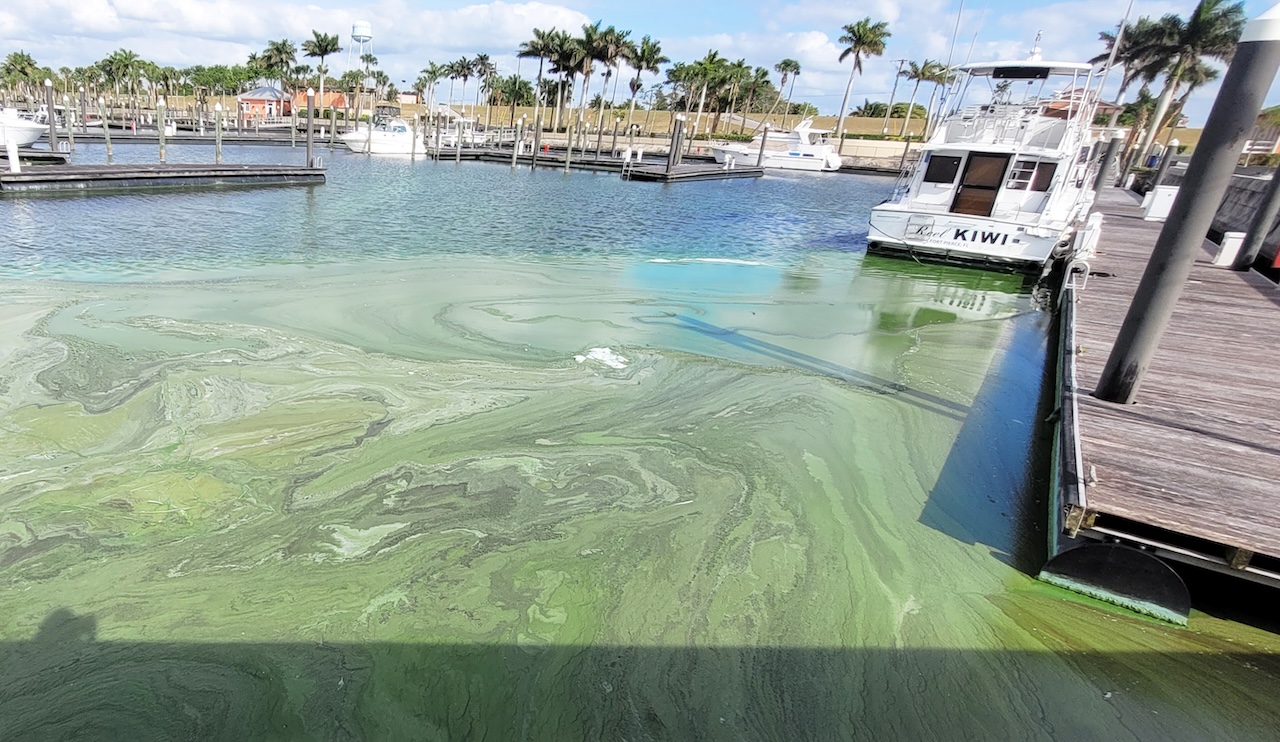
The slimy algae topping Florida’s waterways are more than just unsightly. They are often toxic to humans, animals and the environment. To mitigate those risks, University of Florida researchers are collaborating with North Carolina State University and University of South Florida scientists on a next-day prediction model to warn and inform water managers about harmful algal blooms. The research is funded by two U.S. Army Corps of Engineers grants for two phases, totaling $4.4 million. The project is led by David Kaplan, Ph.D., a professor with the Engineering School of Sustainable Infrastructure and Environment in the Herbert Wertheim College of Engineering and director of the Howard T. Odum Center for Wetlands, and Mauricio Arias, Ph.D., an associate professor at USF. In a paper published recently in the Journal of Environmental Management, Kaplan, UF assistant professor Elise Morrison, Ph.D., and NCSU’s Maria Menchu Maldonado, Ph.D., chronicled their work with harmful algal blooms in the Caloosahatchee River and Estuary, the environmentally sensitive link between Lake Okeechobee and Florida’s southwestern coast. Maldonado performed the work under the guidance of NCSU collaborator Natalie Nelson. In a collaboration between multiple colleges, organizations, departments and universities, the paper’s other authors are Eric Milbrandt of the Sanibel-Captiva Conservation Foundation, Edward Phlips of UF and Natalie G. Nelson of NCSU. The project’s facilitators include Darlene Velez, research coordinator with the UF Water Institute, and Lisa Krimsky, Ph.D., a water resources regional specialized agent with IFAS. Using water samples and computer algorithms, the team developed prediction models based on two water sources feeding the river: Lake Okeechobee and the river’s watershed – the water run-off from the surrounding land. The models determine levels of chlorophyll-a, which is a pigment in algae that is indicative of algal bloom conditions. “For watershed-dominated conditions, the model was able to predict 49% of the variation in next-day chlorophyll-a, which isn’t bad, but for lake-dominated conditions, the model was much better, explaining 78% of the variation in next-day chlorophyll-a in the water,” Kaplan noted. Unlike traditional forecasting models for algal blooms, which are often complex and require much computing power, these models are designed to be practical for daily decision-making, particularly for the Southwest Florida Water Management District (SWFWMD), which has made improving the health of the Caloosahatchee Estuary a state priority. Ultimately, researchers want to develop an algae-prediction system and tools for water managers to reduce risks in all freshwater bodies. “Definitely, this model could be expanded with the use of more data,” said Maldonado. “The same procedure could be applied in other lakes that are highly managed. And this could be done around the world.” Algal blooms in Florida’s lakes, rivers and estuaries have caused significant environmental and economic damage in recent years, UF researchers contend. Blooms are becoming more frequent and longer lasting. The initial project – called Coupling Lake, Estuarine, and Watershed Models for the Caloosahatchee River and Estuary (CLEW) – designed data- and model-driven guidance for Lake Okeechobee water releases. “The overall motivation is that Lake Okeechobee is a challenging natural resource to manage, particularly deciding when and how much water to discharge from the lake to either estuary,” Kaplan said. “There are many competing needs surrounding management of the lake, which has only so much volume. We don't want to cause flooding or other ecological harm.” The follow-up project is UF’s collaboration with USF to develop tools for end users, meaning agencies and managers to make better decisions. The team wants to deliver a system where water managers press the button to get the one-day risk forecast. The study was organized to predict whether the algae-toxin risk is low, medium or high. “In this case, there is a threshold of algal organisms that is considered harmful,” Maldonado said. “Those waters carry phytoplankton species, a microscopic algae that produce toxins. They can be dangerous to swim in, and they can be harmful to the environment. It can be a liver toxin.” Beginning in the late 19th century, the Caloosahatchee River and its watershed underwent extensive modifications that significantly altered the hydrology of the region, according to SWFWMD. The once-shallow river was deepened and widened into a regulated waterway that was connected to Lake Okeechobee and the Kissimmee Chain of Lakes for navigation, water supply and flood control purposes. “Water quality is a challenge in Lake Okeechobee, including sometimes pretty bad harmful algal blooms,” Kaplan said. “And then, of course, the downstream recipients of whatever water is discharged are very sensitive to the amount of water they're getting and what's in it. They’d prefer it to be only the right amount at only the right times with the best quality."
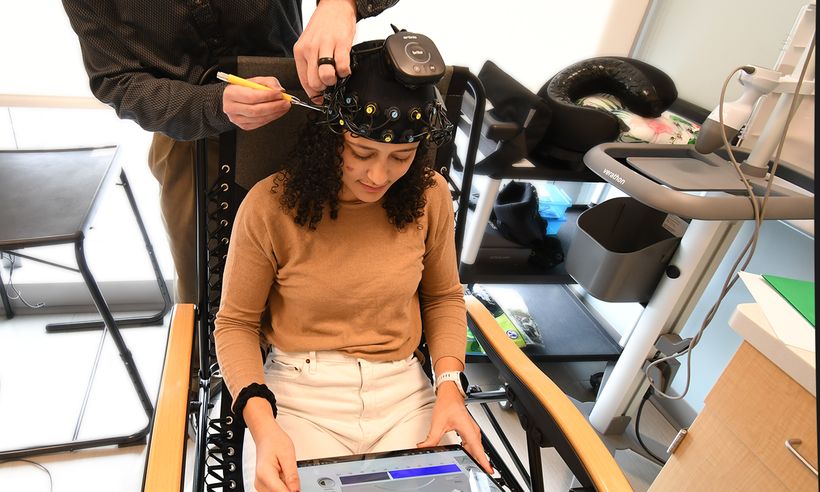
The year was 2003, and John Speich, Ph.D., professor in the Department of Mechanical & Nuclear Engineering, felt like he had a clear sense of the direction his burgeoning career was heading in. Speich had recently completed his doctorate in mechanical engineering from Vanderbilt University, where he concentrated on robotics. Following Vanderbilt, Speich went on to become an associate professor at the Virginia Commonwealth University (VCU) College of Engineering, working with students in the Department of Mechanical & Nuclear Engineering. Leveraging his robotics expertise, Speich planned to continue his work developing robotics for medical surgery and rehabilitation. Then Speich got a call from Paul Ratz, Ph.D., a professor at the VCU School of Medicine, asking for assistance that would change the entire focus of Speich’s career. Ratz used a small robotic lever that moved up and down just a few millimeters to stretch tiny strips of bladder muscle and rings of artery, trying to determine how different chemical compounds changed the mechanical properties of the muscle. Speich was intrigued—this was a form of mechanical engineering. “In mechanical engineering, we pull on things to determine the mechanical properties,” says Speich. “Here, Dr. Ratz was pulling on pieces of bladder instead of the typical substances mechanical engineers are known to work with, like steel, aluminum or plastic.” Speich and Ratz began working together in 2003, and now, because of that unique partnership, nearly all of the research Speich does is about the bladder. “Before I started working with Dr. Ratz, I had never even heard the words neurourology or urodynamics,” says Speich. “Now, Neurourology and Urodynamics is the name of the journal I publish in the most.” Today, Speich collaborates on bladder biomechanics with two doctors at VCU Health. Adam Klausner, MD is a urologist and the interim chair of the new Department of Urology at VCU. Linda Burkett, MD is a urogynecologist from the Department of Obstetrics and Gynecology; prior to medical school, Burkett completed her bachelor’s degree in Biomedical Engineering from the VCU College of Engineering. Together, Speich, Klausner and Burkett aim to find non-invasive methods to characterize and diagnose overactive bladder, with the goal of allowing doctors to precisely match patients with the most effective treatments. A number of students across the VCU College of Engineering and VCU School of Medicine have aided in their research, including recent Biomedical Engineering graduate Mariam William. Speich’s primary methods of research involve Near-Infrared Spectroscopy (NIRS)—a non-invasive technology that uses light to measure tissue oxygenation and brain activity—and ultrasound imaging. By using NIRS to study the brain activity associated with the sudden urge to urinate, Speich and his team are working to pinpoint the brain’s role and determine whether it or the bladder is the primary cause of an individual’s condition. “There are a lot of potential causes of overactive bladder,” says Speich. “Some people may have more than one cause. Individual responses to these treatments vary; what works well for one patient may not work at all for the next. We want to give doctors better tools for quantifying information about their patients so they can make better decisions and more optimized treatments.” Thanks to research grants, including a National Institutes of Health (NIH) grant from 2015-2025, Speich has been able to make a number of important findings in his bladder research. His team has closely examined the bladder’s dynamic elasticity, investigating the biomechanical mechanisms that allow the bladder muscle to fill and expand. Another recent focus asks, “Bladder or Brain. Which is it?” Speich and his team developed a tool called a sensation meter that they use to help determine what an individual is feeling as their bladder is filling over time. All this groundbreaking research and medical school collaboration, and to think—Speich nearly missed the opportunity to enter this field entirely. “When I tell students about how I came to be involved in bladder biomechanics, I tell them, you will always keep learning throughout your entire career,” says Speich. “You never know where you’re going to end up. If you’re an engineer, you’re a problem solver, and there are all kinds of problems in areas like business and medicine—beyond the traditional areas people think of when they think of mechanical engineering.”

Kamran Kardel, Ph.D., associate professor of manufacturing engineering in the Allen E. Paulson College of Engineering and Computing, is leading a multidisciplinary research team to help regional logistics companies increase efficiency. Funded through the college’s Remotely Operated Warehouse Services (ROWS) Laboratory, with seed money from Crider Foods Inc., the team is composed of Kardel, Ryan Florin, Ph.D, assistant professor of computer science and students. Kardel and his team are using the software to build simulations, known as “digital twins,” that replicate warehouse operations like picking, packing and shipping. The ROWS Laboratory will serve as a development site, allowing the simulations to be thoroughly tested and validated before being presented to third parties. The ultimate goal is to provide industry partners with simulation capabilities using AnyLogic Software and Internet of Things (IoT) integration. The IoT refers to a network of physical devices located within and around the warehouse, such as mobile robots, sensors and cameras, that collect and share real-time data over the internet. That ensures optimal accuracy and responsiveness. The ultimate goal is to provide industry partners with simulation capabilities using AnyLogic Software and Internet of Things (IoT) integration. This industry collaboration also provides important professional development for the students working on the project. “I have a few students, both undergraduate and graduate, who are going to be involved in this project from beginning to end,” said Kardel. “Several of them have mentioned to me that this is their first time with direct access to the industry and potential employers.” Continuing the theme of collaboration, the project could result in shared postdoctoral positions with Ireland’s South East Technological University in its Lean Industry 4.0 Lab. While still in its early stages, Kardel hopes this partnership will give this research an even larger scope. “The Lean Industry 4.0 Lab has a lot of experience in IoT,” Kardel explained. “By joining Ph.D. programs, hopefully we can work together and improve logistics here in our region and in Ireland.” Ultimately, Kardel says this research can give companies a leg up in an increasingly digitized world. “As far as automation, for companies in southeast Georgia and South Carolina, I would say it’s becoming more common,” he said. “It’s still a mixed bag, though some warehouses are fully automated, some are not. The work we are doing can help companies remain competitive.” Looking to know more about Georgia Southern University or connect with Kamran Kardel? Simply contact Georgia Southern's Director of Communications Jennifer Wise at jwise@georgiasouthern.edu to arrange an interview today.

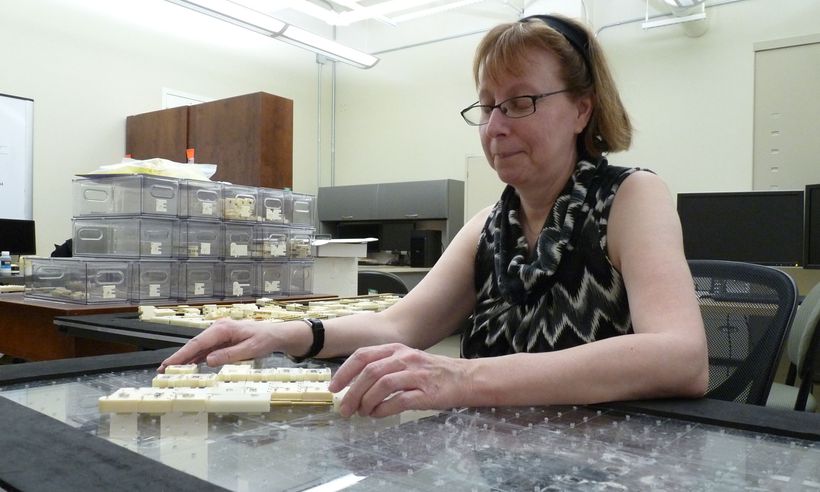
Pioneering systems to aid the visually impaired, Dianne Pawluk, Ph.D., associate professor in the Department of Biomedical Engineering, recently received two grants totaling $4.5 million in support of her research. Real-time Conversion and Display of Visual Diagrams in Accessible Forms for Blind-Visually Impaired (BVI) is a five-year project to develop real-time assistive technology for BVI individuals. It received a $3.2 million grant from the National Institutes of Health’s National Eye Institute to fund a low-cost system that will automatically convert and render visual diagrams in effective accessible formats on a multimodal display, including a refreshable tactile display and an enhanced, visual magnification program. Diagram exploration support will be provided by an automated haptic assistant. Pawluk is collaborating with Tomasz Arodz, Ph.D., associate professor in the Department of Computer Science, on the project. Including Blind and Visually Impaired Students in Computer Programming Education Through a Tangible Interface for Scratch is a four-year project to develop a nonvisual interface for the Scratch programming platform. Receiving a $1.3 million grant from the National Science Foundation, the project aims to make computer science education more accessible to BVI students. The interface will allow these students to learn programming alongside their sighted peers in classrooms, camps and clubs, supporting both BVI and other kinesthetic learners with a haptic-based tangible interface. High contrast visual information will also be provided for those with low vision and collaboration with sighted peers. This project is a collaboration with the Science Museum of Virginia, Arizona Science Center and Liberty Science Center. “Equal access to information is important for individuals who are blind or visually impaired to have autonomy and control over their decision-making processes and other tasks, which will allow them to live productive and fulfilling lives,” Pawluk said. “These projects go beyond creating an equivalent experience. They enable full collaboration between visually impaired and sighted people, ensuring equal opportunity.”
New research partnership to develop biodegradable gloves from food waste for healthcare sector
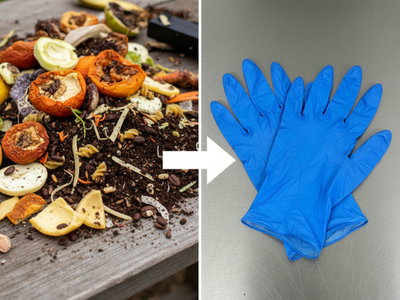
Knowledge Transfer Partnership between Aston University and PFE Medical to develop a biodegradable clinical glove from food waste The gloves will provide a low-cost, convenient and sustainable alternative to the 1.4bn disposable gloves used in the NHS each year The innovation will reduce clinical waste and costs and help the NHS reach its net zero goals. Aston University and Midlands-based company PFE Medical are teaming up to create biodegradable gloves made from food waste for use in the NHS. They will offer a low-cost, convenient alternative to disposable gloves without compromising patient safety. More than 1.4bn disposable gloves are used by the NHS each year. They create large volumes of clinical waste which has both an environmental and economic cost. The Knowledge Transfer Partnership (KTP) project will develop a more sustainable alternative made from polymers derived from food waste such as orange peel, able to degrade naturally. The gloves will initially be for use during low-risk tasks such as ultrasound scans, rather than in more critical situations such as operating theatres. The gloves would be designed to not only reduce clinical waste and costs in the NHS, but also carbon emissions, helping the NHS reach its goal to be the world’s first net-zero health service. With most personal protective equipment (PPE) currently sourced from Chinese manufacturers, the goal is to develop a biodegradable glove that can be manufactured using a UK supply chain. The challenging project draws on Aston University’s expertise in sustainable polymer chemistry, centred at Aston Institute for Membrane Excellence (AIME). Aston University has one of the largest research groups of polymer chemists in the UK. The project will be led at the University by Professor Paul Topham, director of AIME, and Dr James Wilson, AIME associate member. The research team have chosen to focus on polymers from food waste in order to ensure that the final product can be manufactured sustainably. Most polymers are currently made from petroleum. Polymers made from food waste, ranging from fruit waste to corn or dairy products, have the potential for antioxidant and antibacterial properties if designed appropriately. The team will manipulate the polymer molecules so that they include the right monomers (the smaller units which make up the molecules) in the right location to achieve the properties they require. Critical to the success of the project will be PFE Medical’s commercial and clinical experience of taking new innovations into medical use. It will be the third KTP between Aston University and PFE, following on from successful projects to develop an automated endoscope cleaner, now in use across University Hospitals Birmingham NHS Foundation Trust (UHB). Professor Topham said: “At Aston University, we have a long history of working with industry, of translating fundamental research into solutions for real world problems. This project with PFE Medical provides us with that route, to take our science and engineering and make a difference to peoples’ lives. That’s exactly where, as researchers, we want to be.” Rob Hartley, CEO of PFE Medical, said: “Our previous KTP with Aston University was a phenomenal success, thanks to the brilliant team we had on board. I’m just as excited by this project, which is looking to solve an equally long-standing problem. If we can achieve our goal, then the implications are huge, going far beyond the NHS to all the other situations where people are wearing disposable gloves.” KTPs, funded by Innovate UK, are collaborations between a business, a university and a highly qualified research associate. The UK-wide programme helps businesses to improve their competitiveness and productivity through the better use of knowledge, technology and skills. Aston University is a sector-leading KTP provider, ranked first for project quality, and joint first for the volume of active projects. For further details about this KTP, visit the webpage: www.aston.ac.uk/business/collaborate-with-us/knowledge-transfer-partnership/at-work/pfe-medical.

Researchers work to reduce excessive noise in Florida cities
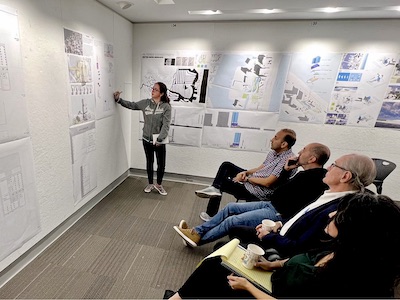
Excessive noise, or noise pollution, in cities has been linked in multiple studies to increased stress, sleep disturbances, and long-term health problems. Researchers from the University of Florida are on a mission to quiet things down, working with local governments and a private firm to improve both public health and urban living. Enter Martin Gold, an associate professor from UF’s School of Architecture, and his team of students. They recently partnered with Siebein Acoustic, a soundscape design firm that specializes in architectural and environmental acoustics. The team visited Fort Lauderdale, one of Florida’s busiest cities, known both as a party destination and a mecca for retirees. The team studied areas throughout downtown and by the beach to provide recommendations for reducing the impact of sound in the city at large. To inform their work, researchers recruited participants to walk the city and report on their observations about sound and sights, took photo documentation, acoustic measurements, geographical measurements and analyzed municipal code studies. The team proposed different improvement strategies including: Using vertical distance by requiring residential high-rise construction to limit residences in the lower floors of buildings. Limiting sound levels at windows or balconies of residential units. Building envelope systems, which are the building components that separate the indoors from the outdoors, that limit sound transmission and absorb sound. Designing new construction so buildings absorb and diffuse the sounds striking them rather than reflecting and subsequently amplifying the sounds or focusing the sounds in particular areas. Strategic zoning to incentivize designs along arterial corridors that fill the sites and provide acoustic barriers to the residential neighborhoods behind them. “We need to take a closer look at how we are designing the next generation of urban environments. There’s a lot we can do with soundscape architecture to positively impact issues moving forward.” —Martin Gold, associate professor from UF’s School of Architecture The findings and recommendations were presented at the International Congress and Exposition on Noise Control Engineering in Nantes, France. Gold and his students are currently surveying an area of Clearwater and plan to study more cities around the state and offer recommendations for reducing noise.
UF professor to expand proven disease-prediction dashboard to monitor Gulf threats
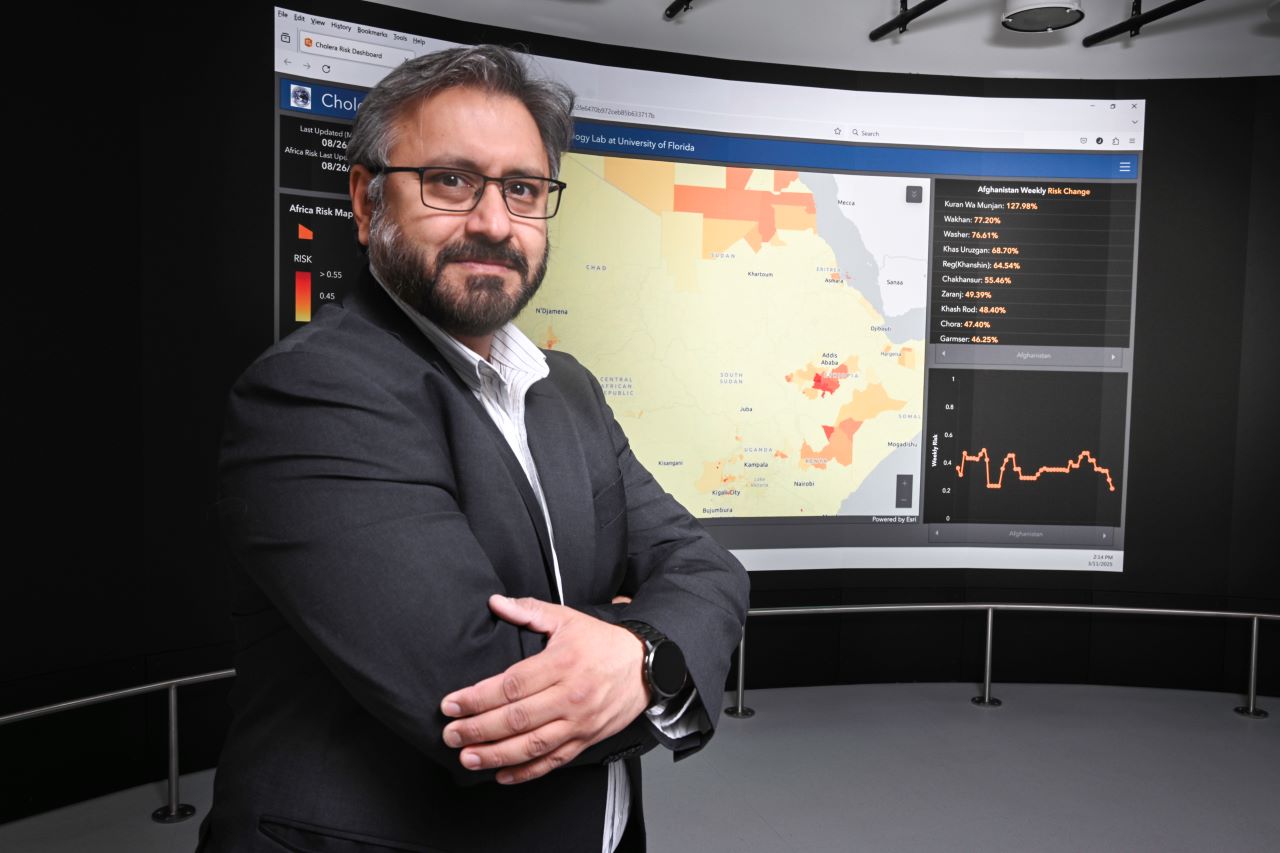
After deploying life-saving cholera-prediction systems in Africa and Asia, a University of Florida researcher is turning his attention to the pathogen-plagued waters off Florida’s Gulf Coast. In the fight to end cholera deaths by 2030 – a goal set by the World Health Organization – UF researcher and professor Antar Jutla, Ph.D., has deployed his Cholera Risk Dashboard in about 20 countries, most recently in Kenya. Using NASA and NOAA satellite images and artificial intelligence algorithms, the dashboard is an interactive web interface that pinpoints areas ripe for thriving cholera bacteria. It can predict cholera risk four weeks out, allowing early and proactive humanitarian efforts, medical preparation and health warnings. Cholera is a bacterial disease spread through contaminated food and water; it causes severe intestinal issues and can be fatal if untreated. The US Centers for Disease Control reports between 21,000 and 143,000 cholera deaths each year globally. Make no mistake, the Cholera Risk Dashboard saves lives, existing users contend. His team now wants to set up a similar pathogen-monitoring and disease-prediction system for pathogenic bacteria in the warm, pathogen-fertile waters of the Gulf of America. “Its timeliness, its predictiveness and its ease of access to the right data is a game changer in responding to outbreaks and preventing potentially catastrophic occurrences.” - Linet Kwamboka Nyang’au, a senior program manager for Global Partnership for Sustainable Development Data Closer to home Jutla is seeking funding to develop a pathogen-prediction model to identify dangerous bacteria in the Gulf to warn people – particularly rescue workers – to use protective gear or avoid contaminated areas. He envisions post-hurricane systems for the Gulf that will help the U.S. Navy/Coast Guard and other rescue workers make informed health decisions before entering the water. And he wants UF to be at the forefront of this technology. “If we have enough resources, I think within a year we should have a prototype ready for the Gulf,” said Jutla, an associate professor with UF’s Engineering School Sustainable Infrastructure and Environment. “We want to build that expertise here at UF for the entire Gulf of America.” Jutla and his co-investigators have applied for a five-year, $4 million NOAA RESTORE grant to study pathogens known as vibrios off Florida’s West Coast and develop the Vibrio Warning System. These vibrios in the Gulf can cause diarrhea, stomach cramps, nausea, vomiting, fever and chills. One alarming example is Vibrio vulnificus, commonly known as flesh-eating bacteria, a bacterium that often leads to amputations or death. The Centers for Disease Control and Prevention (CDC) has reported increases in vibrio infections in the Gulf region, particularly from 2000 to 2018. The warm and ecologically sensitive Gulf waters provide a thriving habitat for harmful pathogens. “The grant builds directly on the success of our cholera-prediction system," Jutla noted. "By integrating AI technologies into public health decision-making, we would not only lead the nation but also become self-reliant in understanding the movement of environmentally sensitive pathogens, positioning ourselves as global leaders.” Learning from preparing early Jutla’s dashboards are critical tools for global health and humanitarian officials, said Linet Kwamboka Nyang’au, a senior program manager for Global Partnership for Sustainable Development Data. “Its timeliness, its predictiveness and its ease of access to the right data is a game changer in responding to outbreaks and preventing potentially catastrophic occurrences,” Kwamboka Nyang’au said. Over the last few years, Jutla and several health/government leaders have been working to deploy the cholera-predictive dashboard. “Our partnership with UF, the government of Kenya and others on the cholera dashboard is a life-saving mission for high-risk, extremely vulnerable populations in Africa. By predicting potential cholera outbreaks and coordinating multi-stakeholder interventions, we are enabling swift action and empowering local governments and communities to prevent crises before they unfold,” said Davis Adieno, senior director of programs for the Global Partnership for Sustainable Development Data. The early warnings for waterborne pathogens also allows the United Nations time to issue early assistance to residents in the outbreak’s path, said Juan Chaves-Gonzalez, a program advisor with the United Nations’ Office for the Coordination of Humanitarian Affairs. “There are several things we do with the money ahead of time. We provide hygiene kits. We repair and protect water sources. We start chlorination, we set up hand-washing stations, train and deploy rapid-response teams. At the community level, we try to inject funding to procure rapid-diagnostic tests,” he said. “We identify those very, very specific barriers and put money in organizations’ hands in advance to remove those barriers.” Eyes on the Gulf In the United States, hurricanes stir up vibrios in the Gulf, posing a high risk of infection for humans in the water. There has been a nearly 200% increase in these cases over the last 20 years in the U.S., according to the CDC. “After Hurricane Ian, we saw a very heavy presence of these vibrios in Sarasota Bay and the Charlotte Bay region. Not only that, but they were showing signs of antibiotic-resistance. Last year, we had one of the largest number of cases of vibriosis in the history of Florida,” Jutla said. Samples from 2024 hurricanes Helene and Milton are being analyzed with AI and complex bioinformatics algorithms. “If there is a risky operation by rescue personnel, not using personal protective equipment, then we would want them to know there is a significant concentration of these bacteria in the water,” Jutla said. “As an example, Navy divers operating in contaminated waters are at risk of infections from vibrios and other enteric pathogens, which can cause severe gastrointestinal and wound infections.” Safety and economics “Exposure to vibrios and other enteric pathogens,” Jutla added, “can disrupt economic activities, particularly in coastal regions that are dependent on tourism and fishing. And vibrios may be considered potential bioterrorism agents due to their ability to cause widespread illness and panic.” In developing the Vibrio Warning System, Jutla noted, he and his team want to significantly enhance public health safety and preparedness along the Gulf Coast. By leveraging advanced AI technologies, satellite datasets and predictive modeling, they plan to mitigate the risks posed by environmentally sensitive pathogenic bacteria, ensuring timely interventions and safeguarding human health and economic activities. “Hospital systems and healthcare providers in the Gulf region will have a tool for anticipatory decision making on where and when to anticipate illness from these environmentally sensitive vibrios, and issue a potential warning to the general public,” he said. “With the potential to become a leader in environmental pathogen prediction, UF stands at the forefront of this critical research, poised to make a lasting impact on local, regional, national and global health and safety.”
A year in the spotlight: University of Delaware’s most notable media mentions of 2025
In 2025, the University of Delaware had many exceptional media mentions. Here are some of the most notable. Science coverage dominated Where will the next big hurricane hit? Ask the sharks. (The Washington Post) – Aaron Carlisle, a marine ecologist, was featured for his revolutionary work using sharks to predict major weather events. Scientists could soon lose a key tool for studying Antarctica's melting ice sheets as climate risks grow (NBC News) – Carlos Moffat, an associate professor and oceanographer, spoke about the national budget and how it's impacting climate research. These Katrina Survivors Feel Overlooked. Now, They’re Using TikTok to Tell Their Stories (Rolling Stone) – Jennifer Trivedi, a disaster researcher, spoke about why Hurricane Katrina was such a major story. Malala Yousafzai, Migration and Sustainability (Forbes) – Saleem Ali, a professor of energy and environment, contributed regularly to Forbes on environmental topics. Scientists went hunting for freshwater deep beneath the Atlantic Ocean. What they found could have global implications (CNN) – Holly Michael, a professor of Earth sciences and civil and environmental engineering, spoke about the history of freshwater. Engineering Professor Answers Electric Car Questions (WIRED) – Willett Kempton, a professor of engineering, joined WIRED to answer the internet's most interesting questions about electric cars. Plastic shopping bag policies are actually working, a new study suggests (CNN) – Kimberly Oremus, associate professor of marine science and policy, was featured in several major outlets on the effectiveness of plastic bag bans. Insects are dying: here are 25 easy and effective ways you can help protect them (The Guardian) – Douglas Tallamy, an entomologist, was featured in dozens of outlets for his expertise. Political news coverage was front and center U.S. Chamber of Commerce sues Trump administration over $100,000 H-1B visa fees (NPR) – Daniel Kinderman, a political science professor, was interviewed for his expertise on a lawsuit involving changes in work visas. The government shutdown is over, but expect more fights and higher insurance prices to come (Delaware Public Media) – David Redlawsk, a political psychologist, discussed the recent government shutdown and what an end to it signals. Wrestling Over Charlie Kirk’s Legacy and the Divide in America (The New York Times) – Dannagal Young, a communications professor, commented on how media reacted to the death of Charlie Kirk. Consequences for colleges whose students carry mountains of debt? Republicans say yes (NPR) – Dominique Baker, associate professor of education, was quoted in multiple national outlets for her education expertise. General expertise came in clutch Why the U.S. struggles with passenger service despite having the most rail lines (NPR) – Allan Zarembski, a professor of railroad engineering, was featured in dozens of national publications for his expertise. From folklore to your front porch: The history of the jack-o'-lantern (NPR) – Cindy Ott, an associate professor of history, detailed the history of this autumn staple in multiple outlets. Nexstar Media Group buying Tegna in deal worth $6.2 billion (AP) – Danilo Yanich, professor of public policy, noted the ways the media giant duplicates work across networks. Warren Buffett hired Todd Combs to take over Berkshire's portfolio one day. Here's what close watchers say about his surprise exit. (Business Insider) – Lawrence Cunningham, director of UD's Weinberg Center, was featured throughout the year for his business and economic expertise. Enlighten Me: How to make your holidays truly happy (Delaware Public Media) – Amit Kumar, a professor of marketing, discussed strategies for finding happiness during the holidays throughout the winter season. Students and their stories shined throughout the year Networking: Is it what you know or who you know? (The Chronicle of Higher Education) – UD's career-development office, which assists students on their job journeys, was featured. U of Delaware Creates Yearlong Co-Ops for Business Students (Inside Higher Ed) – A new partnership with the state of Delaware connects business students to local employers, with the goal of reducing brain drain in the region was featured. Wilmington’s 'STEM Queen' earns national Obama–Chesky honor (The News Journal/Delaware Online) – Jacqueline Means, a management information systems major, was featured for earning a national recognition. Vita Nova Restaurant Gives Culinary Students Hands-on Training (Delaware Today) – The student-staffed restaurant, Vita Nova, was featured. Delaware professor transforms writing class by teaching students to use AI as the technology reshapes the workforce (WHYY) – Matt Kinservik, a professor of English, was featured for teaching students to use AI responsibly, exploring its capabilities and fact-checking tools. Pop culture experts weighed in 'Stranger Things' expert at UD chats about Netflix show's appeal (The News Journal/Delaware Online) – Siobhan Carroll, an associate English professor, sat down with a reporter to discuss the latest season and how the horror genre is often a mirror of our real world. “Horrendous And Insulting”: Backlash Erupts Over “Misrepresentation” In 2026 Wuthering Heights (Bored Panda) – Thomas Leitch, an English professor, said that “literal adaptations of classic novels are exceedingly rare, maybe impossible.” Major changes at UD highlighted University of Delaware appoints interim president to the permanent post (The Philadelphia Inquirer) – News of UD's new president, Laura A. Carlson, was covered throughout the region. Retiree learning center gets boost with $1M gift for downstate OLLI classes (Spotlight Delaware) – a large donation to the southern Delaware chapter of the Osher Lifelong Learning Institute, was featured. To speak with any of these experts in 2026 on these stories or others, please reach out to MediaRelations@udel.edu. Happy holidays and cheers for a bright and healthy new year!