Experts Matter. Find Yours.
Connect for media, speaking, professional opportunities & more.
Georgia Southern biology professor named 2025-26 Fulbright U.S. Scholar to Vietnam
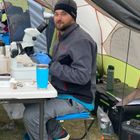
Stephen Greiman, Ph.D., associate professor of biology in Georgia Southern University’s College of Science and Mathematics, has been awarded a 2025-26 Fulbright U.S. Scholar award to Vietnam where he will lead a teaching and research project focused on parasite diversity in bats. “Dr. Greiman is further proof that Georgia Southern faculty are among the best in their fields,” said Avinandan (Avi) Mukherjee, Ph.D., provost and executive vice president for Academic Affairs. “We are incredibly proud of this achievement and all the hard work that goes into such a celebrated milestone paying off.” Greiman’s Fulbright work will build on more than a decade of collaboration with Vietnamese scientists. During graduate school, he began working with parasitologists in Vietnam and participated in field expeditions in 2013 and 2014. That early partnership has since blossomed into multiple co-authored publications and enduring collegial friendships. Vietnam, Greiman explained, is a natural fit for this project. “Its exceptional biodiversity and the significant burden of parasitic infections across humans, domestic animals and wildlife make it a particularly relevant and meaningful host country for my research,” he said. “Our shared goal is to advance awareness and understanding of parasite diversity among students and the public.” During his grant period, Greiman will teach a parasitology course at Hai Duong Medical Technical University. He will also conduct field and laboratory research in partnership with the Vietnam Academy of Science and Technology’s Institute of Ecology and Biological Resources and the Department of Parasitology. His research will involve sampling and analyzing the parasites and microbiomes of Vietnamese bats—a project designed to engage both undergraduate and graduate students in hands-on scientific inquiry. “International collaborations often yield more impactful research than national projects alone,” Greiman noted. “This award not only strengthens our scientific goals but offers my family a chance to immerse ourselves in a new culture. It’s an experience we’re incredibly grateful for.” Beyond fieldwork, Greiman hopes the Fulbright project will open doors for new exchange programs between Georgia Southern and Vietnamese institutions. He envisions Georgia Southern students spending semesters abroad and returning with global perspectives that enrich their academic and personal growth. “The data and experiences I bring back will directly inform my courses, including parasitology and biology of microorganisms,” Greiman said. “I’ll also use our findings to support undergraduate and graduate research projects, pursue new grant opportunities and publish in high-impact journals.” He credits the Fulbright program with not only enabling his research abroad but also cultivating cultural exchange, particularly by allowing families to travel with awardees. His wife, who has a background in the arts, is excited to explore Vietnam’s artistic traditions, while their two young children will experience a culture far different from their own. “Vietnam is rich in natural and cultural history,” he said. “We’re looking forward to embracing it fully, both in the field and in everyday life.” Greiman’s selection is both a professional milestone and a personal journey—one shaped by long-standing collaborations, a deep commitment to global science, and the mentorship of Georgia Southern Vice President for Research and Economic Development David Weindorf, Ph.D. “Although I was initially hesitant to apply due to the program’s competitiveness, I was inspired by Dr. Weindorf’s own transformative experiences as a Fulbright Scholar and Specialist,” Greiman said. “His guidance and support helped me see the incredible potential of this opportunity—not just for my research, but for my family and our students.” That encouragement reflects a strong professional relationship rooted in mutual respect and a shared commitment to international collaboration. “I am so proud of Dr. Greiman’s selection as a Fulbright Scholar,” said Weindorf. “The benefits of the exchange will truly be lifelong, with new friends, colleagues and connections formed and cultivated. We look forward to celebrating the lives Dr. Greiman touches, both through his teaching and research, as a meritorious ambassador of Georgia Southern University.” For Greiman, the Fulbright award marks just the beginning of a broader vision. “This experience will generate foundational data for future National Science Foundation and National Institutes of Health proposals and deepen our international partnerships,” he said. “Being selected as a Fulbright Scholar is an extraordinary honor and a chance to contribute meaningfully to a global legacy of scholarship, cultural exchange and scientific discovery.” He encourages fellow faculty members considering the program to apply. “Go for it,” he said. “Your chances are zero if you don’t try. The Fulbright is one of the few opportunities that blends extended research, cultural immersion and family inclusion. It’s life-changing—and absolutely worth it.” If you're interested in knowing more about Stephen Greiman's work or more about his Fullbright award - simply contact Georgia Southern's Director of Communications Jennifer Wise at jwise@georgiasouthern.edu to arrange an interview today.


Seniors Pay the Highest Price When Politicians Dismiss Healthcare Evidence
Disclaimer: This is an opinion piece. It reflects the author's perspective and should not be considered medical advice. Please consult with your physician or healthcare provider to discuss your individual health and vaccination needs. If you’re experiencing health issues, don’t rely on blogs (even snappy ones)—rely on a qualified medical professional. Fall is here. Kids are back in class, pumpkin spice is back in mugs, and—like clockwork—news headlines are back stirring fear and doubt. This season, RFK Jr. is making noise about vaccines, throwing science under the school bus, and leaving some older Canadians wondering: Who should I trust—politics or science? Spoiler: if you’re betting on politics to keep you healthy, you might as well ask your neighbour’s cat for medical advice. So, let’s get back to basics: what shots you really need, why the science is solid, why politics muddies the waters, and how you can be your own best health advocate. Oh, and because you know me—I’ll sprinkle in a few “if only” vaccines we all wish existed. Science vs. Politics: Who Wins? Science: Vaccines work. They reduce severe illness, save millions of lives, and prevent outbreaks of diseases we thought we’d left in history books. COVID-19 vaccines alone are credited with saving over 1.4 million lives in Europe since 2020. Vaccines aren’t some modern fad cooked up in a lab—they’ve been saving lives since 1796, when English doctor Edward Jenner made a discovery that led to the first smallpox vaccines, which at the time was one of the deadliest diseases on earth. Fast forward to today, and the results speak for themselves. Data from the CDC shows that vaccines have slashed major diseases in the U.S. and Canada to the point where polio and smallpox haven’t been seen in decades—down from tens of thousands of cases every year in the 20th century. Even measles, which has made a resurgence due to rising vaccine skepticism, is still nowhere near the half-million infections Americans used to see annually. Thanks to vaccines, measles, pertussis, mumps, and rubella are now more likely to show up in a history book—or on a pub trivia night—than in your family doctor’s office. Over a century of data shows that vaccines don’t just work—they’ve rewritten medical history. A landmark CDC study published in JAMA by researchers Sandra W. Roush (MT, MPH) and Trudy V. Murphy, MD, with Centers for Disease Control and Prevention, Atlanta, Georgia did a major study comparing disease rates before and after vaccines became widespread. The results were jaw-dropping: Cases of diphtheria, mumps, pertussis, and tetanus dropped by more than 92%, and deaths by more than 99%. Endemic polio, measles, and rubella have been eliminated in the U.S and Canada. Smallpox is gone from the globe. Even newer vaccines introduced since 1980—like those for hepatitis A, hepatitis B, Hib, and chickenpox—cut cases and deaths by 80% or more. The evidence found by the CDC study was so overwhelming that the authors called vaccines “among the greatest achievements of biomedical science and public health” (Source: JAMA, 2007) The number of cases of most vaccine-preventable diseases is at an all-time low; hospitalizations and deaths have also shown striking decreases. Think about it. When was the last time someone at your dinner table worried about catching smallpox? Enter RFK Jr., stage left. He has wasted no time since his appointment as US Secretary of Health & Human Services to undermine confidence in the public health system. His recent moves—firing the CDC director, cutting mRNA funding (even for cancer vaccines!), and gutting expert panels—are sowing doubt faster than a Toronto raccoon opening a green bin. Even Dr. Martin Makary, Commissioner of Food and Drugs for the U.S. Food and Drug Administration (FDA), recently chimed in with an opinion piece published last week in The Wall Street Journal. His take? Vaccines should mostly be reserved for high-risk groups, healthy people don’t really need them, and maybe we should start running more placebo trials “just to be sure.” That sounds reasonable until you realize it’s the same playbook RFK Jr. uses: shrink access, shift the burden of proof endlessly, and treat vaccines like optional extras. When Politics Drowns Out Science, Seniors Pay the Highest Price When politics drowns out science, we pay the highest price. Because the truth is: our immune systems age just like our knees do—creaky and slower to respond. Vaccines aren’t optional; they’re essential. Demanding new placebo trials for vaccines we already know work is like asking a baker to prove yeast makes bread rise every single year. And framing vaccines as “only for the sick” ignores the basic truth: when coverage falls, outbreaks rise. Period. Vaccines for Canadian Adults & Seniors (Source: Health Canada) Vaccines aren’t just for kids—they’re part of healthy aging, too. Health Canada has issued clear guidelines on which shots adults and seniors should have on their radar, from flu and pneumonia to shingles and RSV. Think of it as a maintenance schedule for your immune system. That said, every person’s health history is unique, so always check with your doctor or healthcare provider before rolling up your sleeve. Flu shot (Seasonal Influenza Vaccine) – Protects against flu strains that mutate yearly (PHAC – Influenza Vaccine). Everyone should receive it annually; seniors may be eligible for a high-dose version. Pneumococcal (Pneu-C-20) – Shields you from pneumonia, bloodstream infections, and meningitis (PHAC – Pneumococcal Vaccine). One dose at 65+. Shingles (Recombinant Zoster Vaccine – RZV) – Stops the chickenpox virus (that never left your body) from staging a painful comeback tour (PHAC – Shingles Vaccine Guidance)—two doses, starting at age 50. Tdap (Tetanus, Diphtheria, Pertussis Vaccine) – Protects against lockjaw, a throat infection, and whooping cough (PHAC – Tdap Vaccine). One-time booster, then Tdap every 10 years. Polio (Inactivated Poliovirus Vaccine – IPV) – Keeps polio from making a comeback (PHAC – Polio Vaccine). Needed if you missed doses or travel to outbreak zones. RSV (Respiratory Syncytial Virus Vaccine) – Prevents serious lung infections in older adults (Health Canada – RSV Vaccine Information). Recommended for ages 75+ or in long-term care. MMR (Measles, Mumps, Rubella Vaccine) – Blocks childhood triple threats (PHAC – MMR Vaccine). One dose if born after 1970 and not immune. Varicella (Chickenpox Vaccine) – For those who have never had chickenpox (PHAC – Varicella Vaccine). Two doses under age 50; For those over 50, the shingles vaccine is recommended. The Vaccines We Wish Existed Because let’s face it: medicine has cured smallpox, but not small talk. RV – Rectitious Vision Correction: For correcting poor attitudes and selective hearing in spouses. FOMOVAX: Stops the green-eyed monster when your friends are on a Caribbean cruise and you’re at Costco. TechTonic: For when Zoom won’t unmute and your iPad keeps asking for your “Apple ID you made in 2009.” EarPeace: Selective hearing—blocks whining, amplifies compliments. WineNot: The Thanksgiving booster that helps you tolerate in-laws, politics talk, and Uncle Bob’s gravy complaints. MemoryMap: Protects against the “where did I put my glasses?” epidemic. Spoiler: they’re on your head. If only. Until then, we’ll have to stick with flu and shingles shots. Screening Schedule: The Other Half of the Health Checklist Keeping your health on track sometimes feels like managing a full-time maintenance schedule. After all, the human body has more moving parts than a Canadian Tire catalogue—so of course things need regular tune-ups. If vaccines are like scheduled oil changes for your immune system, screenings are more like the regular safety inspections—checking the brakes, the lights, and making sure nothing rattles when it shouldn’t. Our bodies have a knack for keeping secrets until it’s too late, which is why Health Canada and national guidelines recommend routine checks for cancer, heart health, bone strength, and more. Here’s the recommended Health Canada guidelines—your doctor may adjust based on your risk.: Cervical (Pap test): Every 3 years, ages 25–69 (CTFPHC – Cervical Cancer Guideline). Breast (Mammogram): Every 2–3 years, ages 50–74 (CTFPHC – Breast Cancer Screening). Colorectal (Colonoscopy or FIT test): Every 2 years (FIT) or 10 years (colonoscopy), ages 50–74 (CTFPHC – Colorectal Cancer Screening). Prostate (PSA test): Discuss with your doctor around age 50 (CTFPHC – Prostate Cancer Guideline). Lung Cancer Screening: For current/former heavy smokers, typically ages 55–74 (Canadian Partnership Against Cancer – Lung Cancer Screening). Bone Density (DXA scan): At 65+ or earlier if at risk (Osteoporosis Canada – BMD Testing). Blood Pressure & Cholesterol: Annual or as needed (Hypertension Canada Guidelines). Diabetes (A1C test): Every 3 years starting at 40 (Diabetes Canada – Clinical Guidelines). Your Fall Holistic Health Checklist Still with me? Here's a checklist that I personally follow as a seasonal tune-up—part vaccines, part screenings, part lifestyle hacks. It’s not about chasing perfection; it’s about making sure you’ve got the energy to keep doing what you love (and maybe even outpace the grandkids). Whether you’re just easing into retirement, solidly in the groove, or rocking your seventies with style, these age-by-age tips will help you stay sharp, strong, and one step ahead of sneaky health surprises. Pre-Retirees (55–64) • Annual flu shot • Covid-19 shot • Start shingles series (50+) • Tdap booster if due • Immunization catch-up (MMR, polio, varicella) • Screenings: Pap, mammogram, colon, bloodwork • Exercise, hydrate, and learn to say no—yes, that’s preventive care too. Post-Retirees (65+) • Annual flu shot (high-dose if offered) • Covid-19 shot • Pneumococcal vaccine • RSV vaccine (75+ or communal living) • Shingles vaccine if not done • Screenings: colon, prostate, bone density, cholesterol, diabetes • Keep bones strong: vitamin D, weight training, and occasionally lifting grandkids count. Active Retirees (70+) • All of the above • Review meds and fall-prevention strategies • Stay social—book clubs, golf leagues, dance classes. Loneliness is a silent epidemic. • Advocate for friends, spouses, and grandkids—because being the family health quarterback matters. Your Best Shot: Be Your Own (and Your Community’s) Advocate Vaccines and screenings are only half the story—the other half is using your voice. Seniors have enormous influence, and when you speak up, policymakers listen. Here are a few ways to make sure your concerns don’t get lost in the shuffle: Start local. Write a short letter or email to your Member of Parliament, MPP, or Mayor. Personal stories are more powerful than statistics—tell them why vaccines, screenings, and health services matter to you and your community. Pick up the phone. Constituency offices actually log every call, so even a five-minute conversation with a staffer goes on record. Think of it as Yelp for public policy. Go public. A letter to the editor in your local paper or a well-placed comment at a town hall gets noticed by decision-makers. Be persistent (but polite). Politics moves slowly, but steady nudges add up. You don’t need to storm Parliament—just keep knocking on the door. You’ve spent a lifetime paying taxes, raising families, and building communities—you’ve earned the right to be heard. And let’s be real: nobody wants to mess with a senior who’s got a phone, an email list, and time to follow up. This fall, don’t let politics steal your peace of mind. Don’t let headlines plant seeds of doubt. Vaccines and screenings aren’t about fear—they’re about freedom: freedom to keep moving, keep laughing, keep living the “Hip, Fit & Financially Free” life you deserve. And until they invent the "WineNot" booster or the "MemoryMap" shot, your best defence is still the good old-fashioned flu, shingles, and pneumonia vaccines—plus the screening tests that catch sneaky stuff early. So roll up your sleeve. Book that screening. Be your own health advocate. And while you’re at it, sign your spouse up for the RV shot—because an attitude adjustment should absolutely be a household vaccine. Stay healthy. Don't Retire - Rewire! Sue Resources Want to dig deeper? Here are links to a few of my other health and wellness posts where I share practical tips, a little humour, and more ways to keep your retirement years strong, savvy, and stress-free. > The Retirement Games: From Sprint to Marathon, The New Retirement Reality > Life Hacks in Retirement: Strategies for Aging Well Also for each vaccine mentioned, here are some links to trusted sources of information. Please consult with your physician or healthcare provider before commencing with any treatment. COVID-19 Public Health Agency of Canada (PHAC) - COVID-19: Spread, prevention and risks - https://www.canada.ca/en/public-health/services/diseases/2019-novel-coronavirus-infection/prevention-risks.html Flu Shot (Seasonal Influenza) Public Health Agency of Canada (PHAC) – Canadian Immunization Guide, Influenza Chapter: https://www.canada.ca/en/public-health/services/publications/healthy-living/canadian-immunization-guide-part-4-active-vaccines/page-10-influenza-vaccine.html Pneumococcal (Pneu-C-20) PHAC – Canadian Immunization Guide, Pneumococcal Chapter: https://www.canada.ca/en/public-health/services/publications/healthy-living/canadian-immunization-guide-part-4-active-vaccines/page-16-pneumococcal-vaccine.html Shingles (Recombinant Zoster Vaccine – RZV) PHAC – Shingles Vaccine Guidance: https://www.canada.ca/en/public-health/services/publications/vaccines-immunization/shingles-vaccine.html Tdap (Tetanus, Diphtheria, Pertussis) PHAC – Tdap Vaccine - https://www.canada.ca/en/public-health/services/publications/healthy-living/canadian-immunization-guide-part-4-active-vaccines/page-21-tetanus-diphtheria-pertussis-vaccine.html Polio (IPV) PHAC – Polio Vaccine Guidance - https://www.canada.ca/en/public-health/services/publications/healthy-living/canadian-immunization-guide-part-4-active-vaccines/polio-vaccine.html RSV (Respiratory Syncytial Virus) - Health Canada – RSV Vaccine Information - https://www.canada.ca/en/health-canada/services/drugs-health-products/vaccines/respiratory-syncytial-virus.html MMR & Varicella - PHAC – Measles, Mumps, Rubella, Varicella Chapters: https://www.canada.ca/en/public-health/services/publications/healthy-living/canadian-immunization-guide-part-4-active-vaccines.html


For many older adults in Sussex County, Delaware, navigating the health care system can feel overwhelming and difficulty accessing care can create gaps in care that ultimately lead to poor health. To help older adults more easily meet their health needs and be successful in navigating the system, ChristianaCare has brought a variety of services to Sussex County that are specially designed for this population. These include ChristianaCare’s expanding My65+ primary care program, the Swank Center for Memory Care and ChristianaCare HomeHealth—all services that work collaboratively with seniors to help them achieve their best health based on their individual needs. Download Photos. ChristianaCare My65+ ChristianaCare My65+ provides specialized primary care services for people 65 and older. ChristianaCare’s My65+ services include medication management, annual Medicare visits, chronic disease management, coordination with specialists and additional consultation time with health care providers. These services are tailored to meet the specific health needs of seniors. “I can’t express enough how wonderful the My65+ program at ChristianaCare has been for me,” said Linda Martin of Rehoboth, a patient of the My65+ Program. “When they opened the practice in Rehoboth, it made getting the care I need much more convenient. I truly appreciate how the professionals at ChristianaCare take the time to understand my health and offer support for my mother’s care. They have a memory specialist on-site who provides expert care for my mother. It feels like I’m part of a caring community.” ChristianaCare My65+ is available at locations in Rehoboth Beach and at a new primary care practice in Milford, which began accepting My65+ patients in May. “ChristianaCare recognizes the importance of addressing the unique health care needs of our senior community. Our focus is on delivering care that prevents diseases, manages chronic conditions and improves overall well-being, especially for older adults,” said Priya Dixit-Patel, M.D., physician executive for Core and Advanced Primary Care at ChristianaCare. Swank Center for Memory Care Recognizing the significant impact that memory-related conditions can have on individuals and their families, ChristianaCare’s Swank Center for Memory Care serves as a source of hope and support for those dealing with these challenges. A dedicated team of geriatricians, nurses, social workers and other professionals collaborates with patients and their families to offer support, education and guidance throughout the diagnosis and treatment process. “ChristianaCare has consistently been at the forefront of providing excellent patient care, and the Swank Center for Memory Care is another opportunity for us to enhance support for people 65 and older,” said Steven Huege, M.D., MSEd, The Swank Foundation Endowed Chair in Memory Care and Geriatrics at ChristianaCare. “By designing care that meets the specific needs of older adults, we can create a better experience and achieve improved outcomes for everyone involved. This initiative is an important part of our overarching vision to provide every older adult with the best care possible.” The Swank Center was selected by the Centers for Medicare & Medicaid Services (CMS) to participate in the new Guiding an Improved Dementia Experience (GUIDE) Model, aimed at enhancing care coordination and access to services for those living with dementia and their caregivers. Key support services will include comprehensive assessments, care coordination, respite care, a 24/7 support line and education. With locations in Wilmington, Smyrna and Rehoboth, the Swank Center for Memory Care serves patients throughout Delaware and the surrounding region. ChristianaCare HomeHealth ChristianaCare HomeHealth provides a variety of nursing care for all ages in managing chronic conditions, adapting to new diagnoses, and improving daily living activities. It is the leading provider of in-home nursing care and assistance in Delaware. “ChristianaCare HomeHealth designs a plan of care that is personalized for those we serve,” said Donna Antenucci, MHA, BSN, RN, interim president, ChristianaCare HomeHealth. “Treating older adults in their own home is a privilege and brings comfort physically and emotionally to those served and their family. “It is truly rewarding for us as providers of home health services to enhance people’s quality of life and improve their overall well-being. We are truly honored to be a part of their journey to wellness and healing while respecting the dignity of those we serve.” These services are available throughout the entire state and provide comprehensive care through skilled nursing, home health aides, rehabilitative services, and medical social workers. Specially trained professionals offer home care, including physical and speech therapy, to help individuals live independently and safely. ChristianaCare HomeHealth began as a Visiting Nurse Association (VNA) in 1922 and now has more than 350 caregivers who serve patients throughout the state. Currently, there is an active daily census of about 1,500 patients. The service admits approximately 10,000 patients each year across the state. Meeting the Needs of Sussex County’s Rapidly Growing Population Sussex County has been designated as a “Medically Underserved Area” by the federal government, with projections showing that the population will increase from 237,000 in 2022 to over 361,000 by 2050, further intensifying the demand for primary care services. The providers at ChristianaCare’s new Milford location will play a crucial role in addressing the growing health care needs of Sussex County. “My65+ and Swank Center for Memory Care Services are unique programs in Sussex County that are greatly needed because of the growing senior population,” said Anthony Paul Buonanno, M.D., MBA, primary care physician at My65+ at Rehoboth Beach. “The health care infrastructure has not been able to keep up with the demand, and it is essential to provide health care services close to home for Delawareans. I am proud to be part of a program that is innovative, necessary and useful to my community.” While ChristianaCare primary care is a relative newcomer to Sussex County, ChristianaCare already has a large primary care network in northern Delaware, southeastern Pennsylvania, southern New Jersey and Maryland.



This strategic move aligns with LSU’s Scholarship First Agenda, where energy is one of five core focus areas for research critical to the future of Louisiana and the nation. It also builds on the successes of LSU’s Institute for Energy Innovation, Center for Energy Studies, Louisiana Geological Survey, and the LSU-led FUEL team while assuming a leadership role in how the university engages with its partners—industry, communities, donors, and state and federal agencies—through collaboration and service. “As Louisiana’s flagship research university, LSU is committed to organizing our efforts in ways that maximize impact and reflect institutional priorities,” said Robert Twilley, LSU vice president of research and economic development. “The LSU Energy Institute will provide a platform for faculty across multiple colleges and disciplines to collaborate on solutions to Louisiana’s most pressing energy and environmental challenges.” The LSU Energy Institute will unify and expand several longstanding programs, chiefly the Center for Energy Studies, the Louisiana Geological Survey, and a range of externally funded initiatives, including cutting-edge energy research catalyzed by the LSU Institute for Energy Innovation through a dedicated $25 million investment from Shell. This results-focused realignment reflects a broader effort across LSU to improve coordination between strategic research projects and teams with increased support from research centers, institutes, and core facilities. As LSU’s flagship unit in the energy domain, the Energy Institute will enhance the university’s ability to align interdisciplinary research and policy with Louisiana’s energy economy and environmental stewardship goals. “The reorganization of LSU energy efforts into this institute reflects both a long-standing legacy of service and a renewed vision for the future of energy research in Louisiana. It’s about building on 40 years of trusted work while expanding our capacity to innovate, support decisionmakers, and serve the people of our state, said Greg Upton, interim director of the LSU Energy Institute and executive director of the LSU Center for Energy Studies. The LSU Energy Institute will serve as a central hub for faculty, students, industry, and public agencies working at the intersection of energy technology, resource economics, environmental protection, and policy. The integration of the Louisiana Geological Survey will further reinforce the university’s role in providing critical data and analysis to support state planning and hazard assessment. The institute will also continue to seed competitive, high-quality research focused on energy systems resilience, carbon management, and economic opportunity. These investments reflect LSU’s broader vision to translate research into impact and fuel new jobs and technologies to power Louisiana’s future. Original article posted here.



ChristianaCare Hospital, West Grove to Open Mid-August 2025
ChristianaCare is opening its first neighborhood hospital in the company’s 188 year history — ChristianaCare Hospital, West Grove. Set to open in mid-August, this facility offers a new model of emergency and acute care right in the heart of southern Chester County. The exact opening date will be confirmed following final inspection by the Pennsylvania Department of Health, which is scheduled to occur in the first week of August. A Modern Hospital, Right in the Neighborhood Located at 1015 West Baltimore Pike, the 20,000-square-foot hospital will operate 24/7, offering around-the-clock care in a modern, easy-to-access setting. Developed in partnership with Emerus Holdings, Inc., the nation’s leading developer of neighborhood hospitals, this facility brings high-quality acute and emergency care directly into the community. It will be staffed with board-certified emergency physicians, skilled nurses and clinical specialists, all dedicated to delivering patient-first, efficient and compassionate care. “It’s an honor and privilege to expand access to high-quality care for our neighbors in southern Chester County,” said Janice Nevin, M.D., MPH, president and CEO of ChristianaCare. “We will be opening our doors for the families in this community with a steadfast commitment to being their trusted health care partner. We’re grateful for the opportunity to bring love and excellence to those we will serve.” Convenient, Comprehensive Services ChristianaCare Hospital, West Grove is designed to meet a wide range of everyday medical needs. Key features include: A full-service emergency department with 10 treatment rooms. A 10-bed inpatient unit for overnight stays, observation and diagnostics. Advanced imaging and lab services, including ultrasound, CT scan and X-ray. Virtual access to specialists in such areas as cardiology, critical care and infectious disease. The emergency department is equipped to treat conditions such as falls, injuries, heart attacks and strokes. Patients requiring surgery or more complex care will be stabilized and seamlessly transferred to a hospital with more expanded service offerings based on the clinical needs of the patient. “This neighborhood hospital brings the right mix of services to support the health and well-being of our neighbors,” said Pauline Corso, president of ambulatory network continuity and growth at ChristianaCare. “We’re excited to bring care close to home to meet the needs of the community. We’re here to stay and grow alongside this community.” The project has received strong local support and was made possible in part by generous grants from the Commonwealth of Pennsylvania and the Chester County Board of Commissioners — Josh Maxwell, Marian Moskowitz, and Eric Roe — whose leadership helped bring this vision to life. Health Center Expands Access to Primary and Specialty Care As part of its long-term investment in the West Grove Campus, ChristianaCare has also purchased the building at 900 W. Baltimore Pike, across the street from the hospital. This facility currently houses a ChristianaCare primary care practice and imaging services, offering walk-in X-rays and scheduled mammography and ultrasound appointments. This health center will continue to evolve to meet the growing needs of the community. Meeting Regional Needs with a Broader Vision ChristianaCare is expanding its neighborhood hospital model to address care gaps across southeastern Pennsylvania. New hospitals are being planned for Aston and Springfield Townships in Delaware County, with the Aston location already under construction and expected to open in late 2026. In addition, ChristianaCare was the successful bidder for Crozer Health outpatient centers in Glen Mills, Havertown, Broomall and Media, further strengthening its regional footprint and ability to deliver timely, high-quality care. A Legacy of Care in Southeastern Pennsylvania ChristianaCare’s presence in the region is long-standing. The organization currently provides primary care at three Chester County locations — Kennett Square, Jennersville and West Grove — and recently opened a cardiology practice in West Grove. In neighboring Delaware County, the Concord Health Center in Chadds Ford offers a wide range of services, including primary care, women’s health, sports medicine, and behavioral health. Together, these sites serve as the medical home for more than 25,000 residents, underscoring ChristianaCare’s deep commitment to delivering accessible, high-quality care where it’s needed most.

If the first few frames are any indicator of a blockbuster movie, hold the 2035 Best Picture Oscar for the Vera C. Rubin Observatory and its ambitious new 10-year project. On June 23, 2025, scientists at the state-of-the-art facility in the mountains of north-central Chile gave the public its first glimpses into the capabilities of its 8.4-meter Simonyi Survey Telescope, equipped with the world’s largest digital camera—a 3.2 megapixel, 6,600-pound behemoth that can photograph the whole southern sky every few nights. Its task is a decade-long lapse record-called the Legacy Survey of Space and Time (LSST). The first shots on that journey have left both the general public and astronomical community in awe, revealing in rich detail a mind-boggling number of galaxies, stars, asteroids and other celestial bodies. “The amount of sky it covers, even in just one image, is unprecedented,” said David Chuss, PhD, chair of the Department of Physics, who viewed the first images with colleagues at an organized watch party. “It’s such high-precision, beautiful detail,” added Kelly Hambleton Prša, PhD, associate professor of Astrophysics and Planetary Sciences. “It’s just mind-blowing.” What Makes Rubin and LSST So Unique? Simply, this revolutionary instrument, embarking on an equally revolutionary initiative, will observe half the sky to a greater depth and clarity than any instrument ever has before. Consider this: "The Cosmic Treasure Chest" image released by Rubin contains 1,185 individual exposures, taken over seven nights. Each one of those individual exposures covers 10 square degrees of night sky, which is about the same as looking up at 45 full moons positioned around one another. It may seem like a small size, but click the image yourself, and zoom in and out. The amount of sky captured in that range—enough to show roughly 10 million galaxies—is astounding. Per the Observatory, “it is the only astronomical tool in existence that can assemble an image this wide and deep so quickly.” “At the end of 10 years, Rubin will have observed 20 billion galaxies, and each night in that time frame it will generate 20 terabytes of data,” Dr. Hambleton Prša said. “And, because Rubin has so many different filters, we get to see the same objects in so many different ways.” According to Dr. Hambleton Prša and Dr. Chuss, the power and precision of the Rubin LSST, combined with the shear area of the sky that will be observed, will allow for an incredibly in-depth study of myriad objects, processes and events in ways nobody has ever studied them before. “For example, in our galaxy, we expect to observe only two supernovae per century,” Dr. Hambleton Prša said. “But we're observing 20 billion galaxies. For someone studying this phenomenon, the number of supernovae that they’re going to observe will be off the charts. It is an exquisite survey.” It will also provide insight into the universe’s oldest and most puzzling enigmas. “Rubin is able to look back into our universe at times when it was much smaller during its expansion and really address some of these incredible mysteries out there, like dark energy,” Dr. Chuss said. “We know the universe is expanding and that this expansion is accelerating. Rubin will trace the history of that acceleration and, from that, provide insight into the physics of the mysterious dark energy that appears to be driving it.” To enhance the technological capabilities of its instrument, scientists were invited to contribute towards the selection of the observing strategy of the telescope. The Rubin team took into consideration continual input from the astrophysics community, separated into what they call “science collaborations.” To achieve this, the Rubin team generated proposed simulations for collecting observations, which the science collaborations then assessed for their specific science goals. “The Rubin team then iterated with the science collaborations, taking into account feedback, to ultimately obtain the best strategy for the largest number of science cases,” Dr. Hambleton Prša said. Dr. Hambleton Prša is the primary contact for the Pulsating Star Subgroup, which is part of the Transients and Variable Stars Science Collaboration, the science collaboration that focuses on objects in the sky that change with time. She was the lead author among 70 co-authors on the roadmap for this science collaboration, underscoring the significant scale of community participation for each of these areas. Joined Under One Sky Dr. Hambleton Prša, Dr. Chuss and other members of the Astrophysics and Planetary Sciences Department and Department of Physics at Villanova have a vested interest in Rubin and the LSST project. In April, the two departments joined forces to launch The Villanova One Sky Center for Astrophysics, co-directed by the two faculty members. With goals to elevate the University's longstanding record of research eminence in astronomy and astrophysics and create opportunities for more students to access the disciplines, the Center partnered with the Rubin Observatory to help realize the mission. Both Villanova and Rubin share a similar vision on expanding access to this broad field of study. Fortuitously, the launch of The Villanova One Sky Center coincided with the initial data released from Rubin. What will result, Dr. Chuss says, will be a “truly awesome impact on both our Center and institution.” Dr. Hambleton Prša will advance her own research of pulsating stars, and Andrej Prša, PhD, professor of Astrophysics and Planetary Science and the primary contact for the Binary Star Subgroup, will broaden his study of short-period binary stars. Joey Neilsen, PhD, associate professor of Physics, will expand his research in black hole astrophysics. Becka Phillipson, PhD, an assistant professor of Physics, who recently led a proposal for Villanova to join the Rubin LSST Discovery Alliance, aims to increase the scope of her study of chaotic variability of compact objects. Dr. Chuss, who generally works on infrared and microwave polarimetry, which is “outside the wavelength ranges of Rubin” is interested in its complementarity with other observations, such as those of the cosmic microwave background—the oldest light in the universe—and the evolution of the large-scale structure of the universe. Subjects, he says, which are “exactly in the wheelhouse for Rubin.” Other faculty members are interested in topics such as how Rubin’s observations may change the knowledge of both the history and structure of our solar system and the population of Milky Way satellite galaxies. That is not to mention, Dr. Hambleton Prša points out, the daily 20 terabytes of data that will become available for students and postdoctoral researchers under their tutelage, who will be heavily involved in its analysis for their own projects and ideas. “This partnership is going to greatly increase our opportunities and elevate our profile,” Dr. Chuss said. “It will make our program even more attractive for faculty, postdocs and students to come and to share their knowledge and expertise. “Together, we will all have access to an incredible movie of this epoch of our universe, and the knowledge and surprises that come with it along the way.”





ChristianaCare and Children’s Hospital of Philadelphia (CHOP) today announce a new strategic affiliation to expand access to world-class pediatric care in Delaware and surrounding communities. The collaboration, which is expected to begin in spring 2026, will enhance access to specialized pediatric care by bringing CHOP’s renowned expertise closer to home for families in the communities ChristianaCare serves in Delaware, Maryland, Pennsylvania and New Jersey. By integrating CHOP’s services with ChristianaCare’s established network, the collaboration will improve care delivery, making advanced pediatric treatments more accessible and reducing the need for families to travel long distances for care. A Bold Step Forward in Pediatric Care “This collaboration brings together two amazing organizations that are already nationally recognized for clinical excellence—and we’re going to be even better together,” said Janice E. Nevin, M.D., MPH, president and CEO of ChristianaCare. “Our affiliation with CHOP marks a bold step forward in our mission to provide the highest quality care to children and families across the communities we serve. These are uncertain times for many parents with young children in need of routine or complex medical care. ChristianaCare and CHOP are joining forces to provide world-class care, close to home, at a time when it’s needed most.” “Bringing seamless, family-centered care to our patients is a priority at Children’s Hospital of Philadelphia,” said Madeline Bell, CEO at Children’s Hospital of Philadelphia. “As one of the region’s most dynamic health systems, ChristianaCare has earned a national reputation for its bold approaches to both clinical care and innovation. Our new affiliation is driven by a shared vision: redefining what is possible in health care and ensuring that every patient — at every stage of life — receives the highest standards of care, from infancy through adulthood.” “Our team at ChristianaCare is excited to work closely with Children’s Hospital of Philadelphia to bring even more specialized care to our community,” said Megan Mickley, M.D., chair of Pediatrics at ChristianaCare. “CHOP’s leadership in pediatric medicine will complement the outstanding care already provided at ChristianaCare, ensuring that our youngest patients receive the most advanced treatments in a compassionate and supportive environment.” Initial Focus and Future Growth This affiliation between ChristianaCare and CHOP represents a significant increase in access to world-class pediatric care for communities in Delaware, Maryland, southeast Pennsylvania and southern New Jersey. CHOP, a global leader in pediatric care and research for over 165 years, is consistently ranked among the top children’s hospitals in the country, known for pioneering breakthroughs across a breadth of pediatric care areas. The affiliation will include all ChristianaCare hospitals and locations where pediatric emergency and inpatients are cared for. The collaboration will initially focus on pediatric and neonatal services. Patients at ChristianaCare will have access to CHOP’s expertise in rare and complex diseases and a wide range of newborn and pediatric services, including surgery, cardiology, neurology, radiology, ophthalmology and genetics, as well as educational and research opportunities. As the collaboration grows, it will explore further opportunities to expand pediatric care and improve health care delivery in the region.


Dry eye disease is a common condition affecting one-third of the adult population and one-in-five children Professor James Wolffsohn researched the most effective blinking exercises to reduce discomfort, involving a close-squeeze-blink cycle He developed the MyDryEye app in collaboration with Alec Kingsnorth and Mark Nattriss to help sufferers An Aston University optometrist, Professor James Wolffsohn, has determined an optimum blinking exercise routine for people suffering with dry eye disease, and has developed a new app, MyDryEye, to help them complete the routine to ease their symptoms. Dry eye disease is a common condition which affects one-third of the adult population and one-in-five children, in which the eyes either do not make enough tears, or produce only poor-quality tears. It causes the eyes to become uncomfortable, with gritty- or itchy-feeling eyes, watery eyes and short-term blurred vision. It is more common in older adults and can be exacerbated by factors including dry air caused by air conditioning, dust, windy conditions, screen use and incomplete blinks, where the eye does not fully close. Professor Wolffsohn is head of Aston University’s School of Optometry and a specialist in dry eye disease. While it has long been known that blinking exercises can ease the symptoms of dry eye disease, the optimum technique, number of repetitions and necessary repeats per day are unclear. Professor Wolffsohn set out to determine the best exercises. His team found that the best technique for a dry eye blinking exercise is a close-squeeze-blink cycle, repeated 15 times, three times per day. Participants found that while they were doing their exercises symptom severity and frequency decreased, and the number of incomplete blinks decreased. Within two weeks of stopping the exercises, their symptoms returned to normal levels, showing the efficacy of the exercises. To carry out the work, Professor Wolffsohn’s team ran two studies. For the first, they recruited 98 participants, who were assessed for dry eye symptoms before and after the two weeks of blinking exercises. Participants were randomly allocated different blinking exercises to determine the most effective. A second study with 28 people measured the efficacy of the blinking exercise. Once the optimum blinking routine had been developed, Professor Wolffsohn worked withAlec Kingsnorth, an engineer and former Aston undergraduate and PhD student, and Mark Nattriss, business manager of his spin-out company, Wolffsohn Research Ltd, to develop the app, MyDryEye, which is freely available on Android and iOS operating systems. The app allows users to monitor their dry eye symptoms, assess their risk factors, add treatment reminders and monitor their compliance, complete the science-based blink exercises and find a specialist near them. Professor Wolffsohn says that the blinking exercises should be carried out as part of a treatment programme which could also include the use of lipid-based artificial tears, omega-3 supplements and warm compresses. Professor Wolffsohn said: “This research confirmed that blink exercises can be a way of overcoming the bad habit of only partially closing our eyes during a blink, that we develop when using digital devices. The research demonstrated that the most effective way to do the exercises is three times a day, 15 repeats of close, squeeze shut and reopen – just three minutes in total out of your busy lifestyle. To make it easier, we have made our MyDryEye app freely available on iOS and Android so you can choose when you want to be reminded to do the exercises and for this to map your progress and how it affects your symptoms.” Read the full paper, ‘Optimisation of Blinking Exercises for Dry Eye Disease’, in Contact Lens and Anterior Eye at https://doi.org/10.1016/j.clae.2025.102453.


Historical Significance of the Papal Name
In the wake of the historic election of Pope Leo XIV, the first American to ascend to the papacy, scholars and observers alike are reflecting on the global, historical and theological implications of his early statements and symbolic choices. His decision to take the name Leo – a name not used for over a century – immediately evokes comparisons to both Leo XIII and Leo I (Leo the Great), popes known for their firm leadership and dynamic engagement with the world. Baylor University’s Elisabeth Rain Kincaid, J.D., Ph.D., director of the Institute for Faith and Learning and an expert on early modern theology and Catholic Social Thought, said choosing the name Leo is significant, especially in today’s world. Through his choice of name, rhetorical style and theological references, the new pope is signaling a clear vision for a Church that is simultaneously grounded in tradition and open to global dialogue, Kincaid said. Kincaid is currently at work on a monograph – “Business Ethics for a Flourishing Life: Catholic Social Thought in the Modern Workplace” – in which she argues for the continued importance of Leo XIII’s thought for modern life. If you're covering the news about Pope Leo XIV and are looking to know why Cardinal Robert Prevost chose that name - we can help. Elisabeth Rain Kincaid is an author, speaker, teacher, and theologian. She has published broadly in peer-reviewed journals and popular publications. She is a frequent speaker at conferences, churches, and professional events on topics including business ethics, virtue and character, Christian engagement with law and politics, and work and vocation. She is currently the Director for the Institute for Faith and Learning at Baylor University. In her teaching, she draws upon her years of experience as a white-collar criminal defense attorney and a private equity professional, along with her ministry experience. Elisabeth is available to speak with media about this topic - simply contact Shelby Cefaratti-Bertin, M.A., Assistant Director of Media and Public Relations at Baylor University, Shelby_Cefaratti@baylor.edu or 254-327-8012 to arrange an interview today.


Taking ACT-ion for Quality Improvement
“Learning is a journey. It is continuous,” said nurse Hellen Okoth, MSN, CCRN, RN-BC, of the Transitional Surgical Unit. She was one of the learners on that journey through ChristianaCare’s professional development program Achieving Competency Today (ACT). ACT, a 12-week graduate-level program dedicated to health care improvement, will celebrate its 40th session in 2025. Some 1,000 caregivers have graduated from ACT and have tested some 140 innovative project ideas since the program’s launch in 2003. On April 9, three ACT teams presented their quality improvement projects at the John H. Ammon Medical Education Center on ChristianaCare’s Newark campus. Interdisciplinary, experiential learning programs like ACT create a rich and dynamic learning environment,” said Tabassum Salam, M.D., MBA, FACP, chief learning officer for ChristianaCare. “The emphasis on continuous improvement and real-world applications of the educational content sets our ACT graduates up for lifelong learning and repeated application of these new skills.” The ACT course is a collaborative experience that brings together learners from diverse disciplines to tackle real-world health care challenges. Participants learn from health system leaders and gain a broad perspective on health care through coursework. They work in teams to complete problem-solving projects from start to finish using the Plan-Do-Check-Act (PCDA) model of continuous improvement. Facilitators, who are experts in improvement science and team effectiveness, guide the teams through the process, ensuring that each project is meticulously planned and executed. ChristianaCare offers many professional development opportunities. Click here for careers and benefits. “The hands-on projects in ACT enable learners to innovate and test out solutions in settings that directly benefit patients, leading to better outcomes and a higher quality of care,” Salam said. The three most recent teams presented improvement research that has the potential to expand beyond their pilot stage to other areas of the health system. ‘Hush! For the Love of Health’ In “Hush! For the Love of Health,” an interdisciplinary team worked to reduce noise levels on the Cardiovascular Critical Care Unit (CVCCC) at Christiana Hospital. Their goal was to decrease ambient noise levels by 10 decibels during the study period. Intensive care units often experience noise levels that can exceed 80 decibels. A quiet environment is 30 to 40 decibels. Members of the “Hush” project found creative ways to reduce noise on an intensive care unit. Ambient noise refers to all sounds present in the background, which research shows can interfere with communication, concentration and comfort. In a hospital setting, these sounds may include alarms, conversations, announcement and pages and carts moving by. The team looked for opportunities to safely reduce the number of alarms sounding. By collaborating with Philips technology company to lower alarm volumes and eliminate redundant alarms, they reduced the number of alarms sounding from 10,000 to 3,000 daily and successfully decreased noise levels by 13 decibels, exceeding their goal. “It’s good for patients to have a quiet environment and it fights alarm fatigue for caregivers,” said Dylan Norris, a pre-medical student from the University of Delaware and participant in the ACT course. ‘Show Up and Show Out’ Reducing the no-show rate among patients in primary care practices improves health outcomes and conserves resources. In “Show Up and Show Out: Boosting Patient Attendance in Primary Care,” the project team aimed to reduce the incidence of no-show appointments at the Wilmington Adult Medicine (WAM) practice by 10%. The “Show Up and Show Out” project team used personalized communication outreach to patients to encourage keeping their primary care appointments. “Our literature review showed that personal relationships with providers are one thing that can encourage people to attend appointments,” said team member Christi Karawan, MS, BSN, CCRN-CSC. The key to their problem-solving strategy was using a secure messaging platform for automatic appointment reminders specifically for WAM that were personalized with the provider’s name and thanking the patients for letting WAM be a part of their healthcare team. Other steps on the road to success were signage around the practice encouraging patients to update their contact information and calls from office assistants and medical assistants to unconfirmed patients the day prior to their appointments. The team achieved a 9.5% reduction in no-shows, just shy of their goal, over a two-week period. An office assistant who participated in the pilot said, “Outreach has been helpful not only in getting people in but in getting people to reschedule or cancel. We can catch it before it becomes a no-show.” ‘Magnetic Efficiency’ To address delays in patient transport from MRI testing at Newark campus, an ACT team created a new communication workflow to directly connect patient escort dispatch to the MRI charge technician. The ACT team aimed to decrease patient wait times following MRI completion for stretcher transport back to patients rooms by 25% — and “a bold goal,” said one colleague — during the study period. The “Magnetic Efficiency” team identified a new workflow to get patients back to their hospital rooms faster after MRI testing. Using Vocera wearable communications tools, the team created a thread for direct communication between Escort Dispatch caregivers and MRI charge technicians. Also, when an Escort transporter dropped off a patient for an MRI, the transporter asked MRI staff if any patients were ready to go back to their rooms. These changes in communication and empowerment consolidated transports and led to a 17% reduction in wait time during the two-week pilot. “We don’t want people to work harder,” said team member Tim Kane, BSN, RN. “We wanted to avoid preventable delays.” Both teams expressed satisfaction and improved communication with the new process and they expressed interest in continuing the process after the pilot ended. Future forward The ACT course has a rich history, originating from a specific initiative piloted by the Robert Wood Johnson Foundation with ChristianaCare among the early adopters along with Harvard University, the University of Pennsylvania, Johns Hopkins University and Beth Israel Deaconess Medical Center. Through the years, ChristianaCare ACT team members have seen their projects live on both as permanent changes throughout the health system and, more personally, in their professional growth. “I was able to enhance my creativity, organizational and problem-solving skills,” said Starr Lumpkin, a staff assistant who was on the “Hush” team. “This was a pivotal journey for me.” ChristianaCare is growing its program to develop a pipeline for the next generation of health professionals, said Safety and Quality Education Specialist Claire Rudolph, MSM, CPHQ. “We have a varied group of learners and facilitators who are making an impact on health care quality, cost and safety.” Dylan Norris was the first participant from a new partnership with the University of Delaware for pre-med students to get quality improvement experience. “I have learned so much about what goes into a quality improvement project. Buy-in from the stakeholders is key in implementing any new project successfully,” she said. “I have also learned about the importance of the initial research that goes into creating a new project and how much pre-planning goes into it.” Closing the event, Clinical Effectiveness Officer Christian Coletti, M.D., MHCDS, FACEP, FACP, called on the ACT graduates to use their newfound “superpowers” — “vision, seeing the future, catching something before it breaks. “It’s not a glitch in the matrix,” he said. “You are the most important people at the bedside – hearing the alarms going off or the stretchers piling up. Work to identify problems and move toward solutions in your own microenvironments. Pass on your powers with reckless abandon.”