
Experts Matter. Find Yours.
Connect for media, speaking, professional opportunities & more.
August is National Immunization Awareness Month – get the facts about vaccination
All month long, there will be stories, debates and conversations about vaccinations. Once common-place in life, vaccinations today face scrutiny. The anti-vax movement has taken its foothold on social media and regrettably causing some to question medical advice, expertise and the need for basic childhood immunizations out of fear and misinformation. Measles, which was considered eradicated a short time ago, has now made a resurgence across the country. Mumps are also on the comeback. It’s as baffling as it is concerning – and dangerous. There are a lot of questions to be asked this month: What study spawned the anti-vax movement, and has it been debunked? Are there dangers to being vaccinated? Do people understand the term “herd immunity”? And who is truly in danger at schools and in the community if people aren’t vaccinated? Are you a journalist covering this topic? That’s where our experts can help. Dr. Jose Vazquez is an expert in the realm of infectious diseases. He studies and treats infectious diseases, including antibiotic-resistant superbugs and fungal infections. A leader in his field and a go-to expert for media regarding this topic, Dr. Vasquez is available to speak with media regarding Immunization Awareness Month. Click on his icon to arrange an interview.


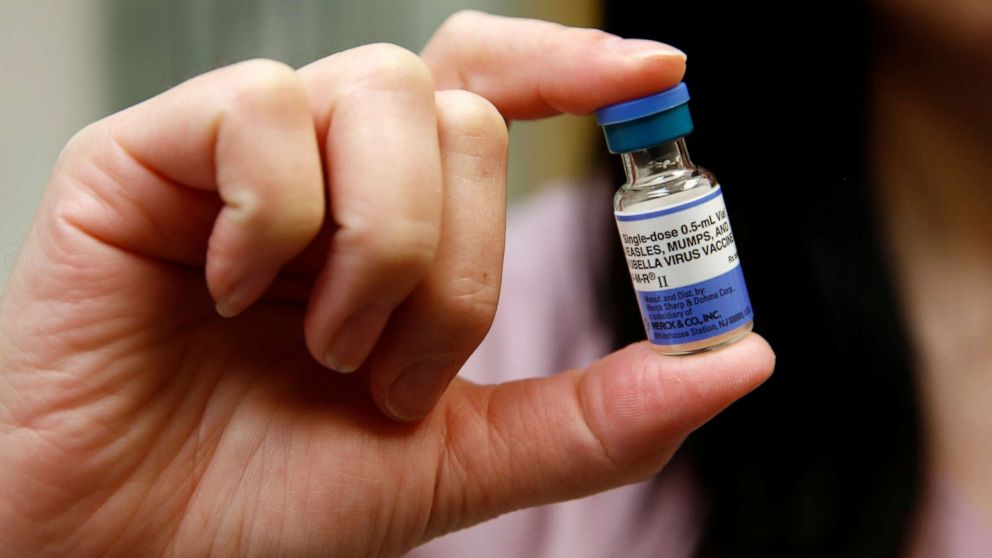
Measles is back…and our experts want people to leave the facts about vaccinations to the experts
Last week, America hit a record. Confirmed cases of measles eclipsed 700 cases. The disease that was once considered eradicated is now back and it has public health officials concerned. Dr. Todd Reinhart is the Dean of Sciences and Health Professions at Saint Mary’s University of Minnesota, and he has more than two decades of experience in infectious disease research. He’s a strong proponent of vaccinations and weighed in with his thoughts and perspective. “I’m not shocked,” says Reinhart. “I know there’s been a strong anti-vaccination movement and there’s a lot of misinformation out there.” He believes social media has been largely responsible for this movement to not vaccinate. The publication of the “Wakefield” paper, which suggested that the measles-mumps-rubella (MMR) vaccine might be linked to autism — even though retracted — got a lot of attention. However, that research that vaccinations cause autism has been debunked and even most recently there’s a study out of Denmark that covered 5,000,000 person years and there was no association with immunization and developing autism. Reinhart wants the public to look at the bigger picture and consequences. “It’s important to protect that child but also the broader society. Vaccines have been the strongest public health success story over the last few centuries. Measles is one of the most highly contagious viruses that we know. The odds of your getting it, if you’re exposed to it and you haven’t been immunized, is 90 percent. Part of the concern is for infants who aren’t immunized, the elderly because their immune systems are weaker, and those who are immunocompromised.” But there is also the matter of rights to be considered and that is playing a big part in all of this. “The problem is that individuals’ rights intersect with medicine, public health practice, and collective rights. If my infant, who couldn’t be immunized, contracts it through a carrier who could have been immunized, who has the higher ground because of rights? The problem is that even with clear data and clear information, people have been allowed the right, for the most part, to make the decisions they want,” Reinhart reiterates. If you are looking for answers and facts when it comes to vaccinations – it’s best to visit credible sources like the Centers for Disease Control and Prevention or local public health websites. If you need to speak with an expert about this topic for your news coverage – let us help. Dr. Todd Reinhart is Dean of Sciences and Health Professions, Professor, Biology and Health Professions at Saint Mary’s University of Minnesota. He has a degree in cancer biology from Harvard University’s School of Public Health and is an expert in the areas of infectious diseases. Simply click on his icon to arrange an interview.


Do the religious really have a right NOT to vaccinate? Contact our experts to find out.
As measles, mumps and other once easily controlled and previously eradicated diseases are now spreading across states and communities in America – the great vaccination debate is once again in full swing. The fact is – vaccinations work. The world’s leading health organizations have proven that beyond a shadow of a doubt. But these days, more and more people are opting out of vaccinating themselves and their children – for a variety of reasons. The most recent is in Florida where children can opt out for necessary medical or religious reasons. This year, more than 25,000 students have claimed religion as their reason not to be inoculated. And, it’s a number that’s increasing every year. There are concerns among public health experts in Florida that this decision-making is being empowered by the online and well funded anti-vaccination groups who can reach massive amounts of people with its misinformation. And outbreaks are occurring as a result. Medically compromised people are at risk. So, is it time for states to reconsider religion when allowing children not to be vaccinated? Is there a way to prevent the system from further abuse? And what are the consequences to the greater population if this continues to grow at the near exponential pace it is? Or … is this a right that is protected and beyond question? There are a lot of questions and that’s where the experts from Cedarville University can help with multiple angles regarding this topic. Dr. Marc Sweeney is the Founding Dean of the School of Pharmacy at Cedarville University. Dan DeWitt, Ph. D. is the Director of the Center for Biblical Apologetics and Public Christianity at Cedarville University. Both experts are available to speak with media regarding this growing issue – simply click on either of their icons to arrange an interview.


Bots artifically shape trends in online news
Researchers at George Mason University have found bots and Russian trolls spread misinformation about vaccines on Twitter during the U.S. election. But what exactly is a bot? Cybersecurity expert Tomas Hult, professor of criminal justice at Michigan State University, says people may assume that it means Twitter or Facebook is doing something. It's possible they even assume it is an actual robot sending messages. But, he says, the term bot means human actors are actually using automated tools to manipulate the online conversation and drive trends away from or toward an idea they value. Holt says this presents a massive threat to the safety of the online environment and the ways the public understands and value ideas. At the same time, bots artificially shape what trends and what seems important in our primary outlets for news online. Source:

