
Experts Matter. Find Yours.
Connect for media, speaking, professional opportunities & more.

Aston University researcher takes on leadership role within biomedical engineering
Dr Antonio Fratini is the new chair of the Institute of Mechanical Engineers Biomedical Engineering Division It is one of the largest group of professional biomedical engineers in the UK The specialism merges professional engineering with medical knowledge of the human body, such as artificial limbs and robotic surgery. An Aston University researcher has been given a leading role within the biomedical engineering sector. Dr Antonio Fratini CEng MIMechE has been elected as the new chair of the Biomedical Engineering Division (BmED) of the Institution of Mechanical Engineers (IMechE), one of the largest groups of professional biomedical engineers in the UK. The IMechE has around 115,000 members in 140 countries and has been active since 1847. Biomedical engineering, also known as medical engineering or bioengineering, is the integration of engineering with medical knowledge to help tackle clinical problems and improve healthcare outcomes. Dr Fratini previously served as chair of the Birmingham centre of the division for five years and as vice-chair of the division for one year. His research includes responsible use of AI, 3D segmentation and anatomical modelling to improve surgical training and planning, motor functions and balance rehabilitation. He leads Aston University’s Engineering for Health Research Centre within the College of Engineering and Physical Sciences and has vast experience in the design, development and testing of new medical devices. Currently he is the University’s principal investigator for the West Midlands Health Tech Innovation Accelerator and he has a growing reputation in the UK and internationally within the biomedical engineering profession. He said: “Biomedical engineering is continuously evolving and our graduates will create the future of health tech and med tech for more effective, sustainable, responsible and personalised healthcare. “I am very honoured of this appointment. This three-year post will be a great opportunity to further develop the biomedical engineering profession worldwide and to show Aston University’s commitment to an inclusive, entrepreneurial and transformational impact within the field.” Professor Helen Meese, outgoing chair of the division, said: “I am delighted to see Antonio take on the chair’s position. He has, over the years, contributed significantly to the growth of the Birmingham regional centre and has actively supported me throughout my tenure as chair. I know how passionate he is about our profession and will undoubtedly continue to drive the division forward over the next three years.” Dr Frattini was presented with his new title on 20 June at the IMECHE HQ at 1 Birdcage Walk, London during the Institution’s technology strategy board meeting. For media inquiries in relation to this release, contact Nicola Jones, Press and Communications Manager, on (+44) 7825 342091 or email: n.jones6@aston.ac.uk


One week to go - Let's look at the role debates play in US Elections
US Presidential debates are a cornerstone of American democratic tradition, playing a critical role in shaping public perception and voter decision-making during election cycles. This topic is not only newsworthy because of its historical significance but also due to its influence on political discourse, media coverage, and the democratic process. The evolution of these debates reflects broader societal changes, technological advancements, and shifts in political strategy. Furthermore, presidential debates provide a platform for candidates to present their policies and personalities, thereby directly impacting election outcomes. Key story angles include: Historical Evolution of Presidential Debates: Exploring the origins, key moments, and changes in format and style of presidential debates from the Kennedy-Nixon debate in 1960 to the present day. Impact on Voter Perception and Behavior: Analyzing how debates influence public opinion, voter turnout, and the overall electoral process. Media's Role in Shaping Debates: Investigating the role of media in organizing, broadcasting, and moderating debates, including the influence of television, social media, and real-time fact-checking. Debate Strategies and Candidate Performance: Examining how candidates prepare for debates, notable performances, gaffes, and their impact on campaign momentum. Civic Engagement and Public Discourse: Discussing the role of debates in promoting civic engagement, political education, and public discourse on key issues facing the nation. Technological Advancements and Future Trends: Exploring how technology has transformed debates, from live streaming and interactive features to virtual debates and the use of AI in analysis. These angles offer journalists a comprehensive framework to explore the historical significance and ongoing impact of US Presidential debates on American politics and society. Connect with an Expert about the history of Presidential Debates: Jingsi Christina Wu Associate Professor of Journalism, Media Studies, and Public Relations · Hofstra University John Koch Senior Lecturer and Director of Debate · Vanderbilt University Kevin Wagner, Ph.D. Professor and Department Chair · Florida Atlantic University Juliana Fernandes Assistant Professor · University of Florida Sandra Pavelka, Ph.D. Expert in political science and justice · Florida Gulf Coast University To search our full list of experts visit www.expertfile.com Photo credit: Library of Congress


Aston University researcher develops method of making lengthy privacy notices easier to understand
It has been estimated it would take 76 days per year to fully read privacy notices New method makes notices quicker and easier to understand by converting them into machine-readable formats Team designed a JavaScript Object Notation schema which allowed them to validate, annotate, and manipulate documents. An Aston University researcher has suggested a more human-friendly way of reading websites’ long-winded privacy notices. A team led by Dr Vitor Jesus has developed a system of making them quicker and easier to understand by converting them into machine-readable formats. This technique could allow the browser to guide the user through the document with recommendations or highlights of key points. Providing privacy information is one of the key requirements of the UK General Data Protection Regulation (GDPR) and the UK Data protection Act but trawling through them can be a tedious manual process. In 2012, The Atlantic magazine estimated it would take 76 days per year to diligently read privacy notices. Privacy notices let people know what is being done with their data, how it will be kept safe if it’s shared with anyone else and what will happen to it when it’s no longer needed. However, the documents are written in non-computer, often legal language, so in the paper Feasibility of Structured, Machine-Readable Privacy Notices Dr Jesus and his team explored the feasibility of representing privacy notices in a machine-readable format. Dr Jesus said: “The notices are essential to keep the public informed and data controllers accountable, however they inherit a pragmatism that was designed for different contexts such as software licences or to meet the - perhaps not always necessary - verbose completeness of a legal contract. “And there are further challenges concerning updates to notices, another requirement by law, and these are often communicated off-band e.g., by email if a user account exists.” Between August and September 2022, the team examined the privacy notices of 50 of the UK’s most popular websites, from globally organisation such as google.com to UK sites such as john-lewis.com. They covered a number of areas such as online services, news and fashion to be representative. The researchers manually identified the notices’ apparent structure and noted commonly-themed sections, then designed a JavaScript Object Notation (JSON) schema which allowed them to validate, annotate, and manipulate documents. After identifying an overall potential structure, they revisited each notice to convert them into a format that was machine readable but didn’t compromise both legal compliance and the rights of individuals. Although there has been previous work to tackle the same problem, the Aston University team focused primarily on automating the policies rather than data collection and processing. Dr Jesus, who is based at the University’s College of Engineering and Physical Sciences said: “Our research paper offers a novel approach to the long-standing problem of the interface of humans and online privacy notices. “As literature and practice, and even art, for more than a decade have identified, privacy notices are nearly always ignored and ”accepted” with little thought, mostly because it is not practical nor user-friendly to depend on reading a long text simply to access, for example a news website. Nevertheless, privacy notices are a central element in our digital lives, often mandated by law, and with dire, often invisible, consequences.” The paper was published and won best paper at the International Conference on Behavioural and Social Computing, November 2023, now indexed at IEEE Xplore. The team are now examining if AI can be used to further speed up the process by providing recommendations to the user, based on past preferences.

The 2024 Cision State of the Media Report is jam-packed with all sorts of detailed PR info which can be somewhat overwhelming. But there's an important theme to be found in the data. Kudos to the team at Cision for running this survey that polled over 3,000 staff journalists and freelancers, which is now in its 15th year. The big takeaway for me? Give journalists what they want. Sounds simple enough. Yet, with so many organizations competing for media attention amidst a sea of new AI-enabled platform hacks, many need to focus on the fundamentals of media relations, which this report nicely captures. The media is inundated with pitches. So, the secret to success lies in understanding what jobs journalists have to do and giving them what they need to file their stories…fast. According to the Cision 2024 survey, at the top of the journalists' wish list are: Topical Relevance (68%): Understanding the target audience and what they find relevant. Access to Experts (52%): Connecting journalists with experts and setting up interviews. Credible Data and Research (48%): Providing data and key research. Speed of Response (47%): Responding quickly to inquiries and respecting journalists’ deadlines. In short, journalists want relevant pitches, expert connections, and credible data, and they want it ASAP so they can meet their deadlines. While the Cision report outlines many other best practices that will undoubtedly improve your coverage rate (such as helping journalists quickly source multimedia assets like images), I want to focus on the importance of nailing these first four rules. Rule #1: Pitch Relevant Topics to Journalists Irrelevant pitches not only waste a journalist's time but also damage your credibility. In fact, 77% of journalists in the Cision study cited being spammed with irrelevant pitches as a reason to block a PR professional or put them on the "do not call" list. The study also reported that journalists are "fed up" with follow-ups to unsolicited pitches. Now, only 8% of journalists think it's okay to follow up more than once to check on a story they have pitched. Rule #2: Get Your Experts in Front of Journalists Connecting with credible expert sources is time-consuming. Joint research conducted by ExpertFile and the Associated Press revealed it takes on average, over 2 hours for journalists to secure an expert source for an interview. We can do better than that. As a PR/Media Relations pro, one of your "superpowers" needs to be the ability to spot a story opportunity and get your subject matter experts lined up for the media interview. This is an area where journalists see comms and media pros playing a vital role inside the organization. But if your pitch "sounds like a marketing brochure" the Cision survey shows that 55% of journalists would add you to their naughty list. One of the best ways to avoid this trap and enrich your story is to bring experts and their unique, specialized knowledge to the interview. That means ensuring you are attributing the source of your blog posts to experts in your organization and including links to their expert profile in your pitch. Enclosing a link to an outdated, boring biography on your website or a LinkedIn profile that hasn't been updated since the Yankees last won the World Series (2009), won't score points with journalists. Rule 3: Provide Journalists with Credible Data and Key Research Providing this information not only supports your story but also builds trust. Ensure that your pitches include the latest research findings, statistics, and data from reputable sources within your institution. This evidence-based approach enhances the credibility of your pitches and increases the likelihood of them being picked up by the media. While primary data is best, if you are curating data from other sources, it's critical to cite sources and, ideally, create derivative insights that help the journalist look at the information in a fresh way. For example we have many economists on our ExpertFile network that provide insights regularly on data they didn't gather. But their ability to critically analyze economic data from trusted sources such as the US Census Bureau or the European Union and generate unique, often counterintuitive or provocative insights is what sets them apart from other experts. Rule #4: Help Meet the Journalist's Deadline Journalists often work under tight deadlines and timely responses from PR professionals. Our software has helped organizations handle thousands of media requests every year and if there is one thing we've learned, media is all about speed. If you are a "serious player" you need protocols and processes to quickly respond to media inquiries and get your expert sources lined up to provide the necessary information and insights to meet same-day deadlines. This shows journalists you respect their time and are a reliable source and you will be on speed dial for future stories. Are You Pitching Effectively? Here’s a few tough questions. Answer truthfully. Are You Personally Wasting Time Pitching? How much time do you spend pitching the media vs. responding to inbound media opportunities? Data from Propel Media shows 97% of media pitches fail. While journalists open approximately half of the pitches they receive they only respond to an average of 2.99% of the pitches. Yet the Cision data shows that it's not always your fault. Why? Well, unless you're a gifted psychic, you simply can't know for sure how a journalist is going to react to your pitch. That's why more media departments and their PR agencies are cutting back on spammy pitch activities and moving to more strategic activities that get more traction. With the extra time they save, they can focus on promoting their experts online where journalists are actively searching for credible sources. The result is more qualified inbound inquiries from journalists genuinely interested in interviewing your experts. And that means a lot less anxiety about meeting your media coverage targets. Are You Wasting Journalists' Time? Is your newsroom or media relations page set up to allow journalists to quickly serve themselves 24x7? Can they easily search by specific topics to find an expert within seconds to help meet their deadlines? Or are you expecting them to email or call you for help. (hint: journalists don't have time for that kind of friction). Here's a nice example of how US-based health system, ChristianaCare makes their medical experts available to journalists round the clock while saving hundreds of hours a year for their Comms and Digital team. I'd love to hear more about how you are helping journalists and how that's paying off with increased media coverage. Let me know in the comments below or connect/follow me on LinkedIn or on ExpertFile.

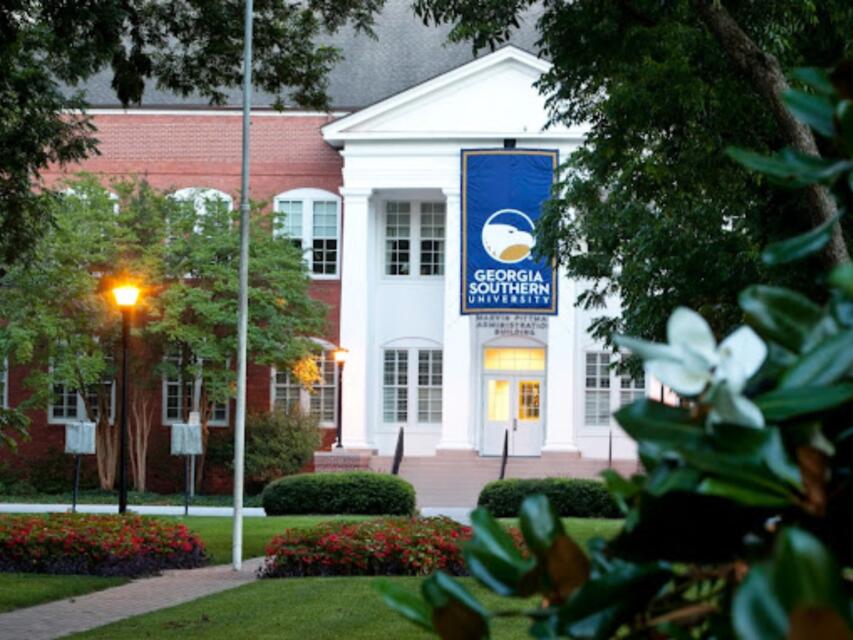
Students at Georgia Southern University now have even more opportunities to excel with the help of two new grants from the National Institute for Student Success (NISS) at Georgia State University totaling up to $600,000. The first is a $500,000 Acceleration Grant that will be distributed to Georgia Southern over the next two years to cover start-up costs for critical implementation steps of an ambitious program that further catalyzes Georgia Southern’s student success outcomes. “As Georgia Southern’s Fall 2024 enrollment continues to increase at record levels through freshman applications and admits, we are pleased to partner with the National Institute for Student Success to reinforce our commitment to providing exceptional student experiences and support that nurtures future leaders and global citizens,” stated Alejandra C. Sosa Pieroni, Ed.D., executive vice president, Division of Enrollment, Marketing and Student Success. “We are steadfast in our commitment to providing comprehensive, coordinated and differentiated student care to ensure every one of our students achieves their educational goals.” Funding through the Acceleration Grant will contribute to Georgia Southern’s existing initiatives to improve graduation rates and student success outcomes through the adoption of a suite of innovative, evidence-based programs. These programs, which deploy tools such as predictive analytics, AI technology, CRM platform, and big data to deliver personalized support to students, have been shown to help universities increase their graduation rates by 50% or more and to reduce discrepancies in graduation rates significantly. The second NISS award to Georgia Southern is the Keep HOPE Alive grant, which offers $100,000 across one year to support students who have lost the HOPE Scholarship as they work to regain eligibility. “We are enthusiastic about our partnership with Georgia Southern and working to deploy strategies that will contribute to substantive improvement in student outcomes,” said Timothy M. Renick, Ph.D., NISS executive director. Housed at Georgia State University, the NISS Acceleration Grants have been awarded to partner institutions that have completed a rigorous diagnostic analysis and have demonstrated a commitment to addressing structural and institutional barriers to the success of their students. Georgia Southern is a member of the second cohort to receive support from the NISS Accelerator Grant program, which launched in 2022. Unique to the Accelerator Grant program is up to three years of implementation coaching, webinars, meetings with expert practitioners and online resources provided by the NISS to support each awardee in implementing the new programs. The NISS coaching model is built on more than a decade of experience at Georgia State University developing and disseminating new approaches to student success that include predictive-analytics-based advising, AI-enhanced chatbots, and data-informed models for distributing financial aid. “These programs have helped Georgia State University increase its graduation rates for its bachelor’s students by 70% and its associate’s students by 300%,” according to Renick. “Black, Hispanic and low-income students now graduate from Georgia State at or above the rate of the student body overall.” The Acceleration Grant program will advance the NISS goal of producing 500,000 additional college graduates across its partner institutions over the next decade. Interested in learning more about this programming at Georgia Southern University or to arrange an interview with Alejandra Sosa Pieroni simply contact Georgia Southern's Director of Communications Jennifer Wise at jwise@georgiasouthern.edu to arrange an interview today.

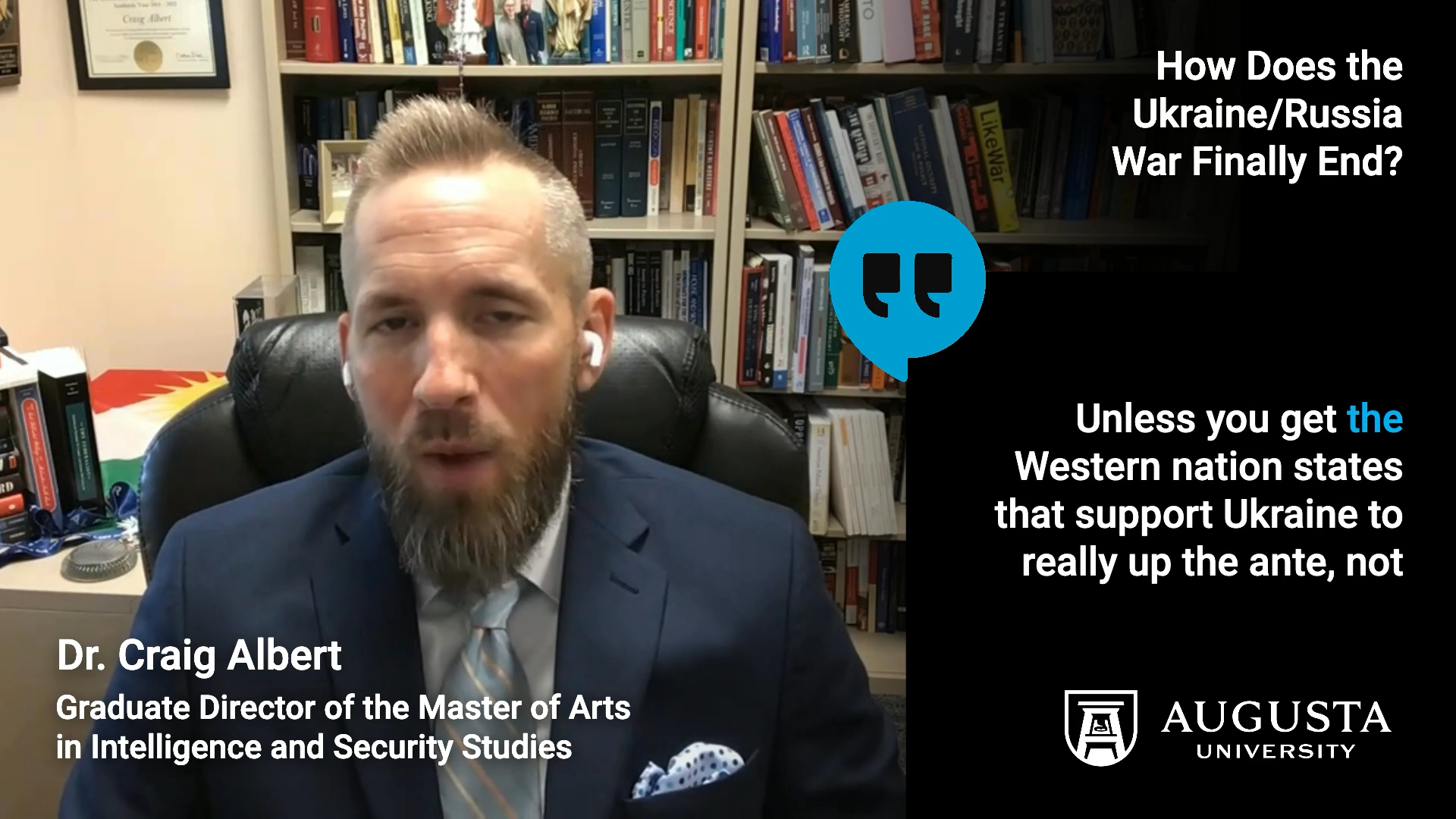
#ExpertSpot: How Does the Ukraine/Russia War Finally End?
With the war between Russia and Ukraine now approaching two and a half years - there's no end in sight. How does it end? Check out this ExpertSpot from Augusta's Dr. Craig Albert for some insight and perspective. Craig Albert, PhD, is director of the Master of Arts in Intelligence and Security Studies at Augusta University. He is a leading expert on war, terrorism and American politics. AI and the upcoming election is a serious topic. Albert is available to speak with media – simply click on his name to arrange an interview today.


Arguments against the singularity - and what we should worry about instead
In a new paper, “Against the singularity hypothesis,” published in Philosophical Studies, David Thorstad, assistant professor of philosophy, examines how leading defenses of the singularity hypothesis fail to overcome the case for skepticism and provides policy implications of this discussion. Thorstad offers five reasons that arguments that computer intelligence will surpass that of humans are not substantive enough to provide reasonable cause for worry. He can discuss these findings, as well as the rationale to focus on more immediate tech and AI-related causes for concern, including misinformation, deepfakes, election interference and additional irresponsible use.


Spotlighting Success: How ExpertFile Amplifies Organizational Expertise
Whether you are an industry leader looking to maintain your reputational advantage or smaller organization looking to enhance your reputation, a structured expertise marketing program should be a critical component of your marketing strategy. Traditional thought leadership programs that often focus on a few key executives are now being broadened by a more strategic approach that leverages the hidden expertise within your entire team. Global research conducted by Ogilvy in its recent report “The Global Rise of B2B Influencer Marketing” shows that many organizations are now setting up programs with their employees as Brand Ambassadors to demonstrate thought leadership in specific niches where they have skills and insights that appeal to their audiences. These employees have expertise that is often more relatable and authentic. Using social media platforms like LinkedIn, and networks such as ExpertFile, they can further amplify expert content to cut through the content marketing noise and drive more targeted engagement with media, sales prospects and other audiences. “Your employees are typically your most valuable resource. Identifying your employees that can be influencers themselves is a huge missed opportunity for one of the biggest ROI’s of all time.” James Baldwin Global B2B Influence Lead, Ogilvy To capitalize on this trend, many organizations are turning to more advanced solutions that deliver new digital publishing, distribution and workflow capabilities that extend the capabilities of their CMS (Content Marketing Systems). This also empowers clients and their agencies to achieve more efficiency and scale by better managing of employee content and audience interactions. The results include improved SEO PageRank and improved generative search results, increased site traffic and more qualified media inquiries and sales leads. Here are a few examples: With the ExpertFile platform, Vanderbilt University has streamlined its media interactions and presented more comprehensive information on their faculty enabling journalists to discover the depth of research and expertise that Vanderbilt has to offer for their stories. This provides a valuable boost of inbound inquires that help Vanderbilt stay top of mind, going beyond outbound media pitches. View Expert Center About Vanderbilt University is a distinguished private research institution known for academic excellence and innovation. With a rich history spanning over a century, it cultivates leaders, conducts pioneering research, and contributes significantly to society. Seeking to enhance its reputation and broaden its influence, ChristianaCare completely revamped its approach to showcasing their medical experts. Their Media Expert Center powered by ExpertFile doubled national media coverage,, earning the esteemed IABC Silver and Gold Awards for this exceptional communications strategy. ChristianaCare later established a Speakers Bureau to expand its program with ExpertFile, saving hundreds of operational hours and surpassing engagement targets by 400%. This innovative approach reinforced ChristianaCare's brand visibility, reputation while demonstrating its commitment to community service. View Experts Center View Speakers Bureau About ChristianaCare is a leading healthcare institution committed to delivering exceptional patient care and advancing medical research. With a focus on innovation and compassion, they strive to empower healthier lives and transform healthcare experiences for individuals and families across the region. With a goal of driving market visibility and increasing media coverage, University of Delaware leveraged the ExpertFile platform to regularly published research and insights related to topical news events, while also making it easy for journalists to connect with their faculty as media sources. Within the first 90 days, the university garnered 80 inquiries, capturing the interest of prestigious media outlets such as CNN, NBC, Newsweek, AP, Bloomberg, among others. This activity was made possible with ExpertFile’s automation, distribution and workflow features and seamless no-code integration with the client website. It all added up to massive results with no need to add internal resources to the University of Delaware team. View Expert Center About The University of Delaware is a renowned institution committed to academic excellence, innovation and community engagement. With a rich history and dedication to student success, it strives to advance knowledge and foster global citizenship through transformative education and research. Amidst a competitive educational market in the US Northeast, the University of Connecticut (UCONN) chose ExpertFile to help it amplify its faculty expertise and boost inbound inquiries from media, conferences, researchers and student prospects. The result is a more intuitive way to discover expertise and research across the UCONN campus that helps drive valuable connections that are vital to building institutional reputation and communicating the UCONN mission. View Expert Center About Amidst a competitive educational market in the US Northeast, the University of Connecticut (UCONN) chose ExpertFile to help it amplify its faculty expertise and boost inbound inquiries from media, conferences, researchers and student prospects. The result is a more intuitive way to discover expertise and research across the UCONN campus that helps drive valuable connections that are vital to building institutional reputation and communicating the UCONN mission. The Canadian Automobile Association (CAA) has consistently been rated as one of the most valued brands in the country. It’s focus on thought leadership by sharing its unique expertise on topics including “Canada’s Worst Roads” and “Cannabis at the Wheel” have helped them educate their membership, boost media visibility and advocate for important policy changes with government. The ExpertFile platform provides a central content platform enabling CAA to cost-effectively publish news releases and publish stories and expert profiles to multiple regional websites, all from a intuitive, centralized dashboard. View Expert Center About The Canadian Automobile Association (CAA) advocates for motorists and offers essential services to members nationwide, ensuring safer and more convenient travel. With a trusted legacy, CAA remains committed to enhancing drivers' experiences across Canada. ExpertFile has streamlined the presentation and management of faculty directories with integration into over 20 sections of the Loyola Marymount University LMU website. With a robust collection of over 1,000 faculty profiles, this integration has not only provided a better way to present faculty directories but also delivered over 1 million expert views and generated thousands of media, academic collaboration and student prospect inquiries while enhancing engagement and accessibility to expertise across the university community. Faculty Directories About Loyola Marymount University (LMU) is a private university located in Los Angeles, California. Known for its rigorous academic programs, diverse community, and commitment to social justice. With a goal to attaining R1 research institution status, Villanova University aimed to boost the visibility of its faculty experts and showcase its commitment to academic excellence and knowledge advancement. It needed a way to better manage and leverage a lot of expert faculty research and information. With ExpertFile, the Villanova communications team now has a much easier way to publish and update faculty content that seamlessly integrates with the University website and also appears on the ExpertFile network searched by thousands of journalists looking for credible media sources. It all adds up to more market visibility and brand reputation with valuable audiences connecting with Villanova experts. View Expert Center About Villanova University, founded on Catholic principles, is a renowned research institution committed to academic excellence and ethical leadership. Grounded in its rich heritage, Villanova fosters a community of learning that embraces diversity and promotes the pursuit of truth and social justice. Carnegie Mellon University needed a better way to profile their expert faculty in the best possible way to meet the highest standards and researchers by launching a new Experts Center within 30 days. Their objective was to enhance both the appearance and functionality of underperforming faculty expert content areas, thereby better aligning them with the institution's prominence. Through use of the ExpertFile platform and collaboration with ExpertFile team, profiles were developed and integrated, meeting tight deadlines and resulting in a more polished and easily discoverable experience for those seeking expertise. Expert Center About Carnegie Mellon University is a prestigious institution celebrated for its pioneering research and interdisciplinary education. With a legacy of innovation, it remains at the forefront of shaping global education and technology. As a leading public research institution, the University of Florida aimed to enhance its capacity to connect experts with media opportunities. Faced with a challenging and proprietary content platform , the institution needed to provide a more user-friendly way for journalists to engage with faculty and research experts. Aligned with its mission of fostering academic collaboration and knowledge dissemination, University of Florida communications and digital team completely transformed its online presence using the ExpertFile platform. By prioritizing discovery, accessibility and user experience, their team has elevated the visibility and impact of their faculty research and expertise. View Expert Center About The University of Florida, a Top 10 public research institution in the US, fosters excellence in research, education, and service within a diverse community of scholars. Through collaboration and interdisciplinary initiatives, UF empowers students to drive positive change. Aston University in the UK aimed to elevate its online presence and showcase its faculty expertise effectively across various communities. Seeking to enhance SEO, generate valuable inquiries, humanize research and ultimately improve reputation and ranking, they turned to ExpertFile. Aston University now has a more intuitive, efficient way to profile its faculty and research and increase the awareness of its research with a more diverse global audience through ExpertFile. View Research Experts About Aston University is a prestigious institution renowned for its dedication to innovation and academic excellence. With a rich history of shaping future leaders and conducting cutting-edge research, Aston University continues to inspire and empower students to thrive in a globalized world To build more market visibility and engagement with its target audience, Western Carolina University (WCU) needed a more intuitive way to present its expertise. ExpertFile enabled them to quickly deploy a searchable directory of faculty experts and then focus on creating shareable expert content on their website and on the broader ExpertFile network to boost visibility. To further boost engagement, WCU has published regular posts complete with faculty interviews and vertical video clips for social media. These programs have helped raise the profile of WCU. boosted internal and external engagement and has been very well received by faculty. . View Expert Center About Western Carolina University (WCU) is dedicated to delivering outstanding higher education, fostering innovation, and inspiring students to realize their full potential through academic excellence and community engagement. In California's competitive academic environment, UC Irvine needed to boost the visibility of its strong expert faculty while leverage the resources of a small communications team. ExpertFile’s user-friendly platform including customizable workflows and automated tools for adding expert content to their website made showcasing experts easy. Being able to create detailed media-rich profiles and quickly share expert insights allowed UC Irvine to stand out among larger rivals and increase their media coverage. All without straining their resources. View Expert Center About UC Irvine is a leading public research institution known for its top-ranked academic programs and cutting-edge research initiatives. With a focus on innovation and diversity, UC Irvine is committed to advancing knowledge and addressing society's most pressing challenges. Multiple integrations across research and newsroom sections have significantly streamlined the presentation and management of expert content at Goizueta Business School at Emory University. A more efficient system with delegated permissions has increased internal collaboration, and custom training resources for faculty and staff boost engagement on the platform. The ExpertFile team also provides a range of services such as content updates to save Goizueta valuable time while ensuring its website remains current and engaging, for students, faculty, and visitors alike. View Expert Center About Emory University's Goizueta Business School is a prestigious institution renowned for its innovative curriculum and exceptional faculty. With a focus on experiential learning and global perspective, Goizueta prepares students to become transformative business. Showcasing the expertise at Southern Utah University has been a key strategy for its marketing team. While not having the advantage of being in a major media market, SUU understood they needed to be more innovative in developing thought leadership and positioning their expertise to build their brand. The ExpertFile platform with its advanced content features allows the SUU team to present a more engaging view of their faculty and their research. It’s helped them boost search rank and garner national media attention, plus it has also helped them engage student prospects. View Expert Center About Southern Utah University fosters student success and personal development through diverse academic programs and resources. Emphasizing innovation, inclusivity, and community engagement, SUU creates a dynamic learning environment for student achievement and societal contributions. As a top ranked institution, The Virginia Commonwealth University (VCU) School of Engineering wanted to make its faculty research and insights stand out. Just designing a standard faculty directory didn’t meet the mark. ExpertFile enabled VCU to optimize its content resulting in a major improvement in SEO PageRank and website engagement. This improved experience has also boosted inbound inquiries for media sources, academic collaborations and student prospects looking for information on the VCU’s programs. View Expert Center About Virginia Commonwealth University (VCU) is a premier urban, public research university committed to advancing knowledge and improving the human experience. With a diverse community of students, faculty, and staff, VCU fosters innovation, creativity and collaboration. As a recognized R1 research university, the communications team at Michigan State had the goal to better convey the strength of its faculty research in an effort to boost regional and national media coverage. With the ExpertFile platform their team was able to design a custom implementation fully integrated into the MSU website and streamline the content management and updates to hundreds of faculty profiles - all managed from an intuitive centralized dashboard that saves time for the MSU team. View Expert Center About Michigan State University, a leading public research institution, top in graduate school rankings, is dedicated to advancing knowledge and transforming lives through its commitment to excellence in education, research, and outreach. As a relatively new institution, Augusta University, the fourth largest university in the state of Georgia had a goal stand out by showcasing the expertise of its faculty and the medical staff within Augusta Healthcare - one of the state’s largest integrated health systems. The communications team at Augusta leveraged the ExpertFile platform, publishing more comprehensive expert profiles. Plus they released regular expert updates that demonstrated the relevance of their experts on topical news stories. The result was a huge boost in SEO PageRank plus regional and national media coverage. All without the need to add resources to their communications team. View Expert Center About Augusta University, a leading academic institution, combines excellence in education, research, and healthcare. With an integrated health system, it fosters innovation, advances knowledge, and improves the well-being of communities locally and globally. As an R1 institution based in New Orleans, Tulane University has many specialized programs led by their world-class researchers and faculty. The Tulane marketing team wanted to better showcase this faculty expertise to drive media coverage while designing a system that worked best for their faculty. Leveraging the ExpertFile Platform, they created a searchable online hub showcasing participating faculty experts offering more engaging faculty profiles complete with multimedia features and a more intuitive way for journalists to connect to Tulane media sources. View Expert Center About Tulane University, a renowned institution in New Orleans, fosters innovative research, academic excellence, and community engagement. With a rich history of interdisciplinary collaboration, it prepares students to lead and serve in a complex global society. Are you looking to join the many organizations that are leveraging their employee subject-matter experts as part of a thought leadership and content marketing program? Then consider how you will manage and scale this effort with solutions designed specifically for expertise marketing. ExpertFile has advanced content creation and management tools, customizable workflows, powerful search capabilities, AI features, and flexible integration options, all connected to a broad network of media and speaking opportunities. By streamlining the management and promotion of online expert profiles, we ensure each organization connects with their key audiences like journalists, potential clients, event organizers and many others. Tailored for various industries, ExpertFile addresses each client's unique needs, driving meaningful engagement and visibility for the organization. The spotlights above are just a small sample of how ExpertFile works with leading organizations every day to enhance expertise and broaden their market reach. Explore industry-specific benefits to learn how ExpertFile can help your organization enhance its market presence and thought leadership. Want to learn more? Visit expertfile.com/getstarted.


Aston University scientist to help make crop monitoring easier and cheaper
Photonics expert Dr Sergey Sergeyev to help make crop monitoring easier and cheaper with remote sensing The technology can be placed on drones and flown over crop fields to provide real-time information about crop health Remote sensing is an essential tool to provide real-time information about crops to estimate yields. An Aston University photonics expert has received a Royal Society Industry Fellowship grant to help make crop monitoring easier and cheaper with remote sensing technology. Dr Sergey Sergeyev of Aston Institute of Photonic Technologies (AIPT) has received £174,000 to improve polarimetric LIDAR, a technology that uses light to remotely observe plants. LiDAR, an acronym for Light Detection and Ranging, involves light sent from a transmitter which is reflected from objects. Devices with this technology can be placed on drones and flown over crop fields to provide real-time information about crop health to help farmers forecast the success of their crops. Polarimetric synthetic-aperture radars (SARs) and polarimetric LiDARs are the most advanced, cost-effective sensors for crop monitoring. They are often used onboard aircraft and satellites and have been in use for three decades. However, current polarimetric LIDAR systems have low spatial resolution, a slow measurement speed and use expensive components that limit their cost effectiveness. Dr Sergeyev will be working in collaboration with Salford-based digital and AI farming company Fotenix to meet farmers' need for a cost-effective solution to check if their plants are adequately watered and disease-free. The team will aim to advance recently patented AIPT technology of the polarimetric LIDAR, making it affordable for farmers in the UK and worldwide. The project, called POLIDAR, will run from 2024 to 2025. Dr Sergeyev said: “Aston University’s patented technique will be modified by using a laser emitting four time-delayed pulse trains with different states of polarisation. By comparing the input states of polarisation and states of polarisation of light reflected from plants, it will reveal information about the distance to plants and plants' leaf texture, such as water stress and pathogen infection. Unlike state-of-the-art solutions we suggest an all-fibre design with a minimum number of bulk components that reduces the footprint, cost and weight. Dr Sergeyev added: “My project's motivation is driven by the global and UK agenda on increased food production, requiring novel remote sensing approaches towards ICT farming. “As declared at the World Summit on Food Security in 2017, the growth in the world's population requires increased and more efficient agricultural production. “Remote sensing is an essential tool to systematically address the challenging task of enhanced agricultural efficiency by providing real-time information about crop traits for yield estimation.” The announcement coincides with UNESCO Day of Light which marks the role light plays in science, culture and art, education and sustainable development. It is held on 16 May every year, the anniversary of the first successful operation of a laser. ENDS World Summit on Food Security in 2017 The future of food and agriculture: Trends and challenges (fao.org) https://www.fao.org/3/i6583e/i6583e.pdf UNESCO Day of Light The International Day of Light is a global initiative that provides an annual focal point for the continued appreciation of light and the role it plays in science, culture and art, education, and sustainable development, and in fields as diverse as medicine, communications, and energy. The broad theme of light will allow many different sectors of society worldwide to participate in activities that demonstrates how science, technology, art and culture can help achieve the goals of UNESCO – education, equality, and peace. The International Day of Light is held on May 16th every year, the anniversary of the first successful operation of the laser in 1960 by physicist and engineer, Theodore Maiman. The laser is a perfect example of how a scientific discovery can yield revolutionary benefits to society in communications, healthcare and many other fields. About Aston University For over a century, Aston University’s enduring purpose has been to make our world a better place through education, research and innovation, by enabling our students to succeed in work and life, and by supporting our communities to thrive economically, socially and culturally. Aston University’s history has been intertwined with the history of Birmingham, a remarkable city that once was the heartland of the Industrial Revolution and the manufacturing powerhouse of the world. Born out of the First Industrial Revolution, Aston University has a proud and distinct heritage dating back to our formation as the School of Metallurgy in 1875, the first UK College of Technology in 1951, gaining university status by Royal Charter in 1966, and becoming The Guardian University of the Year in 2020. Building on our outstanding past, we are now defining our place and role in the Fourth Industrial Revolution (and beyond) within a rapidly changing world. For media inquiries in relation to this release, contact Nicola Jones, Press and Communications Manager, on (+44) 7825 342091 or email: n.jones6@aston.ac.uk
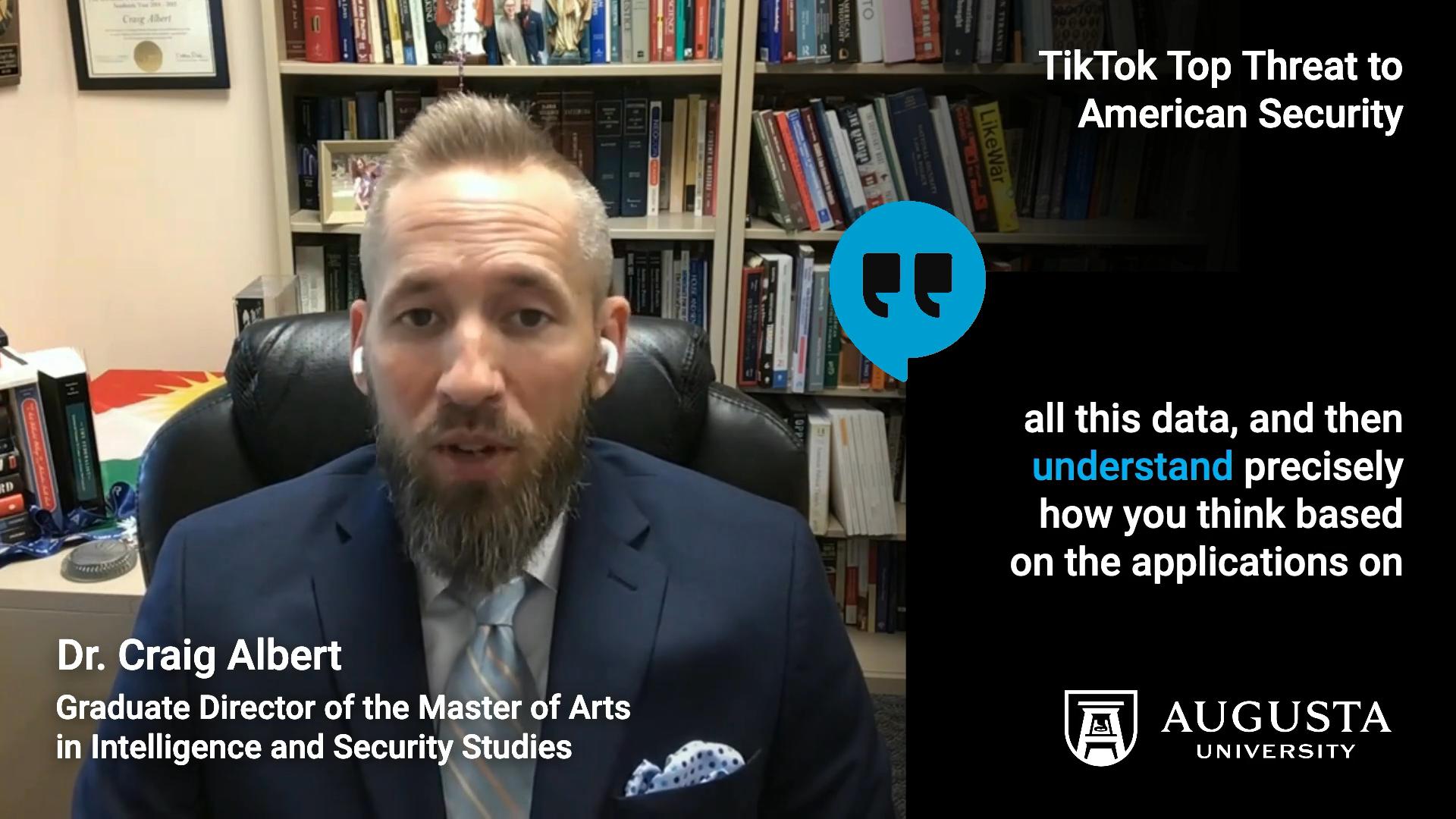
Time to talk about Tik Tok? Dr. Craig Albert explains the reasons we need to know more about the app
Earlier this week, TikTok said they were suing the U.S. government to stop a bill passed last month seeking to force ByteDance, TikTok’s Chinese to sell the app or have it banned. The lawsuit, filed in the U.S. Circuit Court of Appeals for Washington, D.C., argues that the bill violates constitutional protections of free speech. The suit calls the law an “unprecedented violation” of the First Amendment. Lawsuits and rhetoric aside - there are serious concerns about TikTok and Dr. Craig Albert is lending his expertise to explain what is going on behind the screens of the popular app. Read more about the dangers of TikTok here Read more from Albert about Informational Warfare here Read more from Albert about deepfakes here Craig Albert, PhD, is director of the Master of Arts in Intelligence and Security Studies at Augusta University. He is a leading expert on war, terrorism and American politics. AI and the upcoming election is a serious topic. Albert is available to speak with media – simply click on his name to arrange an interview today.