Experts Matter. Find Yours.
Connect for media, speaking, professional opportunities & more.
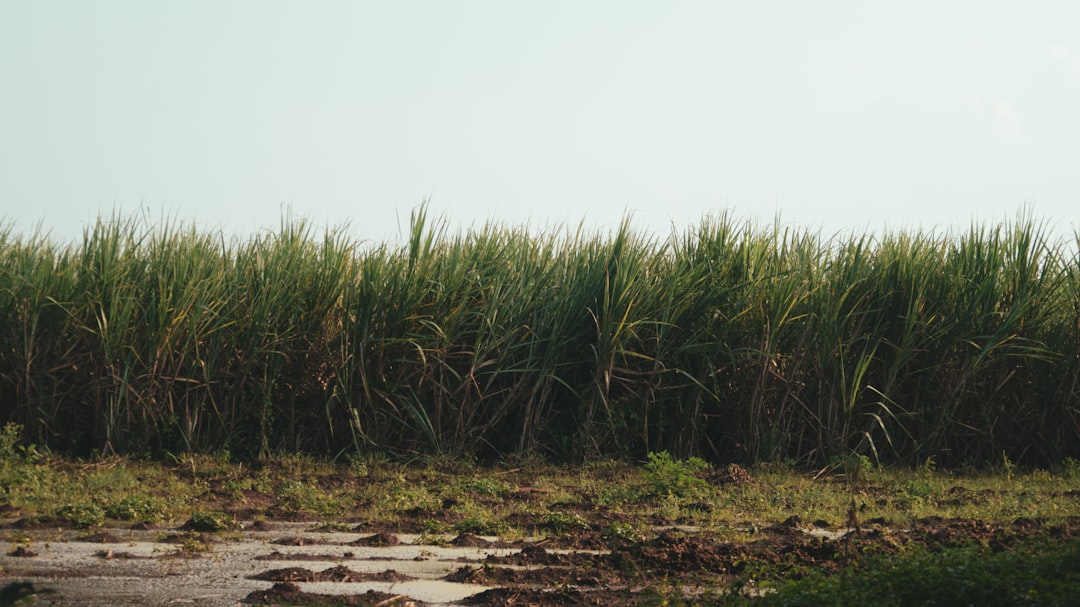
For Louisiana sugarcane producers, huge harvest tempered by arrival of invasive insect
The predictions of a harvest increase over last year’s was undercut by the news of the arrival of a worrisome, invasive insect at the LSU AgCenter’s annual Sugar Research Station field day July 16. At the outset of the day, AgCenter sugarcane specialist Kenneth Gravois said that the U.S. Department of Agriculture’s National Agriculture Statistics Services is indicating a 5,000-to-6,000-acre increase over last year’s crop, with a clearer focus coming into view in August. “All in all, I think pretty much we have a big crop, a good crop, and people are excited about it,” Gravois said. “The big thing that is on everybody’s mind is we have to protect what’s out there. And so, with that, I’m sure a lot of people may have already heard about the pasture mealybug.” For those who haven’t, the invasive pest threatening crops across the South, the pasture mealybug (Heliococcus summervillei), is an insect first detected in the U.S. last year. It travels via wind, storms and unclean mowing equipment. Adults are oval shaped and white and waxy in appearance. They can cause leaf yellowing, which can rapidly progress into crop dieback, thus significantly reducing yields for farmers. AgCenter entomologist Blake Wilson said the pest has become more widespread in the past few weeks. It is on a destructive path that is likely to continue without proper vigilance. “I think we’re up to 14 parishes where it’s been detected, including some of the biggest sugarcane-producing parishes like Iberia and Point Coupee, but we’ve now started to pick it up in the River Parishes as well,” Wilson said. While the impact of the pest on crops isn’t entirely clear, Wilson said, observations indicate that even low densities of the insect can produce symptoms. A few fields where they are present have yellowing of 80% of the canopy. “This is a very new problem,” Wilson said. “It doesn’t appear the pasture mealybug is a pest of sugarcane in its native Australia, so there’s no playbook to use in response to this.” One weapon the industry does have to combat the pest is a Section 18, emergency use exemption from federal regulators to use the insecticides Sivanto Prime and Admire Pro to attempt to manage outbreaks. “Hopefully, those two products together will help growers find some immediate solutions and keep this thing under control before it gets any worse,” Wilson said. In less troubling news coming out of St. Gabriel, AgCenter researchers from across the scientific spectrum reported on the work they’ve been conducting on behalf of producers over the course of the past year. Plant pathologist Andre Gama discussed the disease triangle, where for a disease to happen, three things must be in place simultaneously: a susceptible host, a favorable environment and a virulent pathogen. He said it was harder for weaker stalks with less resilient root systems to defend against soilborne pathogens like the lesion nematode. “So, they’re going to suffer more by having something feeding off their root system,” he said. “We are collaborating with physiologists, pathologists and breeders to try and form some sort of solution to this issue.” While breeders Collins Kimbeng and Michael Pontiff had no new varieties to introduce this year to compete with current champ L 01-299, Kimbeng did discuss various new technologies to incorporate into the AgCenter’s world-class breeding program. “In the future, we’ll be working smarter rather than harder,” Kimbeng said. “Someday, we’ll just shine a light on the stalk and be able to determine brix and even sucrose. We start with 100,000 seedlings, so if we’re able to measure brix and sucrose very early, then that prevents us from selecting clones that have no sugar.” Weed scientist Matt Foster discussed false ragweed, which he said can have a severe impact on ag production in general. He showed attendees the varied effects of the plant treated with different herbicides. From the time the weed emerges, it can start flowering around two months later, Foster said. It is not currently a problem in Louisiana sugarcane, but it can cause allergies, dermatitis and asthma in humans. The day concluded with a welcome video message from Senior Vice Chancellor for Agriculture and Dean of the College of Agriculture Matt Lee, who could not attend this year’s field day. Lee praised AgCenter researchers and producers working in unison to overcome adversity. “Rising input costs, economic pressures and unpredictable weather conditions make farming more difficult than ever,” he said. “But what keeps this industry moving forward is innovation. The research, technology and best practices developed today are helping producers stay ahead.” AgCenter Executive Associate Vice Chancellor Tara Smith was on hand to thank sugarcane researchers and field day event sponsors. Jim Simon, general manager of the American Sugar Cane League; Craig McCain, state executive director of the USDA Farm Service Agency; and Mike Strain, commissioner of the Louisiana Department of Agriculture and Forestry, discussed work being done on the state and federal levels on behalf of the AgCenter and sugarcane producers. Finally, AgCenter plant virologist Madison Flasco presented her research on sugarcane viruses like mosaic and how they can be spread through vectors like aphids. She asked the gathered producers to send samples of any seemingly infected plants to her for testing. Aritcle origianlly posted here.


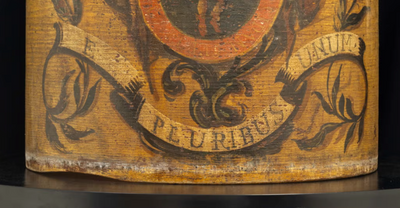
Gretsch Collection Curator Matthew Hill, Ph.D., is accustomed to handling, researching and presenting iconic guitars and drums from the Fred and Dinah Gretsch Collection of Musical Instruments, offering insight into musical artifacts that have shaped contemporary culture. However, discovering a lost story of American Revolutionary history is a new development in his career at Georgia Southern University. Hill had taken on a complex project, collecting and presenting information on the history of the American drumset through the analysis of French and American drums, when his friend and fellow curator, Christina Linsenmeyer, Ph.D., at Yale University’s Morris Steinert Collection of Musical Instruments brought to his attention an American Revolutionary War drum in Yale’s collection. Together, they discussed what might be learned through closer study of the instrument to better understand its place in American history. “I removed the tensioning ropes and we saw that the inscription read ‘Benjamin Clark. Royalton, Mass. 1781’ and that immediately started ringing bells with me,” Hill said. “1781 was a super important year in the American Revolution as it was essentially the time the hostilities began to wind down before it officially ended in 1783.” The drum originally came from the Belle Skinner collection of musical instruments in Massachusetts. Skinner, a wealthy heiress and philanthropist, acquired her extensive collection of instruments in the 1920s and 1930s and displayed them in a specially constructed arcaded gallery at her mansion, Wistariahurst. Yale would later obtain her collection in 1960, more than two decades after her death. Until now, the true rarity and unusual nature of the drum had not yet been fully realized. “There are very few authenticated American Revolutionary War drums,” Hill said. “Aaron Philips, our special collections curator, photographed the instrument, and Dr. Brent Tharp aided in the historical research of Benjamin Clark. And we found evidence of the person behind the name inscribed on the drum.” Hill says Clark is the most noteworthy musician of the American Revolution. He can be placed at the major battles of Trenton and Saratoga and also likely participated in the Battle of Bunker Hill. However, Clark’s involvement in historic American combat isn’t the only fascinating aspect of the man’s life. He’s also important because he was one of two musicians who wrote down what the drumbeat cadences of the Revolutionary War sounded like. “Clark’s drum book of 1797 is probably the most important,” Hill explained. “By way of writing his manuscript, Clark is one of the main sources for our understanding of Revolutionary War drumming. He is a significant figure, just on his own.” American drum sets during this period focused heavily on practicality, according to Hill. However, Clark’s drum was highly decorated, which was very unusual and included a notable, highly recognizable American adage. “‘E Pluribus Unum’ is written on the drum. It was an official American motto very early on,” Hill said. “But in 1781, it wasn’t that common and would not become more common until later. So this is a noteworthy prominent early use of ‘E Pluribus Unum.’” Hill, alongside other curators at higher education institutions, is working to share this unique discovery with public audiences. In order to best preserve and honor the legacy of the instrument and the drummer who carried it throughout America’s battle for independence, Hill reached out to the Massachusetts Historical Society so that Georgia Southern and Yale Universities can collaborate on a joint publication reproducing Clark’s manuscript, the drum itself and the music that would have carried soldiers across the battlefield. The first and only edition of Clark’s manuscript was privately produced in the 1970s. More recently, Hill and Tharp also presented an essay on this drum at the American Musical Instrument Society’s conference in Vermillion, South Dakota, “A Different Drummer (and His Drum): Benjamin Clark’s Revolutionary War Drum of 1781 and His Drum Book of 1797.” For Hill and fellow historians, this new discovery is not only interesting but also remarkable. “It was like Howard Carter finding the tomb of King Tut, for me. I understood his excitement when I realized what an incredible artifact I had come across that had been so well-preserved from the American Revolution,” Hill said. “But what’s most exciting to me is what will come from all of this work and what we will contribute to the greater body of knowledge surrounding the development, implementation and history of the American drum.” As the United States of America celebrates its 250th anniversary, scholars like Hill continue to unearth hidden artifacts that illuminate the origins of an enduring nation. Want to talk to Dr. Hill about this discovery? Contact Georgia Southern's Chief Communications Officer Jennifer Wise at jwise@georgiasouthern.edu to arrange an interview.

Sample Provides Analysis of Landmark Supreme Court Decisions
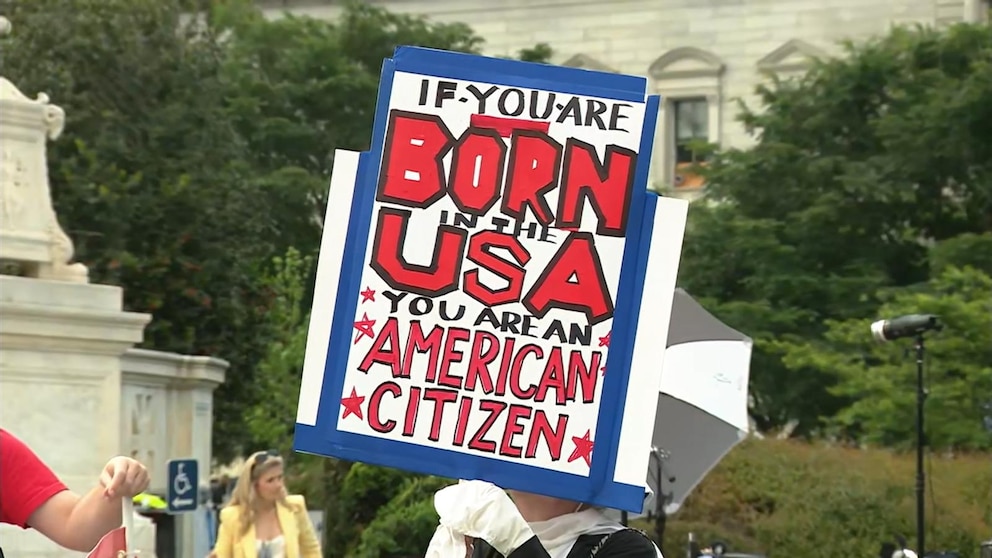
Professor James Sample of the Maurice A. Deane School of Law at Hofstra University was among the nation’s leading legal scholars providing analysis of the U.S. Supreme Court’s landmark end-of-term decisions this week, appearing on ABC News and MSNBC’s MS NOW to examine the Court’s rulings alongside other major legal and constitutional developments. Professor Sample summarized the recent analysis on his “Who Decides Who Decides” Substack. Across his June appearances, Professor Sample provided legal insight into the Supreme Court’s decisions involving birthright citizenship, immigration, transgender athletes, and religious liberty, while also analyzing election law disputes, executive authority, federal investigations, and litigation involving the Trump administration. His commentary offered audiences context on the constitutional questions shaping the Court’s term and the broader implications for American law and democratic governance.



U.S.-Iran Agreement May Be Easier to Sign Than Sustain, Says TCU Political Scientist
As reports emerge of a potential memorandum of understanding (MOU) between the United States and Iran, questions remain about whether any agreement can overcome decades of mistrust, competing national interests, and domestic political pressures. Ralph Carter is the Piper Professor of Political Science at Texas Christian University (TCU). focuses on Middle East conflicts, U.S. foreign trade and defense policy, with an emphasis on the roles played by Congress. View his profile According to Texas Christian University political scientist Ralph Carter, the details of the agreement and whether both sides ultimately accept those terms, will determine whether negotiations can move forward. "We have to know what's in the MOU itself and whether both sides agree on that. If it's acceptable to both sides, then domestic politics on both sides enters the picture." For the United States, Carter notes that President Trump is eager to secure a diplomatic victory while also maintaining his long-standing position on Iran's nuclear ambitions. Carter says the administration faces competing pressures: demonstrating progress on national security, ensuring stability in global energy markets, and responding to economic concerns that matter most to American voters. At the same time, Iran is unlikely to compromise on what it views as fundamental issues of sovereignty and national independence. "Any Iranian regime, including this one, will insist on two things: Its territory is inviolate. It will not give it up. Its sovereignty is not negotiable." While Tehran may be willing to accept inspections or limits on highly enriched uranium, Carter says Iran is unlikely to abandon its nuclear program entirely simply to satisfy U.S. demands. Economic sanctions and their impact on Iran's economy will also remain central to any negotiations. The timeline may present another obstacle. "A 60-day window after the MOU is signed probably isn't enough time to reconcile these differences." As negotiations continue, Carter can provide expert analysis on U.S.-Iran relations, nuclear diplomacy, sanctions policy, Middle East security, international negotiations, and the domestic political considerations influencing both governments. Ralph Carter is available to discuss U.S.-Iran relations, nuclear negotiations, international diplomacy, sanctions policy, and Middle East politics.


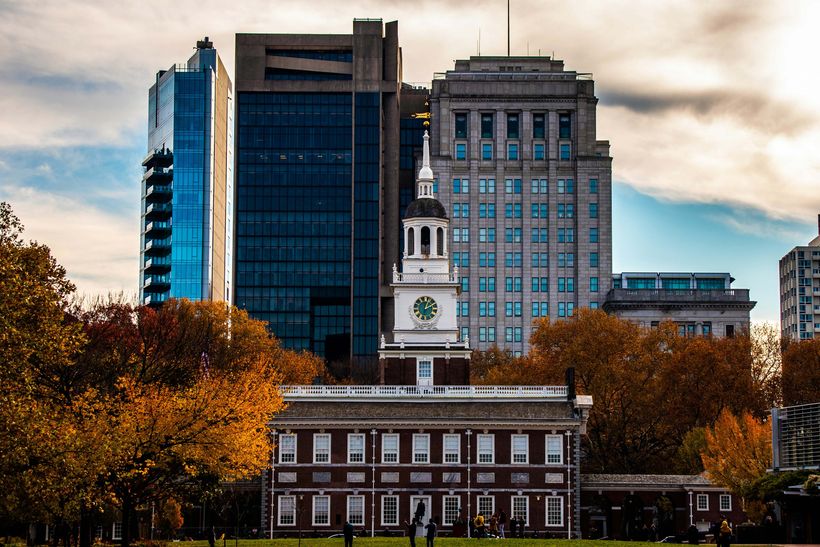
Ahead of America250, Villanova Historian Reveals How Independence Hall Almost Didn't Survive
Philadelphia’s Independence Hall has long occupied an outsized place in the American imagination. The space where the Continental Army was established, the Declaration of Independence adopted and the United States Constitution ratified, the site was once described by President Abraham Lincoln as the source “where were collected together the wisdom, the patriotism, the devotion to principle, from which sprang the institutions under which we live.” In July, these hallowed grounds will yet again take center stage, as the country observes its semiquincentennial, or America250, celebration. In due course, House lawmakers will gather at the landmark for a special commemorative event, mayors from across the U.S. will march to the gates in a show of civic pride and solidarity, and thousands of visitors will flock to the site daily in appreciation for its significance to the cause of “Life, Liberty and the pursuit of Happiness.” However, while Independence Hall’s role in the national saga will go widely remarked and recognized, the building itself has a story that remains largely unknown. According to Whitney Martinko, PhD, associate professor of History and director of the Albert Lepage Center for History in the Public Interest at Villanova University, the “cradle of American democracy” almost never survived the country’s infancy. “Early on, the challenge was about two things,” says Dr. Martinko, who specializes in public history, historic preservation and the early U.S. “One was about ownership of what was called the ‘Old State House,’ because it was the former statehouse in the colony of Pennsylvania. And the second was about the development of the city around it.” As Dr. Martinko explains, in the early 19th century, Independence Hall—then the Old State House—was under the control of the Commonwealth of Pennsylvania, which had shifted its governmental seat from Philadelphia to Harrisburg by 1812. To fund the construction of a new capitol building in the wake of the move, Pennsylvania legislators seriously contemplated selling the site to private enterprise, with the surrounding area undergoing a development boom. “Today’s Independence Mall was built up entirely,” says Dr. Martinko. “In the 18th century, it was full of buildings, shops and houses, and by the 19th century, it had become a huge furniture district and a heart of commerce in many ways.” As plans were drawn up to deliver the hall to the highest bidder, local resistance quickly emerged. Opposed to the landmark’s loss, citizens of Philadelphia and municipal leaders rushed to the defense of the building and its lawn, arguing that their preservation entailed a necessary public good. “Everyone looked to this site as the heart of the new nation. It’s a historic site. It’s an important building. People thought of it as one of the great pieces of Georgian architecture at the time,” says Dr. Martinko. “It was also seen as a civic space, as people gathered there on Election Day. And its lawn was highly valued, with green, open space considered important even then, for air circulation. So, it was really seen as a political space, a civic space and a green space that was important for the well-being of Philadelphians and the health of Philadelphia.” Deliberations over the fate of Independence Hall would continue for a period of five years, up until 1818. After a spirited public campaign, a settlement was finally reached when the City of Philadelphia purchased the plot from the Commonwealth of Pennsylvania for $70,000 (roughly $1.85 million in today’s currency). In essence, the deal would forevermore secure Independence Hall’s place within the pantheon of great American shrines, parks and monuments. However, in a terrific irony, it would also eventually lead to the loss of a different piece of history: Between 1950 and 1967, the 19th-century development projects that once threatened Independence Hall became a casualty of the city’s efforts to make the “birthplace of America” an urban focal point, with the creation of Independence Mall. “Those buildings were all torn down in the mid-20th century, when Ed Bacon and the City Planning Commission decided to make Independence Hall a major attraction,” says Dr. Martinko. “There were debates surrounding this issue as well. The Jayne Building was one of the 19th-century buildings that was demolished and that is most well-known. So, there’s this sense of preserving 18th-century history through the demolition of 19th-century architecture.” As the nation approaches its 250th anniversary, the near loss of Independence Hall and the removal of its 19th-century neighbors stand as striking examples of the ways in which what we value, and how much we value it, evolves over time. What’s more, the historic threats to Philadelphia’s most famous site serve as a poignant reminder of the delicate nature of public memory and preservation—and the fact that the places we treasure today may not always be with us tomorrow. “Even though it seems absurd to us now, we’re still seeing debates over the line between redevelopment and connection with the past,” concludes Dr. Martinko. “It’s not that no one saw the value of Independence Hall, or that they didn’t see it as historic. It was just this debate that a lot of very reasonable people continue to have today: Is this what really needs to be preserved? And how should it be preserved?”


America at 250: CMU Experts Explore the Ideas, People and Events That Shaped a Nation
Throughout 2026, the United States will commemorate the 250th anniversary of its founding, a milestone that is prompting reflection on the nation's history, its defining moments, and the people and ideas that continue to shape its future. From the founding principles of democracy and constitutional rights to social movements, innovation, and overlooked stories from America's past, Carnegie Mellon University scholars and experts offer timely insight into the issues and events driving the national conversation. Whether reporting on anniversary celebrations, historical milestones, or the enduring impact of America's past on today's challenges, CMU experts are available to provide informed analysis and historical context. What CMU Experts Can Help You Cover From founding documents to untold histories, CMU experts can speak to the full range of topics for America at 250. The Document in the Archive One of only five known copies of the 1792 Bill of Rights is held at Carnegie Mellon University. As America marks its 250th anniversary, this rare artifact is on public display -- and the story behind it connects directly to debates about rights, citizenship, and constitutional interpretation that are as live today as they were in the founding era. The Constitution on Trial For 250 years, the Supreme Court has been the ultimate interpreter of America's founding documents. But how justices write those decisions -- the rhetoric, the emotion, the moral grandstanding -- shapes how law is understood and applied for generations. What does the language of fundamental rights decisions tell us about American democracy? The History That Was Left Out Official celebrations tend to center on the founders. But historians have spent decades recovering the stories of enslaved people, women, immigrants, and communities whose contributions shaped the nation and whose experiences complicate the triumphant narrative. Dr. Edda Fields-Black's 2025 Pulitzer Prize-winning book on Harriet Tubman and the Combahee River Raid is a reminder of just how much of that history is still being uncovered. What does a fuller American history look like at 250? Suffrage, Memory, and the Myth We Tell The story of how American women won the right to vote is one of the most retold in the country's history -- and one of the most mythologized. As the nation reflects on 250 years of democracy, what does the suffrage movement really tell us about how America progresses, and how it remembers its own progress? Covering America at 250? Carnegie Mellon University's historians, legal scholars, archivists, and subject matter experts are available for interviews, background briefings, and commentary on the people, events, and ideas that have shaped the United States over the past 250 years - and what that history means today.


Science Is Changing the Game: How Research Is Transforming Modern Sports
Professional sports have always embraced innovation, but today's competitive advantage increasingly comes from science. Researchers are applying advances in neuroscience, artificial intelligence, biomechanics, data analytics, and human performance to better understand how athletes make decisions, respond under pressure, recover from injury, and maximize performance. What once relied heavily on intuition and experience is now being informed by sophisticated research that can measure, predict, and improve outcomes at every level of competition. Recent studies from Carnegie Mellon University highlight the growing role science is playing across the sports landscape. Whether examining decision-making in high-pressure situations, analyzing performance strategies, or using artificial intelligence to improve health outcomes, researchers are uncovering insights that can help athletes perform at their best while extending careers and reducing injury risk. Ron Yurko is an Assistant Teaching Professor in the Department of Statistics & Data Science at Carnegie Mellon University, and the Director of the Carnegie Mellon Sports Analytics Center (CMSAC). View his profile Scott Powers, an assistant professor at Rice University with vast front-office experience in Major League Baseball—including stints with the Los Angeles Dodgers and the Houston Astros—joined forces with Ron Yurko, a director at the Carnegie Mellon Sports Analytics Center, to analyze this cutting-edge data. Their study, published in The American Statistician in 2026, marks a significant advancement in the quantitative understanding of batting dynamics. It uses high-resolution measurements of bat speed and swing length, metrics that were publicly released for the first time in 2024, to explore how hitters modulate their swings under different pitch counts, particularly when facing two strikes. Eric Yttri is an Associate Professor at Carnegie Mellon University where his research goal is to establish how neural circuits lead to these action selection decisions. View his profile As a neuroscientist, I have been working to uncover how the brain decides when to act and when to wait. Recent research from my team and me helps explain why this split-second pause happens, offering insight not only into elite athletic performance, but also how people make everyday decisions when the potential outcome isn't clear. We found that the key to hesitation is a response to uncertainty. This could be where a dropped hockey puck will land, when a race starts, or placing your order at a new restaurant. Eni Halilaj is an Associate Professor at Carnegie Mellon University where she directs the CMU Musculoskeletal Biomechanics Lab, an interdisciplinary group of engineers seeking to understand and optimize human movement mechanics. View her profile According to Eni Halilaj, an assistant professor in mechanical engineering at Carnegie Mellon University and biomechanist who specializes in orthopedic rehabilitation, 60 percent of those who suffer this common knee injury also develop osteoarthritis early in life. The degenerative joint disease, which affects an estimated 32.5 million individuals in the U.S., is especially problematic for younger patients because of the longer time span during which the chronic condition can cause debilitating pain, stiffness and limited mobility. "How can we make the 60 percent have the same long-term outcome as the 40 percent?" asked Halilaj, who is working to understand the difference between those who do and those who do not develop osteoarthritis following knee trauma. Matthew Walker is a Professor, Astrophysics & Cosmology at Carnegie Mellon University. His research focuses on the astrophysical properties of dark matter, but he is also a former collegiate D1 baseball player and lifelong, passionate fan staying apprised of advancements in the game. View his profile Carnegie Mellon University physics professor Matthew Walker said the system still has limitations, especially on pitches that are extremely close to the edge of the strike zone. "Every measurement device has a margin of error," Walker said. "ABS is, from what I can tell, somewhere around half an inch -- which means if the ABS call says that the pitch was within half an inch of the border between a ball and a strike, whether it says it’s a ball or a strike is really no better than a guess." Walker said that in those situations, the umpire’s original call should remain in place rather than letting the automated system make the final decision. The influence of science in sports extends far beyond professional athletics. Research developed for elite competitors often finds applications in healthcare, rehabilitation, education, workplace performance, and everyday decision-making. As teams continue to invest in analytics, wearable technology, artificial intelligence, and performance science, the relationship between research and sports is expected to grow even stronger. The result is a deeper understanding of how humans learn, adapt, compete, and perform under pressure. If you're covering or looking to know more, we can help! Carnegie Mellon University experts can discuss: • The growing role of science and technology in sports • Performance optimization and decision-making under pressure • Artificial intelligence and data analytics in athletics • Injury prevention, rehabilitation, and athlete health • The future of sports research and innovation



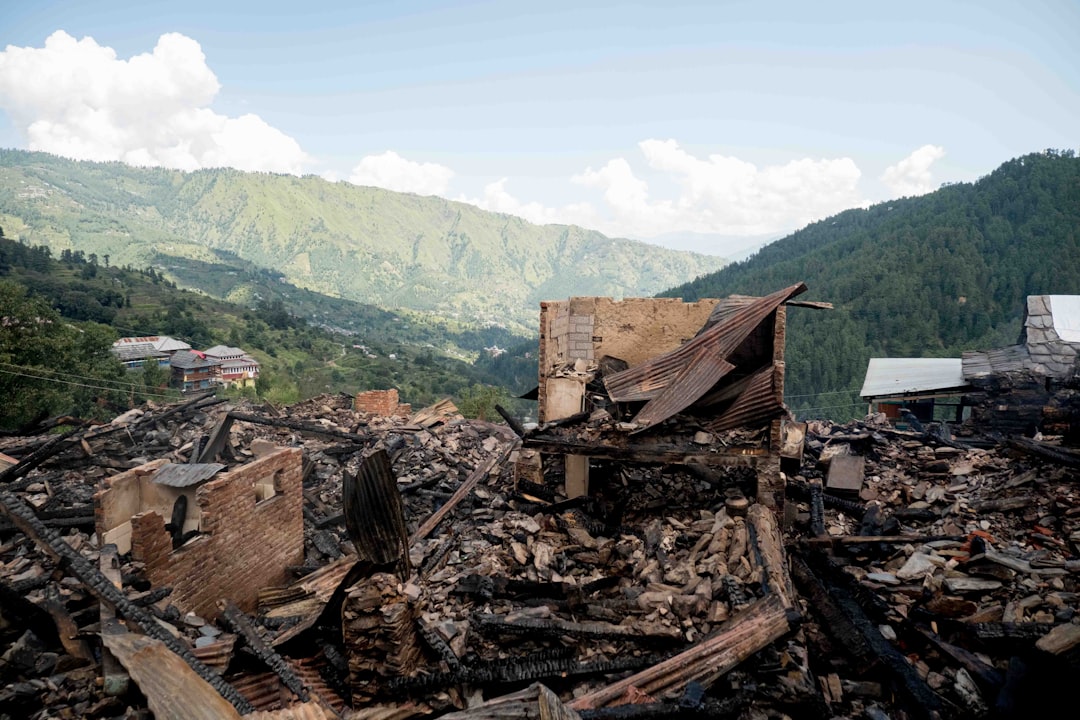
Faculty from the University of Delaware’s renowned Disaster Research Center are available to comment on the back-to-back earthquakes in Venezuela. These experts can discuss critical infrastructure failures, public health threats, emergency logistics and community-led response efforts in the region. Available experts include: From what I’ve seen, it looks like the earthquake occurred on the boundary of the Caribbean and South American plate. A strike-slip fault similar to the San Andreas. There have been a lot of nonductile reinforced concrete frame building collapses. There may be an effect of soil given that a lot of the damage has been near the coast. Jennifer Horney (Professor of Epidemiology) Focus: Public health impacts, post-disaster waterborne/vector-borne disease outbreaks and the breakdown of healthcare delivery due to damaged roads and disrupted communication networks. Tricia Wachtendorf (Co-director, Disaster Research Center) Focus: Disaster response logistics, community improvisation, neighbors as first responders and how to donate effectively to maximize impact. Sarah DeYoung (Associate Professor, Sociology and Criminal Justice) Focus: Maternal and infant health/feeding in emergencies, pet and companion animal evacuations and community-level crisis decision-making. To contact these experts directly and arrange an interview, visit their ExpertFile page and click on the contact button. Interested reporters can also email MediaRelations@udel.edu.



Levy on Home Ownership, Suburban Voters, and the Midterms
A recent media appearance by Lawrence Levy, associate vice president and executive dean of Hofstra University’s National Center for Suburban Studies, include: June 17: Newsday: “Will they ever own a home? Long Island renters fear the ‘American Dream’ is out of reach.” Across Long Island, many renters are finding themselves shut out of a housing market defined by record prices, limited inventory and rising borrowing costs. Still, Newsday reports, people continue to aspire to homeownership, viewing it as a source of financial security and stability. “The lure of suburban homeownership remains as powerful as ever,” said Levy. “How else do you explain the willingness of more and more people to go deeper and deeper in debt to realize their suburban dream?”


Chihuly’s Glass Abloom at Meijer Gardens
Frederik Meijer Gardens is hosting Chihuly at Meijer Gardens through Nov. 1, 2026 - the only temporary Chihuly exhibit in the country and one of only two in the world this year. Most creative passions have their roots in childhood—and such is the case with Dale Chihuly’s great love of flowers. The artist fondly recalls his mother’s large and exuberant garden in Tacoma, Washington, known as one of the most beautiful in the neighborhood. Memories of his mother’s garden have influenced much of Chihuly’s work, with the bursting colors and blooming forms matching the fecundity of flora. Another inspiration for Chihuly’s flowering glass forms is the famed Blaschka Collection of glass flowers at Harvard University’s Museum of Natural History, which he encountered while studying sculpture on the East Coast. His avowed love of Vincent van Gogh’s vibrant flower paintings provides another source for Chihuly’s expressive floral artworks. Michigan’s largest‑ever Chihuly exhibition marks long-awaited return to Meijer Garden MLive/Grand Rapids Press April 30, 2026 “The exhibition offers an unprecedented opportunity to lose yourself in Chihuly’s career and in individual pieces,” said Suzanne Ramljak. “It’s hard to describe how experiential it is.” Chihuly’s many exhibitions in conservatories and botanical gardens—including repeatedly at Frederik Meijer Gardens & Sculpture Park—further testifies to the ways his art speaks directly to nature. Meijer Gardens’ 2026 presentation of CHIHULY at Meijer Gardens features a number of the artist’s floral-based series, including his Venetians, Ikebana and Fiori. Below are images of a few of the blooming glass pieces visitors encounter inside the Chihuly: Radiant Forms indoor gallery exhibition, while his outdoor installations revel in the company of flowers. VENETIANS Chihuly’s opulent Venetians series, begun in the late 1980s, is both a celebration of the Italian city that fueled his glass art and of nature’s endless bounty. Several of these baroque vessels are adorned with vegetative forms and stylized flowers in colors that rival that of a garden palette. IKEBANA In 1989, Chihuly began his Ikebana series inspired by Japan’s traditional art of flower arranging. Chihuly’s bold variations on this tradition features sculptural vases of every imaginative shape, containing expressive flowers not to be found in any handbook of botanical species. Chihuly continued his exploration of Japanese flower arranging in a number of innovative glass-on-glass paintings, which are also on view in the Radiant Forms exhibition. FIORI AND MILLE FIORI Chihuly’s profusion of floral forms continues in his Fiori (Italian for “flowers”) and Mille Fiori (“a thousand flowers”) series. Whether shown as singular stalks or amassed on a platform as a riotous glass garden, the artist’s Fiori both celebrate the vitality of nature and the endless creative possibilities of glass. Massive, fantastic Chihuly exhibition opens in Grand Rapids Detroit Metro Times May 1, 2026 “It’s a different piece every day, when the sun hits it and flashes out from its tips, or when it’s darker and deeper in color,” Suzanne Ramljak says. “And that, I must say, is really the pleasure and the power of an outdoor sculpture park that we have. It is an outdoor museum, and it’s alive … when you put art outdoors, nature adds a whole other dimension of life and color.” When Chihuly’s ongoing series of Fiori are set outdoors—in the landscape as with Mottled Trumpet Flowers or gathered within a floating Fiori Boat—his opulent floral forms gain dynamism through the interplay with living organisms. CHIHULY at Meijer Gardens Presented by Macatawa Bank runs through Nov. 1. General admission tickets include access to all outdoor Chihuly installations across the campus. The indoor CHIHULY: Radiant Forms requires a separate timed-entry ticket ($9 adults, $5 children ages 3–13 and members receive a 10% discount). For exhibition tickets and a schedule of related events and programs, visit MeijerGardens.org/Chihuly. Suzanne Ramljak is Director of Curatorial Affairs at Frederik Meijer Gardens & Sculpture Park, where she has worked since 2022. Ramljak previously was curator at the American Federation of Arts, New York, overseeing the development of traveling museum exhibitions and scholarly publications. View her profile. If you are looking to cover CHIHULY at Meijer Gardens, connect with Suzanne below.