
Experts Matter. Find Yours.
Connect for media, speaking, professional opportunities & more.

Since its creation in 1792, the penny has had a notable role in American currency. But 2026, will mark the end of the one cent after 233 years. In June of 2025, the U.S. Treasury made its final order for penny blanks. The U.S. Mint stated that it's lost $85.3 million on the 3.2 billion pennies they produced in the 2024 fiscal year. It is estimated that the government will save $56 million annually once the production of the penny stops. The penny was one of the first coins produced by the U.S. Mint in 1792 and was originally designed by Benjamin Franklin. Since then, the penny has been used to mark significant events in American history as its design has changed over the years. The penny, starting in 1857, has been the smallest form of currency used in America. Now the nickel will become the smallest coin to be used in cash purchases. With this change it is expected that getting your exact change will become difficult, causing businesses to either round up or round down to the nearest five cents. Dr. Jared Pincin is an expert on economics and is available to speak to media regarding penny production and the economy – simply click on his icon or email mweinstein@cedarville.edu to arrange an interview.


ChristianaCare Becomes First in Delaware to Offer CAR-T Therapy for Advanced Multiple Myeloma
ChristianaCare’s Helen F. Graham Cancer Center & Research Institute is the first in Delaware to offer a powerful new tool in the fight against multiple myeloma—a type of blood cancer that affects plasma cells in the bone marrow. That tool is a new chimeric antigen receptor (CAR) T-cell therapy, called CARVYKTI, which can improve treatment for adults with multiple myeloma that has returned or stopped responding to other treatments. “CAR-T cell therapy represents a paradigm shift in the treatment of multiple myeloma,” said Thomas Schwaab, M.D., Ph.D., Bank of America Endowed Medical Director of the Helen F. Graham Cancer Center & Research Institute." We are expanding access to this life-extending therapy right here in Delaware — close to home, close to hope. This is part of our ongoing commitment at the Graham Cancer Center to ensure our community has access to the most advanced cancer therapies.” Multiple myeloma is a relatively rare cancer, but it still affects a significant number of people each year. In the United States, it is estimated that around 36,110 new cases will be diagnosed in 2025, according to the American Cancer Society What is CAR-T Therapy? CAR-T cell therapy uses a patient’s own immune cells to fight cancer. Doctors first collect the patient’s T cells, which are a type of white blood cell that helps the body fight infections. In the lab, these T cells are reprogrammed by adding a special receptor called a chimeric antigen receptor (CAR). This receptor allows the T cells to recognize specific proteins on cancer cells, acting like a navigation system to help the T cells find and attack the cancer. After this genetic modification, the reprogrammed T cells are expanded in the lab to create a larger army of cancer-fighting cells. Then, they are infused back into the patient’s body, where they go on to find and destroy the cancer cells. This therapy is approved for adults who have already tried several standard treatments, like proteasome inhibitors, immunomodulators and anti-CD38 antibodies, without success. When those treatments stop working, CARVYKTI can offer a powerful new option. CAR T-cell therapy has given new hope to patients with multiple myeloma whose cancer has returned or stopped responding to other treatments. Many people see their cancer shrink or even disappear for a period of time, which can help them live longer and feel better. While the treatment can have short-term side effects, many patients report feeling stronger and having fewer symptoms once they recover. It’s not a cure, but for some, it can mean more time with loved ones and a better quality of life. “This therapy gives our patients a chance when other treatments have failed,” said Zhifu Xiang, M.D., medical oncologist at ChristianaCare Oncology Hematology. “It’s a deeply personalized approach that uses the patient’s own immune system to fight the cancer in a powerful new way. Being able to offer this locally means our patients don’t have to travel far for world-class care.” A Leader in Cell Therapy The Graham Cancer Center’s dedicated team of specialists have been offering CAR-T cell therapy for other cancer types, such as lymphoma and leukemia, since 2018. The center is also recognized by the Foundation for the Accreditation of Cellular Therapy (FACT) for meeting the highest standards in safety, quality and patient care. To learn more about CAR-T cell therapy or other cancer treatments at ChristianaCare, visit christianacare.org/cancer or call the Helen F. Graham Cancer Center & Research Institute at 302-733-HOPE (4673).



ExpertSpotlight: American Steel Tariffs – A Brief History
The history of steel trade and tariffs in the United States is deeply intertwined with the nation’s industrial rise, global economic strategy, and political maneuvering. From the late 19th century through the 21st, steel has symbolized both national strength and international tension. Trade protections—such as tariffs—have been used to shield American steel producers from foreign competition, often sparking international disputes and shaping the direction of U.S. economic policy. This topic matters to the public because it affects manufacturing jobs, infrastructure costs, international relations, and the price of goods in everyday life. Understanding steel tariffs offers a lens into larger debates about globalization, economic nationalism, and trade fairness. Key story angles that may interest a broad audience include: The origins of U.S. steel tariffs: Tracing the first protective tariffs in the late 1800s and their role in America’s industrial expansion. The role of steel in national security and economic independence: Investigating why steel has been labeled a “strategic industry” across administrations. Tariff flashpoints: Highlighting major tariff battles—such as the 2002 and 2018 steel tariffs—and their economic and diplomatic consequences. Impact on American manufacturing and jobs: Examining whether tariffs have protected or hindered employment in steel-producing regions. Global trade tensions: Exploring how tariffs have affected relationships with allies such as Canada, the EU, and China. Future of steel trade policy: Discussing evolving views on protectionism, globalization, and climate-linked trade strategies. Connect with our experts about the history of tariffs and steel in America: Check out our experts here : www.expertfile.com


ChristianaCare has once again been recognized by the American Association of Critical-Care Nurses (AACN) for its exceptional complex care. The AACN has awarded the Beacon Award for Excellence to three intensive care units at Christiana Hospital in Newark, Delaware: the Medical Intensive Care Unit (MICU), the Surgical Critical Care Complex (SCCC), and the Transitional Surgical Unit (TSU) Beacon Awards honor critical-care nursing units that demonstrate exceptional patient care, improved patient health outcomes, a supportive work environment and opportunities for collaboration. The Beacon Award is widely considered to be the most prestigious award in critical-care nursing. “The Beacon Award shines a light on individual nursing units for their commitment to providing critically ill patients with exceptional care and evidence-based practices,” said Danielle Weber, DNP, MSM, RN-BC, NEA-BC, chief nurse executive at ChristianaCare. “These awards reflect nursing excellence and commitment to exceptional health outcomes, an outstanding work environment and superior patient experience.” AACN President Jennifer Adamski, DNP, APRN, ACNP-BC, CCRN, FCCM, applauds the commitment of the caregivers at ChristianaCare for working together to meet and exceed the high standards set forth by the Beacon Award for Excellence. These dedicated healthcare professionals join other members of our exceptional community of nurses, who set the standard for optimal patient care. “The Beacon Award for Excellence recognizes caregivers in outstanding units whose consistent and systematic approach to evidence-based care optimizes patient outcomes. Units that receive this national recognition serve as role models to others on their journey to excellent patient and family care,” Adamski said. Consecutive successes Each of these units has received multiple Beacon Awards. • The MICU has been continuously recognized as a Beacon unit since 2009. It is the sixth time that the MICU—Delaware’s first Beacon Award-winning unit—has received the national award, with four silver and two gold recognitions. The unit holds the most Beacon Awards in Delaware. • The SCCC received a silver-level award for the fourth time. • The TSU received a gold-level award for the first time, after receiving two silver-level awards. “For us to be designated for such a consecutive amount of time is a testament to the ongoing, intensive work that we do and the focus on excellence that we have,” said Carol Ritter, MSN, RN, CCRN, CNML, nurse manager for the MICU. “It’s an affirmation of the care that the nurses provide and the excellence that they bring every day, using advanced protocols and the latest technology and research.” Beacon-designated units are renowned for their healthy work environments and high morale, which results in strong relationships among the nurses and outstanding patient care. “Our nurses are committed to providing exceptional care and patient outcomes,” said Amanda Latina, MSN, MBA, RN, TCRN, nurse manager of the TSU and SCCC. “They embody what it means to be a critical-care nurse.” Of the seven Beacon Award-winning patient care units currently in Delaware, all are at Christiana Hospital in Newark. These include the Neuro Critical Care Unit (silver), the Cardiovascular Stepdown Unit 4E (silver), the Cardiovascular Critical Care Complex (three-time gold winner), the Transitional Medical Unit and the 3C Intermediate Medical Unit (both silver).


ChristianaCare Charts New Course With Nurse Robotics Research Fellowship
ChristianaCare, the first hospital system in the region to deploy collaborative robots, has once again broken new ground, this time with a nationally unique initiative that puts bedside nurses at the helm of robotics research and innovation. At a graduation ceremony April 30, ChristianaCare celebrated the first four clinical nurses completing the Nursing Research Fellowship in Robotics and Innovation — the first program of its kind in the nation. The fellowship was part of a larger three-year, $1.5 million grant from the American Nurses Foundation’s Reimagining Nursing Initiative. The grant supports ChristianaCare’s broader study on how collaborative robots impact nursing practice. Over eight months, nurses from different units and specialties participated in immersive research training and lectures designed to expand their knowledge, curiosity and professional growth. Their work culminated in national conference presentations and preparations for journal submissions. The inaugural Nursing Research Fellows in Robotics and Innovation are: Briana Abernathy, BSN, RN, CEN – case management, Christiana Hospital emergency department Elizabeth Mitchell, BSN, RN-BC – Christiana Hospital surgical stepdown unit Hannah Rackie, BSN, RN, C-EFM – Union Hospital maternity unit Morgan Tallo, BSN, RN, CCRN – Christiana Hospital cardiovascular critical care unit A ‘real seat at the table’ “When you create programs that empower nurses to lead, innovate and tackle meaningful challenges, you see real impact — not just in new skills and knowledge, but in job satisfaction, well-being and retention,” said Susan Smith Birkhoff, Ph.D., RN, program director of Technology Research & Education at ChristianaCare. “This fellowship is built on the belief that when nurses are given the space to learn and lead, they bring fresh ideas and collaborative solutions back to their clinical practice areas.” Created and led by Smith Birkhoff, the fellowship is a standout in the U.S. health care landscape: It gives bedside nurses the chance to step away from their daily routines and gain advanced research experience, an opportunity rarely available at the clinical level. While the fellowship directly trained four nurses, its reach extended well beyond thazt. Fellows shared what they were learning along the way, sparking wider interest in research across the health system. The research program was highlighted as a new knowledge and innovation exemplar in the latest evaluation by the American Nurses Credentialing Center, which in March awarded ChristianaCare its fourth Magnet designation — the gold standard for nursing excellence. Adriane Griffen, DrPH, MPH, MCHES, vice president of programs at the American Nurses Foundation, praised ChristianaCare’s responsiveness in shaping the program around nurses’ needs and building a model for future innovation. “What makes this fellowship stand out is its focus on giving bedside nurses a real seat at the table,” Griffen said. “When nurses are trusted to lead and have the right support, they develop solutions that are practical, sustainable and transformative. This fellowship shows how nurse-led innovation can grow from a local pilot into a model for improving care across the country.” Through the fellowship, nurses gained a deeper understanding of applying research methodology to advance robotics science at the intersection of nursing and hospital operations, which is groundbreaking and novel. “This is such an exciting and important moment for our profession,” said Danielle Weber, DNP, RN, NEA-BC, chief nurse executive at ChristianaCare. “Innovation is about improving care, easing the burdens on our teams and finding smarter ways to meet the complex needs of our patients. Tools like collaborative robots don’t replace the human touch, they help protect and elevate it.” Mitchell said she was initially intimidated when she saw the fellowship application because it had been years since she last engaged in formal research. Learning everything from literature reviews to abstract writing pushed her outside her comfort zone and gave her practical tools to take new ideas forward. The experience inspired her to return to school this fall to pursue a graduate degree. A ‘ripple effect’ “This fellowship reignited my enthusiasm for learning and gave me the skills and confidence to keep growing,” Mitchell said. “It’s been amazing to collaborate with other fellows and mentors, and I’m excited to apply what I’ve learned to improve patient care and strengthen our teams.” In addition to Smith Birkhoff, Kate Shady, Ph.D., RN, OCN, RN IV, served as a mentor to the fellows, bringing expertise from her hematology/oncology background. Kati Patel, MPH, provided key administrative coordination and support throughout the program. ChristianaCare continues its broader research into robotics integration, with findings from the multi-year collaborative robot study expected to be shared later this year. Shady said the fellowship is already influencing ChristianaCare’s nursing culture by expanding interest in research and evidence-based practice well beyond the initial group. The program’s ripple effect is helping build lasting infrastructure for nurse-led innovation across departments. “One of the most rewarding parts of this fellowship has been seeing these nurses step into new confidence and capability,” Shady said. “They began unsure about research, but by the end, they were reading studies, writing abstracts and mentoring peers — laying the groundwork for bigger change in how we advance nursing practice.” Learn more about nursing at ChristianaCare.


Masoud Davari, Ph.D., associate professor of Electrical and Computer Engineering in the Allen E. Paulson College of Engineering & Computing, was recognized for his achievements in the field of power electronics control and testing with the IEEE Region 3 Outstanding Engineer Award. He was also granted membership into Eta Kappa Nu (HKN), IEEE’s international honor society. IEEE, the Institute of Electrical and Electronics Engineers, is the world’s largest professional organization for electrical engineers, with its membership numbering over 486,000 in more than 190 countries. Davari has been a member of IEEE since 2008 and a senior member of IEEE’s Region 3 since 2019. The organization’s Region 3 encompasses the southeastern United States and has over 24,000 members. The Outstanding Engineer Award, given annually to one member per region, recognizes those who have advanced knowledge and improved humanity through any of the technical subjects covered by the IEEE societies, councils, and affinity groups. Davari was praised for “outstanding, technical, and professional contributions to synthesizing reinforcement learning optimal controls for power electronic converters, creating robust integration of power electronics considering the impact of cyberattacks on modern grids, and advancing IEEE standards for hardware-in-the-loop testing and education through impactful research and service.” This impactful research and service includes eight years of teaching at Georgia Southern. He currently teaches introductory courses on circuit analysis and power systems fundamentals. He has also served as a chapter lead of the IEEE Working Group (WG) P2004 for testing based on hardware-in-the-loop simulations in the IEEE Standards Association (IEEE SA) and that of the IEEE Power and Energy Society Task Force on innovative teaching methods for modern power and energy systems (TR 120). In addition to being an engaged educator, Davari is also a prolific researcher. He was selected as the finalist for the 2024 Curtis W. McGraw Research Award by the Awards Committee of the American Society for Engineering Education (ASEE); has also been awarded a research fellowship by Gulfstream Aerospace Corporation in 2024; was included in Stanford/Elsevier’s Top 2% Scientist Rankings list; and has received $1.17 million in grants from the National Science Foundation Davari’s work ethic and commitment to bridging the gap between industry and research led Rami Haddad, Ph.D., interim dean of the College of Engineering & Computing, to nominate him. “Dr. Davari’s recognition as the IEEE Region 3 Outstanding Engineer and his induction into IEEE-Eta Kappa Nu (HKN) are truly remarkable honors that reflect his outstanding contributions to electrical and computer engineering,” Haddad said. “Being recognized among more than 24,000 IEEE members across the Southeast is a testament to the impact and excellence of his work. We are proud to have Dr. Davari as a valued member of our college, and we celebrate his achievements as a shining example of the innovation and leadership that define our faculty.” This award marks the first time a Georgia Southern faculty member has received it in its 55-year history. It is a career milestone for Davari, who has published research on advanced technology integration into modern power and energy systems in high-impact-factor IEEE Transactions/Journal venues and has extensively researched the era of grid-edge technologies. “I’m deeply honored by this prestigious award,” Davari said. “Not only does it reaffirm my dedication to my research field, but it also fuels my passion for creating a technologically advanced future. Receiving this IEEE award on behalf of my outstanding team is a privilege. Their relentless commitment and hard work since 2015 have truly made this achievement possible.” Davari’s induction into HKN places him among the best in his field. The membership, which is received through invitation only from HKN’s Board of Governors and is based on the candidate’s record of contributions to the field, demonstrated leadership, and community service. “With a legacy that stretches over a century, IEEE-HKN represents the pinnacle of prestige and tradition in our profession, indicating academic achievements and dedication to research, potential leadership, exemplary character, and a positive attitude. Notably, many of our industry’s most influential leaders initiated their journeys through induction into IEEE-HKN as professional members, so receiving this honor is a privilege.” Davari received his award and was inducted into Eta Kappa Nu (HKN) in March at IEEE Region 3’s SoutheastCon 2025 in Charlotte, North Carolina. If you're interested in learning more and want to book time to talk or interview with Masoud Davari then let us help - simply contact Georgia Southern's Director of Communications Jennifer Wise at jwise@georgiasouthern.edu to arrange an interview today.


Expert Perspective: The Hidden Costs of Cultural Appropriation
In our interconnected world, cultural borrowing is everywhere. But why do some instances earn applause while others provoke outrage? This question is becoming increasingly crucial for business leaders who must carefully navigate cultural boundaries. Take the backlash the Kardashian-Jenner family faced for adopting styles from minority cultures or the controversy over non-Indigenous designers using Native American patterns in fashion. These examples highlight the issue of cultural appropriation, where borrowing elements from another culture without genuine understanding or respect can lead to accusations of exploitation. Abraham Oshotse, an assistant professor of organization and management at Goizueta Business School, along with Assistant Professor of Sociology and Anthropology at Hebrew University Yael Berda and Associate Professor of Organizational Behavior at the Stanford Graduate School of Business Amir Goldberg, explores this in their research on “cultural tariffing.” They shed light on why high-status individuals, such as celebrities or industry leaders, often come under fire when crossing cultural boundaries. The Concept of Cultural Tariffing Oshotse and coauthors define cultural tariffing as “the act of imposing a social cost on cultural boundary crossing. It is levied on high-status actors crossing into low-status culture, in order to mitigate the reproduction of the status inequality.” This notion suggests that the acceptance or rejection of cultural boundary-crossing is influenced by the perceived costs and benefits. Cultural appropriation involves taking elements from a culture that one does not belong to, without permission or authority. For example, when Elvis Presley brought African-American music into the mainstream, it was initially seen as elevating the genre. However, in today’s context, such acts might be criticized as appropriation rather than celebration. This research seeks to analyze people’s modern reactions to different examples of cultural boundary-crossing and which conditions induce cultural tariffing. The Hypotheses The researchers make four hypotheses about participants’ reactions to cultural appropriation: People will disapprove of cultural borrowing if there’s a clear power imbalance, with the borrowing group having more status or privilege than the group they are borrowing from. Cultural borrowing is more likely to be criticized if the person doing it has a higher socioeconomic status within their social group. Cultural borrowing is more likely to be criticized if the person doing it has only a shallow connection to the culture they’re borrowing from. Cultural borrowing is more likely to be criticized if the person doing it benefits more from it than the people from the culture they are borrowing from. Put to the Test Oshotse et al exposed respondents to four scenarios per hypothesis (16 total) with a permissible and a transgressive condition. In the permissible condition, subjects exhibit lower status or socioeconomic standing or a stronger connection to the target culture. Subjects in the transgressive condition exhibit a higher status or socioeconomic standing and less of an authentic connection to the target culture. Insights from the Study Oshotse’s study offers four key insights: Status Matters: Cultural boundary-crossing is more likely to generate disapproval if there’s a clear status difference favoring the adopter. Superficial Connections: The less authentic the adopter’s connection to the target culture, the more likely they are to face backlash. Socioeconomic Influence: Higher socioeconomic status within the adopter’s social group increases the likelihood of disapproval. Value Extraction: The more value the adopter gains relative to the culture they’re borrowing from, the higher the disapproval. These insights are crucial for leaders who want to navigate cultural boundaries successfully, ensuring their actions are seen as respectful and inclusive rather than exploitative. Real-World Implications for Business Leaders Why does this matter for business leaders? Understanding cultural tariffing is crucial when expanding into new markets, launching multicultural campaigns, or even managing diverse teams. The research suggests that crossing cultural boundaries without deep understanding or respect can backfire. That’s especially true when the adopter holds a higher socioeconomic status. Consider the example of a luxury brand adopting traditional African patterns without engaging with the communities behind them. In this case, it risks being seen as exploitative rather than innovative. The consequences aren’t just reputational; they can also impact the brand’s bottom line. This research isn’t just about isolated incidents; it mirrors sweeping societal shifts. Over the past 50 years, Western views have evolved to embrace ethnic diversity and multicultural exchange. But with this newfound appreciation comes a fresh set of challenges. Today’s leaders must navigate cultural interactions with greater care, fully aware of the historical and social contexts that shape perceptions of appropriation. In today’s global and interconnected business landscape, mastering the subtleties of cultural appropriation and tariffing is crucial. Leaders who tread thoughtfully can boost their reputation and success, while those who falter may face serious backlash. By understanding the hidden costs of crossing cultural boundaries, business leaders can cultivate authentic exchanges and steer clear of the pitfalls of appropriation. Abraham Oshotse is an assistant professor of organization & management. He is available speak to media regarding this important topic - simply click on his icon now to arrange an interview today.



Hiring More Nurses Generates Revenue for Hospitals
Underfunding is driving an acute shortage of trained nurses in hospitals and care facilities in the United States. It is the worst such shortage in more than four decades. One estimate from the American Hospital Association puts the deficit north of one million. Meanwhile, a recent survey by recruitment specialist AMN Healthcare suggests that 900,000 more nurses will drop out of the workforce by 2027. American nurses are quitting in droves, thanks to low pay and burnout as understaffing increases individual workload. This is bad news for patient outcomes. Nurses are estimated to have eight times more routine contact with patients than physicians. They shoulder the bulk of all responsibility in terms of diagnostic data collection, treatment plans, and clinical reporting. As a result, understaffing is linked to a slew of serious problems, among them increased wait times for patients in care, post-operative infections, readmission rates, and patient mortality—all of which are on the rise across the U.S. Tackling this crisis is challenging because of how nursing services are reimbursed. Most hospitals operate a payment system where services are paid for separately. Physician services are billed as separate line items, making them a revenue generator for the hospitals that employ them. But under Medicare, nursing services are charged as part of a fixed room and board fee, meaning that hospitals charge the same fee regardless of how many nurses are employed in the patient’s care. In this model, nurses end up on the other side of hospitals’ balance sheets: a labor expense rather than a source of income. For beleaguered administrators looking to sustain quality of care while minimizing costs (and maximizing profits), hiring and retaining nursing staff has arguably become something of a zero-sum game in the U.S. The Hidden Costs of Nurse Understaffing But might the balance sheet in fact be skewed in some way? Could there be potential financial losses attached to nurse understaffing that administrators should factor into their hiring and remuneration decisions? Research by Goizueta Professors Diwas KC and Donald Lee, as well as recent Goizueta PhD graduates Hao Ding 24PhD (Auburn University) and Sokol Tushe 23PhD (Muma College of Business), would suggest there are. Their new peer-reviewed publication* finds that increasing a single nurse’s workload by just one patient creates a 17% service slowdown for all other patients under that nurse’s care. Looking at the data another way, having one additional nurse on duty during the busiest shift (typically between 7am and 7pm) speeds up emergency department work and frees up capacity to treat more patients such that hospitals could be looking at a major increase in revenue. The researchers calculate that this productivity gain could equate to a net increase of $470,000 per 10,000 patient visits—and savings to the tune of $160,000 in lost earnings for the same number of patients as wait times are reduced. “A lot of the debate around nursing in the U.S. has focused on the loss of quality in care, which is hugely important,” says Diwas KC. But looking at the crisis through a productivity lens means we’re also able to understand the very real economic value that nurses bring too: the revenue increases that come with capacity gains. Diwas KC, Goizueta Foundation Term Professor of Information Systems & Operations Management “Our findings challenge the predominant thinking around nursing as a cost,” adds Lee. “What we see is that investing in nursing staff more than pays for itself in downstream financial benefits for hospitals. It is effectively a win-win-win for patients, nurses, and healthcare providers.” Nurse Load: the Biggest Impact on Productivity To get to these findings, the researchers analyzed a high-resolution dataset on patient flow through a large U.S. teaching hospital. They looked at the real-time workloads of physicians and nurses working in the emergency department between April 2018 and March 2019, factoring in variables such as patient demographics and severity of complaint or illness. Tracking patients from admission to triage and on to treatment, the researchers were able to tease out the impact that the number of nurses and physicians on duty had on patient throughput. Using a novel machine learning technique developed at Goizueta by Lee, they were able to identify the effect of increasing or reducing the workforce. The contrast between physicians and nursing staff is stark, says Tushe. “When you have fewer nurses on duty, capacity and patient throughput drops by an order of magnitude—far, far more than when reducing the number of doctors. Our results show that for every additional patient the nurse is responsible for, service speed falls by 17%. That compares to just 1.4% if you add one patient to the workload of an attending physician. In other words, nurses’ impact on productivity in the emergency department is more than eight times greater.” Boosting Revenue Through Reduced Wait Times Adding an additional nurse to the workforce, on the other hand, increases capacity appreciably. And as more patients are treated faster, hospitals can expect a concomitant uptick in revenue, says KC. “It’s well documented that cutting down wait time equates to more patients treated and more income. Previous research shows that reducing service time by 15 minutes per 30,000 patient visits translates to $1.4 million in extra revenue for a hospital.” In our study, we calculate that staffing one additional nurse in the 7am to 7pm emergency department shift reduces wait time by 23 minutes, so hospitals could be looking at an increase of $2.33 million per year. Diwas KC This far eclipses the costs associated with hiring one additional nurse, says Lee. “According to 2022 U.S. Bureau of Labor Statistics, the average nursing salary in the U.S. is $83,000. Fringe benefits account for an additional 50% of the base salary. The total cost of adding one nurse during the 7am to 7pm shift is $310,000 (for 2.5 full-time employees). When you do the math, it is clear. The net hospital gain is $2 million for the hospital in our study. Or $470,000 per 10,000 patient visits.” Incontrovertible Benefits to Hiring More Nurses These findings should provide compelling food for thought both to healthcare administrators and U.S. policymakers. For too long, the latter have fixated on the upstream costs, without exploring the downstream benefits of nursing services, say the researchers. Their study, the first to quantify the economic value of nurses in the U.S., asks “better questions,” argues Tushe; exploiting newly available data and analytics to reveal incontrovertible financial benefits that attach to hiring—and compensating—more nurses in American hospitals. We know that a lot of nurses are leaving the profession not just because of cuts and burnout, but also because of lower pay. We would say to administrators struggling to hire talented nurses to review current wage offers, because our analysis suggests that the economic surplus from hiring more nurses could be readily applied to retention pay rises also. Sokol Tushe 23PhD, Muma College of Business The Case for Mandated Ratios For state-level decision makers, Lee has additional words of advice. “In 2004, California mandated minimum nurse-to-patient ratios in hospitals. Since then, six more states have added some form of minimum ratio requirement. The evidence is that this has been beneficial to patient outcomes and nurse job satisfaction. Our research now adds an economic dimension to the list of benefits as well. Ipso facto, policymakers ought to consider wider adoption of minimum nurse-to-patient ratios.” However, decision makers go about tackling the shortage of nurses in the U.S., they should go about it fast and soon, says KC. “This is a healthcare crisis that is only set to become more acute in the near future. As our demographics shift and our population starts again out, demand for quality will increase. So too must the supply of care capacity. But what we are seeing is the nursing staffing situation in the U.S. moving in the opposite direction. All of this is manifesting in the emergency department. That’s where wait times are getting longer, mistakes are being made, and overworked nurses are quitting. It is creating a vicious cycle that needs to be broken.” Diwas Diwas KC is a professor of information systems & operations management and Donald Lee is an associate professor of information systems & operations management. Both experts are available to speak about this important topic - simply click on either icon now to arrange an interview today.


Could China Beat America in the Race to Get Boots Back on the Moon?
Call it a matter of pride, national security or a desire for astronomical dominance; there's a sense of urgency within the U.S. government to return to the moon, sparked by China's team of taikonauts, who could land there before American astronauts get back to the lunar surface. The latest space race is a topic that is making national news. Florida Tech's experts are lending their opinions and insights about the likelihood of a lunar return, and what it might mean. NASA, with the urging of many politicians, has been racing to get astronauts back to the moon — before the Chinese land taikonauts on the lunar surface. But what’s the rush to return to a place the United States has already been and left 53 years ago? Especially when Mars looms as an enticing option for interplanetary travel. Space experts say there’s plenty of reasons for the urgency: national pride and national security. But also returning to the moon and building habitats would mean long term dominance in space and ensure access to resources that NASA didn’t know where there when the Apollo missions flew. Now with the Chinese making significant progress in human space exploration, the clock is ticking. “The Chinese in the last 20 years have made amazing strides in all aspects of space. They’re sending robots to the moon on a very regular basis. Now they’re doing some pretty amazing activities even on the far side of the moon, and they have a Chinese space station now in Earth orbit,” said Don Platt, associate professor of space systems at Florida Tech. Can China beat NASA to the moon? “The Chinese have really caught up,” said Platt. “I do believe that the Chinese are definitely advancing their efforts on the moon, and are identifying it as a critical aspect of their strategic future in space." When asked about the prospect of Chinese astronauts making it to the moon before NASA's planned Artemis III mission, Platt said he believes it’s a possibility and he cited the efforts China is making to highlight the importance of the nation's space efforts to its own populace. “They have some amazing videos. They’re really engaging the Chinese public, and really using it to do what what we’ve always done in space, and that is to inspire the next generation and to show the world the technical abilities of the Chinese,” said Platt. May 21 - USA Today The race is on, and it's getting a lot of attention. If you're a journalist following this ongoing story, let us help with your coverage. Dr. Don Platt's work has involved developing, testing and flying different types of avionics, communications and rocket propulsion systems. He also studies astrobiology and biotechnology systems and human deep space exploration tools. Don is available to speak with media anytime. Simply click on the icon below to arrange an interview today.


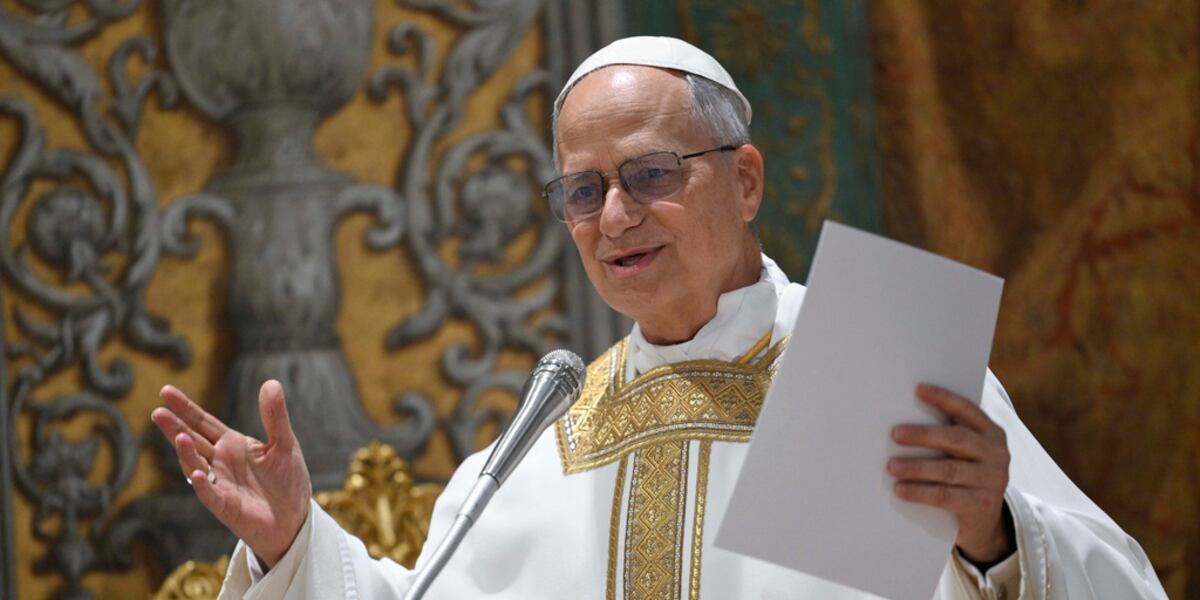
Expert Q& A: ‘The Pope is also a monarch’
Kathleen Comerford, Ph.D., professor of history at Georgia Southern University, specializes in Catholic history in the 16th and 17th centuries. She is also an associate editor for the Journal of Jesuit Studies, which focuses on the work of the Society of Jesus (Jesuits), a religious order within the Catholic Church. Pope Francis was the church’s first Jesuit pope. With the global significance and rarity of the conclave, Comerford answered frequently asked questions about how the conclave works, how the conclave process has evolved over time, and what the passing of a pope means for the Catholic Church and the world. Question: What does the passing of a pope mean for the world? Comerford: Multiple things! First of all, there are 1.4 billion Catholics in the world scattered in many different countries. The pope is a unifying figure for all of the Catholics. He represents something immediate in the sense that he’s the head of the church and is a recognizable figure. The pope is also a monarch. I was just talking with my classes about this. He is the head of the government of the Vatican City State, which is the smallest independent state in the world. It has a very long history itself. Pretty much everybody who lives in Vatican City works for the Vatican. The pope is one of the few elected monarchs in history. He is responsible for financial and political decisions, and he has ambassadors around the world as a result of his role in global policy. Question: How is a new pope selected? Comerford: The College of Cardinals will meet for an election called a conclave, and they actually stay in a dormitory-like place in Vatican City for it. They are sequestered from the public, and they take some time to meet, pray and vote. The cardinals aren’t supposed to be sitting around talking about who would be a really good pope, but we don’t know whether they do because they’re sequestered and nobody is supposed to talk about it. They will likely take a vote on the first day, but that’s not required. Every subsequent day, they can take a maximum of four votes; two in the morning and two in the afternoon until a candidate gets a two-thirds majority. Question: What does the voting look like? Comerford: There are ballots, and the cardinals write their preferred candidate on the ballot, and then they put their vote in a chalice. To count the votes, there’s a group of three people who are in charge of counting and then announcing the results to the fellow cardinals. There are 252 cardinals, but only 135 of them are eligible to vote because anyone over the age of 80 is ineligible. The procedure where only cardinals can elect the pope dates from 1059. The secret ballot and the two-thirds majority requirement is from 1621. The sequestration for the process dates from 1271 because they argued about who the new pope would be for two years and nine months; a total of 33 months. And so, they decided that the only way to make sure that this didn’t happen again would be to create this scenario with the cardinals locked in a room with a key. Question: When one of the candidates receives a two-thirds majority and becomes the next pope, how will it be announced? Comerford: Well, this is kind of fun, because they have four votes every day until one of the candidates receives a two-thirds majority. After they take the votes, the papers used to vote are burned. How the news is shared to the crowds outside is based on the color of smoke. If the smoke is black, that means no one received the majority and there’s no new pope yet. If there’s white smoke, it means there’s a new pope. This practice really only dates to the early 19th century. At first, it was just if there was smoke, there was no pope; if there was no smoke, then there was a pope. In 1914, they changed this aspect of the election so that black smoke means “no pope” and white smoke means “new pope.” Question: It’s expected that the next pope will be one of the cardinals in the room when they vote, yes? Comerford: Yes, but it doesn’t have to be. There have been a lot of popes, but in the last 200-300 years, there hasn’t been somebody who wasn’t in the conclave that was elected. Theoretically, they could nominate somebody who’s not a cardinal and the whole room could say, “yes, that’s the person we want as pope.” However, they don’t vote by acclamation anymore. They stopped doing that in the 19th century. Question: Pope Francis appointed 108 of the cardinals, so that’s a total of 80% of those eligible to vote for the next pope. How likely is it that we see a pope similar to the late Francis, considering he provided the electorate for his successor? Comerford: First of all, he deliberately went out and created cardinals in places where there had never been cardinals before. And he didn’t do that by saying, “I’m going to find somebody who’s like-minded to me.” He just said, “There are a lot of Catholics in Myanmar and they’ve never had a cardinal. So I’m going to make sure that there’s a cardinal now.” Most of these new cardinals are in places like Rwanda, Cape Verde, Tonga, Myanmar, Mongolia and so on. So these are non-European cardinals. Now, less than 40% of the voting cardinals are European. So to speculate on how similar they are to Francis, you have to break down what Francis was. There has been his entire pontificate about how he’s the first American pope, but his parents were born in Italy. He didn’t grow up speaking Italian, but it was a dialect of Italian as well as Spanish, because he grew up in Argentina. He was the most European you can get and still be an American. Another part of the question is, will the new pope be somebody who is of a similar mind to Francis in terms of his governance, which was very devolved. He introduced this idea of “synodality,” which is about fairly consistent communication with groups of people. Pope Francis was not particularly monarchical or hierarchical. There is also the aspect of his thinking that leans more to the left than the right on a number of social issues like immigration, women’s rights, the rights of minorities and immigration. He opened a lot of conversations, which the very right leaning portions of the church have been very uncomfortable with. If you're interested in learning more about this topic and want to book time to talk or interview with Kathleen Comerford then let us help - simply contact Georgia Southern's Director of Communications Jennifer Wise at jwise@georgiasouthern.edu to arrange an interview today.