Experts Matter. Find Yours.
Connect for media, speaking, professional opportunities & more.
Aston University: From Metformin to modern obesity therapies
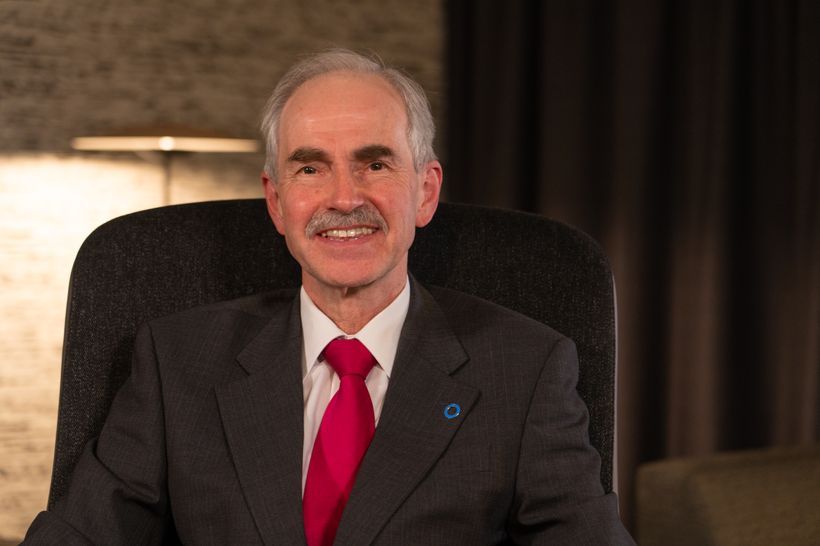
Early beginnings: from herbal medicine to modern drug The origins of a modern diabetes therapy can be traced back to Galega officinalis (goat’s rue), a herb used in European folk medicine for centuries to treat excessive thirst and urination. Its active chemical, guanidine, was found to lower blood sugar in animals in 1918, inspiring the synthesis of a family of drugs known as biguanides. Among these new drugs was metformin, created in 1922 and introduced as a treatment for diabetes in Europe in the late 1950s. However, by the 1970s, metformin was largely disregarded because other biguanide medicines were being withdrawn due to their side-effect of lactic acidosis. Revival in the 1990s: Aston’s role in rediscovery In the early 1990s, research at Aston University provided a decisive turning point. Professor Cliff Bailey and his colleagues revealed that metformin’s primary action occurred in the intestine, where it promoted glucose metabolism and reduced blood sugar without causing weight gain. Their studies clarified that concerns about lactic acid were largely due to misuse, not inherent toxicity. These findings reignited global interest in metformin. Professor Bailey presented his work as an expert witness to the US Food and Drug Administration in 1994, a critical step in securing approval of the drug in the US. He also assisted the European Medicines Agency during periodic reassessments. “My research has always focused on understanding how type 2 diabetes develops and how best to treat it.” Professor Clifford Bailey, Aston University. Establishing global first-line therapy Momentum built through the late 1990s. The UK Prospective Diabetes Study (1998) demonstrated that metformin not only improved blood sugar but also reduced cardiovascular risk, strengthening the case for its wider adoption. By 2012, the American Diabetes Association and the European Association for the Study of Diabetes recommended metformin as the preferred first-line treatment for type 2 diabetes. “We discovered that metformin worked somewhat differently from what was previously thought. By showing how it could be used safely and effectively, we helped pave the way for its wider acceptance.” Today, metformin is the most prescribed diabetes drug worldwide. It is included in the World Health Organization’s Essential Medicines List and has been taken by hundreds of millions of patients, profoundly reshaping global diabetes care. New directions: dapagliflozin and the SGLT-2 inhibitors After the success of metformin, Aston played a central role in the next wave of diabetes medicines. In the 2000s, Professor Bailey was principal investigator in clinical trials for dapagliflozin, the first of the sodium-glucose co-transporter-2 (SGLT-2) inhibitors. Unlike older therapies, SGLT inhibitors lower blood sugar by blocking reabsorption of glucose in the kidneys, causing excess glucose to be excreted in urine. Large international trials demonstrated additional benefits, including weight reduction, lower blood pressure, and improved outcomes for patients with kidney and heart disease. Since its launch in 2012, dapagliflozin has become the most widely prescribed SGLT-2 inhibitor, with more than five million patients treated. It is now embedded in global treatment guidelines, expanding therapeutic options to improve the control of blood glucose and body weight. Foundations for modern obesity therapies The influence of Aston University’s research extends beyond metformin and dapagliflozin. The University’s diabetes research team also studied gut hormones such as GIP (glucose-dependent insulinotropic peptide), which play a central role in regulating insulin secretion and fat metabolism. These early discoveries helped lay the groundwork for today’s incretin-based therapies, including combined GIP/GLP-1 receptor agonists such as tirzepatide. Now widely known as 'anti-obesity injections', these medicines emerged as diabetes treatments and are now transforming care for overweight people with and without type 2 diabetes. Key findings from the research at Aston University Metformin is now being investigated for its anti-ageing and fertility benefits Dapagliflozin shows promise against heart and kidney diseases and gout Gut hormones such as GIP may hold the key to entirely new treatment strategies Why does this matter? The work by Professor Bailey and his colleagues at Aston University has contributed to metformin’s recognition as the primary treatment worldwide for type 2 diabetes. Today, at least half of all patients in Western countries are prescribed metformin — an incredibly cost-effective medicine that continues to save lives. “We identified early on that gut hormones such as GIP were central players in the control of blood glucose and body weight — long before they became the basis for today’s new generation of anti-obesity medicines.” This original research helped lay the scientific foundation for breakthrough treatments like tirzepatide, widely hailed as a game-changer in obesity and diabetes care. Aston University also contributed to the development of dapagliflozin, the first in a new class of drugs that lower blood sugar while also protecting the heart and kidneys. “Millions of people worldwide are living longer and healthier lives because of therapies that have been underpinned by research at Aston University.” Looking ahead Type 2 diabetes remains one of the world’s most pressing health challenges, affecting more than 500 million people globally. Its progressive nature demands a continual search for safer, more effective treatments. From helping rescue a nearly forgotten drug in the 1990s to shaping the next generation of therapies, Aston University’s research has left an enduring mark on clinical practice, regulation, and patient outcomes. The legacy of this work is clear: millions of people worldwide are living longer, healthier lives because of medicines that Aston helped bring to the forefront of modern diabetes and obesity care. About Cliff Bailey is Emeritus Professor of Clinical Science and Anniversary Professor at Aston University in Birmingham, England. He has served on medical and scientific committees of Diabetes UK (formerly the British Diabetic Association), Society for Endocrinology, and European Association for the Study of Diabetes. He has served as a diabetes expert for the approval of new medicines by regulatory agencies including the European Medicines Agency and NICE. His research is mainly directed towards the pathogenesis and treatment of diabetes, especially the development of new agents to improve insulin action and reduce obesity, and the therapeutic application of surrogate beta-cells. Dr Bailey has published over 400 research papers and reviews, and four books, and he is particularly known for research on metformin. References to Case Studies and Key Sources Bailey CJ et al. Metformin: Changing the Treatment Algorithm for Type 2 Diabetes. Aston University REF Impact Case Study, 2014. Bailey CJ. Metformin: Historical Overview. Diabetologia, 2017. Bailey CJ & Day C. Treatment of Type 2 Diabetes: Future Approaches. British Medical Bulletin, 2018.



New Poll Measures Presidential Popularity
Dr. Meena Bose was interviewed by Newsweek regarding a new poll from Marquette University that found Americans view former President Barack Obama more favorably than President Donald Trump. Dr. Bose explained that Obama’s “personal appeal, inspirational rhetoric, and unanticipated success in the 2008 presidential race continue to have strong public support.” “The promise of hope and change are defining features of the Obama presidential campaign and still influence assessments of his presidency,” she said. Dr. Bose is a Hofstra University professor of political science, executive dean of the Public Policy and Public Service program, and director of the Kalikow Center for the Study of the American Presidency.


Nursing researcher receives over $500K in prestigious grants
For the first time in nearly 15 years, a faculty member from Augusta University’s College of Nursing has been awarded a grant from the National Institutes of Health. Blake McGee, PhD, has secured an R03 award of $176,331 from the Eunice Kennedy Shriver National Institute of Child Health and Human Development to study Medicaid’s expanded role in late postpartum maternal health. But he hasn’t stopped there as McGee is also part of the fifth cohort of Betty Irene Moore Fellows, a prestigious program for nurse leaders and innovators that has awarded CON half a million dollars to support his research project and leadership development. McGee, the prelicensure department chair and an associate professor, is collaborating with colleagues from other Georgia universities on both studies, which are occurring simultaneously. “I began my career as an ER nurse and have always wanted to ask bigger questions about the challenges facing patients and how we might best address them as a society,” said McGee, who was recently selected for publication in Blood Advances, the American Society of Hematology’s journal. “As nursing scientists, we are uniquely poised to ask questions about healthcare policy, specifically from the vantage point of the impact that policy choices have on patients and their health outcomes.” This century, the United States has seen rising maternal mortality rates with alarming racial disparities. Over half of these deaths occur in the postpartum period, with 23% occurring more than six weeks after delivery. Medicaid expansion covers pregnant women in households below 138% of the Federal poverty level through postpartum day 60, which has been associated with decreased mortality and reduced racial disparity in maternal death. At the time of grant submission, pregnancy Medicaid eligibility traditionally lapsed 60 days after delivery, leaving postpartum people vulnerable to disruptions in care. McGee’s work aims to identify changes in maternal health care use and health outcomes 60 days to 1 year after delivery that were associated with state Medicaid expansions (2007–19). The team will examine whether the effects of expansion vary by maternal race or ethnicity and will explore whether patient-reported health care access and quality mediate the relationships between expansion and outcomes. “My hope is that after the study we’ll have a better understanding of how health and health care use change for women in this crucial late postpartum period and how they may differ for people of different backgrounds,” said McGee. “Due to the sample design, findings will reliably inform optimal policy for postpartum coverage duration.” He expects this study to provide preliminary data for a future R01-funded study that directly examines the impact of extending the duration of postpartum Medicaid under the American Rescue Plan. As part of the Betty Irene Moore Fellowship, McGee is one of 15 fellows across the nation in a curriculum co-delivered by the UC Davis School of Nursing and Graduate School of Management. A project coordinator from AU’s School of Public Health will also assist with the fellowship project. McGee hopes to involve graduate research assistants or recent alumni as research associates on the team. Specifically, McGee will be studying the Georgia Pathways to Coverage Program, making him one of the only academic researchers in the nation funded to do so. “As a researcher, it is always a privilege to engage in topics that directly impact the current state of health care, and I’m honored to tackle projects that are so relevant to today’s health policy headlines,” he said. Georgia stands out among other states that are exploring an extension of Medicaid to low-income, working-age adults who demonstrate a monthly commitment of 80 hours to an employment-related activity. By studying the effects of this program, McGee predicts the findings will be highly relevant to anticipating the impact of recent Medicaid changes at the federal level and may indicate differences between Pathways participants and those who might qualify but remain uninsured. This focus could provide data that helps the state target enrollment efforts. The state’s own logic model predicts that the program will reduce hospitalizations, and McGee is eager to determine the program’s success. “Our findings should be helpful to the state to better understand those enrolling, what their experience with increased access to care has been and how their health has improved after receiving coverage,” McGee said.



From field to festival: How pumpkins grew into an autumn symbol
Type “Halloween” into your phone’s emoji search bar, and you’ll get three icons: a skull, a ghost, and a jack-o'-lantern. The skull and ghost make sense — but how did the pumpkin carve out such a starring role in our fall celebrations? Cindy Ott, associate professor of history and material culture at the University of Delaware, has the answer. She literally wrote the book on pumpkins, exploring how this humble orange gourd grew from a survival crop to a powerful symbol of American identity and nostalgia. Today, pumpkins dominate the fall season — from pumpkin pies and soups to the ever-popular pumpkin spice latte. Ott’s research uncovers how the pumpkin’s transformation from practical produce to cultural icon reflects broader shifts in American history, values, and traditions. To schedule an interview with Professor Ott, contact MediaRelations@udel.edu.


Thanksgiving North and South: Why Canada and the U.S. Celebrate at Different Times
Every fall, both Canadians and Americans gather around the table to give thanks — but they do it more than a month apart. While the two holidays share themes of gratitude, harvest, and togetherness, they evolved under distinct historical, cultural, and seasonal circumstances that reflect each nation’s story. A Canadian Harvest of Thanks Canada’s Thanksgiving traces its roots back to 1578, when English explorer Martin Frobisher held a ceremony in Newfoundland to give thanks for safe passage across the Atlantic. Over time, the holiday blended European harvest traditions with local customs, emphasizing gratitude for the year’s bounty rather than a single historic event. Because Canada’s growing season ends earlier than in most of the United States, Thanksgiving naturally became an autumn harvest celebration held in early October. It was officially recognized in 1957, when Parliament declared the second Monday of October as a national holiday “to give thanks for the harvest and the blessings of the past year.” The American Tradition South of the border, Thanksgiving carries a different historical symbolism. The U.S. holiday traces back to 1621, when Pilgrims and the Wampanoag people shared a harvest feast in Plymouth, Massachusetts. While similar in spirit, the American version became tied more closely to the nation’s founding mythology — a story of cooperation, survival, and gratitude in the New World. Because harvests occur later in the U.S., the celebration naturally took place in late November. In 1863, during the Civil War, President Abraham Lincoln proclaimed Thanksgiving a national holiday to promote unity, setting it for the final Thursday in November. Congress later standardized the date to the fourth Thursday in 1941. Seasons, Stories, and Shared Spirit At heart, both Thanksgivings mark the same human instinct: to pause, reflect, and give thanks. Canada’s October observance reflects the rhythm of northern harvests and a gratitude rooted in nature’s cycle. The American holiday, coming later in November, intertwines with its own national narrative of endurance and unity. Despite the calendar gap, the spirit is shared — families gathering to celebrate abundance, resilience, and community, in traditions that continue to evolve on both sides of the border. Connect with our experts on the history, traditions, and cultural meanings of Thanksgiving in North America. Check them out here : www.expertfile.com


Experts in the Media: Eating Habits of People Who Grew Up Poor
Sarah Hill, Ph.D, professor of psychology, contributed insights to an AOL article, “Eating Habits of People Who Grew Up Poor,” exploring how early life poverty continues to foster food preferences and mental associations around eating. The piece examines why many adults raised in low-income households feel “unnatural” when switching from inexpensive comfort foods to fresh produce and how habits formed in scarcity can linger long after financial hardships subside. Hill emphasizes that these patterns aren’t just personal quirks but deeply ingrained coping strategies. “For someone who rarely saw fresh fruits or vegetables growing up, the cost, smell, even the way they cut or cook produce, can feel foreign,” she wrote. The article also discusses how scarcity conditioning can lead to behaviors like eating beyond fullness to avoid waste, attachment to “cheap staples” or resistance to change in diet, even when healthy choices are available. Hill argues that recognizing these habits with compassion, as adaptations rather than flaws, is key to promoting lasting healthy change. Sarah Hill is currently a researcher and professor at TCU, lead research advisor at 28, and a thought leader in the area of women’s hormones and sexual psychology. Sarah’s groundbreaking research has resulted in more than 80 research publications. Her work has been featured in The New York Times, The Washington Post, Scientific American, The Economist, and on television shows like Good Morning and The Today Show. See her profile here. The full article is available here: Looking to know more - simply click on Sarah's icon below to arrange an interview time today.



Discussing the Boundaries of Presidential Power
Dr. Meena Bose was a guest on “The Civic Brief” podcast to discuss Constitution Day and presidential power. She and host Dr. Isaiah “Ike” Wilson III discuss how the framers of the Constitution envisioned the presidency, Alexander Hamilton’s idea of “energy in the executive,” and the guardrails of checks and balances that are supposed to limit executive overreach. The podcast is also available to watch on YouTube. Dr. Bose is a Hofstra University professor of political science, executive dean of the Public Policy and Public Service program, and director of the Kalikow Center for the Study of the American Presidency.

First in Delaware to Offer Breakthrough Tricuspid Valve Disease Treatments
For the first time in Delaware, patients with tricuspid valve disease have access to two new FDA-approved, minimally invasive procedures that can repair or replace a failing heart valve without the need for open-heart surgery. The tricuspid valve helps keep blood moving in the right direction through the heart. When it doesn’t close properly — a condition known as tricuspid valve regurgitation — blood leaks backward, forcing the heart to work harder. Over time, patients can experience fatigue, shortness of breath and swelling in the legs and ankles. ChristianaCare’s Center for Heart & Vascular Health is among the first in the nation and the first in the state to offer these advanced procedures, which can restore valve function and improve quality of life. “ChristianaCare continues to innovate in the area of non-surgical valve procedures,” said Kirk Garratt, M.D., MSc, medical director of the Center for Heart & Vascular Health. “We now offer every FDA-approved therapy for tricuspid valve disease, which means we can tailor treatment to each patient and choose the option that best fits their condition.” New Procedures Offer Hope for Patients ChristianaCare offers these minimally invasive procedures to treat tricuspid valve regurgitation: TriClip, which repairs a leaky tricuspid valve. A staple-like clip is attached to the flaps of the valve that don’t close properly, which stops the valve from leaking. EVOQUE, which replaces a faulty tricuspid valve. When the new valve is placed, it uses the patient’s own tricuspid valve as an anchoring system. The new valve takes over for the leaky valve, correcting the problem. “Most of our patients with tricuspid valve disease are older adults, and they really do not desire to travel to Philadelphia for treatment,” said Erin Fender, M.D., an interventional cardiologist at the Center for Heart & Vascular Health. ChristianaCare’s tricuspid valve disease program enables patients to stay in Delaware for treatment and receive this leading-edge care. Fender and interventional cardiologist James Hopkins, M.D., performed ChristianaCare’s first TriClip procedure in August. In September, they performed ChristianaCare’s first EVOQUE procedure. Minimally Invasive, Maximum Impact During both procedures, an IV catheter is inserted into a vein at the top of the leg. A hollow tube is threaded through the IV and into the heart, allowing the clip or replacement valve to access the tricuspid valve. The entire procedure is guided by echocardiogram and generally takes one to two hours. “Patients are usually up and walking later that evening or the next morning, depending on what time of day the procedure was done,” Fender said. “They’re typically discharged the following day.” In the past, open-heart surgery was the only treatment for tricuspid valve disease, but patients with severe symptoms usually weren’t good surgical candidates. “When I was a fellow, I did research focused on tricuspid regurgitation at a time when patients really had no therapeutic options,” Fender said. “Now, being able to offer people therapy that’s so safe and effective, with minimal downtime afterwards, is absolutely transformative to our patients. It’s delightful to see the evolution.” Expanding the Toolbox of Innovation The TriClip and EVOQUE are two of the most recent minimally invasive procedures performed at the Center for Heart & Vascular Health. Other recent innovative, minimally invasive heart and vascular procedures include: Pulsed field ablation for atrial fibrillation. A-fib arises when abnormal heart tissue mistakenly prompts electrical impulses, causing heart palpitations, chest pain and shortness of breath. Pulsed field ablation safely destroys the abnormal tissue quicker and more consistently than other treatments, such as freezing (cryoablation) or heating (radiofrequency ablation). Genicular artery embolization for mild to moderate knee pain. Osteoarthritis can cause inflammation and pain within the knee, which can limit a patient’s mobility. Genicular artery embolization pinpoints areas of inflammation within the knee, and tiny bead-like particles are placed within the blood vessels to block blood flow to those areas. The procedure reduces pain and improves mobility. National Recognition for Excellence ChristianaCare’s Center for Heart & Vascular Health continues to earn national recognition as one of the nation’s premier destinations for cardiovascular care. Most recently, the Center received the HeartCare National Distinction of Excellence award from the American College of Cardiology for the 6th consecutive year. This award honors hospitals that consistently deliver superior medical, surgical and radiologic care aligned with the most rigorous standards of the American College of Cardiology. The award reflects ChristianaCare’s commitment to ensuring patients receive the best, evidence-based care for every cardiovascular need. That excellence is further affirmed by U.S. News & World Report, which named ChristianaCare a High Performing hospital in its 2025—2026 Best Hospitals rankings for aortic valve surgery, heart bypass surgery and heart failure. The Center for Heart & Vascular Health is among the largest and most advanced programs on the East Coast, uniquely integrating cardiac surgery, vascular surgery, vascular interventional radiology, cardiology and interventional nephrology in one location. In 2024, its expert clinical teams performed nearly 200,000 patient procedures, underscoring the depth of experience and patient-centered care that set ChristianaCare apart.


The First Amendment: Foundations, Freedoms, and Why It Still Matters
The First Amendment is more than just words on paper — it’s a bedrock of American democracy. Adopted in 1791 as part of the Bill of Rights, it protects fundamental freedoms: speech, religion, press, assembly, and petition. Its influence ripples through every aspect of civic life, shaping what citizens can say, believe, hear, and demand from government. How It Started In the wake of the Revolutionary War and under the new Constitution, many Americans worried that the federal government could become too powerful — especially over individual rights. To allay those concerns, the Bill of Rights was proposed. The First Amendment was among those first protections ratified in December 1791, explicitly forbidding Congress from making laws that establish religion, restrain free speech or press, or curb the rights of people to assemble and petition their government. Over time, this compact set of protections has been tested, expanded, and clarified. Landmark court decisions and historical crises—from the Sedition Act era in the 1790s, World Wars, civil rights struggles, to modern debates—have shaped how these freedoms are understood in practice. What It Means Today For citizens, the First Amendment offers more than legal guarantees: it gives voice. It underpins political debate, dissent, journalism, artistic expression, religious diversity, protests—and it enables citizens to hold power accountable. At school, at work, on social media, in place of worship, or in the press, these freedoms allow Americans to share ideas, critique policy, and petition for change. But First Amendment rights are not unlimited. Legal doctrine has evolved to balance free speech with other social interests—such as national security, public safety, protection from defamation, or decency norms. The courts continue to adjudicate what constitutes protected speech, what kinds of regulations are permissible, and how emerging issues—like the internet, social media, and new forms of communication—fit into long-standing legal principles. Why This Matters The First Amendment remains essential because it shapes both the rights and responsibilities of citizenship. Without it, political dissent—vital to healthy democracy—can be stifled. Without free press, government actions may go unchecked. Without freedom of religion and conscience, personal beliefs may be coerced or marginalized. As society changes—through technology, demographic shifts, and cultural dialogues—these freedoms are continually negotiated. Understanding the First Amendment helps individuals understand their power and limits. It shows why protests matter, why journalism matters, why speaking up matters. It also frames why legal protection matters in areas such as whistleblowing, religious diversity, and minority rights. Connect with our experts about the history, protections, and current significance of the First Amendment for all Americans: Check out our experts here : www.expertfile.com

This article is republished from The Conversation under a Creative Commons license. Read the original article here. The oil-rich states of Qatar, Saudi Arabia and the United Arab Emirates have a lot going for them: wealth, domestic stability and growing global influence. In recent months, these Gulf kingdoms also appear closer to something they have long sought: reliable U.S. support that has become stronger and more uncritical than ever, just as Iranian power in the region has significantly degraded. In Donald Trump, the nonelected Gulf Arab monarchs have an ally in Washington who has largely shed previous American concerns for democracy and human rights. That the American president made his first scheduled international trip of his second term to Saudi Arabia, Qatar and the UAE only underscores their international clout. Additionally, the popular overthrow of the Assad government in Syria and Israel’s war against Iran and its allies in Lebanon and Yemen have served to greatly weaken Tehran’s perceived threat to Gulf Arab interests. Yet, as an expert on Middle Eastern politics, I believe Gulf Arab countries must still navigate a regional political tightrope. And as the Israeli targeting of senior Hamas leaders in Qatar on Sept. 9, 2025, shows, events by other Middle Eastern actors have a nasty habit of derailing Gulf leaders’ plans. How these countries manage four particular uncertainties will have a significant effect on their hopes for stability and growth. 1. Managing a post-civil war Syria In Syria, years of civil war that had exacerbated splits among ethnic and religious groups finally ended in December 2024. Since then, Arab Gulf countries, which once opposed the Iranian-allied government of Bashar Assad, have been pivotal in supporting new Syrian President Ahmed al-Sharaa. They successfully lobbied the U.S. to drop sanctions. In addition to sharing mutual regional interests with Sharaa, the leaders of Gulf Arab states want a Syrian state that is free from internal war and can absorb the millions of refugees that fled the conflict to other countries in the Middle East. Gulf states can support postwar Syria diplomatically and financially. However, they can’t wish away the legacy of long war and sectarian strife. Israeli attacks on Syrian soil since Assad’s fall, as well as recent outbreaks of fighting in the Sweida region of southern Syria, underscore the ongoing fragility of the Syrian government and concerns over its ability to contain violence and migration outside of its borders. 2. The challenge of regional politics Syria illustrates a broader policy challenge for Gulf states. As their wealth, military strength and influence have grown, these countries have become dominant in the Arab world. As a result, Qatar, Saudi Arabia and the UAE have invested billions of dollars in efforts to influence governments and groups across the world. This includes the mostly authoritarian governments in the Middle East and North Africa, such as Egypt’s. But here, Gulf states are torn politically. If democratic systems form elsewhere in the Arab world, this could encourage Gulf citizens to push for elected government at home. Yet overly coercive Arab governments outside of the Gulf can be prone to popular unrest and even civil war. Propping up unpopular regional governments risks backfiring on Gulf Arab leaders in one of two ways. First, it can entice Gulf states into protracted and damaging wars, such as was the case with Saudi Arabia and the UAE’s failed military intervention in Yemen against the Houthis. Second, it can drive a wedge between Gulf states, as is seen with the current conflict in Sudan, in which the Saudis and Emiratis are backing rival factions. 3. Watching which way Iran will turn Always looming behind complicated Middle Eastern politics is Iran, the historically powerful, populous, non-Arab country whose governing Shiite Islam ideology has been the chief antagonist to the Sunni-led Gulf Arab states since the Iranian Revolution in 1979. Opposing Gulf Arab and American strategic interests, Iran has for years intervened aggressively in Middle Eastern politics by funding and encouraging militant Shiite groups in Iraq, Lebanon, Yemen and elsewhere. An assertive Iran has been especially a thorn in the side of Saudi Arabia, which strives to be the dominant Muslim majority power in the region. Dealing with Iran has required careful balancing from Qatar and the UAE, which are more directly exposed to Tehran geographically and have maintained relatively stronger relations. Given this, Gulf countries may silently welcome the decrease in Iran’s military power in the wake of Israel’s recent war against Iran and its allies, such as Hezbollah in Lebanon, while also fearing further Iranian-Israeli conflict. At the same time, a less powerful Iran runs two types of new potential dangers for Gulf states. Should Iran become more unstable, the resulting turmoil could be felt across the region. In addition, should Iran’s military, policy and economic turmoil lead to a new political system, it could disturb Gulf countries. Neither a Muslim majority democratic government nor a more hard-line nationalist variant in Iran would sit well with nearby Gulf monarchs. Conversely, concerns that the Israeli and U.S. bombing of Iran may actually lead to increased Iranian determination to pursue a nuclear program also worry Gulf leaders. 4. Living with Israel’s military assertiveness Israel, the unquestioned military power and sole nuclear weapons state in the region, has long posed particularly deep political dilemmas to Gulf Arab states. The current challenge is how to balance the immense global unpopularity of the Israeli government’s war in Gaza – including among Gulf Arab citizens – with common strategic interests the Gulf states hold with Israel. Gulf Arab leaders face domestic and regional pressure to show solidarity for Palestinians and their aspirations for statehood. Yet Gulf rulers also share strategic goals with Israel. Along with opposition to Iranian influence, Gulf states maintain strong military links to the U.S, like Israel. They also appreciate the economic and other security value of Israel’s high-tech products, including software used for espionage and cybersecurity. This helps explain the UAE’s 2019 decision to join the short list of Arab states with full diplomatic relations with Israel. Hamas attacked Israel in 2023 in part to stop Saudi Arabia from following suit – something that might have further sidelined Palestinians’ bargaining power. Indeed, moves toward open Saudi diplomatic recognition of Israel were stopped by Hamas’ attack and the global backlash that followed Israel’s ongoing devastation of Gaza. Gulf leaders may still believe that normalized ties with Israel would be good for the long-term economic prospects of the region. And Bahrain and the UAE – the two Gulf Arab states with diplomatic relations with Israel – have not backed away from their official relationship. Yet expanding open relations with Israel further, and taking in other Gulf states, is unlikely without a real reversal in Israel’s policy toward Palestinians in both Gaza and the West Bank. All this is more true in the immediate aftermath of Israel’s attack in Qatar – the first time Israel has launched a direct strike within a Gulf Arab state. That action, even if ostensibly directed at Hamas, is likely to exacerbate tensions not only with Qatar but place increasing stress on the calculus allied Gulf Arab countries make in their dealings with Israel. Tricky way forward for Gulf Arab states These challenges underscore an inescapable truth for Gulf leaders: They are hostage to events beyond their control. Insulating them from that reality takes regional unity. The Gulf Cooperation Council, nearly 45 years old, was established precisely for this purpose. While it remains the most successful regional organization in the Middle East, the GCC has not always prevented major rifts, such as in 2017 when a coalition of Arab states led by Saudi Arabia cut ties with and blockaded Qatar. The conflict was resolved in 2021. Since then, the six members of the GCC have worked together more closely. No doubt, rivalries and disagreements still exist. Yet Arab Gulf leaders have learned that cooperation is useful in the face of major challenges. This can be seen in the recent collaborative diplomatic approaches toward Syria and the U.S. A second lesson comes from the broader Middle East. Key issues are often interdependent, particularly the status of Palestinians. Hamas’ attack on Israel, and the resulting destruction of much of Gaza, resurfaced the deep popularity across the region of addressing Palestinian needs and rights. The monarchs of the Arab Gulf would like to maintain their unchallenged domestic political status while expanding their influence in the Middle East and beyond. However, even when Gulf leaders wish to be done with the region’s challenges, those challenges are not always done with them. Isabella Ishanyan, a UMass Amherst undergraduate, provided research assistance for this article.