
Experts Matter. Find Yours.
Connect for media, speaking, professional opportunities & more.

Aston University professor named world expert in type 2 diabetes mellitus
Aston University professor emeritus, Cliff Bailey has been named as a world expert in type 2 diabetes mellitus by Expertscape, based on his research publications over the last ten years. Expertscape is designed to help find the most knowledgeable physicians and health professionals in the world. It objectively ranks people and institutions by their expertise in more than 27,000 biomedical topics. The announcement coincides with World Diabetes Day on 14 November – which marks the birthday of Frederick Banting, one of the discoverers of insulin. Cliff Bailey, professor of clinical science, and his colleagues in the College of Health and Life Sciences contributed key information to the development of metformin, now the most prescribed medicine in the world for the treatment of type 2 diabetes which is also on the World Health Organisation’s (WHO) list of essential medicines. More recently Cliff has been involved in the development of a new class of agents called SGLT2 inhibitors which are being used alongside metformin in the treatment of type 2 diabetes. Professor Cliff Bailey said: “I’m really pleased that our work continues to help people with diabetes to control their blood glucose and stay healthy.” Cliff has received several awards including the Banting Memorial Lecture Award – the highest award of Diabetes UK - and the Outstanding Achievement Award of the Lunar Society. Type 2 diabetes is the most common type of diabetes that affects more than 400 million people worldwide, including over four million people in the UK. It usually develops in middle or later life, is characterised by excess glucose in the blood, and usually results from a combination of impaired production and impaired activity of the hormone insulin. Type 2 diabetes has extensive detrimental effects on the heart, blood vessels, kidneys, eyes and nerves, and accounts for about 10% of the NHS budget.


Self-Built Protein Coatings Could Improve Biomedical Devices
Fouling is a natural phenomenon that describes the tendency of proteins in water to adhere to nearby surfaces. It’s what causes unwanted deposits of protein to form during some food production or on biomedical implants, causing them to fail. Using her expertise in developing bio-inspired materials for use in human health, R. Helen Zha, an assistant professor of chemical and biological engineering will harness this process found in nature to develop a versatile and accessible approach for modifying solid surfaces. With the support of a more than $592,000 National Science Foundation Faculty Early Career Development (CAREER) grant, Zha will use silk fibroin — a protein that naturally assembles itself — to grow a nanoscale film on the surface of an object. This approach only requires a beaker, water, salt, and the protein, which Zha said makes it biocompatible, safe, ecofriendly, and accessible beyond the walls of a lab. Zha has demonstrated that this approach can work and, in some cases, even increase the therapeutic benefits of an implant. In research published in ACS Biomaterials Science & Engineering, Zha collaborated with Ryan Gilbert, a professor of biomedical engineering at Rensselaer, to modify the surface of a fibrous scaffold that was developed by Gilbert’s lab in order to encourage the growth of neurites at the site of nerve damage. The importance of this research could expand beyond the protein Zha and her lab are working with. This approach, she explained, could be applied to any number of proteins and macromolecules.


Big Data Offers New Insights Into Biological Components of Autism Spectrum Disorder
In recently published research, blood sample analysis showed that mothers of children with autism spectrum disorder (ASD) had several significantly different metabolite levels two to five years after they gave birth when compared to mothers of typically developing children. The research team behind this finding was Juergen Hahn, the head of the Department of Biomedical Engineering at Rensselaer Polytechnic Institute, a pioneer in the use of big data to investigate biological components of ASD. Hahn is available to discuss the findings of his recent research, as well as his overall approach to studying autism. Previously, Hahn discovered patterns with certain metabolites in the blood of children with autism that can be used to successfully predict diagnosis. He has since successfully applied his big data approach to evaluating potential ASD treatments. For the recent paper, which Hahn co-authored, his team analyzed blood samples from 30 mothers whose young children had been diagnosed with ASD and 29 mothers of typically developing children. They found differences in several metabolite levels between the two groups of mothers. While the samples analyzed were taken two to five years after pregnancy, these research findings raise the question of whether or not the differences in metabolites may have been present during pregnancy as well. In addition to his specific findings, Hahn is available to discuss the use of big data in improving society's understanding of the biological mechanisms at work in ASD.


Virtual Reality-Based Surgical Simulations Could Make Patients Safer
Suvranu De, the director of the Center for Modeling, Simulation, and Imaging in Medicine at Rensselaer, has dedicated more than a decade of research to making surgery safer by developing virtual reality-based surgical training simulations that closely mimic the optics and haptics a surgeon may encounter in the operating room. A new $2.3 million grant from the National Institute of Biomedical Imaging and Bioengineering of the National Institutes of Health will further his research in this space, by supporting the development of a collaborative virtual reality-based surgical simulation environment that allows medical professionals to practice technical, cognitive, and interpersonal skills as a team. “People will be wearing head-mounted displays, and they will be immersed in a virtual operating room working on a virtual patient as a team,” De said. “We want to have an expert team in the operating room focused on the treatment of a patient, and not just a team of experts.” Conceptually, this approach is similar to crew resource management practiced by aviation pilots, which has led to a significant reduction in aircraft accidents. The Virtual Operating Room Team Experience (VORTeX) simulation system will provide realistic distractions, interruptions, and other stressors that medical professionals may encounter in an operating room. Traditionally, this type of simulation training has required mannequins, instructors, and a dedicated space, as well as significant coordination and resources. In contrast, the VORTeX system will be both distributed and asynchronous – allowing participants to join the simulation from different locations, and instructors to review the simulation and provide feedback at their convenience. Machine learning algorithms will be used to crunch the data and provide feedback to participants, who will be able to return to the virtual environment to review their performance. De is available to discuss how this type of virtual training is developed and implemented.

CRISPR is the genetic game changer – but are we ready?
CRISPR is here to stay – and the daily advances of this technology and stem cell therapy seem to be moving at a near exponential speed. “CRISPR Therapeutics of Zug, Switzerland, reported that one patient with sickle cell anemia and another with beta thalassemia appear to have benefited from the same CRISPR-based intervention for up to 9 months, STAT reports. (The company gave STAT an early look at the data but did not allow outside commenters to see the results.) Before the treatment, both patients required multiple infusions each year of red blood cells. CRISPR Therapeutics, collaborating with Vertex Pharmaceuticals, removed blood stem cells from their bodies and modified them with CRISPR to knock out a gene that shuts down production of fetal hemoglobin. When the edited cells were put back in each patient’s body through a stem cell transplant—which required a toxic chemotherapy to kill their own stem cells—both people produced high levels of fetal hemoglobin and no longer needed transfusions.” November 19 – Science Mag CRISPR and how it will shape the future of genetics, health care and society are the subject of great debate, hope and concern and if you are a journalist covering this topic and need an expert source for insight and perspective – let us help. Dr. Michael Davis researches cardiac regeneration, stem cell therapy and preservation at the Georgia Tech College of Engineering where he also is the Associate Chair for Graduate Studies in Biomedical Engineering. Michael is available to speak to media regarding this topic, simply click on his icon to arrange an interview.



Gene therapy and the next frontier of medicine
Genetic testing today is mainstream, marketing to consumers who want to know where in Europe they came from or what types of hereditary diseases they could develop. For around $200 you can trace your family tree to learn your origins or identify genetic abnormalities that could signal disease. James Dahlman, assistant professor in the College of Engineering’s biomedical engineering department, specializes in genetics and believes these genotyping services can be helpful, as long as they are used responsibly. “If you’re going to start making medical predictions, you have to be careful,” said Dahlman. “Most people are not equipped to interpret statistics correctly, which can lead to negative predicting and ethical dilemmas. In a few years, genetic counselors will be in high demand so folks can make better decisions about their health.” Dahlman is fascinated by genetics, citing gene therapy as the most interesting field in the world. And it’s a field that he is revolutionizing through his research. Gene therapy is an experimental technique that uses genes to treat or prevent diseases, including hemophilia, Parkinson’s, cancer and HIV. It can help manage a number of diseases by leveraging genes instead of drugs or surgery. Although gene therapy shows promise, there are still risks involved, including unwanted immune system reactions or the risk of the wrong cells being targeted. That’s where Dahlman’s research comes in. Dahlman’s lab focuses on drug delivery vehicles, which are nanoparticles. The nanoparticle delivers gene therapies to the right place in the body to fight disease. It’s critical that the gene therapies only target the unhealthy cells to avoid damaging healthy ones. Dahlman is laser focused on ensuring the nanoparticles know what paths to take to reach the correct organ to start the healing process. “The issue with genetically-engineered drugs is that they don’t work unless they get to the right cell in the body,” said Dahlman. “You can have the world’s best genetic drug that's going to fix a tumor or eradicate plaque, but it’s not going to be effective unless it travels to the right organ. In my lab, we design different nanoparticles to deliver the genetically-engineered drugs to the correct location.” The field of genetic therapy is fascinating – and if you are a journalist looking to cover this topic or have questions for upcoming stories – let our experts help. James Dahlman is an Assistant Professor in the Georgia Tech BME Department. He is an expert in the area of biomedical engineering and uses molecular biology to rationally design the genetic drugs he delivers. This research is redefining the field of genetic therapy. Dr. Dahlman is available to speak with media – simply click on his icon to arrange an interview.


Did you know? 18.8 million women and girls are living with HIV AIDS-related illnesses are the leading cause of death among females between the age of 15 and 49 1.8 million children are born with HIV, contracted from their mothers In sub-Saharan Africa, 3 in 4 new HIV infections in teenagers are among girls There are 5,000 new HIV infections per day Women continue to be disproportionally affected by HIV around the world, but particularly in sub-Saharan Africa, where three in four new HIV infections are among young girls. For women seeking care in developing countries, preventing and managing HIV is an expensive proposition. Truvada, the pre-exposure HIV treatment drug commonly known as PrEP, costs about $1,500 a month and must be taken daily for continual HIV protection. Likewise, the antiretroviral therapies that attempt to control HIV infection are costly at nearly $20,000 a year. These oral medications as therapy are a non-starter in developing nations like Africa, where nearly 30 million people are infected with HIV. But Phil Santangelo, biomedical engineering professor at Georgia Tech, has another approach in mind. He’s working on an aerosolized RNA-based HIV preventative that eventually could protect women against the disease. It’s applied vaginally and, currently, the aerosol has been tested in pre-clinical trials. The early results are promising; it’s been shown to create HIV antibodies that ward off the infection. It also has the potential to protect against genital herpes and other pathogens, depending on what protein the RNA encodes for. “A single administration of this aerosol is showing expression of antibodies against HIV for up to three months in pre-clinical trials,” said Santangelo. “Our hope is that this will be more affordable, granting easier access to women in developing countries, especially. With women’s health at the forefront of many conversations today, this has the potential to revolutionize disease prevention.” Eventually, Santangelo says RNA could be used for contraception as well – the RNA would express antibodies that inhibit sperm. Again, if birth control can’t be accessed in developing countries, a self-administered, inexpensive aerosol could change the lives of many women. Are you a journalist covering this very important topic? If you have questions or would like to know more about the research being conducted at the Georgia Tech College of Engineering – then let our experts help. Dr. Philip J. Santangelo is an Assistant Professor in the Wallace H. Coulter Department of Biomedical Engineering. Dr. Santangelo is an expert in the areas of therapeutics and vaccines and HIV/SIV and hRSV. He is available to speak with media regarding this emerging discovery - simply click on his icon to arrange an interview.


Key Environmental Quality Research Questions Identified for North America by Multidisciplinary Team
As density in cities increase along with other global megatrends, researchers are working to address environment and health challenges in collaborative ways. Using a recently pioneered process, a multidisciplinary team of North American researchers, government agencies and businesses leaders identified priority research questions for the United States, Canada and Mexico in an effort to tackle pressing environmental quality issues. In an article published in the journal of Environmental Toxicology and Chemistry, Bryan W. Brooks, Ph.D., Distinguished Professor of Environmental Science and Biomedical Studies and director of the environmental health science program at Baylor University, led the Global Horizon Scanning Project (GHSP), which focuses on identifying environmental and health issues internationally. Brooks also facilitated GHSP workshops in Africa, Australia, Central and Southeastern Asia, Europe and Latin America. “We face palpable global environment and health challenges, which require innovative understanding, tools, products and systems to prevent, diagnose and manage adverse outcomes to public health and the environment,” Brooks said. “The GHSP was initiated as part of a larger effort to identify important international research needs. It is essentially a research roadmap towards achieving more sustainable environmental quality, which is necessary to protect human health, biodiversity and ecosystem services.” As part of the study, members of the Society of Environmental Toxicology and Chemistry’s (SETAC) and the American Chemical Society’s (ACS) Environmental Chemistry and Agrochemcials Divisions submitted questions that were then synthesized during a workshop by scientists and engineers from the academic, government and business sectors. “This project is intentionally inclusive, bottom-up, multidisciplinary, multisector and transparent,” Brooks said. “Answering these priority research questions will not be easy, but strategically doing so promises to accelerate progress to address grand challenges that matter to everyone.” “This report provides a comprehensive global perspective covering some of the world’s most critical environmental challenges that will impact society for decades to come,” said Sherine Obare, Ph.D., dean and professor of the Joint School of Nanoscience and Nanoengineering at UNC Greensboro and chair elect of the American Chemical Society’s Environmental Chemistry Division. “SETAC’s ability to engage scientists from around the globe has led to forums that identify urgent challenges including, next generation 21st century analytical chemistry methods, strategies to predict chemical exposure, understanding multiple stressors and new approaches in chemical risk assessment. This project will define the scientific directions needed to transform environmental science and engineering, globally.” “The GHSP reflected in this paper has harnessed the insights of scientists not only across North America but around the world,” said Charles Menzie, Ph.D., Global Executive Director of SETAC. “Each brings tremendous experience and a strong sense of what is needed for future research. However, the distillation of these many into a set of consensus questions provides a much needed foundation for charting our direction for research to inform environmental policy. SETAC is proud to have supported this through our global meetings and now through our journal.” A related GHSP manuscript identifying priority environmental quality questions for the Australasiaregion of Oceania was also recently published in Integrated Environmental Assessment and Management. GHSP efforts from Africa and Asia are ongoing with plans to report priority research questions from these global regions in the next year. ABOUT BAYLOR UNIVERSITY Baylor University is a private Christian University and a nationally ranked research institution. The University provides a vibrant campus community for more than 17,000 students by blending interdisciplinary research with an international reputation for educational excellence and a faculty commitment to teaching and scholarship. Chartered in 1845 by the Republic of Texas through the efforts of Baptist pioneers, Baylor is the oldest continually operating University in Texas. Located in Waco, Baylor welcomes students from all 50 states and more than 80 countries to study a broad range of degrees among its 12 nationally recognized academic divisions. ABOUT BAYLOR COLLEGE OF ARTS & SCIENCES The College of Arts & Sciences is Baylor University’s oldest and largest academic division, consisting of 25 academic departments and seven academic centers and institutes. The more than 5,000 courses taught in the College span topics from art and theatre to religion, philosophy, sociology and the natural sciences. Faculty conduct research around the world, and research on the undergraduate and graduate level is prevalent throughout all disciplines.


Baylor’s Jeff Levin Named a Fellow of Prestigious International Society
Baylor scientist Jeff Levin, Ph.D., M.P.H., has been invited to become a Fellow of the prestigious International Society for Science and Religion (ISSR), a multidisciplinary learned society based at Cambridge University. Founded in 2002, ISSR is the world’s preeminent scholarly organization devoted to the intersection of science and religion. The Society has only about 200 Fellows, mostly from the physical and biological sciences, philosophy, history and theology. Levin is one of the few Fellows with a background in the biomedical sciences. Levin, an epidemiologist and religious scholar, holds a distinguished chair at Baylor, where he is University Professor of Epidemiology and Population Health, professor of medical humanities and director of the Program on Religion and Population Health at the Institute for Studies of Religion. He also serves as adjunct professor of psychiatry and behavioral sciences at Duke University School of Medicine and as an affiliated member of the Center for Medical Ethics and Health Policy at the Baylor College of Medicine. Levin is a founding father of the field of research devoted to the influence of religious faith and spirituality on physical and mental health. He has been conducting studies on this subject since the early 1980s. He came to Baylor in 2009. Levin’s work “is the culmination of a lifetime of diligent scholarship, for which he is rightly renowned worldwide, said Stephen G. Post, director of the Center for Medical Humanities, Compassionate Care and Bioethics at Stony Brook University, and an ISSR Fellow. “It is hard to imagine that any one scholar could have made such a pioneering contribution across this interface, but Jeff has been digging deep for nearly 40 learned years,” Post said. Levin’s colleagues at Baylor were excited to hear about this honor. “This is an amazing honor for a world-class scholar. This recognition is a true testament to his many important publications and remarkable career,” said Byron Johnson, Ph.D., co-director of ISR and Distinguished Professor of the Social Sciences. Among the ISSR’s distinguished Fellows are several Templeton Prize laureates, Gifford lecturers and leading academic scientists and theologians in Europe and North America. “I never expected this and wasn’t sure I was even on their radar,” Levin said. “The science and religion field has become a major intellectual endeavor, but the subject of religion and health up to now has not really been acknowledged by the field or accepted in it. So this is a first—an honor for me, for sure, but also recognition of the work that so many of my colleagues and I have been doing since the 1980s.” Levin has been published in more 220 scholarly publications, including 11 books. His most recent book is “Religion and Medicine: A History of the Encounter Between Humanity’s Two Greatest Institutions,” forthcoming this fall from Oxford University Press. ABOUT BAYLOR UNIVERSITY Baylor University is a private Christian University and a nationally ranked research institution. The University provides a vibrant campus community for more than 17,000 students by blending interdisciplinary research with an international reputation for educational excellence and a faculty commitment to teaching and scholarship. Chartered in 1845 by the Republic of Texas through the efforts of Baptist pioneers, Baylor is the oldest continually operating University in Texas. Located in Waco, Baylor welcomes students from all 50 states and more than 90 countries to study a broad range of degrees among its 12 nationally recognized academic divisions. ABOUT THE BAYLOR INSTITUTE FOR STUDIES OF RELIGION Launched in August 2004, the Baylor Institute for Studies of Religion (ISR) initiates, supports and conducts research on religion, involving scholars and projects spanning the intellectual spectrum: history, psychology, sociology, economics, anthropology, political science, epidemiology, theology and religious studies. The Institutes mandate extends to all religions, everywhere, and throughout history, and embraces the study of religious effects on prosocial behavior, family life, population health, economic development and social conflict.
It’s time to talk about death and dying – let our experts explain
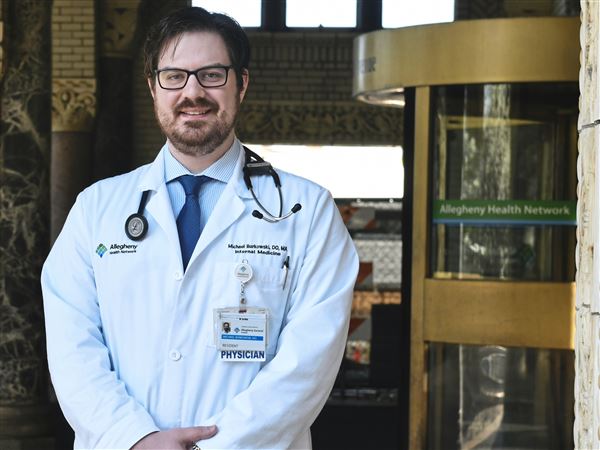
It’s a fact – we are all one day, going to die. For doctors and frontline health care providers death is just part of the job. However, talking about death with patients, care givers colleagues and families of patients – is another thing. Bed side manner is one area, but for most doctors the concept of diverging from fact-based conversations beyond treatment, diagnosis and prevention are sometimes foreign territory. The good news is times are changing. As our populations age and as we all become more familiar with the journey towards end of life, comfort levels are easing, and more and more clinicians are becoming familiar with how to talk about dying. Those conversations are never easy, and neither is covering such topics in the news – but that’s where our experts are here to help. Dr. Dennis Sullivan serves as professor of pharmacy practice and director of the Center for Bioethics. His research and writing interests include biomedical ethics, moral philosophy, and end of life issues. Contact him today for your story! Simply click on his icon to arrange an interview.
