
Experts Matter. Find Yours.
Connect for media, speaking, professional opportunities & more.
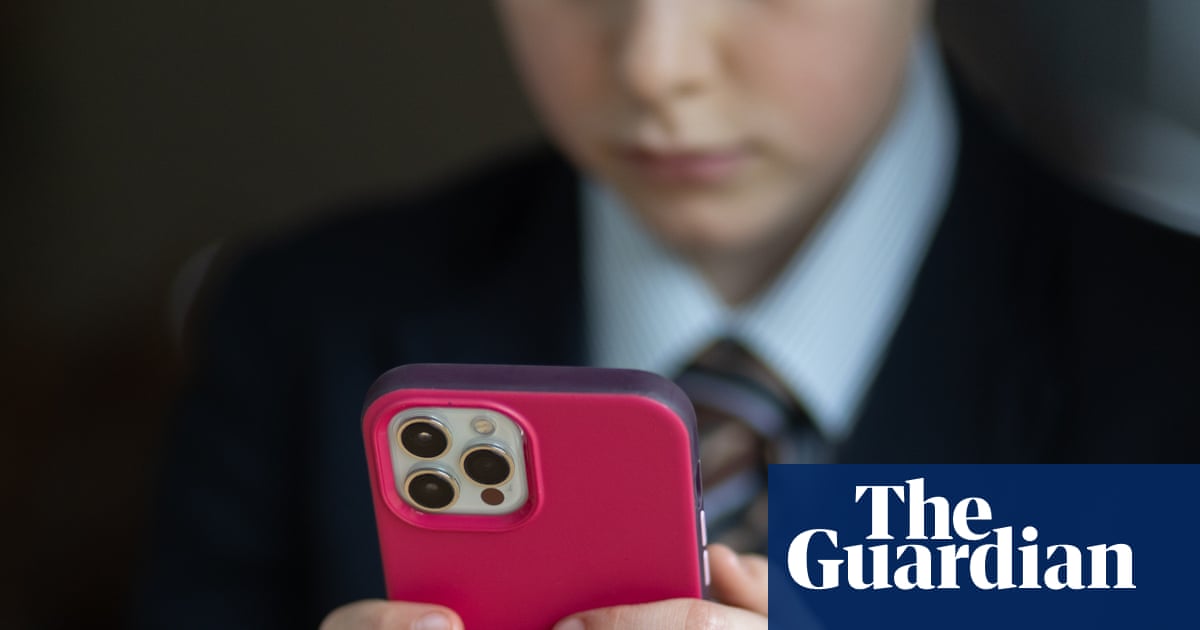
The Biggest Study Yet on School Cellphone Bans Shows Results Aren’t So Simple
As more schools move to restrict or completely ban smartphones in classrooms, the largest study ever conducted on school cellphone bans is challenging assumptions about what these policies actually achieve. The new U.S. study, involving roughly 4,600 schools and researchers from institutions including Stanford, Duke, the University of Michigan, and the University of Pennsylvania, found that strict cellphone bans dramatically reduced phone use during the school day. In some schools, classroom phone use dropped from 61 percent to just 13 percent. It's a popular topic and media coverage of the results has been extensive. But the findings became more complicated from there. Researchers found little immediate evidence that phone bans significantly improved test scores, attendance, classroom attention, or bullying rates. Some schools even saw short-term increases in student discipline issues and declines in student well-being immediately after bans were introduced. Still, the study suggested that longer-term outcomes may improve as students adjust and schools refine enforcement strategies. Teachers consistently reported fewer classroom distractions and stronger learning environments. Mizuko Ito is a cultural anthropologist of technology use, focusing on children and youth's changing relationships to media and communications. She recently completed a research project supported by the MacArthur Foundation a three year ethnographic study of kid-initiated and peer-based forms of engagement with new media. View her profile The findings arrive as governments across North America continue expanding school cellphone restrictions amid growing concerns about distraction, screen addiction, anxiety, and the impact of social media on youth mental health. The study highlights a growing debate among educators, parents, and researchers: while limiting phone access may reduce distractions, the relationship between young people, technology, mental health, and learning is far more complex than simply removing devices from classrooms.


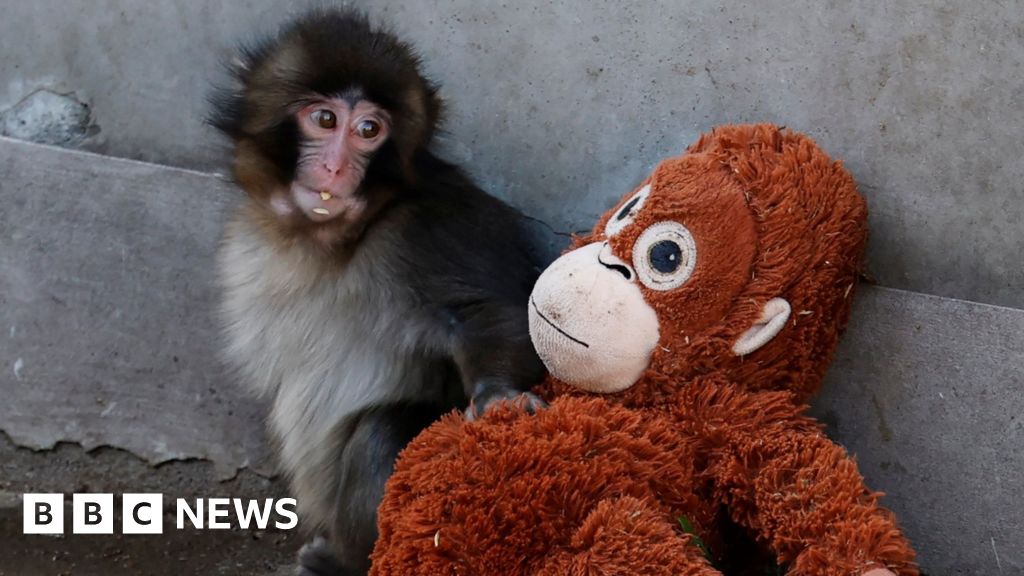
Expert Q and A: Understanding "Punch," The Baby Monkey That Captured The World's Heart
A tiny Japanese macaque named Punch has unexpectedly become one of the internet’s most talked-about animals. Born at a zoo in Japan and rejected by his mother shortly after birth, the young monkey was hand-raised by staff and given a stuffed toy for comfort—an image that quickly ricocheted across social media worldwide. Videos showing Punch tentatively approaching other macaques, sometimes being pushed away or corrected as he tried to socialize, struck an emotional chord. What began as a local zoo update rapidly turned into international headlines, with audiences from North America to Europe weighing in on what they saw as loneliness, resilience and the universal need for belonging. But experts say the story is more nuanced than a viral clip suggests. The interactions that many viewers interpreted as bullying are, in fact, typical components of macaque social development, part of how young primates learn boundaries, hierarchy and group norms. While Punch’s early maternal separation makes his integration more delicate, gradual acceptance into the troop is a positive sign. As internet users continue to share and comment, the moment has sparked broader conversations about animal emotion, anthropomorphism and the realities of wildlife behavior in managed care settings. Florida Tech's Catherine Talbot offered insight into the complexities of animal behavior. Catherine F. Talbot is an assistant professor in the School of Psychology at Florida Tech and co-director of the Animal Cognitive Research Center at Brevard Zoo. Her overarching research goal has been to study the ultimate (evolutionary) and proximate (behavioral, biological, and developmental) mechanisms underlying sociality. Q: Is it normal for mother macaques to abandon their babies, or is this an unusual occurrence? What circumstances can cause this to happen? It’s not necessarily normal, but also not that uncommon in primates, unfortunately. It’s more common in first time mothers that are inexperienced and sometimes lower ranking mothers. A number of factors can increase the likelihood of abandonment including stress on the mother and unfavorable conditions such as limited resources. Q: How does abandonment affect development in young macaques? Early maternal contact is critical for normal behavioral and emotional development. Infants rely on their mothers for nutrition, warmth, protection and learning how to navigate social dynamics. When infants do not have their mothers during critical developmental periods like infancy, in the short term, they tend to have elevated stress responses and difficulty with emotional regulation. In the long-term, it depends on whether the infant is able to form other types of attachment. In the worst-case scenario, they may have increased aggression, abnormal and/or self-injurious behavior, digestive issues and may lack social skills. But primates are resilient, and with social support and gradual integration into a troop, Punch can form new attachments, learn socially appropriate behavior and ultimately live a fairly normal monkey life. Q: Is it obvious to the rest of the troop when a young macaque has no mother? How does this affect integration? Japanese macaques have really complex social worlds, so they are really in tune with the relationships they have with one another and recognize the relationships between other individuals. That can certainly make it more difficult for Punch to be accepted back into the troop – he needs to find some friends and possibly even a surrogate parent. With social support, he should be able to recover from the absence of a mother. It’s really great to see that the care staff stepped in to support Punch as he begins to recovery from the stress of this experience. It’s even more important that Punch is around other monkeys of the same species so that he can continue to learn from them and respond appropriately to social communication cues. I’m thrilled to see that Punch is now making friends. Q: Punch is obviously attached to his stuffed orangutan. We can understand how this happens from our own human experience, but can you explain, on a biological level, how he bonded with this stuffed animal? Primates, including humans, are neurobiologically wired to form strong social bonds with a caregiver very early in life. In many primate species, infants are born highly dependent on their mother. Punch’s attachment to the stuffed orangutan reflects this need for attachment. That physical touch – warmth, softness, graspable limbs, a stable physical presence – can partially activate those same calming biological pathways, including the release of oxytocin which regulates stress and promotes feelings of safety. Without activation in those pathways, Punch would likely experience stronger feelings of separation or loneliness and ultimately social withdrawal. These biological pathways are crucial to proper social and emotional development of any primate species. Any way we can help mitigate those effects for Punch is crucial for successful integration back into his troop. Q: How does sociality among Japanese macaques compare to that of similar species? Japanese macaques live in large multi-male, multi-female social groups that can range from roughly 50 to 150 individuals. Like many macaques species, they form stable, female-bonded societies. Females remain in their natal group (or the group they were born into) for life, inherit their mother’s rank, and form strong kin- based alliances whereas males emigrate to a new group at adolescence. Their societies are organized around matrilines or extended female family lines in which rank is very important. They have strong dominance hierarchies and generally high levels of aggression, but levels of aggression and tolerance can vary a good amount from group to group. Entire matrilines can outrank others, which dictates access to food, grooming partners, and coalitions. Within a single troop, you often see multiple matrilines with long-standing dominance competitions. I sometimes compare it to a Romeo and Juliet-style Montague and Capulet dynamic, where beneath the surface of daily grooming and foraging is a complex political landscape structured by kinship and status. Q: What behaviors can Punch expect from the rest of the monkeys as he continues to integrate with the troop? What behaviors can the troop expect to see from him? As Punch continues to integrate into his troop, I would expect to see some social testing by other members of the group to see how Punch responds- they may use mild aggression like open mouth threats or direct stares (which arethreatening is macaques), brief chases, and displacement from resources like food/resting spots. These will help clarify Punch’s rank and help form and maintain a stable hierarchy. Therefore, I hope to see Punch make at least a few strong social bonds (friends), to help defend him against more intense aggression. As long as he makes a few friends, he should begin to receive more affiliative behavior. Integration is usually gradual as these bonds form and strengthen and these skills develop. I would expect to see more play and grooming with conspecifics and less reliance on his stuffed orangutan as real social bonds start to form. Grooming is especially important for forming and maintaining social bonds and there are already videos showing Punch receiving some grooming from older monkeys, which bodes well for him. He also needs to respond in socially appropriate ways, like grooming others and showing submission to higher ranking individuals. Essentially, he needs to understand and follow the rules of Japanese macaque society. Q: What message do you have as people continue to root for Punch? It's uplifting to see how much support Punch has gained across the world. And while Punch is clearly adorable and so vulnerable that you just want to love him and give him (or other monkeys like him) a home, it’s important to remember that more than anything else, he needs to live with other monkeys so that he can live a life that is true to his species and nature. Unfortunately, many people still have monkeys as pets. The illegal wildlife trade is a multi-billion-dollar industry, ranking as the fourth largest illegal trade after drugs, arms, and human trafficking. Within the United States, it is estimated that there are more than 15,000 nonhuman primates living in unsuitable conditions. Primates are intelligent, sentient beings that need complex communities and relationships to thrive. There currently is no federal legislation that protects primates from private ownership, but the Captive Primate Safety Act (H.R.3199/ S.1594) has been proposed to prohibit the private possession of nonhuman primates and the sale or transportation of nonhuman primates for the wild pet trade. If you're interested in connecting with Catherine and learning more about animal behavior, let us help. Contact Adam Lowenstein, Assistant Vice President for External Affairs at Florida Institute of Technology, at adam@fit.edu to arrange an interview today.

Dr. Sameer Hinduja is one of the world’s foremost experts on cyberbullying, adolescent mental health, and digital safety. A Professor at Florida Atlantic University’s School of Criminology and Criminal Justice and Co-Director of the Cyberbullying Research Center, he has advised the White House, testified before federal agencies, and worked with schools and tech companies worldwide to protect young people online. View Full Profile→ Amid the U.S. youth mental health crisis, his latest peer-reviewed study, published through FAU Newsdesk, reveals that hope not only boosts well-being and academic achievement but also acts as a powerful shield against bullying and cyberbullying in adolescents. Results, published in the journal Frontiers in Sociology, show that students with less hope were 56% more likely to cyberbully others than their peers over their lifetime, and 57% more likely over the last 30 days. Those with more hope were 36% less likely to cyberbully others over their lifetime and over the last 30 days when compared to their peers with lower levels of hope. The key takeaway? Hope matters. It buffers against the urge to aggress against others online and off. “Hope acts as a powerful protective factor against both school bullying and cyberbullying among youth,” said Sameer Hinduja, Ph.D., lead author, a professor in the School of Criminology and Criminal Justice within FAU’s College of Social Work and Criminal Justice, co-director of the Cyberbullying Research Center, and a faculty associate at the Berkman Klein Center at Harvard University. “When young people believe in their ability to set meaningful goals and stay motivated to reach them, they are far less likely to lash out or harm others. Hope gives them a sense of direction – and that can make all the difference.” Hinduja's previous research has been featured in The Washington Post, where he emphasized that cyberbullying is not just emotionally distressing—it can cause trauma responses in teens that mirror clinical Post-Traumatic Stress Disorder. “As our research clearly shows, cyberbullying in any form — whether it’s exclusion from a group chat or direct threats — can lead to significant trauma in youth,” Sameer Hinduja, a professor in Florida Atlantic University’s School of Criminology and Criminal Justice and the paper’s lead author, said in a news release. “We were surprised to find that no single type of cyberbullying caused more harm than others; all carried a similar risk of traumatic outcomes. This means we can’t afford to dismiss or trivialize certain behaviors as ‘less serious’ — being left out or targeted by rumors can be just as detrimental as more overt attacks.” Why This Matters Now As students return to school this fall, Hinduja’s research offers a clear reminder: digital harm is real harm. Emotional safety in online environments deserves the same urgency as physical safety in school buildings. His work calls for: • Preventive education over punitive responses • Trauma-informed approaches in schools • Support systems that validate and protect victims • Tech accountability and policy reform ⸻ Dr. Hinduja is available for media interviews on topics such as: Adolescent Mental Health • Cyberbullying • PTSD • Digital Safety • School Culture Click on the icon below to connect.



L to R: Professor Helen Wood, Annika Allen and Nadia Afiari (Image: Simon Roberts Photography) Aston University’s Professor Helen Wood led the research for Black Leaders in TV, a company championing Black TV professionals Black in Focus is the first report of its kind and highlights the prevalence, with 92% of respondents reporting prejudicial or discriminatory experiences Recommendations for improvements include mid-career support, changing how Black stories are commissioned and tackling racism and bullying. Black television professionals in the UK’s television industry continue to face persistent barriers to career progression, with progress towards equity and inclusion very slow, according to new research led by Aston University academics. The report, Black in Focus, was produced in partnership with Black Leaders in TV, a company set up to champion Black professionals in the UK television and content creation industry, committed to bridging the representation gap and creating a more inclusive and innovative industry. The research group was led by Professor Helen Wood, a professor of media and cultural studies at Aston University. It also included Aston University’s Dr Killian Mullen and Dr Priya Sharma, alongside Dr Jack Newsinger, associate professor in cultural industries and media at the University of Nottingham. The researchers surveyed 164 Black mid-career television professionals to learn about their experiences. While entry-level diversity efforts have sparked positive change, the researchers say that respondents generally see this as performative, with little genuine progress at mid and senior levels. Of those surveyed, 92% reported experienced microaggressions at work, defined as subtle, often unintentional, comments or actions that express prejudice or discrimination towards them, such as being mistaken for a taxi driver or colleagues continually mispronouncing a name. 80% stated that their careers in television have negatively impacted wellbeing. Almost three-quarters (74%) of respondents said they had been ignored or excluded at work One of the biggest problems highlighted is a persistent ‘club’ culture with career progression often based on informal networks and hires. 91% of the survey respondents reported having no friends or family in the industry, blocking wider access and opportunity. Many Black television professionals still report being labelled as ‘diversity hires’, which negatively impacts their confidence and feeling of belonging in the industry. Black-Caribbean respondents and those from working-class backgrounds report heightened feelings of exclusion. Another major problem found by the report is in programme commissioning, with Black stories often viewed as commercially risky, leading to missed opportunities for richer, more authentic storytelling. The recommendations for improvement are grouped into four categories - breaking the mid-career bottleneck, commission, diversity initiatives, and racism, bullying and inclusion failures. To help with career bottlenecks, the authors’ suggestions include developing a national fellowship scheme to offer structured leadership training, shadowing, and commissioning exposure for Black professionals, setting up a centralised database for Black talent and supporting Black creatives though industry showcases. The television industry could tackle the problems with commissioning for example by incentivising Black-led narratives and requiring commissioning teams to complete anti-bias training. Diversity initiatives should move away from entry-level programmes towards structural change. This includes moving away from informal, network-based recruitment to structured, clear processes, and formalising promotion pathways. The television industry can tackle racism and bullying through zero-tolerance harassment policies, independent reporting mechanisms and sanctions, inclusive leadership training and developing mental health resources specifically tailored to Black professionals. Professor Wood said: “We can hear the voices of frustration in this survey and the data is clear about the problems. It’s time for the industry to use this evidence to take the next steps to deliver real, systemic change.” Black Leaders in TV founders Nadia Afiari and Annika Allen Gray said: “The findings make clear that, for UK television to truly reflect its diverse audiences and unlock creative innovation, the industry must move beyond surface-level diversity efforts. There needs to be support in place for Black professionals, greater transparency in recruitment and progression, and a fundamental shift towards inclusive, equitable workplace cultures.” Visit https://www.aston.ac.uk/sites/default/files/2025-07/Black_in_Focus_report.pdf to read Black in Focus in full.


Dangers of the Metaverse and VR for U.S. Youth Revealed in New Study
The metaverse, a space where the lines between physical and digital realities blur, is rising among younger populations. As of March, 33% of teens own a virtual reality (VR) device and 13% use it weekly. With the metaverse offering richer emotional experiences, youth may be particularly vulnerable to significant harm in these immersive spaces, underscoring the need to explore potential risks. Unfortunately, research of online victimization in the metaverse is sorely lacking. A new study by Florida Atlantic University , in collaboration with the University of Wisconsin-Eau Claire, is one of the first to examine the experiences of harm in the metaverse among youth in the United States. Using a nationally-representative sample of 5,005 13 to 17 year olds in the U.S., researchers focused on their experiences with VR devices, including 12 specific types of harm experienced, protective strategies employed, and differences in experiences between boys and girls. Results of the study, published in the journal New Media & Society, found a significant percentage of youth reported experiencing various forms of harm in these spaces, including hate speech, bullying, harassment, sexual harassment, grooming behaviors (predators building trust with minors), and unwanted exposure to violent or sexual content. The study also revealed notable gender differences in experiences. Among the study findings: 32.6% of youth own a VR headset (41% of boys vs. 25.1% of girls) More than 44% received hate speech/slurs (8.9% many times); 37.6% experienced bullying; and 35% faced harassment Almost 19% experienced sexual harassment; 43.3% dealt with trolling; 31.6% were maliciously obstructed; and 29.5% experienced threats More than 18% were doxed (publicly revealing someone’s personal information without their consent); and 22.8% were catfished (creating a false identity online to deceive someone, typically for romantic purposes) Nearly 21% faced unwanted violent or sexual content; 18.1% experienced grooming or predatory behavior; and 30% were targeted for factors like weight, sexual preference, sexual orientation or political affiliation Boys and girls experienced similar patterns of mistreatment, but girls experienced sexual harassment and grooming/ predatory behavior more frequently than boys. Boys and girls were equally as likely to be targeted because of their voice, avatar, race, religion or disability. “Certain populations of youth are disproportionately susceptible to harm such grooming, especially those who suffer from emotional distress or mental health problems, low self-esteem, poor parental relationships and weak family cohesion,” said Sameer Hinduja, Ph.D., first author, a professor in the School of Criminology and Criminal Justice within FAU’s College of Social Work and Criminal Justice, co-director of the Cyberbullying Research Center, and a faculty associate at the Berkman Klein Center at Harvard University. “Due to the unique characteristics of metaverse environments, young people may need extra attention and support. The immersive nature of these spaces can amplify experiences and emotions, highlighting the importance of tailored resources to ensure their safety and well-being.” Findings also reveal that girls employed in-platform safety measures significantly more so than boys such as “Space Bubble,” “Personal Boundary” and “Safe Zone.” “We found that girls are more likely to select avatars designed to reduce the risk of harassment and to use in-platform tools to maintain a safe distance from others. Additionally, both boys and girls feel comfortable leaving metaverse rooms or channels like switching servers in response to potential or actual victimization, although overall, youth tend to use these safety features infrequently,” said Hinduja. Among the recommendations offered to youth by the researchers include: Using platform-provided safety features to restrict unwanted interactions and infringements upon their personal space. It is also essential that youth understand and take advantage of the safety features available within metaverse experiences, including blocking, muting, and reporting functionalities. Continued research and development in these areas to determine how to meet the needs of users in potential or actual victimization contexts Streamlining platform reporting mechanisms to ensure swift action is taken against perpetrators Age-gating mechanisms for metaverse environments where mature content and interactions proliferate Encouraging parents and guardians to take the time to familiarize themselves with available parental control features on VR devices and metaverse platforms to set boundaries, monitor activities, and restrict certain features as needed. An active mediation approach is ideal, where they engage in open and supportive dialogue with children about their metaverse experiences. The integration of updated, relevant, and accessible digital citizenship and media literacy modules into school curricula to provide youth with the necessary knowledge and skills to navigate VR and other emerging technologies safely and responsibly Consideration by content creators of the ethical implications of their metaverse creations, ensuring that they promote inclusivity, respect, and discourage any form of harassment. They should strive to make their virtual experiences accessible to users from diverse backgrounds, languages, cultures and abilities. “VR concerns of parents and guardians generally reflect and align with their historical anxieties about video games, excessive device use, its sedentary nature, cognitive development, and stranger danger,” said Hinduja. “There remains so much promise with these new technologies, but vigilance is required when it comes to the unique challenges they present as well as the unique vulnerabilities that certain youth users may have. As such, it’s ‘all hands on deck’ to build a safer and more inclusive metaverse as it continues to evolve.” If you're looking to know more - let us help. Sameer Hinduja, Ph.D., is a professor in the School of Criminology and Criminal Justice at Florida Atlantic University and co-director of the Cyberbullying Research Center. He is recognized internationally for his groundbreaking work on the subjects of cyberbullying and safe social media use, concerns that have paralleled the exponential growth in online communication by young people. He has written seven books, and his interdisciplinary research is widely published and has been cited more than 18,000 times. Simply click on Sameer's icon now to set up an interview today.

AU study shows participation in civil society groups lowers suicide rates
A new study by Lance Hunter, PhD, professor of social science in Augusta University’s Pamplin College of Arts, Humanities, and Social Sciences, reveals a direct link between voluntary involvement in civil social groups and a lower risk of suicide. In the study, published in Cross-Cultural Research, Hunter looked at data gathered from 2000 to 2019 from 156 countries with varying levels of development from Africa, Asia, Australia, Europe, North America and South America and found that participation in civil society groups, both political and non-political, may produce positive social and psychological benefits that are associated with lower suicide rates. September is National Suicide Prevention Month, during which mental health advocates, prevention organizations and other community groups promote suicide prevention awareness. “The greater the voluntary participation in civil society groups within the country, the lower the suicide rates are for that country,” said Hunter. “Voluntary civil society participation is a great way for people to connect with other individuals with similar interests and possibly find meaning and purpose to some degree. That in turn decreases feelings of social isolation, which can decrease the likelihood of suicidality or suicide.” Based on the research, he noted that social isolation is a major factor in suicide ideation and attempted suicide but it’s not the only factor. “It is important to note there are many psychological, biological, social and mental health factors that can contribute to suicide risk. Civil society participation and social isolation are just two factors among many that can affect suicidality,” said Hunter. Meredith Rausch, PhD, associate professor in the College of Education and Human Development’s Department of Research, Counseling and Curriculum, said research shows ideation and deaths by suicide in the United States tend to rise between February and April and again in August and September. “I have found the change in seasons often leads to people feeling overwhelmed when it comes to thinking about enduring another season,” said Rausch. “While the advent of spring or autumn may seem enjoyable or hopeful to some people, others find it to represent an entirely new season and the idea of experiencing that is exhausting.” Rausch also notes it’s important to note how these times of the year also coincide with the academic year, causing an increase in bullying, frustration with academics or other negative experiences for school-aged children. According to a 2023 study by the World Health Organization, more than 700,000 people worldwide die each year by suicide, and suicide is the fourth-leading cause of death among people 15 to 29 years old. Interested in learning more - let us help. Lance Hunter, PhD, is available to speak with media about this important topic - simply click on his icon to arrange an interview today.


Dual dynamic of social media: connecting and stressing out
If social media platforms connect us, particularly during periods of isolation, they can also distress us and the people who moderate their streams of questionable content. In short, they appeal to our best and worst selves. Understanding that dual dynamic and its nuances across Facebook, Twitter, Reddit, Twitch and Clubhouse is NJIT’s Yvette Wohn, a behavioral scientist who researches how online abuse impacts mental health. Ultimately, Wohn aims to develop tools that combat bullying on the web. Explaining the problem, she says: “Some people simply don’t know what’s socially appropriate. What people don’t realize is that what people say online has a direct consequence offline. What happens online, doesn’t stay online.” Source: Yvette Wohn on Curating Safe Spaces Online To interview Wohn, whose research is backed by the National Science Foundation, simply click on the button below.



$100K student scholarship pool available for 2022 summer courses in Ireland Six professors from Georgia Southern University’s College of Education (COE) recently broadened their horizons during a trip to Ireland as they learned from and shared insight with instructors and educational leaders in the Wexford County community. Led by Howard Keeley, Ph.D., director of the University’s Center for Irish Research and Teaching, COE faculty traveled to Georgia Southern’s learning center in Wexford, Ireland, to observe Irish educational settings and exchange ideas with local leaders just ahead of a summer study abroad program opportunity for Georgia Southern students in which $100,000 of scholarship funding is available. “The main thing we did was get in front of leaders in the education space in Ireland,” stated Keeley. “We spoke to a number of folks who are either principals or vice principals or, in some way, senior administrators in a variety of schools including all-boys, all-girls, religious, secular and mixed schools.” The group included Catherine Howerter, Ph.D., associate professor of elementary and special education; Kip Sorgen, Ph.D., assistant professor of leadership, technology and human development; Alex Reyes, Ph.D., assistant professor of middle grades and secondary education; Amanda Wall, Ph.D., associate professor of middle grades and secondary education; Betsy Barrow, Ed.D., assistant professor of middle grades and secondary education; and Dan Calhoun, Ph.D., professor of leadership, technology and human development. Reyes, who trains pre-service and in-service teachers to work with culturally and linguistically diverse students, was excited to travel to Wexford after a study abroad program in Czech Republic she spearheaded with Wall was canceled in March 2020 due to the pandemic. Intrigued by Ireland, a plurilingual country, she was curious to see how Wexford’s environment might benefit students culturally. “I thought it was really exciting,” said Reyes. “All of the street signs are in Irish, even though English is the main language spoken. That prioritizing of that cultural heritage is fascinating. It was great to learn that the students in their primary and secondary schools take Irish language and culture as a subject every year.” She was especially motivated by a field trip to an Irish-language school, Meanscoil Gharman, which serves middle and high school students. With the exception of one daily class in English, teachers and students conducted all lessons in Irish. “It was really interesting to see that perspective,” she said. “There has been a revitalization of that culture. I thought that was fascinating to see how that can be handled in school.” In addition, Reyes was duly impressed with the country’s prioritization of social and emotional literacy for children, and the mandated well-being hours that are incorporated into daily school routines as a result of the pandemic. A program that promotes hygiene and an anti-bullying campaign also fit into the wellness curriculum. “It really impressed me that as a nation they prioritize the wellness of students, and how language and cultures can really be supported in a meaningful way,” Reyes said. “It’s affirming to see a proactive approach that has positive outcomes. Now, thinking ahead, we can look at how we can create opportunities for our students to experience this kind of approach.” Sorgen, who teaches in the educational leadership program at Georgia Southern, was interested in Ireland’s professional preparation. “None of them had advanced degrees, like what we offer at Georgia Southern,” noted Sorgen. “Learning about how to be a principal in Ireland is on-the-job training. In Georgia, there are specific educational requirements for our school administrators guided by professional standards. In Ireland, they generally ascend through the ranks, which makes professional mentoring essential to their success. We are exploring ways our educational leadership students could learn from Irish administrators about their experience, specifically with mentoring.” He also foresees the international partnership as a two-way exchange. “Given educational leadership programs are not common in Ireland, our faculty are considering ways in which we could use our expertise to foster leadership development of principals and teachers in Wexford,” said Sorgen. “We would utilize the Georgia Southern Wexford campus to host some of these sessions, furthering Georgia Southern’s relationship within the Wexford community.” Keeley also arranged meetings with education policy makers, including an extended meeting with an Irish congressman who is a representative for the County of Wexford in the Irish national parliament and chairs the joint committee for the Irish equivalent of the House and Senate Committee on education and higher education. “That was a tremendous opportunity for our faculty to talk to somebody at the highest level of government in Ireland, creating Irish state policy on education,” said Keeley. “And I know from the feedback we got from our College of Education colleagues that particularly for those in higher education, that to them was a really useful, next-step experience.” The trip exceeded expectations. “It was a fantastic learning experience for everyone,” said Keeley. “We had lots of high-level and also very practical experiences, and I could see our College of Education team thinking, ‘How can I bring what I’m learning, what I’m experiencing in this moment, into my classroom, into my curriculum, into my prospective study abroad courses in a way to build student success for our Georgia Southern folks.’ I think it was a great visit.” Complementing the faculty’s trip, a COE Irish study abroad program on diverse education in Ireland was recently approved for Summer 2022 and will give education students the opportunity to take one or two courses with the study abroad component. This will be a part of a broader study abroad program in Wexford, presented by the Honors College and the Center for Irish Research and Teaching, with assistance from the Office of the Provost and the Office of Global Engagement. The costs for undergraduate students at Georgia Southern’s Wexford campus will be offset by a $100,000 scholarship fund with awards of $1,000 for each student accepted into the program. “For students traveling to Wexford, Ireland, this summer, we will be able to defray the cost of the program through a generous travel scholarship through the Georgia Southern University Foundation,” said Dustin Anderson, Ph.D., associate provost for Student Success. “The donation makes these the most affordable multi-week programs that we ever have been able to offer.” Keeley is thrilled the gifts from generous donors will enable a number of students to earn valuable global experiences. “For students to have an opportunity to have international lives is powerful, and it’s powerful in ways that sometimes we can’t even predict,” he said. “Just the very fact of being abroad is going to change any of us, right? It can have a really transformative effect to feel a sense that, you know, as a student, ‘I can do this,’ and then a sense after the fact, ‘I did this,’ and just that in itself is educational. Giving students a safe space in Wexford, Ireland, to grow and feel that they are in a sense global citizens and bring the best of America, bring the best of Georgia, bring the best of the states from Savannah to Ireland, and learn to be an ambassador. That’s wonderful.” In addition to the education courses, students will also be able to choose from a Wexford-Savannah honors inquiry and an interdisciplinary program open to all students on human migration with courses in geography, religious studies, public health and a CORE study abroad course. Students interested can learn more about the program by clicking here and can email Kristin Karam in the Office of Global Engagement for more information about the scholarships. Georgia Southern University-Wexford is a global hub for learning housed in a historic building constructed in 1812. The space now features state-of-the-art classrooms and student apartments. Georgia Southern is the first public university in the United States to open an outreach learning facility in Ireland. If you're a reporter looking to know more about this initiative, then let our experts help. Howard Keeley, Ph.D., is the director of the Center for Irish Research and Teaching at Georgia Southern University. He is available - simply click on his icon now to arrange an interview today.


Aston University experts look at how cash and social media are part of 'coping with success'
"It's the whole 'money doesn't make you happy' adage... two fifths of football players are bankrupt within 5 years of retirement, while a third divorce in the same period" Professor Andy Lymer, Aston University In this episode, Steve chats to Dr Tahmineh Tayebi and Professor Andy Lymer and the social media abuse and financial responsibility that comes with being a top footballer and athlete. Dr Tahmineh Tayebi looks at the linguistics of social media abuse. She starts by understanding the fans' perspective. They've invested time, money and trust in clubs/players and feel entitled to opinions/criticism - but the issue is the language used. Explicit and hateful language - often racist and/or violent - is the easiest to cope with, as it can be banned. But there's lots of "clever" offensive language which breaks no laws and is difficult to spot but still hurtful. Tahmineh discusses loose boundaries between freedom of expression and bullying. She also points to the recent social media boycott and the BT Hope United project. Professor Andy Lymer looks at the issues faced by wealthy players. He cited interesting research showing 2/5 of football players are bankrupt within 5 years of retirement, while 1/3 divorce in the same period. Players have short careers and either need to earn enough to last them with good advice or need to do something else after playing. However, Professor Lymer says many still quickly burn through their fortunes. He notes Britain is bad at educating people in dealing with money, especially in 'decumulation' - e.g. making it last, planning savings for pensions and downsizing. He points to various government-backed schemes/helplines which can help anyone. The big issue is top footballers attracting long queues of people wanting to advise their slice. Getting the right, trustworthy advice is the problem. In football itself, big clubs are guiding young, vulnerable players as part of their development, and various players' organisations also help, such as a 24-hour helpline. But the stats show us it's not enough, and Andy calls for the sector to do more in education.
