
Experts Matter. Find Yours.
Connect for media, speaking, professional opportunities & more.

Coping with Grief During the Holiday Season
Baylor experts suggest three strategies to help cope with grief during the holidays (Image Credit: D-Keine/Getty Images) The holidays are typically a time of joy and celebration for most people, but this time of year can be very different for grieving people. The death of a loved one can be especially hard during the holidays as they are full of memories, traditions, and sensations associated with the holidays – all reminders that this year is different, and someone is no longer here. What can someone in the midst of grief do to make this time more positive and step toward emotional healing? William (Bill) G. Hoy, D.Min, FT., clinical professor and associate director of Medical Humanities, and Candi Cann, Ph.D., associate professor of religion in the Honors College at Baylor, suggest three strategies for grieving people to cope with their loss during the holidays. “Holidays are also hard in grief because they are built around relationships,” Hoy said. “Family gatherings cannot ever be the same, and, of course, memories of bad relationships cause us to realize the past cannot be changed.” Acknowledge your pain The first step is to admit the pain of grieving. “Saying goodbye to a loved one is no easy task, and, undoubtedly, it feels different than you could ever have expected,” said Hoy. Cann pointed out that some deaths bring about complicated grief if the loss is from a difficult relationship. “It is okay to feel relief in addition to grief and it is important to validate all of your feelings – it’s a complicated grief because it was a complicated relationship.” Hoy said that culturally people tend to try to get around the pain without facing it, which only makes it harder later on. “There is an empty chair at the table on this special occasion. The grief following a death assault at every turn with the reality that they will not be returning to the table. Because holiday grief is so painful, there is no need to try to escape the pain this holiday season.” Take care of yourself Self-care is vital during this time, said Cann. She encourages grieving people to stay active, eat healthy, go outside to be in nature and get enough sleep. “It’s totally normal to need more sleep when you're depressed and grieving, you just have to be gracious with yourself about that,” she said. Hoy added, “Remember that grief is very tiring and - even under the best of circumstances - holidays are very taxing.” Give yourself permission to turn down invitations or leave parties early. In addition to taking care of your physical health, Cann recommends staying engaged in your community or church. “Being in community with others is very beneficial for your mental health.” At the same time, be honest with yourself about what you want to do and only accept invitations or participate in activities that you feel you can handle, said Hoy. Evaluate traditions and embrace memories When the holidays arrive, many people want to change everything about the holidays to avoid the sad feelings, said Hoy. Both he and Cann suggest evaluating family traditions, choosing those traditions that are most important to continue and including the dead through new traditions. “Don't forget to embrace your memories of past holidays and special events as you face this season,” Hoy said. “We cannot have things like they were, but we can hold in our hearts the memories of days gone by. You may want to light a special candle or purchase a special holiday decoration and hang it in your loved one's memory.” “A lot of people feel like when that person is gone, the love is gone too, but the love is still there,” Cann said. “You wouldn't feel the grief or the big hole that you now have if you didn't have all of this love in the first place.” She suggests embracing their presence by including a place at the table for Christmas dinner, making their favorite recipe or many other ways to continue the bonds and positively remember the dead in your life. By doing these things, “you're including them in your conversation, and you're making space for that person, both literally and symbolically.” How to support someone who is grieving Being supportive of someone grieving requires patience and vulnerability. “Engage with the person and ask how you can best support them,” Cann said. “And let them know that you are thinking about them during this time.” “A lot of people don't want to bring it up because they don't want to make people sad at a joyful time,” Cann said. “But the point is, they already are sad, so bringing it up allows them to express it” and feel accepted in their pain. Hoy said to remember that there is no set timeline for an individual grief journey. It is also important to remember that not all grief is related to death. There are many types of loss that people experience such as divorce or disease. We can’t decide or predict what defines another person's grief, but we can offer love and support. Approaching the holidays when experiencing grief over the death of someone or a deep loss may be painful at first, but using these strategies can help us face the future by celebrating with gratitude what we had in the past.


Employers who don’t step up to help with workplace supports may make informal caregiving ‘an even tougher role,’ Baylor University researcher says (Image credit: iStockphoto) People who care for their parents outside of their full-time jobs — and are unpaid for their help — experience considerable disruption of their workplace routines. Many are not getting employer support because it is not offered or because they do not feel able to use it, even if it is available, according to a Baylor University researcher. “A big and overwhelming consequence of America’s aging population is that so-called sandwiched caregivers, typically middle-aged, are caring for ailing parents while trying to work full-time and raise their own children,” said Matthew A. Andersson, Ph.D., assistant professor of sociology in Baylor University’s College of Arts & Sciences. “It’s no wonder we see such high rates of work interruption among caregivers. “But what’s particularly troubling — and what’s new in this study — is that employees who are experiencing work interruption are much more likely to say they have unmet need for workplace support than those who manage to keep working at the same pace,” he said. “This tells us that employers may not be stepping up to connect informal caregivers with workplace supports they need. That makes informal caregiving an even tougher role.” About three fourths of informal (unpaid) caregivers have at least a mild interference, such as working partial rather than full days, and about one quarter express an unmet need for workplace support, Andersson said. “That means they need help from one of six potentially useful workplace programs we looked into — such as eldercare referral or financial counseling. Yet they’re still not getting that help, even if their employer provides access to it.” The study — “Strapped for Time or Stressed Out? Predictors of Work Interruption and Unmet Need for Workplace Support Among Informal Elder Caregivers” — is published in the Journal of Aging and Health. About one in four employed U.S. adults provides informal care for a parent, in-law or other family member older than 65, according to the United States Census Bureau. This number is projected to grow as the population continues to age and as many continue to live into their 80s or beyond. Researchers from Baylor, Louisiana State University and the University of Iowa analyzed data from 642 individuals at a large public university who were informal caregivers for anyone 65 or older, often parents, spouses or friends. Unmet needs for caregiving support are about twice as common among employees whose work is interrupted, suggesting a strong link between unmet needs and lapsed work performance, researchers said. Those interruptions ranged from mild ones, such as adjusting work hours, to more severe ones, such as moving from a full- to a part-time job position to taking a leave of absence or even early retirement. While the study focused on the association between unmet needs for workplace support and work disruption among informal elder caregivers, researchers also examined how much unmet needs and work interruptions are linked to such factors as caregivers’ personal or job characteristics; their physical and psychological well-being; and the caregiving particular situations, including time weekly, necessary travel, number of individuals assisted and their health conditions — among them physical limitations, independence issues, chronic conditions and mental illness or cognitive impairment. Among their findings: Nearly three-fourths of the informal caregivers experience mild or severe work interruption. More than half of those who serve as caregivers 10 or more hours weekly reported severe interruption of work. More than 40 percent of caregivers reported being involved in caregiving 10 or more hours weekly; most care-providing (60 percent) took place within the household or less than 30 minutes away. While caring for one family member was most common (68 percent), a sizeable number oversaw two or three. Most (70 percent) assisted individuals with chronic health conditions; 80 percent cared for people with physical limitations. Caregivers with several work interruptions were especially likely to care for those with mental illness or cognitive impairment. “We know that informal caregiving is becoming more common and more complicated due to the multiple health conditions of care recipients and the all-too-familiar work-family conflict,” Andersson said. “First, we need to do more research not just on individual caregivers but on caregiving networks,” he said. “Because informal caregiving can be so difficult and time-consuming, it’s usually too much to ask of one person. It’s not uncommon for multiple family members to get involved. “Second, we need to get employers more involved in the reality of this pressing situation. This study examined the unmet needs of caregivers in a large workplace where these supports are, in theory, available to everyone. Yet, caregivers weren’t taking advantage — even when they thought they should be.” To combat that, “supervisors should see their power for what it is: they shape culture more than they realize,” Andersson said. “Work teams should be structured so that absences can be taken in stride when family duties are pressing. This places a burden on supervisors to model how long-term success involves, first and foremost, taking care of yourself and your family.” Employee training should involve clarity and communication about available supports and how to use them. “Using them should not be a source of guilt,” Andersson said. “And it definitely does not mean an employee is not valuable or productive.” Previous research has found that workers who care for the elderly have more stress, decreased health, more work-family conflict, greater financial burdens, strained relations with co-workers and diminished self-esteem. Additional duties may lead to lost productivity as well as missed training opportunities or diminished job skills. All those issues are concerns for employers wanting to retain and invest in employees. *The study was supported by the TIAA-CREF Institute. The University of Iowa, Iowa Center on Aging and Iowa Social Science Research Center provided additional support. Program on Aging seminar participants at Yale School of Medicine provided feedback. Co-researchers were Mark H. Walker, Ph.D., Louisiana State University; and Brian P. Kaskie, Ph.D., The University of Iowa College of Public Health.*


Expert Help: Augusta University faculty offers financial advice for college students
The world of finances isn't always an easy one for students to navigate. Wendy Habegger, PhD, senior lecturer in the Hull College of Business, suggests several ways college students can improve their financial literacy, even after their collegiate career. Habegger said most don’t have a good grasp of what that is, despite being one of the most foundational building blocks to help students start off on the right foot. “They should know their credit scores just as quickly as their GPA and they should protect it just as vigorously,” Habegger said. She also suggests students have a credit card but with the caveat they use it wisely and be sure to pay their bills in a timely fashion. While they might like using cash, having a credit card will start to build a good credit history that they’ll likely need down the road. “The sooner they get started, the better they are of having good credit when they leave (college),” she added. When looking at their student loans, there are ways they can be better prepared when they start having to pay them back. During that deferral period, she suggests students really consider what a job may pay. Also, when selecting a payment plan for college loans, make sure it’s something they can make monthly payments on without any problems. She also said people need to think about public service jobs that may offer loan forgiveness or asking a potential employer about any loan forgiveness programs. “Some employers out there will offer some sort of that. The military is a good career and they are happy to be help pay off your student loans. Other businesses may offer that as well. It can be a good perk on both sides of the table, for the company and student looking for a first time job.” This is great advice and an important topic, so if you’re a reporter looking to know more, then let us help. Wendy Habegger is a respected finance expert available to offer advice on making the right money moves during volatile times. To arrange an interview, simply click on her icon now.


Aston University scientists to tackle challenges of converting rice straw into biofuels Researchers to examine issues that hinder conversion into an alternative fuel Will help protect global food security, minimise CO2 emissions and decrease farmland needed for growing energy crops. Aston University scientists are to tackle some of the challenges of how to make inedible rice straw into the next generation of biofuels. In recent years, biofuels and biobased chemicals have been blended with petrol to create a more sustainable alternative. The Aston University researchers are to examine issues that currently hinder the conversion of rice straw into an alternative fuel. Currently the production of biofuels mainly relies on sugar crops such as sugarcane and sugar beet, which raises major concern about the competition between growing crops for food or fuel. However plant dry matter such as rice straw is seen as a better alternative to current crops because it doesn’t affect food security. Rice straw is often treated as an agricultural waste by-product and is removed by burning in the field. Farmers burn straw to prepare to plough and sow rice credit: S.Narongrit99 The research is being led by Dr Alfred Fernandez-Castane, senior lecturer in biochemical engineering and principal investigator at the Energy and Bioproducts Research Institute (EBRI) at Aston University, alongside a Marie Curie fellow, Dr Longinus Igbojionu. Their two-year project, An integrated approach to ethanol production from rice straw via microwave-assisted deep eutectic solvent pretreatment and sequential cultivation using Candida tropicalis and Saccharomyces cerevisiae, will explore cleaner and cost effective methods to extract rice straw’s energy-containing molecules. Dr Alfred Fernandez-Castane said: “The problems envisaged with the conversion of rice straw to ethanol can be categorised into four main challenges and resolving each challenge will lead to a major advance on the current state of the art. “The first is to develop pre-treatment conditions which will break down complex polymers thereby allowing the removal of lignin. “The next is to investigate novel biomass pre-treatment technologies combining green solvents and microwaves and how different methods affect morphology, structure and crystallinity of biomass. The next is to develop novel biotrasnformations using the yeasts Candida tropicalis and Saccharomyces cerevisiae to convert sugars into ethanol efficiently. “These three challenges will lead to the fourth scientific challenge which is to make the process sustainable and scalable, such as recycling the wastewater created and even the possibility of using the by-product of yeast for animal feeds.” The team believes that the research will help contribute to combating global warming and decreasing avoidable deaths by protecting global food security, minimising CO2 emissions by reducing the burning of straw and decreasing the farmland needed for growing energy crops. The research will end in November 2025.



MEDIA RELEASE: Provincial oversight of the towing industry now in effect in Ontario
The Towing and Storage Safety and Enforcement Act, 2021 (TSSEA) came into effect in Ontario yesterday, giving consumers more certainty when it comes to towing services across the province. Towing services were previously licenced at the municipal level, creating a confusing patchwork of rules and fees for consumers. Provincial oversight will help to ensure that the motoring public has a reliable, growing and reputable tow industry for years to come. “CAA has been working for over a decade with stakeholders and government officials to achieve provincial regulation of the towing industry,” said Teresa Di Felice, assistant vice president, CAA South Central Ontario. “These changes will make a big difference for drivers, providing more confidence and certainty regardless of when or where they require support.” CAA Members can still receive the same services they have come to know and trust. CAA towing services operate in compliance with the new rules in Ontario. “Public awareness of the rules that are now in place is going to be a critical element of successfully protecting drivers moving forward,” continued Di Felice. “CAA will be doing our part to help educate drivers across the province.” Some of the consumer protection requirements that will now be required for all towing services include: Every tow truck operator and vehicle storage operator (company owner) must have a Certificate to offer services in the province of Ontario. Every tow truck must clearly display their name and TSSEA certificate number on the truck. You have the right to see a copy of the certificate. You have the right to decide who can tow your vehicle and to what location unless otherwise directed by police. Tow truck drivers must obtain consent BEFORE they tow your vehicle. Without signed consent (permission to tow form), the tow operator cannot charge for towing services. Towing consent is not required for membership or roadside assistance-type services. You must be provided with an invoice BEFORE requesting payment and a receipt upon payment. This is not required for membership or roadside assistance-type services. Rates cannot exceed the maximum rates published by the Ministry of Transportation. Referrals to a business, facility or person can only be given if requested. Tow truck drivers and operators MUST disclose any benefit they receive for providing referrals to a person, business or facility. Multiple payment methods must be accepted (cash, cheque, credit card, debit). Towed vehicles must be transported via the most direct route. The tow operator or tow truck driver must notify the vehicle owner if taken to a different location from the one the vehicle owner specified. Customers must be allowed to retrieve personal property from towed vehicles at no charge. Storage operators must allow authorized persons access to retrieve personal items from vehicles during business hours or prearranged times. Tow operators must ensure every driver employed complies with TSSEA regulations, the Highway Traffic Act, and its regulations. Implementation of regulations will continue to roll out in the months ahead, and it is expected that the final phase of regulations will be implemented starting in July 2024.



Holiday Season is Almost Here and Goizueta Business School has Holiday Experts Ready to Help
The holidays are the difference between operating in the red and operating in the black for many retail businesses. The Goizueta Business School has experts who can provide insight and expertise on a wide range of stories. Economics of the Holiday Season - Economist Tom Smith can discuss seasonal hiring, retail expectations, and the importance of the holiday season to retailers. Black Friday - Doug Bowman can discuss retail expectations and the importance of the holiday season to retailers. He expects this year shoppers will go to fewer stores and not travel long distances, delivery capacity will be an issue, and work from home/school purchases will be hot. AI Changing How We Shop - David Schweidel can discuss how new AI tools are changing how we shop and how brands are using AI to reach prospective customers. Product Reviews See Huge Increases: How Reviews Impact Holiday Shopping - What do reviews mean for the shopping experience and do reviews impact purchase? Reshma Shah can discuss the impact reviews have on the point of purchase. Product Returns - Marat Ibragimov can discuss the retail strategy and impact of holiday gift returns, comparing online returns to brick and mortar. Food and Travel Pricing - Saloni Firasta Vastani can discuss the cost of this year’s holiday dinners. What’s gone up and what’s gone down? She can also discuss the cost of travel this holiday season and what consumers can do to get a better deal. Avoiding Holiday Overspend - Rohan Ganduri can discuss how holiday shopping can expose consumers to credit products like store credit cards that offer various incentives to take up the credit card, often resulting in overspending. Ganduri can discuss his latest research paper on how taking up store credit cards can impact consumers’ future credit outcomes. Social Media & Advertising - David Schweidel can discuss how micro influencers work, how using product placement can cut through the advertising clutter, and the power of product reviews. The Constantly Changing Online Retail Experience - Styling videos, personal shoppers, messaging, and even Augmented Reality (AR) are being used to generate purchases. Doug Bowman can discuss how stores are reimagining the shopping experience to attract customers in person and online. Influencers Influencing Our Purchases - How are creators impacting the economy and are influencers impacting our purchasing decisions? Marina Cooley looks at the creator economy and how TikTok and Instagram are impacting our holiday wish lists and what it takes for a product to go from unknown to trending. She can also discuss how this holiday season will help normalize in-app TikTok shopping (something Instagram has struggled to execute on). How to Attract Customers to the Store this Holiday: Merging Online and In-person Experiences May be the Answer - Shopping looks different and it is up to retailers to stand out not just in the brick and mortar world but also online. The success of a business can balance on the customer experience. Reshma Shah can discuss the policies brick and mortar retailers need to have in place to successfully merge online shopping and the in-person shopping experience. To book your expert interview, call Kim Speece at (404) 849-6579 or email her at kim@leffassociates.com or simply click on the icon available. To find an expert on a specific topic, click the “Search” feature at https://goizueta.emory.edu/faculty/profiles. To check out other recent research, visit https://www.emorybusiness.com/faculty-research/.

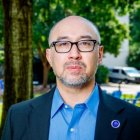





In a milestone collaboration aimed at fostering workforce development, innovation, and community enrichment, Hyundai Motor Group Metaplant America (HMGMA), Georgia Southern University and Ogeechee Technical College are signing a formal agreement to work together in addressing regional workforce needs while advancing academic excellence and technological innovation. Ogeechee Technical College President Lori Durden, HMGMA CEO and President Oscar Kwon, and Georgia Southern University President Kyle Marrero sign transformative agreement surrounded by officials from both institutions and HMGMA. The partnership will encompass a diverse range of initiatives that reflect the shared commitment HMGMA and its local education partners have to catalyze positive change for both the academic community and the broader society. Leveraging their respective strengths, this collaboration aims to address workforce demands, create transformative educational pathways, and drive impactful research endeavors. “Together, we are not just building cars; we are building futures, strengthening the community and driving progress,” said HMGMA CEO Oscar Kwon. “That is part of Hyundai’s mission: progress for humanity. Our partnership with these institutions reflects our shared vision for a brighter, more innovative future.” As part of this partnership, Georgia Southern University has committed to build on the success it has already seen in recruitment services for HMGMA. These services will include on-campus information sessions, dedicated company recruiting events, and on-campus interview days for graduating seniors. By bridging the gap between academia and industry, the University is ensuring that its students are well-prepared for the demands of the professional world. The university also will offer professional development certifications and courses for the company’s employees through its Continuing and Professional Education programs. “This partnership stands as a testament to the value of collaboration between academia and industry in driving holistic growth,” said Georgia Southern President Kyle Marrero. “By uniting forces, HMGMA and Georgia Southern University are forging a path that not only elevates educational opportunities but also cultivates a thriving community equipped to meet the challenges and opportunities of the future.” Georgia Southern also will strengthen its alliance with Ogeechee Technical College to create revised and expanded articulation agreements, pathway programs, and credit transfers. These initiatives will pave the way for the development of collaborative academic programs tailored to meet the specific workforce needs of the region. This includes exploring innovative degree pathways such as Advanced Manufacturing Engineering, as well as fostering additional academic collaborations that align with workforce-driven educational programs. Ogeechee Tech’s commitment includes continuing its record of providing training to local companies to include implementing the Electric Vehicle Professional Technical Certificate of Credit and Hybrid/Electric Vehicle Repair Technician Technical Certificate of Credit programs, and developing Industrial Maintenance Noncredit Training for HMGMA Employees. Additionally, Ogeechee Tech agrees to provide on-campus recruitment events and career fairs to current and past graduates. “Ogeechee Technical College is very excited about entering into this MOU with HMGMA,” said Lori Durden, president of Ogeechee Tech. “This has been several months in the making, and like other institutions and technical colleges in our region, we are going to do all that we can to support the efforts of our Governor to make Georgia the electric mobility capital of America. This is an exciting day for Ogeechee Technical College, and we look forward to supporting the evolving workforce development needs of this region.” With the Memorandum of Understanding, HMGMA will help promote educational opportunities in the region; develop internship, career pathway programs, and other appropriate work-based learning opportunities; and commit to exploring potential research, innovation, and commercialization projects. Interested in learning more or looking to talk with Georgia Southern President Kyle Marrero about this exciting new partnership ? Contact Georgia Southern's Director of Communications Jennifer Wise at jwise@georgiasouthern.edu to arrange an interview today.


ChristianaCare Chief Information Security Officer Anahi Santiago Receives Prestigious Routhy Award
ChristianaCare Chief Information Security Officer Anahi Santiago, EMBA, CISM, has been recognized with the Routhy Award, which honors one cybersecurity professional each year who delivers a profound impact within health care and the information security profession. Health-ISAC awards the Routhy. The organization is a global, member-driven non-profit that offers health care stakeholders a trusted community and forum for coordinating, collaborating and sharing vital physical and cyber threat intelligence and best practices with each other. “Anahi is a one-of-a-kind CISO,” said Randy Gaboriault, MS, MBA, chief digital and information officer and senior vice president at ChristianaCare. “Deeply committed to information security, Anahi shares her wide breadth of experience and knowledge with peers throughout the country as a gifted speaker, mentor and content expert. She is expert in the field of cybersecurity. “Through her deep commitment to patient safety and information security she has led the implementation of some of the most progressive cybersecurity safeguards within ChristianaCare. This is a well deserved recognition and we are thrilled to see Anahi receive this prestigious award.” Santiago is recognized as one of the nation’s foremost cybersecurity experts. With over 20 years in Information Technology, Santiago has extensive experience in areas of cybersecurity, privacy, regulatory compliance, program management and infrastructure services. “We are so pleased to have the opportunity to recognize Anahi for her years of leadership and selfless contributions to the community of Health-ISAC, affiliated associations, and the health care sector,” said Denise Anderson, Health-ISAC president and CEO. “She has been instrumental in sharing with her peers, participating in initiatives, and mentoring others in the sector. She is absolutely deserving of the Routhy Award. Congratulations, Anahi, and thank you!” Santiago has overall responsibility for the organization’s information security program and strategic direction. She leads a team of high performing information security professionals in supporting ChristianaCare’s strategic initiatives. Santiago does this by partnering with the business leaders and managing risks, implementing policies and controls, and generating overall awareness. “For years, I’ve watched people that I admire receive this award,” Anahi Santiago said. “I want to credit this amazing Health-ISAC organization for advancing cybersecurity in health care, protecting patients and bringing cybersecurity professionals together to share, innovate and protect.”


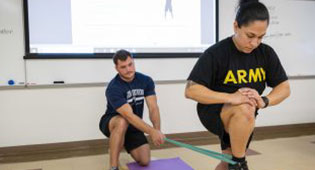
What began in 2016 as a partnership between Georgia Southern University and the Third Infantry Division at Fort Stewart has become a nationally recognized educational and research program with $5.68 million in federal funding to improve soldier health and performance to ensure force readiness. Now called the Soldier Performance and Readiness (SPAR) program, this Georgia Southern project aligns with the U.S. Army’s Holistic Health and Fitness (H2F) initiative and represents a multifaceted partnership with the Army to provide onsite training that decreases musculoskeletal injuries; deliver an online certificate program in tactical fitness for college credit; collaborate with the Army’s Research Institute for Environmental Medicine (USARIEM); and develop programs to enhance and assess cognitive performance in tactical situations. The initial partnership program to prevent musculoskeletal injuries was delivered at first to small cohorts to implement new practices in the physical training of their squads and platoons in a train-the-trainer model. Results were so encouraging, the program expanded at Fort Stewart and to training brigades at Fort Benning last year with the assistance of $1.5 million in Department of Defense funding. Studies show significant preparedness and financial benefits from reducing musculoskeletal injuries to soldiers during drilling and training exercises. In April 2020, officials determined that 58,000 soldiers (the equivalent of 13 Brigade Combat Teams) had injuries that classified them as non-deployable. In 2019, more than half of soldiers experienced a new injury, resulting in 10 million limited-duty days. Musculoskeletal injuries account for nearly 25% of all military injuries and approximately $557 million in acute patient care. Most of these injuries were associated with fitness training-related activities Georgia Southern’s online Tactical Athlete Certificate program was first offered in 2020 and is available exclusively to soldiers on active duty, in the National Guard or reserve. Through a series of three courses, the program teaches foundational exercise and biomechanical concepts, strength and conditioning principles, and rehabilitation. The coursework parallels the Army’s Master Fitness Trainer curriculum, with additional rehabilitation principles, and teaches soldiers how to develop evidence-based and well-rounded physical training programs while minimizing risk of musculoskeletal injury. Certificate completion provides soldiers with nine college credits with Georgia Southern, potential promotion opportunities in the Army, and preparation for the National Strength and Conditioning Association’s TSAC-F exam. “By sharing knowledge, expertise and experience between our faculty and doctoral students with soldiers, drill instructors, and brigade combat fitness teams to create aligned programs that improve tactical performance and force readiness, the SPAR program has become a national model of public-impact research,” said Christopher Curtis, Ph.D., Georgia Southern’s vice provost for research. “We are excited about the future of this partnership. We relish the significant support and encouragement we receive from the Army commands at Fort Stewart, Fort Benning, USARIEM, and the Training and Doctrine command (TRADOC), and we are grateful to Congressman Carter and his fellow members of the Georgia Congressional delegation who have advocated for the value of the partnership on our behalf.” The progress and continued success of this program would not have been possible without several years of support from the Georgia Congressional Delegation and especially the leadership and support of Congressman Buddy Carter, who represents Fort Stewart and the Armstrong Campus of Georgia Southern in Savannah. “Providing for our nation’s defense is the number one responsibility of the federal government. Innovation and research, which is what these dollars will fund at Georgia Southern, will improve working conditions for our brave servicemen and women by providing them with top-of-the-line training and resources,” said Rep. Buddy Carter (R-GA). “I am a proud supporter of Georgia’s military community and am happy that the federal government is investing in these necessary programs.” SPAR programming allocated in the FY23 federal budget will enable Georgia Southern to: Develop protocols and expand delivery of the onsite musculoskeletal injury prevention training and the Tactical Athlete Certificate to commands at Fort Gordon in Augusta and to the Georgia National Guard. Develop and deploy similar online certificate programs for soldiers in Cognitive Performance and Nutrition to further support the Army’s H2F program. Host a national conference on “Charting Future Readiness Needs” in partnership with the U.S. Army Training and Doctrine Command and U.S. Army Forces Command that will bring together other research universities who also work in partnership with the Army. Work with the Army commands to develop specific academic degree programs to meet the specific H2F professional workforce needs at the brigade level. Army officials estimate approximately 3,000 personnel will need graduate degrees or advanced certifications in the next six years. Develop a Tactical Performance Research Lab in Savannah to support the fundamental research and innovation activities of Georgia Southern’s Tactical Performance Group that supports the Army’s H2F program as well as translational research to apply the knowledge and practices broadly to law enforcement and other first responders. Looking to know more - then let us help. Christopher Curtis is available to speak to media - for more information simply click on his icon here or reach out to Georgia Southern Director of Communications Jennifer Wise at jwise@georgiasouthern.edu to arrange an interview today.


MEDIA RELEASE: Five ways to cut costs on travel; plus, the one thing you should never skip
Manitobans love to travel, but with costs rising due to inflation, it has become more important than ever to find ways to save money, while still crossing off destinations on your bucket list. “This year, more and more people across the province are eager to embark on their next adventure, whether that means disconnecting in a tropical paradise or exploring the history of an ancient city,” says Susan Postma, regional manager, CAA Manitoba. “While we are seeing a renewed interest in travel, we know the costs associated with it will be factor for many people.” With the help of our travel professionals, CAA Manitoba (CAA MB) has compiled a few tips to help save you money. Plan ahead. Start planning your trip well in advance of your departure date. Determine what your budget will allow and book flights, hotels, and rental cars early to get the best deals and rates possible. With the higher demand for travel, last-minute planning will result in higher airfares, hotel rates and even disappointment from no availability. Redeem your loyalty points or member benefits. Use frequent flyer miles or credit card points to pay for flights or hotels. Take advantage of CAA member benefits and discounts at hotels and attractions, or tap into hotel loyalty programs. Now is your time to finally redeem all those accumulated rewards points from a member program or credit card. Also, don’t forget to check the expiration date on unused vouchers or credits. Look for hotels that include breakfast or allow self-catering. Food costs continue to rise and will quickly eat into your budget when you’re paying for three meals (+ snacks) each day. A free breakfast, offered by many hotels, or a hotel room with a kitchenette or fridge will help reduce food costs and give you more money to put towards excursions and other experiences while you’re away. Travel during off-peak times. There are both days of the week and times of the year that are cheaper to travel. Consider travelling during these off-peak times or leaving for your trip during the week versus on a weekend. Partner with a travel agent to get the best deal. A travel agent will know when there are active sales. Travel promotions happen several times throughout the year, and a trusted travel agent will know the best time to book your next getaway. While everyone likes a great deal, the one thing you should never skip is travel insurance says Postma. “You may be in good health before your departure, but unexpected medical emergencies can still happen while you are away from home. If you get sick or injured, travel insurance is important to ensure your medical treatment is covered, along with any related out-of-pocket expenses.” If you're uncertain what coverage you need, CAA encourages you to talk to your travel insurance expert who can help you find the most suitable coverage for your trip and your needs.
