
Experts Matter. Find Yours.
Connect for media, speaking, professional opportunities & more.

MEDIA RELEASE: CAA survey finds people who drive high on edibles continues to rise
A survey conducted by CAA South Central Ontario (CAA SCO) found that since 2019, there has been a 10 per cent increase (26 per cent in 2022 vs. 16 per cent in 2019) in cannabis impaired drivers admitting to consuming an edible before driving. With approximately 10 million Ontario drivers, that number equals about 156,000 Ontario drivers who have driven high on edibles in the last three months. “It’s shocking that we’re seeing this many people who are getting behind the wheel while high,” says Michael Stewart, community relations consultant at CAA SCO. “Our data shows an alarming trend in the use of edibles and driving. With the growing popularity of cookies, gummies, and chocolates, since legalization, the use of edibles continues to rise and so do people who drive high on edibles.” Stewart warns that edibles pose a greater risk to road safety because they are harder to detect and can take up to two hours for the effects to kick in. He underscores that people may get behind the wheel sober, only to become high mid-trip. Also, the effects can last up to 12 hours and residual effects for up to 24 hours. The survey also found that in the past three months, approximately 600,000 Ontario drivers have admitted to driving after consuming cannabis. While this number has remained the same since CAA’s survey in 2019, what continues to be of concern is the following: Almost half (about 282,000) of the cannabis impaired driving was paired with other substances such as alcohol or other drugs. More than half (about 336,000) of the cannabis-impaired drivers admitted to getting behind the wheel within three hours of consumption. A third of cannabis impaired drivers who drive the same day felt high while driving. While most Ontario drivers say that cannabis-impaired driving is a serious risk to road safety (89 per cent), only half are aware of the penalties. “Because of the novelty of edibles, there seems to be a knowledge gap surrounding the impaired-driving laws related to substances other than alcohol. However, studies show that the drug affects nearly every skill related to driving. It impairs a driver’s motor skills, making it harder to judge distances, and can slow reaction times,” says Stewart. Those caught and who fail a Drug Recognition Expert’s evaluation face an immediate 90-day licence suspension, a seven-day vehicle impoundment, and a $550 fine. If convicted in court, drivers will see their licence suspended for at least a year, along with various other mandatory stipulations including an education or treatment program, and the use of an ignition interlock device for at least a year.



Can you be hacked while using your mobile device? In a word, yes — here’s how to protect your data
October is Cybersecurity Awareness Month and being aware of all your devices is as important as ever before. Most people are online every day, which opens themselves up to a threat of being hacked. Whether it be a mobile device, laptop, or personal computer, everyone needs to have cyber awareness. Steven Weldon, director of the Cyber Institute at Augusta University’s School of Computer and Cyber Sciences said many straightforward things that can be done to protect devices, such as having lock screens, making sure operating systems are up to date and simply recognizing how, when and where devices are being used. “Smart phones today are probably the most capable computing device that we have and we have it on us all the time,” said Weldon. “The data that can be extracted from these devices can be put together to build a pattern of life on us: where we go, what we do and when we do it. All of this data is potentially at risk if we’re not being careful about who gets access to our smart phones. That’s a great reason to lock the screen and require at least a password or pin to unlock the phone.” Gokila Dorai, PhD, assistant professor in the School of Computer and Cyber Sciences, suggests using biometrics to enhance security. “I would strongly recommend for women, young adults even teenagers, if it’s possible for you to have biometrics as a way to unlock your device, then go for that. These unique ways of unlocking a device would add a layer of protection,” said Dorai. Dorai is one of the growing experts in the field of mobile forensics and her research projects are federally funded. In addition, several SCCS faculty are mentoring undergraduate and graduate students working on cutting edge research related to mobile device security and digital forensics. She also suggested adding a two-factor authentication or multi-factor authentication to add an extra layer of security. When out in the public, it’s easy to connect a mobile device to an unprotected Wi-Fi network. Doing so could open up sites you visit to a hacker. Weldon suggests people should be careful of what apps are used when on public Wi-Fi, since they may expose a lot of personally identifiable information. His suggestion is to use a virtual private network to help protect data that’s being transmitted and received. “We should recognize the data on our smart phones and protect them accordingly,” added Weldon. “Recognizing the value and sensitivity of the data on our smart phones can guide us in how we protect these devices. We may not think as much about the security and privacy of our smart phones as we do about our laptops and desktops. When we think about everything we use our smartphones for, how ubiquitous they are in our lives, we come to realize just how central they are to today’s lifestyle in the digital age.” It’s tough to identify when a mobile device has been hijacked, so both Weldon and Dorai suggest paying close attention to any unusual behavior, even small things such as a battery draining faster than usual. Both are indicators you may need to take corrective actions. Dorai added the government can do more to protect a person’s privacy. “With the introduction of more and more Internet of Things devices in the market, with several different manufacturers, there’s a lot of user data that’s actually getting exchanged. These days, the most valuable thing in the world is data. So stricter measures are required,” she said. She indicated it needs to be a collaborative effort between industry, academia, government, and practitioners to come together and work on ideas to strengthen security. “Yes we want security. We are willing to put up with a little bit of friction for additional security. We want it easy and we generally want it free,” said Weldon. “We don’t read licensing agreements, but we would generally be willing to take certain actions, make certain tradeoffs, to be more secure.” One other major concern are apps in general. While Google Play Store and Apple routinely remove some apps that may be out of date or have security vulnerabilities, they may still be running on a user’s device. “Mobile applications may also hide from you in plain sight in the sense the app icons may not be showing up on the screen, but still they are running in the background,” added Dorai. In essence, the device user is the first line of defense. Taking all the necessary steps to prevent a third party from getting your information is of the utmost importance in the digital age. “I believe a big part of it this discussion is about user awareness. We want that free app but that app is asking for a lot of permissions. There’s an old saying in cybersecurity: if you are not paying for the product, you are the product. There’s also another saying: if it’s smart, it’s vulnerable,” said Weldon. Are you a reporter covering Cybersecurity Awareness Month? If so - then let us help with your stories. Steven Weldon is the Director of Cyber Institute at the School of Computer and Cyber Sciences at Augusta University and is an expert in the areas of cellular and mobile technology, ethics in computer science, scripting and scripting and automation. Gokila Dorai is an Assistant Professor in the School of Computer and Cyber Sciences at Augusta University and is an expert in the areas is mobile/IoT forensics research. Both experts are available for interviews - simply click on either icon to arrange a time today.


Researchers explore alternate delivery method for potential Alzheimer’s treatment
“Traditionally, the nose has been used as a route for delivery of locally acting drugs,” Laleh Golshahi, Ph.D., explained. “But recently, there has been a great deal of interest in the direct pathway through the olfactory region. That’s the same region where we smell, and that route is a direct pathway to the brain.” Golshahi, associate professor in VCU’s Department of Mechanical and Nuclear Engineering, leads the collaboration. Other members of the group are Worth Longest, Ph.D., the Louis S. and Ruth S. Harris Exceptional Scholar and Professor in the Department of Mechanical and Nuclear Engineering; Michael Hindle, Ph.D., the Peter R. Byron Distinguished Professor in VCU’s Department of Pharmaceutics; and Arya Bazargani, a Ph.D. student in VCU’s Interdisciplinary Center for Pharmaceutical Engineering and Sciences. The project is supported by a $200,000 internal grant from VCU Breakthroughs, a new internal funding mechanism as part of the Optimizing Health thrust of the One VCU Research Strategic Priorities Plan being implemented by the university’s Office of the Vice President for Research and Innovation. Hindle said that studies of nasally administered insulin have shown some promise for reducing the effects of Alzheimer’s. Unfortunately, delivery by injection, the most common way to deliver insulin, is ineffective for Alzheimer’s and other cerebral conditions because of the blood-brain barrier. Bazargani explained that nose-to-brain delivery of pharmaceuticals circumvents the blood-brain barrier, the lining of the blood vessels that surround the brain, guarding the central nervous system against a host of pathogens. “It’s usually a good thing,” he said. “But not when you’re trying to induce therapeutic effects into the brain.” Bazargani explained that insulin molecules are so large that the blood-brain barrier filters out most of the insulin. Hindle pointed out that even though the VCU team is avoiding the blood-brain barrier, insulin delivery still presents a number of challenges. “Insulin is a pretty fragile molecule, you know. It’s stored in the fridge,” Hindle said. “We need to include insulin in some sort of stable formulation — either a powder or a liquid nasal spray. We have to create the right particle or droplet size to get it into the right area of the nose.” Formulation development is only half of a two-pronged challenge, Golshahi said. The second aspect is the creation of a device that can deliver a dose way up to the olfactory region. “The nose is a challenge, because it’s designed as a filter to keep aerosols out of the body,” said Longest, who, along with Golshahi and Hindle, brings expertise in computational fluid dynamics to the team. “And the olfactory region is an especially troubling or difficult region to target, because it’s designed just to let a few molecules of what we inhale deposit.” Chief among the nasal filtering defenses, Golshahi said, is mucociliary clearance. Nasal passages are lined with mucous-coated cilia — moving microscopic projections on cells — sweeping foreign substances out of the air we breathe. The cilia do an excellent job, she said, but their efficiency makes it difficult to achieve a consistent delivery to the olfactory region. Another challenge, she added, lies in the fact that all noses are different. The collaborators are using in vitro and in silico methodologies. For the in vitro work, they have an array of 3D printed nose models, based on computed tomography (CT) scans. Golshahi said they have multiple anatomical casts of human nasal airways to test likely device/formulation combinations for their insulin/Alzheimer’s initiative. “We are going to use three of those nasal casts as our starting point,” she said. “We’ll connect the casts to a breathing simulator, which is basically a machine you can program to add the air going through — sort of bringing them to life.” Golshahi added that data from the casts will inform the in-silico component of the work — computational analysis that is expected to verify or challenge observations from the lab. Hindle said that once the team has developed a satisfactory formulation-device system, they can tackle the next challenge: identifying the dominant pathway from the olfactory region to the brain. “There are a variety of theories out there,” he said. “It could go along the nerve passageway. It could go between the nerve walls and the cells linking them.” “We have all the equipment and all the expertise necessary to be able to develop a formulation, and to put it in a device that leads to the highest amount of delivery to the target region,” Golshahi said. “And we are able to quantify how successful that combination of formulation and device is.”


Manuka honey could help to clear deadly drug-resistant lung infection – research
• Scientists develop a potential nebulisation treatment using manuka honey to clear a drug resistant lung infection that can be fatal in cystic fibrosis patients • Aston University researchers combined the antibiotic amikacin with manuka honey as a novel treatment for Mycobacterium abscessus • Using the manuka honey combination resulted in an eight-fold reduction in the dosage of the antibiotic A potential new treatment combining natural manuka honey with a widely used drug has been developed by scientists at Aston University to treat a potentially lethal lung infection and greatly reduce side effects of one of the current drugs used for its treatment. The findings, which are published in the journal Microbiology, show that the scientists in the Mycobacterial Research Group in the College of Health and Life Sciences at Aston University were able to combine manuka honey and the drug amikacin in a lab-based nebulisation formulation to treat the harmful bacterial lung infection Mycobacterium abscessus. Manuka honey is long known to have wide ranging medicinal properties, but more recently has been identified for its broad spectrum antimicrobial activity. Now scientists have found that manuka honey has the potential to kill a number of drug resistant bacterial infections such as Mycobacterium abscessus – which usually affects patients with cystic fibrosis (CF) or bronchiectasis. According to the Cystic Fibrosis Trust, CF is a genetic condition affecting around 10,800 people - one in every 2,500 babies born in the UK -and there are more than 100,000 people with the condition worldwide. The NHS defines bronchiectasis as a long-term condition where the airways of the lungs become widened, leading to a build-up of excess mucus that can make the lungs more vulnerable to infection.. In the study, the researchers used samples of the bacteria Mycobacterium abscessus taken from 16 infected CF patients. They then tested the antibiotic amikacin, combined with manuka honey, to discover what dosage was required to kill the bacteria. As part of the study the team used a lab-based lung model and nebuliser - a device that produces a fine spray of liquid often used for inhaling a medicinal drug. By nebulising manuka honey and amikacin together, it was found they could improve bacterial clearance, even when using lower doses of amikacin, which would result in less life-changing side-effects to the patient. In the UK, of the 10,800 people living with CF, Mycobacterium abscessus infects 13% of all patients with the condition. This new approach is advantageous not only because it has the potential to kill off a highly drug resistant infection, but because of the reduced side effects, benefitting quality of life and greatly improving survival chances for infected CF patients. Mycobacterium abscessus is a bacterial pathogen from the same family that causes tuberculosis, but this bug differs by causing serious lung infections in people (particularly children) with pre-existing lung conditions, such as CF and bronchiectasis, as well as causing skin and soft tissue infections. The bacteria is also highly drug resistant. Currently, patients are given a cocktail of antibiotics, consisting of 12 months or more of antimicrobial chemotherapy and often doesn’t result in a cure. The dosage of amikacin usually used on a patient to kill the infection is 16 micrograms per millilitre. But the researchers found that the new combination using manuka honey, required a dosage of just 2 micrograms per millitre of amikacin - resulting in a one eighth reduction in the dosage of the drug. Until now Mycobacterium abscessus has been virtually impossible to eradicate in people with cystic fibrosis. It can also be deadly if the patient requires a lung transplant because they are not eligible for surgery if the infection is present. Commenting on their findings, lead author and PhD researcher Victoria Nolan said: "So far treatment of Mycobacterium abscessus pulmonary infections can be problematic due to its drug resistant nature. The variety of antibiotics required to combat infection result in severe side effects. "However, the use of this potential treatment combining amikacin and manuka honey shows great promise as an improved therapy for these terrible pulmonary infections. “There is a need for better treatment outcomes and in the future we hope that this potential treatment can be tested further.” Dr Jonathan Cox, senior lecturer in microbiology, Aston University said: “By combining a totally natural ingredient such as manuka honey with amikacin, one of the most important yet toxic drugs used for treating Mycobacterium abscessus, we have found a way to potentially kill off these bacteria with eight times less drug than before. This has the potential to significantly reduce amikacin-associated hearing loss and greatly improve the quality of life of so many patients – particularly those with cystic fibrosis. “I am delighted with the outcome of this research because it paves the way for future experiments and we hope that with funding we can move towards clinical trials that could result in a change in strategy for the treatment of this debilitating infection.” Dr Peter Cotgreave, chief executive of the Microbiology Society said: "The Microbiology Society is proud to support the scientific community as it explores innovative solutions to overcome the growing global challenge of antimicrobial resistance. This study demonstrates one of many ways in which microbiologists are pioneering new methods to tackle drug-resistant infections, by incorporating natural products, like manuka honey, into existing therapies." For more information about the School of Biosciences, please visit our website.


Research team aims to enhance security of medical devices
Tamer Nadeem, Ph.D., the principal investigator of the VCU-based MedKnights project, explained that the project’s focus is on the Internet of Medical Things (IoMT). Nadeem and co-PI Irfan Ahmed, Ph.D., both associate professors in the VCU College of Engineering Department of Computer Science, recently received $600,000 from the NSF’s Office of Advanced Cyberinfrastructure to put together a framework to improve IoMT security. IoMT devices are used in a range of diagnostic, monitoring and therapeutic applications. IoMT includes patient monitors, ventilators, MRI machines — even “smart beds.” Ahmed cited the internet-connected insulin pump is a good example of an IoMT device. Internet connectivity allows for both monitoring and adjusting the dosage remotely — functions that require a high degree of security for patient privacy as well as safety. All IoMT devices are potentially vulnerable to ransomware, denial of service and other malicious hacker attacks. Nadeem points out that IoMT devices have a higher security requirement than traditional IoT devices such as smart doorbells and smart thermostats in homes. “The most important thing in the medical domain is privacy,” Nadeem said. “For IoT devices in your home, you wouldn’t care that much about privacy, but for medical devices, it is an essential thing. You wouldn’t want anyone to know what your health conditions are, or what problems you might have had.” The work of the MedKnights group is important, as the IoMT domain is expanding; there is growth in terms of types of devices, number of patients using them and number of IoMT vendors. Nadeem added that the COVID pandemic and accompanying quarantine and stay-home orders increased the focus of medical-technology providers on the possibilities of IoMT. “Talking to some of the medical-device providers, I’ve learned that they are considering a line of products where they can remotely monitor patients on those devices, and they also can configure those devices remotely,” Nadeem said. Security is a large concern for the new generation of devices, because the current IoMT devices have been hit hard by hackers, he said. Security is an issue that extends from the individual patient to the institution. “Statistics show there are a lot of ransom attacks being done on the health sectors during the pandemic,” Nadeem said. “That motivated us.” The MedKnights team’s preparation for taking on the dragon of malicious IoMT attacks includes building a “test bed,” an isolated hardware/software assembly that Nadeem says will mimic the internet-enabled hospital setting. “In the hospital environment, there’s set of rooms. Each room has a lot of medical devices; they could be wired, or they could be wireless devices,” he said. “But there is no way that we can do what we want to do in a hospital.” The test bed will incorporate IoMT datasets based on typical device behavior, traffic and known malicious attacks. Nadeem explained that MedKnights will explore vulnerabilities of various IoMT hardware and software by subjecting the elements of the IoMT test bed to a range of attacks. “We will try to see in real time how efficient our technologies to monitor or detect these attacks, then try to intervene if we notice any change in the activities on the network,” he said. “Now, if the attacks manage to get into the device, we would like to also to start to see whether we can monitor these devices and observe abnormality or any misbehavior.” Nadeem said the next step is to isolate the source of fishy activity in the test bed network and begin to reverse-engineer the malware. He explained the group will work on understanding the question by looking for the “hole” that created the vulnerability. Ahmed said the MedKnights will bring undergraduates into the project through DURI, the Dean’s Undergraduate Research Initiative at the VCU College of Engineering. High school students will have an opportunity to join the team through a similar program known as the Dean’s Early Research Initiative, or DERI. DURI and DERI are just two ways of getting younger scientists and engineers involved in actual research. “For the last couple of years, I’ve been contacted by local high schools to host a couple of their students during the summer,” Nadeem added. “The students were really excited about it. We came up with some nice ideas about how to extend that work to their classrooms. As we continue this project, we will reach out to the schools, because we would love having a couple of their students involved.”


Aston University and ADInstruments Ltd (ADI) enter 24-month knowledge transfer partnership to develop ground-breaking animal telemetry system World-leading expertise in neuroscience to help bring game-changing system to market Outcomes of KTP will feed directly into the product hardware and software development, ensuring technological advantage for ADI. Aston University has teamed up with research software experts ADInstruments Ltd (ADI) through a knowledge transfer partnership to develop a revolutionary dual-function wireless telemetry system for neuroscience research that is set to transform how implanted biosensors are used for data generation in animals. Telemetry is the automatic recording and transmission of data from remote or inaccessible sources to an IT system in a different location for monitoring and analysis. ADI has an established reputation for developing, supplying and supporting its customers in specific areas of life science research, particularly in cardiovascular science. The company has recently acquired Kaha Sciences, which has developed ground-breaking telemetry technology that can be used to measure neuroscience-relevant signals in free-moving animals for research. The company is looking to use the KTP to harness the world-leading expertise of Aston University to build their reputation in neuroscience. Mark de Reus, head of support at ADInstruments, said: “The evidence-base of research papers, training and support materials from Aston University will be invaluable in improving the product design, identifying development opportunities and embedding a culture of neuroscience within the company.” A knowledge transfer partnership (KTP) is a three-way collaboration between a business, an academic partner and a highly qualified graduate, known as a KTP associate. The UK-wide programme helps businesses to improve their competitiveness and productivity through the better use of knowledge, technology and skills. Aston University is the leading KTP provider within the Midlands. The Aston University team features Professor Gavin Woodhall and Dr Stuart Greenhill from its Pharmacy School’s Pharmacology and Translational Neuroscience Research Group. Professor Woodhall is co-director of the Institute of Health and Neurodevelopment (IHN) and a neuroscientist who studies epilepsy and schizophrenia in rodent models of disease. Dr Stuart Greenhill is a member of IHN and senior lecturer in neuroscience, with a longstanding track record in developing and deploying novel and difficult mechanisms of recording from brain tissue both in vivo and in vitro. Dr Stuart Greenhill said: “It is a privilege to be involved in the development of this important technology, which will be invaluable to thousands of research groups across the globe, and we are delighted to be able to help the product team realise the potential of this device.”

988: What is it and who will it help?
Starting July 16, anyone experiencing substance use issues, a suicidal crisis, or mental health-related distress and seeking support can now simply dial “988” and connect directly with the National Suicide Prevention Lifeline. 988’s implementation will strengthen and expand the current lifeline call-center infrastructure and capacity to ensure that trained crisis counselors are available via call, text, and chat 24 hours a day. CARF proudly joins the National Action Alliance for Suicide Prevention and more than 250 partner organizations collaborating as promoters of the 988 Messaging Framework. About 988 988 is confidential, free, and available 24/7/365, connecting those experiencing a crisis with a network of trained crisis counselors located throughout the U.S. Access is available through every landline, cell phone, and voice-over-internet device in the nation. 988 call services are available in Spanish, along with interpretation services in multiple languages. Text and chat are currently available in English only. A long-term goal of 988 is building a robust nationwide crisis response system that links callers to community-based providers that can deliver a full range of crisis care services (e.g., mobile crisis teams or stabilization centers), if needed. And if you're a reporter looking to know more about the new 988 call services, or the role CARF and other organizations are playing in this nationwide effort, let us help with your questions and coverage. Michael Johnson is Senior Managing Director of Behavioral Health at CARF and is an expert in treatment strategies for mental health and substance use disorders. Michael is available to speak with media regarding this topic; simply click on his expert icon to arrange an interview today.


ChristianaCare is out to revolutionize health care. One of the country’s most dynamic health care systems, ChristianaCare is partnering with two leaders in medical and therapy services to provide comprehensive, integrated virtual health services 24/7 to colleges, universities and other institutions of higher education. Together with PursueCare and SimpleTherapy, ChristianaCare created a bundled health care product that combines general medical services from ChristianaCare’s Center for Virtual Health, mental health and addiction treatment programs from PursueCare and hyper-personalized musculoskeletal care from SimpleTherapy. ‘The future of health care is virtual’ “At ChristianaCare, we know that the future of health care is virtual,” said Sharon Anderson, MS, RN, FACHE, ChristianaCare’s chief virtual health officer and president of ChristianaCare’s Center for Virtual Health. “When college students are able to access medical, behavioral health and musculoskeletal services through their phone or laptop, from their dorm room or a private space on campus, they’ll be more likely to get help when they need it. This is about delivering care to students on their terms, so that they can be healthy and supported with high-quality care throughout their college experience.” Personalized virtual health solutions will be available to students at participating higher education institutions through a customized portal accessible from any computer or mobile device. Students will be able to access assessments, resources and virtual treatment via modules or telemedicine sessions with licensed providers. The offering provides students with unlimited, on-demand care from a multidisciplinary team solving for a multitude of conditions. “For college and university student health services and administrators, this partnership offers a powerful new way to provide comprehensive, affordable health solutions that benefit students,” Anderson said. “In a highly competitive recruiting environment, these solutions are easy to implement and can add tremendous value. We are excited to partner with colleges and universities to strengthen their student health programs by creating a comprehensive virtual care solution to meet their student’s health care needs.” Through a single digital portal, participating students can access internal and family medicine providers from ChristianaCare’s Center for Virtual Health. PursueCare’s Joint Commission-accredited mental health, psychiatric and medication-assisted treatment providers, and SimpleTherapy’s licensed physical therapists specializing in musculoskeletal care, acute or chronic pain management, and strength and mobility training can all be accessed through the portal. Students will also have the option of using PursueCareRx for their pharmacy needs. PursueCareRx is a competitively priced full-service pharmacy that accepts most major insurance and delivers directly to customers. “Young adults face an escalating mental health and substance use crisis,” said Nick Mercadante, founder, and CEO of PursueCare. “Colleges and universities are frequently unable to comprehensively serve the increased need, and research suggests substance use, mental health and suicide carry a significant social stigma. Our goal is to work collaboratively with campus health resources to bring a low-barrier solution students can access privately, any time, on their terms. Additionally, partnering with a world-class health system like ChristianaCare means we can help support whole-person care needs.” “Chronic musculoskeletal disorders have never been more prevalent and traditional care pathways are often ineffective and costly,” said Arpit Khemka, co-founder and CEO of SimpleTherapy. "SimpleTherapy removes barriers for students allowing them to take control of their musculoskeletal health, reducing their need for high-cost, high-risk services, such as surgery and opioids, to manage pain. This results in higher compliance rates and more successful outcomes." Customized and co-branded product The product is designed for colleges, universities and all other higher education institutions. For a flat fee, a school will be able to offer care that is customized and co-branded with school-specific content to be an extension of existing campus health services. It provides curated resources for rapid pre-assessment, on-demand chat and discreet, personalized access to care for students on or off-campus. The innovative patient portal aims to improve and strengthen how schools offer health care solutions to their student population while reducing any potential interruptions of academic and athletic pursuits by making it possible for students to conveniently access care from anywhere. In addition, the offering eliminates social stigma and other access obstacles for students who are at-risk or potentially at-risk, making it more likely that students will avail themselves of treatment options and remain in school. These services are currently licensed to operate in Delaware, New Jersey, Pennsylvania and Maryland. Applications for licenses are underway in other states. ChristianaCare has long been a trailblazer in virtual health. Among its achievements, during the COVID-19 pandemic, ChristianaCare developed a COVID-19 virtual monitoring program that helped 37 companies in 14 states safely reopen with daily symptom monitoring, testing and connections to care for more than 10,000 employees. It’s Center for Virtual Health makes receiving care radically convenient, offering a full continuum of virtual care delivery programs. These programs include virtual primary care, specialty care programs and a Hospital Care at Home Program bringing hospital level of care to a patient’s home. The Center for Virtual Health cares for thousands of patients using state-of-the-art virtual care capabilities supporting patients in receiving care anytime, anyplace, including in the comfort of their own homes. For more information about the program, visit StudentCareSolutions.com.


Worth Longest research on more targeted aerosol drug delivery systems
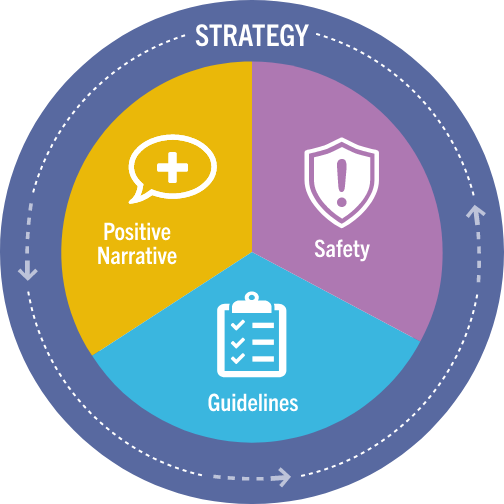
Michael Hindle, Ph.D., a professor in the VCU Department of Pharmaceutics, and P. Worth Longest, a professor in the VCU Department of Mechanical and Nuclear Engineering, have invested years of time and millions of dollars to address challenges found in the field of medical aerosols. In particular: While smaller particles are more effective in delivering drugs into the lungs and airways, these tiny particles are often exhaled out immediately when taking a dose. Current aerosol delivery systems — think asthma inhalers — effectively deliver just 10 percent of an aerosolized dose. That’s fine for most asthma and COPD sufferers who use standard inhalers with existing medications, as these patients only need a small amount of the potent drugs to reach the lungs and have an effect. “But the medical world wants to use the lungs for delivery of other drugs, whether it’s locally to the airways or systemically to the body, and for that, you need more efficient devices,” Hindle says. To effectively use inhaled drugs for complex medical conditions requires more of the aerosol to reach the airways and to potentially target different regions of the airways — plus the devices to get them there. “Our work is about doing something different — changing that ballgame from having 90% of the drug wasted and 10% make it to the lungs, and flip it so that we get just 10% lost and 90% in the lungs,” Hindle says. “That’s always been our goal.” Taking aerosols from lab to lung Over more than a decade, the duo and their teams have created the three keys to making aerosol drug-delivery work: “developing the strategy, developing the device, and developing the formulation,” says Longest, the College of Engineering’s Louis S. and Ruth S. Harris Exceptional Scholar Professor. “When you see inhalation of aerosols fail, or a new pharmaceutical aerosol product fail, one of these areas has often been neglected. Between my lab and the Hindle lab, we have expertise in each of these different areas.” The fourth component — commercializing their inventions — is underway through a partner in Quench Medical in a deal signed in 2020 thanks to VCU Innovation Gateway. The Minnesota-based company, led by founder and CEO Bryce Beverlin II, Ph.D., has identified lung cancer, severe asthma, and cystic fibrosis as potential initial applications using VCU’s intellectual property, the licensing of which covers both the aerosols and the delivery devices. “It’s very difficult for an academic institution to develop a drug product,” says Hindle, the Peter R. Byron Distinguished Professor in Pharmaceutics. “So Bryce has moved forward with a team of manufacturers, clinical testing plans, and is talking to the Food and Drug Administration.” The VCU researchers had not previously pursued lung cancer as a possible application until Quench came along, Hindle says. “The idea that you could deliver a chemotherapy locally to the lungs is obviously very advantageous, because you don’t get the systemic side effects through the body like with traditional chemotherapy,” he says. “You’re just delivering drugs direct to that site of action for targeting the metastases in the lung.” In May, Quench presented data using the VCU technology to the Respiratory Drug Delivery conference in Florida showing that using a chemotherapeutic dry powder aerosol in rats was highly effective. It significantly reduced tumor burden but used half of the standard IV-delivered chemo dose. “This approach also aims to decrease the total drug delivered with reduced systemic drug levels in the circulation to decrease systemic toxicity,” the report read. It noted the efforts “solve a critical unmet medical need to develop new strategies to improve treatment outcomes in patients with lung cancer.” Heavy interest nationally Hindle and Longest have millions of dollars in funded projects underway, backed by the National Institutes of Health, U.S. Food & Drug Administration, and the Bill & Melinda Gates Foundation. Their work is building on the reputation of VCU’s Aerosol Research Group, founded in 1988 by emeritus professor Dr. Peter Byron (the name on Hindle’s professorship). The group’s work spans a wide variety of research areas in aerosol formulation and delivery. Hindle and Longest have worked together since 2006. While Hindle is focused on drug formulations, Longest is the engineering and computer modeling expert. His background is in biological fluid flow, and prior to joining VCU in 2004 had worked in the area of blood flow in vascular disease. But he wanted to differentiate his work, and found VCU’s reputation in medical aerosols was the place he could, in his words, “make an impact.” Through computer models, Longest and his team can understand how powders or liquids will turn into aerosol particles and the behaviors they will undertake when delivered into the body. “The lung is an area of the body where we have all these complex phenomena occurring with airflow and moving walls,’” he says. “It really takes high performance computers to understand it.” Drs. Longest and Hindle have developed a series of technology platforms that produce particles that are tiny when entering the lungs to minimize deposition losses in the mouth and throat — but grow in size as they travel down the warm, humid airways. One of the devices uses a mixer-heater to produce tiny particles, other technologies use a pharmaceutical powder or liquid containing a simple hygroscopic excipient such as sodium chloride; it is this excipient that attracts water from the lungs and makes the particles grow and deposit in the lungs with high efficiency. Eyes on infants Lately, the pair have been working on a method of aerosol drug delivery to newborns and prematurely born babies. “It’s a different set of challenges when you’re trying to deliver aerosols to infants who are born prematurely, and don’t have the ability to breathe on their own due to the lack of airway surfactant,” Hindle says. “And that’s something that, academically, we thought we were in a position to try and make a contribution to the field.” The group is working with funding from the NIH and the Bill and Melinda Gates Foundation to develop a method of delivering an aerosol surfactant to infants that will hopefully remove the need to intubate these fragile babies. In addition to striking licensing deals with Quench and building relationships with additional partners, Innovation Gateway has backed the pair’s work with an initial $25,000 from VCU’s Commercialization Fund as well as a just-awarded additional $35,000. “We turned that into a series of intellectual property that has resulted in three licensed patents and a whole family of IP in relation to both formulations and devices,” Hindle says. “There’s been lots of interest in delivering drugs to the lungs, it’s just been very difficult to institute any sea change, because the pharmaceutical industry is relatively risk averse.” And so their research continues, as Quench moves forward to bring their inventions to the bedside. “What I’m doing, I don’t really consider it work — it’s an opportunity to interact with great colleagues and contribute to a mission that will be very helpful to a broad range of people,” Longest says. “I also see it as a big responsibility. We want to do this in the right way. Because people’s health and lives are at stake. We want to make sure we approach this with a large sense of responsibility, and do our best.”

The Metaverse will change everything!
It will change how we interact. How we consume information. How we have fun. What devices we use. And underlying all of that is networking. And that will change too. "IT infrastructure that powers the Internet will need major upgrades to bring the Metaverse from theory to practice, according to Raja Koduri, SVP and GM of Accelerated Computing Systems and Graphics at Intel. “(The metaverse will) need several orders of magnitude more powerful computing capability, accessible at much lower latencies across a multitude of device form factors. To enable these capabilities at scale, the entire plumbing of the internet will need major upgrades.” Metaverse quality of experience will be intimately tied to networking performance, and latency will be key. Delivering an "instantaneous" Metaverse experience will require a next generation physical network that is designed to deliver highly predictable end-to-end bandwidth with ultra-low latency. "Zero-hop" network designs such as AcceleRoute can achieve this through a bufferless architecture that delivers latency approaching that of direct links while eliminating congestion in the network core. For more information visit the AcceleRoute webpage at www.InventionShare.com
