
Experts Matter. Find Yours.
Connect for media, speaking, professional opportunities & more.

In Ancient Egypt, One Villanova Professor Sees Modern Lessons
During the Old Kingdom (2700-2200 B.C.E.), Memphis was the epicenter of Egyptian civilization. A key strategic point in the Nile Delta region, it long served as the seat from which the Pharaoh ruled his domain, exerted his influence and marshaled his military might. Bustling with activity, it teemed with craftspeople, clerics and courtiers, and its whitewashed walls reverberated with the sounds of enterprise, exaltation and empire. Four-and-a-half millennia later, sifting through the silent sands near Mit Rahina, Villanova University associate teaching professor Kelly-Anne Diamond, PhD, is working to recover the last traces of this once-thriving metropolis. In collaboration with a team of academics, graduate students and Egyptian artisans, she hopes to shed new light on what life was like in the "lost city" of Memphis—and to explore its long-buried connections to the present day. The Memphis Kôm el-Fakhry Archaeological Project "We call our initiative the 'Memphis Kôm el-Fakhry Archaeological Project,' or 'MKAP' for short, and we're excavating one particular mound in a series that make up the ancient city," said Dr. Diamond, who co-directs the effort. "I was very excited when I was invited to join the project, especially at its inception. There aren't many settlement sites [like this one]. We could probably count them on one hand." With its focus on "settled" land, MKAP is contributing to a growing body of research in Egyptology, or the study of ancient Egyptian history, culture and society, that centers on the experiences of everyday people. It's an area of significant interest for Dr. Diamond, who's previously investigated mourning traditions and sex and gender in the pharaonic era. "Currently, most of our knowledge is about the king, his extended family and the people who worked for him," she said. "This is one of the reasons why I think working at Memphis is so fascinating. When you work at a settlement site, this is where you're going to find information about regular people—about women, about children, about the elderly, about family structure." Already, MKAP has yielded findings that could challenge contemporary understandings of life in ancient Egypt. In particular, the discovery of an Old Kingdom-aged adult skeleton, within the bounds of the excavated mound, has spurred questions. "What we found doesn't necessarily line up with what we currently believe about Old Kingdom burial practices, because other evidence suggests that where people lived and where people buried their dead were two separate locations," shared Dr. Diamond. "Generally, we say that they lived in Kemet—which is the 'black land,' or the land where there's very, very rich soil—and were interred in Deshret, or the 'desert.' "Now, we do know that there was a First Intermediate Period (2181-2055 B.C.E.) cemetery at the site, adjacent to the settlement. We also know that, as the town progressed and people continued to live there, access to the cemetery was cut off. As we were going deeper into the settlement, which means that we were going into earlier levels, this is where we found the adult skeleton. The pottery in the area seems to suggest that we hit Old Kingdom levels, which would take us earlier than the First Intermediate Period cemetery. "Potentially, we need to reevaluate what we know about Egyptian burial customs." From the Past to the Present For some, the significance of a centuries-old corpse might be lost. And, in an age of smartphones, electric cars and highspeed Internet, the world in which the Memphians lived might seem on its face absolutely foreign. But, in unearthing the contents of the MKAP mound and in studying the minutiae of ancient life, Dr. Diamond sees important lessons—lessons that echo throughout time. As she maintains, the remnants of communal meals, religious rituals and day-to-day work, and their existence in the distant past, serve as powerful reminders of our enduring humanity. "One of the things I find, with my students, is that they're surprised that ancient Egypt was such a complex civilization," said Dr. Diamond. "They're surprised when we talk about technologies and social mobility—that these early people, whether improving on weapons and farming tools or seeking promotions, had a sense of progress, efficiency and change. "But, most of all, they're surprised at how similar life in ancient Egypt was to what they experience on a regular basis today. And that's how I often introduce my courses: What you know about life, or life as you know it, started back in the ancient Near East, in Egypt and Mesopotamia. So, we can find the origins of all these things that we know by going back to the ancient Near East. "And history did not start in Greece and Rome. We have to go back earlier." Editor's note: Following the filming of the videos above, Dr. Diamond was promoted from assistant teaching professor to associate teaching professor.

Housing and Health: How are they connected?
Dr. Martine Hackett, associate professor and chair of Hofstra’s Department of Population Health, spoke to Newsday about the connection between housing and health. She noted that the connection between housing and health has always existed and when we look at the elderly and the type of health conditions they have you can determine that the quality of their housing is key to maintaining their health. Dr. Hackett's research focuses on public health and health inequities, particularly in the American suburbs and minority communities. She's available to speak with media - simply click on her icon now to arrange an interview today.


It's National Heat Awareness Day - Our #Experts are Here to Help
As global temperatures continue to rise, Heat Awareness is becoming an increasingly critical issue that affects public health, safety, and infrastructure. This topic is not only newsworthy due to its immediate impact on communities but also because of its connection to broader issues such as climate change, urban planning, and health equity. The importance of Heat Awareness spans across various sectors, providing numerous story angles for journalists to explore: The health risks associated with extreme heat and strategies for prevention and protection The role of urban planning and green infrastructure in mitigating heat island effects The impact of heatwaves on vulnerable populations, including the elderly, children, and low-income communities Technological and innovative solutions for cooling cities and enhancing public resilience The intersection of climate change policies and heat management strategies Public awareness campaigns and community initiatives to promote heat safety As we enter the warmer months, journalists have an opportunity to delve into these multifaceted narratives, highlighting the urgent need for Heat Awareness and the collaborative efforts required to safeguard communities against the growing threat of extreme heat. Connect with an Expert about Heat Awareness: Douglas J. Casa, Ph.D. CEO-Korey Stringer Institute, Board of Trustees Distinguished Professor, Department of Kinesiology · University of Connecticut Mariana Brussoni Associate Professor · University of British Columbia Paul Gordon, Ph.D. Professor of Health, Human Performance and Recreation · Baylor University Dave Hubbard Founder · America's Fitness Coach® To search our full list of experts visit www.expertfile.com Photo Credit: Ibrahim Rifath


Employers who don’t step up to help with workplace supports may make informal caregiving ‘an even tougher role,’ Baylor University researcher says (Image credit: iStockphoto) People who care for their parents outside of their full-time jobs — and are unpaid for their help — experience considerable disruption of their workplace routines. Many are not getting employer support because it is not offered or because they do not feel able to use it, even if it is available, according to a Baylor University researcher. “A big and overwhelming consequence of America’s aging population is that so-called sandwiched caregivers, typically middle-aged, are caring for ailing parents while trying to work full-time and raise their own children,” said Matthew A. Andersson, Ph.D., assistant professor of sociology in Baylor University’s College of Arts & Sciences. “It’s no wonder we see such high rates of work interruption among caregivers. “But what’s particularly troubling — and what’s new in this study — is that employees who are experiencing work interruption are much more likely to say they have unmet need for workplace support than those who manage to keep working at the same pace,” he said. “This tells us that employers may not be stepping up to connect informal caregivers with workplace supports they need. That makes informal caregiving an even tougher role.” About three fourths of informal (unpaid) caregivers have at least a mild interference, such as working partial rather than full days, and about one quarter express an unmet need for workplace support, Andersson said. “That means they need help from one of six potentially useful workplace programs we looked into — such as eldercare referral or financial counseling. Yet they’re still not getting that help, even if their employer provides access to it.” The study — “Strapped for Time or Stressed Out? Predictors of Work Interruption and Unmet Need for Workplace Support Among Informal Elder Caregivers” — is published in the Journal of Aging and Health. About one in four employed U.S. adults provides informal care for a parent, in-law or other family member older than 65, according to the United States Census Bureau. This number is projected to grow as the population continues to age and as many continue to live into their 80s or beyond. Researchers from Baylor, Louisiana State University and the University of Iowa analyzed data from 642 individuals at a large public university who were informal caregivers for anyone 65 or older, often parents, spouses or friends. Unmet needs for caregiving support are about twice as common among employees whose work is interrupted, suggesting a strong link between unmet needs and lapsed work performance, researchers said. Those interruptions ranged from mild ones, such as adjusting work hours, to more severe ones, such as moving from a full- to a part-time job position to taking a leave of absence or even early retirement. While the study focused on the association between unmet needs for workplace support and work disruption among informal elder caregivers, researchers also examined how much unmet needs and work interruptions are linked to such factors as caregivers’ personal or job characteristics; their physical and psychological well-being; and the caregiving particular situations, including time weekly, necessary travel, number of individuals assisted and their health conditions — among them physical limitations, independence issues, chronic conditions and mental illness or cognitive impairment. Among their findings: Nearly three-fourths of the informal caregivers experience mild or severe work interruption. More than half of those who serve as caregivers 10 or more hours weekly reported severe interruption of work. More than 40 percent of caregivers reported being involved in caregiving 10 or more hours weekly; most care-providing (60 percent) took place within the household or less than 30 minutes away. While caring for one family member was most common (68 percent), a sizeable number oversaw two or three. Most (70 percent) assisted individuals with chronic health conditions; 80 percent cared for people with physical limitations. Caregivers with several work interruptions were especially likely to care for those with mental illness or cognitive impairment. “We know that informal caregiving is becoming more common and more complicated due to the multiple health conditions of care recipients and the all-too-familiar work-family conflict,” Andersson said. “First, we need to do more research not just on individual caregivers but on caregiving networks,” he said. “Because informal caregiving can be so difficult and time-consuming, it’s usually too much to ask of one person. It’s not uncommon for multiple family members to get involved. “Second, we need to get employers more involved in the reality of this pressing situation. This study examined the unmet needs of caregivers in a large workplace where these supports are, in theory, available to everyone. Yet, caregivers weren’t taking advantage — even when they thought they should be.” To combat that, “supervisors should see their power for what it is: they shape culture more than they realize,” Andersson said. “Work teams should be structured so that absences can be taken in stride when family duties are pressing. This places a burden on supervisors to model how long-term success involves, first and foremost, taking care of yourself and your family.” Employee training should involve clarity and communication about available supports and how to use them. “Using them should not be a source of guilt,” Andersson said. “And it definitely does not mean an employee is not valuable or productive.” Previous research has found that workers who care for the elderly have more stress, decreased health, more work-family conflict, greater financial burdens, strained relations with co-workers and diminished self-esteem. Additional duties may lead to lost productivity as well as missed training opportunities or diminished job skills. All those issues are concerns for employers wanting to retain and invest in employees. *The study was supported by the TIAA-CREF Institute. The University of Iowa, Iowa Center on Aging and Iowa Social Science Research Center provided additional support. Program on Aging seminar participants at Yale School of Medicine provided feedback. Co-researchers were Mark H. Walker, Ph.D., Louisiana State University; and Brian P. Kaskie, Ph.D., The University of Iowa College of Public Health.*



Bowel or fecal incontinence, according to the Mayo Clinic, “is the inability to control bowel movements, causing stool (feces) to leak unexpectedly from the rectum. Also called bowel incontinence, fecal incontinence ranges from an occasional leakage of stool while passing gas to a complete loss of bowel control. Common causes of fecal incontinence include diarrhea, constipation, and muscle or nerve damage. The muscle or nerve damage may be associated with aging or with giving birth.” Dr. Satish Rao is a seasoned gastroenterologist and an expert in digestive health, particularly the brain-gut connection. Rao, a professor of medicine at the Medical College of Georgia at Augusta University, recently offered a Q&A on the topic of fecal incontinence with the journal Gastroenterology & Hepatology. What is the prevalence of fecal incontinence in the adult population? Surveys have indicated a prevalence of approximately 9% to 10% in the United States. A recent study reported a 14% prevalence, although this study was Internet-based and, thus, may not have included many elderly patients, as they may not be as computer-savvy as younger patients. It is safe to say that one in seven Americans currently suffers from fecal incontinence. Prevalence appears to be equal in men and women, although women outnumber men almost three to one when it comes to gastroenterology clinic visits and health care-seeking. Men may be too embarrassed to bring the issue of fecal incontinence to the attention of a physician, but when asked about it, they will admit and discuss it. Also, extracting information from a patient about fecal incontinence depends on how the question is asked. Asking patients whether they have daily leakage vs whether they ever have had leakage or have had leakage in the past month will elicit different responses that a clinician may interpret differently. It is important to remember that leakage is not a physiologic event that a healthy adult should have at any time, even once a month or once a year. Not having the capacity to control bowel evacuation or having leakage unaware of its occurrence signals an abnormality. What are notable risk factors for fecal incontinence? In women, pregnancy can be a risk factor, particularly if giving birth involves pelvic tissue damage, such as injury inflicted by forceps use or the unfortunate occurrence of a significant tear. Neurologic or back injuries are other common risk factors. Also, chronic diarrhea can progress to fecal incontinence owing to severe irritation of the rectum or irritants in stool. Further, any condition that changes the ability of rectal capacity can result in fecal incontinence. These circumstances can include surgery or radiation to the rectal area. Hear from a patient and learn more about Rao's research using magnetic stimulation to treat fecal incontinence. What treatment modalities are currently available? Simple, conservative treatment consists of educating patients about fecal incontinence and instructing them to avoid precipitating events. For example, although many people love to have a meal followed by a cup of coffee and a walk, such a sequence of activities is ill-advised for an incontinent patient: the meal provokes a gastric-colonic response, coffee is a powerful colonic stimulant, and exercise also stimulates motility. This triad creates the perfect storm for a stool leakage or accident while the patient is out on the after-dinner walk. Antidiarrheal therapies can be very effective but only in approximately 15% to 20% of patients. Another treatment is biofeedback, which can correct muscle weakness using behavioral techniques. Biofeedback provides resolution in approximately 50% to 70% of patients. The traditional model of office-based biofeedback requires that the patient make 6 or even up to 10 visits to a specialty clinic. This may mean that some patients must drive very long distances to an appropriate care facility that is staffed with trained personnel or physical therapists. This scenario presents a significant challenge for many patients, which is increasingly being recognized by health care professionals and researchers. Good devices for home-based biofeedback have been scarce; however, such a device was recently approved by the US Food and Drug Administration. The research center at Augusta University has tested it in a clinical trial setting and found it to be quite effective as a home biofeedback treatment. Dextranomer is another treatment modality. It involves injection of small beads of dextran polymers into the anorectal region. The beads form a protective cuff or a buffer to stop stool leakage. Another treatment modality is sacral nerve stimulation using the Medtronic InterStim system. The patient is outfitted with a pacemaker-like device with wires that continuously stimulate the sacral nerves that control stool events. In the case of a torn muscle, suturing the torn ends to reduce the size of the anorectal opening is usually useful for women postpartum, although the effect may not be sustained in the long term. What emerging treatments and research should clinicians be aware of? One emerging treatment developed at Augusta University’s Clinical Research Center is called translumbosacral neuromodulation therapy (TNT). TNT is similar to TAMS and involves the fecal delivery of magnetic energy through an insulated coil to the lumbosacral nerves that regulate anorectal function. The pulses generated are of the same strength as those of magnetic resonance imaging. The team at Augusta University’s research center has shown that TNT mechanistically improves nerve function and substantively improves stool leakage. A sham-controlled study and long-term study are currently underway at Augusta University and Harvard University’s Massachusetts General Hospital. These studies are being sponsored by the National Institute of Diabetes and Digestive and Kidney Diseases. A multicenter study sponsored by the National Institutes of Health that the team at Augusta University also is involved with is the FIT (Fecal Incontinence Treatment) trial. This randomized study compares biofeedback with dextranomer injection. Also, as mentioned, tools are becoming available for home biofeedback that should allow many more affected patients to receive treatment because they can do so in the comfort of their own home. The research center at Augusta University is working on a novel home biofeedback protocol for the treatment of constipation and fecal incontinence. Thus, novel noninvasive tools are emerging for fecal incontinence. The repertoire of current and emerging tools holds the promise of improved outcomes for patients with fecal incontinence. Rao is also the founder of the Augusta University Digestive Health Center. He is available to speak to media regarding any aspect of digestive health -- simply click on his icon now to arrange an interview today.



Immigration history expert can provide insight on anti-Asian racism in the U.S.
Anti-Asian hate crimes are on the rise in America, and new data has revealed over the past year that the number of these incidents — which can include shunning, verbal harassment and physical attacks — is greater than previously reported. And a disproportionate number have been directed at Asian women, such as the recent Atlanta spa shootings and the assault on an elderly woman in San Francisco. The research released by reporting forum Stop AAPI Hate on Tuesday revealed nearly 3,800 incidents were reported over the course of roughly a year during the pandemic. It’s a significantly higher number than last year's count of about 2,800 hate incidents nationwide over the span of five months. Women made up a far higher share of the reports, at 68 percent, compared to men, who made up 29 percent of respondents. The non-profit does not report incidents to police. The data, which includes incidents that occurred between March 19 of last year and Feb. 28 of this year, shows that roughly 503 incidents took place in 2021 alone. Verbal harassment and shunning were the most common types of discrimination, making up 68.1 percent and 20.5 percent of the reports respectively. The third most common category, physical assault, made up 11.1 percent of the total incidents. More than a third of incidents occurred at businesses, the primary site of discrimination, while a quarter took place in public streets. According to the data, Asian women report hate incidents 2.3 times more than men. A further examination of the submitted reports showed that in many cases, the verbal harassment that women received reflected the very intersection of racism and sexism. March 16 – NBC News If you’re a journalist covering this news story, then let us help. Dr. Krystyn Moon is an expert in U.S. immigration history, popular culture, race and ethnic studies – and is available to speak with media regarding the recent study and the history of the anti-Asian racism and violence in the United States. If you are looking to arrange an interview, simply click on her icon now to book a time today.



From Asthma and Tick Bites to Dengue Fever, Nurses Tackle Health Impacts of Climate Change
According to statistics compiled by the National Aeronautics and Space Administration (NASA), carbon dioxide levels are at their highest in more than 650,000 years. In addition, 18 of the 19 warmest years ever have occurred since 2001, according to NASA. The World Health Organization reports that between 2030 and 2050 climate change is expected to cause 250,000 additional deaths per year from malnutrition, malaria, diarrhea and heat stress. “Many people don’t realize how much climate change can affect their health,” says Ruth McDermott-Levy, PhD, MPH, MSN, RN, director of the Center for Global and Public Health at Villanova’s M. Louise Fitzpatrick College of Nursing. “We see increases in ground level ozone from the changes in our climate here in the United States and in Europe. And we see the impact of climate change on our patients every day.” Earlier this year, Dr. McDermott-Levy spent several months in Finland collecting nurses’ observations on the impact of climate change. “In Finland extreme cold causes deaths, but increasing heat waves have become a health risk, too. This is especially a risk for the chronically ill and the elderly. And nurses will need to consider heat-related issues when they discharge elderly patients from the hospital to their homes.” In addition to health issues related to climate change, the increasing extreme weather events that bring on flooding and wildfires also disrupt the health care delivery supply chain, making much needed medications, medical supplies, and access to health care providers a greater challenge in delivering care.

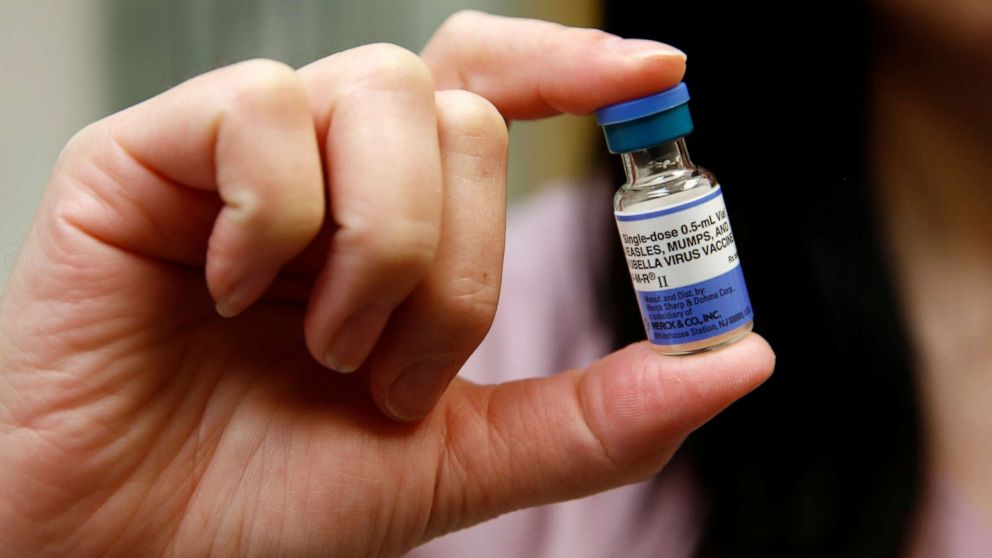
Measles is back…and our experts want people to leave the facts about vaccinations to the experts
Last week, America hit a record. Confirmed cases of measles eclipsed 700 cases. The disease that was once considered eradicated is now back and it has public health officials concerned. Dr. Todd Reinhart is the Dean of Sciences and Health Professions at Saint Mary’s University of Minnesota, and he has more than two decades of experience in infectious disease research. He’s a strong proponent of vaccinations and weighed in with his thoughts and perspective. “I’m not shocked,” says Reinhart. “I know there’s been a strong anti-vaccination movement and there’s a lot of misinformation out there.” He believes social media has been largely responsible for this movement to not vaccinate. The publication of the “Wakefield” paper, which suggested that the measles-mumps-rubella (MMR) vaccine might be linked to autism — even though retracted — got a lot of attention. However, that research that vaccinations cause autism has been debunked and even most recently there’s a study out of Denmark that covered 5,000,000 person years and there was no association with immunization and developing autism. Reinhart wants the public to look at the bigger picture and consequences. “It’s important to protect that child but also the broader society. Vaccines have been the strongest public health success story over the last few centuries. Measles is one of the most highly contagious viruses that we know. The odds of your getting it, if you’re exposed to it and you haven’t been immunized, is 90 percent. Part of the concern is for infants who aren’t immunized, the elderly because their immune systems are weaker, and those who are immunocompromised.” But there is also the matter of rights to be considered and that is playing a big part in all of this. “The problem is that individuals’ rights intersect with medicine, public health practice, and collective rights. If my infant, who couldn’t be immunized, contracts it through a carrier who could have been immunized, who has the higher ground because of rights? The problem is that even with clear data and clear information, people have been allowed the right, for the most part, to make the decisions they want,” Reinhart reiterates. If you are looking for answers and facts when it comes to vaccinations – it’s best to visit credible sources like the Centers for Disease Control and Prevention or local public health websites. If you need to speak with an expert about this topic for your news coverage – let us help. Dr. Todd Reinhart is Dean of Sciences and Health Professions, Professor, Biology and Health Professions at Saint Mary’s University of Minnesota. He has a degree in cancer biology from Harvard University’s School of Public Health and is an expert in the areas of infectious diseases. Simply click on his icon to arrange an interview.


The Storm After the Storm: Scam Contractors Who Prey on Those Suffering After a Natural Disaster
‘The key is to get a lawyer to look at the contract before you sign it,’ Baylor legal expert says WACO, Texas (Oct. 11, 2018) – Following a natural disaster or strong storm like Hurricane Michael, there is usually a second wave of potential destruction – scam artists looking to line their pockets. “After any major weather-related incident, insurance adjusters and contractors swarm the affected area and, unfortunately, some are looking to take advantage of those in distress,” said Stephen Rispoli, L.L.M, J.D., assistant dean of student affairs and pro bono programs at Baylor Law School. As an attorney, he works with victims of insurance scams. Rispoli said most contractors are legitimate businesspeople helping neighbors rebuild. But there are the unscrupulous ones whose practices inflict financial and emotional pain on people already suffering from storm damage. “The primary result of these scams is financial loss,” Rispoli said. “The homeowners may pay much, much more than they should have to fix the damage, sometimes having to pay multiple contractors for the same work. Sadly, in some cases, homeowners could even lose their homes.” In this Q&A, Rispoli shares some tips to help those reeling from storm damage identify and avoid scammers. Q: Who are the most common victims? A: The most common targets are those in distress following a major storm, the elderly and the disabled. Q: How will scam artists approach a potential victim? A: Usually, contractors will approach homeowners they know have been affected. This happens as simply as the contractor driving through neighborhoods looking for damaged homes. Let’s say, for example, they see a damaged roof with a homeowner standing outside looking at it. They’ll quickly pull over and offer to tarp the roof to prevent damage. The homeowner, already distressed by the storm and the damage to the house, agrees. Once the tarp is on, the contractor then starts asking questions about insurance coverage, which insurance company has insured the house, and helpfully offering his or her opinion on how much it will cost to fix the damage. Unscrupulous contractors will try to take advantage of this situation by pressing the homeowner to sign a contract with them. I have even seen cases where the contractor left all the blanks in the form contract unfilled, including the work to be done and the price, saying things like, “Don’t worry about that, we’ll talk to your insurance company and get it all taken care of, just sign it.” Once the unscrupulous contractor has a signed contract, they can fill in the blanks at their leisure. At this point, they are in total control – they know how much the insurance company will pay, and they can try to squeeze the homeowner for more money by charging too much or with add-ons that may or may not be necessary. Q: What are some of the potential losses victims can suffer? A: Financially, victims could lose money by paying more – sometimes much more – than they should for repairs. Or, in extreme cases, they could even lose their homes. That could happen if the homeowner signs a contract with the contractor that contains a mechanic’s or materialman’s lien provision. Under these provisions, contractors can file a lien with the county for work done on the house to ensure payment. If the homeowner does not pay the contractor the amount owed under the contract, the contractor can seek to foreclose on the house to recover the amount owed. Q: What about dealing with the insurance company? A: It’s important that you cooperate with your insurance company and your adjustor. Call your insurance company as soon as you can. Waiting to file a claim may make the process take longer or complicate matters. You should be responsive to their requests, but don’t be afraid to ask questions if you have them. Be sure to take photographs of any damage or evidence of the storm if it’s safe to do so. After your initial conversation with your insurance company, the company will send an adjustor out and will give you a quote. However, after you’ve had two or three contractors come out and give you estimates, if the adjustor’s quote looks too low, don’t be afraid to ask for another adjustor to come out and give you a quote. You should feel comfortable with the process as you move forward. Q: Is it illegal or unethical for contractors to file liens? A: It is not necessarily unscrupulous for contractors to include a mechanic’s or materialman’s lien provision in the contract. Generally, creditors cannot foreclose on a person’s homestead in Texas. The purpose of a mechanic’s or materialman’s lien provision is to protect the contractor should the homeowner wrongfully refuse to pay for work done on a homestead. On large jobs where several thousands of dollars are at stake, the contractor may rightfully want to make sure that they can be paid for the job. Whether they are appropriate can only be decided on a case-by-case basis. Q: Are there red flags people should look for when presented with a contract? A: Do not sign a contract you are not comfortable with. There are several red flags to look for: pressure to sign a contract, giving you little time to think about it, refusing to let you take the contract to a lawyer, and asking to collect the money directly from the insurance company or pressuring you to give them the check from the insurance company. Q: How do people know if the repair costs presented to them are too high? A: Be sure to get written estimates from several (at least three) contractors. By getting three estimates, you’ll have a better idea of how much the repair should cost. Any estimates that are way lower or way higher than the others are good indications that something is off. If that happens, get another estimate from a different contractor. Do not be afraid to ask contractors to come give you an estimate. It is a normal part of their job, and good contractors will not mind taking the time to do it. Q: How do you know if a contractor is legitimate? A: Do your homework on the contractors. Ask for references and call them, and check with the Better Business Bureau. Be cautious when dealing with contractors who are not from your area, and extra cautious if they are not from Texas or will not provide local references. Q: Contractors often ask for upfront money, don’t they? A: Once the contract is signed and the work begins, be sure to control the money. The contractor will likely ask you to pay some of the contract up front so that they can begin to purchase materials and hire the crew to work on your repair. Try to pay as little as possible. You do not want to give them the bulk of the money up front, because then the incentive to get the job done quickly is diminished. After the job starts, ask the contractor to give you, in writing, progress reports when they ask for more money. Do not pay more than the progress report. Do not give the contractor the final payment until all the work is done. Q: If someone feels they’ve been taken advantage of, are there legal steps they can take? A: The key here is to get a lawyer to look at the contract before you sign it. Once the contract is signed, it will be difficult for a lawyer to undo the damage. If the contractor is trying to foreclose on the home using a mechanic’s or materialman’s lien, a lawyer may be able to save your home. There are several Texas Constitutional and statutory protections for homeowners. If the contractor did not strictly follow the steps necessary to properly attach a lien, a lawyer may be able to keep the foreclosure from happening. ABOUT BAYLOR UNIVERSITY Baylor University is a private Christian University and a nationally ranked research institution. The University provides a vibrant campus community for more than 17,000 students by blending interdisciplinary research with an international reputation for educational excellence and a faculty commitment to teaching and scholarship. Chartered in 1845 by the Republic of Texas through the efforts of Baptist pioneers, Baylor is the oldest continually operating University in Texas. Located in Waco, Baylor welcomes students from all 50 states and more than 80 countries to study a broad range of degrees among its 12 nationally recognized academic divisions. ABOUT BAYLOR LAW SCHOOL Established in 1857, Baylor Law was one of the first law schools in Texas and one of the first west of the Mississippi River. Today, the school has more than 7,400 living alumni. It is accredited by the American Bar Association and is a member of the Association of American Law Schools. Baylor Law has a record of producing outstanding lawyers, many of whom decide upon a career in public service. Baylor Law boasts two governors, members or former members of the U.S. House of Representatives and the U.S. Senate, two former directors of the FBI, U.S. ambassadors, federal judges, justices of the Texas Supreme Court and members of the Texas Legislature among its notable alumni. In its law specialties rankings, U.S. News & World Report ranked Baylor Law’s trial advocacy program as one of the top 5 in the nation. Baylor Law School also is ranked No. 50 in the magazine’s 2019 edition of “America’s Best Graduate Schools.” The National Jurist ranks Baylor Law as one of the “Best School for Practical Training” and No. 4 in the nation in its most recent “Best Law School Facilities” listing. The Business Insider places Baylor Law among the top 50 law schools in the nation. Baylor Law School received the 2015 American Bar Association Pro Bono Publico Award, making it only the third law school in the nation to be honored with the award since the award’s inception in 1984. Learn more at baylor.edu/law.

Just how vulnerable are older Americans to getting hooked on opioids?
It’s a problem that most don’t commonly associate with seniors, retirees and older adults – being hooked on opioids. But it is a problem in America and it’s growing at a frightening pace. According the article attached: ‘Researchers involved with the University of Michigan’s National Poll on Healthy Aging polled a nationally representative sample of 2,000 Americans, aged 50 to 80, about what their health-care providers talked about when prescribing opioid medication to them. In the past two years, 589 said they filled an opioid prescription. This group knew how often to take the medication, but the majority didn’t recall their doctors or pharmacists talking about the risk of addiction, the risk of overdose, or what to do with leftover pills. About 40 percent said their doctors didn’t talk to them about the side effects of opioid use or guide them on when to cut back on pain medications.’ That is a staggering and scary scenario? But what can be done? Is it simply about better communication and information? Or do stronger restrictions and regulations need to be put in place to limit the opportunity for vulnerable seniors to become addicted? As America struggles to battle the opioid epidemic – are seniors another layer of addicts that could compound this situation? There are a lot of questions and that’s where the experts from can help. Dr. Marc Sweeney is the Founding Dean of the School of Pharmacy at Cedarville University and is an expert in the fields of drug abuse, prescription drug abuse and Opioid addiction. Marc is available to speak with media regarding this growing issue. Simply click on his icon to arrange an interview. Source:
