
Experts Matter. Find Yours.
Connect for media, speaking, professional opportunities & more.

ChristianaCare Expands Access to Physical Therapy With New In Home Collaboration With Luna
ChristianaCare is joining forces with Luna, the leading provider of in home, in person outpatient physical therapy, to expand access to care by bringing hands on physical therapy directly into patients’ homes. The new service, ChristianaCare Physical Therapy At Home, Powered by Luna, will begin taking appointments in June. The collaboration is designed to reduce barriers to care, support strong recovery outcomes and give patients a convenient way to begin physical therapy. Care Delivered Where Patients Need It Most Unlike remote or virtual therapy, the service will provide one on one, hands on care delivered by licensed physical therapists in the convenience of a patient’s home or office. Through Luna’s platform, patients can request care and are matched with a licensed physical therapist who delivers 45 to 55 minute in home sessions and continues in person care throughout the patient’s treatment plan. “Our collaboration with Luna reflects a simple belief: if we can safely deliver high quality care in the home, we should make that option available,” said Jennifer Thomas, MBA, MS, vice president, Rehabilitation Services at ChristianaCare. “By meeting patients where they are, we remove common barriers to care and help people stay engaged in their recovery, regain independence and remain connected to daily life.” Designed to Help More Patients Get Started Too many people who are referred to physical therapy never take the first step. Research on patients referred to physical therapy has found that only about 50% to 76% attend an initial appointment. Travel challenges, scheduling conflicts and difficulty accessing care can all get in the way. ChristianaCare Physical Therapy At Home, Powered by Luna, is designed to make it easier for patients to begin care without delay by bringing licensed physical therapists directly to them and offering scheduling that fits into daily life. “Our focus is on timely access and helping patients get started,” Thomas said. “When care is easier to access and fits into a person’s routine, it is much more likely they will begin treatment. From there, our care teams support patients through a plan that is tailored to their needs and focused on meaningful recovery.” Different From Home Health Care ChristianaCare Physical Therapy At Home, Powered by Luna, follows an outpatient care model, not home health care. Patients do not need to be homebound to receive services. The program focuses on improving strength, balance and movement and is typically covered under Medicare Part B. This differs from home health care, which serves homebound patients who need short term medical services and is usually covered under Medicare Part A. ChristianaCare Physical Therapy At Home, Powered by Luna, can address many of the conditions commonly treated by ChristianaCare Rehabilitation Services, including orthopedic and sports injuries, post surgical rehabilitation, geriatric care, vestibular therapy, women’s health and lymphedema. Experienced Partner With Broad Clinical Expertise Luna has extensive experience delivering in home outpatient physical therapy and partners with health systems nationwide. “We are proud to work with ChristianaCare to expand access to high quality physical therapy in the home,” said Lily Beltran, co-founder and President at Luna. “Our shared focus is on removing barriers to care and delivering consistent, hands on therapy that helps patients recover, stay engaged and achieve their goals.” The service is covered by most major insurance plans, including Medicare, with the same co pay as facility based physical therapy. Patients can request in home care by calling ChristianaCare Rehab Services’ access center at 302-623-1500. ChristianaCare Physical Therapy At Home, Powered by Luna is a service offering of ChristianaCare Rehabilitation Services, which provides comprehensive, patient centered rehabilitation care across a wide range of settings, including outpatient clinics, inpatient facilities, community locations and now in the home.


National Cancer Research Month: Baylor Researchers at Forefront of New Discoveries
May is National Cancer Research Month, which highlights the importance of lifesaving research to the millions of people around the world affected by cancer. Thanks to spectacular advances made by cancer researchers, approximately 18.6 million people in the United States and millions more worldwide are living with, through and beyond their disease. Over the past year, Baylor University Media and Public Relations has reported on Baylor research at the forefront of discovering novel approaches to effective cancer therapies. University researchers are using tumor starvation techniques, natural products, phages, modified bacteria, precision nutrition and more in their trailblazing work on some of the most aggressive cancers, including kidney, pancreatic, oral, colorectal and breast cancers. In a recent article published by the University, it featured the hard work and research of eight Baylor experts driving those discoveries forward: • Kevin G. Pinney is developing a next-generation treatment for kidney cancer that targets the blood vessels feeding tumors. His research focuses on specialized drug conjugates designed to cut off oxygen and nutrients to renal cell carcinoma tumors — essentially starving cancer cells to death. • Daniel Romo is accelerating new therapies for pancreatic cancer using compounds derived from marine natural products. His work on a simplified version of pateamine A could offer a new therapeutic pathway for pancreatic ductal adenocarcinoma, one of the most aggressive and difficult-to-treat cancers. • Joseph Taube is investigating how breast cancers spread and resist treatment. His recent work examines whether a natural compound called Ophiobolin A can trigger inflammatory forms of cancer cell death that may work alongside immunotherapy — particularly in treatment-resistant triple-negative breast cancers. • Leigh Greathouse is combining cancer biology, nutrition science, and AI to personalize cancer prevention and treatment strategies. Her research explores how diet and the gut microbiome influence cancer outcomes and survivorship. • Michael S. VanNieuwenhze is leading groundbreaking colorectal cancer research using modified bacteria to deliver cancer-killing proteins directly into tumor cells. His team is engineering Listeria monocytogenes as a targeted therapeutic delivery system. • Aaron Wright is helping lead a major ARPA-H initiative exploring the use of bacteriophages — viruses that attack bacteria — to reshape the human microbiome and improve health. The project could eventually help prevent diseases linked to oral and colorectal cancers through low-cost phage-based treatments. • Savannah Rauschendorfer is researching how exercise interventions may reduce the harmful cardiac side effects of chemotherapy in adolescent and young adult cancer patients. Her work aims to identify patients at risk of cardiotoxicity earlier and improve long-term survivorship outcomes. • Jonathan Kelber studies the cellular and molecular mechanisms behind aggressive breast and pancreatic cancers. Through his Developmental Oncogene Laboratory, Kelber investigates how cancer cells evolve during tumor progression and tissue regeneration. Together, these researchers showcase how cancer science is rapidly evolving beyond traditional treatments – integrating biology, chemistry, nutrition, exercise science, microbiome research, and artificial intelligence in the search for more effective and personalized therapies.


How Worried Should We Be About Hantavirus?
An outbreak of an uncommon but not unheard-of illness is responsible for the deaths of at least three people who were on an international cruise ship. With the rest of the passengers and crew under observation in their home countries — including 18 Americans who went to a quarantine facility at the University of Nebraska — how worried do we need to be about hantavirus? Dr. David Banach, UConn Health infectious diseases physician and hospital epidemiologist, joins Dr. Anthony Alessi to explain what we’re dealing with, the public health implications, and how, unlike COVID, the medical community at least has some history with this virus. You can check out the podcast here: It doesn’t spread in the same way that COVID does, in the sense that there’s no established sort of asymptomatic or pre-symptomatic spread. — Dr. David Banach Dr. Banach explains that hantavirus is a rare but serious virus carried primarily by rodents and spread through exposure to rodent waste or contaminated environments. While most cases are isolated, clusters can occasionally occur. The discussion compares hantavirus to COVID-19, with Dr. Banach emphasizing that hantavirus spreads much less easily between humans and is therefore less likely to become a global pandemic. However, it can cause severe cardiopulmonary illness with a significantly higher mortality rate than COVID. There is currently no vaccine or specific antiviral treatment, meaning care is largely supportive for patients who become critically ill. Dr. Banach also addresses public anxiety and misinformation surrounding the outbreak, encouraging people to rely on trusted organizations such as the World Health Organization and the Centers for Disease Control and Prevention for accurate information. He notes that public health officials continue to closely monitor the situation, but at this stage the overall risk to the general public remains low. Interested in learning more? Simply click on Dr. Banach's icon to arrange a time to talk today.



ExpertSpotlight - Ebola: What It Is, How It Spreads, and Whether the Public Should Be Concerned
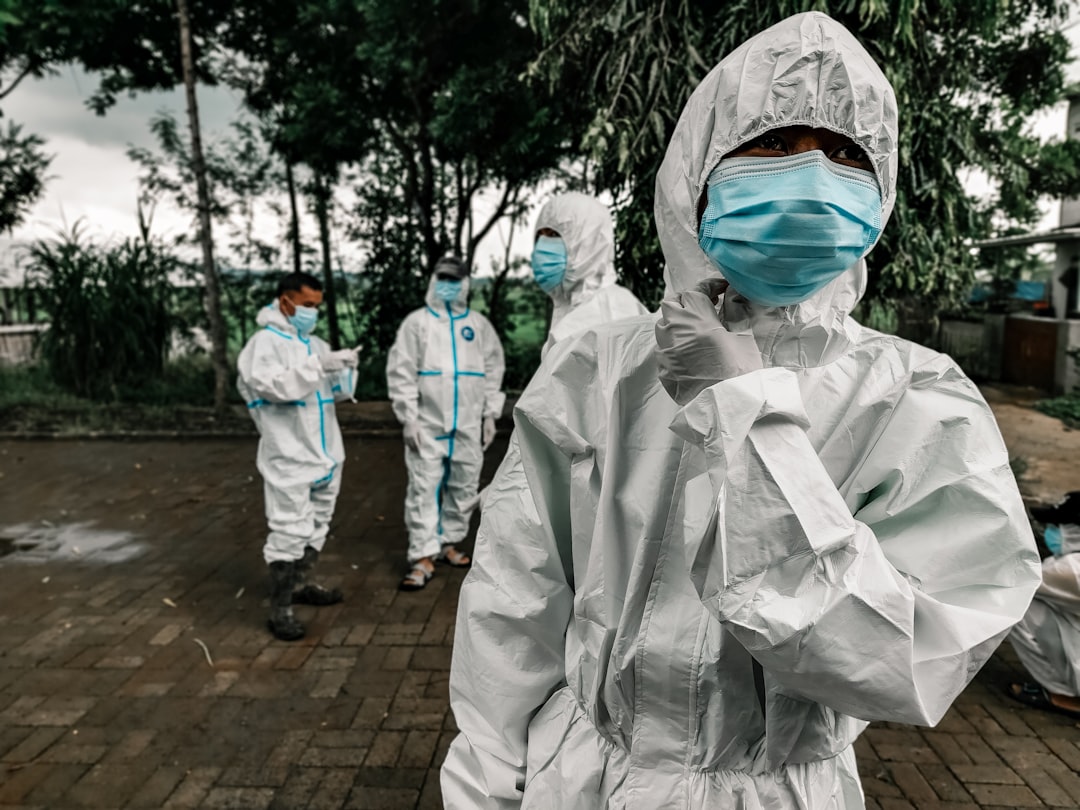
Few diseases in modern history have generated the level of fear associated with Ebola. With graphic symptoms, high mortality rates, and images of overwhelmed treatment centres etched into public memory, Ebola became synonymous with the dangers of global outbreaks long before COVID-19 reshaped how the world thinks about pandemics. But what exactly is Ebola? Where did it come from? How dangerous is it today? And should the public still be worried? A Deadly Virus with a Modern Legacy Ebola virus disease was first identified in 1976 during simultaneous outbreaks in what is now the Democratic Republic of the Congo and South Sudan. The virus was named after the nearby Ebola River, and from the beginning it proved exceptionally dangerous, capable of causing severe hemorrhagic fever with fatality rates that have ranged from 25 to 90 percent depending on the outbreak and available medical care. For decades, Ebola outbreaks were typically isolated to remote regions of Central and West Africa. That changed dramatically in 2014 when the largest Ebola outbreak in recorded history spread through Guinea, Liberia, and Sierra Leone, infecting more than 28,000 people and killing over 11,000. The crisis exposed major weaknesses in global health preparedness and demonstrated how quickly infectious diseases can overwhelm healthcare systems and destabilize economies and communities. The outbreak also fundamentally changed international public health policy. Governments, hospitals, and health organizations around the world began investing more heavily in infectious disease surveillance, emergency response planning, quarantine procedures, and vaccine development. What Ebola Actually Does to the Body Ebola begins much like many common viral illnesses, which can make early detection difficult. Initial symptoms often include: Sudden fever Severe fatigue Muscle pain Headache Sore throat As the disease progresses, patients may develop: Vomiting and diarrhea Rash Liver and kidney impairment Internal and external bleeding Multi-organ failure The virus attacks the immune system and damages blood vessels and organs, often leading to shock and death in severe cases. Patients who survive can still face long-term complications including joint pain, neurological problems, eye disorders, and ongoing fatigue months or even years later. How Ebola Spreads - And How It Does Not One of the most important public health facts about Ebola is that it does not spread through the air like influenza or COVID-19. Transmission occurs through direct contact with: Blood or bodily fluids of infected individuals Contaminated needles or medical equipment Infected animals Surfaces contaminated with infectious fluids This means Ebola is highly contagious in healthcare settings and among close family caregivers without proper protective equipment, but far less transmissible in casual public settings than many people assume. Funeral practices involving direct contact with deceased individuals have also historically contributed to outbreaks in some regions, making culturally sensitive public health education critically important during containment efforts. Treatments and Vaccines Have Changed the Outlook For years, Ebola was viewed almost as a death sentence. That perception has begun to change. Major advances in medicine and outbreak response have significantly improved survival rates, including: Rapid testing and surveillance systems Specialized isolation units Improved supportive care and hydration Monoclonal antibody treatments Effective vaccines for certain Ebola strains The development of the rVSV-ZEBOV vaccine represented a major breakthrough and has helped contain several recent outbreaks before they expanded into international crises. Global health organizations are now far better equipped to identify and isolate cases quickly compared to the early years of Ebola response. Should the Public Be Worried? Ebola remains a serious and deadly disease, but experts generally emphasize that widespread public panic is not warranted. Most outbreaks remain geographically limited and are aggressively monitored by national governments, the World Health Organization, and international health agencies. Countries with advanced healthcare systems also have far stronger infection prevention and containment capabilities than existed during earlier outbreaks. Still, Ebola continues to command attention because it highlights how interconnected global health has become. International travel, fragile healthcare systems, political instability, climate pressures, and human interaction with wildlife all increase the risk of future outbreaks of emerging infectious diseases. In many ways, Ebola serves as both a warning and a lesson: deadly viruses can emerge unexpectedly, but rapid science, coordinated public health measures, and global cooperation can dramatically reduce their impact. The world’s experience with Ebola helped shape many of the outbreak response systems now used to confront emerging diseases today, and public health experts continue to view it as one of the clearest examples of why pandemic preparedness remains essential. Connect with an expert:

Major trial shows increasing bone density fails to cut fracture risk in brittle bone disease
An international clinical trial involving Aston University researchers has challenged long held assumptions about how brittle bone disease is treated in adults, after finding that substantially increasing bone density did not reduce the risk of fractures. The study, published in the Journal of the American Medical Association (JAMA), examined whether a two stage treatment using the bone building drug teriparatide followed by the bone preserving drug zoledronic acid could reduce fractures in adults with osteogenesis imperfecta, often referred to as brittle bone disease, a rare genetic condition that causes bones to break easily throughout life. Researchers followed 349 adults treated at 27 specialist centres across the UK and Europe. While the treatment led to clear increases in bone density in the spine and hip, fracture rates were no lower than among patients receiving standard care, suggesting that bone quality may matter more than bone density alone in preventing fractures in people with the condition. The findings underline a key distinction between brittle bone disease and more common bone conditions such as osteoporosis, where increasing bone density is known to reduce fracture risk. In osteogenesis imperfecta, the study suggests that bones can become denser without becoming less likely to break, indicating that the underlying quality and structure of bone tissue may play a greater role in fracture risk than density alone. Dr Zaki Hassan Smith, an endocrinologist at Aston Medical School who contributed to the research, said: “This study shows that in osteogenesis imperfecta, simply increasing bone density doesn’t necessarily translate into fewer fractures. That’s important, because it tells us that the disease is more complex than what we see on a scan. The findings help shift the focus towards understanding bone quality and how bones behave in real life, which is essential if we are to develop more effective treatments that genuinely reduce harm for patients.” Osteogenesis imperfecta is a genetic condition that affects collagen, leaving bones fragile and prone to fracture throughout life. There is currently no licensed treatment specifically approved to prevent fractures in adults with the condition, and patients often experience repeated fractures, chronic pain and long term disability. The trial tested a sequential treatment strategy commonly used in osteoporosis, where a bone building drug is followed by a treatment designed to preserve gains in bone strength. Although this approach successfully increased bone density in people with osteogenesis imperfecta, it did not reduce fracture rates, suggesting that treatment strategies effective in osteoporosis may not directly translate to rare bone diseases. Researchers did observe improvements in some quality of life measures among participants receiving the treatment, including reduced pain interference and improved mobility. However, fracture prevention remained unchanged, reinforcing the need for new approaches that target the fundamental properties of bone in osteogenesis imperfecta rather than density alone. The study was led by the University of Edinburgh and funded by the Medical Research Council and the National Institute for Health and Care Research. Aston University contributed clinical and academic expertise through Aston Medical School as part of the large international collaboration, which involved specialist centres across the UK and Europe. The study was led by the University of Edinburgh, with Aston University contributing clinical and academic expertise as part of a wider international collaboration involving multiple specialist centres across the UK and Europe. The research was funded by the Medical Research Council and the National Institute for Health and Care Research. Researchers say the findings provide important guidance for future research, helping to steer efforts towards treatments that focus on bone quality, strength and resilience in everyday life. They also highlight the value of large scale clinical trials in rare diseases, where learning what does not reduce harm is an essential step towards better care. The paper, Teriparatide Plus Zoledronic Acid for Osteogenesis Imperfecta, is published in JAMA. https://doi.org/10.1001/jama.2026.6889


UD experts break down the 2026 World Cup
As the world gears up for the 2026 FIFA World Cup, experts from the University of Delaware are available to provide timely insight on the science, business, and human impact behind the global tournament. Player Safety, Concussions and the Future of the Game Tom Kaminski, professor of kinesiology and applied physiology, is a leading authority on player safety and head injuries. As the sole U.S. representative on FIFA’s Heading Expert Group, Kaminski is helping shape international guidelines around heading in soccer—particularly for youth athletes. He can speak to concussion risks, prevention strategies, and how evolving safety standards are influencing the modern game. Joining him is Tom Buckley, who also specializes in concussion research and athlete health, offering additional perspective on injury trends and recovery in elite competition. The Business of the World Cup: Tourism and Global Impact Matt Robinson from UD’s Lerner College of Business and Economics explores how mega-events like the World Cup drive tourism, economic growth, and global connection. Robinson can discuss how host cities benefit, the long-term economic ripple effects, and how sports act as a powerful unifier across cultures. Youth, Development and the Next Generation of Fans Sara Goldstein brings expertise in adolescent development, offering insight into how traditions with family shape youth identity, social development, and engagement with physical activity. Her perspective is especially relevant for younger audiences experiencing the World Cup through schools and community programs, including UD’s Lab School initiatives. Inside the Game: Sports Analytics in Action With the rise of data-driven performance, UD’s new Sports Performance Analytics major is preparing students to analyze gameplay at the highest level. Martin Heintzelman, department chair, can connect media with program leaders and practitioners including Jack Davis and Christina Rasnake, who are helping students apply real-time analytics to global competitions like the World Cup. The Science Beneath the Game: Playing Surfaces World Cup matches are required to be played on natural grass—a costly and complex requirement, especially for indoor stadiums. Erik Ervin can discuss how turfgrass systems have evolved, the science behind maintaining elite playing surfaces, and the massive investment required to meet international standards. Why Watching Together Matters Amit Kumar studies the psychology of happiness and shared experiences. He can speak to why gathering to watch World Cup matches—whether in stadiums, bars, or living rooms—boosts well-being and strengthens social bonds, making the tournament as meaningful off the field as it is on it. Connect with UD experts to explore every angle of the 2026 World Cup – from the pitch to the people. Email mediarelations@udel.edu to connect with these experts.





NUMC temporarily pauses most services for pregnant women
Martine Hackett, associate professor of population health and chair, spoke with Newsday about how the abrupt decision to pause services at NUMC will affect women already receiving services there. She highlights the stress and uncertainty this creates for expectant mothers trying to plan for delivery.


The Biggest Study Yet on School Cellphone Bans Shows Results Aren’t So Simple
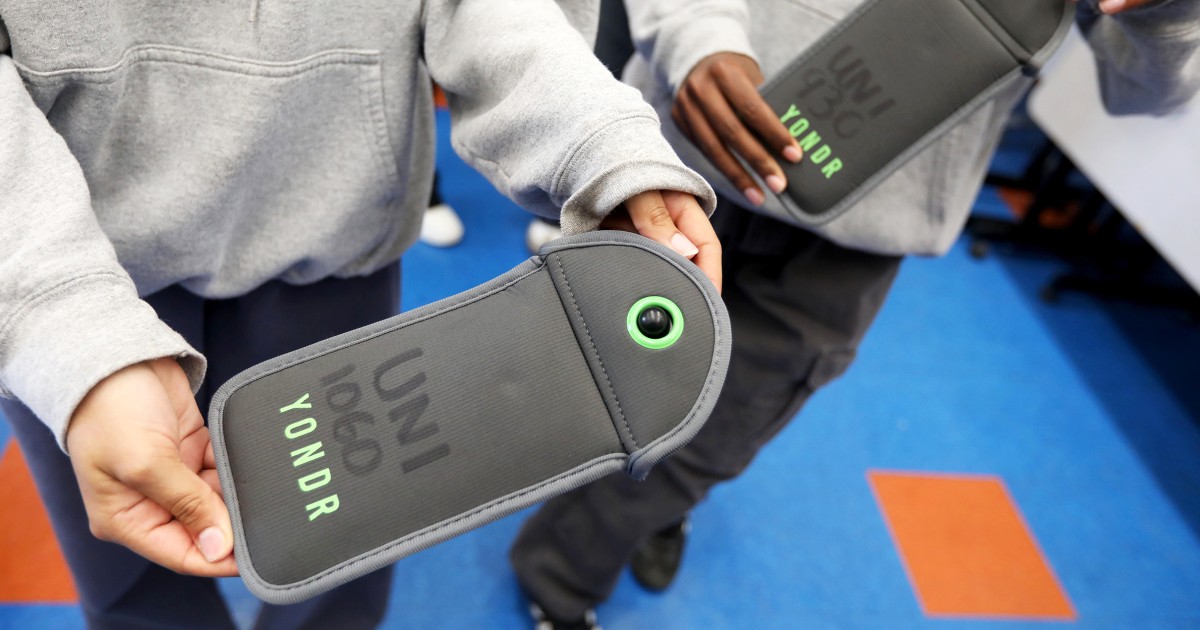
As more schools move to restrict or completely ban smartphones in classrooms, the largest study ever conducted on school cellphone bans is challenging assumptions about what these policies actually achieve. The new U.S. study, involving roughly 4,600 schools and researchers from institutions including Stanford, Duke, the University of Michigan, and the University of Pennsylvania, found that strict cellphone bans dramatically reduced phone use during the school day. In some schools, classroom phone use dropped from 61 percent to just 13 percent. It's a popular topic and media coverage of the results has been extensive. But the findings became more complicated from there. Researchers found little immediate evidence that phone bans significantly improved test scores, attendance, classroom attention, or bullying rates. Some schools even saw short-term increases in student discipline issues and declines in student well-being immediately after bans were introduced. Still, the study suggested that longer-term outcomes may improve as students adjust and schools refine enforcement strategies. Teachers consistently reported fewer classroom distractions and stronger learning environments. Mizuko Ito is a cultural anthropologist of technology use, focusing on children and youth's changing relationships to media and communications. She recently completed a research project supported by the MacArthur Foundation a three year ethnographic study of kid-initiated and peer-based forms of engagement with new media. View her profile The findings arrive as governments across North America continue expanding school cellphone restrictions amid growing concerns about distraction, screen addiction, anxiety, and the impact of social media on youth mental health. The study highlights a growing debate among educators, parents, and researchers: while limiting phone access may reduce distractions, the relationship between young people, technology, mental health, and learning is far more complex than simply removing devices from classrooms.



Hantavirus cruise ship outbreak: Epidemiologist discusses causes and challenges
A deadly outbreak of hantavirus on a cruise ship currently stuck off Cape Verde, Africa, has put the virus on the national radar for the first time since 1993. University of Delaware epidemiologist Jennifer Horney can talk about the potential for a larger outbreak and the challenges associated with responding to the emergency. There have been nearly 1,000 cases of hantavirus in the U.S. since surveillance began in 1993. That year, an outbreak of the severe respiratory disease in the four corners area of the U.S. Southwest was linked to domestic exposure to rodents, Horney said. Horney can discuss the following points in reference to the Dutch vessel M/V Hondius, which has seen three people die since departing from Argentina on April 1. • The response to this global public health emergency will be challenging given the cuts to U.S. public health and extensive leadership turnover at the Centers for Disease Control and Prevention. • Climate change and global transit likely contributed to the new cases, as rodent populations thrive during certain weather conditions. • When humans inhale rodent feces, urine or saliva, often when dust is aerosolized through cleaning, they can become infected. While symptoms may develop up to two months after exposure, the disease has a mortality rate of up to 50%. To reach Horney directly and arrange an interview, visit her profile and click on the "contact" button. Interested media can also send an email to MediaRelations@udel.edu.


Levy on Bipartisan Success to Protect the WTC Health Program; DiNapoli’s Primary Opponents
Lawrence Levy, associate vice president and executive dean of the National Center for Suburban Studies, talked to Newsday about successful bipartisan efforts to protect the World Trade Center Health Program from attempts by the White House to reduce the federal workforce. Levy explained to Newsday that advocates and New York lawmakers from both sides of the aisle have found success protecting the program from cuts this past year underscored “the power to get things done, not only when Republicans and Democrats come together, but through urban-suburban coalitions.” Levy also spoke to Newsday about New York State Comptroller Tom DiNapoli facing several primary opponents this year. Levy said that DiNapoli is seen as an establishment figure within the Democratic Party who is more cautious than the progressive wing would like. He also has deep ties to the state’s politically powerful unions. “In a close race, he’s going to count on them to get out the vote,” Levy said.
