
Experts Matter. Find Yours.
Connect for media, speaking, professional opportunities & more.

Fast-striking and unpredictable, tornadoes pose major challenges for emergency planners
At least 20 U.S. states have been hit with tornadoes – some of them deadly – over the past week. Experts from the University of Delaware's Disaster Research Center can speak to the difficulty of drawing up plans in advance of tornadoes, which can develop quickly and unexpectedly, as well as a variety of topics related to storm preparedness, evacuations and recovery. Those experts include: Jennifer Horney: Environmental impacts of disasters and potential public health impacts for chronic and infectious diseases. Horney, who co-authored a paper on the increase in tornado outbreaks, can talk about how impacts on the morbidity and mortality that result from tornadoes. Tricia Wachtendorf: Evacuation decision-making, disaster response and coordination, disaster relief (donations) and logistics, volunteer and emergent efforts, social vulnerability. James Kendra: Disaster response, nursing homes and hospitals, volunteers, response coordination. Jennifer Trivedi: Challenges for people with disabilities during disaster, cultural issues and long-term recovery. Sarah DeYoung: Pets in emergencies, infant feeding in disasters and decision-making in evacuation. A.R. Siders: Expert on sea level rise and managed retreat – the concept of planned community movement away from flood-prone areas. To reach these experts directly, visit their profile and click on the contact button.





When an invitation to sit on the Georgia Governor’s Council of Economic Advisers arrived in an informal email from a colleague, Michael Toma, Ph.D., welcomed the chance to share his ongoing research on the economic health of southeastern Georgia with Gov. Brian Kemp, the Georgia House of Representatives and Senate leadership and their constituents. However, when he joined a small group of colleagues from around the state in a legislative office near the capitol in Atlanta late last year, the opportunity felt far from casual. “It does seem like it’s an honor because I looked around the table and there were only 10 or so of us from the entire state of Georgia,” said Toma, the Fuller E. Callaway professor of economics in Georgia Southern University’s Parker College of Business. “It’s nice to be invited to join this council informing the executive and legislative branches of government about economic conditions in the state of Georgia. I know the southeastern part of the state, so it’s nice to be recognized and be invited to speak about this region to a state-level audience.” The Governor’s Council of Economic Advisers is a select group of mostly higher education economists from various University System of Georgia institutions, in addition to the chief economist from Georgia Power, who meet annually. Toma, who specializes in macroeconomics and regional economics, is well known for his expertise throughout Savannah and the surrounding region. Since 2000, he has written and distributed The Economic Monitor, a quarterly publication housed within Georgia Southern’s Economics Department and Center for Business Analytics and Economic Research. The economic analysis offers a snapshot of the Savannah Metropolitan Statistical Area economy, including Bryan, Chatham and Effingham counties, and informs business owners across the Coastal Empire. He also regularly speaks to chambers of commerce and business groups in the region. In the governor’s council meeting, which was televised to state legislators, the economists took turns speaking about their respective areas of expertise to Gov. Kemp as part of an educational process and annual update for the executive and legislative branches. “The academics from the different institutions discussed economic conditions in their regions of the state,” Toma said. “I highlighted the activity here in Savannah, the growing manufacturing base and the wages associated with the Hyundai plant being injected into the regional economy, and the build-out of the supply chain for the Hyundai plant. “I discussed manufacturing development in the context of broader economic growth within the region that’s layered on top of our normal growth pattern, and that the economic development initiative is starting to pay the dividends it was anticipated to pay.” Following each individual presentation, the governor held an open forum for all in attendance to speak more fluidly with the group. “He had questions for the panel in general about small business activity,” stated Toma. “So I was able to characterize the ecosystem for small businesses in Chatham County. “He said that was a great report.” Toma holds a Ph.D. in economics from George Mason University. He joined Georgia Southern on the Armstrong Campus in Savannah in 1997. If you're interested in learning more about this topic and want to book time to talk or interview with Michael Toma then let us help - simply click on his icon now or contact Georgia Southern's Director of Communications Jennifer Wise at jwise@georgiasouthern.edu to arrange an interview today.
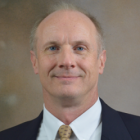


University-wide mental health services strengthened by Georgia Southern’s JED Campus initiative
As a result of Georgia Southern’s commitment to increasing student awareness and access to mental health resources, the University has recently been named a full JED Campus (JED) Member university. Georgia Southern recently completed a four-year partnership with JED, a national collegiate mental health program that guides colleges through a collaborative process of building comprehensive systems, programs and policy development with customized support to build upon existing student mental health, substance use and suicide prevention efforts. Along with the JED efforts, Georgia Southern has significantly increased student awareness and access to mental health resources. A recent report shows that 83% of Georgia Southern University students agree that the administration is listening to the concerns of students around health and wellness. This is a 15% increase since 2020. In 2020, the University System of Georgia launched several system-wide initiatives and resources to increase the mental health awareness and resources for all of its institutions. One of these initiatives was to fund the enrollment of all institutions in the JED Campus program. This included the creation of a JED campus team, an initial campus mental health climate study conducted by the Healthy Minds Institute on behalf of JED, the completion of a Georgia Southern self-study, a campus site visit by JED and the development and completion of a four-year strategic plan. “Engaging in the four-year JED Campus process has enabled Georgia Southern to strengthen and expand its university-wide commitment to the mental health of our students, faculty and staff,” said Jodi K. Caldwell, Ph.D., Counseling Center executive director & JED Campus team lead. “The JED team remains committed to growing Georgia Southern’s efforts in providing awareness, education, resources and support for the well-being of our community. We are grateful to the University System of Georgia, whose support funded this opportunity for all USG institutions and to the support of our Georgia Southern administration.” Recently, the University has increased awareness and resources through programs like the H.E.R.O. Folder. Students aware of mental health outreach efforts grew from 40% to 60%, and those knowing where to seek professional help increased from 78% to 84%, according to the JED feedback report. Additional findings can be found in the full report at the bottom of this article. Georgia Southern will now be considered an alumni of the program, and will continue several of the programs and initiatives launched with JED. If you're interested in learning more about Georgia Southern's partnership with JED and want to book time to talk or interview with Jodi Caldwell then let us help - simply click on her icon now contact Georgia Southern's Director of Communications Jennifer Wise at jwise@georgiasouthern.edu to arrange an interview today.

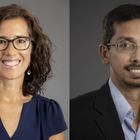
NASA Asks Researchers to Help Define Trustworthiness in Autonomous Systems
A Florida Tech-led group of researchers was selected to help NASA solve challenges in aviation through its prestigious University Leadership Initiative (ULI) program. Over the next three years, associate professor of computer science and software engineering Siddhartha Bhattacharyya and professor of aviation human factors Meredith Carroll will work to understand the vital role of trust in autonomy. Their project, “Trustworthy Resilient Autonomous Agents for Safe City Transportation in the Evolving New Decade” (TRANSCEND), aims to establish a common framework for engineers and human operators to determine the trustworthiness of machine-learning-enabled autonomous aviation safety systems. Autonomous systems are those that can perform independent tasks without requiring human control. The autonomy of these systems is expected to be enhanced with intelligence gained from machine learning. As a result, intelligence-based software is expected to be increasingly used in airplanes and drones. It may also be utilized in airports and to manage air traffic in the future. Learning-enabled autonomous technology can also act as contingency management when used in safety applications, proactively addressing potential disruptions and unexpected aviation events. TRANSCEND was one of three projects chosen for the latest ULI awards. The others hail from Embry-Riddle Aeronautical University in Daytona Beach – researching continuously updating, self-diagnostic vehicle health management to enhance the safety and reliability of Advanced Air Mobility vehicles – and University of Colorado Boulder – investigating tools for understanding and leveraging the complex communications environment of collaborative, autonomous airspace systems. Florida Tech’s team includes nine faculty members from five universities: Penn State; North Carolina A&T State University; University of Florida; Stanford University; Santa Fe College. It also involves the companies Collins Aerospace in Cedar Rapids, Iowa and ResilienX of Syracuse, New York. Carroll and Bhattacharyya will also involve students throughout the project. Human operators are an essential component of aviation technology – they monitor independent software systems and associated data and intervene when those systems fail. They may include flight crew members, air traffic controllers, maintenance personnel or safety staff monitoring overall system safety. A challenge in implementing independent software is that engineers and operators have different interpretations of what makes a system “trustworthy,” Carroll and Bhattacharyya explained. Engineers who develop autonomous software measure trustworthiness by the system’s ability to perform as designed. Human operators, however, trust and rely on systems to perform as they expect – they want to feel comfortable relying on a system to make an aeronautical decision in flight, such as how to avoid a traffic conflict or a weather event. Sometimes, that reliance won’t align with design specifications. Equally important, operators also need to trust that the software will alert them when it needs a human to take over. This may happen if the algorithm driving the software encounters a scenario it wasn’t trained for. “We are looking at how we can integrate trust from different communities – from human factors, from formal methods, from autonomy, from AI…” Bhattacharyya said. “How do we convey assumptions for trust, from design time to operation, as the intelligent systems are being deployed, so that we can trust them and know when they’re going to fail, especially those that are learning-enabled, meaning they adapt based on machine learning algorithms?” With Bhattacharyya leading the engineering side and Carroll leading the human factors side, the research group will begin bridging the trust gap by integrating theories, principles, methods, measures, visualizations, explainability and practices from different domains – this will build the TRANSCEND framework. Then, they’ll test the framework using a diverse range of tools, flight simulators and intelligent decision-making to demonstrate trustworthiness in practice. This and other data will help them develop a safety case toolkit of guidelines for development processes, recommendations and suggested safety measures for engineers to reference when designing “trustworthy,” learning-enabled autonomous systems. Ultimately, Bhattacharyya and Carroll hope their toolkit will lay the groundwork for a future learning-enabled autonomous systems certification process. “The goal is to combine all our research capabilities and pull together a unified story that outputs unified products to the industry,” Carroll said. “We want products for the industry to utilize when implementing learning-enabled autonomy for more effective safety management systems.” The researchers also plan to use this toolkit to teach future engineers about the nuances of trust in the products they develop. Once developed, they will hold outreach events, such as lectures and camps, for STEM-minded students in the community. If you're interested in connecting with Meredith Carroll or Siddhartha Bhattacharyya - simply click on the expert's profile or contact Adam Lowenstein, Director of Media Communications at Florida Institute of Technology at adam@fit.edu to arrange an interview today.


Most companies around the world have a leader, whether that title is a President, CEO, or Founder. There’s almost always someone at the very top of a corporate food chain, and from that position down, the company is structured hierarchically, with multiple levels of leadership supervising other employees. It’s a structure with which most people in the working world are familiar, and it dates back as long as one can remember. The word itself—leader—dates back to as far as the 12th Century and is derived from the Old English word “laedere,” or one who leads. But in 2001, a group of software engineers developed the Agile Workflow Methodology, a project development process that puts a priority on egalitarian teamwork and individual independence in searching for solutions. A number of businesses are trying to embrace a flatter internal structure, like the agile workflow. But is it necessarily the best way to develop business processes? That’s the question posed by researchers, including Goizueta Business School’s Özgecan Koçak, associate professor of organization and management, and fellow researchers Daniel A. Levinthal and Phanish Puranam in their recently published paper on organizational hierarchies. “Realistically, we don’t see a lot of non-hierarchical organizations,” says Koçak. “But there is actually a big push to have less hierarchy in organizations.” Part of it is due to the demotivating effects of working in authoritarian workplaces. People don’t necessarily like to have a boss. We place value in being more egalitarian, more participatory. Özgecan Koçak, Associate Professor of Organization & Management “So there is some push to try and design organizations with flatter hierarchies. That is specifically so in the context of knowledge-based work, and especially in the context of discovery and search.” Decoding Organizational Dynamics While the idea of an egalitarian workplace is attractive to many people, Koçak and her colleagues wanted to know if, or when, hierarchies were actually beneficial to the health of organizations. They developed a computational agent-based model, or simulation, to explore the relationships between structures of influence and organizational adaptation. The groups in the simulation mimicked real business team structures and consisted of two types of teams. In the first type, one agent had influence over the beliefs of rest of the team. For the second type, no one individual had any influence over the beliefs of the team. The hierarchical team vs. the flat structured team. “When you do simulations, you want to make sure that your findings are robust to those kinds of things like the scale of the group, or the how fast the agents are learning and so forth,” says Koçak. What’s innovative about this particular simulation is that all the agents are learning from their environment. They are learning through trial and error. They are trying out different alternatives and finding out their value. Özgecan Koçak Koçak is very clear that the hierarchies in the simulation are not exactly like hierarchies in a business organization. Every agent was purposefully made to be the same without any difference in wisdom or knowledge. “It’s really nothing like the kinds of hierarchies you would see in organizations where there is somebody who has a corner office, or somebody who is has a management title, or somebody’s making more than the others. In the simulation, it’s nothing to do with those distributional aspects or control, and nobody has the ability to control what others do in (the simulation). All control comes through influence of beliefs.” Speed vs. Optimal Solutions What they found in the simulation was that while both teams solved the same problems presented to them, they achieved different results at different speeds. We find that hierarchical teams don’t necessarily find the best solution, but they find the good enough solution in the shorter term. So if you are looking at the really long term, crowds do better. The crowds where individuals are all learning separately, they find the best solution in the long run, even though they are not learning from each other. Özgecan Koçak Özgecan Koçak (pronounced as ohz-gay-john ko-chuck) is associate professor of Organization & Management at Emory University’s Goizueta Business School. She holds a Ph.D. in organizational behavior from the Graduate School of Business at Stanford University. For example, teams of scientists looking for cures or innovative treatments for diseases work best with a flat structure. Each individual works on their own timeline, with their own search methodologies. The team only comes together for status updates or to discuss their projects without necessarily getting influence or direction from colleagues. The long-term success of the result is more important in some cases than the speed at which they arrive to their conclusion. That won’t work for an organization that answers to a board of directors or shareholders. Such parties want to see rapid results that will quickly impact the bottom line of the company. This is why the agile methodology is not beneficial to large-scale corporations. Koçak says, “When you try to think about an entire organization, not just teams, it gets more complicated. If you have many people in an organization, you can’t have everybody just be on the same team. And then you have to worry about how to coordinate the efforts of multiple teams. That’s the big question for scaling up agile. We know that the agile methodology works pretty well at the team level. However, when firms try to scale it up applied to the entire organization, then you have more coordination problems. Özgecan Koçak “You need some way to coordinate the efforts with multiple teams.” The Catch: Compensation Makes a Difference The simulation did not take into account one of the biggest parts of a corporate hierarchical structure—incentives and reward. The teams in the simulation received no monetary compensation for their leadership or influence. That is not something that happens in real life. Koçak says, “If you built up an organization with just influence, you just say we’re not going to have any authority, and we’re not going to give anybody the right to control anybody else’s actions. If we’re not going to be rewarding anyone more than the other, there’s not going to be any marks of status, etc. We’re just going to have some people influence others more. I would guess that would automatically lead to a prestige hierarchy right away. The person with more influence, you would start respecting more.” It’s almost like we’re incapable of working in a flat society, because somebody always wants to be or naturally becomes a leader and an influencer whether they planned on it or not. Özgecan Koçak The paper concludes that both methodologies, with either hierarchical and flat organization of teams, reach their goals. They just arrive at different times with different end results. If an organization has the luxury of time and money, a flat, agile methodology organization might be the right structure for that company. However, even agile workflow needs some coordination, according to Koçak. “There are also some search tasks that require coordination. You can’t always be searching on your own independently of others. There are some situations in which search needs to be done in a coordinated fashion by more than one person in teams. That’s because many of the knowledge-based settings where we do discovery require some division of labor, some specialization by expertise.” Communication is Key The key to any successful workflow, whether it be agile or hierarchical, is coordination and communication. Looking back to the example of scientific researchers, Koçak said, “You have scientific teams working independently of one another without a common boss dictating what they do research on or how they do it. Instead, they explore and experiment on their own. They write up their results, share their results, and learn from each other, because they are in the long-term game. The goal is to find the truth, however long it takes. “But when you look closely at a scientific team where everybody’s exploring, there is still some need for coordination. A lot of that happens through communication, and a lot of times projects will have a lead. Not necessarily somebody who knows better than the others, but somebody who’s going to help with coordination.” The leaner, flatter organizational structures in businesses might be gaining popularity. This simulation done by Koçak and colleagues, however, shows that it isn’t a perfect fit for every company, Further, some form of hierarchical workflow is necessary to maintain communication and coordination. Hierarchical structures don’t always find the best solution to a problem, but it’s almost always a good solution in a timelier fashion. Looking to know more? Özgecan Koçak is associate professor of Organization & Management at Emory University’s Goizueta Business School. She is available to speak with media about this topic - simply click on her icon now to arrange an interview today.



Rural health documentary earns Peabody Award for Georgia Southern professor
Georgia Southern University Professor Matthew Hashiguchi has won a Peabody Award for his documentary, “The Only Doctor,” which focuses on rural health and the services provided by a single doctor in southwest Georgia. The Peabody Awards are prestigious accolades in storytelling across television, radio, streaming and other digital mediums. Categories for winning a Peabody include journalism, social video, interactive documentary, gaming and more. The nearly hour-long feature received the award in the Public Service category, which recognizes projects that address or respond to public health concerns, enhance public engagement or educate the public. For Hashiguchi, the award represents a personal and career accolade. “This award isn’t just a professional achievement, but also represents a moment in my life where I became a father,” said Hashiguchi. “I started filming right before my first daughter was born, and finished right after the second. While this award is an incredible acknowledgment of my work, it means even more to me as a priceless moment from their childhood.” The documentary focuses on Karen Kinsell, M.D., the sole physician serving 3,000 citizens in Clay County, Georgia, near the Georgia-Alabama border. The film spotlights the plight of a community in need of medical assistance and the dedicated doctor fighting to keep her clinic’s doors open. Hashiguchi delves into Kinsell’s sacrifices for her clinic’s operations, revealing her commitment to her patients. “Dr. Kinsell gets calls at home at all hours of the day and night,” Hashiguchi said. “She, at times, has had to pay the bills from her own bank account. But I’d say the biggest sacrifice is that she’s a doctor who does not have breaks.” The final cut of “The Only Doctor” is a bit different from the angle Hashiguchi took when he began work on it several years ago. He initially started the project to better understand the risks associated with maternal health care and childbirth when he and his wife were expecting their first child. Through his work, he learned of a more complex issue of health care access in rural communities. The documentary first premiered on the PBS program Reel South and is now available internationally on Al Jazeera’s documentary series “Witness.” Hashigchi’s work earned him a 2019 Gucci Tribeca Documentary Fund award and a 2021 American Stories Documentary Fund award from Points North Institute. The film’s world premiere took place at the 2023 Hot Docs International Documentary Film Festival in Toronto, Canada, and was awarded Best Documentary Feature at the 2024 South Georgia Film Festival, Best Feature at the 2023 Newburyport Documentary Film Festival and Award of Merit at the 2023 University Film and Video Association Conference. His rise to media prominence wasn’t on his radar early in his academic career. He described himself as a “C student,” and still sees himself as that young boy struggling with math and science courses. With one of the nation’s highest media honors, he can show his students new paths to success as well as the skills it takes to win a Peabody. “I want my students to know how I failed and know that I struggled,” he said. “I tell them that if they want to excel, they really have to put in hard work. That’s very much who I am now as I devote myself to these films.” If you're interested in learning more and want to book time to talk or interview with Matthew Hashiguchi then let us help - simply contact Georgia Southern's Director of Communications Jennifer Wise at jwise@georgiasouthern.edu to arrange an interview today.

Aston University researcher to help uncover hidden impact of painkiller overuse among older people
The HOPE-AO project led by the University of Plymouth will look at the potential harms of overprescribed pain medication in older people in the UK Aston University’s Professor Ian Maidment will bring his expertise in pharmacy and work with patient groups on medicine optimisation The project has been funded by the National Institute for Health and Care Research (NIHR) A new study led by the University of Plymouth will explore chronic pain prescribing in older adults across the UK, with the aim of understanding whether current treatments and processes meet their needs. The HOPE-AO: Helping to Optimise Pain control in the Elderly experiencing Analgesic Overprescribing project is being supported by the National Institute for Health and Care Research (NIHR) and includes Aston University’s Professor Ian Maidment. It will investigate whether certain groups of the older population are more likely to have analgesic (pain relief) medication overprescribed to them, and any side effects or other harms these medications can pose if taken for long periods. It aims to identify alternative treatment solutions to reduce the use of unnecessary pain medicines, working with patients to develop a list of acceptable strategies that could be tested and implemented across the UK. Around 4m older people across the UK live with varying degrees of chronic pain as a result of conditions including arthritis, diabetes or frailty. While some people benefit from pain relief medicines, many end up receiving long-term repeated prescriptions – for medications ranging from paracetamol and ibuprofen to opioids and antidepressants – for weeks, months or years at a time. The project is being led by researchers from the University of Plymouth, working with colleagues at the University of Exeter, Aston University, University of Aberdeen and the North East London Foundation NHS Trust. It is funded by through a Programme Development Grant from the National Institute for Health and Care Research (NIHR). The project team comprises experts in the care of older people – including healthcare researchers, nurses, consultants, GPs, pharmacists and psychiatrists working across the UK – as well as medical statisticians and health economists. It also involves an advisory group of patients with lived experience of receiving repeat prescriptions for pain medication. During the project, the team will speak to patients aged 65 and over with a history of chronic pain for which they are taking, or have taken, medication and families who cared for and supported relatives with chronic pain. They will also speak to healthcare professionals who are either prescribing or supporting older adults taking medication for chronic pain management. Alongside this work, the team will analyse anonymised healthcare data to understand more about older adults who are prescribed medication for chronic pain. This includes patterns in prescribing, health and demographic factors associated with pain medication use, and potential health outcomes, and will help identify those likely to benefit most from support. Professor Maidment, from Aston Pharmacy School, will bring his expertise in pharmacy, medication use in day-to-day clinical practice and working with diverse groups of patients to support medication optimisation. He said: “From my experience in community pharmacy, the use of pain medicines is very common in older people. We need to work with older people to understand how we can help older people to use other potentially safer approaches.” Patricia Schofield, professor of clinical nursing at the University of Plymouth and one of the study’s chief investigators, said: “Very often, older people are told by a doctor that the most effective means of treating a health condition is through some form of pain relief. But they often don’t get any form of follow-up appointment and, as a generation, are less likely to seek one as they either feel pain is part of the ageing process or they don’t wish to be seen as a burden. The result is that they end up getting repeat prescriptions, potentially for pain medications they no longer need and also at significant cost to the NHS. “This study will give us a clearer understanding of the scale of the issue which we can use to develop ways of benefitting patients and their families, and the healthcare professionals working to treat and support them.” Victoria Abbott-Fleming MBE, founder of the charity Burning Nights CRPS Support, is the chair of the Patient and Public Involvement and Engagement group for the HOPE-AO study. It will be made up of several adults over the age of 65 who live with chronic pain and have received repeat prescriptions for pain medication. Victoria has herself lived for more than 20 years with a chronic pain condition, Complex Regional Pain Syndrome (CRPS), and set up Burning Nights to support those affected by it on a day-to-day basis and their families. She is also chair of the Expert Patient and Carer Committee at the British Pain Society. She said: “I’m excited to support this study that places the voices of older adults and their carers at the heart of pain management. All too often, those living with chronic pain – especially older adults – are prescribed medication without regular review or consideration of alternative approaches. This study is a vital step towards more informed and balanced care, helping ensure that older people living with chronic pain are not just treated, but truly heard and supported.”


Retro Appeal: Research Reveals the Reasons Behind Vintage Shopping in Turbulent Times
Why buy vintage? Reasons abound. It’s kinder to the environment. It’s usually cheaper. It’s back in style. But did you know it may also address a deep-seated psychological need for stability amid upheavals? Vintage consumption—that is, buying previously owned items from an earlier era—acts as a means to connect the past, present, and future. That connection across time can be reassuring, most especially in times of uncertainty. When you really want to buy a leather jacket that’s older than you are, it may be enlightening to consider the circumstances. This vintage insight reveals itself in research by Ryan Hamilton, associate professor of marketing at Goizueta Business School. In an award-winning article titled “Stitching time: Vintage consumption connects the past, present, and future,” Hamilton—along with coauthors Gulen Sarial-Abi, Kathleen Vohs, and Aulona Ulqinaku—uncovered why we may want to turn to something old when we perceive threats to our worldviews. Notably, multiple studies have shown thoughts of death to increase the appeal of items that have already stood the test of time. The Psychological Appeal of Thrifting In psychology, “meaning frameworks” are how we, as human beings, interpret and understand our lives as meaningful and valuable. Threats to our meaning frameworks—i.e., the pillars propping up our worldviews—can include thoughts of death, unsettling economic upheavals, and other existential challenges. In order to explore the effects of meaning threats on our preference for vintage, Hamilton and coauthors designed several studies. Their pilot test measured the physical health of nursing home residents. It then measured their preferences for vintage items, controlling for other variables. The results held up the researchers’ hypothesis: Vintage items—be they books, watches, bicycles, or luggage—were more strongly preferred over their modern versions by elderly participants in poorer health, presumably those most likely to have mortality on their minds. Six subsequent studies used different variables to see if the main hypothesis continued to hold up. It did, while at the same time revealing more information about the mechanisms at work. Ryan Hamilton Associate Professor of Marketing Death or Dental Pain In one study, for example, researchers prompted participants with death reminders. They had to contemplate and write about their own deaths to make sure mortality was top of mind. Researchers prompted a control group with reminders of dental pain. Both groups then answered a 12-question survey about their desire for structure (e.g., set routines and practices) at that particular moment. But there was another element in this study: contemplating wearing a watch from the 1950s. As predicted by the main hypothesis, death cues were associated with participants reporting that they desired more structure. The only exceptions was for those who imagined an old watch ticking on their wrists. Vintage consumption seemed to act as a buffer against unsettling thoughts of death for them. What is going on here? As noted above, the researchers theorize and show that vintage objects tend to connect our thoughts of the past, present, and future. These mental, intertemporal connections tend to be reassuring—“a hidden factor” in our preferences and choices, as Hamilton notes. More than Nostalgia One might think nostalgia—a sentimental longing for the past—could also be at work. Feeling nostalgic for one’s own past and social connections can buffer against meaning threats, as previous research has shown. But this paper was designed to tease out nostalgia. It focused on vintage’s connections across time regardless of one’s personal experiences. “This study allowed us to clearly show that people respond differently to something they believe to be old,” as Hamilton explains. “It’s not just something that has a retro look, which was one of my favorite aspects of this project.” Hamilton and his coauthors achieved this by having participants evaluate identical items thought to be genuinely vintage or replicas. And the results were robust. Retro replicas, which can prompt nostalgia, did not have the same psychological impact as items believed to be genuinely old. For instance, 20-year-olds who find a watch from the 1950s reassuring can’t feel nostalgic about the design personally. They can, however, feel a connection across time—and that came through in the study. Retail Therapy on the Rise? Hamilton’s research here follows his broader interest in consumer psychology, branding, and decision-making. “When we’re buying things, we may think it’s based on strict utility maximization. However, it also might be making us feel better in some way,” says Hamilton. Shopping can serve as an emotional management strategy—for better or for worse. Although it was outside the scope of this particular investigation (and all participants were over age 18), the insights gleaned here may help explain why 21st-century teenagers seem to be particularly avid “thrifters” these days. “I don’t want to overstate our findings. But it’s at least possible that the appeal of vintage for teenagers is boltstered by a sense of permanence and endurance that helps them during times of upheaval,” Hamilton says. It turns out a 30-year-old leather jacket might help its new owner feel better on many levels. So is it any wonder that vintage shopping is surging in uncertain times? Fashion magazines, such as Vogue and GQ, are following the vintage craze closely in 2024. Concern for climate change and the Earth’s finite resources may present two intertwined reasons to buy old things: those two things are environmental and psychological. If tumultuous times continue amid contentious elections, wars, and other threats, it seems safe to bet on vintage. Ryan Hamilton is associate professor of Marketing at Emory University - Goizueta Business School. If you're a journalist looking to know about this topic, simply click on his icon now to arrange an interview today.


Retirement: For Better, For Worse, and for Much More Time Together
Retirement is supposed to be your golden reward—freedom from alarm clocks, endless Zoom meetings, and performance reviews. But no one warned you about the relationship performance review that arises when you and your partner suddenly find yourselves spending over 100 hours a week together. For some, it’s bliss; for others, it feels like a full-time job without an HR department. While grey divorce (divorce after age 50) is on the rise in Canada, separation isn’t inevitable. However, marital harmony is also not guaranteed. The truth lies somewhere in between—and that’s where things become interesting. Retirement isn't merely a lifestyle change—it’s a complete identity shake-up, which can create stress even in the strongest relationships. Grey Divorce: An Increasing Trend Though Canada’s overall divorce rate reached a 50-year low in 2020, divorce among people over 50 is increasing—this trend is dubbed grey divorce. According to Statistics Canada, this demographic is increasingly re-evaluating their relationships as they retire (CBC News, 2024). The same pattern is unfolding south of the border, with the AARP reporting a steady rise in senior divorces in the U.S. Grey divorce isn’t just emotionally taxing—it can be financially devastating. Women, in particular, bear the brunt. A study by the National Center for Family & Marriage Research found that divorced women over 50 have 45% less wealth than their married peers. In Canada, the Canadian Institute of Actuaries has warned that divorce later in life can significantly erode retirement savings and delay or derail financial plans. Role Confusion One retired executive shared that after decades of being chauffeured to work, he assumed retirement meant his wife would now be his driver. “I thought she’d just take over that role, as he climbed into the back seat,” he said, genuinely confused. She had other plans that did not involve sitting behind a wheel, taking coffee orders, or navigating roundabouts. He had not yet made the emotional or physical shift from being served to becoming equal. That transition is more complicated than it sounds—and more common than you'd think. When one partner’s identity is career-driven and the other manages the home, retirement necessitates a complete recalibration. Power dynamics shift, control issues surface, and resentment simmers if left unacknowledged. Housework ≠ Heartwork If you're home full-time now, guess what? You’re not a guest anymore. The dishes, the vacuuming, the grocery runs—these are now shared responsibilities. Nothing breeds resentment faster than an unequal workload. Retirement doesn’t mean “relax”; rather, it signifies redistributing the work of life. Unspoken truths will find their voice. Let’s face it—decades of unexpressed frustrations don’t remain buried. They begin to comment on how someone folds laundry, stacks the dishwasher, or leaves the cap off the toothpaste. Retirement magnifies everything: the quirks you used to laugh off? Mansplaining! What habits did you ignore because life was busy? Now they’re front and center. And what bad habits did you have before? They don’t improve with age—they get worse. Emotional and Mental Health Insights Relationship difficulties can trigger anxiety, depression, and loneliness, especially among men who may have smaller support networks outside their marriages. A 2020 study in the Journal of Gerontology found that post-divorce social isolation is closely linked to declining physical and mental health in later life. Not all couples want to—or need to—divorce to find peace. Increasingly, older Canadians are exploring “Living Apart Together” (LAT) arrangements, where partners maintain separate residences while remaining in a committed relationship. Research by the Vanier Institute and AARP suggests that LAT relationships allow for autonomy while maintaining emotional connection—a potential middle ground for couples who struggle with full-time togetherness in retirement. For many, retirement means the loss of structure, identity, and purpose, particularly for those who have closely tied their sense of self to their professional roles. This loss can create irritability, aimlessness, and tension in a partnership. As Harvard Business Review put it, retirement can be especially tough for men because “so many men are bad at retirement” (HBR, 2021). This emotional void often spills over into the relationship, testing its resilience. Retirement often brings a sudden reshuffling of roles at home. Many men who may have spent decades focused on their careers struggle to adjust to a more balanced domestic lifestyle. The Canadian Centre for Policy Alternatives notes that retirement can expose long-standing gendered inequalities in household labour, leading to friction, resentment, and, at times, relationship breakdown. How to Thrive—Together or Apart The goal isn’t perfection; it’s peace, fulfillment, and ample personal space to breathe. Here’s how to get there: creatively, practically, and honestly. 1. Have the Real Conversations Ask the questions you avoided when life was too busy: • “Are we happy?” • “What do you want out of the next ten years?” • “Are there things we’ve never talked about that matter now?” Unspoken expectations are relationship landmines. Bring them to light—gently and often. 2. Separate Bedrooms, United Front Don’t frown; they are more common than you might think and less scandalous than it sounds. Separate sleep equals better rest, less irritation, and sometimes a more intentional intimate life. Please don’t consider it a breakup; position it as a better mattress strategy. 3. The Basement Suite or In-Law Apartment Plan This represents the sweet spot between staying together and going entirely separate. Living in the same house with clearly defined zones provides each partner with breathing room and independence, especially when you’ve grown apart but don’t want to disrupt finances or family. Ground rules are essential: • Who is responsible for what costs? • Shared meals or separate? • New partners—yay or nay? It’s not perfect, but it can be practical. 4. A Second Space: Cottage, Trailer, or Tiny Cabin A humble trailer or rustic cabin might save your marriage. It’s not about luxury—it’s about space, autonomy, and silence when needed. Whether alternating weekends or solo sabbaticals, having a backup place to go can restore harmony at home. 5. Travel Separately (Sometimes) One of you wants to hike Machu Picchu, while the other prefers to nap in Muskoka. You don’t have to compromise; you can take turns. Alternate between solo trips, friend getaways, or short solo retreats. You’ll both return refreshed—and more engaged. 6. Discover New Purpose (or Income) A restless, lost, or bored partner can quietly sabotage the household. Encourage: • Volunteering • Consulting or part-time work • Mentoring • Taking courses or teaching others • Rediscovering old passions If Divorce Is the Best Option At times, the most honest act is to end a marriage with kindness. If this is the only option, there are important factors to consider: Financial Reality Check • Assets will be divided, including the house, pensions, RRSPs, etc. • Expenses double: two homes, two insurance policies, and two fridges to stock. • Retirement income may not be sufficient for both lives. • Legal costs and timing matter more than ever now—because the time to recover financially is limited. There are no pensions in tears. Therefore, if you choose this route, plan ahead. Family Impact • Adult children might feel shocked—or even angry. • Grandchildren can pose challenging questions. • Long-term friendships may weaken. • Shared traditions may require reinvention. This process can be amicable. A new term has emerged among women caring for their ill or aging ex-husbands: “Wasbands.” These women step up with empathy rather than obligation. Vows no longer bind them; instead, they are guided by compassion. Honestly, humanity wins in these situations. There is still love, respect, and history—even if it’s no longer romantic. That is not failure; it is growth. Rewrite the Rules Retirement is not a dead end; it’s a creative reawakening—if you approach it that way. Retirement is a significant life transition—not just financially, but relationally. Like any other chapter in life, it requires renegotiation, mutual respect, and a willingness to evolve. Some couples find deeper intimacy, while others redefine their relationships entirely. The good news? Whether it's under one roof or two, retirement can still be a time of connection, discovery, and, yes, romance. But it also requires some good, old-fashioned adulting. Yes, *adulting*—that modern word we usually reserve for paying bills, booking dental appointments, and reading the fine print. It turns out it’s equally essential in retirement. Emotional maturity, communication, boundary-setting, and a shared approach to evolving roles are all keys. Think of it like the Sonnet Insurance commercials that cheekily remind us adulting is hard but worth it. Retirement is also a factor, especially when approached with intention and a sense of humour. This is your last chapter. Make it a good one. Whether you stay together, sleep apart, live separately under one roof, or consciously uncouple, do it with clarity, kindness, and courage. The goal isn’t a perfect love story; it’s a fulfilling life for both of you. When in doubt, take a walk (alone if necessary). Share a joke. Communicate like adults. And for the love of long-term care insurance, remember: resentment compounds faster than interest. If you enjoyed this article or thought, “Oh wow, this is exactly what my friend/parent/relative needs to read,” please share it. You can also subscribe to the Retirement Literacy newsletter for more smart, candid, and occasionally cheeky insights on navigating life after full-time work. Let’s make retirement not just the end of work, but the start of something meaningful, fulfilling, and a little fabulous. Don’t Retire…Rewire! p.s. Know someone who’s about to retire?— Why not share this worksheet? It’s the best pre-retirement checklist they never knew they needed. 6 Questions to Ask Before Retiring Together Retirement reshapes your schedule, your identity—and your relationship. Before you hand in your keycard, ask these candid questions with your partner. Because the toughest part of retirement isn’t money—it’s time. And you’ll be spending a lot more of it together. 1. What Do You Want This Chapter of Life to Look Like? Dreams misaligned can lead to daily friction. Do you crave adventure while your partner seeks peace and quiet? Map it out—together. 2. How Much Time Do We Really Want to Spend Together? “Always together” sounds sweet—until it feels stifling. Define your ideal balance between shared time and personal space. 3. What Roles Are We Playing Now—And Do They Need to Change? Retirement often means rebalancing housework, caregiving, and emotional labor. What’s fair now that you’re both at home? 4. Are There Any Long-Standing Frustrations We’ve Avoided Talking About? Retirement shines a spotlight on old resentments. It's better to talk than to silently stew over how the dishwasher is loaded. 5. How Will We Handle Money Decisions as a Team? With changing income and more shared expenses, financial transparency and joint planning are more crucial than ever. 6. What Will Give Each of Us a Sense of Purpose—Individually? A restless or bored partner can bring tension into the home. Talk about passions, volunteer work, or part-time pursuits that bring meaning. Want more smart, candid insights? Visit www.retirementliteracy.com to start rewriting your next chapter with clarity and confidence.


The roots of scuba diving lie in exploration. But in an age when advanced instruments can drive research, too, why not stay dry on land? Researchers have used scuba diving as a tool for decades, but as technology evolves, remotely operated vehicles (ROVs) can aid, and sometimes replace, divers in the research process. Still, argues Stephen Wood, no existing tools have the full capability of a human. The professor of ocean engineering says the ability to grab items or quickly turn one’s head is difficult to replicate in an ROV. He also argues that although robots can collect and send data, the ability to assess and interpret an environment through a human lens is essential. “The human cannot leave” the research, Wood says. The American Academy of Underwater Sciences (AAUS) defines scientific diving as “diving performed solely as a necessary part of a scientific, research, or educational activity by employees whose sole purpose for diving is to perform scientific research tasks.” With more than 140 organizational members, AAUS supports diving as a research tool and protects scientific divers’ health and safety. Researchers and students must obtain an AAUS certification, which Florida Tech offers, before undertaking a scientific dive. At Florida Tech, any diver who plans to use compressed air or air blends for activity involving teaching or research must comply with AAUS. Robert van Woesik, professor of marine sciences, studies the dynamics of coral reefs worldwide. He and his students scuba dive to examine and photograph coral assemblages, then return with information they can use to predict the impact of local and global disturbances, recovery from disturbances and future growth. The ability to personally identify different species underwater is crucial to understanding coral reef dynamics. He says that without scuba, the necessary training to develop that skill falls away. “I think it’s still worthwhile knowing the species composition of a reef underwater instead of just saying, ‘Okay, we don’t need scuba divers anymore. We just need photographs and ROVs,’” van Woesik says. He learns the most when he can descend to a reef and see the seascape himself. “I think there’s something to be said to just go in the water and ask some questions,” van Woesik says. “That’s the valuable part of being able to scuba dive, getting amongst it to experience the reef, in tandem with analyzing photographs from around the world on the computer.” Assistant professor of marine sciences Austin Fox says in his research in the Indian River Lagoon, diving is essential for operating—and sometimes finding—instruments. “We spend a lot of time trying to figure out ways to do this stuff without diving…but there’s just no replacement for it.” Austin fox, Assistant professor of marine sciences Scientific diving has taken Florida Tech researchers across the globe, from the murky floor of the Indian River Lagoon to the depths of Antarctica’s McMurdo Sound. Rich Aronson, department head and professor of ocean engineering and marine sciences, studies coral reefs in the tropics and subtidal communities in Antarctica. In 1997, he had the opportunity to visit the McMurdo Station to study invertebrate ecology—specifically, who eats what and whether they leave traces of their predatory activity on the shells of their prey. There, he completed 27 dives of up to 130 feet deep. Some were done through ice-cracks in remote areas, he recalls, whereas others were from holes drilled through 10 feet of sea-ice. He noted that the time to prepare for these dives was extensive—two 30-minute dives took eight hours—and they weren’t without risk. “That was the first and only time I’ve dived under the ice. It’s dangerous because there’s a ceiling above you,” Aronson says. “You jump in the hole and try not to screw it up because if you screw it up, you’re dead.” Though risky, Aronson says scuba diving was crucial to the research. He argues that neither ROVs nor oceanographic sensors could have collected or sampled organisms at fine scales, run transects and made behavioral observations like a human could. Additionally, he says his observations at depth, such as the “sting of subzero water” on his face and “the slowness of reaction of the animals living down there,” are what later inspired a project of his combining deep-sea oceanography and paleontology to project the future of Antarctic seafloor communities in a rapidly warming world. “Science is a lot more subjective than you might think, and feeling the environment helps you understand it.” Richard Aronson, department head and professor of marine sciences The risky nature of scuba diving is why programs like AAUS exist: to standardize safe and responsible diving practices for conducting scientific research. Divers are at risk for a number of pressure-related injuries, such as decompression sickness: a condition in which residual nitrogen can create bubbles in the blood and body tissue upon ascent if the diver rises to the surface too fast. To reduce their risk, divers must plan and track how deep they are going, the time at which they are that depth (and subsequent depths) and how long they need to wait before changing depth. Technology has also evolved since the beginning of scuba to support divers’ safety further. Digital dive computers, developed in the 1980s, help divers estimate how long they can stay at their current depth while underwater (among other things). Additionally, Enriched Air Nitrox (Nitrox) is a gas mixture that contains a higher percentage of oxygen than standard air. Divers who use Nitrox can extend their time at depth and reduce their risk of decompression sickness because of its reduced nitrogen pressure. Van Woesik predicts that dive technology will keep evolving. He imagines there could soon be a system that allows divers to upload data at depth, and a system that aids in species identification without having to decipher an image at the surface. He also believes that innovators will keep working to reduce hazards and prioritize safety, because despite the risks, divers will always get in the water. “Hopefully that technology will get better so we can go deeper, safer, and so we can stay down a bit longer to explore and further understand the natural wonders of the oceans,” van Woesik says. If you're interested in connecting with Stephen Wood, Austin Fox, Richard Aronson or Robert van Woesik - simply contact Adam Lowenstein, Director of Media Communications at Florida Institute of Technology at adam@fit.edu to arrange an interview today.