Experts Matter. Find Yours.
Connect for media, speaking, professional opportunities & more.

The forgotten crisis – are opioids and overdoses being overlooked during the COVID-19 outbreak?
As one crisis overcomes another in the spectrum of news coverage and public health messaging, there’s a serious concern that drug users are particularly vulnerable and potentially being forgotten in the wake of COVID-19. With millions of Americans forced into weeks of extended isolation, several communities have reported a spike in drug overdose deaths, prompting health officials to raise concerns about the safety of those suffering from substance use disorders amid the COVID-19 pandemic. In Jacksonville, Florida, the fire and rescue department reported a 20% increase in overdose emergency calls in March. In Columbus, Ohio, the county coroner’s office saw a surge in overdose deaths, including 12 in a 24-hour period the first week of April. And in New York State, at least four counties have acknowledged an increase in reported overdoses, including Erie County, where officials saw at least 110 drug overdoses, including 36 deaths, reported since the beginning of March. “The opposite of addiction is not sobriety but connectedness,” said Dr. Joseph Hernandez, an associate professor in the Department of Psychiatry and Health Behavior at the Medical College of Georgia at Augusta University. “As we practice social distancing to control the spread of COVID-19, many addicts have lost their traditional in-person meetups, which may explain the jump in overdose deaths.” Despite these challenges, Hernandez says the addiction recovery community is working to maintain connections by switching to online or virtual formats. Additionally, most rehabilitation centers for substance abuse have remained open and are screening their residents to prevent the spread of COVID-19. It’s unclear whether the reports from local officials reflects a broader trend nationwide. The Centers for Disease Control was unable to provide national data on overdose deaths during the coronavirus crisis, but a spokesperson says its officials are “aware of the concerns involving COVID-19 and drug overdoses and that it could affect some populations with substance use disorders.” If you are a journalist covering topics like overdoses and how drug abusers are being cared for or potentially forgotten during this crisis, then let our experts help. Hernandez is a leading expert in addiction medicine and is available to speak with media regarding this topic — simply click on his name to arrange an interview. Also, check out the Augusta University Expert Center to view a complete list of our experts and get the latest on COVID-19 on our dedicated resource page.

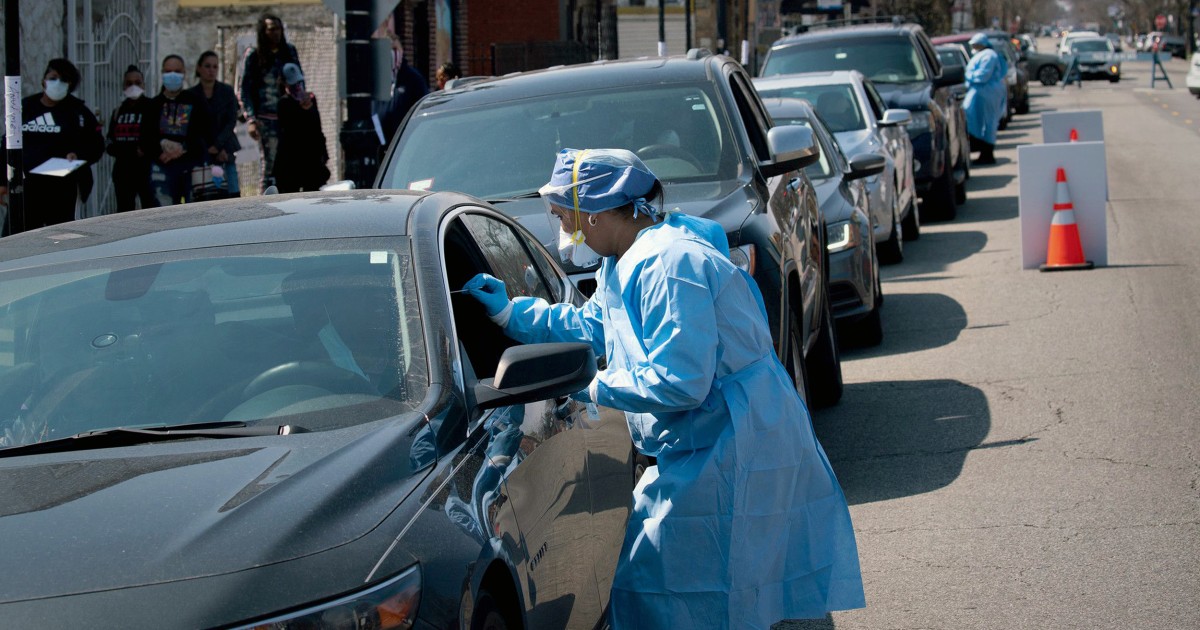
Are African Americans more at risk from COVID-19 than other Americans? Let our experts explain.
It’s a startling piece of evidence, but it appears that a disproportionate number of African Americans are dying due to the COVID-19 outbreak. On Tuesday, President Donald Trump called the impact of the coronavirus on African Americans a "real problem" that was showing up "strongly" in the data. Dr. Anthony Fauci, director of the National Institute of Allergy and Infectious Diseases, added that pre-existing conditions that are more prevalent among African Americans, including asthma and diabetes, are a factor. “We’re very concerned about that,” he said. Low-income people of color are also more likely to have jobs that can't be done remotely, meaning they're more likely to be exposed to the virus while more affluent professionals are able to stay at home. And they're less likely to have access to high-quality private testing or medical care. "I'm concerned this will be yet another case where there's a huge difference between people who are more wealthy and people who are poor, and there's going to be a difference between people of color and how much they suffer," Dr. Marcus Plescia, the chief medical officer for the Association of State and Territorial Health Officials, said. “We have a longstanding legacy of bias and racism in our country and we’re not going to get beyond that quickly.” NBC News – April 07 But as health officials and experts further examine the data – there are a lot of questions to be asked? What can African Americans do to further prevent the risk of infection? Do government officials need to allocate more resources to areas with a higher population of African Americans? Are African Americans being tested or have access to tests in the same manner as the rest of America? When we African Americans informed of this unique vulnerability and was anything put in place to inform to properly inform them? If you are a journalist covering this topic – then let our experts help. Dr. Tiffany G. Townsend is a widely recognized leader in diversity and psychology. She is an expert in the areas of health equity and serves as the chief diversity officer for Augusta University. Dr. Joseph Hobbs is an award-winning physician and a notable leader in the research of racial disparities in health care. He also serves as the chairman of the Department of Family Medicine at the Medical College of Georgia at Augusta University. Dr. Joseph Hobbs is an award-winning physician and a notable leader in the research of racial disparities in health care. He also serves as the chairman of the Department of Family Medicine at the Medical College of Georgia at Augusta University. Townsend and Hobbs are both available to speak with media regarding this topic– simply call 706-522-3023 to arrange an interview or simply click on Dr. Townsend's icon to book a time.

As the world still isolates, social distances and stays at home – the concerns about the economy are always top of mind. Jobs, investments and paying bills are a daily topic at home and in the media. The initial spin that there’s nothing to worry about as whatever was lost is bound to bounce back once we’re back to normal is starting to fade. No one knows when that bounce back will start and the idea of back to normal, what it will look like and when is at best a guess for anyone. Public health experts are beginning to make predictions about when coronavirus infection rates will peak. Economists are calculating when the cost of continuing to shutter restaurants, shopping malls and other businesses — a move that has already pushed some 10 million Americans into unemployment, with millions more on the way — will outweigh the savings from further efforts to slow the virus once the infection curve has flattened out. Government officials are setting competing targets. President Trump has pushed his expected date of reopening the economy to the end of April. “We have to get back to work,” he said in a briefing on Saturday. “We have to open our country again. We don’t want to be doing this for months and months and months. We’re going to open our country again. This country wasn’t meant for this.” Some governors have set much more conservative targets, like Ralph Northam of Virginia, who canceled the remainder of the school year and imposed a shelter-at-home order through June 10. Other states, like Florida, only recently agreed to shut activity down but have set more aggressive targets — April 30, in the case of the Sunshine State — to restart it. April 06 – New York Times So when will it be back, what’s lost forever and how long to recover are the million-dollar questions. And if you are a journalist covering America’s economy through the COVID-19 pandemic – then let us help with your stories. Jeff Haymond, Ph.D. is Dean, School of Business Administration and a Professor of Economics at Cedarville and is an expert in finance and trade. Dr. Haymond is available to speak with media regarding this topic – simply click on his icon to arrange an interview.



COVID-19 and a sustainable transition
As the COVID-19 pandemic touches almost every aspect of society, it is becoming increasingly obvious that the slowdowns and shutdowns may inadvertently enable us to shape a new conception of prosperity and good livelihood. What has the global slowdown meant for the environment and sustainable living, and what could it mean if some of the radical changes in our everyday lifestyles and consumption habits persisted long-term? As Maurie Cohen, professor in New Jersey Institute of Technology's department of humanities, explains, "Since we are all living through this unique moment, observing the responses by government, businesses and ordinary people, it marks an opportune time to explore if these changes can provide leverage points for opening pathways to a sustainability transition." The topic attracted a diverse group of scientists, economists, educators and hundreds more around the world virtually during a live webinar titled, “COVID-19 Can Help Wealthier Nations Prepare for a Sustainability Transition.” The open forum-style event, organized by researchers from the international sustainability organization FutureEarth, set up an online discussion on the major global sustainability trends and issues that have evolved in recent months alongside the coronavirus outbreak. Read more: Cohen is available to speak with media directly on issues related to COVID-19 and sustainability. To arrange an interview, click on the button below.


Will schools reopen before semester ends? Georgia Southern pandemic expert can give perspective
While education has moved into homes across the country because of the COVID-19 pandemic, people are wondering if the shutdowns will actually help stop the spread of the disease. Isaac Chun-Hai Fung, Ph.D., a digital health expert and infectious disease epidemiologist at Georgia Southern University, said school closures can delay the peak of the outbreak, reduce the amount of cases and decelerate the spread of the virus. Fung was a part of a study in 2015 that modeled a potential flu pandemic. The study showed that delaying the spread of a virus can give health care professionals more time to come up with vaccines and other treatments, as well as giving the system time to brace itself for the onslaught of patients. “The key message of my paper is not necessarily how quickly we shut down schools,” Fung told Rolling Stone. “It is the duration of school closure that matters. Whenever we relax social distancing measures, we will see a bounce-back of the cases, unless we are able to completely block all transmission chains and have driven the case number to zero — i.e., extinction of the virus, as in the case of SARS in 2003.” While some think opening schools and other public places would benefit the economy, Fung said doing so could leave the country vulnerable. “To save the U.S. economy, we must control this disease first,” Hung said to Rolling Stone. “That is what China is going to achieve — even if they have already suffered a great deal economically due to COVID-19. That is why (Narendra) Modi asks the whole of India to stay home for three weeks. That is also what Boris Johnson asks the British people to do now. The Americans should take heed.” Fung analyses social media data for public health surveillance and health communication and uses digital technologies for public health interventions. He investigates the transmission of communicable diseases with a focus on respiratory infections and environmentally transmitted infections. He applied a variety of methods, from classical statistical methods to machine learning and mathematical modeling, to address public health problems and to provide solutions to policymakers. He is especially interested in assisting public health agencies in their responses to public health emergencies. Fung is available to speak with media regarding this topic — simply reach out to Georgia Southern Director of Communications Jennifer Wise at jwise@georgiasouthern.edu to arrange an interview.


How To Use Light To Reduce Anxiety — and Sleep Better — During This Pandemic
Mariana Figueiro, a professor and the director at the Lighting Research Center (LRC) at Rensselaer Polytechnic Institute, is among the world’s leading experts in the area of light and health. According to Figueiro, the key to avoiding depression, anxiety, and insomnia is a “light fitness routine.” Exposure to a robust 24-hour light–dark cycle promotes circadian entrainment, which has many health benefits such as increased alertness and feelings of vitality during the day, improved mood, and better sleep at night. Healthy, regular sleep patterns are even thought to have a protective effect against coronavirus. Here are a few tips from Figueiro about how to use the power of light to feel better every day. “If the sky is clear and the sun is shining, go for a walk during the day. Try to go outside in the morning, every day, at the same time, for a period of 30 minutes or so,” Figueiro said. If you must quarantine indoors, Figueiro suggests increasing the amount of light by a factor of four (x4) during the daytime. Morning light provides the most benefit in terms of avoiding circadian disruption that can lead to depression, anxiety, and insomnia. If you have one table lamp in your home office or kitchen (or wherever you spend the most time during the morning and early afternoon), add three more lamps for a total of four. Don’t forget to turn the extra lights off in the evening, mimicking sunset. On cloudy days, supplemental electric lighting is even more important for entraining the circadian clock, and to avoid circadian disruption. Light also proves an immediate alerting effect akin to coffee or tea. In the evening, consider using warm, low-level (dim) lighting. Avoid screen time late in the evening, before bedtime. The intense glow from an electronic screen can significantly delay sleep, which translates to fewer hours of sleep per night. “A robust pattern of light during the day and darkness at night is important for our health and well-being,” Figueiro advised. “Open the window curtains or shades. Seek light during the day, especially during the morning. Go out for a walk during lunchtime. Dim the lights in the evening, mimicking sunset.”

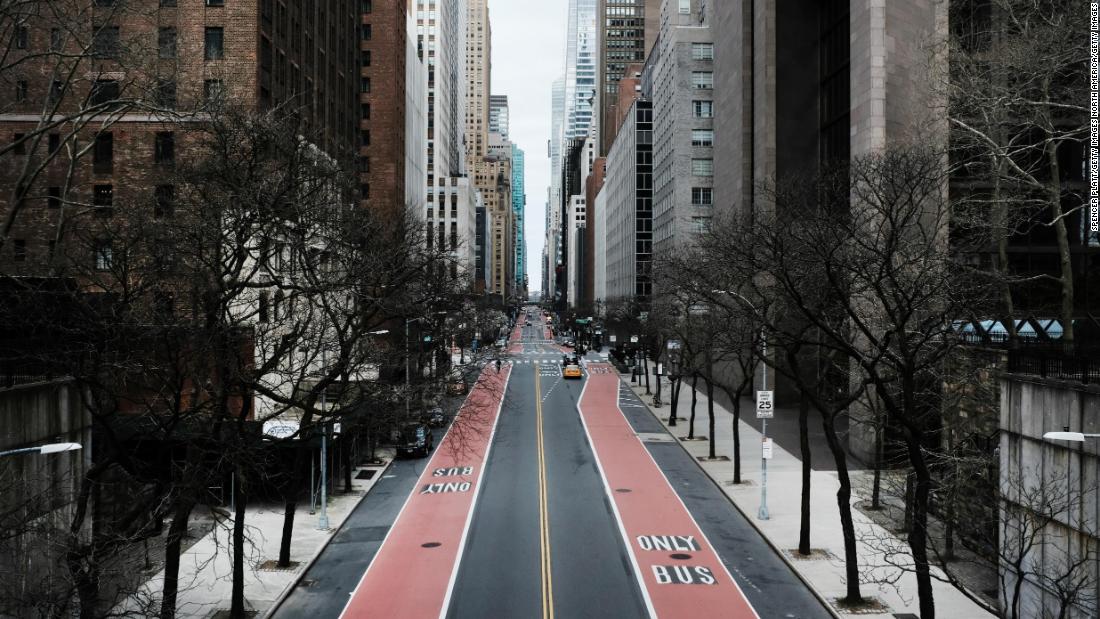
The consequences of ending early - Is a second wave of COVID-19 inevitable?
America is in lockdown. As the COVID-19 virus spreads to just about every corner of America and the planet for that matter, extreme measures are being brought in by various levels of local, state and the federal government to help contain the spread of this virus that is growing in near exponential numbers daily. Despite the White House advising all Americans to practice social distancing, the number of coronavirus cases in the US continues to rise. So, governors across the nation are taking stronger action by issuing stay-at-home orders in their states. By March 30, at least 27 states will have those orders in effect. Those states contain more than 225 million people -- more than two-thirds of the country's population. CNN - March 28 And as Americans comply with these orders, there’s a growing anticipation about when people will be able to return to work and resume a semi-normal routine. Some are saying weeks, others indicating months. But the reality is, as much as many yearn for normalcy, going back too early could come with even steeper consequences than waiting the epidemic out. If there is a second wave of COVID-19 infections – it could be disastrous. What would a second wave look like and how would it spread? Can people be re-infected? Does America have the front-line capacity to take on another fresh round of infections? Can the country’s stretched medical system handle more patients? And how much longer would it take to try and contain the spread of COVID-19 for a second time? There are a lot of questions to be answered, and that’s where our experts can help. Dr. Zach Jenkins is an infectious disease expert at Cedarville University. He is available to speak with media about this topic – simply click on his icon to arrange an interview.

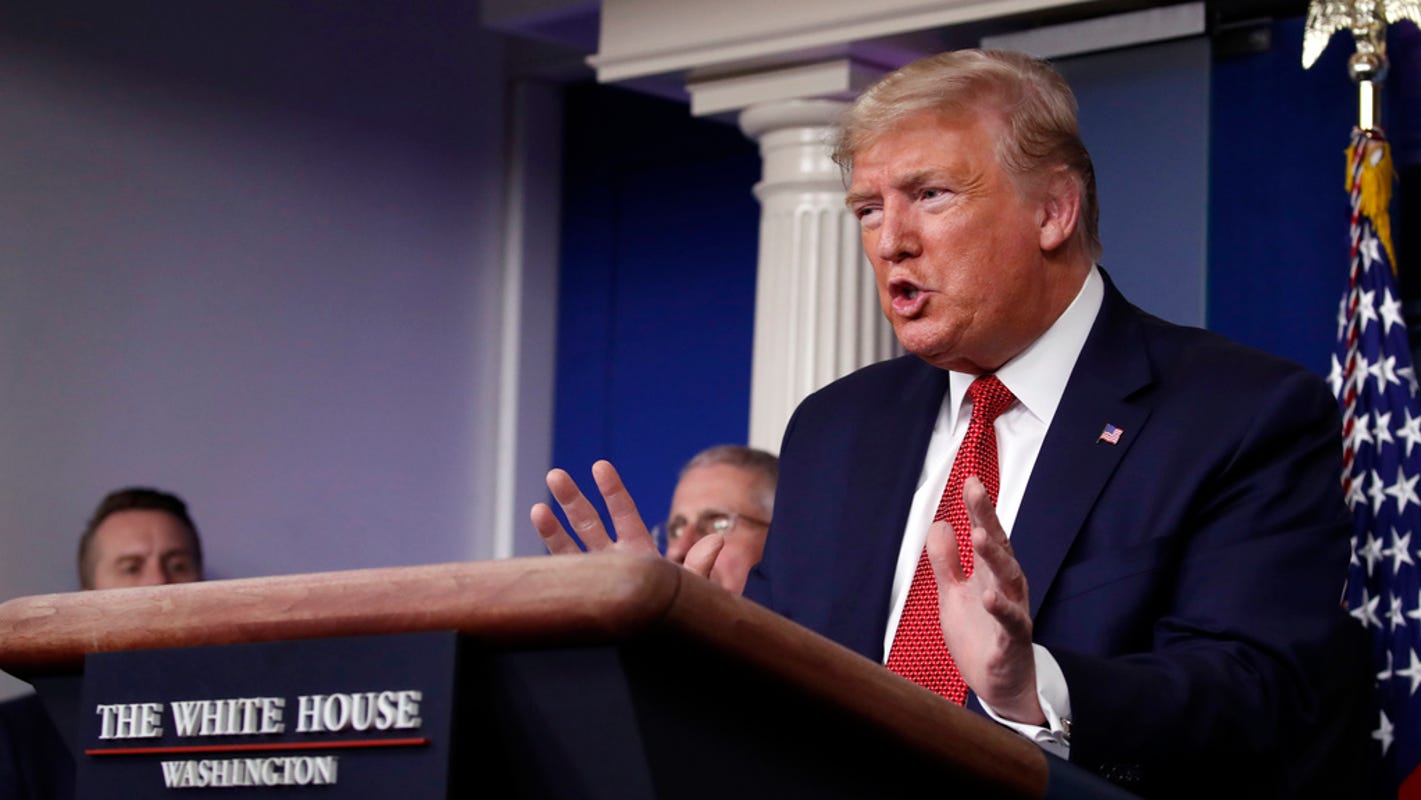
Op Ed: In coronavirus crisis, Don't prioritize economics over public health
The following is an excerpt from Op Ed that ran in the Detroit Free Press late last week. Th full piece is attached below for your reading pleasure. President Donald Trump said this week that he hopes to see economic activity ramped up and social distancing practices and other public health measures reduced by Easter, which is April 12. This is a recipe for disaster and it again vividly illustrates his dismissal of medical and scientific expertise for his own political goals. The rhetoric he uses suggests that the financial pain the nation will experience over the next year or longer is not worth the lives that will be lost as a result of dialing back public health restrictions. I am an ethicist. To me, Trump is forcing Sophie’s Choice decisions by people who have taken an oath to “first do no harm.” Trump and his advisers ignore the ethical pain that health professionals will have to endure who must decide who lives and who dies because we have too few ventilators or too few ICU beds to treat all the patients who need those beds for survival. Those harsh choices are very real right now. They would become even more tragic if public health measures now in place were loosened in order to improve economic activity. March 27 - Detroit Free Press There are many angles to explore and cover as the COVID-19 pandemic impacts just about every segment of American life. If you're a journalist covering the ethics involved and the leadership decisions taking place at each level of government, then let our experts help. Leonard M. Fleck is the Director of the Center for Ethics at Michigan State University. He is an expert in the areas of health care justice and served as a member of the Clinton Administration’s Health Care Reform Task Force in 1993 and as a state ethicist for Michigan regarding access to health care. Dr. Fleck is available to speak with media – simply click on his icon to arrange an interview.


Don’t Neglect Spiritual, Mental Health During this Time of Health Crisis, Baylor Expert Says
In a difficult and ever-changing time of crisis surrounding the spread of coronavirus, the basic needs of health and safety come first. But as these basic physiological needs are met, the more advanced care for spiritual and mental health can remain overlooked or ignored altogether. Baylor University’s Holly Oxhandler, Ph.D., LMSW., associate dean for research and faculty development and assistant professor the Diana R. Garland School of Social Work, is an expert on mental health, primarily anxiety and depression, as well as religion and spirituality in clinical practice. In this Q&A, she shares tips and resources to help unhook from the baser instincts of fear and anxiety, even momentarily, to monitor and care for spiritual and mental health needs. Q: During a crisis, why do spiritual and mental health needs tend to be overlooked or ignored? A: In the midst of a crisis, our natural reaction is to go into a fight-or-flight response to the situation. Our most basic needs must be met, such as finding a sense of safety, and our bodies are doing what they were designed to do: to protect us. For example, if we were to encounter a bear on a hiking trail, our sympathetic nervous system would be activated to meet the basic need of keeping us safe. Our spiritual and mental health are not primary needs in that moment of crisis. If we were to run from that bear and reach safety, our emotions would eventually become regulated, our breathing would become normal, and we could return to a generally balanced way of being that allows for attention to our spiritual and mental health. However, we are in a prolonged moment of crisis surrounded by uncertainty, constantly evolving news updates and daily threats to our and loved ones’ safety regarding our health, finances and sense of normalcy. In this state of constant stress, it can be really hard to unhook from the fight-or-flight response and remember to tend to our spiritual and mental health. Q: How can people tend to their spiritual health during this time of crisis? A: In this moment, most of us are being forced to be still and/or surrender the illusion of control in ways we have never faced before. In this stillness, our spiritual practices can help remind us of a divine Love that is with us through each moment, but we must intentionally set time aside to practice them. Plus, many research studies have shown healthy, positive spiritual practices have the potential to support our mental and physical health. One thing that’s very important, especially in the midst of this crisis, is that we do not spiritually bypass what’s happening. It may be tempting to want to jump to hope and ignore the pain, but to the best of our ability, our faith traditions teach us we must sit with and feel the grief rooted in the overwhelming change and loss we and our neighbors are facing. As Fr. Richard Rohr says, “If we do not transform the pain, we will most assuredly transmit it – usually to those closest to us.” We must be with the fear and uncertainty, grieve the loss of life as we knew it a few weeks ago, pray the psalms of lament, and feel the freedom to wrestle with and/or cry out to God in ways we read about others doing so in our sacred texts. The important thing is that each of us engages in something tied to our faith, regardless of what we believe in, and to be consistent in the practice, continually learning to surrender that sense of control we’re all finding ourselves learning to do right now. Spiritual Health Tips Prayer Reading our sacred text Meditation Centering prayer (my personal favorite, which teaches us silence, solitude and stillness) Breath prayers (here are some examples) Engaging in creativity (music, dance, art) as an act of worship Practicing gratitude Seeking beauty in the mundane Yoga Journaling Especially in this time of increased isolation, I would recommend inviting others into these practices for a sense of solidarity and community, including those within our home or via social media, video conferencing or by phone. Q: How can people tend to their mental health needs? A: The first practice I would recommend is to pause and breathe deep for 4-5 seconds, noticing your belly rise instead of your chest, and breathe out for 6-7 seconds. The second would be grounding. When our brain is flooded with information and emotion, it is hard to stay present. In grounding, we take a deep breath and ask ourselves five questions to return to the present moment: What do I smell right now? What do I taste? What do I see in front of me? What can I touch and feel the surface of? What do I hear? A third recommendation would be to get outside as often as you can and, ideally, into some sunlight. I would also recommend the practice of tuning into our bodies. For many of us, it can be difficult to pay attention to what our bodies are trying to tell us, in the same way our thoughts and emotions communicate with us. Especially now, pay attention to the tension in your neck, the overall exhaustion, the pain in your arm muscles, the tightness in your chest, or any other experiences you notice by tuning in. Your body may be trying to tell you to spend less time watching the news (maybe cut back to 1-2 times a day), to take a nap or to move it and exercise. Last, and perhaps most importantly, do not hesitate to reach out for help if you are noticing changes in your appetite, sleep, mood, thoughts or feelings. Stay in communication with loved ones but just as you would seek a medical doctor for a broken arm, seek a therapist when you notice changes in your mental health. Many therapists are quickly adapting to telehealth services in this moment to meet growing demands and social distancing expectations. Some sites for finding a therapist include Psychology Today or HelpPRO, and if you or a loved one are deeply struggling, please reach out to the National Suicide Hotline or call 800-273-TALK (8255). Reaching out for help with your mental health is a sign of courage, not weakness. Q: During this time of crisis, what populations do you feel are most vulnerable to mental or spiritual health decline? A: Honestly, I think every single one of us are vulnerable to mental and spiritual health decline during this moment for varying reasons. As mentioned before, these parts of us are easily brushed aside when we’re most focused on ensuring our basic needs of safety and security are met. Still, there are a few groups I’m especially sensitive to. The first are the helpers on the front line facing far more need than resources, time or energy to meet those needs. These include our health care providers, social workers, therapists, grocery and restaurant employees, teachers, parents, nonprofit organizations, faith leaders, volunteers, community leaders, pharmacists, lab technicians, scientists and more. These helpers are at such high risk of burnout and my hope is that, to the best of their ability, they are caring for themselves holistically in order to care for others well. I’m also sensitive to a few other groups who are vulnerable to mental and spiritual health decline. First, older adults are the most religious cohort and are already at risk for depression and isolation even without a crisis, so I worry for them in light of the necessary social distancing. Second, in light of added pressures, those with various mental illnesses must continue to care for themselves via the medication or therapy they need. Third, I’m sensitive to those who are recovering from a substance or behavioral addiction and are now surrounded by overwhelming stressors that put them at a higher risk of relapse. Thankfully, recovery groups are now moving online and I would encourage those in recovery or remain plugged into a group. Q: Many people are unable to access a doctor or professional therapist to get help. What are some resources for those that may need free or low-cost options? A: There are a number of websites that can help individuals find a professional mental health care provider, such as a licensed clinical social worker, psychologist, counselor or marriage and family therapist. I mentioned Psychology Today, HelpPRO, and the Suicide Prevention Hotline above, but there are others. Better Help and Talk Space are two growing online therapy sites and Low Cost Help elevates providers with affordable rates. I also host a weekly podcast, CXMH: Christianity and Mental Health, which has a ton of episodes on various topics related to this intersection, including a recent one specifically on COVID-19. You can also contact your insurance provider to see who is in network or, if you do have a primary care provider, see if they have any recommendations. Your local faith communities may also have a list of mental health care providers to consider. There are also many organizations committed to providing resources, including the Substance Abuse & Mental Health Services Administration, National Alliance on Mental Illness, and the National Institute on Mental Health. Q: How can neighbors help neighbors and individuals help individuals outside of the professional or therapy setting? A: I really want to emphasize that, especially in this moment, we must practice extending grace, being still and holistically caring for ourselves so that we can care for others well. We can do our part to serve those who are serving others, even if that means practicing social distancing and stillness, while tending to our spiritual and mental health. Discerning what is ours to do in this moment to offer help, healing, hope and love to our neighbors as well as ourselves, and to help protect our helpers from burning out, will be critical in the days and weeks ahead. As Chris and Phileena Heuertz shared in their prayer, A Call to Solidarity During COVID-19: “You’re not alone. We’re in this together. We’ll do everything we can to help.” ABOUT BAYLOR UNIVERSITY Baylor University is a private Christian University and a nationally ranked research institution. The University provides a vibrant campus community for more than 18,000 students by blending interdisciplinary research with an international reputation for educational excellence and a faculty commitment to teaching and scholarship. Chartered in 1845 by the Republic of Texas through the efforts of Baptist pioneers, Baylor is the oldest continually operating University in Texas. Located in Waco, Baylor welcomes students from all 50 states and more than 90 countries to study a broad range of degrees among its 12 nationally recognized academic divisions. ABOUT THE DIANA R. GARLAND SCHOOL OF SOCIAL WORK AT BAYLOR UNIVERSITY Baylor University’s Diana R. Garland School of Social Work is home to one of the leading graduate social work programs in the nation with a research agenda focused on the integration of faith and practice. Upholding its mission of preparing social workers in a Christian context for worldwide service and leadership, the School offers a baccalaureate degree (B.S.W.); a Master of Social Work (M.S.W.) degree available on the Waco or Houston campuses or online; three joint-degree options, M.S.W./M.B.A., M.S.W./M.Div. and M.S.W./M.T.S., through a partnership with Baylor’s Hankamer School of Business and George W. Truett Theological Seminary; and an online Ph.D. program. Visit www.baylor.edu/social_work to learn more.


Baylor Expert on Remote Work Shares 5 Key Tips to Make the Most of Working from Home
The international response to the COVID-19 public health crisis has led millions of workers to make home their new office as communities and organizations promote social distancing to slow the spread of the virus. For many individuals, this spring marks the first time they will have worked from home for a substantial amount of time. Sara Perry, Ph.D., assistant professor of management in Baylor University’s Hankamer School of Business, an internationally-recognized remote work researcher and author of a 2018 study published in the European Journal of Work and Organizational Psychology, offers tips in five key areas for employees to consider as they make the most of working from home. “Research has given us some good empirical evidence of key areas that will help remote work be more successful,” Perry said. Create a physical work space. Perry: If it’s possible, we have to have a separate working space, especially if you can close the door to focus. This would be ideal, but if you can't do that, try setting up different workspaces around your home that are well-defined and that you can “close” at the end of the day to help maintain a balance in terms of your family and your work. Now, if you have kids in the mix as well, then I think we need to set up a workstation for them as well. It can be the kitchen table or the bar. Younger kids can have stations of their own, too – like the stations they would have in preschool. Some people even talk about making a standing desk with books, to be able to move your position throughout the day. Everyone in the family might even like to rotate around throughout the day, sharing the different work spaces. Think about how you can work outside, too, weather permitting. Adhere to a work schedule – and take breaks. Perry: We aren't going to have clear boundaries of time. We're going to have to make them. The best thing to do is to start with a schedule similar to what you would already be doing if you went to work. If you can try to stick close to the same schedule, you're going to find the transition easier. Don't start sleeping in and doing things completely differently — that will make the adjustment a lot harder. Take breaks. Research by my colleagues Emily Hunter and Cindy Wu found that optimal breaks come mid-morning, and it can set you up for the rest of the day. It’s important to get up and move away from the screen periodically. A short break can help preserve your focus and attention resources for the rest of the day. For your further well-being, you will need to turn work off at the end of the day, because no one is going to shut it off for you. Pick a way that you're going to do that, whether it's to put your stuff away, or by planning some sort of transition time that would replace what your commute would have done. Some people will call someone or listen to a podcast. For others, or a walk around the neighborhood provides something to transition and decompress. Think about what you would normally do (or want to do) and see if you can work that in for your own transition from work to family time. Connect with others. Perry: The change in physical environment is going to be a big change even for people who are used to working remotely. At work, you may feel a sense of connection to people even if you don’t even talk to them. You at least have their presence, and we’re going to miss that in the coming weeks. One of the biggest concerns in the remote work literature is isolation, and while individuals who have families at home might not feel isolated from people in general, we might feel isolated from our professional lives and identity. We’ll have to be more proactive about using technology in a way to stay connected while still remaining productive. We don’t want to have virtual meetings for the sake of meetings, but we might want to have some for the sake of connection. For leaders, check in and make sure people have resources and that they are doing okay as we all adapt to a virtual workspace. Try to be proactive about it. Maybe we have a video call simply to check in for 30 minutes at the end of the day or whenever, just try to stay connected. Help children and family adjust. Perry: With my children, I’m thinking about how to create some type of structure, taking lessons from our homeschool friends about how they set up their day. I’ve found that my children and my friends’ children get excited about reconstructing their own schedule from school at home. So, let them have some input about what their day should look like, and try to work your schedule in tandem or in parallel with that. Scheduling loose blocks of time for tasks throughout the day can help with this, too. Blocking off time can help you communicate, “for the next 30 minutes or the next hour, we’re all going to work on this activity at our separate stations, then meet and redirect. We know it's possible because a lot of schools have a model where students are self-directed. You give them direction and then they go do it. However, we also don’t want to over-schedule, or over-do anything. We need to enjoy the time that we have with them, and be grateful for that, and practice gratitude daily as we try to manage all of this.” Manage expectations. Perry: In light of everything that we're facing, it’s important to stay flexible. That’s true for leaders—really try to have flexibility and allow your employees to figure out how remote work best works for them. We can't micromanage from afar. We can check in, make sure everyone has resources, make sure people are doing OK. Some people need a little more of that than others, but we really need to just adapt and be flexible. It’s important that everyone should try to be realistic, be clear with expectations, but also try to be realistic about what's actually going to happen over the next several weeks. All of us are under a lot of stress, more stress than normal. So, we just have to have realistic expectations and recognize that all of us, and our leaders, are experiencing a learning curve. We need to think about the big picture as we roll this out, and really keep employee wellbeing as the number one consideration. Note: This interview is adapted from Dr. Perry’s interview on the Baylor Connections podcast. Visit the Baylor Connections website to listen to the full interview. ABOUT BAYLOR UNIVERSITY Baylor University is a private Christian University and a nationally ranked research institution. The University provides a vibrant campus community for more than 18,000 students by blending interdisciplinary research with an international reputation for educational excellence and a faculty commitment to teaching and scholarship. Chartered in 1845 by the Republic of Texas through the efforts of Baptist pioneers, Baylor is the oldest continually operating University in Texas. Located in Waco, Baylor welcomes students from all 50 states and more than 90 countries to study a broad range of degrees among its 12 nationally recognized academic divisions. ABOUT HANKAMER SCHOOL OF BUSINESS AT BAYLOR UNIVERSITY At Baylor University’s Hankamer School of Business, integrity stands shoulder-to-shoulder with analytic and strategic strengths. The School’s top-ranked programs combine rigorous classroom learning, hands-on experience in the real world, a solid foundation in Christian values and a global outlook. Making up approximately 25 percent of the University’s total enrollment, undergraduate students choose from 16 major areas of study. Graduate students choose from full-time, executive or online MBA or other specialized master’s programs, and Ph.D. programs in Information Systems, Entrepreneurship or Health Services Research. The Business School also has campuses located in Austin and Dallas, Texas. Visit www.baylor.edu/business and follow on Twitter at twitter.com/Baylor_Business.