
Experts Matter. Find Yours.
Connect for media, speaking, professional opportunities & more.

One Child Dies Every Two Minutes from Malaria – VCU Experts Are Working to Stop Statistics Like This
Did you know 91 countries reported ongoing malaria transmission in 2015? In fact, in that year, according the World Health Organization there were 429,000 malaria deaths and 212 million new cases. While the numbers are astounding – some progress is being made. In fact, according to the World Malaria Report 2016, the rate of new malaria cases fell by 21% globally between 2010 and 2015. Malaria death rates fell by 29% in the same period. However, malaria still claims one child every two minutes. At the Virginia Commonwealth University School of Engineering, the Medicines for All Initiative is helping address the crisis of diseases like malaria by increasing global access to lifesaving medications. Medicines for All develops processes that reduce the cost of active pharmaceutical ingredients (APIs) - a major cost driver in treating infectious diseases in the developing world. VCU is helping find solutions that utilize the lowest-cost raw materials and most efficient tools available. Medicines for All is bringing essential drugs to patients who need them most. VCU’s experts are available to speak regarding the devastating consequence of disease around the world and how VCU's Medicines for All Initiative is saving lives, promoting health and transforming pharmaceutical engineering. B. Frank Gupton, Ph.D., is a professor and the chair of the Department of Chemical and Life Science Engineering at the VCU School of Engineering. He leads the Medicines for All project and is an award-winning researcher and an expert in his field. Simply click on his icon to arrange an interview. Source:



Ten Types of Food Can Make or Break Your Health
According to a new study published in the Journal of the American Medical Association, eating the right amount of certain types of food can help to reduce deaths from heart disease, stroke and type 2 diabetes in the U.S. by almost half. The researchers at Tufts Friedman School of Nutrition Science and Policy identified 10 dietary components closely tied to heart disease, stroke and type 2 diabetes - six of them (nuts and seeds, seafood rich in omega-3 fatty acids, fruits, vegetables, whole grains and polyunsaturated fats like soybean or corn oils) will help your health, while four of them (sodium, processed meats, sugar-sweetened beverages and red meat like steak) will hurt it. So how much of the good stuff should we eat more of? And how much of the bad stuff should we cut out? How should we alter our dietary habits to ensure we lower our risks of heart disease, stroke and type 2 diabetes? Natalie Allen, clinical instructor of dietetics in the biomedical sciences department at Missouri State University, can provide some insight. Allen has a background in clinical, community and sports dietetics, and is the team dietitian for MSU Athletics. She is an expert in this area and is available to speak to media. Click on her icon to arrange an interview. Source:


The Value of a Cure and Do All Americans Benefit from Medical Breakthroughs?
On February 28, 2017 policymakers, health officials, industry representatives and patient advocates were meeting in Washington to discuss the ‘value of a cure’ – the costs, the public health benefits and how America will move forward following the passage of the 21st Century Cures legislation. The Act, which was signed in December promises to accelerate funding for biomedical research while it also loosens regulations governing drugs and medical equipment and devices. Innovations in medical research and technology have produced cures and breakthrough therapies to overcome diseases that were once considered a death sentence. Polio is preventable with a vaccine, HIV is managed with a daily drug regimen, and Hepatitis C now has a cure. But are these breakthroughs reaching all communities? How can we balance the high costs of drug development with affordability? And what can we do to ensure that new cures continue to be developed? This is where Virginia Commonwealth University can help. Our experts are thought leaders and are some of the go-to opinions in this field. Dr. Thomas Roper is a professor and the director of the Department of Chemical and Life Science Engineering at the VCU School of Engineering. Thomas specializes in efforts to bring engineering and science closer to patients who utilize medicines via novel technologies. Dr. Frank Gupton is a professor and the chair of the Department of Chemical and Life Science Engineering at the VCU School of Engineering. He leads the school’s Medicines for All project that is striving to reduces costs of treatment for AIDS. He is an award-winning researcher and an expert in his field. Both Dr. Roper and Dr. Gupton are available to speak with media regarding this very important issue. Simply click on either of their icons to arrange an interview. Source:


How to keep your heart healthy throughout life
As we age, heart health becomes a greater issue. Whether it’s due to a lax approach to dieting or a more sedentary lifestyle, the heart begins to work harder to continue basic functions. “One of the major concerns I see for women in mid-life and beyond is concern related to the heart,” said Dr. Barbara Bushman, professor of kinesiology at Missouri State University. “Heart disease is the number one killer of women, and unfortunately, 44 percent of women do not realize this.” During American Heart Month, Bushman hopes to give women tips for staying active, healthy and agile throughout the life cycle. Bushman is an expert in the area of women’s health – especially older women – and is the editor and contributing author of the American College of Sports Medicine’s “Complete Guide to Fitness and Health” (the second edition will be available in late February 2017). Source:
It's up to us to make America healthy again
Health care costs continue to rise in the U.S. despite a number of approaches in government policy and the marketplace to control them during the last decade. One of the main reasons is due to the increase in unhealthy trends among our population such as chronic diseases. As the saying goes, 'Prevention is better than cure.' Instead of trying to figure out how we pay for "sick care," we should focus more on preventing it in the first place by making a conscious effort to take care of our own health and trying to achieve the six "normals.” Coined by Cleveland Clinic, this involves having normal measures in these six areas: (1) low-density lipoprotein (LDL) cholesterol at Source:
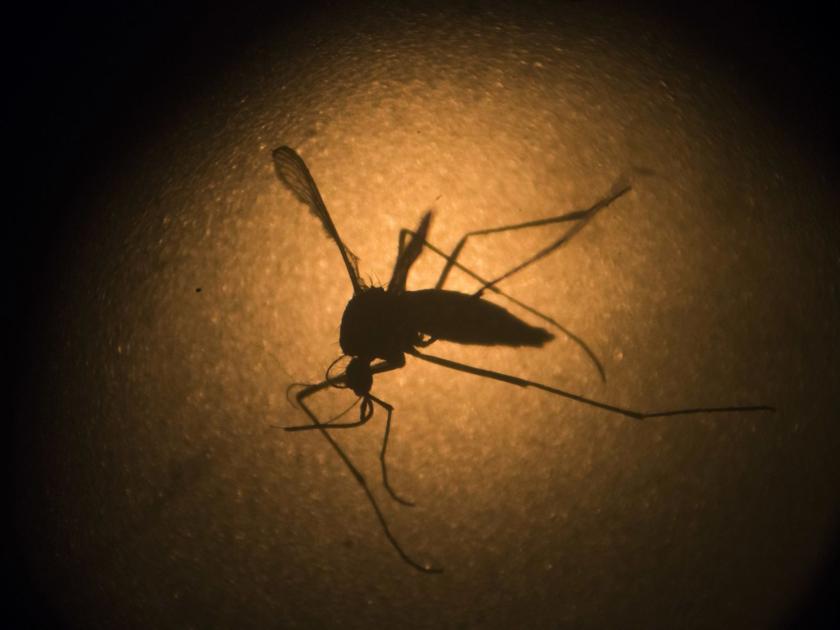
Is there a threat of contracting Zika from mosquitoes in Missouri?
Since it was discovered that the Zika virus has been transmitted by local mosquitoes in Miami, Florida, many people across the country have become increasingly concerned about getting bitten by a mosquito. But Missourians need not worry for now as probability of contracting Zika from mosquitoes in the state are low, according to Dr. David Claborn, Missouri State University associate professor of public health. As part of a contract from the Missouri Department of Health and Senior Services (DHSS), Claborn and his team of researchers have traveled across the southern part of the state since June, trapping mosquitoes at parks and wrecking yards, and studying them to see if any are Aedes aegypti (also known as the Yellow Fever mosquito), which is the primary vector of Zika. The collection of larvae and adult mosquitoes from different parts of the state are completed for this year and so far no specimens of Aedes aegypti have been found. Source:

"There's a lot of potential implications here. On the one hand, you know, it's somewhat troubling because we know that social connections tend to promote mental and physical health. So to the extent that wealthier people are spending less time attending to those relationships, this could have negative implications for physical and mental well-being," says Emory's Emily Bianchi. Source:

