
Experts Matter. Find Yours.
Connect for media, speaking, professional opportunities & more.

ChristianaCare Launches a New Speakers Bureau: Is This the Future of Healthcare Communications?
Only just a few months after their win of an IABC Gold Quill Award (shared with ExpertFile), the ChristianaCare healthcare communications and digital team has once again made major moves to make their organization even more accessible to the community with the launch of their new ChristianaCare Speakers Bureau. As one of the leading healthcare systems in the United States, Delaware based ChristianaCare is home to a wide variety of medical experts. Now live, the ChristianaCare Speakers Bureau features 80 experts who are currently available for speaking engagements on a wide variety of health topics including: Aging and Senior Health, Cancer, Children’s Health, COVID-19, Diabetes, Pregnancy and Childbirth. Sports Medicine, Stroke, Weight Management and Women’s Health. Designed with the ExpertFile platform, the ChristianaCare Speakers Bureau provides easy discovery and access to experts, including their biographies, downloadable photographs, samples of past presentations, languages spoken and more. The site can be viewed here. Screenshot from the new ChristianaCare Speakers Bureau launched Aug. 2023. The site provides easy discovery and access to experts, with the ability to search by topics and keywords. Detailed profiles for experts include biographies, downloadable photographs, samples of past presentations, languages spoken and more. How a Speakers Bureau boosts thought leadership A Speaker's Bureau is an initiative within an organization that assembles a team of expert speakers who can represent the organization and speak authoritatively on its behalf. While media appearances are often the core focus for experts in organizations, a Speakers Bureau opens up additional opportunities to speak at events such as in-person conferences, webinars, podcasts. Speakers ideally represent a diverse group of professionals from within the organization, and can share their knowledge, insights, and experiences on a range of topics relevant to the organization's mission, values, and field of work. Through event appearances, these experts help to enhance the organization's visibility, foster community engagement, and solidify the organization's reputation as a thought leader in its field. Speakers Bureaus provide effective and efficient way to promote the organization's initiatives, achievements, and viewpoints to the wider public. Creating New Connections Between Experts and the Community Following a string of successes that followed the launch of their ChristianaCare Experts site that resulted in major increases in national media coverage and SEO performance, the formation of a Speakers Bureau was a smart move that will further extend the reach of the ChristianaCare brand. Events provide an excellent way to connect meaningfully with a wider audience to help ChristianaCare make progress on key goals such as delivering effective community health education and improving healthcare equity. “At ChristianaCare, our mission of service to the community includes a commitment to provide timely, accurate health information so that people can make informed decisions about their health,” said Karen Browne, vice president of marketing and communications. “Through our new speakers bureau, we’ve expanded our capacity to meet these needs in the community.” The Benefits of a Speakers Bureau Given the fragmentation of traditional media channels and the massive growth in events such as webinars and podcasts, Speakers Bureaus are fast gaining popularity as a proven way to personify your organization and build a stronger connection to your brand. So far the ChristianaCare Speakers Bureau appears to be off to a solid start. "We had a huge response to our media release when we launched earlier this week and in the first day alone we had multiple organizations sending speaking opportunities for our medical experts. We're also seeing a great response internally as more of our experts requested to join the Speakers Bureau once it went live," said Hiran Ratnayake, Senior Manager of Media Relations at ChristianaCare who played a key role in developing the Speakers Bureau with his colleagues Shane Hoffman, Communications Director and Tom Hendrich - Senior Digital Content Editor at ChristianaCare. Is a Speakers Bureau Right For Your Organization? Here are some key benefits to consider in determining if a speakers bureau makes sense for your organization: Bolsters Community Engagement: An active Speaker's Bureau helps create a bridge between your organization and the community you serve. Promotes Diversity and Inclusion: A Speaker's Bureau offers an exciting opportunity to showcase the diverse voices and unique experiences within your organization. Enhances Organizational Visibility: The increased exposure at events can lead to greater recognition in the industry, more opportunities for collaborations, and ultimately, a wider reach for your healthcare services. It also is a proven way to boost SEO pagerank and domain authority in search engines and also provides a lot of additional content for your social channels. Develops Professional Skills: For healthcare professionals who participate, a Speakers Bureau offers an excellent opportunity to develop public speaking skills, foster leadership abilities, and establish themselves as thought leaders in their respective fields. Facilitates Knowledge Sharing: A Speaker's Bureau cultivates a more dynamic learning environment, which can lead to new ideas, innovations, and improved patient care within your organization. Strengthens Crisis Management Readiness: Having a pool of trained speakers ready to contribute can be incredibly beneficial in times of crisis. These professionals can help your communications team more effectively communicate critical information to the public, media, and other stakeholders. Enhances Employee Engagement: Employees who are given the opportunity to share their knowledge and represent their organization publicly, often feel more valued and invested in their work. Going Beyond the Walls of Your Medical Facility In the constantly evolving world of healthcare, accurate and timely information is critical to informed patient decisions and effective treatments. Organizations such as ChristianaCare understand that their role as a prominent healthcare system is to deliver information that extends beyond their immediate medical responsibilities. It’s simply no longer adequate to provide care within the walls of a medical facility. Today there is a critical demand for a more engaged approach, requiring hospitals and healthcare systems to leverage their in-house expertise for community education. A more informed community, armed with knowledge, which can make empowered decisions about their healthcare. While the public has an abundance of medical information at their fingertips, to help them participate more actively in their healthcare, much of the information found on social media today often lacks clarity, context, and credibility, leading to confusion and misinterpretations. Healthcare experts, leaders, and executives can play a pivotal role in dispelling myths and offering credible, evidence-based insights. An engaged, approachable healthcare professional is a reassuring sight, reinforcing the community’s faith in the system. It’s a win-win for these experts and the healthcare institution they represent. And most importantly it's a win for the communities they serve, as people identify potential health issues earlier, adopt healthier lifestyles, and reduce emergency hospital visits. This puts less burden on the region’s healthcare system, and better utilizes resources to reach a broader audience. After all, healthcare is not just about curing the sick; it’s about educating, engaging, and empowering the community for a healthier future. Congratulations to the entire team at ChristianaCare for creating such a valuable resource for your community. And thank you for letting us be a part of this exciting journey.


Jacqueline Ortiz Honored for Increasing Patient Access to Interpreter Services
Fifty-eight years ago, a young man from Argentina wound up in surgery at a California hospital after stomach pains turned out to be peritonitis, a potentially life-threatening inflammation of the membrane lining the abdominal wall. He was discharged to his wife’s care, with one problem — neither the man nor his wife had any idea how to care for the open wound in his abdomen. Jacqueline Ortiz The couple did not understand the lengthy instructions delivered in English, and there was no interpreter to explain to them in their native Spanish what to expect. So, when the man tried to take a bath and discovered the gauze was stuck to his wound, he didn’t know what to do. Fear and uncertainty compounded an already stressful time. Jacqueline Ortiz wasn’t yet born when her father’s health care emergency took place, but growing up she heard the story over and over. It was more than family lore for Ortiz — it was a lesson. Ortiz said she wanted her mother, pictured with her at the DVTA event, to see the growing number of people working as interpreters to ensure people get the information they need in the language they understand. Ortiz, now the vice president for Health Equity and Cultural Competence at ChristianaCare, saw firsthand how the experience left her parents terrified of the medical environment. Removing barriers to good health Years later, Ortiz is a leader in advocating for patients to have access to qualified, culturally responsive medical interpreting services to remove communication barriers with providers and ensure the best possible care and outcomes. “Language access is what fills my heart and soul,” Ortiz said. Her pioneering efforts and enthusiasm for promoting the use of trained interpreters in health care earned Ortiz the inaugural Making an Impact Award from the Delaware Valley Translators Association (DVTA) during an event Sept. 9 at Widener University. In her role at ChristianaCare, she builds the organization’s capacity to reduce the incidence of disease and improve health outcomes, advance equitable health care services, and reduce health disparities for identified conditions and target populations through culturally competent care, including providing health care in patients’ native languages. She has over 20 years of experience researching, teaching and working in cultural competence and health equity, social networks, and economic sociology. “Language access is what fills my heart and soul,” Ortiz said. A vision for serving everyone Eliane Sfeir-Markus, CHI, president of the DVTA, said the award recognizes the efforts of those working to make interpreting and translation more available to people with limited English proficiency, and those who are deaf or hard of hearing. Ortiz’s pioneering work to expand language services for patients and implement comprehensive cultural competence training at ChristianaCare have set a standard for caring for patients in their native languages. “Jaki’s vision for a health care system that truly serves everyone, regardless of their cultural or linguistic background, is inspiring,” Sfeir-Markus said. “We as patients deserve someone who knows our culture to take care of us.” ChristianaCare has more than 20 health care interpreters and over 100 caregivers who have undergone additional training to provide interpreting services when needed. ChristianaCare has more than 20 health care interpreters — who wear eggplant-colored uniforms — and over 100 bilingual caregivers who have undergone special training to serve as interpreters in some settings. “Jaki is a well-known name in the field of interpreting and translation because she has advocated for education and professionalization of interpreters in health care,” said Claudia Reyes-Hull, MArch, CMI, CHI, manager of Cultural and Linguistic Programs at ChristianaCare. “Thanks to her advocacy, more health care systems are recognizing the need to have trained interpreters for their patients.” In accepting the award, Ortiz said interpreters play a critical role in health care by making it possible for patients — and their families — to take an active role in their own care and decrease the anxiety over visiting a health care provider. She credited the success of ChristianaCare’s interpreting and translations services and its continued growth to the collaborative spirit and camaraderie among its team of caregivers, particularly Reyes-Hull. Ortiz said her family’s personal experience with a lack of interpreting services during a hospital stay made them anxious about health care for years. “Probably all of us in this room have walked into a courtroom or a lawyer’s office or a hospital room or a clinic and introduced ourselves and seen that immediate response and relaxation in the person we were speaking with,” Ortiz said to the translators at the DVTA event. “You make those interactions within our legal, educational and health care systems so much better.”


Hospital at Home: Understanding How It Works
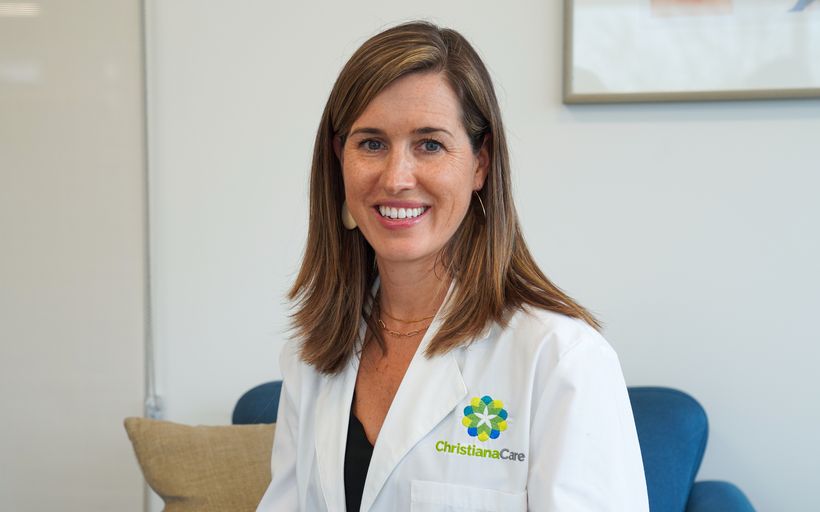
As the ChristianaCare Hospital Care at Home program grows, we see the benefits of improving the way we deliver care to our patients. With each patient we care for, we are reminded that a big part of recuperating and getting better is not just physical but mental and emotional. Being home allows patient to visit with loved ones, cuddle with pets and sleep in their own bed. It also helps our health care providers better understand a patient’s living environment, making it possible for us to provide the individual services they need. Q. What is hospital care at home? A. I think of a virtual hospital as three components: a command center, technology and in-home care. The command center is a 24/7, 365-day- a-week center staffed by physicians, nurses, advanced practice clinicians and patient digital ambassadors. This team of health care providers is tethered to patients in the home by way of our technology. We give our patients a tablet that lists their daily schedule so they know who to expect in their home and the time our health care providers will arrive. It also allows them to contact the command center at any time by pressing a button. When they do that, a nurse appears on the screen right away. Edwin Bryson Sr. said ChristianaCare made it easy to treat his diabetes complications from the privacy and comfort of his own home. With hospital care at home, he said, “all I do is hit the button and a nurse comes on to assist me with anything I need. It was 24-hour service here, just like I was in the hospital.” Technology also allows us to monitor patients’ vital signs at home as we would in the traditional hospital setting. We use Bluetooth technology to upload that information into the electronic medical record. In-home care is made up of a team that goes into the home to deliver the services that a particular patient needs. This includes radiology (X-rays and ultrasound), blood tests, intravenous medications, physical therapy, occupational therapy and more. A licensed professional, such as a nurse, also visits the patient at home at least twice a day. Q. Who is eligible for hospital care at home? A. There are requirements for participation. Patients need to live within 25 miles from our Delaware hospital campuses which are in Newark and Wilmington. We also are looking for patients that meet our acute, inpatient level of care. So if they’re in observation status, for example, they wouldn’t be a good candidate. We also need patients who don’t require continuous monitoring: If a patient has telemetry monitoring or if they’re in the intensive care unit or a step-down unit, they would not be a good candidate. Our team works every day with caregivers at both Delaware hospitals to identify patients who would benefit from hospital care at home. Q. What are common sicknesses that can be treated at home? The first 20 patients we admitted into this program had 20 different diagnoses. But after treating more than 500 patients, the most common diagnoses that we see are cellulitis, sepsis, pneumonia, chronic obstructive pulmonary disease (COPD) exacerbation and congestive heart failure. Hospital at home may not be the solution for all patients, but in many cases it can help patients get better quicker and in a place where they most feel comfortable. As ChristianaCare strives for greater access to care, home may be where the health is.

ChristianaCare’s Union Hospital has been recognized by Healthgrades as a 2023 Patient Safety Excellence Award™ recipient. This distinction places Union Hospital, part of ChristianaCare’s Cecil County Campus in Maryland, among the top 10% of all short-term acute care hospitals as evaluated by Healthgrades. Union Hospital is one of only five hospitals in Maryland to receive the 2023 Patient Safety Excellence Award™. “At ChristianaCare, we commit to being exceptional today and even better tomorrow,” said Kert F. Anzilotti, M.D., MBA, FACR, system chief medical officer. “We are proud that Healthgrades has recognized our deep commitment to excellence in patient safety. This award belongs to all our Union Hospital caregivers.” Among the most important ingredients to Union Hospital’s success in patient safety has been standardization of evidence-based practices. Examples include a standardized process for central line insertion that reduces the risk of central line infections, and standardized patient handling processes that help to prevent falls. Union Hospital also established a multidisciplinary committee that standardized caregivers’ approach to skin assessment to prevent pressure injuries. Safe care saves lives During the 2019-2021 study period, 164,592 potentially preventable patient safety events occurred among Medicare patients in U.S. hospitals.* Healthgrades’ analysis revealed that patients treated in hospitals receiving the Healthgrades 2023 Patient Safety Excellence Award were, on average: 61.4% less likely to experience an in-hospital fall resulting in hip fracture than patients treated at non-recipient hospitals.* 52.7% less likely to experience a collapsed lung resulting from a procedure or surgery in or around the chest than patients treated at non-recipient hospitals.* 66.1% less likely to experience pressure sores or bed sores acquired in the hospital than patients treated at non-recipient hospitals.* 67.3% less likely to experience catheter-related bloodstream infections acquired in the hospital than patients treated at nonrecipient hospitals.* Healthgrades noted that if all hospitals, as a group, performed similarly to the 2023 Patient Safety Award recipients then 95,880 patient safety events could have been avoided on average.* “Through our 2023 Patient Safety Excellence Awards, we seek to recognize hospitals that excel in providing top-quality care for their patients while preventing serious injuries during hospital stays,” said Brad Bowman, M.D., chief medical officer and head of Data Science at Healthgrades. “We are proud to name ChristianaCare’s Union Hospital as a 2023 Patient Safety Excellence Award recipient and look forward to their continued efforts to make patient safety a top priority.” Consumers can visit healthgrades.com for more information on how Healthgrades measures hospital quality and to access the complete methodology. *Statistics are calculated from Healthgrades Patient Safety Ratings and Excellence Award methodology which is based primarily on AHRQ technical specifications (Version 2022.0.1) for MedPAR data years 2019 through 2021 and represent three-year estimates for Medicare patients only.


Richard G. Cuming Appointed Chief Operating Officer of ChristianaCare
(WILMINGTON, Del. – June 26, 2023) Richard G. Cuming, Ed.D., MSN, RN, NEA-BC, FAAN, has been named ChristianaCare’s chief operating officer (COO). Cuming has been serving as interim COO since the beginning of this calendar year. He joined ChristianaCare in 2016 as the system’s first Chief Nurse Executive. In his role as COO, Cuming oversees the delivery of efficient and fiscally responsible system operations. He also works with other leaders to ensure high-quality and safe patient care. “Ric has been an invaluable asset to ChristianaCare over the past seven years, especially in navigating the many challenges of the COVID-19 pandemic” said Janice E. Nevin, M.D., MPH, ChristianaCare president and chief executive officer. “As leader of our extraordinary, Magnet®-designated nursing staff and president of ChristianaCare HomeHealth, he has improved the lives of patients and caregivers alike. I look forward to him flourishing in this new role.” Prior to coming to ChristianaCare, Cuming oversaw the operations and strategic direction of nursing services, perioperative and emergency services at Einstein Medical Center Philadelphia, Einstein Medical Center Elkins Park, MossRehab, Einstein Center One and Willowcrest, a skilled nursing center. Ric also previously worked at Jackson Health System in Miami as senior vice president and chief nursing executive, and he served as senior vice president and chief administrative officer at Jackson South Community Hospital. Cuming serves on the board of directors of the DAISY Foundation and board of trustees of the Association of Perioperative Registered Nurses Foundation. He was inducted into the American Academy of Nursing and is an alumnus of both the Robert Wood Johnson Foundation Executive Nurse Fellowship Program and the Wharton School of Business General Management Program. Cuming earned his diploma of collegial studies in nursing at John Abbott College in Montreal, his Bachelor of Science in nursing from the University of Ottawa, his Master of Science in nursing at the University of Miami and his doctorate in adult education and human resource development with a minor in advanced nursing administration from Florida International University.


(WILMINGTON, Del. – June 22, 2023) For a fourth year in a row, Modern Healthcare has recognized ChristianaCare President and CEO Janice E. Nevin, M.D., MPH, as one of the nation’s 50 Most Influential Clinical Executives. The publication praised her and ChristianaCare for the innovative work being done to extend the reach of the health system via new offerings, including Hospital Care at Home, ChristianaCare Business Health Solutions and Virtual Primary Care. “Dr. Nevin has a bold, courageous and clear-eyed vision for the future of health care regionally and nationally,” said Nicholas Marsini, chair of the Board of Directors of ChristianaCare. “In service of our system’s vision of creating health together so that every person can flourish, she has committed ChristianaCare to transforming care delivery by aspiring to keep people healthy at home, radically simplify access and much more.” Dr. Nevin has led ChristianaCare since 2014. Under her leadership the health system has experienced substantial growth and maintained a high level of quality and safe care. In addition to numerous other accolades, Healthgrades has continually recognized ChristianaCare as one of America’s Top 50 Hospitals, and Forbes has repeatedly called ChristianaCare one of the country’s best health systems to work for. Modern Healthcare’s annual list of the most influential clinical executives honors currently or previously licensed clinicians in executive roles who are deemed by their peers and the senior editors of Modern Healthcare to be paving the way to better health through their executive responsibility, leadership qualities, innovation, community service and achievements inside and outside of their respective organizations. “These executives are broadening access to care through expansion and embracing digital tools to make their operations more efficient and their patients more connected,” said Mary Ellen Podmolik, editor-in-chief of Modern Healthcare. “They also are tackling workforce challenges by developing strategies to attract newcomers to the field. The complete list is included Modern Healthcare’s June 19 issue with awardee profiles available at www.modernhealthcare.com/50mostinfluential. About ChristianaCare Headquartered in Wilmington, Delaware, ChristianaCare is one of the country’s most dynamic health care organizations, centered on improving health outcomes, making high-quality care more accessible and lowering health care costs. ChristianaCare includes an extensive network of primary care and outpatient services, home health care, urgent care centers, three hospitals (1,299 beds), a freestanding emergency department, a Level I trauma center and a Level III neonatal intensive care unit, a comprehensive stroke center and regional centers of excellence in heart and vascular care, cancer care and women’s health. It also includes the pioneering Gene Editing Institute. ChristianaCare is nationally recognized as a great place to work, rated by Forbes as the 5th best health system to work for in the United States and by IDG Computerworld as one of the nation’s Best Places to Work in IT. ChristianaCare is rated by HealthGrades as one of America’s 50 Best Hospitals and continually ranked among the nation’s best by U.S. News & World Report, Newsweek and other national quality ratings. ChristianaCare is a nonprofit teaching health system with more than 260 residents and fellows. With its groundbreaking Center for Virtual Health and a focus on population health and value-based care, ChristianaCare is shaping the future of health care. About Modern Healthcare Modern Healthcare is the most trusted business news and information brand in the healthcare industry. Modern Healthcare empowers healthcare leaders and influencers to make timely and informed business decisions. To learn more or subscribe, go to www.modernhealthcare.com/subscriptions.

ChristianaCare ranked as 81st best hospital in the United States and the only health system in Delaware to make the list For the fifth consecutive year, ChristianaCare has earned a spot in Newsweek’s exclusive list of the World’s Best Hospitals – United States, recognized for consistently being at the forefront in care, research and innovation. “Receiving this honor year after year is a testament to the work ChristianaCare caregivers do each day to create health together so that every person can flourish,” said ChristianaCare President & CEO Janice E. Nevin, M.D., MPH. “At its core our mission is a simple, yet profound, one. We take care of people. And I am so proud of everyone in this organization for what five-straight years of being called one of the World’s Best Hospitals says about the exceptional quality of the care we provide.” Headquartered in Wilmington, Del., ChristianaCare ranked 81st in the United States in the annual list that ranks 2,300 hospitals in 28 countries. “ChristianaCare has gained a global reputation thanks to our unwavering focus to provide expert, high-quality care,” said Kert Anzilotti, M.D., MBA, chief medical officer at ChristianaCare. “This award belongs to all our caregivers, who continuously seek new knowledge, are true to their word and are committed to delivering exceptional care to every patient we serve.” Compiled by Newsweek and the global data firm Statista, the lists are based on the following data sources: Recommendations from tens of thousands of doctors, health care professionals and managers across the world. The survey asked participants to recommend hospitals in their own country as well as in other countries. The survey did not permit recommendations of the health professional’s own hospital. Patient surveys originating from publicly available data that included areas such as their general satisfaction with the hospital and their satisfaction with their medical care. Hospital quality metrics such as data on the quality of care for specific treatments, data on hygiene measures and patient safety, and data on clinician-patient ratios. The Patient Reported Outcome Measures (PROM) surveys, which are standardized, validated questionnaires completed by patients to measure their well-being and quality of life. The recognition by Newsweek echoes other quality recognitions that ChristianaCare has received during the past 12 months: For the third consecutive year, Healthgrades named ChristianaCare one of America’s 50 Best Hospitals for 2023. Healthgrades also ranked ChristianaCare as one of America’s 50 Best Hospitals for five service lines: cardiac care, coronary intervention, joint replacement, spine surgery and gastrointestinal surgery. For the seventh consecutive year, the College of Healthcare Information Management Executives named ChristianaCare a Most Wired Health Care Technology Leader. U.S. News & World Report rated ChristianaCare as the No. 42 hospital in the nation for obstetrics and gynecology and a High Performing Hospital for Maternity. U.S. News & World Report also rated ChristianaCare as high-performing in orthopedics. For the second consecutive year, Forbes ranked ChristianaCare as one of the Best Employers for Diversity and Inclusion in the United States. The Human Rights Campaign Foundation gave ChristianaCare’s Christiana Hospital and Wilmington Hospital the top score in the Human Rights Campaign Foundation’s most recent Healthcare Equality Index.

Health Professions Academic Building on the Armstrong Campus in Savannah Georgia’s only public medical school has received funding approval to open a new four-year campus in Savannah, an expansion that will provide greater access to education and training for medical students and ease the state’s ongoing shortage of physicians. The new campus of Augusta University’s Medical College of Georgia (MCG) is expected to enroll its first students on the Armstrong Campus of Georgia Southern University by Fall 2024, pending approval by the Liaison Committee on Medical Education, the accrediting body for medical schools in the U.S. and Canada. The campus will be located in the existing Armstrong Center and the Health Professions Academic Building of Georgia Southern’s Waters College of Health Professions. Located down the street from Savannah’s St. Joseph’s Hospital, it would be MCG’s third four-year campus in Georgia. The MCG educational experience is anchored at its main campus in Augusta, with another four-year campus located in Athens in partnership with the University of Georgia. “Georgia ranks 40th in the nation for both the number of active physicians and the number of primary care doctors,” Georgia House Speaker Jon Burns said. “Georgians experience this reality every day. Increasing opportunities within the University System of Georgia allows Augusta University’s Medical College of Georgia to educate and train more students and meets a clear need to make sure our communities receive better health care. Georgia needs more doctors, and I’m proud we are making this investment in our future.” The Board of Regents of the University System of Georgia (USG) on Tuesday approved $1.7 million for renovations at Georgia Southern’s Armstrong Campus to help make the new campus a reality. The money was included in the fiscal year 2024 state budget passed earlier this year by the Georgia General Assembly and signed by Gov. Brian Kemp on May 5. “We’re grateful to Governor Kemp, Speaker Burns, Lt. Gov. Jones and the General Assembly for their support in helping MCG and the university system expand one of the best public medical colleges in the nation and help get more doctors into our local communities,” USG Chancellor Sonny Perdue said. Four-year campuses provide the full spectrum of medical education, from basic sciences to clinical experiences. “This campus expansion is a momentous milestone for Augusta University and the Medical College of Georgia, standing as a testament to the unwavering support we have received from Speaker Burns, state Rep. Butch Parrish, Governor Kemp, the entire General Assembly and Chancellor Perdue,” said Augusta University President Brooks A. Keel, PhD. “Through this collaboration, we are forging a brighter future for health care in Georgia and fulfilling our shared commitment to producing more doctors for our state. I extend my deepest gratitude to all those who have championed this vision, including St. Joseph’s/Candler Health System, whose exceptional partnership has provided invaluable clinical experiences for our students. Together, we are bolstering the state’s medical community and strengthening Southeast Georgia’s access to quality health care.” MCG’s statewide educational model also has students learning at two-year, clinically focused regional campuses in every corner of the state, including the Southeast Campus, established in 2011 and based at St. Joseph’s/Candler in Savannah, and Southeast Georgia Health System in Brunswick. Other regional campuses include the Southwest Campus based in Albany and the Northwest Campus based in Rome. “This partnership with Augusta University and the Medical College of Georgia is another example of how together, the governor, our legislators, the University System of Georgia and Georgia Southern University are collaborating to meet the growing needs of Southeast Georgia,” added Georgia Southern University President Kyle Marrero. “These programs on our Savannah campus further Armstrong’s history of being a leader in training health care professionals and complement our efforts to expand nursing education and develop our future physician assistant program.” Through this partnership, Georgia Southern is providing approximately 23,000 square feet of instructional and lab space in its Armstrong Center and the Waters College of Health Professions’ Health Professions Academic Building. This includes 10,000 square feet of dedicated student group workspace and faculty and staff offices and 13,000 square feet of shared anatomy lab and large classroom space. The renovations include the creation of a new anatomy lab within the Health Professions Building, as well as minor renovations and new furniture, fixtures and equipment for the student group workspace and faculty and staff offices. The new campus would allow MCG to accept 40 more students per year, increasing its class size, already one of the nation’s largest, to 304 students per class. “As the state’s only public medical school, it is both our responsibility and commitment to produce more doctors for Georgia, and this growth in our class size is one way we can fulfill what I consider to be our most critical mission” said MCG Dean David Hess, MD. “This expansion would not be possible without the support of Governor Kemp, the Georgia Legislature, the University System of Georgia, Augusta University President Brooks Keel, and our colleagues at Georgia Southern University. I am also thankful for the unwavering support of St. Joseph’s/Candler Health System, including its CEO Paul Hinchey and chief medical officer Dr. Julia Mikell, a 1976 MCG graduate. Physicians and staff at St. Joseph’s/Candler have been exceptional educational partners, serving as a home base for our Southeast Campus, and providing rich clinical experiences for our third- and fourth-year students, for well over a decade. I know that commitment will extend to students at this new four-year campus.” “This is a sentinel event not only for the future of health care in Georgia, but also for Savannah and the region,” added Paul P. Hinchey, president and CEO of St. Joseph’s/Candler. “We have had a great relationship with MCG for more than a decade and our physicians have been instrumental as faculty in teaching third- and fourth-year students in Savannah. SJ/C has also served as a longstanding clinical site for nursing students from Georgia Southern and from the Armstrong campus. Creating a four-year medical school campus in Savannah will strengthen the medical community in Savannah and throughout Southeast Georgia. I want to thank Speaker Burns, Dr. Hess and the University System of Georgia for making this great vision a reality.” “I am excited to help build a campus that will continue MCG’s mission of educating the next generation of physicians,” said Elizabeth Gray, MD, associate dean at MCG’s Southeast Campus, based in Savannah and Brunswick. “I am confident that Georgia Southern will be an exceptional educational partner, and am excited to continue working with the leadership, physicians and staff at our longtime partners St. Joseph’s/Candler to help increase the number of physicians in this area of the state and beyond.” Interested in learning more? For more information about this exciting new development — simply reach out to Georgia Southern's Director of Communications Jennifer Wise at jwise@georgiasouthern.edu to arrange an interview today.


Aston University staff to take on zip wire challenge in aid of the Midland Met Appeal
Four University staff will take on the 160ft high zip wire challenge on 1 July 2023 The event is set to take place at the Midland Metropolitan University Hospital in Smethwick The event aims to raise awareness and funds for the Midland Met Appeal. Four Aston University staff members are set to take on a 160ft high zip wire challenge on Saturday 1 July to raise money for the Midland Met Appeal. The event is run by Your Trust Charity, the Sandwell and West Birmingham NHS Trust's registered charity will take place at the Midland Metropolitan University Hospital in Smethwick. The zip wire challenge will take place from the top of a crane positioned on-site, with a length of 220 metres and speeds of up to 35mph. The challenge will see colleagues Rosa Amato, Sarah Collins, Matilda Blackwell and Adam Basdogan taking the plunge. The event aims to raise awareness and funds for the Midland Met Appeal, a campaign to raise £2 million to fund healthcare and facilities in the new hospital. All money raised from the challenge will go directly to the appeal. Rosa said: “We are thrilled to be taking on this exciting challenge in support of the Midland Met Appeal. “It's a great opportunity for us to raise funds for a cause we are passionate about while having a lot of fun in the process. “Members of the public can show their support for the Aston University team and the Midland Met Appeal by making a donation to the Your Trust Charity's JustGiving page. “Every donation counts, and together, we can make a real difference in improving healthcare for patients in the Midlands.” For more information and to make a donation, click here.


Ana Palacios’ interview on “Eagle Eye View,” the official podcast of Georgia Southern University. Palacios discusses her research and how being a mom motivated her. Several esteemed nutrition researchers collaborated on “Effectiveness of Lactation Cookies on Human Milk Production Rates: A Randomized Controlled Trial,” which was recently published in The American Journal of Clinical Nutrition. David B. Allison, Ph.D., dean of the Indiana University School of Public Health-Bloomington (SPH-B), is among the researchers who conducted a one-month, randomized controlled trial of lactating parents of healthy babies in the same age range. Their findings revealed no evidence for an effect of consuming lactation cookies on human milk production. “Too often in the field of nutrition and food, strong beliefs—sometimes even well-reasoned conjectures based upon some scientific knowledge—are mistaken for demonstrated facts,” Allison said. “Conjecture is good, but knowing is better. We come to know about the effects of nutrition and dietary supplements through rigorous, randomized, controlled trials. Having conducted such a study on lactation cookies, we found no evidence for their effectiveness. “This does not mean that it is impossible for any lactation cookie to affect human milk production,” he continued. “This study does suggest that the cookies we studied—under the conditions we studied them—have no discernible effect. The burden of proof seems to now be on those who claim there is an effect.” The study followed 176 U.S. parents who were exclusively breastfeeding healthy two-month-old babies. One group of parents was provided a serving of commercially available lactation cookies to consume daily for a month; the other group of parents ate a serving of conventional cookies not designed to increase lactation, each day for a month. Through a weekly survey, parents reported the quantity of milk they produced after following a validated milk expression protocol using a hospital-grade breast pump, providing data that were analyzed by both the study authors and an independent statistician. These data demonstrated that the impact of consuming lactation cookies did not have a significant effect on how much milk was actually produced or perceived to be produced by the lactating parents. The authors assert that consumers should be cautious when considering the potential effect of this product, or any food and/or supplement that promotes health-promoting benefits without published, peer-reviewed scientific evidence to support its claims. As the researchers noted, these lactation cookies can contain substantial calories and sugars, which could affect postpartum weight loss efforts and related health issues. “Despite being a physician and nutrition scientist focused on early-life nutrition, I still remember how difficult breastfeeding was for me with both of my children,” said study lead author Ana M. Palacios, MD, Ph.D., assistant professor, Department of Health Policy and Community Health, Jiann-Ping Hsu College of Public Health at Georgia Southern University. “Our research highlights that lactation cookies, which include added sugars and saturated fat, may not have the said purported benefits of increasing milk production. Purchasing lactation cookies to increase milk production may pose an unnecessary cost and may have additional implications for parents, such as limiting post-pregnancy weight loss and reducing consumption of healthier foods. More research is needed to better understand what foods and nutrients can best help increase milk supply in diverse populations.” The full article, along with the list of contributing authors, is available by simply clicking the article below: Interested in learning more? For more information about this research or to speak with Ana M. Palacios — simply reach out to Georgia Southern's Director of Communications Jennifer Wise at jwise@georgiasouthern.edu to arrange an interview today.