
Experts Matter. Find Yours.
Connect for media, speaking, professional opportunities & more.

Will Apple shine or is a little too late to be dipping its toe into the streaming game?
It was the big unveil a lot of tech insiders, analysts and Apple followers had been anticipating. With Oprah, Steven Spielberg and other members of the entertainment elite on-hand to lend a hand – Apple TV Plus was finally revealed. The service, coming this fall, will be subscription based and will bring exclusive original shows, movies, and documentaries to rival the likes of Amazon, Netflix and Crave. While it is unlikely Canada will see the inclusion of "Apple TV Channels" in all its US-like glory, it is certain that Apple's arrival to the streaming space would further put the squeeze on traditional TV service providers. With yet another premium content streaming service to choose and a finite budget, consumers will have to start making tougher choices between letting go of something or shaving off cost somewhere – unfortunately, the traditional TV cord may be the first in consideration. Here are the questions some insiders are pondering: Will a loyal customer base and strong partner relationships prove advantageous in luring content creators and viewership alike as Apple TV Plus breaks through the boundaries of Apple hardware? Where does the real opportunity lie for companies like Apple? How will they fare as consumers are challenged to make tougher decisions on who gets a share of their wallet? Will it be traditional TV or OTT Video service that gets the boot? According to Manish Nargas "Currently, consumer intent to continue to subscribe to TV services remains relatively stable year over year in Canada and consumers are happy to complement TV with other OTT video services". IDC's latest survey, Canadian Consumer Survey Indicators, 2019: Wireless, Internet, TV, and OTT Video Services shows that "those who do plan to reduce or stop their TV service, do so in order to save money, not on account of dissatisfaction in quality of service." There are a lot of questions to be answered between now and when Apple TV Plus launches and that’s where our experts can help. Manish Nargas is a research analyst specializing in consumer and mobile research. He is an expert in emerging consumer technologies with a focus on usage trends and adoption. Simply click on Manish’s icon to learn more about this survey or to arrange an interview.


Essays for sale – our experts weigh in with ABC news
As the college admissions scandal is becoming the story that just won’t end for some of the leading schools in the country – recently Good Morning America opened another chapter in the book that revealed just how easily college entrance essays are being offered and acquired by prospective students. From ghost writing, to essays up for grabs online at a steep price - It’s a multi-million-dollar industry and it’s growing. A leading expert from UMW was recently interviews by Good Morning America about the problem. “Contract cheating has grown a great deal over the past ten years, “said Professor David Rettinger of the University of Mary Washington in Fredericksburg, Virginia. Rettinger is president of the International Center for Academic Integrity, an organization that promotes integrity in academia throughout the world. "Students are willing to use internet sites, family members, friends and other technology to get contractors to do their work.” Are you covering this topic? We can help. Dr. David Rettinger is available to speak with media regarding this scandal as well as the importance of education in America. Simply click on his icon to arrange an interview.


Extremism on the rise – Let our experts tell you just how concerned you need to be
Incidents across America and the planet are happening regularly. Protests are turning ugly with damage, violence and even death. Shootings and attacks on mosques, churches and public institutions are now happening at such a pace that the public is barely only one tragedy and another one strikes. Extremism is on the rise. The calls for thoughts and prayers are now common. The world, it seems, is fraying. What can be done about the rise of extremism? Is extremism being driven by economic, political or other factors? What role is social media and the Internet playing in fanning the flames of hatred and extremism? What can be done to police, prevent and ideally extinguish extremism? To begin with – we probably need to understand what’s actually going on and what’s the root of the issue? And that’s where the experts from Cedarville University can help. Dr. Glen Deurr's research interests include nationalism and secessionism, comparative politics, and international relations theory. Glen is available to speak to media regarding the rise of extremism – simply click on his icon to arrange an interview.



Goizueta information systems and operations management professor Benn Konsynski on the 30th birthday of WWW: "... Many of us were on the internet before WWW -- researchers, academic, military, libraries, etc. The operating protocols on top of the basic Internet protocols were useful, but often specialized. The world of commerce and social interchange needed a simple standard to offer creative outlet beyond specific applications and closed systems. "Sir Tim Berners-Lee brought that with common protocols for describing content (HTML), moving/referencing content (HTTP) and browser technologies for viewing and manipulating content. Over the next few years, commerce and social exchange exploded after these protocols took root. By 1995 the internet world opened to business and the general market with expectations and promise."



Is Late Night – the Place to Be on TV for Those Running in 2020
It used to be that stopping by a late-night talk show for any political candidate was a just an added bonus of exposure and safe coverage for a campaign. Think of Bill Clinton answering softballs and playing the saxophone on The Arsenio Hall Show a quarter century ago. Now there’s no qualitative proof – but most political scientists will tell you that night helped introduce the then Governor Bill Clinton to a new audience and helped shape his image as that of a cool and relatable candidate. It may have been one of the many factors that saw him win the Whitehouse in 1992. Fast forward to today, and now securing a spot on the sofa beside any of the late-night hosts is a must for any presidential candidate who wants to be taken seriously. What Oprah was once for books and authors, hosts like Stephen Colbert have become for candidates – he’s the perennial gatekeeper for politicians. “Any Democratic candidate who thinks they can ignore Stephen Colbert might as well not run for president,” said Stephen Farnsworth, director of the Center for Leadership and Media Studies at the University of Mary Washington in Fredericksburg, Virginia. “Colbert once joked that the road to the White House runs through his show but it’s no joke; it is exactly so.” - Washington Post, November 2018 In this new era of social media, 24-hour news and even fake news – why is late night suddenly the place to be for politicians? Is it because it is safe? Has comedy suddenly become the only credible and objective place for politicians? Is it because that’s where undecided audiences tune in and can be reached? Or is it because late night is now segmented and postable on YouTube? Is the internet audience after the show just as valuable as the viewers who tune in? There are a lot of questions about what it will take and what we can expect along the long road to the 2020 election – and that’s where the experts from the University of Mary Washington can help. Dr. Stephen Farnsworth is professor of political science and international affairs at the University of Mary Washington. A published author and a media ‘go-to’ on U.S. politics, he is available to speak with media regarding this issue. Simply click on his icon to arrange an interview.


Many Americans already have enough “stuff,” and the gift-giving season sometimes adds to that collection of things we really don’t need. Instead of always receiving, how can we resolve to be more generous in the New Year? “Whatever our station, however much money or resources we have, we all have something to share and something to give,” says Andy Hogue, Ph.D., senior lecturer in Baylor’s Honors College who teaches a course on philanthropy and the public good. “I like the idea of thinking in terms of a New Year’s resolution, sort of resolving to be more generous and helping people to think in those ways.” Hogue offers four ways individuals and families can develop a spirit of generosity in the New Year. 1) Generosity starts with gratitude. “That is the very first step, just being grateful for what we have, but also realizing that to those given much, much is expected, and to begin thinking about not possessing things but stewarding things,” Hogue said. “Think of the many things we have that might benefit others, whether that is our time, our talents or our finances. There are so many things that we have at our disposal to be able to enrich communities and to help other people. Being able to think in those ways leads us down the path toward generosity and toward sharing.” 2) Generosity is more than just a transaction. “Think of philanthropy, generosity and giving as more than writing a check. Think of it as something that can be transformative and realize that there is no such thing as an unhappy generous person. It’s difficult to be unhappy when we are giving of ourselves.” 3) Generosity is a muscle you have to exercise. “If we can’t give of ourselves when we have limited means, what makes us expect that we would do it when we have more means?” Hogue said. “We all, in some way, are privileged and blessed and have resources that can be put to use for the benefit of someone else.” 4) Generosity can be creative. There are inspired ways to give birthday or Christmas gifts in honor of a family member or friend that bring about a beautiful thing Hogue likes to call the “philanthropy of collaboration.” “Imagine the many things that come together in this one simple act: you, the giver, are enriched by the series of events you set into motion while the person you honor with the gift appreciates your generosity and imagination. The beneficiary of the gift then takes your offering to enrich the lives of others,” Hogue said. It is, however, important to take cues from the person you honor and give a gift in support of the causes they hold dear. “You can go the traditional route – make a donation and give the person a piece of paper (acknowledging the gift) – or there are amazing web-based resources that can help people make very impactful gifts even with limited amounts,” Hogue said. “You give five dollars and with the magic of the Internet, the gift can go towards fighting disease in Africa, providing books for teacher’s classroom or buying someone in a poor country a goat or a cow or a pig that can be a source of generating income.” Baylor is among 19 universities that participate in the Fort Worth-based Philanthropy Lab, a hands-on philanthropy education program that sparks and expands students’ interest and participation in philanthropy. Since fall 2014, Hogue has taught a full-credit class of Baylor students, who have taken on a very tangible task: stewarding and giving away thousands of dollars – a total now more than $600,000 – in partnership with nonprofit organizations. Through this transformational undergraduate experience, Baylor students in the “Philanthropy and Public Good” class provide real funds for real needs in local, state and global communities while cultivating a philanthropic spirit and developing as innovative leaders poised for a lifetime of generosity.


Declaring a New Year's Resolution for 2019? Baylor Experts Can Help
WACO, Texas (Dec. 17, 2018) – As 2019 approaches, many Americans are considering ways to improve themselves via New Year’s resolutions. Whether it’s personal, like losing weight or clearing clutter, or it’s professional, such as being a better manager or breaking away from smartphones, the options are wide-ranging. Here is a listing of Baylor University research that might help advise those seeking positive change in the coming year. First and Foremost, Resolve not to Over-resolve Only 10 to 20 percent of people keep their resolutions, says Sara Dolan, Ph.D., associate professor and graduate program director of clinical psychology. She advises setting “bite-sized goals instead of a massive behavior change.” Rather than giving up sugar completely or going all out at the gym, she advises achieving small successes before moving on. Ask Yourself: “Do I really want to work from home?” Many U.S. employees believe working from home – or at least away from the office – can bring freedom and stress-free job satisfaction. A 2018 Baylor University study says, “Not so fast.” The research, led by Sara Perry, Ph.D., assistant professor of management in Baylor University’s Hankamer School of Business, found that: Autonomy is critical to protecting remote employees’ well-being and helping them avoid strain. Employees reporting high levels of autonomy and emotional stability appear to be the most able to thrive in remote-work positions. Employees reporting high levels of job autonomy with lower levels of emotional stability appear to be more susceptible to strain. “Any organization, regardless of the extent to which people work remotely, needs to consider well-being of their employees as they implement more flexible working practices,” the researchers wrote. Read more here. Save Money by being a Better Negotiator In today’s retail climate, where stores struggle to keep up with online competition and customers can compare prices with the ease of their smartphones, the price tag is just a starting point for negotiations, said negotiation expert Emily Hunter, Ph.D., associate professor of management in Baylor’s Hankamer School of Business. “No longer do you need to pay sticker price for everything you buy. The customer is now empowered to have a say in pricing, and even hourly retail workers are often empowered to give price discounts when requested,” Hunter said. Hunter said negotiations – whether in a retail setting or in the workplace – require confidence. “Many people are hesitant to negotiate because they don’t know how or they are worried about the other person’s reaction (Will they think I’m greedy?),” she said. “But practice can increase your confidence in your ability to negotiate. Rejection is less common than you fear, and retail stores especially are often willing to work with you.” She offered the following tips to increase the chances of greater deals at the check-out counter. Resolving to Be More Generous in the New Year Many Americans already have enough “stuff,” and the gift-giving season sometimes adds to that collection of things we really don’t need. Instead of always receiving, how can we resolve to be more generous in the New Year? “Whatever our station, however much money or resources we have, we all have something to share and something to give,” says Andy Hogue, Ph.D., senior lecturer in Baylor’s Honors College who teaches a course on philanthropy and the public good. “I like the idea of thinking in terms of a New Year’s resolution, sort of resolving to be more generous and helping people to think in those ways.” Hogue offers individuals and families four ways to develop a spirit of generosity in the New Year. Home Cooking Saves Money, Encourages Better Diet The more home-prepared foods used, the less risk there is of eating too many calories and fat calories, says Baylor University nutrition expert Janelle Walter, Ph.D., professor of family and consumer sciences and Nutrition Sciences Program coordinator. Home cooking also saves money and allows for more fruits, vegetables and dairy products — which often are missing when pre-prepared products are used — as well as less fat, sugar and salt. Some tips for prepping at home are making a precise list, lining up recipes and lists of ingredients, shopping when you aren’t hungry and preparing five main dishes at a time to see you through a few days. Involve your family in choosing foods, shopping and preparing foods, Walter says. Many simple and quick recipes are on online sites, she said, referencing these from Southern Living. Consider a New Approach to Dieting Meredith David, Ph.D., assistant professor of marketing in Baylor’s Hankamer School of Business, researched successful dieters and how they were different from others. Her research results have received national attention. “Our research shows that instead of creating rules to avoid one’s favorite treats, dieters should focus on eating healthy foods that they enjoy,” David said. “Dieters who restrict themselves from consuming the foods they love most may be setting themselves up for failure. Instead, they may be better off by allowing occasional ‘treats’ and focusing attention on healthy foods that they enjoy and making it a point to include those tasty but healthy foods in their diet.” Read the full article. Be Humble and Helpful In hard times, you know how much a helping hand means — and how humbling those times can be. So it might be good to resolve to look for opportunities to assist in 2019, while remembering not to pat yourself on the back for doing so. A decision to help someone else is influenced by time pressure, number of bystanders, empathy or a person's own distress — but that’s not all, says Baylor researcher Wade Rowatt, Ph.D., professor of psychology and neuroscience. “While several factors influence whether people will volunteer to help, it appears that humble people, on average, are more helpful than individuals who are egotistical or conceited.” Cultivate Patience — and Better Mental Health People who are more patient toward others also tend to be more hopeful, grateful and satisfied with life, says Sara Schnitker, Ph.D., associate professor of psychology and neuroscience. And there is more than one type of patience, including interpersonal patience — dealing with annoying people without losing your cool; handling life hardships — such as illness or unemployment — without frustration or despair; and coping with such daily hassles as traffic jams, computer woes and long lines. In her research, Schnitker invited undergraduates to two weeks of patience training, where they learned to identify feelings and their triggers, regulate their emotions, empathize and meditate. If you want to build your own patience, she recommends following three steps: identify, imagine and sync. First, take a moment to slow down an identify how you are feeling and why you might be feeling that way. Second, try to imagine or reappraise the situation from a different perspective or in a new way that helps you to be calm. Finally, sync with your purpose. Try to connect how what you are doing or enduring helps you pursue larger goals or your life purpose. When Ailing, Talk to A Doctor Instead of Searching the Internet for Answers Rather than heading to the doctor — or even the medicine cabinet — some people turn first to the Internet when they are ailing , according to a Baylor University researcher. Especially for folks who have trouble handling uncertainty, "cyberchondria" — the online counterpart to hypochondria — worsens as they seek answers, says Thomas Fergus, Ph.D., an associate professor of psychology and neuroscience in Baylor's College of Arts & Sciences. “They may become more anxious. And the more they search, the more they consider the possibilities,” he says. Doubts about health also can trigger worries about medical bills, disability and job loss, he said. And that can lead to a Catch-22 of more Googling (sometimes of questionable sources). Rather than giving in to cyberchondria, resolve to call your doctor — and take what you read with a grain of salt. In Conflicts with your Significant Other, Relinquish Power During spats with your spouse or significant other, the most common thing people want is not an apology, but a willingness to relinquish power, says Keith Sanford, Ph.D., professor of psychology and neuroscience in Baylor University's College of Arts & Sciences. That comes in many forms, among them giving a partner more independence, admitting faults, showing respect and being willing to compromise. Following closely behind the desire for shared control was the wish for the partner to show more of an investment in the relationship by such ways as sharing intimate thoughts or feelings, listening and sharing chores and activities, Sanford said. Sleep Better in the New Year Writing a “to-do” list at bedtime may aid in falling asleep, according to a Baylor University study by Michael K. Scullin, Ph.D., director of Baylor’s Sleep Neuroscience and Cognition Laboratory and assistant professor of psychology and neuroscience. Scullin's 2018 research compared sleep patterns of participants who took five minutes to write down upcoming duties versus participants who chronicled completed activities. Scullin suggests that writing a list may allow the brain to “offload” them instead of cycling through them repeatedly. Other hints: Use the bed for sleep rather than studying or entertainment; keep a regular sleep schedule; avoid electronics near bedtime; don’t take long day naps; and stay away from stimulants at least six hours before bedtime. Clear Out Clutter Without Getting Frazzled “Don’t try to organize the entire house in one weekend,” said Elise King, assistant professor in the department of family and consumer sciences. “You are much more likely to complete a task, especially one that you’ve probably been avoiding, if you break it into small goals. Don’t try to clean out an entire room over a weekend; instead, focus on the desk one week, the closet the next, and so forth.” Finally, involve your family, strive to make organization a routine — and reward yourself for your efforts. Break Away from the Smartphone Baylor marketing researchers James Roberts and Meredith David, Ph.D. have conducted numerous studies on the effects of smartphone technology on relationships. Their studies on “phubbing” – phone snubbing – have garnered national and international interest, given the pervasiveness of smartphone technology and its impact on relationships. Their studies have found: Bosses Who “Phone Snub” Their Employees Risk Losing Trust and Engagement “Phubbing” can damage romantic relationships and lead to higher levels of depression People who are phone snubbed by others are, themselves, often turning to their smartphones and social media to find acceptance “Although the stated purpose of technology like smartphones is to help us connect with others, in this particular instance, it does not,” David said. “Ironically, the very technology that was designed to bring humans closer together has isolated us from these very same people.”


Cybersecurity expert offers holiday shopping tips for protecting identity
Amid the many warnings this holiday season about protecting your identity while shopping online comes advice from Scott Shackelford, associate professor of business law and ethics in the Indiana University Kelley School of Businessand one of the nation's leading cybersecurity experts. "In some ways shopping online is getting safer," said Shackelford, also chair of the Kelley School's Cybersecurity Program in Risk Management and director of the Ostrom Workshop Program on Cybersecurity and Internet Governance. "For example, a few years ago it was relatively uncommon for many sites to use encrypted https technology, but that's become the norm. However, as may be seen by a quick scan of the news, data breaches continue. "The good news is that the cost of those breaches is going up with Federal Trade Commission and European Commission investigations ongoing into firms like Equifax and Facebook, and consumer patience is also wearing thin," he added. "One recent survey, for example, found that 20 percent of consumers would not shop again at a firm that experienced a data breach." Shackelford offers practical advice for holiday shoppers. In essence, there's a lot you can do to become harder targets for cyber criminals, including: Consider freezing your credit. You don't need it open unless you open a new credit card or loan, and even then you can unfreeze it for a short window to allow for the credit check. Install antivirus and antispyware software, use auto-update, and always enable multifactor authentication on all of your accounts. When using public Wi-Fi, use browsers like Tor to make it more difficult for hackers to spy on you. Keep all software up to date -- especially Windows, but also programs like Adobe Reader, Flash and Java, which are often convenient backdoors that can be closed through frequent updates. Use strong passwords of at least 14 characters, keep them secret, and change them often. Consider starting with a favorite sentence, and then just take the first letter of each word. Add numbers, punctuation or symbols for complexity. And be sure to change any default passwords on your new smart devices. Never turn off your firewall; it's an important software program that helps stop viruses and worms. Use flash drives cautiously; they are easily infected. In fact, one of the biggest breaches of U.S. military systems to date was due to a flash drive. Encrypt sensitive information on your computer. Be conscious of what you click on, both in emails and on the web. When in doubt, double check before accessing new files. Look for sites with "https" in the URL. Do not use banks or other sensitive websites that do not have the "s."


Bad Behavior Toward Significant Other in Tough Times Has More Impact than Positive Gestures
Refraining from criticism or abandonment is better than simply being encouraging, Baylor University study finds Refraining from bad behavior toward a significant other during stressful life events is more important than showing positive behavior, according to a Baylor University study. Compared with positive gestures, negative ones tend to trigger more intense and immediate responses, according to the study. And how a couple works together during stressful times is associated with individual well-being as well as satisfaction with the relationship. “When people face stressful life events, they are especially sensitive to negative behavior in their relationships, such as when a partner seems to be argumentative, overly emotional, withdrawn or fails to do something that was expected,” said researcher Keith Sanford, Ph.D., professor of psychology and neuroscience in Baylor’s College of Arts & Sciences. “In contrast, they’re less sensitive to positive behavior — such as giving each other comfort,” he said. The study also found that low doses of a behavior are most important, and over time, more extreme levels have less impact. “Because people are especially sensitive to negative relationship behavior, a moderate dose may be sufficient to produce a nearly maximum effect on increasing life stress,” Sanford said. “After negative behavior reaches a certain saturation point, it appears that stress is only minimally affected by further increases in the dose of relationship problems.” The study — “Negative Relationship Behavior Is More Important Than Positive: Correlates of Outcomes During Stressful Life Events” — is published in the Journal of Family Psychology. Sanford and co-researcher Alannah Shelby Rivers, doctoral candidate in psychology and neuroscience, surveyed couples experiencing stressful life events to measure their behavior, relationship satisfaction, personal well-being and quality of life. The research consisted of two studies done using data from Internet samples. In the first study, 325 couples who were married or living with a partner all reported experiences of at least one of six possible stressful events within the past month, including: losing a job, becoming a primary caregiver of an older relative, experiencing a parent’s death, experiencing a child’s death, not having enough resources to afford basic necessities, and experiencing bankruptcy, foreclosure or repossession of a house or car. The second study included 154 people who were either married or living with a partner and experiencing a serious medical issue meeting one or more of these criteria: a condition requiring hospitalization or a trip to the emergency room, a serious chronic condition and a life-threatening condition. All participants reported that they had visited a medical practitioner within the past year for treatment of their conditions. Researchers used a scale that included 18 items — nine for negative and nine for positive behavior. Participants were asked to remember the past month, then write a few words describing different memories of interactions occurring in their relationships and indicate how often specific types of interactions occurred in their relationships. All participants also were asked questions about how rewarding their relationships were, their general well-being (such as being active and vigorous) and their quality of life (such as health). Those in the first study also were asked about stress, their coping strategies in general and their coping style in the relationship. The second study, examining couple’s behavior during stressful medical events, showed lower levels of negative behavior than the first study dealing with other types of stressful issues. “It is possible that couples facing stressful medical situations are less likely to blame each other,” researchers wrote. “When people face stressful life events, it’s common to experience both positive and negative behavior in their relationships,” Sanford said. “When the goal is to increase feelings of well-being and lessen stress, it may be more important to decrease negative behavior than to increase positive actions.” ABOUT BAYLOR UNIVERSITY Baylor University is a private Christian University and a nationally ranked research institution. The University provides a vibrant campus community for more than 17,000 students by blending interdisciplinary research with an international reputation for educational excellence and a faculty commitment to teaching and scholarship. Chartered in 1845 by the Republic of Texas through the efforts of Baptist pioneers, Baylor is the oldest continually operating University in Texas. Located in Waco, Baylor welcomes students from all 50 states and more than 80 countries to study a broad range of degrees among its 12 nationally recognized academic divisions. ABOUT BAYLOR COLLEGE OF ARTS & SCIENCES The College of Arts & Sciences is Baylor University’s oldest and largest academic division, consisting of 25 academic departments and seven academic centers and institutes. The more than 5,000 courses taught in the College span topics from art and theatre to religion, philosophy, sociology and the natural sciences. Faculty conduct research around the world, and research on the undergraduate and graduate level is prevalent throughout all disciplines. Visit www.baylor.edu/artsandsciences.
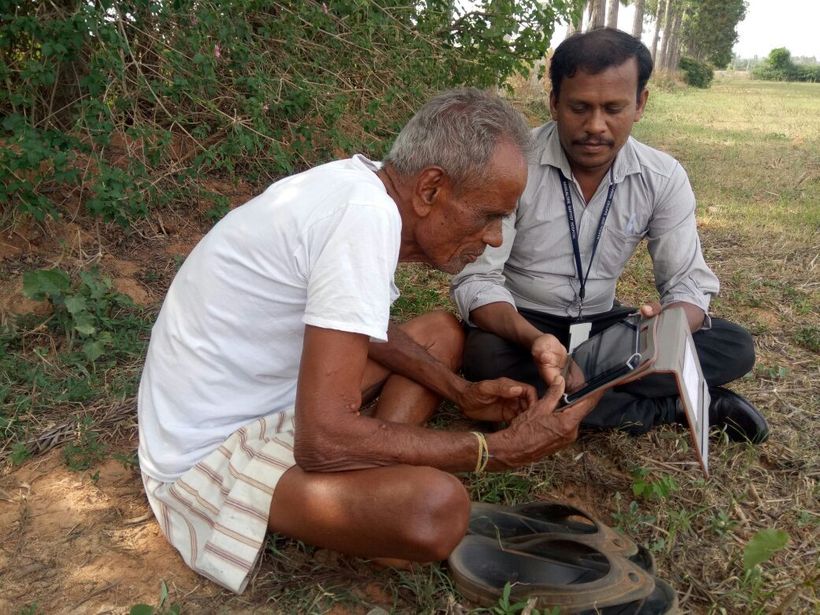
Baylor Researchers Awarded Grant to Develop Diabetes Mobile Health App for Use in India
An interdisciplinary team of Baylor University researchers – from nursing and business information systems to art and video game design – and physicians from Bangalore Baptist Hospital in Bengaluru, India, were awarded a 21st Century Knowledge Initiative Grant from the U.S. India Education Foundation (USIEF) to develop a diabetes mobile health app to boost awareness and educate those in India who are most at risk for diabetes. The team is led by Shelby Garner, Ph.D., R.N., assistant professor in Baylor’s Louise Herrington School of Nursing, who has worked in India over the past six years to develop technological health resources. She cited statistics from the World Health Organization that show life expectancy in India is among the lowest in the South East Asian Region and is largely attributed to growing rates of non-communicable diseases, such as diabetes. Contextualized health education is one key to help raise awareness in the country, she said. “There is a need for culturally appropriate health education materials in India,” Garner said. “Our early research showed that technology, such as smartphones and internet accessibility, are widely available in India among health providers, but most technological educational resources were developed in the West and do not effectively translate to the Indian context.” Physicians from Bangalore Baptist Hospital will provide cultural context and help identify important medical content to be included in the app. “Our diabetes app will feature an interactive 3D animated video with gaming features to help educate patients at risk for diabetes,” Garner said. “Answers to questions addressed in the app include: What is diabetes? What happens if I have diabetes? How do I prevent and treat diabetes? What do I do now?” The app also serves as a data collection tool to help researchers determine if the video is improving participants’ knowledge on diabetes. Community health workers employed by Bangalore Baptist Hospital will use the app as they visit with people in rural villages and urban slums during door-to-door health education visits, Garner said. The research team will compare the app’s effectiveness with standard health educational resources previously used. Garner said the USIEF grant was awarded, in large part, due to the success of an earlier project that led to the development of a hypertension app. “Earlier this year, we tested the hypertension app among 346 people in one of the largest slums in Bengaluru, India, and in several rural villages surrounding Bengaluru,” she said. “The app was significantly effective in improving knowledge among participants. We used these results to justify the need to design more resources and applied for funding from the U.S. India Education Foundation.” From previous experience developing and employing the hypertension app, Garner said she knew this new project would require input from a variety of perspectives. “I’ve realized some of the ‘big picture’ challenges in health education, and it will take a team of experts to make this happen,” she said. Team members are: • Shelby Garner, Ph.D., R.N., assistant professor in Baylor’s Louise Herrington School of Nursing • Dr. Carol Elizabeth George, community health physician, Bangalore Baptist Hospital • Dr. Gift Norman, community health physician, Bangalore Baptist Hospital • Dr. Kingsly Victor, internal medicine physician, Bangalore Baptist Hospital • Hope Koch, Ph.D., associate professor of business information systems, Baylor’s Hankamer School of Business • Phil Young, Ph.D., assistant clinical professor of business information systems, Baylor’s Hankamer School of Business • Julia Hitchcock, M.F.A., associate professor of art, Baylor’s College of Arts & Sciences • Matthew Fendt, Ph.D., lecturer in computer science, Baylor’s School of Engineering and Computer Science The grant also will fund exchange teams of researchers and faculty from India to come to the U.S. and for Baylor team members to go to India to collaborate on the research for the next two years. The first team from India is due in late October. “We are really excited about the work we will do together with our Indian partners over the next two years,” Garner said. ABOUT BAYLOR UNIVERSITY Baylor University is a private Christian University and a nationally ranked research institution. The University provides a vibrant campus community for more than 17,000 students by blending interdisciplinary research with an international reputation for educational excellence and a faculty commitment to teaching and scholarship. Chartered in 1845 by the Republic of Texas through the efforts of Baptist pioneers, Baylor is the oldest continually operating University in Texas. Located in Waco, Baylor welcomes students from all 50 states and more than 80 countries to study a broad range of degrees among its 12 nationally recognized academic divisions. ABOUT LOUISE HERRINGTON SCHOOL OF NURSING The Baylor University Louise Herrington School of Nursing (LHSON) located in Dallas was established in 1909 as a diploma program within Baylor Hospital in Dallas, which is now Baylor University Medical Center, and in 1950 became one of the six degree-granting schools of Baylor University. The first Baccalaureate degrees were granted in 1950 establishing the school among the earliest baccalaureate nursing programs in the United States. In 1999, the School was renamed the Baylor University Louise Herrington School of Nursing after Louise Herrington Ornelas, a 1992 Baylor Alumna Honoris Causa, who made an endowment gift to the school. Accredited by the Commission on Collegiate Nursing, LHSON offers Bachelor of Science in Nursing (B.S.N.) degrees through a traditional program and FastBacc (one-year accelerated program). LHSON also offers an online Master of Science in Nursing (M.S.N.) Leadership and Innovation program, as well as Doctor of Nursing Practice (D.N.P.) programs to include Family Nurse Practitioner (F.N.P.), Nurse-Midwife (C.N.M.) and Neonatal Nurse Practitioner (N.N.P.). LHSON was featured in U.S. News & World Reportfor the 2018Best Graduate Schools ranking the D.N.P.program in the top 50 U.S.nursing schools at No. 46. The Baylor M.S.N.program is ranked at No. 56and the Nurse Midwifery Program ranked No. 10. Baylor’s M.S.N. in Nursing Leadership andInnovation Online Program ranked No. 39 in the 2018U.S. News Best Online Graduate Programs. For more information, www.baylor.edu/nursing.