Experts Matter. Find Yours.
Connect for media, speaking, professional opportunities & more.

Baylor Expert: 9/11 Reshaped Every Aspect of American Life – Not Necessarily for the Better
English professor, culture expert says terror attacks damaged America, but it’s not too late to recover sense of purpose and generosity The Sept. 11, 2001, terrorist attacks on the World Trade Center and the Pentagon continue – 20 years later – to have profound effects on everything from America’s political, religious and cultural polarization to American entertainment choices, said Baylor University faith and culture expert Greg Garrett, Ph.D., professor of English. “It shouldn’t surprise anyone that an event that shook our sense of security and our identity would be reflected in every aspect of American life,” Garrett said. “But what does surprise and alarm me is the degree to which 9/11 continues to shape our attitudes about race, religion, immigration and the Other, whether that Other is in Afghanistan or just across town. The United States initiated a perpetual war against terror in response to the 9/11 attacks, and the fear that took root in the American psyche has proven difficult to shake.” Garrett, author of more than two dozen books, is internationally recognized as an expert on faith, culture, race and story, and he argues that the reaction to 9/11 can be measured just as much through literature and culture as through accounts of executive orders and covert military operations. Country music, procedurals and reality TV after 9/11 “Initially, Americans supported the War on Terror across political, religious and cultural lines,” Garrett said. “Country musicians like Toby Keith leaned into militant songs about American greatness and righteous revenge. The top-selling act the Chicks (then the Dixie Chicks) was drummed out of country music for their public stand against going to war. The TV show 24 reflected the growing darkness of America’s extra-legal approach to that war—the willingness to use torture, rendition and the opening of a dark site in Guantanamo Bay to house suspected terrorists—and it actually shaped opinion and policy as it grew in popularity and influence.” Two other types of television shows became extremely popular as a result of 9/11, Garrett said. Procedurals (shows such as CSI, Law and Order and House, M.D.) gained a new popularity because they offered viewers something the ongoing War on Terror never could or will: closure. “A serious problem was introduced in every episode, grappled with and solved by the end of an hour,” he said. Another type of show that leapt in popularity in the months and years following the attacks – reality shows – offered “train-wreck escapism,” Garrett said. “The contestants on Survivor and The Bachelor, and the wayward souls on Jersey Shore and Keeping Up with the Kardashians, presented exaggerated versions of our present moment that allowed viewers to forget about the dark actuality of the times,” he said. Springsteen, Harry Potter and critiquing ‘moral failures of the War on Terror’ Not all popular culture offered reinforcement or escapism, Garrett said, adding that some of the most powerful pop culture from 2001 onward critiqued the “moral failures of the War on Terror and critiqued the American people for so readily accepting them.” “Punk rock, always a prime medium for protest, was one of the earliest forms of dissent,” Garrett said. Green Day’s 2004 album American Idiot reached the top of the charts in the United States and 18 other countries, ultimately selling 16 million albums. But mainstream acts like Bruce Springsteen also asked complicating questions about the attacks and their aftermath. “After primarily offering empathy and comfort in The Rising (2002), Springsteen realized that America had betrayed many of its most important ideals, as revealed by songs like ‘Your Own Worst Enemy’ on the No. 1 2007 album Magic,” Garrett said. “Later novels in J. K. Rowling’s Harry Potter series, the most popular fictional narrative of all time, introduce questions of torture and terror, and powerful TV dramas like Battlestar Galactica and the British import Doctor Who also criticize the choices made by the American government and its allies.” Zombies and the Apocalypse Perhaps the most significant byproduct of 9/11 in our culture is the resurgence in apocalyptic stories such as 28 Days Later, Sean of the Dead, The Walking Dead, Game of Thrones, World War Z and The Road, Garrett said. Stories about the Zombie Apocalypse – whether in games, books, comics, TV or movies – asked serious questions about what it means to be human, and about what moral compromises a person might be willing to take to stay alive, Garrett explained. They also reflected the new 24/7 sense of encroaching menace that “seeped into our culture and lit up our phones at all hours of the day and night.” “You could fight all day every day against this menace, these creatures who look like humans but seek your destruction. And then the next morning, you still have to rise and confront it again,” Garrett said. ‘Not too late’ “People 20 years ago said that 9/11 changed everything, and so it did.” Garrett said. “But 20 years later it is not too late to recognize that the fears those attacks brought to the surface don’t have to be the way we continue to live. In my faith tradition, Jesus constantly admonishes his followers not to be so afraid. We make bad and selfish decisions out of fear. We abridge hospitality, compassion and liberty when we believe we are endangered. That’s not the America I grew up in, and it’s not the America in which I hope to die. That America, the light of the world, the city on a hill, Lady Liberty lifting her torch to welcome all, is the America that our founders dreamed, and that we can dream once again.” ABOUT GREG GARRETT, PH.D Greg Garrett, Ph.D., is a professor of English at Baylor University and Theologian-in-Residence at the American Cathedral of the Holy Trinity in Paris. An award-winning professor, Garrett has written about 9/11 and its aftermath in a number of books, including One Fine Potion: The Literary Magic of Harry Potter (Baylor University Press), Living with the Living Dead: The Wisdom of the Zombie Apocalypse, and A Long, Long Way: Hollywood’s Unfinished Journey from Racism to Reconciliation (both Oxford University Press). ABOUT BAYLOR UNIVERSITY Baylor University is a private Christian University and a nationally ranked research institution. The University provides a vibrant campus community for more than 19,000 students by blending interdisciplinary research with an international reputation for educational excellence and a faculty commitment to teaching and scholarship. Chartered in 1845 by the Republic of Texas through the efforts of Baptist pioneers, Baylor is the oldest continually operating University in Texas. Located in Waco, Baylor welcomes students from all 50 states and more than 90 countries to study a broad range of degrees among its 12 nationally recognized academic divisions. ABOUT THE COLLEGE OF ARTS & SCIENCES AT BAYLOR UNIVERSITY The College of Arts & Sciences is Baylor University’s largest academic division, consisting of 25 academic departments and eight academic centers and institutes. The more than 5,000 courses taught in the College span topics from art and theatre to religion, philosophy, sociology and the natural sciences. Faculty conduct research around the world, and research on the undergraduate and graduate level is prevalent throughout all disciplines. Visit baylor.edu/artsandsciences.



UCI scholars discuss how 9/11 changed America
In recognition of the 20th anniversary of the Sept. 11, 2001, terrorist attacks in the U.S., we asked UCI scholars a single question: How did 9/11 change America? They responded according to their expertise – which ranges from collective trauma, media, air travel, foreign relations, false narratives, political divisiveness, and the war on terror. Contact Tom Vasich at 949-285-6455, tmvasich@uci.edu, to arrange interviews. Roxane Cohen Silver, Distinguished Professor of psychological science, public health and medicine E. Alison Holman, professor of nursing Topic: Media and collective trauma Quote: “The Sept. 11 terrorist attacks – which hijacked our television screens that Tuesday morning as people who sought to do us harm hijacked four airplanes – captured people’s attention throughout the days and weeks that followed. It also ushered in 24/7 media attention to what has become known as a “collective trauma,” transmitting the horrible events of that day throughout the country and, indeed, throughout the world in a matter of seconds. …The 9/11 attacks were tragic for American residents, but they also taught us that the media can broadcast distress alongside the news it’s covering.” Jan K. Brueckner, Distinguished Professor of economics Topic: Air travel Quote: “In response to the revenue shock of 9/11 and to new competition from low-cost carriers, the major airlines behaved conservatively in adding back capacity as traffic returned, so that the carriers eventually offered fewer seats to an ultimately larger number of passengers, leading to fuller flights and today’s less comfortable flying experience. Even though 9/11 is long past, the airline industry continues to operate in a climate of fear of terrorism from the air.” Erin Lockwood, assistant professor of political science Topic: U.S. foreign policy Quote: “The attacks – and the U.S. response – set in motion decades of war, anti-Arab and anti-Islamic bias and violence, and a willingness to sacrifice military and civilian lives and civil liberties for the perception of security. As we mark the withdrawal of U.S. forces from Afghanistan this month, it’s all too apparent that many of those trends continue to reverberate today.” David Kaye, clinical professor of law Topic: National security Quote: “Despite my hopes for something better that might emerge, the attacks reinforced a cult of national security that the United States transformed into the torture of terrorism suspects, drone warfare, the invasion of Iraq, Guantanamo Bay’s indefinite detentions, anti-Muslim discrimination at home and the emergence of the contemporary surveillance state. … The predominance of national security as an ideology and apologia remains among the most significant legacies of that day, a feature of American political life that continues to constrain creativity and a return to normalcy in American law and policy.” Matthew Beckmann, associate professor of political science Topic: War on terror Quote: “To understand the legacy of 9/11 is to define the legacy of George W. Bush. For after the deadliest terrorist attacks on U.S. soil in our nation’s history, American citizens and lawmakers gave President Bush broad support and broader authority to wage the “war on terror” as he saw fit. … Twenty years after the attacks, having seen those lofty aspirations dashed in Afghanistan and Iraq, disregarded in Guantanamo Bay and black site prisons, and discounted even by our staunchest allies, the biggest legacy of Sept. 11 for the United States is that the “shining city on a hill” has less luster and a shorter reach.” David Theo Goldberg, professor of comparative literature Topic: Rise of false narratives Quote: “The events of 9/11 lent themselves to make-believe. The smoke hadn’t yet cleared when conspiracies began to abound, from “weapons of mass destruction” to “the deep state.” That the Trump administration adopted this as its own playbook while insisting on “draining the swamp” required cooking the rules. … Fabrication had become the rule book of the game. Invention and inventedness, disruption and innovation fueled the movement. The “truth” was, well, oh so yesterday.”

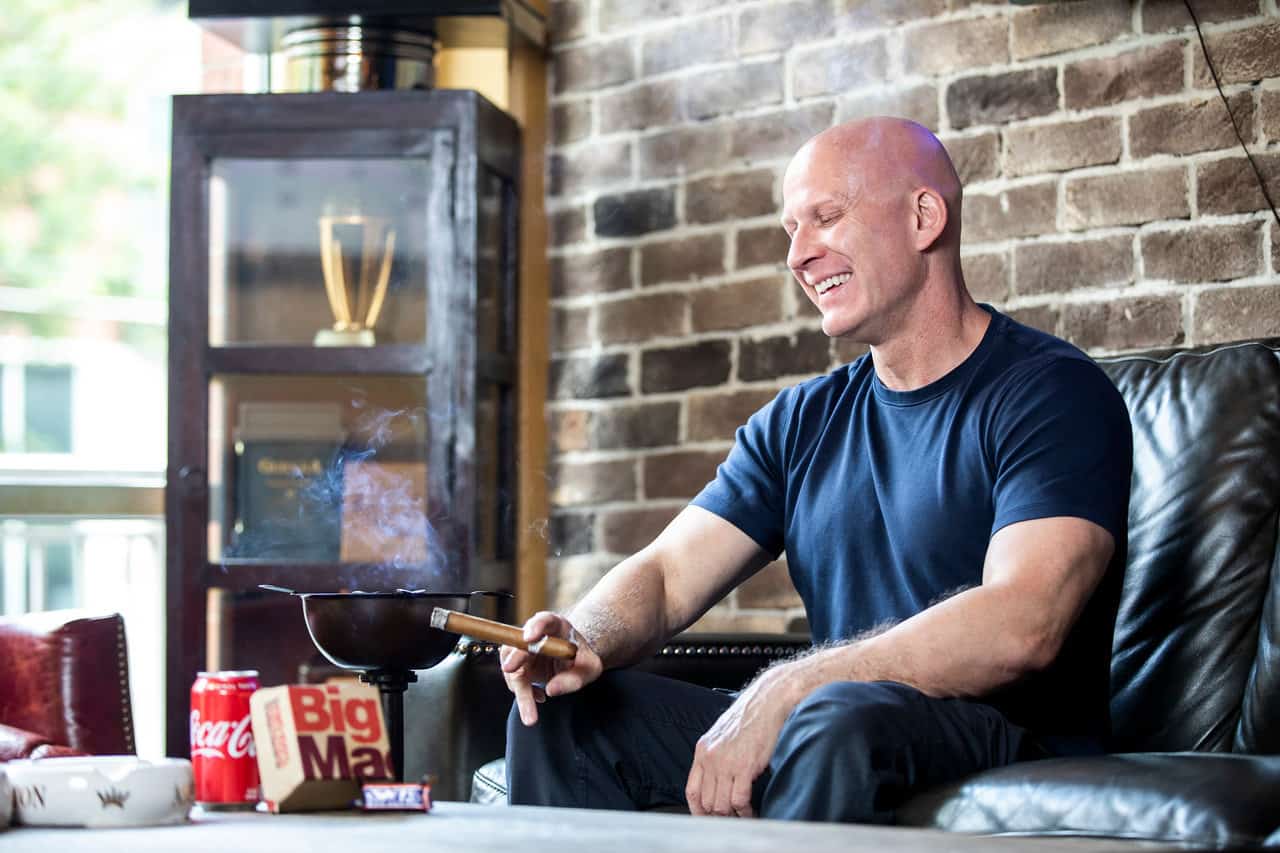
When it comes to marketing, the endgame is almost always to increase brand awareness, strengthen relationships between companies and consumers, and boost market share. But counter-marketing efforts are often employed to reduce consumption of “vice” goods such as cigarettes, sugary sodas, and fast food. Earlier this year, Michael “Mike” Lewis, professor of marketing, faculty director, Emory Marketing Analytics Center, published “Investigating the Effects of Excise Taxes, Public Usage Restrictions, and Anti-Smoking Ads across Cigarette Brands.” in the Journal of Marketing. Mike, along with co-authors, Yanwen Wang PhD14, associate professor of marketing and Canada research chair in Marketing Analytics at the University British Columbia, and Vishal Singh, professor of marketing, Leonard N. Stern School of Business, New York University, took a closer look at the role counter-marketing plays in the consumption of “vice” goods. Given that many “vice” categories are dominated by high-equity brands such as Marlboro, McDonald’s, and The Coca-Cola Company, the authors wanted to explore whether or not strong brands “might also affect the efforts of advocacy groups and regulators to disrupt these relationships and reduce consumption,” they note in their paper. The research focused specifically on the interplay between branding and counter-marketing with respect to cigarette consumption. By focusing on brand manufacturers rather than on regulators and consumers, the authors believe they’ve closed a gap. “The literature on smoking cessation has largely ignored the impact of branding on efforts to reduce cigarette consumption,” they write. “This is an oversight given that marketing researchers have found that brand-consumers’ relationships have significant effects on consumer decision-making.” A full article on the research is attached and is well worth the read. In that piece, readers will learn more about how the researchers expected that strong brands would take advantage of their increased customer loyalty and diminished price sensitivity to protect them from counter-marketing tactics. And while it might be counter-intuitive, the author’s research suggests that market leading cigarette brands would be better off pushing for excise taxes on cigarettes (versus smoking restrictions), as such tax increases would be attractive to government agencies (by increasing government revenue), and big brand cigarette companies would capture more market share. In other words, when it comes to combating counter-marketing efforts, “brand managers may devise strategies or lobbying efforts based on their category position,” suggest the researchers. “This isn’t a clear-cut battle of good versus evil. It’s more a matter of a brand’s people advocating for one position,” said Lewis. “A position that’s going to make them more resilient to some of these tactics.” In addition to big brand cigarette companies, the paper’s findings have implications for brands that anchor other vice categories, such as McDonald’s and The Coca-Cola Company, entities that have been the target of counter-marketing campaigns by various anti-obesity groups. According to Lewis, Wang, and Singh’s research, much of the response by these brands to the counter-marketing attempts has been centered around public relations, but the authors see opportunities to employ “different tactics” that are “appropriate for different brands,” they write. "Relationships between consumers and relatively weak brands may be disrupted using taxes, while for strong brands, the appropriate tactic seems to be usage restriction that limit public consumption. Our results suggest that brand building is the correct response to taxes, whereas usage restrictions would call for other responses, such as lobbying.” If you are a reporter looking to know more about this subject or if you have questions, then let our experts help. Professor Michael Lewis is an Associate Professor of Marketing at Emory University’s Goizueta Business School. In addition to exploring trends in the overall marketing landscape, Lewis is an expert in sports analytics and marketing. He is available for interview - simply click on his icon to arrange a discussion today.



The use of swear words declines by more than a quarter in the UK since the 1990s – new research
Aston University’s Dr Robbie Love compared the use of 16 of the most common swear words between 1994 and 2014 He found the amount of swearing has fallen by 27.6 per cent during the 13-year period The study also found that the f-word has overtaken 'bloody' as UK's most popular curse word Researchers from Aston University have found that the use of swear words in Britain has declined by more than a quarter since the 1990s. Dr Robbie Love, based in the College of Business and Social Sciences, looked at how swearing changed in casual British English conversation between 1994 and 2014. As part of the study, which is published in Text & Talk: An Interdisciplinary Journal of Language, Discourse & Communication Studies, Dr Love used two large bodies of transcriptions to analyse the use of language, including: The Spoken British National Corpus gathered in 1994 and the same corpus from 2014. Both texts include over 15 million words, although it was found that swear words accounted for less than one per cent. In total, the amount of swearing was found to have fallen by 27.6 per cent, from 1,822 words per million in 1994 to 1,320 words per million in 2014.The research findings also suggest that the f-word has overtaken 'bloody' as the most popular curse word in the UK. In the study, Dr Love compared the use of 16 of the nation's most common swear words, including p***, c*** and s**g, from the 1990s to the 2010s. He also found that trends in the type of swear words used have changed over the last few decades , with 'bloody' being the most common curse word in the 1990s and the f-word taking precedent in the 2010s. The analysis suggests that this is largely down to a big decline in the use of 'bloody',while the f-word has remained relatively steady over the years. It was also found to be the second most commonly used swear word in 1994, followed by s**t, p***, b****r and c**p. Other key findings of the study included: Over a twenty year period b****r had fallen from the fifth most common curse to the ninth, while b*****d dropped from seventh to 10th. The big climbers include s**t, from third to second, a**e, from eighth to sixth and d***, from tenth to seventh. T**t also rose from the 16th most common swear word in the 1990s to 13th by the 2010s. Dr Love then analysed demographics and discovered that, although swearing is more common in men than women, the difference between the genders has decreased notably from 2.33 times more frequent in men in 1994 to 1.68 times in 2014. Another change concerned how much people swear as they age. In both data sets, swearing is most common among people in their 20s, and then declines with age. However, the decline was less steep in the 2010s, suggesting that people continue swearing later in life more than they did in the 1990s. Dr Robbie Love, lecturer in English at Aston University, said: “This research reinforces the view that swearing plays a part in our conversational repertoire, performs useful functions in everyday life and is an everyday part of conversation for many people. “Despite this, it is relatively under-researched precisely because it is considered to be taboo. “Swearing performs many social functions including conveying abuse and humour, expressing emotion, creating social bonds, and constructing identity. “The strong social conditioning around swear words makes them more psychologically arousing and more memorable than other words, and something different happens in the brain when saying them compared to euphemistic equivalents, such as saying "f***" compared to ‘the f-word’.” You can read the full study, Text & Talk: An Interdisciplinary Journal of Language, Discourse & Communication Studies, HERE If you want to explore how the written and spoken word works in society, Aston University's innovative English language and literature degrees are for you. We emphasise practical applications, linking your studies to the real world through professionally relevant modules in areas such as Language and Literature in Education, The Language of the Law, Psychology of Language and Communication or Language at Work.


Experts explore the gap between research and practice in disaster management
The COVID-19 pandemic has attracted public attention to crisis management globally, writes Aston University's Oscar Rodriguez-Espindola. Although authorities and international organisations are still actively and diligently trying to mitigate the impact of the pandemic, some of the attention is shifting towards understanding the decisions made and learning from our experience. Indeed, this experience has inadvertently shown different areas for improvement for emergency management systems. The experience gained during the pandemic should lead governments and organisations to refine crisis management processes to prepare for challenges ahead. Leveraging research and specialist groups have been essential to support and inform decisions, as these can provide key insights guiding policy decisions. However, the integration of research and practice should not take place at the response stage only, but as part of the core crisis management system at every stage. It is crucial to maintain and strengthen the relationships between research and practice forged during the pandemic for different emergencies in the future. With the increasing number of different disasters happening and the threats stemming from climate change, it is not surprising that between 1994 and 2013 around 1.35 million lives have been claimed annually by natural disasters. Therefore, the value of partnerships between research and practice needs to be strengthened and implemented globally. Academics from Aston University in the UK and the Universidad Autónoma de Occidente in Mexico have investigated the current status of the integration of research and practice for crisis management. A systematic literature review of decision models for humanitarian logistics has been used to understand the way these models have reflected the real conditions experienced by decision-makers and catered to their priorities. Afterwards, interviews with two civil protection authorities of the state of Sinaloa, Mexico, have been undertaken to understand the conditions faced by them for crisis management, their processes and their view of decision models to support crisis management in the country. Next, a multicriteria decision analysis was used to capture their preferences regarding the objectives set for humanitarian operations to develop an analysis of their priorities. Practice needs to be informed by research, but for that guidance to be impactful, research needs to have a thorough understanding of the conditions and challenges faced by practice. The literature focused on models for humanitarian logistics has shown that the engagement of academics with practitioners in the design of solutions to support decision-making has been declared in less than a quarter of the contributions, as shown in Table 1. That means the design of solutions is based on prior secondary information or founded on a theoretical basis, which is not necessarily reflecting the current reality faced by authorities. It is noteworthy that there is an increasing trend in the number of articles involving practitioners in recent years, with more than half of them published in the previous three years. Despite that growth, however, the relative percentage of contributions incorporating practitioners has never been beyond 40% of all the models published in any year, which highlights that there is still a long way to go to support research development. Table 1: Involvement of practitioners in the design of models for humanitarian logistics Our interviews highlighted that authorities perceive the potential of systems to improve information management forecasting and decision-making, but they also unveiled the concerns about these systems providing unrealistic or unfeasible solutions. Optimisation models are formulations in which a metric is maximised or minimised subject to a series of constraints. If the objective does not reflect the objectives and priorities of decision-makers, then results can be less relevant for decision-makers. For instance, models solely aiming to minimise cost would struggle to give useful solutions to authorities focused primarily on providing support to all the victims equally. Therefore, the lack of involvement from decision-makers can lead practitioners to be cautious about using decision-making models. To examine the link between contributions in the literature and the objectives and priorities of authorities, data about them was gathered and analysed using a technique known as Fuzzy-TOPSIS. The purpose was to identify the importance given to different objectives by authorities for different activities in order to rank them based on importance as shown in Table 2. Although humanitarian logistics are characterised by a focus on the overarching ideas of saving lives and reducing suffering, it is still surprising to note that cost was the least important objective for authorities. Conversely, more than three-quarters of the models surveyed are using cost as the main objective function, which makes it the most prominent objective in humanitarian logistics. As preferences from authorities seem considerably more focused on maintaining a reliable flow of support, with high levels of service and ensuring to reach the most affected population, our findings suggest a misalignment between research and practice. Hence, neglecting to incorporate practitioners in decision-making models for humanitarian logistics can lead to omitting their needs and priorities, rendering the models less effective to provide workable solutions. Table 2: Ranking of objectives from civil protection authorities Additionally, it is important that research guides and influences practice in relevant aspects for further development. For instance, understandably, the chaotic and urgent conditions faced by authorities in humanitarian logistics force them to prioritise response over any other considerations. Our interviews confirmed this, as they mentioned that even though sustainability is becoming a crucial element in regular times, it is undermined by the urgency of the response and only included in recovery activities. This is an aspect worth looking into because research has shown that sustainability can be integrated into crisis management, even with the potential to provide improvements in terms of efficiency. Hence, a more thorough integration between research and practice would allow to positively influence activities on the field based on findings and results proposed and tested by cutting-edge investigations. Overall, our findings suggest that despite the increasing remarks about the intention of joining research and practice, there is still a significant divide between them. Reducing that divide can be beneficial for both sides. More practice-informed research can allow to development of feasible solutions that can enhance the support provided to disaster victims in practice, whereas more research-informed practice can provide stronger foundations for effective decision-making and guide research to focus on key aspects to make it more impactful. Therefore, it is essential to put more emphasis on integrating research and practice from the roots, to make their interaction more fruitful. Current trends seem to be going towards that direction, especially with the current focus on the impact on research, but further efforts are required to motivate researchers and practitioners to work together to improve crisis management. This article was co-written by Oscar Rodriguez-Espindola, Pavel Albores, Hossein Ahmadi, Soumyadeb Chowdhury, Prasanta Dey from Aston University and Diego Chavira and Omar Ahumanda from the Universidad Autónoma de Occidente. This work was supported by an Institutional Links grant, ID 527666998, under the Newton UK-Mexico partnership. The grant is funded by the UK Department for Business, Energy and Industrial Strategy and delivered by the British Council. For further information, please visit www.newtonfund.ac.uk

Climate Change-Related Natural Disasters Impact Short-Lived Assets and Interest Rates
For decades, scientists across the globe have warned about the effects of climate change. Given that these changes—global warming, rising sea levels—happen over time and that their disastrous results may not be obvious for decades, studying the effects of climate change on financial markets has posed a problem. According to Christoph Herpfer, assistant professor of finance, Goizueta Business School, most of the existing literature that deals with the effect of climate change on financial markets considers “indefinitely lived assets,” such as owning stock or owning a home—assets that “don’t have an expiration date,” explained Herpfer. To evaluate the effect of climate change in the long run on these assets then requires discount models—ways to value something today based on what it could be worth decades from now. Herpfer, a banking and corporate finance specialist, studies short-lived assets that, on average, expire after 4.5 years. Herpfer wondered if there could be “an alternative channel in which climate change already impacts companies today,” he explained. One that didn’t have to deal with all the “challenges associated with long run discount rates,” he added. In “The rising tide lifts some interest rates: climate change, natural disasters, and loan pricing,” Herpfer and his colleagues—Ricardo Correa, deputy associate director, Board of Governors of the Federal Reserve System, Ai He, assistant professor of finance, University of South Carolina, and Ugur Lel, associate professor, Nalley Distinguished Chair in Finance, University of Georgia, Terry College of Business—consider this question by studying corporate borrowing costs. In 2020, the paper received the best paper award at the Boca Corporate Finance and Governance Conference. The foursome had a novel idea: In recent years, there has been scientific consensus that climate change fuels natural disasters. So Herpfer and his fellow authors wondered if financial institutions took climate change-amplified natural disasters into account when pricing short-term loans. Their answer was, unequivocally, “yes.” Their work and research is captured in a recent article in Emory Business - it's attached and well worth the read. If you're a journalist looking to know more - then let us help. Christoph Herpfer is an assistant professor of finance at Goizueta Business School. He is also a financial economist working at the intersection of banking, law, and accounting. Christoph is available to speak with media about this research - simply click on his icon now to arrange an interview today.

Laughing through lockdown: why comedy is important in times of crisis
Author: Lucy Rayfield Most of us have needed a good laugh over the last 12 months. Searches on Netflix for horror dipped at the peak of the first lockdown, while stand-up comedy saw a huge jump in viewers. In the world of social media, accounts poking fun at responses to the virus have also gained enormous followings, with accounts like Quentin Quarantino and the Reddit thread CoronavirusMemes surging in popularity in the past year. We’ve spent a significant amount of time joking about Zoom meetings, hand-washing songs, and home haircuts. But what makes us switch so quickly between panicking at death tolls and chuckling at a video sent by a friend? As a scholar who’s spent much of my career studying laughter and comedy, I often come across surprising functions of humour. I’ve studied Italian comedy and its reception in 16th-century France, the political consequences of laughter in the Wars of Religion, and the historical antecedents to today’s main theories of humour. We can help you make informed decisions with our independent journalism. Much of my research has revealed fascinating things about how humour appeals to us in times of hardship. But the pandemic has really amplified the roles that comedy can play and brought home our reliance on humour. Humour in ancient Rome Our need to laugh in the face of disaster is by no means new. In ancient Rome, gladiators would leave humorous graffiti on barrack walls before going to their deaths. The ancient Greeks also sought new ways to laugh at deadly disease. And during the Black Death pandemic in 1348, the Italian Giovanni Boccaccio wrote the Decameron, a collection of often funny tales told by storytellers isolating from the plague. Comedy scene in a Roman mosaic on display in the National Archaeological Museum in Naples, Italy. Azoor Photo/Alamy The need to avoid offence with humour is just as ancient. In 335 BCE, Aristotle advised against laughing at anything painful or destructive. The Roman educator Quintilian also outlined in 95 CE the very fine line between ridere (laughter) and deridere (derision). It’s still generally accepted a common position that humour shouldn’t hurt, and this is particularly true when the object of laughter is already vulnerable. When the boundary between laughter and derision is respected, comedy can play a key role in helping us to recover from disaster, providing benefits which explain our tendency to seek humour in serious situations, especially in terms of enhancing our sense of physical and mental wellbeing. How humour helps during crises Laughter serves as a great workout (laughing 100 times burns as many calories as 15 minutes on an exercise bike), helping to relax our muscles and promote circulation. Combinations of exercise and laughter — such as the increasingly popular “laughter yoga” — can also provide significant benefits to patients with depression. Laughter also decreases stress hormones and increases endorphins. In tough times, when we have thousands of thoughts a day, a bout of giggling provides our brains with respite we desperately need. Home haircuts were the source of a number of jokes during the first lockdown. Rosanne Tackaberr/Alamy In the same way, we seek humour in a crisis because it is difficult to feel scared and amused at the same time, and most often, the combination of these emotions result in feeling thrill and not terror. Sigmund Freud explored this in 1905 when revising the so-called “relief theory”, suggesting that laughter feels good because it purges our system of pent-up energy. Even in the 1400s, clerics argued that mirth was vital for keeping up spirits, explaining that people are like old barrels which explode if they aren’t uncorked from time to time. As levels of loneliness reached a record high during the winter lockdown (in November, one in four UK adults reported feeling lonely), laughter has also been crucial in bringing people together. Not only is it typically a communal activity – some scientists believe that our human ancestors laughed in groups before they could speak – it’s even more contagious than yawning. Given that we’re far more likely to laugh at topics we find personally relatable, humour has helped people to identify with one another during lockdowns. This in turn creates a sense of unity and solidarity, alleviating our sense of disconnectedness. Literature scholar and author Gina Barreca maintains that “laughing together is as close as you can get without touching”. Laughter can also be a means of easing our worries. Joking around a fear, especially during a pandemic, can make it more manageable, a phenomenon known by comedians as “finding the funny”. This is linked to “superiority theory”, the idea that we laugh because we feel superior to something or someone else (for example, it’s funny when someone slips on a banana because we ourselves haven’t). We laugh because we are superior, unthreatened, and in control. In this way, joking about a virus heightens our sense of power over it and relieves anxiety. Joking can also be useful because it enables us to talk about our problems and to express fears we may otherwise find hard to put into words. Though many of us have felt guilty for seeking humour in the pandemic, let’s not add this to our list of worries. Certainly, our situation may not always be a laughing matter. But laughing itself matters, and when used appropriately, it can be one of our most effective coping mechanisms during a crisis, allowing us to find a healthier balance with others, with ourselves, and even with events beyond our control.


Local neighborhood conditions are important for children’s brain development
Growing up in a disadvantaged neighborhood is related to children’s brain structure and neurocognitive performance, according to a study published May 3, 2021 in the journal JAMA Pediatrics. It is associated with the brain’s cortical structure and volume as well as how children pay attention, their executive function, reading, flexible thinking, and other tasks that support learning. These differences could potentially contribute to other inequities during adolescence as well as later in life for these children, though there is no evidence that such neighborhood-related differences are fixed or immutable. Children’s brains exhibit plasticity, meaning that they can change and grow in response to learning and experience. The study’s findings shine a spotlight on the larger population trend and do not serve as a predictor of any individual child’s outcome. “This points to the importance of investing in policies and programs that help improve local neighborhoods and to support and empower communities to promote children’s neurodevelopment and long-term health and well-being,” said Daniel A. Hackman, assistant professor at the USC Suzanne Dworak-Peck School of Social Work and lead author of the study. Researchers from the USC Suzanne Dworak-Peck School of Social Work and the Keck School of Medicine of USC used data from the Adolescent Brain and Cognitive Development (ABCD) Study, collected from October 2016 – 2018. The ABCD Study is the largest long-term study of brain development and child health ever conducted in the United States. “Disadvantaged neighborhoods may lack quality health services, access to nutritional foods, and well-maintained parks and rec facilities,” said Megan Herting, assistant professor in the department of preventive medicine at the Keck School of Medicine at USC and senior author of the study. “They may also expose residents to more pollutants or social stressors.” In addition to Hackman and Herting, study authors include Dora Cserbik, Jiu-Chiuan Chen, and Rob McConnell of the department of preventive medicine at Keck School of Medicine; Bita Minaravesh of the USC Dornsife Spatial Sciences Institute; and Kiros Berhane of the Department of Biostatistics at Columbia University Mailman School of Public Health. Neighborhood disadvantage and the brain The study participants were 8,598 nine- to eleven-year-old children in 21 sites from the ABCD Study, and includes youth from diverse backgrounds, family income levels and neighborhood environments. Using this ABCD data, the multidisciplinary team of researchers tested whether neighborhood disadvantage is associated with neurocognition and brain structure through the National Institute of Health Toolbox Cognition Battery and magnetic resonance imaging (MRI) scans. Neurocognition refers to specific cognitive functions related to particular neural systems, such as executive function, memory, problem-solving and perception. Executive function is the set of cognitive functions that allows people to select behaviors, make efforts to regulate or control their behavior or thinking in given situations, and to focus on goals despite distractions. Brain structure refers to global and regional measures of the brain’s cortex and subcortex, such as volume and surface area. The researchers found that neighborhood disadvantage was associated with worse neurocognitive performance on nearly all tasks and smaller cortical surface area, as well as cortical volumes and subcortical volumes, across the whole brain. The associations remain after adjusting for family socioeconomic status and largely remain after adjusting for perceptions of neighborhood safety. “Our findings aren't specific to the child's home life, as we accounted for socioeconomic factors at each child's home,” Herting said. “But the research suggests neighborhoods may have different levels of social and educational resources and opportunities that can impact a child's neurodevelopment.” Disadvantaged neighborhoods are those in which people generally have lower levels of income, employment and education. Growing up in these conditions can be stressful for children and adults. However, comparing disadvantaged neighborhoods across the country is challenging to social work researchers, who understand that when looking at national samples they may pick up regional differences for which they must account. Neighborhood similarities and differences The impressive scope and scale of the ABCD study made it possible for these researchers to delve into rich local data that enabled them to understand the similarities and differences of disadvantaged neighborhoods within the context of their cities. Hackman, whose research interests include understanding neighborhoods and the context that children and adolescents grow up in, wanted to be able to look at the research question from both the national perspective as well as the local perspective. “This is the first large, national study of neurodevelopment to determine that the role of neighborhood disadvantage is similar across all regions of the country, and we found that what mattered most were the local differences in neighborhood disadvantage within each city, rather than how cities differ from each other overall” Hackman said. “This highlights the broad relevance of neighborhood disadvantage, and the importance of unique local conditions. His interest was even more piqued when he saw a clear narrative emerge from the data. “The consistency of the data was so compelling,” Hackman said. Though disadvantaged neighborhoods may vary from city to city, the researchers found the associations were largely consistent across 21 metropolitan areas within the U.S. For policymakers, a takeaway is that neighborhoods were related to these important aspects of child development everywhere, and that though each city is different, the unique local conditions are important to address. In addition, the global relationship between neighborhood and overall brain structure and neurocognitive performance suggest that intervention approaches may be most successful if they are comprehensive and focused on improving children’s contexts, rather than narrowly targeted to the development of particular cognitive skills. “This research is important as it not only highlights that neighborhoods matter, but it also suggests that promoting neighborhood equity based on the unique local conditions within cities could be important for the short and longer-term health and overall development of children and adolescents,” Hackman said. According to the study, although the magnitudes of association between disadvantaged neighborhoods and neurocognition and brain structure are statistically small, they are potentially meaningful. One reason is because even small effects may have large consequences as they accumulate over time at a population level. Another reason is because these are comparable to, but smaller, than effect sizes for family socioeconomic status in these models. “There is also considerable evidence of resilience,” Hackman noted, as the authors caution that these associations are not predictive at the individual level. In particular, many youth from disadvantaged neighborhoods outperform their peers from more affluent neighborhoods, and also have larger cortical surface area and subcortical volume as well. In other words, living in a disadvantaged neighborhood is not deterministic and does not automatically predict any pattern of neurocognition and brain structure for any individual. Instead, the association uncovered by these researchers points to more reasons why improvements to neighborhoods can bring positive change. “Future research is needed to determine if our findings are, in fact, attributable to differences in community-based resources or differences in quality of schooling,” Herting said. “However, our findings do add to a growing literature suggesting the importance of neighborhoods and how they may contribute to place-based disparities in health and well-being in America.”


BLOOMINGTON, Ind. -- During the pandemic, the amount of screen time for many people working and learning from home as well as binge-watching TV has sharply increased. New research finds that wearing blue-light glasses just before sleeping can lead to a better night's sleep and contribute to a better day's work to follow. "We found that wearing blue-light-filtering glasses is an effective intervention to improve sleep, work engagement, task performance and organizational citizenship behavior, and reduced counterproductive work behavior," said Cristiano L. Guarana, assistant professor of management and entrepreneurship at the Indiana University Kelley School of Business. "Wearing blue-light-filtering glasses creates a form of physiologic darkness, thus improving both sleep quantity and quality." Most of the technology we commonly use -- such as computer screens, smartphones and tablets -- emits blue light, which past research has found can disrupt sleep. Workers have become more dependent on these devices, especially as we navigate remote work and school during the coronavirus pandemic. The media have recently reported on the benefits of blue-light glasses for those spending a lot of time in front of a computer screen. This new research extends understanding of the circadian rhythm, a natural, internal process that regulates the sleep-wake cycle and repeats roughly every 24 hours. "In general, the effects of wearing blue-light-filtering glasses were stronger for 'night owls' than for 'morning larks,' said Guarana, who previously has studied how lack of sleep affects business decisions, relationships and other behaviors in organizations. "Owls tend to have sleep periods later in the day, whereas larks tend to have sleep periods early in the day. "Although most of us can benefit from reducing our exposure to blue light, owl employees seem to benefit more because they encounter greater misalignments between their internal clock and the externally controlled work time. Our model highlights how and when wearing blue-light-filtering glasses can help employees to live and work better." The findings appear in the paper, "The Effects of Blue-Light Filtration on Sleep and Work Outcomes," published online by the Journal of Applied Psychology. Guarana is the corresponding author; his co-authors are Christopher Barnes and Wei Jee Ong of the University of Washington. The research found that daily engagement and performance of tasks may be related to more underlying biological processes such as the circadian process. "Our research pushes the chronotype literature to consider the relationship between the timing of circadian processes and employees' performance," the researchers wrote. A good night's sleep not only benefits workers; it also helps their employers' bottom lines. "This study provides evidence of a very cost-effective means of improving employee sleep and work outcomes, and the implied return on investment is gigantic," said Barnes, professor of management and the Evert McCabe Endowed Fellow at the University of Washington's Foster School of Business. "I personally do not know of any other interventions that would be that powerful at that low of a cost." Across two studies, researcher collected data from 63 company managers and 67 call center representatives at Brazil-based offices for a U.S. multinational financial firm and measured task performance from clients. Participants were randomly chosen to test glasses that filtered blue light or those that were placebo glasses. "Employees are often required to work early mornings, which may lead to a misalignment between their internal clock and the externally controlled work time," the researchers said, adding that their analyses showed a general pattern that blue-light filtration can have a cumulative effect on key performance variables, at least in the short term. "Blue-light exposure should also be of concern to organizations," Guarana said. "The ubiquity of the phenomenon suggests that control of blue-light exposure may be a viable first step for organizations to protect the circadian cycles of their employees from disruption." Researchers received no financial support or compensation for this research. The glasses were donated by the Austin, Texas-based company Swanwick.


Artificial Intelligence Playing a Powerful Role in Understanding and Fighting COVID-19
Artificial intelligence is emerging as a powerful new ally in tracking COVID-19, modeling the virus at the molecular level, and analyzing the myriad research results being published daily. James Hendler, the Tetherless World Professor of Computer, Web, and Cognitive Sciences at Rensselaer, and director of the Rensselaer Institute of Data Exploration and Applications, is leading campus efforts to marshal AI resources for the purpose of battling the virus. “The bottom line is that, at heart, dealing with COVID-19 is a ‘big data’ problem, and AI is a crucial tool in the big data toolkit,” Hendler said. For example, IDEA and the Rensselaer Libraries have collaborated to maintain lists of COVID-19-related data sources and scholarly research publications. AI is being used to translate literally thousands of scientific insights from text-based research products into forms that can more easily be analyzed. Hendler and other Rensselaer AI experts are also involved in studying the spread of the virus under different policy measures at the local, then state and national, and ultimately global scale. Additionally, Rensselaer is part of the national COVID-19 High Performance Computing Consortium, which is offering researchers access to supercomputers for COVID-19 research. In addition to AiMOS, the most powerful supercomputer housed at a private university, Rensselaer is offering access to the expertise of world-class faculty, including in artificial intelligence. Hendler said AiMOS is one of the few facilities that can truly offer a platform optimized for artificial intelligence computing. “AI has helped us achieve an excellent understanding of the coronavirus and its interactions at the molecular level. That’s going to make it possible not only to model the virus, but also how it will interact with potential drug targets and vaccines,” said Hendler. “A platform like AiMOS is invaluable for molecular modeling in drug discovery, helping scientists cope with a huge and rapidly changing literature, and exploring means to model, and then mitigate, the spread of the disease. These are the kinds of things that modern AI can do.” Hendler has authored over 400 books, technical papers and articles in the areas of Semantic Web, artificial intelligence, agent-based computing and high performance processing. One of the originators of the “Semantic Web,” Hendler is the former Chief Scientist of the Information Systems Office at the U.S. Defense Advanced Research Projects Agency (DARPA) and was awarded a US Air Force Exceptional Civilian Service Medal. Among other organizations, he is a member of the National Academies Board on Research Data and Information, a fellow of the National Academy of Public Administration, and he serves as chair of the Association for Computing Machinery (ACM) U.S. technology policy committee.