
Experts Matter. Find Yours.
Connect for media, speaking, professional opportunities & more.

The ChristianaCare Hospital Care at Home program, a national leader in providing acute care in a place most familiar to patients – their own homes – has reached a new milestone with more than 1,000 admissions since opening in December 2021. ChristianaCare’s innovative program enables patients with common chronic conditions, such as congestive heart failure and diabetes complications, as well as infections like pneumonia, to receive hospital-level care at home through virtual and in-person care provided by a team of physicians, nurse practitioners, paramedics and others. Technology kits deployed to patient homes ensure round-the-clock access to a health care professional, along with twice daily visits from caregivers, medication deliveries and mobile laboratory services. ‘Absolutely amazing’ for patients Patients are evaluated for the hospital care at home program when they come to Wilmington or Christiana hospital emergency departments. Those who can be treated at home receive a technology kit that connects them to the command center, powered by the ChristianaCare Center for Virtual Health. With a touch of a button, they can access an expert team of ChristianaCare doctors and nurses. But hospital care at home isn’t just virtual care — the technology supports an entire care team that works inside the patient’s home and remotely to provide optimal support at all times — just like in a hospital. Carol Bieber, whose 98-year-old father Bill has been a hospital care at home patient, sees the difference it makes for him to wake up in his own bed, sit in his own living room and still get the care he needs to get better. “The whole hospital care at home experience is really calm and easy and familiar to him,” said Bieber, who lives in Newark, Delaware. “My dad is a people person, so to be able to connect with everybody who comes in to see him or talk to him on the screen is just amazing.” Innovative solutions for in-home care ChristianaCare’s Hospital Care at Home program was developed in 2021 after the Centers for Medicaid & Medicare Services (CMS) began the Acute Hospital Care at Home waiver program to allow Medicare beneficiaries to receive acute-level health care services in their home. U.S. Sen. Tom Carper, who represents Delaware, worked to pass the bipartisan “Hospital Inpatient Services Modernization Act” in 2023 that extended this program. Last month. Sen. Carper introduced the bipartisan “At-Home Observation and Medical Evaluation (HOME) Services Act” that would expand this lifesaving and cost-saving program. “Hospital at Home – which grew out of the COVID pandemic – was an opportunity for us to meet seniors where they are,” Carper said. “It has delivered positive outcomes, higher patient satisfaction, and saves money.” Sarah Schenck, M.D., FACP, executive director of the ChristianaCare Center for Virtual Health, said the hospital care at home program has yielded lower readmission rates than brick-and-mortar hospitals. Patient experience scores are about three times higher than a national average traditional hospital experience. “We’ve been conditioned to believe that care only happens within the four walls of a hospital. For our patients who have loved ones at home or their pets, a favorite chair or favorite food, they’re now able to have all of that as they heal,” Schenck said. “Once our patients have experienced this, what we hear from them is that they are truly grateful.” Promoting healing – at home Helping patients recover in their homes also has been transformational for caregivers who get to see a different side of their patients and better understand what they need to successfully recover. “I can’t express how much I enjoy the patients and their families,” said Heather Orkis, a paramedic with Hospital Care at Home. “To be able to enjoy the family and see these people get better in their own homes, with their families, their grandkids, their dogs, their cats – it’s just a completely different kind of medicine.” For Bill Bieber’s family, hospital care at home is more than health care. “It’s just the best thing ever,” Carol Bieber said.


Dr Raghunath Anant Mashelkar delivered the 2024 Aston University Annual Distinguished Lecture He has been president of the Indian National Science Academy and director general of the Indian Council of Scientific and Industrial Research and has received multiple honours and awards He was also presented with an honorary professorship in recognition of his outstanding contribution to academia and beyond. Dr Raghunath Anant Mashelkar delivered Aston University’s 2024 Annual Distinguished Lecture to more than 70 invited guests on 22 April. One of the world’s renowned figures in polymer science, research leadership and intellectual property rights, Dr Mashelkar, a chemical engineer, is a global leader and inspiration in his native India and the wider international research community. In recognition of his outstanding contribution to the research community, Dr Mashelkar was bestowed with an honorary professorship at the end of the lecture by Professor Aleks Subic, Vice-Chancellor and Chief Executive of Aston University. The title of Dr Mashelkar’s lecture was ‘Trapeze Artistry in Biomimetic Smart Gels’. ‘Smart gels’, made from synthetic polymers (types of plastics), can be developed with specific functional properties, such as reacting to changes in temperature and pH. Whilst Director at India’s National Chemical Laboratories, Dr Mashelkar led work which discovered smart gels which can mimic biological functions (biomimetic), including being self-healing, self-organising, and acting as enzymes in chemical and biological processes. Their properties can be reversibly switched on or off, or they can change volume or shape, through the use of pH or temperature, the ‘trapeze artistry’ of the title, giving them many uses. This included temperature-responsive comfortable insoles for diabetic feet, drilling fluids which can quickly, but reversibly, plug an oil well, and medical devices for the digestive system, which resist the acidic environment of the stomach to deliver drugs, but dissolve harmlessly in the alkaline environment when they leave the stomach. One of the defining factors of Dr Mashelkar’s work has been serendipity. He told the story of a smart gel that dried to become a completely different shape when dried in his laboratory’s old oven rather than the new oven. One of his research team discovered this was due to the presence of copper ions from corrosion in the oven, which changed the way the molecules arranged themselves and led to a whole new area of research on polymer self-assembly. As he said: “Eyes do not see what the mind does not know. Look at the 'failed' experiment very carefully, maybe the next big breakthrough is waiting there!” Dr Mashelkar also spoke on his life story, from a young boy in India, attending the local municipal school, to addressing thousands of the world’s best minds at places like the World Economic Forum and the World Bank. His great passion now is ‘Gandhian Engineering’ based on the principle of more performance, from fewer resources, for more people. He created the Anjani Mashelkar Award, named after his mother, for the best low-cost, high-technology innovations. Winners have included an Internet of Things-based maternal healthcare system for rural areas and a smartphone app to assess lung health. Dr Mashelkar is proud of his work on Gandhian Engineering. Speaking after the lecture he said: “Rising inequalities create social disharmony. Now, you can’t make the inequalities vanish because you can’t make poor people rich overnight. What is needed is access. Can we give access equality, despite the income inequality? And that’s the principle of Gandhian Engineering. In my lecture I showed a photograph of a poor lady in a hut with a mobile, and a rich lady from a city who also had a mobile. This is equal access. It was not possible previously when mobiles were so expensive. In India now we have good public infrastructure. Data is now Rs 4 per GB and wireless is free. Once you start giving access, there is a parity.” Professor Subic said: “It was a privilege and a pleasure to welcome such a celebrated scientist as Dr Mashelkar to give the Aston University Annual Distinguished Lecture this year. Once again, we have brought a renowned international leader to engage with our community and present some of the most exciting research going on in our world today, while also inspiring the next generation of researchers and international citizens. I am deeply honoured that Dr Mashelkar has accepted an honorary professorship from Aston University in recognition of his international standing and significant contributions to scientific research and innovation.” The distinguished lecture series was established by Professor Subic in 2023. It brings influential speakers to the University to address major scientific breakthroughs, as well as social, cultural and policy issues. The first distinguished lecture was given by Nobel Laureate Peter Agre in 2023. Speaking after the lecture, Dr Mashelkar said: “I am absolutely honoured to get this honorary professorship from Aston University. Aston University is excelling in a number of areas. In terms of its future, I consider that to be very bright for the simple reason that the University’s dynamic Vice-Chancellor is making big changes with speed and skill, with expansion, inclusion and excellence. To be honoured with an honorary professorship is one of the greatest satisfactions and fulfilments of my life.” The lecture was followed by a drinks reception to allow guests to meet Dr Mashelkar and further discuss his work. A video recording of the 2024 Annual Distinguished Lecture will be made available on the University website at a later date.


Healthy Environment, Healthy People: The Intersection Between Climate and Health
How is climate change influencing our health? Why does climate change have a greater impact on vulnerable populations and low-income people? How does the U.S. health care system affect the climate? How can health care systems improve their impact on the climate and the environment? ChristianaCare’s inaugural Climate and Health Conference addressed these topics and raised possible solutions at the John H. Ammon Medical Education Center on the Newark, Delaware, campus on April 12. At the conference, the common denominator was this: An unhealthy environment can lead to illnesses and deaths from air pollution, high heat, contaminated water and extreme weather events. Health systems, government entities, community organizations and individuals all have a role to play in decreasing these effects. “Climate, the environment and health care systems are intertwined,” said Greg O’Neill, MSN, APRN, AGCNS-BC. “We need to pay close attention to this relationship so we can improve health for everyone.” O’Neill is director of Patient & Family Health Education and co-chair of the Environmental Sustainability Caregiver Committee at ChristianaCare. Climate change and intensifying health conditions Negative health effects are so closely tied to the environments where people live, work and play that The Lancet called climate change “the greatest global health threat facing the world in the 21st century [and] the greatest opportunity to redefine the social and environmental determinants of health.” At the conference, speakers addressed specific areas of concern. Asthma. Air pollutants, while largely invisible, are associated with asthma. What’s more, people who live in urban areas with little green space are more likely to have uncontrolled asthma, said speaker Robert Ries, M.D., an emergency medicine resident at ChristianaCare. And there’s the rub, he said: When people with asthma spend time in green spaces, it may improve their health. “In Canada,” he said, “some doctors prescribe nature – two hours a week for better overall health outcomes. Could we do that here?” Heat-related illness. Temperatures worldwide have been rising, increasing the likelihood of heat-related health incidents. Heat waves may be harmful to children and older adults, particularly those who don’t have access to air conditioning, swimming pools or transportation to the beach, said speaker Alan Greenglass, M.D., a retired primary care physician. Children visit the emergency room 20% more frequently during heat waves. Weather-related illness. Climate change is causing more floods, which may result in respiratory problems due to mold growth; and droughts, which may threaten water safety and contribute to global food insecurity, said speaker Anat Feingold, M.D., MPH, an infectious disease specialist at Cooper Health. Stress and anxiety. Climate change can affect mental health, even leading to “solastalgia,” which is distress about environmental change and its effect on one’s home, said speaker Zachary Radcliff, Ph.D., an adolescent psychologist at Nemours. He encouraged clinicians in the audience to keep this mental health concern in mind when seeing patients as it may become more prevalent. Cardiovascular disease risk. Frequent consumption of red meat increases the risk of cardiovascular disease, the top cause of death in the U.S. It’s also unhealthy for the environment, said speaker Shirley Kalwaney, M.D., an internal medicine specialist at Inova. Livestock uses 80% of available farmland to produce only 17% of calories consumed, creating a high level of greenhouse gas emissions. By comparison, plant-based whole foods decrease the risk of cardiovascular disease and diabetes. They use only 16% of available farmland, producing 82% of calories consumed. This makes reducing red meat in our diets one of the most powerful ways to lower the impact on our environment. Health equity and the environment People in low-income communities are more likely to live in urban areas that experience the greatest impacts of climate change, including exposure to air pollutants and little access to green space, said speaker Abby Nerlinger, M.D., a pediatrician for Nemours. A Harvard study in 2020 demonstrated that air pollution was linked with higher death rates from COVID-19 — likely one of the many reasons the pandemic has disproportionally harmed Black and Latino communities. Similarly, access to safe, affordable housing is essential to a healthy environment, said Sarah Stowens, Ed.D., manager of State Policy and Advocacy for ChristianaCare, who advocated for legislation including the Climate Solutions Act, another bill that increased oversight regarding testing and reporting of lead poisoning and a policy to reduce waste from topical medications. Opportunities for change in health care Reduce emissions from pharmaceuticals and chemicals. These emissions are responsible for 18% of a health system’s greenhouse gas emissions. One way to reduce this number is for clinicians to prescribe a dry-powder inhaler (DPI) instead of a metered-dose inhaler (MDI) when applicable and safe for the patient and to give patients any inhalers that were used in the hospital at discharge if they are going home on the same prescription. Hospitals have opportunities to reduce greenhouse gases while caring for patients, said Deanna Benner, MSN, APRN, WHNP, women’s health nurse practitioner and co-chair of ChristianaCare’s Environmental Sustainability Caregiver Committee. The health care sector is responsible for 8.5% of U.S. greenhouse gas emissions, the highest per person in the world. U.S. greenhouse gas emissions account for 27% of the global health care footprint. One way to significantly reduce the carbon footprint is to use fewer anesthetic gases associated with greater greenhouse gas emissions, Benner said. Limit single-use medical devices. Did you know that one surgical procedure may produce more waste than a family of four produces in a week? Elizabeth Cerceo, M.D., director of climate health at Cooper Health, posed this question during her talk. Sterilizing and reusing medical devices, instead of using single-use medical devices, she said, may meaningfully reduce hospital waste. ChristianaCare’s commitment to healthy environments and healthy people As one of the nation’s leading health systems, ChristianaCare is taking a bold, comprehensive approach to environmental stewardship. ChristianaCare reduced its carbon footprint by 37% in 2023 by purchasing emission-free electricity. ChristianaCare joined the White House Climate Pledge to use 100% renewable energy by 2025, reduce greenhouse gas emissions by 50% by 2030 and achieve zero net emissions by 2050. ChristianaCare has created an Environmental, Social and Governance structure to help advance a five-year strategic plan that delivers health equity and environmental stewardship. Nearly 150 staff members have become Eco-Champions, an opportunity to be environmental change-leaders in the workplace. In 2023, ChristianaCare’s successful environmental stewardship included: Reducing our carbon footprint by 37% by purchasing emission-free electricity. Recycling 96,663 pounds of paper, which preserved 11,485 trees. Reducing air pollution by releasing an estimated 33,000 fewer pounds of nitrogen oxides and sulfur oxides through the use of a cogeneration energy plant on the Newark campus. Donating 34,095 pounds of unused food to the Sunday Breakfast Mission in Wilmington, Delaware. Donating 1,575 pounds of unused medical equipment to Project C.U.R.E., ChristianaCare’s Virtual Education and Simulation Training Center and Delaware Technical Community College. “In quality improvement, they say you improve the things that you measure,” O’Neill said in expressing goals for continued success. In looking ahead, said Benner, “I really hope that this conference is the catalyst for positive change with more people understanding how climate is connected to health, so that we can protect health from environmental harms and promote a healthy environment for all people to thrive.”

Food is Medicine: ‘It’s Not Just About Food–It’s About Friendship
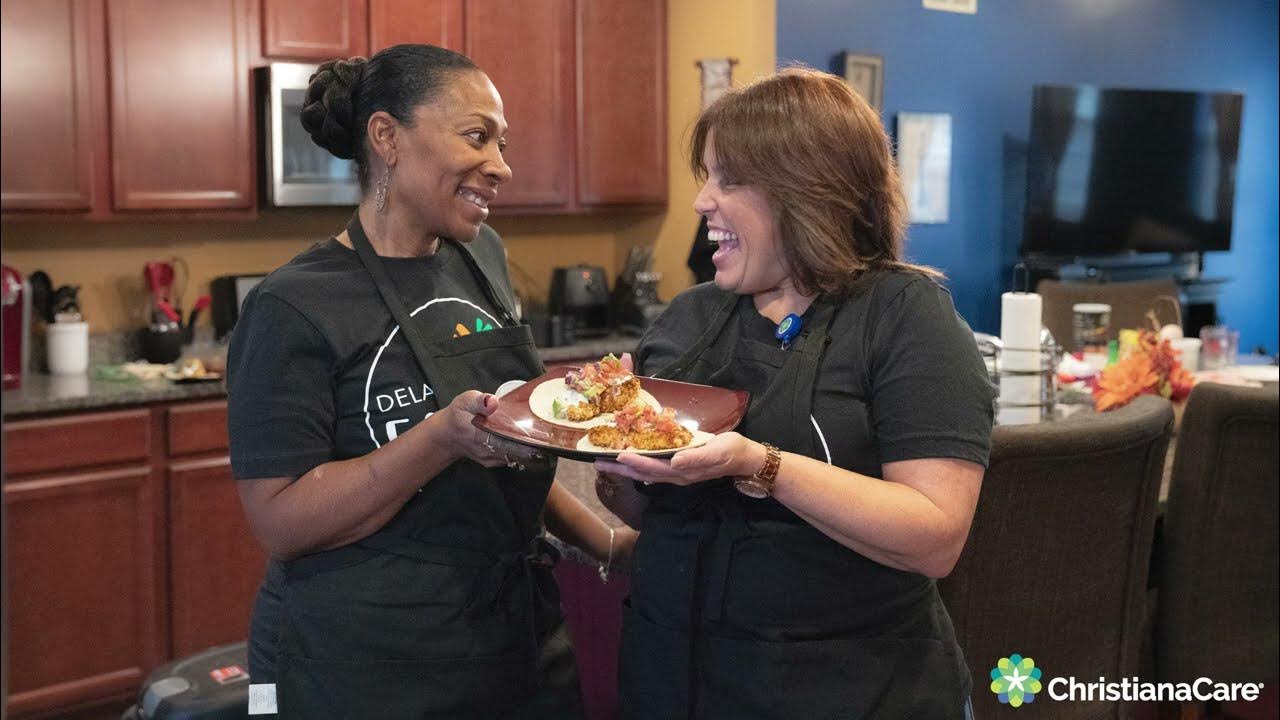
Kim Solomon’s kitchen showed all the signs of a good lunch in the making – chopped veggies on the counter, a few dirty dishes in the sink and two people laughing as they cooked. “Don’t worry, we’re going to clean all this up,” ChristianaCare community health worker Michelle Torres, BBA-HM, said as she sliced tilapia for the heart-healthy fish tacos she was making with Solomon. “I’m not worried about the mess, especially when it tastes this yummy,” Solomon said as she watched Torres place the raw fish – coated with panko crumbs, spices and an egg wash – into the air fryer. A few years earlier, Solomon’s lunch would have been something quick from the pantry after cooking for her sons or helping a neighbor. But after dealing with the life-threatening effects of high blood pressure, she is learning – with Torres’ help – how to prioritize her own nutrition and health. Solomon is one of more than 225 patients enrolled in the Delaware Food Farmacy, a ChristianaCare partnership with Lutheran Community Services that provides weekly deliveries of locally sourced produce, meat and other foods, along with one-on-one support from a community health worker. Delaware Food Farmacy participants report lower A1C blood glucose levels, healthier blood pressure readings and reduced body mass index. Dishing out good health “It took me getting very sick to finally make my own health a priority in my life, and that’s a humbling experience,” said Solomon, who lives in Bear, Delaware. “This is not just about food – it is about friendship, and Michelle’s support really gives me motivation. It keeps me excited to hear her voice and know that she’s there for me.” Kim Solomon (left) finds prioritizing her own nutrition and health can be delicious, as she prepares panko-crusted tilapia for fish tacos with community health worker Michelle Torres. ChristianaCare is expanding efforts to reduce food insecurity among patients in an ongoing commitment to ending disparities and in recognition that access to nutritious food is critical to overall health. In addition to the Delaware Food Farmacy, over 100 Maryland Primary Care Program (MDPCP) patients are participating in Healthy Food, Healthy Hearts, a 12-week program that delivers fresh groceries to under-resourced Medicare patients with complex health needs. “Our focus is empowering people to maintain their health by giving them the resources they need for whole-person care, including healthy food and education related to meal preparation and living with a chronic health condition,” said Erin Booker, LPC, chief biopsychosocial officer for ChristianaCare. “Through our work with our community partners in the Food Farmacy program in Delaware and our Healthy Food, Healthy Hearts program in Maryland, we are acknowledging the intersection of nutrition and health care and the importance of creating a more equitable food system.” Food is Medicine Both programs operate on the Food Is Medicine model, which recognizes that nutritious foods are essential for good health – and they must be accessible in the community, particularly in under-resourced areas. Studies have shown that evidence-based, tailored food interventions can lead to improved health outcomes and better use of health care services among participants while also reducing food insecurity, said Michelle Axe, MS, CHES, program manager of Food and Social Care Initiatives for ChristianaCare. The Centers for Disease Control and Prevention estimated in 2023 that food insecurity results in nearly $77 billion in excess health care spending. Veggie power: Much of the food in the Food Farmacy is sourced locally through a cooperative agreement with Delaware’s Department of Agriculture and the Farm-to-Community Program, which connects local farms with organizations distributing food to the community. Among Food Farmacy graduates, 26% report a decrease in food insecurity and 18% said they experience less anxiety. “With these programs, we’re offering participants an opportunity to make a change in their life, not only for them as individuals, but for the entire family,” Axe said. “This is about more than food.” From farm to table Getting health care professionals to prescribe healthier food options – and then making it possible for the patients to obtain them – helps close the gap between medical nutrition and financial health, said Rob Gurnee, executive director of Lutheran Community Services. “Providing food – that’s our core competency,” Gurnee said. “What really makes this program different and incredibly valuable is that ChristianaCare can funnel the right people into the program and then maintain these relationships to help patients make changes that are sustainable. Together, we utilize the strengths of our organizations with the goal of improving health outcomes.” Each week, Delaware Food Farmacy participants select from a menu of fresh produce, lean meats and fish, whole grains, low-fat dairy, snacks and other healthy items, all of which fall under the Dietary Approach to Stop Hypertension (DASH) diet. Fresh-picked: With Delaware Food Farmacy, patients are getting local produce that is typically picked within 24 to 48 hours. Much of the food distributed through Delaware Food Farmacy is sourced locally through a cooperative agreement with Delaware’s Department of Agriculture and the Farm-to-Community Program, which connects local farms with organizations distributing food to the community. Solomon’s refrigerator is filled with local produce, eggs and lean meats from the Food Farmacy program, but it’s Torres who keeps Solomon on the path to good health with her encouraging personality and a tasty supply of easy-to-make recipes. A recipe for healthy eating: Air Fryer Fish Tacos. Kim Solomon’s review? “Yummy.” “She’s there to support you and help you understand it’s going to be OK,” Solomon said. “She goes above and beyond every time. We need more Michelles in our world.”


Oh, Ozempic … Is THIN Back In?
After decades of what seemed like progress away from the obsession for “wellies” and “thigh gaps” the thin-is-in mentality seems to be creeping back into the spotlight to weigh on women’s minds – especially on social media. Channeling the renewed fascination with and focus on slimness, University of Mary Washington Assistant Professor of Communication Emily Crosby, and Associate Professors of Communication Adria Goldman and Elizabeth Johnson-Young, presented a talk titled "Social Media and the Changing Current of Health Messaging and Debates." Crosby's presentation, "Ozempic is Cheating!: Articulating a Digital Turn in Diet Culture," looks at the discourse surrounding Ozempic on social media. Employing feminist rhetorical criticism, Crosby analyzes posts and commentary to identify themes and conventions of analog and digital diet culture. This research articulates the digital turn in the "cult of thinness," to expose how medical injectable weight loss drugs undermine the body positive movement by invoking clinical technology as ethos. Goldman's presentation, "#SocialSupport: Examining the Informative and Emotional Functions of Bariatric Surgery Support Groups on Facebook," investigates the functions of digital support groups in assisting with mental well-being and emotional regulation for people considering, undergoing or recuperating from weight loss surgery. This research examines Facebook’s ability to function as both an informative and emotional resource for the bariatric surgery community. Johnson-Young's presentation, "Sugar, Snacks and Weight: An Examination of Posts and Parent Reactions to the Challenges of Nutritional Health Norms on the Growing Intuitive Eaters Instagram," examined posts and comments on an influencer's account. The research is rooted in both health behavior theory and non-evaluative and trust-based communication around food and nutrition. Preliminary findings show a variety of themes regarding reactions to the influencer's posts, from anger and resistance to relief and excitement. Weight loss, wellness and the enormous amount of attention this topic is getting has journalists looking for answers. And if you're covering or are looking to know more - we can help. All three University of Mary Washington experts are available to speak with media - simply click on an icon now to arrange an interview today.




The ChristianaCare Hospital Care at Home program, a national leader in providing acute care in a place most familiar to patients – their own homes – has reached a new milestone with more than 1,000 admissions since opening in December 2021. ChristianaCare’s innovative program enables patients with common chronic conditions, such as congestive heart failure and diabetes complications, as well as infections like pneumonia, to receive hospital-level care at home through virtual and in-person care provided by a team of physicians, nurse practitioners, paramedics and others. Technology kits deployed to patient homes ensure round-the-clock access to a health care professional, along with twice daily visits from caregivers, medication deliveries and mobile laboratory services. “This program is a wonderful example of how ChristianaCare is building a better health care system and meeting people’s health care needs through innovation, collaboration and an unwavering commitment to providing the very best care for the people we serve,” said Janice E. Nevin, M.D., president and CEO of ChristianaCare. “We are proud to be at the forefront of hospital care at home nationally, through the collaboration with leaders like Sen. Tom Carper of Delaware, who has championed this new model of care at the federal level; Medically Home, which partnered with ChristianaCare to help us design a program that best meets the needs of the communities we serve; and our own health professionals – we call them caregivers – whose expert care and coordination make this all possible. Together, we are creating health so that people can flourish.” ‘Just amazing’ for patients Patients are evaluated for the hospital care at home program when they come to Wilmington or Christiana hospital emergency departments. Those who can be treated at home receive a technology kit that connects them to the command center, powered by the ChristianaCare Center for Virtual Health. With a touch of a button, they can access an expert team of ChristianaCare doctors and nurses. But hospital care at home isn’t just virtual care—the technology supports an entire care team that works inside the patient’s home and remotely to provide optimal support at all times—just like in a hospital. Patients connect with their health care team with just the touch of a button. Carol Bieber, whose 98-year-old father, Bill, has been a hospital care at home patient, sees the difference it makes for him to wake up in his own bed, sit in his own living room and still get the care he needs to get better. "The whole hospital care at home experience is really calm and easy and familiar to him," said Bieber, who lives in Newark. “My dad is a people person, so to be able to connect with everybody who comes in to see him or talk to him on the screen is just amazing.” Innovative solutions for in-home care ChristianaCare’s Hospital Care at Home program was developed in 2021 after the Centers for Medicaid & Medicare Services (CMS) began the Acute Hospital Care at Home waiver program to allow Medicare beneficiaries to receive acute-level health care services in their home. U.S. Sen. Tom Carper, who represents Delaware, worked to pass the bipartisan Hospital Inpatient Services Modernization Act in 2023 that extended this program. Last month. Sen. Carper introduced the bipartisan At Home Observation and Medical Evaluation (HOME) Services Act that would expand this lifesaving and cost-saving program. “Hospital at Home – which grew out of the COVID pandemic – was an opportunity for us to meet seniors where they are,” Sen. Carper said. “It has delivered positive outcomes, higher patient satisfaction, and saves money. That is why when this program was about to go away with the end of the COVID public health emergency, I joined my colleagues across the aisle to extend the program for two more years. Today, especially as we celebrate the success of the program in Delaware with ChristianaCare, I’m encouraged that we can further extend that program!” Sarah E. Schenck, M.D., FACP, executive director of the ChristianaCare Center for Virtual Health, said the hospital care at home program has yielded lower readmission rates than brick-and-mortar hospitals. In addition, patient experience scores are about three times higher than the national average for a traditional hospital experience. Options like Hospital Care at Home give patients the care they need in the space they want, said Dr. Sarah Schenck, executive director of ChristianaCare's Center for Virtual Health. “We’ve been conditioned to believe that care only happens within the four walls of a hospital. For our patients who have loved ones at home or their pets, a favorite chair or favorite food, they’re now able to have all of that as they heal,” Schenck said. “Once our patients have experienced this, what we hear from them is that they are truly grateful.” Promoting healing – at home Helping patients recover in their homes also has been transformational for caregivers who get to see a different side of their patients and better understand what they need to successfully recover. “I can’t express how much I enjoy the patients and their families,” said Heather Orkis, a paramedic with the hospital care at home program. Patients aren't the only ones who enjoy the experience of Hospital Care at Home - so do the health care professionals who care for them. “To be able to enjoy the family and see these people get better in their own homes, with their families, their grandkids, their dogs, their cats – it’s just a completely different kind of medicine.” For Bill Bieber’s family, hospital care at home is more than health care. “It’s just the best thing ever,” Carol Bieber said. Families appreciate the frequent interactions with members of the Hospital Care at Home team.
#Expert Podcasts: How CARF Accreditation supports development and adds value
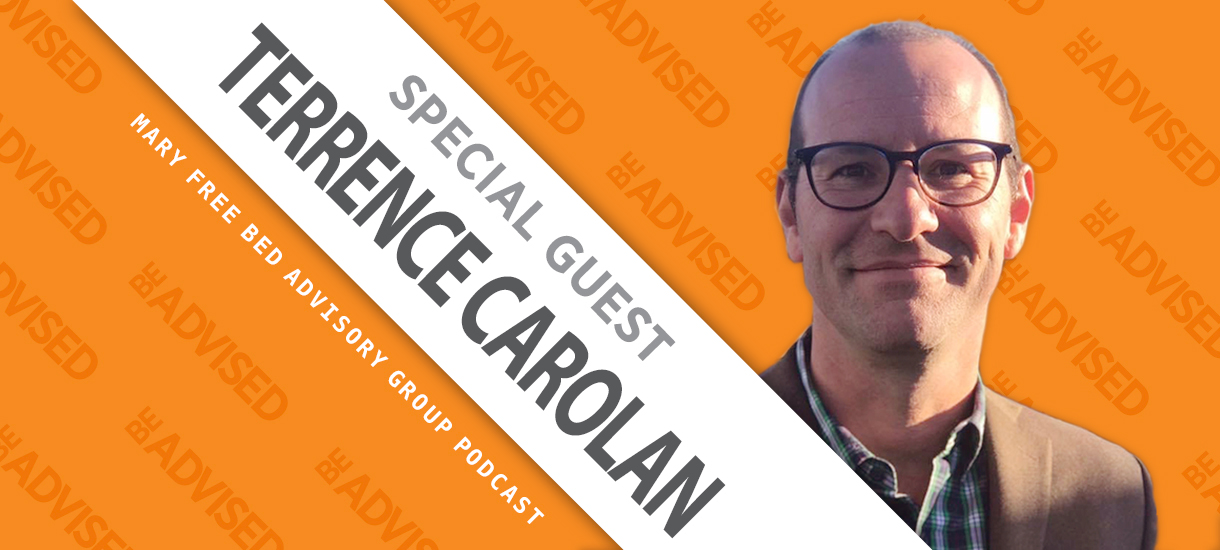
Thinking about accreditation for your rehabilitation facility? The newest Be Advised podcast is for you. Mary Free Bed’s Advisory Group podcast, Be Advised, is diving into the benefits of CARF Accreditation for health and human service organizations. The Commission on Accreditation of Rehabilitation Facilities (CARF) has been accrediting organizations since 1966. The guest for this episode is Terrence Carolan, managing director of the Medical Rehabilitation and Aging Services for CARF International. Carolan has more than 20 years of experience in the field of medical rehabilitation as an administrator, provider, and educator. He holds two master’s degrees, one in physical therapy and one in business administration. Before joining CARF as the managing director, Terrence was a CARF surveyor for more than 10 years. In his managing director role, Terrence oversees CARF’s medical rehabilitation area which includes standards for: Comprehensive Integrated Inpatient Rehabilitation Program Outpatient Medical Rehabilitation Program Residential Rehabilitation Program Home and Community Services Concussion Rehabilitation Program Interdisciplinary Pain Rehabilitation Program Occupational Rehabilitation Program Occupational Rehabilitation Program–Comprehensive Services Vocational Services Independent Evaluation Services Case Management CARF also accredits specialty programs in the areas of: Pediatrics Amputation Brain injury Cancer Spinal Cord Injury Stroke Be Advised is hosted by Joyal Pavey, vice president of the Mary Free Bed Advisory Group. On this episode of Be Advised, Joyal and Terrence discuss: What makes CARF unique? The national and international span of CARF Common questions about the accreditation process Advice for first time accreditation What’s next for CARF in the coming five years You can check out the podcast here: Looking to know more about accreditation or connect with Terrence? View his profile below to arrange an interview today.



Cancer Diagnosis and Prevention Breakthroughs | Media Advisory
With two cancer diagnoses in the Royal family - cancer is regrettably a trending topic but also a vitally important one for everyone. In the ongoing battle against cancer, recent advancements in diagnosis and prevention offer promising avenues for both medical practitioners and the general public. With cancer being one of the leading causes of death globally, developments in this field not only hold significant importance for healthcare but also for individuals and families impacted by the disease. Here's why this matters and potential story angles: Why it Matters: Health Impact: Improved diagnostic tools and preventive measures can lead to earlier detection and more effective treatment options, potentially saving lives. Economic Implications: The economic burden of cancer treatment on individuals, families, and healthcare systems underscores the importance of preventative measures and early detection. Public Health: Addressing cancer at the diagnostic and prevention stages contributes to broader public health initiatives, reducing the overall incidence and mortality rates. Story Angles: Breakthrough Technologies: Explore innovative diagnostic technologies such as liquid biopsies or AI-driven imaging systems transforming cancer detection. Lifestyle and Prevention: Investigate lifestyle factors, from diet and exercise to environmental exposures, and their role in cancer prevention. Genetic Research: Cover advancements in genetic testing and personalized medicine, offering insights into individual risk factors and tailored prevention strategies. Access to Care: Examine disparities in access to cancer screening and prevention measures, particularly among underserved communities. Survivor Stories: Highlight stories of individuals who have benefited from early detection or preventive interventions, offering hope and inspiration. Policy and Advocacy: Discuss the role of policy initiatives and advocacy efforts in promoting cancer prevention strategies and ensuring equitable access to screening and diagnostic services. Connect with an Expert about Cancer Diagnosis and Prevention Breakthroughs For journalists seeking research or insights for their coverage about Cancer Diagnosis and Prevention Breakthroughs here is a select list of experts from our database. To search our full list of experts, visit www.expertfile.com Anna McDaniel Dean of the College of Nursing – University of Florida Jorge Cortes Director, Georgia Cancer Center – Augusta University Nicholas J. Petrelli Bank of America endowed medical director of the Helen F. Graham Cancer Center and Research Institute – ChristianaCare Katherine Reeves Professor of Epidemiology and Associate Dean of Graduate and Professional Studies, School of Public Health and Health Sciences – University of Massachusetts Amherst Nicole Onetto Deputy Director and Chief Scientific Officer – Ontario Institute for Cancer Research Photo Credit: National Cancer Institute


Oprah Hosts Primetime Special About Weight Loss Drugs on ABC | Media Advisory
Oprah Winfrey, a revered media mogul and advocate for health and wellness, is set to host a groundbreaking primetime special on ABC, focusing on the burgeoning field of weight loss drugs. The new special follows Winfrey’s exit from the board of weightwatchers, where she served for nearly a decade after acquiring a 10% stake in the company. This special promises to shed light on the science behind popular weight loss medications Ozempic, Mounjaro and Wegogy. As obesity rates continue to climb globally, the discussion around weight loss solutions becomes increasingly pertinent, touching on public health, self-image, and the pharmaceutical industry's role in shaping health standards. Key topics of interest include: Science and Effectiveness of Weight Loss Drugs: Exploring how these medications work and their success rates. Personal Stories of Transformation: Individuals' journeys with weight loss drugs, including challenges and triumphs. Ethical and Societal Implications: The debate over body image, health standards, and drug dependency. Regulatory Perspective and Safety: How these drugs are approved and monitored for public use. Impact on the Healthcare System: The potential effects on healthcare costs and accessibility. Cautions and Concerns: Are there serious side-effects and what are the risks related to taking these drugs? Future of Obesity Treatment: Innovations and next steps in treating obesity with pharmaceuticals. For journalists seeking research or insights for their coverage on this topic, here is a select list of experts. Rebecca Puhl, Ph.D. Professor of Human Development and Family Studies · University of Connecticut Professor Paul Gately Carnegie Professor of Exercise and Obesity and Co-Director of the Applied Centre for Obesity Research · Leeds Beckett University Rebecca Pearl Assistant Professor · University of Florida Jan D. Hirsch Founding Dean, School of Pharmacy and Pharmaceutical Sciences · UC Irvine Amy Gorin, Ph.D. Professor, Department of Psychological Sciences · University of Connecticut James Lenhard, Jr., M.D., FACE, FACEP Medical Director · ChristianaCare To search our full list of experts visit www.expertfile.com. Photo by Total Shape

Municipalities around the world have invested significant resources to develop connected smart cities that use the Internet of Things (IoT) to improve sustainability, safety and efficiency. With this increased demand for IoT experience, the VCU College of Engineering formed the OpenCyberCity testbed in 2022. The 1:12 scale model city provides a realistic, small-scale cityscape where students and researchers can experiment with new and existing smart city technology. Sherif Abdelwahed, Ph.D., electrical and computer engineering professor, is director of OpenCyberCity. He recently answered some questions about new developments within the testbed. The OpenCyberCity is a smart city testbed, but are there any real-life cities that one could call a smart city? Several real-life locales are considered smart cities due to their extensive use of technology and data-driven initiatives to optimize infrastructure and services. Dubai is one of the most notable. They have implemented smart transportation systems, buildings and artificial intelligence to transform the city’s operations and make them more efficient. Other reputable smart cities include Singapore and Seoul, which utilize smart energy management, smart transportation and comprehensive data analytics for improved urban planning and services. Seoul, in particular, has an initiative with smart grids and connected street lights, which VCU Engineering’s own OpenCyberCity test bed is working to implement. How does the OpenCyberCity address privacy? With so much technology related to monitoring, how are individual citizens protected from these technologies? Privacy is a major concern for smart cities and it is one of the main research directions for VCU Engineering’s OpenCyberCity. We are developing several techniques to prevent unwanted surveillance of personal information. Sensitive data is protected by solid protocols and access restrictions that only allow authorized users to view the data. Our aim is to find a reasonable middle ground between technological progress and privacy rights, staying within legal and ethical bounds. Some techniques to address privacy concerns include: Data Anonymization: This makes it difficult to trace back information to individual identities. Within the testbed, we will evaluate how to protect individual privacy while maintaining data utility and assess the impact on data quality. Secure Data Storage and Transmission: Encrypt data to protect it from unauthorized access. In the smart city testbed, these access control mechanisms will be implemented within the testbed’s infrastructure. We will also test different data handling processes and access control models to determine their ability to safeguard sensitive data. Privacy Impact Assessments: Regularly evaluate potential privacy risks of new smart city projects in order to mitigate them and ensure the ethical handling of data by those with access. Policy and Regulation Development: Data and insights generated from OpenCyberCity experiments can inform the development of cybersecurity policies and regulations for smart cities. How is the College of Engineering’s OpenCyberCity test bed different from similar programs at other institutions? While other universities have similar smart-city-style programs, each has their own specialty. The VCU College of Engineering’s OpenCyberCity test bed focuses on real-world contexts, creating a physical space where new technologies, infrastructure, energy-efficient transportation and other smart city services can be tested in a controlled environment. Our lab monitors real-time data and develops smart buildings, smart hospitals and smart manufacturing buildings to enhance the city’s technologies. Recent additions to the OpenCyberCity allow for expanded research opportunities like: Advanced Manufacturing: Students can apply advanced manufacturing techniques in a controlled environment. They can also test new materials, processes and automation technologies to improve efficiency and product quality. Energy Efficiency Testing: Environmental engineers and sustainability experts can evaluate energy consumption patterns within the smart manufacturing unit to implement energy-saving measures and assess their impact on sustainability. Production Optimization: Manufacturers can use real-time data from the smart manufacturing unit to optimize production schedules, minimize downtime and reduce waste. Predictive maintenance algorithms also help prevent equipment breakdowns. Education and Training: Hands-on experience with state-of-the-art manufacturing technologies helps train the workforce of the future. Integration with Smart City Services: Data generated by the manufacturing unit can be integrated with smart city services. For example, production data can inform supply chain management and energy consumption data can contribute to overall city energy efficiency initiatives. How has the OpenCyberCity changed in the last year? Is the main focus still data security? What started with research examining, analyzing and evaluating the security of next-generation (NextG) applications, smart city operations and medical devices has expanded. Data security is now only one aspect of OpenCyberCity. Its scope has grown to encompass more expansive facets of cybersecurity like automation and data analytics in the domain of smart manufacturing systems. The implementation of a smart manufacturing system in 2023 is something students really enjoy. Thanks to the vendor we used, undergraduate students had the option to develop functionality for various features of the manufacturing plant. Graduate students were also able to research communications protocols and cybersecurity within the smart manufacturing system. What does the smart manufacturing system entail and what kind of work is occurring within that system? An automated system is there for students to work with. Robot arms, microcontrollers, conveyor belts, ramps, cameras and blocks to represent cargo form an environment that emulates a real manufacturing setting. We’re currently brainstorming an expansion of the smart manufacturing system in collaboration with the Commonwealth Cyber Initiative (CCI). We plan to set up two building models, one for manufacturing and one for distribution, linked by a sky bridge conveyor system that moves items between the locations. Students work to leverage convolutional neural networks that use images to facilitate machine learning. When paired with the advanced cameras, it forms a computer vision system that can accurately place blocks in a variety of lighting conditions, which can be a challenge for other systems. By having to optimize the communication protocols that command the smart manufacturing system’s robotic arms, students also get a sense for real-world constraints . The Raspberry Pi that functions as the controller for the system is limited in power, so finding efficiencies that also enable stability and precision with the arms is key. Is there an aspect of cybersecurity for these automated systems? Yes. Devices, sensors and communication networks integral to the IoT found in smart manufacturing systems and smart cities generate and share vast amounts of data. This makes them vulnerable to cybersecurity threats. Some of the issues we look to address include: Data Privacy: Smart systems collect and process vast amounts of data, including personal and sensitive information. Protecting this data from unauthorized access and breaches is a top priority. Device Vulnerabilities: Many IoT devices used in smart systems have limited computational resources and may not receive regular security updates, making them vulnerable to exploitation. Interconnectedness: The interconnected nature of smart city components increases the attack surface. A breach in one system can potentially compromise the entire network. Malware and Ransomware: Smart systems are susceptible to malware and ransomware attacks, which can disrupt services and extort organizations for financial gain. Insider Threats: Employees with malicious intent or negligence can pose significant risks to cybersecurity. Potential solutions to these problems include data encryption, frequent software updates, network segmentation with strict access controls, real-time intrusion detection (with automated responses to detected threats), strong user authentication methods, security training for users and the development of well-designed incident response plans.

