Experts Matter. Find Yours.
Connect for media, speaking, professional opportunities & more.

World Cup 2026: Hofstra experts on the science, health, and business behind the tournament.
The 2026 FIFA World Cup comes to the New York metro area, and Hofstra University is ready. From the training room to the boardroom, Hofstra faculty bring research-backed expertise to the stories journalists are chasing this tournament season. Featured Topic The Cultural Game Why soccer means what it means and what this World Cup moment represents The World Cup has always been about more than the game. Brenda Elsey, Professor of History, studies soccer as a cultural and political force across the Americas -- from grassroots identity to gender and power. She can speak to what this tournament represents as a historical moment, on and off the field. Expert Brenda Elsey - History Featured Topic Health and Performance on the World Stage Expert insight on what it takes to compete and recover at a World Cup. Competing at this level means managing the body and the mind across weeks of high-stakes matches with almost no recovery time. Hofstra's health and kinesiology faculty are your sources for the stories behind the performance. Experts Jayne Ellinger - Athletic Training Katie Sell - Exercise Physiology Anna Len - Physical Therapy Genevieve Weber - Mental Health Featured Topic Beyond the Pitch What the World Cup does to cities, economies, and public health systems From local business impact and tourism economics to disease surveillance and emergency preparedness - Hofstra faculty are ready to talk. Experts Andy M. Forman - Marketing & Tourism Lauren Hindman - Management Martine Hackett - Population Health Meshack Achore - Population Health




Seniors and AI (Part 2): Exercise Caution
If you haven't read Seniors and AI (Part 1) What Could Possibly Go Wrong?, catch up here. My friend Gloria told me she asked her AI assistant what to do about a “sore knee,” and it suggested she might be experiencing “symptoms consistent with early-stage gout, possible DVT, or referred pain from lumbar stenosis.” Gloria is 74, lives alone, and spent the next three hours convinced she was dying. She was not. She had slept on the couch in an awkward position. This is Part 2 of our look at Seniors and AI. If Part 1 was about the laughs, Part 2 is where we put on our reading glasses and pay attention. When technology moves from ordering groceries to offering medical advice or emotional support, the stakes get considerably higher than an accidental pineapple on your pizza. AI and Medical Advice: The Good, the Bad, and the “You Googled What?” Let’s give credit where it’s due. AI genuinely helps in healthcare in meaningful ways. It’s available at 2 AM without judgment. It translates medical jargon into plain English. It can help you walk into a doctor’s appointment with better questions instead of the usual panicked stare. But here’s what it cannot do: see you, touch you, or notice you’re limping. It can’t smell an infection, hear the wheeze in your chest, or detect the subtle signs that something is wrong. At its core, it is an elaborate and very polite Google search. Not a doctor. Takita et al. (2025), in a systematic review and meta-analysis published in Digital Medicine, found that the overall diagnostic accuracy of generative AI models is about 52 percent. Read that again. Fifty-two percent. Suitable for a second opinion, nowhere near sufficient to replace an experienced clinician. And yet, we hear a confident-sounding response and think, “Well, the computer said so.” Confidence and correctness are not the same thing, a lesson most of us learned the hard way in our thirties. When AI Is Safe (and When It Is Decidedly Not) Go ahead and ask AI about: What does that lab term on your bloodwork actually mean Common side effects of medications you’re already taking Questions to bring to your next appointment General information about a health condition Do not ask AI about: Anything you’d describe as “just making sure it’s not something bad”? Chest pain, sudden numbness, or anything that begins with “I’ve never felt this before” Whether to stop taking a medication Whether your symptoms are serious enough to go to the ER Think of AI as the helpful intern, not the chief medical officer. You’d let the intern look something up for you, but you wouldn’t let the intern prescribe your blood pressure medication. Bottom line: if you wouldn’t trust your toaster to measure your blood pressure, don’t trust a chatbot to diagnose your heart. AI Therapy: Comfort or Catastrophe? Mental health chatbots promise empathy. Let’s be precise about what that means: they simulate compassion, not feel it. There is a difference, and it matters. A Stanford University study (Moore & Haber, 2025) warns that therapy chatbots can reinforce stigma or provide genuinely unsafe responses. They can’t detect tone, see tears, read a room, or call for help when things turn dark. This is especially concerning for older adults. Loneliness and depression are common among seniors and are routinely dismissed as “just slowing down” or “getting older.” That’s not aging. Those are invisible illnesses that deserve real attention and real human connection. The Signs We Miss According to the National Institute on Ageing’s 2025 Ageing in Canada Survey, 57 percent of Canadians over 50 report feeling somewhat or very lonely, and 43 percent are at risk of social isolation. These figures haven’t changed since 2022. This is not a fringe problem. It is a quiet epidemic hiding in plain sight. Watch for these signs in yourself and in the people you love: Pulling back from activities they once loved Sleeping too much or not nearly enough Loss of appetite or unexplained weight changes Talking nonstop when the company finally arrives (that’s hunger or severe loneliness, not chattiness) Inventing reasons to call or visit Self-deprecating humour that feels a little too real. Here’s a small but important piece of advice: don’t ask, “Are you lonely?” You’ll get a cheerful “Of course not!” Pride and independence run deep, especially among a generation that survived things we can’t imagine. Instead, act as if. Drop by with coffee. Ask for help with something they are well versed in. Bring the dog. Go for a walk. Sit quietly and watch a show together. Share a meal. Loneliness doesn’t always need a conversation. Sometimes it just needs to know someone showed up. What Your Elder Is Thinking (But Will Never Tell You) Tread carefully here. These thoughts tend to live in the quiet spaces between sentences, felt but rarely spoken. How much time do I have? Have I done enough? Will my money run out before I do? Will anyone remember me? Do I still matter? Why do I feel so sad? Why are my friends getting sick and slipping away? Will I get sick? Who will look after me? Do my children know I love them? What if I start to forget? The creeping fear of losing names, faces, the stories that make life feel like mine. Am I a burden? (This one usually hides behind a joke.) What if my best days are already behind me? Some of these will surprise you. Some won’t. Some will make you want to pick up the phone right now. That’s the right instinct. You don’t need to fix these feelings. Sometimes, sitting quietly with someone in the silence between their words is the most healing thing you can offer. For the Family: What to Watch For and What to Do A quick note for the kids, grandkids, nieces, nephews, and anyone who forwards funny videos to their grandparents: your elders are going to experiment with AI. Probably the same way you experimented with your first beer or a regrettable tattoo: curious, enthusiastic, and occasionally overconfident. Watch for these warning signs: Increasing withdrawal from real-world activities and people Confusion about what is real versus AI-generated Replacing actual conversations with chatbot exchanges Acting on AI medical or financial advice without verifying it with a professional Being secretive or evasive about what they’re doing online Here is what you can do: Connect regularly. Ask what they’re learning or laughing about. Create opportunities for in-person time. FaceTime counts in a pinch, but in-person is irreplaceable. Know when to call the doctor. Know when all they need is your time. Don’t lecture. Don’t infantilize. Just stay connected. The best firewall against the risks of AI is not better technology. It’s better relationships. The Real Threat: Replacing Connection Here is the uncomfortable truth. AI is tempting. It’s always available, never interrupts, doesn’t judge, and responds instantly without getting distracted by its own problems. For someone who feels lonely, invisible, or like a burden, that can feel like a lifeline. But it’s a false one. AI cannot hold your hand or share a meal. It can’t laugh at your jokes in a way that truly counts. It cannot offer the warmth of human presence, which is what we need most, especially as we age. The danger isn’t primarily that AI will give bad medical advice, though it might. The danger is that it will replace human connection altogether. And that is a problem no algorithm can solve. CTRL ALT DEL: Now Go Call Someone AI is a tool. Part marvel, part mistake, and entirely dependent on who holds it. Use it wisely. Enjoy the entertainment. Stay curious. And remember who is actually in charge. Technology will keep getting smarter. It will not get warmer. It will not hear the sound of your laugh, remember the story you’ve told seventeen times, or show up at the door with soup when you’re not feeling well. That is still us. That will always be us. So yes, let Gloria ask her AI about her knee. But let’s also make sure someone calls Gloria on Tuesday. Key Takeaways Use AI for information, not diagnosis or treatment. Stay alert to signs of loneliness in yourself and in the people you love. Stay genuinely connected with older family members and friends. When in doubt, choose the human over the algorithm. The greatest upgrade to AI isn’t a newer version. It’s showing up. Sue Don't Retire...ReWire! My Book is Now Available for Pre-Order I hope you will consider pre-ordering a copy of Your Retirement Reset for you, a friend or loved one. It's available September 8, 2026 - You can now order on the ECW Press site here. And if you love supporting Canadian booksellers, please also check with your local independent bookstore. Most can easily order it for you.


The Biggest Study Yet on School Cellphone Bans Shows Results Aren’t So Simple
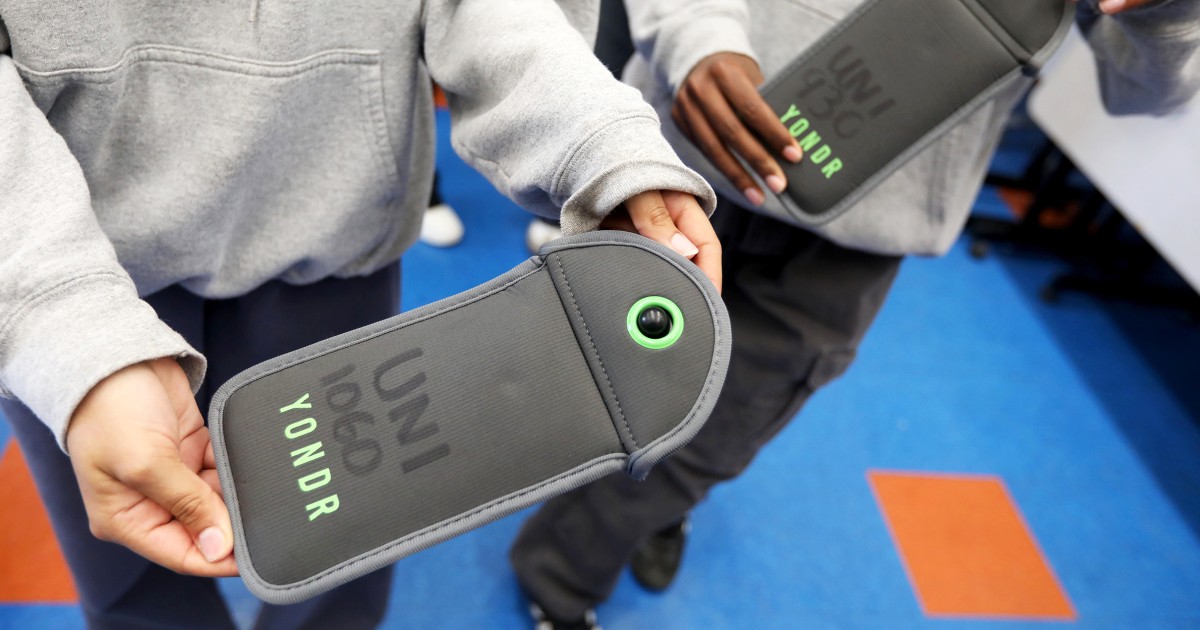
As more schools move to restrict or completely ban smartphones in classrooms, the largest study ever conducted on school cellphone bans is challenging assumptions about what these policies actually achieve. The new U.S. study, involving roughly 4,600 schools and researchers from institutions including Stanford, Duke, the University of Michigan, and the University of Pennsylvania, found that strict cellphone bans dramatically reduced phone use during the school day. In some schools, classroom phone use dropped from 61 percent to just 13 percent. It's a popular topic and media coverage of the results has been extensive. But the findings became more complicated from there. Researchers found little immediate evidence that phone bans significantly improved test scores, attendance, classroom attention, or bullying rates. Some schools even saw short-term increases in student discipline issues and declines in student well-being immediately after bans were introduced. Still, the study suggested that longer-term outcomes may improve as students adjust and schools refine enforcement strategies. Teachers consistently reported fewer classroom distractions and stronger learning environments. Mizuko Ito is a cultural anthropologist of technology use, focusing on children and youth's changing relationships to media and communications. She recently completed a research project supported by the MacArthur Foundation a three year ethnographic study of kid-initiated and peer-based forms of engagement with new media. View her profile The findings arrive as governments across North America continue expanding school cellphone restrictions amid growing concerns about distraction, screen addiction, anxiety, and the impact of social media on youth mental health. The study highlights a growing debate among educators, parents, and researchers: while limiting phone access may reduce distractions, the relationship between young people, technology, mental health, and learning is far more complex than simply removing devices from classrooms.


As April marks Autism Acceptance Month, journalists looking to move beyond awareness and into meaningful storytelling have access to a diverse group of experts from the University of Delaware. From innovative health technologies to classroom strategies, mental health support and adulthood transitions, these scholars offer fresh, research-backed perspectives on what it means to support autistic individuals across the lifespan — and why the conversation is evolving. Reimagining Health Through Technology and Inclusion Daehyoung “DH” Lee Assistant Professor Dr. Lee is exploring how technology can close health gaps for individuals with intellectual and developmental disabilities. His work focuses on mobile health apps and wearable devices — including a gamified intervention designed to improve physical, mental and cognitive health outcomes. Story angles: How gamification and wearable tech are transforming health outcomes for autistic individuals The future of inclusive digital health tools Addressing disparities in physical activity and wellness Why Motor Skills Matter in Autism Anjana Bhat Professor A leading researcher on motor development in autistic children, Dr. Bhat has spent years advancing understanding of how motor challenges impact daily life. She was recently named a Catherine Worthingham Fellow for her contributions to the field and for elevating the role of physical therapy in autism care. Story angles: The overlooked link between motor skills and autism Why physical therapy should be part of early intervention New research reshaping how clinicians and families approach care Centering Lived Experience in Education and Development Sarah Curtiss Assistant Professor Dr. Curtiss examines how to build programs that truly support autistic youth by grounding them in lived experience. Her work spans social development, sexuality education, family dynamics and the transition to adulthood — always with a focus on resilience and real-world context. Story angles: Rethinking how schools support autistic students beyond academics Conversations around sexuality education and autism What successful transitions to adulthood really require Preparing Educators for Complex Needs Sarah Mallory Assistant Professor With expertise spanning the School of Education and the Center for Disabilities Studies, Dr. Mallory focuses on preparing educators to work with students who have significant behavioral and academic needs. Her work also includes empowering individuals with developmental disabilities to make self-protective decisions and navigate complex social situations. Story angles: Supporting students with intensive needs in today’s classrooms Teaching self-advocacy and safety skills Training the next generation of special education professionals Mental Health and Systems-Level Support Alisha Fletcher Director, Delaware Network for Excellence in Autism A licensed clinical social worker with more than 20 years of experience, Fletcher leads efforts to support professionals and families across Delaware. Through training and technical assistance, she addresses the mental health and service needs of autistic individuals across settings. Story angles: The growing demand for autism-informed mental health care Supporting families navigating complex service systems Building statewide networks that improve outcomes Why This Matters Now As acceptance grows, so does the need for deeper, more nuanced coverage. Autism is not a single story — it intersects with health care, education, technology, family life and public policy. These experts can help audiences better understand those intersections and highlight solutions that are already making a difference. To contact any of these experts, please email MediaRelations@UDel.Edu.


Reading for pleasure in free fall: New study finds 40% drop over two decades
A sweeping new study from the University of Florida and University College London has found that daily reading for pleasure in the United States has declined by more than 40% over the last 20 years — raising urgent questions about the cultural, educational and health consequences of a nation reading less. Published today in the journal iScience, the study analyzed data from over 236,000 Americans who participated in the American Time Use Survey between 2003 and 2023. The findings suggest a fundamental cultural shift: fewer people are carving out time in their day to read for enjoyment. “This is not just a small dip — it’s a sustained, steady decline of about 3% per year,” said Jill Sonke, Ph.D., director of research initiatives at the UF Center for Arts in Medicine and co-director of the EpiArts Lab, a National Endowment for the Arts research lab at UF in partnership with University College London. “It’s significant, and it’s deeply concerning.” Who’s reading and who isn’t The decline wasn’t evenly spread across the population. Researchers found steeper drops among Black Americans than white Americans, people with lower income or educational attainment, and those in rural (versus metropolitan) areas — highlighting deepening disparities in reading access and habits. “While people with higher education levels and women are still more likely to read, even among these groups, we’re seeing shifts,” said Jessica Bone, Ph.D., senior research fellow in statistics and epidemiology at University College London. “And among those who do read, the time spent reading has increased slightly, which may suggest a polarization, where some people are reading more while many have stopped reading altogether.” The researchers also noted some more promising findings, including that reading with children did not change over the last 20 years. However, reading with children was a lot less common than reading for pleasure, which is concerning given that this activity is tied to early literacy development, academic success and family bonding, Bone said. Why it matters Reading for pleasure has long been recognized not just as a tool for education, but as a means of supporting mental health, empathy, creativity and lifelong learning. The EpiArts Lab, which uses large data sets to examine links between the arts and health, has previously identified clear associations between creative engagement and well-being. “Reading has historically been a low-barrier, high-impact way to engage creatively and improve quality of life,” Sonke said. “When we lose one of the simplest tools in our public health toolkit, it’s a serious loss.” The American Time Use Survey offers a unique window into these trends. “We’re working with incredibly detailed data about how people spend their days,” Bone said. “And because it’s a representative sample of U.S. residents in private households, we can look not just at the national trend, but at how it plays out across different communities.” Why are Americans reading less? While causes were not part of the study, the researchers point to multiple potential factors, including the rise of digital media, growing economic pressures, shrinking leisure time and uneven access to books and libraries. “Our digital culture is certainly part of the story,” Sonke said. “But there are also structural issues — limited access to reading materials, economic insecurity and a national decline in leisure time. If you’re working multiple jobs or dealing with transportation barriers in a rural area, a trip to the library may just not be feasible.” What can be done? The study’s authors say that interventions could help slow or reverse the trend, but they need to be strategic. “Reading with children is one of the most promising avenues,” said Daisy Fancourt, Ph.D., a professor of psychology and epidemiology at University College London and co-director of the EpiArts Lab. “It supports not only language and literacy, but empathy, social bonding, emotional development and school readiness.” Bone added that creating more community-centered reading opportunities could also help: “Ideally, we’d make local libraries more accessible and attractive, encourage book groups, and make reading a more social and supported activity — not just something done in isolation.” The study underscores the importance of valuing and protecting access to the arts — not only as a matter of culture, but as a matter of public health. “Reading has always been one of the more accessible ways to support well-being,” Fancourt said. “To see this kind of decline is concerning because the research is clear: reading is a vital health-enhancing behavior for every group within society, with benefits across the life-course.”


AI in the classroom: What parents need to know
As students return to classrooms, Maya Israel, professor of educational technology and computer science education at the University of Florida, shares insights on best practices for AI use for students in K-12. She also serves as the director of CSEveryone Center for Computer Science Education at UF, a program created to boost teachers’ capabilities around computer science and AI in education. Israel also leads the Florida K-12 Education Task Force, a group committed to empowering educators, students, families and administrators by harnessing the transformative potential of AI in K-12 classrooms, prioritizing safety, privacy, access and fairness. How are K–12 students using AI in classrooms? There is a wide range of approaches that students are using AI in classrooms. It depends on several factors including district policies, student age and the teacher’s instructional goals. Some districts restrict AI to only teacher use, such as creating custom reading passages for younger students. Others allow older students to use tools to check grammar, create visuals or run science simulations. Even then, skilled teachers frame AI as one tool, not a replacement for student thinking and effort. What are examples of age-appropriate tools that enhance learning? AI tools can be used to either enhance or erode learner agency and critical thinking. It is up to the educators to consider how these tools can be used appropriately. It is critical to use AI tools in a manner that supports learning, creativity and problem solving rather than bypass critical thinking. For example, Canva lets students create infographics, posters and videos to show understanding. Google’s Teachable Machine helps students learn AI concepts by training their own image-recognition models. These types of AI-augmented tools work best when they are embedded into activities such as project-based learning, where AI supports learning and critical thinking. How do teachers ensure AI supports core skills? While AI can be incredibly helpful in supporting learning, it should not be a shortcut that allows students to bypass learning. Teachers should design learning opportunities that integrate AI in a manner that encourages critical thinking. For example, if students are using AI to support their mathematical understanding, teachers should ask them to explain their reasoning, engage in discussions and attempt to solve problems in different ways. Teachers can ask students questions like, “Does that answer make sense based on what you know?” or “Why do you think [said AI tool] made that suggestion?” This type of reflection reinforces the message that learning does not happen through getting fast answers. Learning happens through exploration, productive struggle and collaboration. Many parents worry that using AI might make students too dependent on technology. How do educators address that concern? This is a very valid concern. Over-reliance on AI can erode independence and critical thinking, that’s why teachers should be intentional in how they use AI for teaching and learning. Educators can address this concern by communicating with parents their policies and approaches to using AI with students. This approach can include providing clear expectations of when AI is used, designing assignments that require critical thinking, personal reflection and reasoning and teaching students the metacognitive skills to self-assess how and when to use AI so that it is used to support learning rather than as a crutch. How do schools ensure that students still develop original thinking and creativity when using AI for assignments or projects? In the age of AI, there is the need to be even more intentional designing learning experiences where students engage in creative and critical thinking. One of the best practices that have shown to support this is the use of project-based learning, where students must create, iterate and evaluate ideas based on feedback from their peers and teachers. AI can help students gather ideas or organize research, but the students must ask the questions, synthesize information and produce original ideas. Assessment and rubrics should emphasize skills such as reasoning, process and creativity rather than just focusing on the final product. That way, although AI can play a role in instruction, the goal is to design instructional activities that move beyond what the AI can do. How do educators help students understand when it’s appropriate to use AI in their schoolwork? In the age of AI, educators should help students develop the skills to be original thinkers who can use AI thoughtfully and responsibly. Educators can help students understand when to use AI in their school work by directly embedding AI literacy into their instruction. AI literacy includes having discussions about the capabilities and limitations of AI, ethical considerations and the importance of students’ agency and original thoughts. Additionally, clear guidelines and policies help students navigate some of the gray areas of AI usage. What guidance should parents give at home? There are several key messages that parents should give their children about the use of AI. The most important message is that even though AI is powerful, it does not replace their judgement, creativity or empathy. Even though AI can provide fast answers, it is important for students to learn the skills themselves. Another key message is to know the rules about AI in the classroom. Parents should speak with their students about the mental health implications of over-reliance on AI. When students turn to AI-augmented tools for every answer or idea, they can gradually lose confidence in their own problem-solving abilities. Instead, students should learn how to use AI in ways that strengthen their skills and build independence.


What the World Needs Now: How Art, Culture, and Nature Can Help Heal Communities in Difficult Times
In an era marked by political division, cultural fatigue, and rapid technological change, communities are increasingly searching for places that offer connection, restoration, and shared experience. Charles Burke, President & CEO of Frederik Meijer Gardens & Sculpture Park, brings a leadership perspective shaped by decades across the arts, civic engagement, and nonprofit strategy — focused on how cultural institutions can serve as stabilizing forces in uncertain times. Through the lens of Meijer Gardens, Burke examines how art, culture, and nature can work together to restore, unite, and inspire communities, offering spaces where people can slow down, reconnect, and engage with one another beyond polarization or distraction. Charles Burke is President & CEO of Frederik Meijer Gardens & Sculpture Park. Under his direction, the organization has been recognized as Best Sculpture Park in the United States by USA Today’s 10Best Readers’ Choice Awards in 2023, 2024, and 2025, and consecutively named one of the Best Places to Work in West Michigan, solidifying its reputation as a cultural landmark of international acclaim. View his profile Why This Matters Now In an era marked by political division, cultural fatigue, and rapid technological change, communities are increasingly searching for places that offer connection, restoration, and shared experience. Charles Burke, President & CEO of Frederik Meijer Gardens & Sculpture Park, brings a leadership perspective shaped by decades across the arts, civic engagement, and nonprofit strategy — focused on how cultural institutions can serve as stabilizing forces in uncertain times. Through the lens of Meijer Gardens, Burke examines how art, culture, and nature can work together to restore, unite, and inspire communities, offering spaces where people can slow down, reconnect, and engage with one another beyond polarization or distraction. An Expert Perspective on Healing Through Experience From Burke’s leadership vantage point, institutions like Meijer Gardens demonstrate how intentional design and programming can support community well-being. Examples include: Environments that encourage mental restoration, such as forested landscapes and immersive outdoor spaces Experiences that invite reflection and emotional engagement, rather than passive consumption Programming that brings together diverse audiences around shared encounters with beauty and creativity These experiences do not attempt to solve complex societal challenges directly. Instead, they create conditions for connection, empathy, and resilience, key foundations that healthy communities depend on. Civic Spaces as “Experiential Engines” A central concept in Burke’s work is the idea of cultural institutions as experiential engines — places designed not just to display art or plants, but to generate meaning, joy, and shared memory. When thoughtfully integrated, sculpture, horticulture, architecture, and programming can transform public spaces into environments that foster belonging and inclusion. This approach positions cultural institutions as active participants in civic life, contributing to community health and cohesion rather than operating at the margins of public discourse. Technology, Humanity, and the Future of Cultural Spaces As technology continues to shape how people interact with the world, Burke’s perspective emphasizes balance. Emerging tools — including artificial intelligence — can enhance accessibility, storytelling, and personalization when used intentionally. The challenge, and opportunity, lies in ensuring that technology deepens human connection rather than distracting from it. And while AI is ideal for aggregating information and should be integrated into , it isn't inherently creative. Burke believes that cultural institutions can uniquely unlock the power of human potential in creativity. And cultural institutions that integrate innovation thoughtfully can remain relevant while staying grounded in human experience. Meijer Gardens as a Living Model Over three decades, Meijer Gardens has evolved into a nationally recognized destination where beauty, experience, and mission align. Its integration of art, nature, education, and seasonal programming offers a real-world example of how cultural institutions can grow while remaining inclusive, restorative, and community-centered. Why Journalists and Conference Organizers Should Connect Charles Burke brings informed perspective on: The role of art and nature in public healing and mental wellness Cultural responsibility during periods of division and uncertainty Designing inclusive, joyful, and interactive civic spaces Balancing technology and humanity in cultural institutions How Meijer Gardens functions as a model for innovative integration and creativity Audience fit: museum and cultural leadership forums, civic innovation conferences, mental health and wellness discussions, placemaking initiatives, higher education leadership forums, philanthropic leadership events, sustainability and design summits.


Surgery past 65? Brain health screening can aid recovery
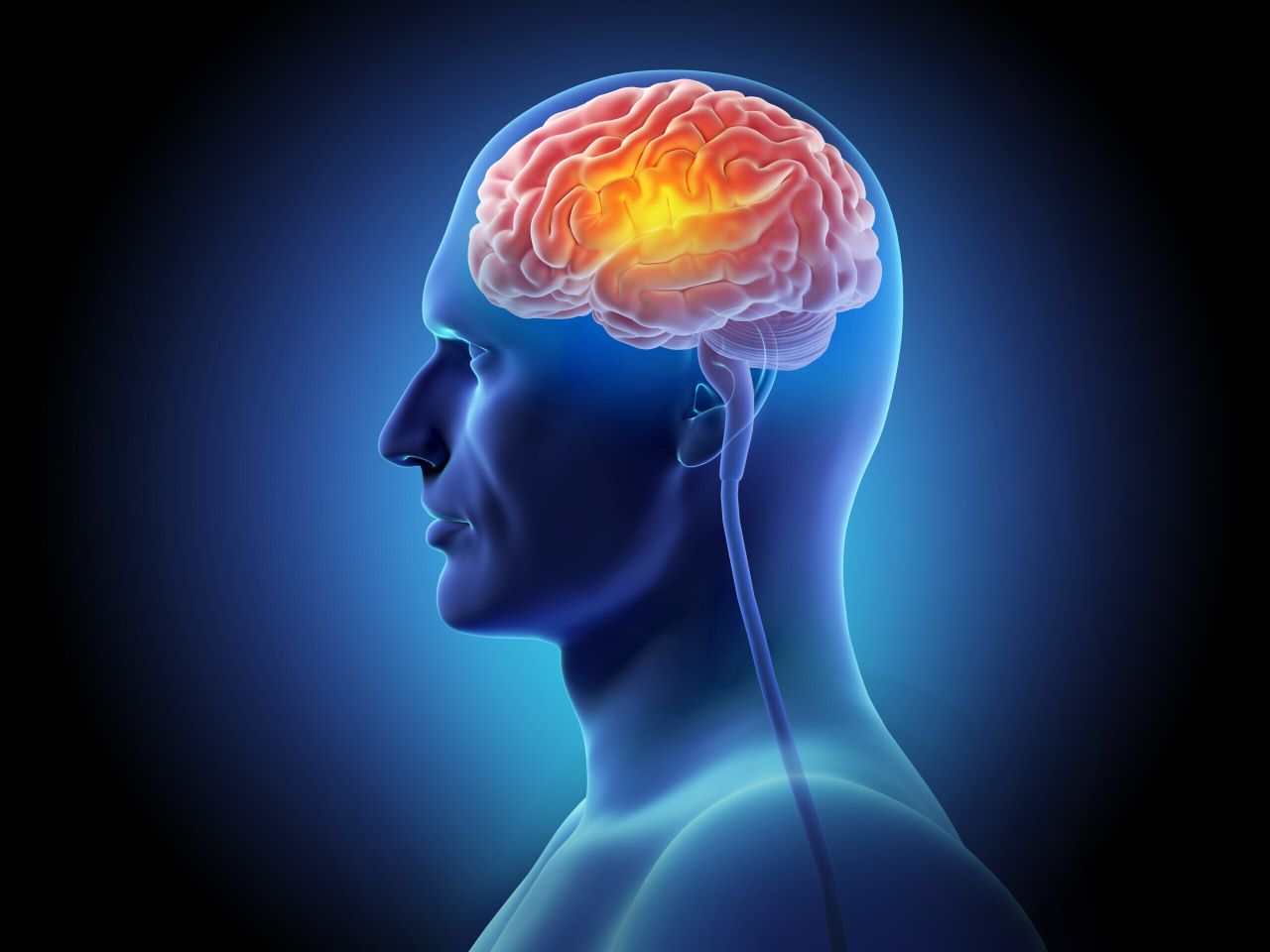
Before surgery, your doctor will order evaluations to identify any health problems that may need to be addressed before the procedure. This typically includes medical histories, laboratory tests and checking blood pressure, heart rate and temperature. There’s one vital sign that is often not on the list, but is crucial for older adults: screening for mental and cognitive health. “There is an overwhelming amount of evidence that presurgical brain health predicts complications after surgery,” said Catherine Price, Ph.D., a professor in the University of Florida College of Public Health and Health Professions Department of Clinical and Health Psychology and the UF College of Medicine Department of Anesthesiology. “For example, individuals with weaknesses in memory and attention and people with neurodegenerative diseases, such as Parkinson’s, have higher rates of confusion and memory complications that affect their recovery from surgery.” Research by Price and others has shown that a patient’s cognitive, memory and mental health status before surgery is an excellent indicator of whether they will experience cognitive problems such as delirium, a common complications in older adults after surgery. Delirium, characterized by confusion, disorientation and impaired awareness, can lead to longer recovery times, increased dementia risk, higher mortality rates and health care costs. Price founded and directs the University of Florida Perioperative Cognitive Anesthesia Network, or PeCAN, a first-of-its-kind, multidisciplinary program that seeks to identify older adults who may be at risk of developing cognitive problems after surgery so that clinicians can intervene. In recent findings published in the journal Anesthesia and Analgesia, Price and her colleagues report on two years of PeCAN patient data. Of the thousands of patients over age 65 who received presurgical screening, 23% were found to have issues with their cognitive performance, yet only 2% of the patients screened had a previous note in their medical charts indicating they had a cognitive impairment. “It’s so important to know when an individual has cognitive complications because that changes their care path,” Price said. “From medication to monitoring, the patient’s care is more complex for the perioperative team and family.” For PeCAN patients identified as being at risk for postsurgery cognitive problems, Price and her team will share tailored recommendations with the patient’s care team before, during and after surgery. These may include more monitoring during anesthesia and medication adjustments, such as using medications for nausea and pain management less likely to contribute to delirium. The PeCAN team also might offer the surgical care team specific communication strategies. For example, health care providers should repeat information several times for patients who have trouble remembering new material and ask them to write it down. Recently published research by Price and colleagues found PeCAN patients reported the focus on brain health improved confidence in their surgical team and care plan. Health care systems are only starting to incorporate preoperative brain health teams like PeCAN. Until they are offered more frequently, Price offers a few steps anyone can take to help protect brain health, including a focus on reducing inflammation in the body prior to surgery. To help achieve this: Optimize nutrition. Reduce your intake of added sugars and refined carbohydrates, like white bread. Get good sleep. Improve sleep hygiene so you are well-rested. “Sleep is essential for the brain for a number of reasons,” Price said. Reduce alcohol intake to limit inflammation and dehydration. Pay attention to your medications. Follow your care team’s instructions. Enlist a family member or caregiver to help you keep tabs on what you’re taking, how much and how often. Practice techniques to limit anxiety, such as visualization and deep breathing. The box breathing method is an easy one to remember: Breathe in slowly for four seconds. Hold your breath for four seconds. Slowly exhale for four seconds. Wait four seconds before inhaling again.


Beyond the field: New research highlights how NIL is reshaping college athlete identity
In an era of name, image and likeness, or NIL, many college athletes are thinking differently about who they are — seeing themselves not just as competitors or students, but also as influencers with distinct voices and causes, according to a new study from the University of Florida. Molly Harry, Ph.D., an assistant professor in the Department of Sport Management at the UF College of Health and Human Performance, surveyed 200 athletes from 21 Power Four universities to better understand how NIL, which refers to the rights of college athletes to earn money through endorsements, sponsorships, social media promotions and other commercial opportunities, has impacted the way athletes perceive their roles and identities. “Historically, we’ve viewed them (college athletes) through the lens of athletics or academics, but they’re daughters, brothers, role models, and increasingly, they’re now cultivating public personas and marketing skills.” —Molly Harry, Ph.D., an assistant professor in the Department of Sport Management The findings, published Friday in the Sociology of Sport Journal, reveal a growing recognition among athletes that they are more than the two-dimensional “student-athlete” model that is traditionally used in research and policy. “With the shift in NIL policies, athletes are starting to develop roles and identities related to that of the influencer,” Harry said. “Historically, we’ve viewed them through the lens of athletics or academics, but they’re daughters, brothers, role models, and increasingly, they’re now cultivating public personas and marketing skills.” Through survey responses across seven major sports — football, baseball, men’s and women’s basketball, gymnastics, volleyball and softball — Harry and UF doctoral student Hannah Kloetzer examined athletes' engagement with NIL opportunities, as well as the personal sacrifices they made to pursue them. They found that many athletes now view NIL as a platform to promote causes they care about, build connections with their communities and explore career pathways after college. One softball player described the value of NIL in a way that highlights the broader impact: “It’s been great to feel seen and have your hard work in a sport help in other parts of life. It’s really nice to use NIL on a resume as marketing experience.” Athletes surveyed said they found deals not just with big-name brands, but more often with local businesses like restaurants, boutiques and community partners. This entrepreneurial approach often required initiative and personal outreach, something many athletes had to learn on their own. “Some athletes told us they felt lost when trying to navigate NIL,” Harry said. “Others shared how they reached out to local businesses or organized their own camps.” One particularly striking finding, Harry said, was that some athletes were making athletic sacrifices — like spending less time training — to pursue NIL work, a shift that underscores the importance of these opportunities. Harry stressed that while no one reported skipping practices, athletes did acknowledge shifting their priorities to make room for NIL-related endeavors. “If you’re willing to give up something in your athletic routine, that speaks volumes about how central NIL — and influencer identities — could become for some athletes,” she said. Another key insight: football players of color from low socioeconomic backgrounds were most likely to self-identify as influencers. This emerging pattern stands in contrast to perceived broader trends in the social media world. “That was one of the most fascinating takeaways,” Harry said. “We have this unique subset of influencers — college football athletes — that are starting to enter this space.” Harry’s research builds on a growing conversation in the academic community about the evolving identity of college athletes. A few conceptual pieces have previously proposed the idea of a “student-athlete-influencer,” but Harry’s team is one of the first to gather empirical data to back it up. This new perspective has broad implications for how universities and organizations like the NCAA support college athletes, both during their playing years and as they prepare for life after sport. “As fans, we often see athletes as commodities on the field,” Harry said. “But they’re humans first, and they’re starting to recognize their own value and tap into their potential beyond the playing field.” In addition to academic and athletic support, Harry believes universities should invest in more targeted resources tailored to influencer pressures, like mentorship opportunities and training that goes beyond basic social media etiquette. “Athletes who take on influencer roles may deal with unique stressors, whether it’s comparing engagement numbers or coping with public scrutiny,” she said. “It would be valuable to provide opportunities where athlete-influencers can support each other, share strategies and protect their mental health.” A football player who participated in the study summed up the broader potential of NIL: “I’m very appreciative of NIL opportunities and the ability to continue to grow my camp and greater brand outside of my football program.” Looking ahead, Harry plans to explore this evolving identity through more qualitative research, with a focus on what it truly means to be an “influencer” in the context of college athletics. “Athletes are more than football players. They are more than swimmers,” she said. “They are people who we walk with on our college campuses, and they are people who bring value to our society in a host of ways.”


We Don’t Realize How Much Time We Spend With AI. Because It’s Hiding in Our Phones
If you ask most people how often they use AI, they’ll say something like: “I tried ChatGPT a couple of times” or “I don’t really use AI.” But look at their phone, and the story is completely different. Digital wellness platform Offline.now has found that we already spend about 10 of our 16 waking hours on screens, roughly 63% of our day. Founder Eli Singer calls AI “the shadow roommate inside those 10 hours”: invisible most of the time, but involved in more of our everyday taps and swipes than we realize. And we now have data to prove it. A recent Talker Research survey of 2,000 U.S. adults, commissioned by Samsung, found that 90% of Americans use AI features on their phones, but only 38% realize it. Common features like weather alerts, call screening, autocorrect, night-mode camera enhancements and auto-brightness are all powered by AI — yet more than half of respondents initially said they don’t use AI at all. Once shown a list of features, 86% admitted they use AI tools daily. (Lifewire) Singer sees this as a classic “confidence gap” problem applied to AI. Beyond the “invisible AI” on our phones, generative AI tools like ChatGPT, Claude and image generators are spreading fast. A nationally representative U.S. survey from Harvard’s Kennedy School and the Real-Time Population Survey found that by August 2024, about 39% of adults aged 18–64 were using generative AI. More than 24% of workers had used it at least once in the previous week, and nearly 1 in 9 used it every single workday. (NBER) Globally, usage is enormous. A World Bank backed analysis of online activity estimated that, as of March 2024, the top 40 generative AI tools attracted nearly 3 billion visits per month from hundreds of millions of users. ChatGPT alone commanded about 82.5% of that traffic. (Open Knowledge Repository) From a mental-health perspective, psychotherapist Harshi Sritharan, MSW, RSW says the issue isn’t just the number of visits, it’s the way AI subtly shapes the texture of our day. “Every autocorrect, every AI-sorted inbox, every ‘magic’ photo fix is a tiny cognitive hand-off,” she explains. “Individually they feel helpful. But taken together, they keep your brain in a constant state of micro-decisions and micro-rewards, which is exhausting, especially if you already struggle with ADHD, anxiety or overwhelm.” She points out that many of her clients only think of “AI time” as the hours they spend in a chatbot window. In reality, AI is involved when: Their phone decides which notifications to surface A map app reroutes them automatically Spam filters silently screen hundreds of emails “By the time they open a dedicated AI app, their nervous system has already been engaging with AI-driven features all day,” Sritharan says. “That’s part of why people end the day feeling tapped out but can’t quite explain why.” Singer worries that this “shadow AI” is quietly eating into the same finite resource Offline.now tracks with screens in general: attention. “We already know 10 hours a day on screens is unsustainable for our focus and our relationships,” he says. “Layer AI on top — systems designed to predict and nudge our behavior — and you’re not just losing time. You’re outsourcing micro-chunks of judgment, memory and choice without even noticing.” So how much time are people spending with AI? Right now, no one has a perfect number and that’s exactly the point. The best data we have suggests: Most smartphone users are already interacting with AI daily, whether they know it or not. (Lifewire) Roughly 4 in 10 U.S. adults now use generative AI, with a growing share using it at work every week or every day. (Harvard Kennedy School) Globally, billions of monthly visits are flowing into AI tools on top of our existing 10-hour screen days. (Open Knowledge Repository) “The future isn’t AI or no AI,” Singer says. “It’s: Can you be conscious about how you use it — instead of letting it hijack your attention and manage your life?” Featured Experts Eli Singer – Founder of Offline.now and author of Offline.now: A Practical Guide to Healthy Digital Balance. He brings proprietary behavioral data on screen time and digital overwhelm, and a framework (the Offline.now Matrix) for rebuilding confidence through 20-minute, real-world steps instead of all-or-nothing “detox” advice. Harshi Sritharan, MSW, RSW – Psychotherapist specializing in ADHD, anxiety and digital dependency. She explains how AI-assisted micro-tasks interact with dopamine, attention and overwhelm, and offers brain-friendly ways to renegotiate your relationship with both screens and AI. Expert interviews can be arranged through the Offline.now media team.