
Experts Matter. Find Yours.
Connect for media, speaking, professional opportunities & more.

ChristianaCare MICU becomes first in United States to renew Beacon Award for Excellence for fifth-consecutive three-year cycle ChristianaCare’s Medical Intensive Care Unit (MICU) has earned an unprecedented honor from the American Association of Critical-Care Nurses. Among the thousands of intensive care units in the United States, ChristianaCare’s MICU is the first unit in history to earn a Beacon Award for Excellence from the association, also known as AACN, five times in a row. The Beacon Award is one of the highest achievements in nursing. The recognition lauds hospital units that employ evidence-based practices to improve patient and family outcomes. The award provides gold, silver and bronze levels of recognition to hospital units that exemplify excellence in professional practice, patient care and outcomes. Of the six Beacon Award-winning patient care units currently in the state of Delaware, five are at ChristianaCare: MICU (gold – five-time winner). Cardiovascular Critical Care Complex (gold – three-time winner). Transitional Medical Unit (silver). Surgical Critical Care Complex (silver). Transitional Surgical Unit (silver). ChristianaCare was one of 34 hospitals in the nation in 2021 with multiple units receiving Beacon Awards. Beacon Award designations are active for three years. “Through their relentless and uncompromising pursuit to deliver care that is nonpareil, the nurses of ChristianaCare’s MICU have become the paragon of what our profession can accomplish,” said Ric Cuming, EdD, MSN, RN, NEA-BC, FAAN, ChristianaCare’s chief nurse executive and president of ChristianaCare HomeHealth. “The success of our ChristianaCare MICU, even in the face of this pandemic, also has inspired our health system’s other intensive care units to achieve unprecedented gains in safety and quality that have been recognized with the AACN’s Beacon Award, the touchstone by which all critical care nursing excellence and quality are measured.” Success in caring for patients amidst COVID-19 ChristianaCare’s values of love and excellence are at the heart of the 24-bed MICU at Christiana Hospital, which holds the most Beacon Awards in Delaware. This year’s award is especially meaningful on the heels of yet another difficult surge of COVID-19. “It is a testament to our nurses and the entire care team that we continued to reach milestones in patient safety and satisfaction even during the COVID-19 pandemic,” said Carol Ritter, MSN, RN, CCRN-K, CNML, who has been nurse manager on the MICU for 10 years and a leader on the unit during all of its Beacon Award wins. “Everyone brings a level of expertise to the unit. We truly serve together.” Beacon awards celebrate the professional dedication that a nursing team demonstrates in going above and beyond to provide respectful, expert care. “Meaningful recognition takes on even greater relevance and importance as we continue to meet the challenges of the COVID-19 pandemic,” said AACN President Beth Wathen, MSN, RN, CCRN-K. “Being recognized as a Beacon unit underscores these teams’ ongoing commitment to providing safe, patient-centered and evidence-based care to patients and families. This achievement is a tremendous honor to those who have worked so hard to achieve excellence in patient care and positive patient outcomes.” ChristianaCare is one of only 152 health care institutions in the nation and the only in Delaware to have gold-level units. In 2008, the MICU was the first unit in the state to receive the Beacon Award. MICU’s culture of continuous improvement The MICU’s commitment to data-driven, evidence-based care proved especially valuable during the pandemic’s early days. Prone positioning, a technique to help patients with acute respiratory distress syndrome (ARDS) to breathe better, had been a longtime practice in ChristianaCare’s ICU. ChristianaCare critical care nurses Maureen Seckel, MSN, APRN, ACNS-BC, CCNS, FCCM, FCNS, and Dannette Mitchell, MSN, APRN, ACNS-BC, CCRN, published an article in AACN Advanced Critical Care that described ChristianaCare’s pioneering adoption of this technique, which ultimately became standard practice nationally in the treatment of patients with COVID-19 and ARDS. “On our unit, we empower the team to provide evidence-based care and have the tools to guide the practice,” Seckel said. “Because of this we were able to incorporate a highly effective, life-saving measure into COVID-19 care early in the pandemic.” Continuous improvement is a hallmark of the unit. The MICU has seven Comprehensive Unit-based Safety Program teams that follow data-collection processes to view trends and compare them to national standards to improve care and outcomes. “The whole unit is involved in collecting data to assess and make changes,” said MICU nurse Olivia Ross, BSN, RN, CCRN. Among the MICU’s accomplishments are excellent outcomes in preventing common hospital-acquired infections, even during the pandemic: Zero instances of catheter-associated urinary tract infections in three years. Zero instances of central line bloodstream infections in one year. The unit’s dedication to being exceptional today and even better tomorrow also focused inward during the pandemic. During a time of constant change, the team recognized the need for support to handle the unprecedented stress and strain of the pandemic. “To give the most vulnerable patients the highest levels of care on a consistent basis, we needed to take care of ourselves and one another too,” Ritter said. Ritter and team leaders committed to open-door policies throughout the pandemic, and they partnered with ChristianaCare’s Center for WorkLife Wellbeing to enable licensed psychologists to round on the unit, offering real-time check-ins with caregivers to provide support. The Beacon Award has been a resounding lift and reward for the MICU team members. “Having this recognition, especially during times of distress in the community and the world, signifies excellent nursing care,” said MICU nurse Paige Merring, MSN, RN, CCRN. “And to me it signifies an amazing team and great outcomes, which is the primary purpose of why we are all here.”



Most in-demand jobs in British Columbia (B.C.) for newcomers
British Columbia is Canada’s third most populous province after Ontario and Quebec, with a large portion of its residents living in the Lower Mainland, which includes the coastal city of Vancouver and surrounding municipalities. The province attracts newcomers from all over the world with its cultural diversity, career opportunities, and enjoyable temperate climate. The government of British Columbia periodically invites newcomers with the skills and experience to meet the province’s growing labour requirements to work and settle in B.C. as Permanent Residents (PR) through the British Columbia Provincial Nominee Program (BC PNP). This article provides information on British Columbia’s job market, including key industries and in-demand occupations for newcomers in B.C., along with NOC codes and median wage estimates, so you can arrive prepared to kick-start your career in Canada. What are the top industries in British Columbia? Services industry: The services sector is the largest contributor to the province’s GDP and the biggest employer in British Columbia. Some key service industries include real estate, construction, banking and financial services, health care, entertainment, retail, education, and professional, scientific, and technical services. Manufacturing industry: Top manufacturing industries include aerospace, clean technology, life sciences, information and communication technology, and paper. Mining and natural gas industry: B.C. has more than 700 mining and mineral companies, and employs over 25,000 people in mining and natural gas extraction and processing. The province is rich in precious metals and non-metallic minerals. Agriculture, aquaculture, and food processing industry: A wide range of agricultural and seafood products support a varied food processing industry in the province. Forestry: B.C. is one of the world’s largest exporters of wood products and the industry employs over 55,000 people. Which cities have the most job opportunities in BC? Lower Mainland, including Vancouver, Surrey, Burnaby, and Richmond: The most populous area in all of B.C., the Lower Mainland region offers ample job opportunities in services, trade, technology, film and television, tourism, natural resources, and construction. Victoria: The capital city of Victoria has large industries centred around advanced technology, tourism, education, health, retail, construction, and agriculture. Abbotsford: Abbotsford is known for its large agribusiness industry. It also offers employment opportunities in technology and aerospace industries. Kelowna: Kelowna has a diverse economy with opportunities in agriculture, health care, manufacturing, tourism, and service industries. What jobs are in demand in British Columbia? Construction and engineering jobs in B.C. Construction managers (NOC 0711): To get a job as a construction manager, you may require a management degree and can expect to earn a median income of $41 CAD per hour. Civil, electrical, electronic, and mechanical engineers (NOC 2131, 2133, 2132): These in-demand jobs in B.C. pay between $36 CAD and $43 CAD per hour. However, you’ll need an engineering degree and a provincial licence to work as an engineer. Technology jobs in B.C. Information systems analysts and consultants (NOC 2171): IT analysts and consultants earn a median income of $36 CAD per hour. Computer programmers and interactive media developers (NOC 2174): As a programmer or developer, you can expect to make around $43 CAD per hour. Computer network technicians (NOC 2281): Technicians make a median income of $28.85 CAD per hour in B.C. Software engineers and designers (NOC 2173): Software engineering jobs in B.C. are highly paid, with a median hourly pay of $52 CAD. You’ll need an engineering degree to qualify. Business and administration jobs in B.C. Administrative officers and assistants (NOC 1221 and 1241): These roles typically pay between $23 CAD and $26 CAD per hour. Financial auditors and accountants (NOC 1111): For finance and accounting roles, you’ll need a graduate degree or diploma in relevant courses. Auditors earn an average salary of $28 CAD per hour in B.C. Accounting technicians and bookkeepers (NOC 1311): Bookkeepers are paid a median hourly wage of $24 CAD. Health care jobs in B.C. Specialist physicians, general practitioners and family physicians (NOC 3111, 3112): Most of the in-demand occupations in health care require a provincial licence. To practise as a physician in B.C., newcomers also need to take a qualifying examination. Physicians, depending on their specialization, make a median annual income between $164,237 CAD and $256,202 CAD in British Columbia. Registered nurses and psychiatric nurses (NOC 3012): Registered nurses earn a median income of $41 CAD per hour and require a provincial nursing licence. Licensed practical nurses (NOC 3233): This in-demand occupation pays a median wage of $29 CAD per hour. Medical sonographers (NOC 3216): Sonographers make between $35 CAD and $39 CAD per hour in B.C. Nurse aides, orderlies, and patient service associates (NOC 3413): Nurse aides and orderlies earn between $18 CAD and $25 CAD per hour, depending on their experience and seniority. Education and social services jobs in B.C. Social and community service workers (NOC 4212): These jobs pay around $21 CAD per hour in B.C. Educators for universities, colleges, vocational institutes, and early childhood education (NOC 4011, 4021, and 4214): University and college professors and lecturers require a provincial teaching credential to work in BC. The median hourly pay for these occupations is $43 CAD. Early childhood educators earn a median income of $19 CAD per hour. Sales and services jobs in B.C. Retail and wholesale trade managers (NOC 0621): Managers in trade earn a median hourly wage of $30 CAD in BC. Restaurant and food service managers (NOC 0631): The median hourly wage for these positions is $26 CAD. Corporate sales managers (NOC 0601): Managerial jobs in sales make an average of $31.25 CAD per hour. What is the minimum wage in British Columbia? As of June 1, 2021, the minimum wage in British Columbia is $15.20 CAD per hour. What is the unemployment rate in B.C.? In November 2021, the unemployment rate in British Columbia was 5.4 per cent. How do I move to British Columbia? In addition to the federal Express Entry program, the province also invites skilled immigrants to come to B.C. as permanent residents through the British Columbia Provincial Nominee Program (BC PNP). To work in B.C. temporarily, you’ll require a work permit. You’ll also have a better chance of finding a job if your skills match the province’s in-demand occupations. British Columbia is also home to some of the best universities in Canada, which welcome thousands of students each year. After graduating from your study program, you may be eligible for a Post-Graduation Work Permit and can gain valuable work experience that will make it easier for you to settle permanently in Canada. About Arrive Arrive is powered by RBC Ventures Inc, a subsidiary of Royal Bank of Canada. In collaboration with RBC, Arrive is dedicated to helping newcomers achieve their life, career, and financial goals in Canada. An important part of establishing your financial life in Canada is finding the right partner to invest in your financial success. RBC is the largest bank in Canada* and here to be your partner in all of your financial needs. RBC supports Arrive, and with a 150-year commitment to newcomer success in Canada, RBC goes the extra mile in support and funding to ensure that the Arrive newcomer platform is FREE to all. Working with RBC, Arrive can help you get your financial life in Canada started – right now. * Based on market capitalization


Most in-demand jobs in Ontario for newcomers
Ontario is one of the most popular provinces among newcomers. Its cultural diversity, economic prosperity, and ever-growing job market are just some of the reasons newcomers from across the world choose to settle in Ontario. The government of Ontario periodically invites newcomers with the skills and experience to meet the province’s growing labour requirements to work and settle in Ontario as Permanent Residents (PR) through the Ontario Immigrant Nominee Program. This article provides information on Ontario’s job market. This includes the top industries that contribute to its economy, the most in-demand occupations for newcomers in the region, NOC codes, and median wage estimates, so you can arrive prepared to kick-start your career in Canada. What are the top industries in Ontario? Services industry: The services sector is the largest contributor to the province’s economy and employs nearly 79 per cent of the people living in Ontario. Some of the key service industries include banking and financial services, professional, scientific and technical services, and arts and culture. Manufacturing industry: Ontario’s manufacturing industry is one of the biggest in North America. Some of the most prominent manufacturing industries are automotive, information and communication technologies, biotechnology, pharmaceuticals, and medical devices. Agriculture: Ontario’s farming sector contributes nearly 25 per cent of Canada’s farm revenue. Mining industry: In addition to being one of the world’s top 10 producers of nickel and platinum, Ontario is also rich in gold, silver, copper, zinc, cobalt, and non-metallic minerals. Southern Ontario also has a sizeable oil and gas industry. Forestry industry: The forestry industry in the province creates nearly 200,000 direct and indirect jobs. Which cities have the most job opportunities in Ontario? Toronto and the Greater Toronto Area (GTA): This is the most populous region in the province, and Toronto is the financial hub of Canada. Other large industries in Toronto and the GTA include technology, real estate, trade, and manufacturing. Ottawa: As the capital of Canada, Ottawa offers significant job opportunities in administration. It is also a major centre for the high technology and finance industries. Brantford: This city is a manufacturing hub and offers job opportunities in food and beverage manufacturing, advanced manufacturing, rubber and plastic production, and warehousing and distribution. In addition, Brantford also has a growing media and entertainment sector. Hamilton: Another manufacturing centre, Hamilton has a large job market in the food processing and agribusiness industry, as well as in advanced manufacturing. Waterloo: The Toronto-Waterloo region is often referred to as the ‘Silicon Valley of the North’ and presents significant opportunities in the technology sector. Which jobs are in demand in Ontario? Health care jobs in Ontario Managers in health care (NOC 0311): Managerial positions in health care typically require a degree in management and pay around $48.21 CAD per hour. • Registered nurses and psychiatric nurses (NOC 3012): You’ll need a nursing degree and a provincial nursing licence to qualify. The median hourly pay for registered nurses in Ontario is $36 CAD. • Medical laboratory technologists (NOC 3211): As a lab technologist in Ontario, you can earn a median income of $38 CAD per hour. • Opticians (NOC 3231): Opticians make between $27 CAD and $34 CAD in Ontario. • Licensed practical nurses (NOC 3233): Licensed nurses make a median hourly wage of $27 CAD. • Nurse aides, orderlies, home support workers, and patient service associates (NOC 3413, 4412): For these occupations, the hourly wage ranges between $17.50 CAD and $20 CAD. Service sector jobs in Ontario To qualify for service sector jobs, you’ll usually require at least an undergraduate or graduate degree from a university. Administrative services managers (NOC 0114): Managerial positions in administration typically pay a median salary of $41 CAD per hour. Banking, credit and other investment managers (NOC 0122): Managers in the finance sector earn a median income of $50 CAD per hour. You’ll usually need a degree in management or finance to qualify. Advertising, marketing, and public relations managers (NOC 0124): These roles require a degree in marketing or management and pay a median income of $40 CAD per hour. Business services managers (NOC 0125): These roles pay an average hourly salary of $43 CAD. Corporate sales managers (NOC 0601): Sales manager roles in Ontario can be fairly high paying, with a median hourly wage of $52 CAD per hour. Restaurant and food services managers (0631): Compared to other managerial positions, restaurant and food services managers have the lowest median wage at $19.23 CAD per hour. Construction managers and managers in transportation (NOC 0711, 0731): Employees in these roles earn a median hourly wage between $38 CAD and $40 CAD. Human resources professionals (NOC 1121): HR professionals make an average income of $35 CAD per hour. Professional occupations in business management consulting (NOC 1122): In Ontario, business consultants make a median hourly salary of $41 CAD. Mathematicians, statisticians, and actuaries (NOC 2161): As a mathematician, you can earn an average of $45 CAD per hour. However, you’ll need an advanced degree in mathematics, statistics, or a related subject. Technology sector jobs in Ontario To work as an engineer in Ontario, newcomers require a licence from the province in addition to an engineering degree. Engineering managers, computer and information systems managers (NOC 0211, 0213): Managerial level in-demand jobs in Ontario pay a median hourly wage between $52 CAD and $53 CAD. To qualify, you may require a degree in engineering, management, or both. Computer engineers (NOC 2147): As a computer engineer, you can earn a median income of $44 CAD per hour. Database analysts, software engineers and designers, computer programmers and interactive media developers (NOC 2172, 2173, 2174): These technology sector roles pay between $40 CAD and $46 CAD per hour in Ontario. While many such positions require an engineering degree, some roles may also be open to applicants with a degree in computer science. Web designers and developers (NOC 2175): Web designers in Ontario can earn a median hourly wage of $31 CAD. Manufacturing jobs in Ontario Manufacturing managers (NOC 0911): Managers in manufacturing make a median income of $43 CAD per hour in Ontario. Machine operators in the mining and processing, chemicals, plastics, woodworking, and food and beverage industries (NOC 9411, 9416, 9417, 9418, 9421, 9422, 9437, 9446, 9461): Machine operators and process control workers typically earn a median hourly wage between $15 CAD and $23 CAD, depending on the industry they are in. Assemblers, fabricators, inspectors, and testers in the electronics and mechanical industries (NOC 9523, 9526, 9536, 9537): The median hourly wage for these jobs is between $16 CAD and $22 CAD. Agriculture jobs in Ontario The median hourly wage for in-demand agriculture jobs is between $14.35 CAD and $20 CAD. General farm workers (NOC 8431) Nursery and greenhouse workers (NOC 8432) Harvesting labourers (NOC 8611) Industrial butchers, meat cutters, poultry workers (NOC 9462) What is the minimum wage in Ontario? The general minimum wage in Ontario as of October 1, 2021, is $14.35 CAD per hour. For student workers, the minimum wage is $13.50 per hour. What is the unemployment rate in Ontario? The unemployment rate in Ontario in September 2021 was 7.3 per cent. However, the province’s economy is still recovering from the impact of the COVID-19 pandemic and, with each quarter, the unemployment rate is inching back towards the pre-pandemic level of under six per cent. How can I move to Ontario? In addition to the federal Express Entry program, the province also invites permanent residents through the Ontario Immigrant Nominee Program. If you’re planning to work in Ontario temporarily, you may be able to qualify for a work permit if your skills align with the province’s in-demand occupations. Ontario also boasts of some of the best universities in Canada and, each year, thousands of students come to Canada on study permits, with the aim of receiving a world-class education and settling permanently in Canada. Original article located here, published by Arrive. About Arrive Arrive is powered by RBC Ventures Inc, a subsidiary of Royal Bank of Canada. In collaboration with RBC, Arrive is dedicated to helping newcomers achieve their life, career, and financial goals in Canada. An important part of establishing your financial life in Canada is finding the right partner to invest in your financial success. RBC is the largest bank in Canada* and here to be your partner in all of your financial needs. RBC supports Arrive, and with a 150-year commitment to newcomer success in Canada, RBC goes the extra mile in support and funding to ensure that the Arrive newcomer platform is FREE to all. Working with RBC, Arrive can help you get your financial life in Canada started – right now.

With mask wearing and social distancing on the decline and the cold and flu season upon us, researchers have developed a viral panel that enables the simultaneous testing for SARS-CoV-2 along with numerous common respiratory viruses, that tells us whether other viruses also are at play in patients hard hit by COVID. This new genetic epidemiology tool that provides detailed genetic information about the viruses present when packaged with a molecular immunology model called Nextstrain also enables researchers to assess the novel viral variants that are circulating in a state or nation and patterns for their spread with the goal of helping predict and mitigate future outbreaks, says Dr. Ravindra Kolhe, director of the Georgia Esoteric and Molecular Laboratory, or GEM Lab, at the Medical College of Georgia at Augusta University. Deficits in SARS-CoV-2 monitoring and keeping tabs on other co-circulating respiratory viruses have been public health challenges during the pandemic, Kolhe and his colleagues report in the journal Viruses. Coinfection is a reality, Kolhe says with these respiratory viruses that we unwittingly transmit through the air when we cough, sneeze, even talk, particularly when we are in close quarters for long periods like hospitals, nursing homes, schools and potentially even our workplace. Another reality is that coinfections can have the compounding effect of worsening symptoms and outcomes, much as we have all heard that co-morbid conditions like diabetes and hypertension can do, he says. Particularly when patients are not doing well, looking for other respiratory viruses with the new panel could help provide insight on why and possibly new directions on how to help, he says. The more expansive panel is more expensive than straight COVID testing, which will remain the frontline test in this pandemic, Kolhe predicts. While the cold and flu season were essentially a wash last year because of COVID precautions like mask wearing — in fact the coinfection rate in the group they studied was under 1% — he and others are concerned the cold and flu season now upon us will be very different even with vaccination initiatives for both COVID and the flu. We’ve attached the full article – and it is well worth reading given the timing of flu season and another potential wave of COVID emerging globally. This is a fascinating topic and if you are a journalist covering the latest advancements in the effort to contain and eradicate COVID-19 – then let our leading experts help with your coverage and questions. Ravindra Kolhe is a Molecular and Genetic Pathologist, involved in identifying and validating cutting-edge platforms for diagnostic medicine. He’s also the Director of the Georgia Esoteric & Molecular Laboratory at Augusta University. If you are looking to arrange an interview with Dr. Kolhe – simply click on his icon now to find a time to talk today.


On Rethink What’s Possible, a podcast by Milwaukee School of Engineering, MSOE students, faculty, staff, alumni and community partners share their inventions, research, industry trends, projects, experiences and how they’re rethinking what's possible. Episode Two, “Erasing the Stigma of Mental Health,” features industry experts Dr. Carol Sabel, MSOE School of Nursing chairperson, and Sue McKenzie Dicks, vice president of healthy culture at Rogers Behavioral Health. The pair discusses the importance of mental health with recent MSOE graduate Jake Egan, who shares his own personal mental health journey and how he dealt with juggling an intense academic workload and a variety of internships. According to the National Alliance on Mental Illness, trying to tell the difference between what expected behaviors are and what might be the signs of a mental health condition isn’t always easy, but identifying a problem early can help lead to the best outcome. The U.S. has the highest rates of mental health disease (27%) as compared to any other industrialized country. One in five adults suffer from some sort of mental health illness and 3.3 million children ages 6-17 receive treatment or counseling for emotional or behavioral issues. The stigma surrounding mental health care is beginning to subside, and more individuals are seeking care. By 2025, the demand for mental health services is expected to outpace supply by 10,000—and in the U.S. 60% of psychiatrists are 55 or older. Our nation is facing a shortage of mental health care providers. In a move to address the shortage of mental health care providers in the United States, Dr. Carol Sabel and the MSOE School of Nursing partnered with Rogers Behavioral Health to offer a Psychiatric Mental Health Nurse Practitioner Program (PMHNP). This innovative new program, coupled with educating nurses at the bachelor’s and advanced practice levels in the area of mental health, is increasing the pipeline of qualified mental health professionals. The podcast is available for download and well worth listening to. And, if you are a journalist interested in learning more or arranging an interview with Dr. Carol Sabel – simply click on her icon now to arrange an interview today.



UCI scholars discuss how 9/11 changed America
In recognition of the 20th anniversary of the Sept. 11, 2001, terrorist attacks in the U.S., we asked UCI scholars a single question: How did 9/11 change America? They responded according to their expertise – which ranges from collective trauma, media, air travel, foreign relations, false narratives, political divisiveness, and the war on terror. Contact Tom Vasich at 949-285-6455, tmvasich@uci.edu, to arrange interviews. Roxane Cohen Silver, Distinguished Professor of psychological science, public health and medicine E. Alison Holman, professor of nursing Topic: Media and collective trauma Quote: “The Sept. 11 terrorist attacks – which hijacked our television screens that Tuesday morning as people who sought to do us harm hijacked four airplanes – captured people’s attention throughout the days and weeks that followed. It also ushered in 24/7 media attention to what has become known as a “collective trauma,” transmitting the horrible events of that day throughout the country and, indeed, throughout the world in a matter of seconds. …The 9/11 attacks were tragic for American residents, but they also taught us that the media can broadcast distress alongside the news it’s covering.” Jan K. Brueckner, Distinguished Professor of economics Topic: Air travel Quote: “In response to the revenue shock of 9/11 and to new competition from low-cost carriers, the major airlines behaved conservatively in adding back capacity as traffic returned, so that the carriers eventually offered fewer seats to an ultimately larger number of passengers, leading to fuller flights and today’s less comfortable flying experience. Even though 9/11 is long past, the airline industry continues to operate in a climate of fear of terrorism from the air.” Erin Lockwood, assistant professor of political science Topic: U.S. foreign policy Quote: “The attacks – and the U.S. response – set in motion decades of war, anti-Arab and anti-Islamic bias and violence, and a willingness to sacrifice military and civilian lives and civil liberties for the perception of security. As we mark the withdrawal of U.S. forces from Afghanistan this month, it’s all too apparent that many of those trends continue to reverberate today.” David Kaye, clinical professor of law Topic: National security Quote: “Despite my hopes for something better that might emerge, the attacks reinforced a cult of national security that the United States transformed into the torture of terrorism suspects, drone warfare, the invasion of Iraq, Guantanamo Bay’s indefinite detentions, anti-Muslim discrimination at home and the emergence of the contemporary surveillance state. … The predominance of national security as an ideology and apologia remains among the most significant legacies of that day, a feature of American political life that continues to constrain creativity and a return to normalcy in American law and policy.” Matthew Beckmann, associate professor of political science Topic: War on terror Quote: “To understand the legacy of 9/11 is to define the legacy of George W. Bush. For after the deadliest terrorist attacks on U.S. soil in our nation’s history, American citizens and lawmakers gave President Bush broad support and broader authority to wage the “war on terror” as he saw fit. … Twenty years after the attacks, having seen those lofty aspirations dashed in Afghanistan and Iraq, disregarded in Guantanamo Bay and black site prisons, and discounted even by our staunchest allies, the biggest legacy of Sept. 11 for the United States is that the “shining city on a hill” has less luster and a shorter reach.” David Theo Goldberg, professor of comparative literature Topic: Rise of false narratives Quote: “The events of 9/11 lent themselves to make-believe. The smoke hadn’t yet cleared when conspiracies began to abound, from “weapons of mass destruction” to “the deep state.” That the Trump administration adopted this as its own playbook while insisting on “draining the swamp” required cooking the rules. … Fabrication had become the rule book of the game. Invention and inventedness, disruption and innovation fueled the movement. The “truth” was, well, oh so yesterday.”


New research published in BMJ Open shows that community pharmacy could play a ‘key clinical role’ in the future role of COVID-19 vaccination programmes, according to a study led by Aston University in Birmingham, UK, in collaboration with UK and international researchers. The team found that community pharmacists, as a ‘skilled clinical workforce’, could positively contribute, supporting the community in which they serve - by playing a critical role in ongoing COVID-19 vaccination campaigns. The researchers working on the PERISCOPE study found that community pharmacy is uniquely placed to support individuals, because it is seen by the public as a credible, trustworthy service, which could be key to any future clinical role it might play, especially where addressing vaccine hesitancy in ‘seldom heard’ communities. They are therefore calling on decision-makers to endorse and provide their support for a public health role for community pharmacy. Across the UK, community pharmacy is a critical part of primary care. According to the Kings Fund, as of the end of March 2019, there were more than 11,500 community pharmacies in England alone. It is viewed as one of the four pillars of the primary care system, along with general practice, optical services and dentistry. It has also, in areas of the UK, helped to deliver COVID-19 vaccinations. The study included partners from the Universities of Sheffield, Oxford, Hull and Bradford in the UK, as well as internationally, the University of British Columbia and University of Tasmania. The group reviewed more than a hundred documents including peer reviewed articles, blogs and websites on the role of community pharmacy during COVID-19 and other previous pandemics. Their findings were discussed with more than 30 health professionals and members of the public, to ensure that the findings made sense in the real world. Health professionals included pharmacists, pharmacy technicians, dispensers, counter assistants, and GPs, together with members of the public from a range of diverse ethnic backgrounds. Several recommendations were made by the researchers from the findings of the study. Most significantly the group found it was imperative that policy and practice should focus on the clinical role of community pharmacy. Dr Ian Maidment, reader in clinical pharmacy at Aston University and former community pharmacist leading PERSICOPE, said: “We need to use community pharmacy to a much greater extent for COVID-19 vaccination, particularly for boosters against new variants such as the Delta (Indian) variant. The current model (for example, the large hubs) may not be sustainable in the longer term, particularly if annual COVID-19 vaccination is required. “Our work found some key ways to make this happen. The easy access and local convenience of high street pharmacies makes them an ideal location for vaccinating at-risk populations.” The study includes guidance for policy makers: • Have a clear role for community pharmacy in response to the public health agenda, with that role championed by decision-makers • Involve frontline community pharmacists in the development of policy and service specification in relation to vaccination • Provide prompt, clear, consistent guidelines with adequate detail and enough flexibility to allow community pharmacies to adapt the guidelines to meet the needs of their local population • Provide adequate funding and reimbursement for the delivery and necessary adaptations of any new services community pharmacies are asked to deliver • Provide pharmacy teams with adequate systems to deliver this new role and then trust them to deliver. Hadar Zaman, head of pharmacy and medical sciences at University of Bradford and a community pharmacist, said: “Our research has highlighted the important role community pharmacy has played in overcoming vaccine hesitancy, particularly in ethnic minority communities who have been disproportionately affected by COVID and subsequent mortality. “What comes out very strongly, especially in areas of high social deprivation, is that community pharmacists have worked very closely with their local communities addressing concerns around vaccine safety. “It is through these strongly rooted relationships in local communities that we will ensure vaccine uptake rates in ethnic minority and the wider population can be further improved. Therefore, community pharmacy needs to be seen as an essential delivery partner if the Government is to achieve its national vaccination coverage in the short and long term”. PERISCOPE searched for the best evidence across the world and the team included international collaborators. The findings therefore have international relevance. Maura MacPhee, professor of nursing, University of British Columbia and member of the research team, said: “Our review findings and recommendations for decision-makers, community pharmacists and pharmacy users are adaptable and relevant internationally, including my country, Canada, where community pharmacy has a major role to play in COVID-19 vaccination programmes.” Juanita Breen, also a member of the PERISCOPE team and associate professor of dementia studies at Wicking Dementia Centre, School of Health and Medicine, University of Tasmania, added: "This study demonstrates how pharmacists can contribute towards this important public health initiative and enhance the uptake of the vaccine. “It provides important learnings for other countries on how best to utilise the skills of our most accessible health professional - the community pharmacist." Professor Claire Anderson, chair of the Royal Pharmaceutical Society’s English Board said: “This research clearly demonstrates the vital role community pharmacy has played during the pandemic, providing essential advice to communities and tackling health inequalities in areas of high social deprivation. “Policy makers and commissioners need to take forward the recommendations of this research and ensure the strengths of the community pharmacy network are maximised for the benefits of patients.” Alastair Buxton, director of NHS Services at the Pharmaceutical Services Negotiating Committee, said: “This research provides a timely examination of the role community pharmacy teams have played in supporting their communities to fight back against COVID-19. “By keeping their doors open throughout, pharmacies have maintained day-to-day activities, and managed increased demand for many services - including advice on the management of minor illness. They have also substantially increased the number of flu vaccinations administered and played a key part in the COVID-19 vaccination programme. “These findings will help guide policy in the later stages of the pandemic and guide practice in any future pandemics.” Tony Kelly, a diabetes ambassador, Diabetes Strategic Patient Partner - NHS Birmingham and Solihull Clinical Commissioning Group and member of PERISCOPE, said: "Community pharmacists are ideally placed at the forefront of the vaccination agenda as they are the nucleus of ethnically diverse communities and are often the first point of contact for most people." PERISCOPE was jointly funded by UK Research and Innovation (UKRI) and the National Institute for Health Research (NIHR).


UConn Expert on the "FDA's Big Gamble" with Controversial Alzheimer's Drug
The Food and Drug Administration's accelerated approval of the drug aducanumab for the treatment of Alzheimer's disease is mired in controversy -- three scientists have resigned from the independent committee that advised the agency on the monthly infusion treatment priced at $56,000 per year. C. Michael White, distinguished professor and head of the Department of Pharmacy Practice at the University of Connecticut, explains the situation surrounding the drug's approval this week in an essay published by The Conversation: Over 6 million Americans now have Alzheimer’s disease, and deaths from Alzheimer’s have risen over 145% over the past 20 years. Alzheimer’s disease not only robs individuals of their autonomy but also places a huge burden on family members and the U.S. economy: $355 billion is spent annually on caring for people with Alzheimer’s. Current FDA-approved treatments are only modestly effective at controlling disease symptoms, and none target a possible underlying cause. The accelerated approval pathway allows patients with early-stage Alzheimer’s to access aducanumab while a larger and more definitive clinical trial is conducted. Biogen says it hopes to have the clinical trial completed by 2030. If the study does not find reductions in the hard clinical endpoints, the drug will be withdrawn. If aducanumab is ultimately found to be effective, many patients with early-stage Alzheimer’s will reap the benefits in reductions in hospitalizations, doctor visits, nursing home costs and societal burden. If aducanumab is found to be ineffective, however, Medicare, insurers and patients will have spent tens of millions of dollars on a drug that not only did not work but also exposed patients to adverse events, including the risk of bleeding in the brain. June 10 - The Conversation Dr. C. Michael White is an expert in the areas of comparative effectiveness and preventing adverse events from drugs, devices, dietary supplements, and illicit substances. If you are a journalist looking to cover this topic, then let us help. Dr. White is available to speak with media -- click on his icon now to arrange an interview today.


Tennis Pro Naomi Osaka Elevates the Conversation on Athletes and Mental Health
Though Naomi Osaka's announcement of her dropping out of the French Open and German Open tournaments came as a surprise to many of her followers, there has been plenty of support from fans and corporations for the 23-year-old tennis pro who chose to take time off because of mental health concerns. One company, the Calm App, offered to pay fines for tennis players skipping press briefings. And Formula 1 champion Lewis Hamilton—who, when he was 22 years old, found it difficult to deal with media commitments—offered encouragement to Osaka. "When you’re young and you're thrown into the limelight, it weighs heavily, and most of us are not prepared," Hamilton told The New York Times. Guy Weissinger, PhD, an assistant professor in Villanova's M. Louise Fitzpatrick College of Nursing whose research focuses on mental health, says, "Elite athletes are people. They have mental health struggles—good days and bad days—and it's important that we recognize that mental health is complicated, not just 'doing well' or 'not doing well.' One may be capable of doing one thing (i.e., playing tennis) but not other things (i.e., being peppered by reporters with questions). It saddens me that she needed to withdraw from the tournament rather than the tournament organizers reaching out to find ways to accommodate her mental health needs." He noted that the 23-year-old Osaka is an amazing athlete who rose to global prominence beating Serena Williams in a match that got a lot of negative attention. "While no one was saying that she did not deserve her victory, the conversation was mostly focused on Serena, and Osaka was a teenager caught in a media firestorm. I could see how that would create a high level of baseline anxiety around the Opens and media interactions for her, in addition to the already stressful situation of participating at that elite level of sports. Combine that with the high level of stress that everyone has been experiencing over the last year and a half, with COVID, I'm surprised that she isn't the only person who has said that they would be unable to do media appearances." He says this is a great opportunity for discussion of mental health and how it's a concern for everybody. "Too often, we think of people that are successful as being immune to mental health struggles, but we have to acknowledge that people can be both successful and struggling. Sometimes they will be able to manage (as Naomi has in many circumstances), but sometimes even their best coping mechanisms are not enough." Weissinger hopes that we can find ways for people to 'tap out' of the things that overwhelm their ability to cope. "It's not fair or ethical to only wait until people are not just struggling but completely drowning before trying to support or accommodate them. Like with physical health, prevention before things get bad is better for everyone than trying to fix things when they get really bad."

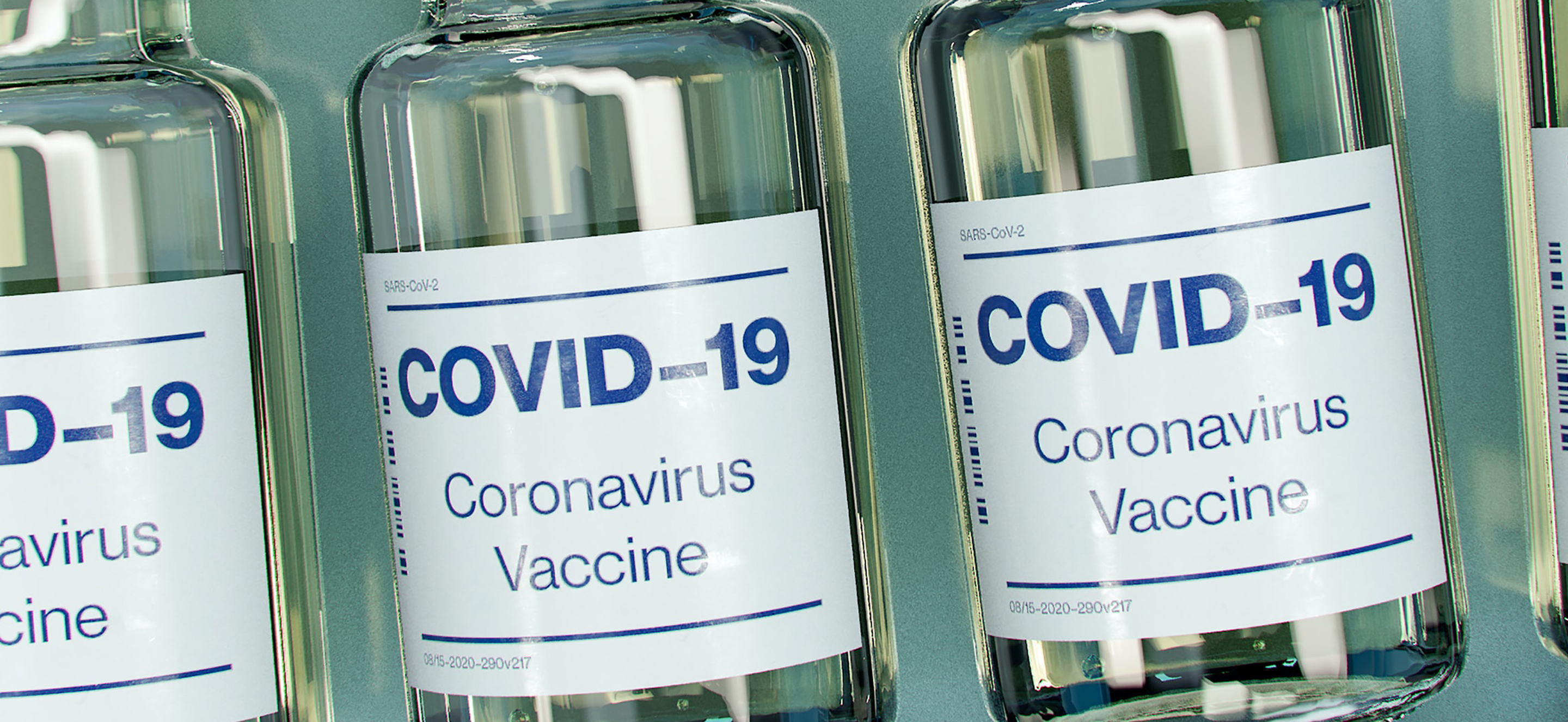
Ask the Expert: Vaccine myths and scientific facts
Now that there are authorized and recommended COVID-19 vaccines, it is critical people receive accurate information. Peter Gulick, professor of medicine at the Michigan State University College of Osteopathic Medicine and infectious disease expert, reviews some myths about the vaccine and counters these with scientific facts. Myth: The COVID-19 vaccines were developed in a rush, so their effectiveness and safety can’t be trusted. Fact: Studies found that the Pfizer/BioNTech and Moderna are both about 95% effective compared to the influenza vaccine, which ranges from being 50% to 60% effective each year. The Johnson & Johnson vaccine is 85% effective at curbing serious or moderate illness. The most important statistic is that all three were 100% effective in stopping hospitalizations and death. As of March 9, 2021, the Centers for Disease Control and Prevention reports that 93.7 million people have been vaccinated and all safety data collected from these doses show no red flags. There have been about 5 cases of anaphylaxis, an allergic reaction, per 1 million but this is no different than allergic reactions from other vaccines. There are many reasons why the COVID-19 vaccines could be developed so quickly and here are a few: The COVID-19 vaccines from Pfizer/BioNTech and Moderna were created with a messenger RNA technology that has been in development for years, so the companies could start the vaccine development process early in the pandemic. China isolated and shared genetic information about COVID-19 promptly so scientists could start working on vaccines. The vaccine developers didn’t skip any testing steps but conducted some of the steps on an overlapping schedule to gather data faster. The Pfizer/BioNTech and Moderna vaccines were created using messenger RNA, or mRNA, which allows a faster approach than the traditional way that vaccines are made. Because COVID-19 is so contagious and widespread, it did not take long to see if the vaccine worked for the vaccinated study volunteers. Companies began making vaccines early in the process — even before FDA authorization — so some supplies were ready when authorization occurred. They develop COVID-19 vaccines so quickly also due to years of previous research on the SARS COV-1, a related virus. Myth: The messenger RNA technology used to make the Pfizer/BioNTech and Moderna COVID-19 vaccine is brand new. Fact: The messenger RNA technology behind these two vaccines has been studied and in development for almost two decades. Interest has grown in these vaccines because they can be developed in a laboratory using readily available materials, making vaccine development faster. mRNA vaccines have been studied before for flu, Zika and rabies. Myth: You only need one dose of J&J vaccine so it’s more effective. Fact: Johnson & Johnson’s vaccine uses a different strategy — a weakened cold virus that is reprogrammed to include the code for the spike protein. Once inside the body, the viral genes trigger a similar response against the virus. All three vaccines are considered overall effective and 100% effective in preventing hospitalizations and death. Myth: Vaccine efficacy and effectiveness mean the same thing. Fact: Efficacy and effectiveness do not mean the same thing. “Efficacy” refers to the results for how well a drug or vaccine works based on testing while “effectiveness” refers to how well these products work in the real world, in a much larger group of people. Most people, however, use them interchangeably even though they have different scientific meanings. Myth: The vaccines aren’t effective against new strains of the virus. Fact: Currently, we know both the U.K. strain as well as the South African variant have increased transmissibility of 30% to 50% over the natural strain. As far as an increase in causing more serious disease, it is not known yet. We have over 600 U.K. variants in Michigan and one case of the South African variant, and I just heard of 47 cases of the U.K. variant in Grand Ledge. We (Michigan) are second in the nation in variants, but that's likely because we test for them more. The most important information is that the vaccines, in general, are 100% effective in prevention of hospitalization and death. So, it is felt they all offer some protection against variants to prevent serious disease. As far as the Johnson & Johnson, it was used with variants and has efficacy overall of 72% in U.S., 66% in Latin America and 57% in South Africa (where the main strain is the South African variant). All companies are looking at modifying (their products) (the mRNA) to cover variants and either give a booster or a multivalent vaccine to cover all variants. Myth: There are severe side effects of the COVID-19 vaccines. Fact: The COVID-19 vaccine can have side effects, but the vast majority go away quickly and aren’t serious. The vaccine developers report that some people experience pain where they were injected; body aches; headaches or fever, lasting for a day or two. This is good and are signs that the vaccine is working to stimulate your immune system. If symptoms persist beyond two days, you should call your doctor. Myth: Getting the COVID-19 vaccine gives you COVID-19. Fact: The vaccine for COVID-19 cannot and will not give you COVID-19. The two authorized mRNA vaccines instruct your cells to reproduce a protein that is part of the SARS-CoV-2 coronavirus, which helps your body recognize and fight the virus, if it comes along. The COVID-19 vaccine does not contain the SARS-Co-2 virus, so you cannot get COVID-19 from the vaccine. The Johnson & Johnson vaccine was developed using adenovirus vector technology and also will not give you COVID-19. It shows your immune system a weakened, common cold virus “disguised” as the coronavirus instead. Adenovirus vaccines have been around for about two decades, the same as mRNA vaccines. Johnson & Johnson developed a vaccine for Ebola using this technology. Myth: The vaccines are ineffective against the virus variants. Fact: More time is needed to study the vaccines’ effectiveness against the variants. Studies are now being conducted to determine if a booster dose is needed to protect against the variants or if modifications to the vaccines are needed. Myth: I already had COVID-19 and I have recovered, so I don't need to get the vaccine. Fact: There is not enough information currently available to say if or for how long after getting COVID-19 someone is protected from getting it again. This is called natural immunity. Early evidence suggests natural immunity from COVID-19 may not last very long, but more studies are needed to better understand this. The CDC recommends getting the COVID-19 vaccine, even if you’ve had COVID-19 previously. However, those that had COVID-19 should delay getting the vaccination until about 90 days from diagnosis. People should not get vaccinated if in quarantine after exposure or if they have COVID-19 symptoms. Myth: I won't need to wear a mask after I get the vaccine. Fact: It may take time for everyone who wants a COVID-19 vaccination to get one. Also, while the vaccine may prevent you from getting sick, more research is needed, but early indications show that while the vaccine is effective in reducing transmission, it is possible for a vaccinated person to spread the virus. Until more is understood about how well the vaccine works, continuing with precautions such as mask-wearing and physical distancing will be important. Myth: COVID-19 vaccines will alter my DNA. Fact: The COVID-19 vaccines will not alter any human genome and cannot make any changes to your DNA. The vaccines contain all the instructions necessary to teach your cells to make SARS-CoV-2's signature spike protein, release it out into the body, and your immune system gets a practice round at fighting off COVID-19. Myth: The COVID-19 vaccine can affect women’s fertility Fact: There is currently no evidence that antibodies formed from COVID-19 vaccination cause any problems with pregnancy, including the development of the placenta. In addition, there is no evidence suggesting that fertility problems are a side effect of any vaccine. People who are trying to become pregnant now or who plan to try in the future may receive the COVID-19 vaccine when it becomes available to them but it’s always prudent to consult with your doctor. Myth: The COVID-19 vaccine was developed to control the general population either through microchip tracking or "nanotransducers" in our brains. Fact: There is no vaccine microchip, and the vaccine cannot track people or gather personal information into a database. Myth: The vaccines were developed and produced using fetal tissue. Fact: The vaccines do not contain fetal cells nor were fetal cells used in the production the Pfizer and Moderna vaccines. Johnson & Johnson used human cell lines or also known as cell cultures to grow the harmless adenovirus but did not use fetal tissue. These same cell lines have been used for other vaccines including hepatitis, chickenpox and rabies and have been around for years. Peter Gulick is an associate professor of medicine at Michigan State University, College of Osteopathic Medicine, and serves as adjunct faculty in the College of Human Medicine and the College of Nursing. Dr. Gulick is available to speak with media - simply click on his icon now to arrange an interview today. Peter Gulick is an associate professor of medicine at Michigan State University, College of Osteopathic Medicine, and serves as adjunct faculty in the College of Human Medicine and the College of Nursing. Dr. Gulick is available to speak with media - simply click on his icon now to arrange an interview today.
