Experts Matter. Find Yours.
Connect for media, speaking, professional opportunities & more.
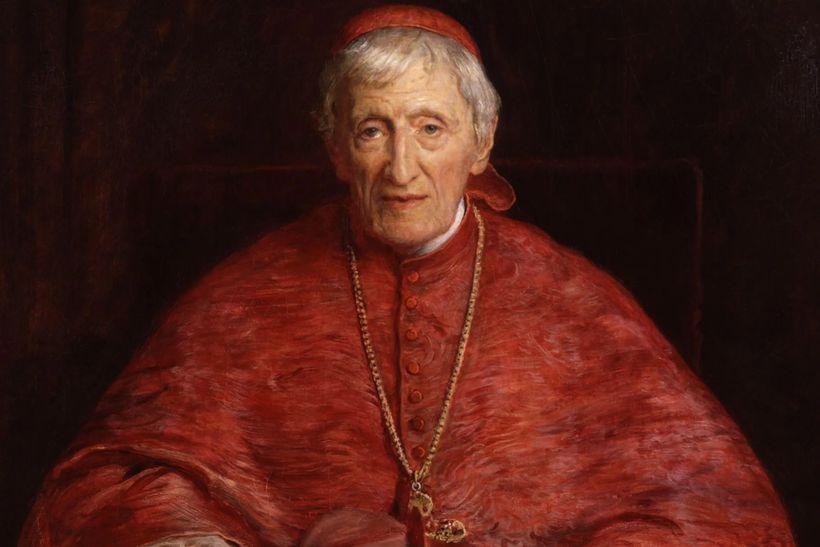
Pope Leo XIV's first year as leader of the Catholic Church was marked by observation, listening and careful communication, and was largely devoid of major doctrinal or political action. As reasonably expected of a new pontiff, he issued his first major document—the apostolic exhortation Dilexi te. He also embarked on his first international trip, traveling to Türkiye and Lebanon, where he celebrated the 1700th anniversary of the Council of Nicaea. But perhaps publicly overlooked was his elevation of a 19th-century saint to Doctor of the Church—a designation reserved for saints found to have made significant contributions to doctrine and spirituality through writings and teachings. After approving it in July 2025, Pope Leo issued that designation to St. John Henry Newman on All-Saints Day, making him only the 38th individual given the title. "The move to make St. John Henry Newman a Doctor of the Church was already underway, but Pope Leo verified it and actually carried it out, bringing Newman into a newfound kind of prominence," said Michael Moreland, PhD, professor of Law and Religion at Villanova University Charles Widger School of Law, and a scholar of St. Newman. A Bridge Between Anglican and Catholic Theology Newman, considered an influential individual in the shaping of modern Catholic theology and education, was not always Catholic. Born in England in 1801, Newman became an Anglican priest in his mid-20s. He later was a prominent leader of the Oxford Movement—one intended to recover elements of traditional Catholic heritage in Anglicanism. It led to the birth of Anglo-Catholicism and caused many Anglicans to convert to the Roman Catholic faith, including Newman himself. Newman was received into the Catholic Church in 1845 and was ordained a Catholic priest in 1847. He would go on to become an influential theologian for his contributions to the ideas of faith, conscience and doctrine. "He established what he called the 'evolution of the doctrine'—the idea that the deposit of faith is not something immobile, but something that grows in awareness over time," said Luca Cottini, PhD, professor of Italian Studies at Villanova University. "He [Newman] was also a person of the university; an intellectual," said Dr. Moreland. "He was known for his voluminous writings on all kinds of issues, including his famous book 'The Idea of a University.'" In 1878, Pope Leo XIII made then-Father Newman—who was not even a Bishop at the time—a Cardinal. Like the current Pope Leo, the elevation of Newman was one of Pope Leo XIII's first acts of government. "It's an astonishing resemblance between our current pope and his namesake," Dr. Cottini said. "Both recognized this important theologian and his contributions to Catholicism within the first year of their papacy." Newman died in 1890 and is remembered as an influential theologian, scholar and an important bridge between Anglicanism, Catholicism and the modern world. He was beatified in 2010 by Pope Benedict XVI and canonized by Pope Francis in 2019 before Pope Leo XIV elevated him to Doctor of the Church. Newman's Promotion Shrouded in Significance Beyond its relative rarity—only five individuals have been promoted to Doctor of the Church since 1971—Newman's elevation is significant in many ways, according to Dr. Moreland. "He was an Anglican by birth who converted to Roman Catholicism," he said. "He was someone from the English-speaking world, not from continental Europe, and he was from the 19th century, which is relatively recent in this context." Newman is only the second Doctor of the Church from England, and aside from Thérèse of Lisieux, born in 1873, is the only Doctor of the Church born after 1700. Beyond the significance related to Newman himself, Pope Leo's recent action underscored a critical focus of the Church, and evidenced its personal importance to the pontiff himself. "It highlighted Newman's role in education," Dr. Moreland says. "That is something Pope Leo has been formed by in important ways: as a seminary rector, seminary professor and as part of the Order of St. Augustine, which values education highly." At the Mass elevating Newman to Doctor of the Church, Pope Leo also named Newman a co-patron saint of Catholic Education, joining 13th-century priest and theologian St. Thomas Aquinas. He then added Newman’s feast day of October 9—the day he converted to Catholicism in 1845—to the General Roman Calendar, thus bringing his memorial to the global Church. "I think Pope Leo elevating Newman to a Doctor of the Church, along with these subsequent actions, signifies the emphasis he is going to place on education during his papacy," Dr. Moreland said.


ExpertSpotlight: The Surprising (and Slightly Dark) History of Valentine’s Day
Valentine’s Day may now be synonymous with chocolates, flowers, and heart-shaped everything, but its origins are far more complex, blending ancient Roman traditions, Christian martyrdom, and medieval storytelling. What began as a mid-winter festival tied to fertility and renewal eventually evolved into a celebration of romantic love - one shaped as much by poets and pop culture as by saints and religious history. Ancient Roots: Before Romance, There Was Ritual Long before Valentine’s cards, ancient Romans celebrated Lupercalia, a mid-February festival focused on fertility, purification, and the coming of spring. The event included symbolic rituals meant to ward off evil spirits and promote health and fertility, far removed from today’s candlelit dinners. As Christianity spread through the Roman Empire, many pagan festivals were re-interpreted or replaced with Christian observances, laying the groundwork for what would become Valentine’s Day. Who Was Valentine, Anyway? There isn’t just one Valentine. Historical records point to multiple early Christian martyrs named Valentine, the most famous being Saint Valentine, executed in the 3rd century CE. One popular legend claims he secretly performed marriages for young couples despite a Roman ban, acts that ultimately led to his execution. While historians debate the accuracy of these stories, they helped cement Valentine’s association with love, sacrifice, and devotion. Love Enters the Story: Medieval Poets Change Everything Valentine’s Day as a romantic holiday didn’t truly take shape until the Middle Ages. English poet Geoffrey Chaucer is often credited with linking February 14 to romantic love in his poetry, helping popularize the idea that it was the day birds chose their mates. From there, the connection between Valentine’s Day and courtly love spread across Europe, especially among the nobility, eventually giving rise to handwritten love notes and tokens of affection. From Handwritten Notes to Hallmark By the 18th and 19th centuries, Valentine’s Day had become a popular occasion for exchanging cards, flowers, and gifts. The Industrial Revolution made printed cards widely available, transforming a once-elite tradition into a mass-market celebration. Today, Valentine’s Day is a global cultural phenomenon, equal parts romance, commerce, and tradition, evolving to include friendships, self-love, and inclusive expressions of connection. It isn’t just about romance, it reflects how traditions evolve over time, absorbing layers of culture, religion, and storytelling. Understanding its history helps explain how societies redefine love, relationships, and celebration across generations. Our experts can help! Connect with more experts here: www.expertfile.com


From Saint to Superstar: The Remarkable History of Santa — and His Many Global Identities
Santa Claus may look familiar — red suit, white beard, infectious laugh — but behind the modern icon is a centuries-long story shaped by religion, folklore, migration, marketing, and local tradition. Far from being a single character, “Santa” is a global collection of gift-givers, each reflecting the culture that shaped them. The Historical Roots: A Saint Becomes a Symbol The story of Santa Claus begins with St. Nicholas, a 4th-century Greek bishop known for generosity, compassion, and secret gift-giving. Stories of Nicholas helping the poor — often anonymously — spread across Europe, establishing a lasting connection between generosity and winter celebrations. Over time, St. Nicholas evolved from a religious figure into a folkloric one as traditions blended with local customs, seasonal festivals, and storytelling. The idea of a benevolent winter gift-giver became firmly embedded in European culture long before Santa ever boarded a sleigh. Santa in North America: Reinvention and Red Suits In North America, Santa Claus emerged as a cultural hybrid: Dutch settlers brought traditions of Sinterklaas 19th-century poems and illustrations reshaped Santa into a jovial, approachable figure 20th-century popular culture and advertising standardized the modern image: red suit, round belly, flying reindeer, North Pole address What began as a saintly figure became a universal symbol of generosity, childhood wonder, and seasonal joy — largely detached from religious roots but deeply tied to cultural celebration. Santa Around the World: Same Spirit, Different Stories Santa’s core traits — kindness, generosity, winter magic — remain consistent, but his appearance and habits vary widely: Europe Sinterklaas (Netherlands & Belgium): Arrives by boat, wears bishop’s robes, celebrated earlier in December Father Christmas (UK): Rooted in feasting and goodwill, later merged with Santa traditions Père Noël (France): Delivers gifts with a quiet, gentle presence La Befana (Italy): A broom-riding grandmother figure tied to Epiphany traditions Nordic Countries Joulupukki (Finland): Lives in Lapland, wears practical winter clothing, and feels distinctly grounded in nature Julenisse (Norway & Denmark): A blend of Santa and household folklore spirits Asia Hoteiosho (Japan): A cheerful monk associated with happiness and abundance Christmas gift-givers in many Asian countries are largely secular, tied to pop culture rather than religion Latin America Papá Noel: Often coexists with religious gift-bringers tied to Epiphany Emphasis may be placed more on community and family than individual gift-giving Why Santa Still Matters Santa’s endurance lies in his adaptability. He absorbs cultural values — generosity, kindness, joy — and reflects them back in familiar, comforting ways. Whether religious, secular, or purely symbolic, Santa represents shared traditions that bring people together during the darkest days of the year. Story Angles for Journalists How St. Nicholas became a global icon The commercialization of Santa — myth vs. modern marketing Cultural identity through holiday folklore Why children worldwide believe in gift-givers How immigrant communities blend Santa traditions Santa as a mirror of societal values across cultures Why This Matters Today In an increasingly globalized world, Santa Claus is a rare figure who crosses borders with ease — adapting, evolving, and uniting cultures through shared storytelling. His many forms remind us that traditions aren’t static; they grow with the people who keep them alive. Journalists covering culture, history, religion, folklore, or holiday traditions can connect with historians, anthropologists, religious scholars, and cultural experts through ExpertFile to explore how Santa continues to shape — and reflect — societies around the world. Find your expert here: www.expertfile.com
The Light That Lasts: Exploring the Meaning and Magic of Hanukkah
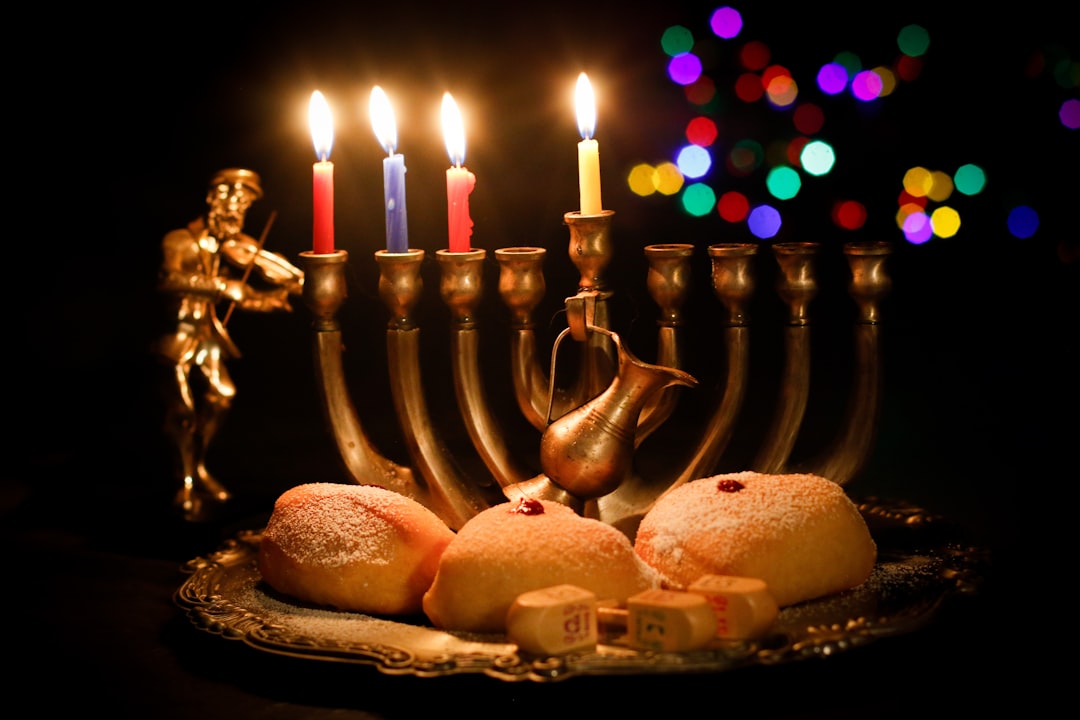
Hanukkah may not be the biggest holiday in Judaism, but culturally it’s one of the most recognizable — a celebration of resilience, identity, family, and (let’s be honest) some of the world’s finest fried foods. Behind the candles and the dreidels is a deeper story that continues to resonate across generations, especially in a time when conversations about cultural identity, belonging, and freedom are front and centre. Where It All Begins: A Miracle of Light in a Time of Darkness Historically, Hanukkah commemorates the rededication of the Second Temple in Jerusalem around 164 BCE after the Jewish people, led by the Maccabees, revolted against oppressive rule. When they reclaimed the Temple, tradition says only one day’s worth of purified oil remained — yet it burned for eight days. This “miracle of the oil” inspired the festival: eight nights of light triumphing over darkness, both literally and symbolically. Cultural Significance: A Celebration of Identity and Resilience Hanukkah stands as a powerful reminder of: Religious freedom — the right to practice one’s traditions openly Perseverance in the face of adversity The strength of cultural identity and community While it is not one of Judaism’s major holy days, its timing in the winter — often alongside Christmas — has made it a cornerstone of Jewish visibility in North America and worldwide. For many families, the holiday carries a warm mix of pride, heritage, and continuity: a chance to tell stories, honour ancestors, and reinforce cultural roots in a rapidly changing world. The Festive Side: Food, Family, Flame… and Spinning Tops Hanukkah traditions vary around the globe, but common themes include: Lighting the Menorah Each night, families add one more candle, filling homes with increasing brightness — a powerful metaphor for hope and persistence. Fried Foods Potato latkes, sufganiyot (jelly-filled doughnuts), fritters — all fried to commemorate the oil of the miracle. Dieticians everywhere look the other way. Dreidel Games The spinning top (nun, gimel, hey, shin) is tied to historical stories of Jewish children studying Torah in secret. Today it’s mostly about bragging rights and chocolate coins. Gifts and Gatherings Gift-giving is a more modern tradition in some regions, influenced by cultural exchange with North American holiday norms. Looking for an angle or Story? Hanukkah in a multicultural society — how Jewish visibility shapes community identity The Maccabees and modern conversations about resistance and resilience Evolving Hanukkah traditions across the global Jewish diaspora Food as cultural storytelling — the symbolism of oil in holiday cuisine The rise of public menorah lightings and interfaith holiday events How Hanukkah has been portrayed in pop culture — and why representation matters Why Hanukkah Still Resonates Today Hanukkah is more than a ritual of candles — it’s a celebration of survival, spirit, and cultural pride. In a world where communities continue to navigate questions of identity, inclusion, and tradition, the Festival of Lights offers a meaningful lens on perseverance and the enduring human drive toward hope. Connect with an expert today! Journalists exploring religion, culture, family traditions, or seasonal celebrations can connect with Hanukkah scholars, Jewish studies experts, cultural historians, and community leaders on ExpertFile for interviews and deeper insights. Find your expert here: www.expertfile.com
Navigating Grief During the Holiday Season
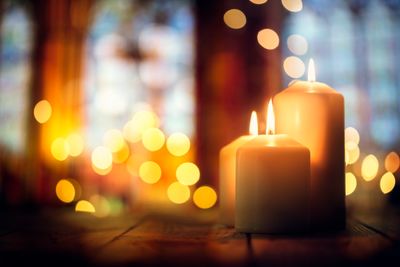
The holiday season is a time of joy, togetherness and celebration, but for many – especially those who are grieving the death of a loved one or a deep loss – it can bring a complex mix of emotions, ranging from sadness and sorrow to gratitude and joy. Baylor University professors Candi Cann, Ph.D., a death scholar and associate professor of religion in the Honors College, and Jo-Ann Tsang, Ph.D., a leading gratitude researcher and associate professor of psychology, offer four strategies for people experiencing difficult emotions and grief during the holidays. Embrace the spectrum of emotions Both Tsang and Cann say the key to maintaining balance and authenticity – even while deep in grief – is understanding and accepting where you are emotionally. “It’s possible and normal to feel different emotions at one time,” Tsang said. “You can feel happiness during the holidays, but also sad that you miss someone who you wish were present. Being grateful does not rule out feeling other emotions; we can cultivate gratitude, but that does not necessitate running away from other emotions.” Cann pointed out that grief can be complicated if the death or loss is from a difficult relationship. “It is okay to feel relief in addition to grief and it is important to validate all of your feelings – it’s a complicated grief because it was a complicated relationship,” Cann said. The importance of self-care Self-care is vital during this time, Cann said. She encourages grieving people to stay active, eat healthy, go outside to be in nature and get enough sleep. “It’s totally normal to need more sleep when you're depressed and grieving. You just have to be gracious with yourself about that,” Cann said. Allowing ourselves to feel emotions like stress, sadness or grief gives us insight into what we value and “can motivate us to take some time for self-care,” Tsang said. Acknowledging that we are stressed might lead us to reach out to others for help with tasks that overwhelm us or to let go of things to reduce stress. In addition to taking care of your physical health, staying engaged in your community or church and being in community with others is beneficial for mental health, Cann said. But at the same time, be honest with yourself about what you want to do and only accept invitations or participate in activities that you feel you can handle, she added. The place of gratitude Tsang suggests approaching challenging emotions with gratitude as it “might also provide context and perspective for our loss and potentially transform our negative emotions.” “As an example, I might feel frustrated that I am sad but then feel grateful that I have good family and neighbors to check on me and coworkers to help me finish the tasks that I can’t do while I’m down,” Tsang said. “This gratitude might help reduce my frustration by helping me see the support that is present in my life, on which I had not previously reflected.” At the same time, she reiterated that, in addition to cultivating gratitude, it’s important for people to permit themselves to experience negative emotions such as grief and sadness in response to life circumstances. “It’s okay if it’s hard to experience gratitude. God meets us where we are,” Tsang said. Evaluate traditions and embrace memories Cann suggests evaluating family traditions, choosing those that are most important to continue and starting new traditions that include their loved one. “A lot of people feel like when that person is gone, the love is gone too, but the love is still there,” Cann said. “You wouldn't feel the grief or the big hole that you now have if you didn't have all of this love in the first place.” She suggests embracing their loved one’s presence by including a place at the table for Christmas dinner, making their favorite recipe or finding other ways to continue the bonds. By doing these things, “you're including them in your conversation, and you're making space for that person, both literally and symbolically,” Cann said. Supporting someone who is grieving Being supportive of someone grieving requires patience and vulnerability. “Engage with the person and ask how you can best support them, and let them know that you are thinking about them during this time,” Cann said. Sometimes, friends or family members don’t want to bring up death during the holidays because they don't want to make people sad at a joyful time. “But the point is, they already are sad, so bringing it up allows them to express it” and feel accepted in their pain, Cann said. It also is important to remember that not all grief is related to death. There are many types of loss that people experience such as divorce or disease. The Baylor researchers note that we can’t decide or predict what defines another person's grief, but we can offer love and support. Approaching the holidays when experiencing grief over a death or a deep loss may be painful at first, but using these strategies can help us face the future by celebrating with gratitude what we had in the past. Ultimately, the holidays are a time for reflection, connection and self-compassion. Allow yourself to feel your emotions fully – whether joyful, challenging or a mix of both – and use them as guides for meaningful action. Looking to know more or arrange an interview? Simply click on the expert's icon below or contact: Shelby Cefaratti-Bertin today.


The Meaning Behind Hanukkah Meals
As families around the world prepare to celebrate Hanukkah, University of Rochester professor Nora Rubel can expound on the deeper stories behind the holiday’s foods, rituals, and evolving traditions. Rubel, a scholar of Jewish studies and chair of the Department of Religion and Classics, specializes in how Jewish identity is expressed through everyday practices and food. For instance, her work explores how dishes like latkes and sufganiyot (fried jelly donuts) carry meanings beyond the kitchen. “Food is one of the most powerful ways communities tell their stories,” Rubel says. “During Hanukkah, the foods we make and share help us remember the past, celebrate resilience, and connect with one another.” Hanukkah runs from Dec. 14 through Dec. 22 this year. Oil at the Heart of Hanukkah: Why Fried Foods Matter Many people recognize the holiday through its signature fried foods. But Rubel notes that these traditions developed over centuries and vary widely across cultures. • Ashkenazi Jews typically serve potato latkes. • Sephardic and Mizrahi communities prepare sufganiyot, bimuelos, zalabiya, and other fried sweets. • Some families incorporate dairy dishes, drawing on medieval interpretations of the Hanukkah story. What unites these foods, Rubel explains, is the symbolism of oil, which commemorates the miracle at the heart of the Hanukkah story. Many Ways to Celebrate Rubel emphasizes that Hanukkah is not a monolithic holiday. Its rituals, from lighting the menorah to singing blessings and exchanging gifts, vary across communities and generations. Some families add new traditions such as: • Hosting “latke tasting” gatherings • Experimenting with global Jewish recipes • Incorporating social justice themes into nightly candle-lighting • Sharing stories of family immigration and heritage “Hanukkah is a living tradition,” Rubel says. “It continues to evolve, and food is one of the ways people reinterpret what the holiday means for them today.” A Resource for Understanding Jewish Life Rubel’s broader scholarship focuses on American Jewish life, cultural memory, and how religious identities are shaped in the home as much as in the synagogue. She is a go-to resource for journalists covering holiday practices, regional Jewish cuisines, and the meaning behind rituals that shape the season, and is featured in “Family Recipe: Jewish American Style,” a new documentary now airing on PBS stations across the United States. Rubel is available for interviews throughout the Hanukkah period and beyond, and can speak to how traditions differ in Jewish communities around the world, the evolution of Hanukkah in American culture, and contemporary interpretations of rituals and identity. Click on Rubel's profile to connect with her.


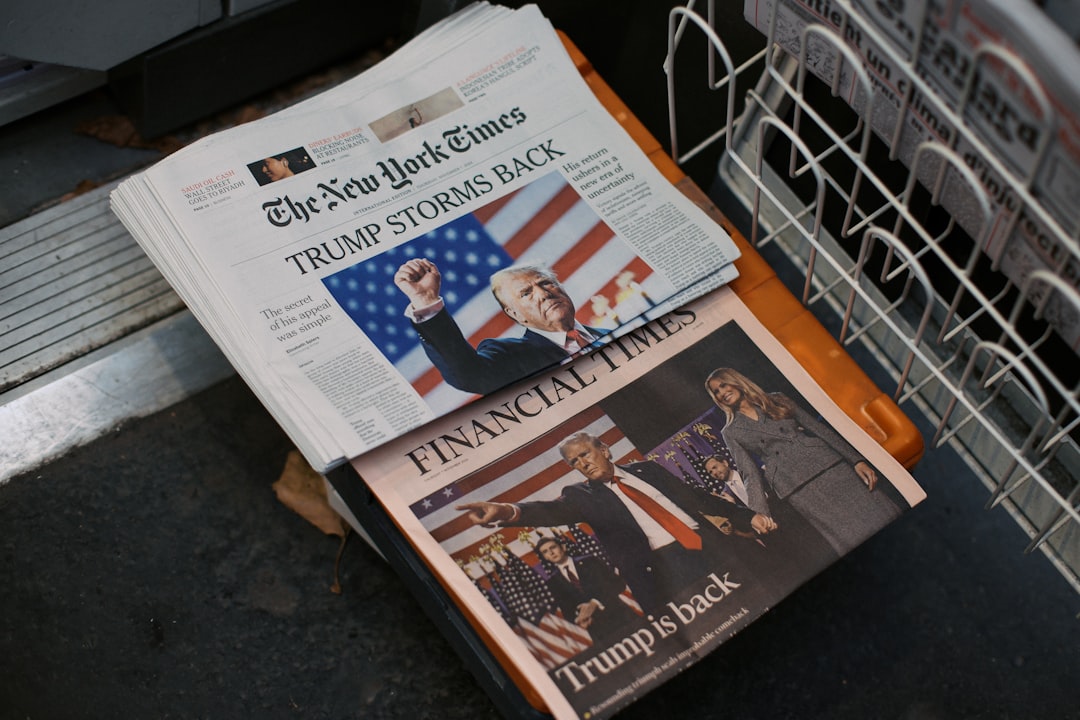
Trump’s Threat is His Destruction of the Republican Party
In All the King’s Men, Robert Penn Warren describes Willie Stark’s final victory. “And there wasn’t any Democratic party. There was just Willie, with his hair in his eyes and his shirt sticking to his stomach with sweat. And he had a meat ax in his hand and was screaming for blood.” Warren’s description is darkly poetic and metaphorical. Stark, the populist governor of a fictional state, did not murder his rivals, but he did destroy them, along with the political party he rode to power. Like Stark, Donald Trump has carved up the Republican Party of old, and in its place, there is just Trump. This is not the first time a politician has remade a political party, but the death of the G.O.P. threatens to unbalance our political system. We are defined by close elections, tight legislative majorities, and polarized preferences. Neither side in the cultural conflict can achieve core objectives, so the temptation to put more hope and power into the Executive, to skew the system, is mounting. We can argue about the degree to which past Republicans were truly restrained, especially in government spending, but at least the G.O.P. used to advocate for two seatbelts to keep the body politic safe from accidents: character to govern the self and constitutionalism to limit what government can do to others. As the G.O.P. grew to rival Democratic power, in the 1980s and 1990s, the New Deal coalition fractured, along with the assumption that simply more power, expertly applied, could solve our problems. Democrat Bill Clinton conceded “the era of big government is over.” Justice Elena Kagan recognized, “we’re all textualists now.” The tug of war between an evolving progressivism and a robust conservatism may not have made for an ideal way to solve problems, but it did encourage humility, born of the recognition that radical actions, even if successful, would be punished. Dr. Mark Caleb Smith serves as Professor of Political Science and the Director of the Center for Political Studies at Cedarville University. He teaches courses in American Politics, Constitutional Law, and Research Methodology/Data Analysis. His primary research interest is in the field of religion and American politics. View his profile Those days are over. Donald Trump’s Republicans are no longer a restraint of any kind. The seatbelts of the past have been snipped by the same leaders who claimed to buckle them in place. The Epstein Files are the exception of congressional pushback that proves the rule of the party’s degradation. But what of the appointment of unqualified and incompetent leaders in the F.B.I., H.H.S., Homeland Security, and the Department of Defense? Illegal and extra-judicial killings in the Caribbean? An unexplained and unauthorized military buildup in the same region? Shakedowns of universities and media outlets? Crypto corruption? Tariffs? Strong-arming law firms and firing career civil servants for seeking justice in our courts? The Republican response has mostly been crickets. There is no longer a major party that pretends to restrain the president through the law out of principle. The real disagreement between Trump Republicans and Biden Democrats is not about should the president abuse his power, but how. Unless something dramatic happens, the politics of the meat ax will come for us all. Mark is available to speak with the media regarding the state of politics in America. Simply click on his icon now to arrange an interview.


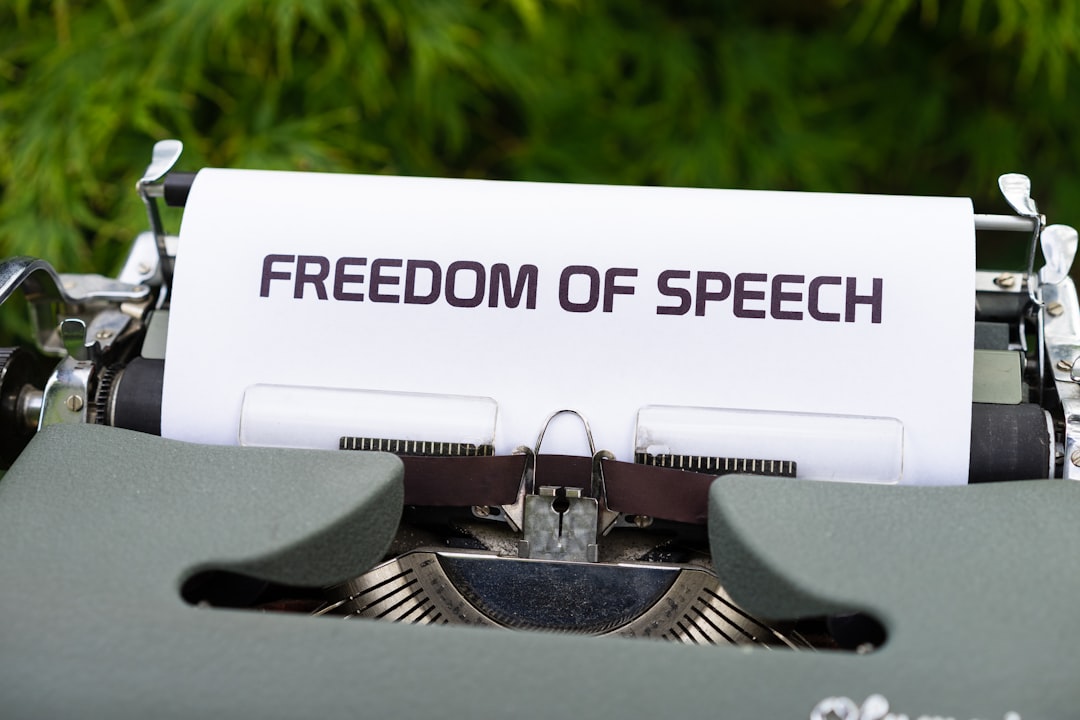
The First Amendment: Foundations, Freedoms, and Why It Still Matters
The First Amendment is more than just words on paper — it’s a bedrock of American democracy. Adopted in 1791 as part of the Bill of Rights, it protects fundamental freedoms: speech, religion, press, assembly, and petition. Its influence ripples through every aspect of civic life, shaping what citizens can say, believe, hear, and demand from government. How It Started In the wake of the Revolutionary War and under the new Constitution, many Americans worried that the federal government could become too powerful — especially over individual rights. To allay those concerns, the Bill of Rights was proposed. The First Amendment was among those first protections ratified in December 1791, explicitly forbidding Congress from making laws that establish religion, restrain free speech or press, or curb the rights of people to assemble and petition their government. Over time, this compact set of protections has been tested, expanded, and clarified. Landmark court decisions and historical crises—from the Sedition Act era in the 1790s, World Wars, civil rights struggles, to modern debates—have shaped how these freedoms are understood in practice. What It Means Today For citizens, the First Amendment offers more than legal guarantees: it gives voice. It underpins political debate, dissent, journalism, artistic expression, religious diversity, protests—and it enables citizens to hold power accountable. At school, at work, on social media, in place of worship, or in the press, these freedoms allow Americans to share ideas, critique policy, and petition for change. But First Amendment rights are not unlimited. Legal doctrine has evolved to balance free speech with other social interests—such as national security, public safety, protection from defamation, or decency norms. The courts continue to adjudicate what constitutes protected speech, what kinds of regulations are permissible, and how emerging issues—like the internet, social media, and new forms of communication—fit into long-standing legal principles. Why This Matters The First Amendment remains essential because it shapes both the rights and responsibilities of citizenship. Without it, political dissent—vital to healthy democracy—can be stifled. Without free press, government actions may go unchecked. Without freedom of religion and conscience, personal beliefs may be coerced or marginalized. As society changes—through technology, demographic shifts, and cultural dialogues—these freedoms are continually negotiated. Understanding the First Amendment helps individuals understand their power and limits. It shows why protests matter, why journalism matters, why speaking up matters. It also frames why legal protection matters in areas such as whistleblowing, religious diversity, and minority rights. Connect with our experts about the history, protections, and current significance of the First Amendment for all Americans: Check out our experts here : www.expertfile.com
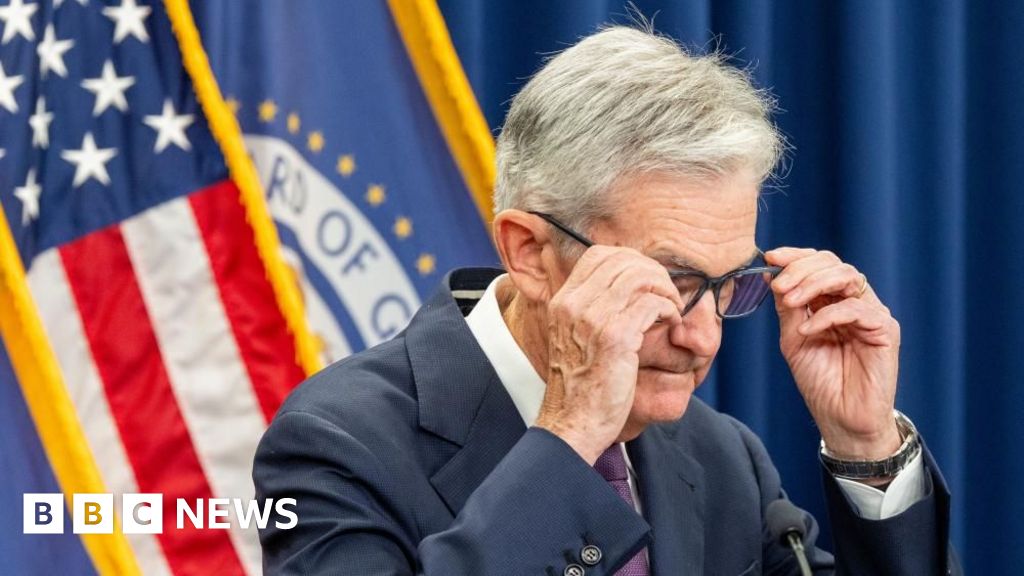
The Fed Just Cut interest Rates - What's Mean for Americans and What Does it Say about the Economy?
For the first time since December interest rates are being cut and all indicators point to even more signaled more cuts coming this year. The reactions so far have been mixed. The markets held steady but made no bold moves. And the opinions on how this will impact housing and home sales was also mixed with President Trump raving that housing will "soar" and others concerned about volatility. The announcement is getting a lot of media attention with reporters looking for angles, answers and what to expect for the future. And to get those answers - they need experts who understand every aspect of the economy. Dr. Jared Pincin's primary research interests explore the intersection of public choice economics with foreign aid as well as issues in sports economics. Pincin has published in popular publications such as The Hill, Real Clear Markets, Foxnews.com, and USA Today and scholarly journals such as Oxford Development Studies, Applied Economic Letters, and the Journal of Sport and Social Issues. View his profile here Dr. Haymond joined the faculty at Cedarville University in 2010 after a 29-year career in the United States Air Force. He taught at the United States Air Force Academy and was an Air Force Fellow at The Brookings Institution. His research has been published in scholarly journals such as the Quarterly Journal of Austrian Economics, Public Choice, the Journal of Public Choice and Public Finance, and Journal of Faith and Economics. His current research interests include economics and religion, as well as monetary theory. View his profile here Looking to know more? We can help. Jared Pincin and Jeff Haymond are both available to speak with media - simply click on either expert's icon to arrange an interview today.

New research reveals how religious tattoos reflect a cultural – and generational – shift in how faith is expressed through permanent body art. Dr. Kevin D. Dougherty, professor of sociology at Baylor University, brings a unique lens to this evolving phenomenon. An award-winning educator and active researcher, Dougherty teaches both undergraduates and graduate students in areas of sociology, including courses on religion, teaching and organizational life. His research explores religious affiliation, participation, racial diversity in congregations and the ways faith intersects with politics, work and community. In a recent study published in the Journal for the Scientific Study of Religion, Dougherty and his co-authors – Texas Tech sociology professors Jerome R. Koch, Ph.D. and Paticia Maloney, Ph.D. – examine how tattoos—once seen as rebellious—are now being embraced as spiritual markers, particularly among younger generations. The study used national data from the 2021 Baylor Religion Survey, administered by Gallup to a random sample of 1,248 U.S. adults. The findings reveal that nearly 10% of American adults have tattoos with religious or spiritual significance – suggesting a major cultural shift in how lived religion is publicly and permanently expressed. “What we’re seeing is that tattoos are becoming modern-day sacred objects,” said Koch. “They’re permanent, deeply personal and often worn as both a proclamation of faith and a private reminder of belief.” The research challenges longstanding stereotypes that religious individuals avoid tattoos. While highly religious adults remain slightly less likely overall to be tattooed, younger people with strong religious commitment were the most likely to mark their faith visibly and permanently on their bodies. The study also points to a broader evolution in faith practices. Tattoos are now joining other forms of spiritual expression like jewelry and clothing—but with one major distinction: permanence. “A religious tattoo doesn’t come off. It travels with you,” said Dougherty. “It encourages continuity, a lasting connection to what you believe.” Dougherty’s interest in the topic was sparked during a classroom assignment, where students were asked to document tattoos on campus. He was struck by how many were linked to religious themes. “Tattoos that once marked the fringes of respectable society are now being redeemed as testimonies of belief,” he said. “They’re a reminder that faith—like culture—is always adapting, always finding new ways to speak.” For media inquiries and to connect with Kevin, click the icon below.