Experts Matter. Find Yours.
Connect for media, speaking, professional opportunities & more.

Breaking: Justin Timberlake Reveals He Has Lyme Disease
When a major celebrity opens up about a personal health struggle, public attention often follows. That’s certainly the case after Justin Timberlake recently revealed that he is battling Lyme disease—a condition that affects nearly half a million Americans each year but remains widely misunderstood. Timberlake’s announcement is bringing renewed focus to the causes, risks, and complexities of Lyme disease, including how it spreads, where it’s most prevalent, and what individuals can do to protect themselves. With tick season still active in many regions, this moment offers an opportunity to better inform the public—and we’ve identified a group of leading experts who can help do just that. From microbiologists and epidemiologists to entomologists and disease ecologists, the following researchers bring a wide range of expertise on Lyme disease, tick biology, and environmental risk factors. Whether you're a journalist looking for credible sources, a public health communicator, or simply someone trying to make sense of this rising threat, these experts are available to provide clarity and context in the wake of this headline-making health disclosure. Featured Experts A highly media‑quoted microbiologist specializing in Lyme and other tick‑borne diseases. He runs TickReport, a service that tests ticks and interprets exposure risks. Insights on... How celebrities like Timberlake amplifying Lyme awareness may shift public perception and testing demand. The relevance of tick season timing and geographic risk zones. How tick testing works and what patients should know post‑exposure. Over two decades studying Borrelia burgdorferi and blacklegged ticks, with strong expertise in disease ecology and conservation medicine. Insights on... The biology of transmission and the tick’s life cycle—what leads to infection risk. How habitat and ecological shifts may affect Lyme exposure risks. Wildlife‑human disease interface in increasingly peri‑urban settings. Focuses on landscape ecology and patterns of vector‑borne disease emergence including Lyme disease. Insights on... How environmental changes (e.g. urban sprawl, climate trends) are altering Lyme disease risk maps. Predictive models: where Lyme is emerging next. Implications for public health messaging given high-profile cases like Timberlake’s. Specializes in tick taxonomy and vector species genetics—ideal for deeper background on tick diversity and distribution. Insights on... Which tick species carry Lyme and how misidentification can confuse diagnosis. Emerging tick species or genetic strains and what they mean for prevention. Geographic spread and species shift over time. His research examines geographic patterns of Lyme disease, including why incidence varies regionally in the U.S. Insights on... Why Lyme is more prevalent in certain states—even those outside Timberlake’s or his fans’ travel zones. Human behavioral and habitat factors (e.g. suburban greenspace vs. deep woods). What seasonal changes in tick behavior tell us about infection risk. Story Angles to Explore Celebrity spotlight on Lyme disease: How high‑profile cases can impact media attention, funding, public awareness, and testing demand. Diagnosis and prevention: From exposure to testing (e.g., TickReport), early symptoms, treatment windows, and what experts recommend post‑bite. Ecology and environment: Why Lyme is expanding geographically, and how climate and land‑use change influence risk. Tick evolution and identification: Educating the public on which ticks transmit Lyme, emerging strains, and challenges in correct tick identification. Regional variation in risk: Breakdowns of why some states or regions are Lyme hotspots and how that aligns with the celebrity’s likely exposure zones or fan geography. Looking for more Experts? Visit www.expertfile.com or download ExpertFile for your phone.


Strategies for Minimizing Rising Risks to Mobile Apps from Privacy Laws
As mobile apps become more central to customer engagement, they’re also drawing closer scrutiny under global data privacy laws. In this expert-backed article, Antonio Rega, Managing Director at J.S. Held, and Ian Cohen, CEO of LOKKER, outline how businesses can identify hidden privacy risks—particularly those created by third-party SDKs and what steps they can take to stay compliant. What’s covered: • How data minimization and purpose limitation apply to mobile architecture • Real-time consent dilemmas and SDK-related exposure • Transparency gaps in mobile data flows • Upcoming enforcement trends and what they signal for app owners With decades of combined experience in digital forensics, risk, and data governance, Rega and Cohen bring sharp insight into a fast-evolving regulatory landscape. Whether you’re developing, auditing, or overseeing mobile platforms, this article breaks down what’s at stake and how to protect both users and your organization. Looking to connect with Antonio Rega? Click on his profile icon to arrange an interview or get deeper insights into data privacy, risk, and mobile app compliance. For any other media inquiries, contact : Kristi L. Stathis, J.S. Held +1 786 833 4864 Kristi.Stathis@JSHeld.com.

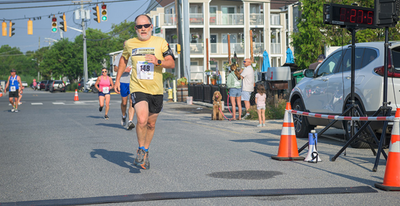
Beat the heat: Six expert tips to stay active and safe this summer
Exercising should be a priority year-round, but summer heat and humidity can challenge that commitment and make it harder to meet your daily step goal. Daniel White, associate professor of physical therapy at the University of Delaware, offers some practical tips for reporters working on stories about staying active and safe during the hottest months of the year. 1. Time it right Plan to exercise in the early morning or evening hours when temperatures are cooler. Delaware’s scenic beaches and boardwalks can be the perfect spot to catch a summer breeze or stop to enjoy the scenery while getting your steps in. 2. Prioritize hydration In the heat, people perspire more and need to replenish fluids. Always carry a water bottle with you and sip from it regularly. Dehydration can lead to lightheadedness, balance issues, muscle cramps and even heat stroke. And don’t forget sunscreen — SPF is necessary for any outdoor workout year-round. 3. Reduce the intensity It may not feel like as much of a workout, but the fact that you’re out there pounding the pavement is the most important thing. According to the U.S. Department of Health and Human Services’ Physical Activity Guidelines for Americans, movement is beneficial, and the more, the better. Performing any physical activity at half intensity far outweighs not doing it at all. 4. Opt for the indoors Pickleball has become all the rage, so finding an indoor court or other activities you can enjoy in air conditioning is a great alternative. Walking on a treadmill at the gym or getting in laps at the Christiana Mall are good options too during a heatwave. 5. Dive in Swimming and water aerobics are great ways to stay active and keep cool. Facilities like the YMCA have designated lap-swim-only hours or classes. Simply splashing around can be an easy way for those just starting their fitness journey to incorporate more movement into their days. 6. Walk with purpose The bottom line is the more you walk, the healthier you’ll be. Just 3,000 steps a day is a solid start, according to White’s studies, especially for older adults. Reaching 6,000 steps has been shown to protect against arthritis complications. But when it comes to steps, the sky’s the limit. Walking at a moderate pace, where you’ve built up a sweat, will strengthen your muscles and bones and lower your risk of cardiovascular disease and cancer. To arrange an interview with White, reporters can reach him directly by visiting his profile page and clicking on the contact button.



Covering "meme stocks"? Our expert can help.
"Meme stock" fever in the financial markets is back and hotter than ever. If you're a reporter covering the trend now or in the future (because history suggests it'll boomerang), the University of Rochester invites you to reach out to Daniel Burnside, clinical professor of finance at the Simon School of Business, for insight. Burnside has held various roles in the investment, risk management and financial planning fields, and has worked extensively with both individual and institutional clientele. He recently helped Forbes explain the trend affecting stocks like Krispy Kreme and Kohl's and other brands, and offered advice on how investors should proceed. "You’re not investing in fundamentals, you’re betting on crowd psychology and social media dynamics,” Burnside told Forbes. Burnside encouraged potential investors to “keep it small.” “No more than, say, 5% of your portfolio,” he added. “It’s speculation, not strategy. If you can’t afford to lose it, you can’t afford to meme it.” Contact Burnside by clicking on is profile.

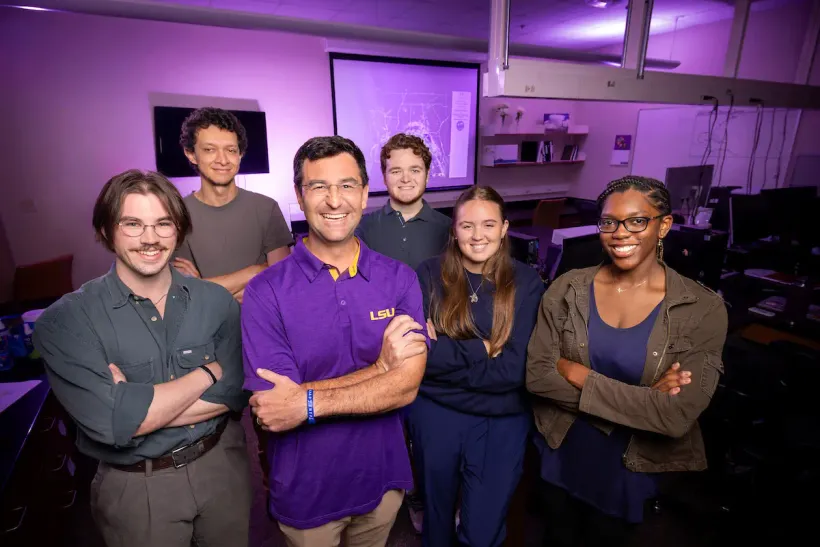
LSU Lab Helps Louisiana Prepare for Hurricanes, Drought, even Saharan Dust
Any hurricane that forms in the Gulf of America is a direct threat to Louisiana and its neighboring states. But most seasonal forecasts focus on the entire North Atlantic Basin, including areas where storms may never come close to any land, much less the U.S. Gulf Coast. A Gulf-specific forecast developed at LSU’s Coastal Meteorology (COMET) Lab addresses that issue by providing storm information specifically geared toward the Gulf region. The lab is run by Paul Miller, an associate professor at LSU who founded it in 2019. “We decided that a Gulf-specific forecast could help state officials and Gulf-area residents better understand how active the upcoming season might be in their part of the Atlantic,” said Miller, who teaches in the Department of Oceanography & Coastal Sciences in the College of the Coast & Environment. Miller said the LSU-Velocity Risk Gulf Hurricane Outlook is one example of how the COMET Lab delivers real benefits to Louisiana. “A lot of forecasts tend to align with each other each year. But ours works a lot differently than some of the other forecasts that are geared towards larger areas of the ocean,” he said. “We’re not the world’s leading hurricane research lab—and we don’t try to be. Instead, we prioritize meeting the largest research gaps relevant to Louisiana residents, spanning a wide variety of weather hazards. “We want to make sure Louisianans experience a clear return-on-investment from our lab’s activities.” Ways the lab supports the state also include: Helping forecast storm surge in real time and informing the decision on when to close flood barriers before a tropical system hits land. Developing rainfall models to support flood prevention efforts. Studying weather patterns that cause drought and low coastal water levels that can lead to marsh loss during dry spells on the Gulf Coast. Saharan Dust Research One area of study that incorporates both air quality and tropical weather is the lab’s research on Saharan dust clouds, which are blown across the Atlantic in an air mass called the Saharan Air Layer, or SAL. “So, this sort of far-off distant concept of Saharan dust is actually something that is kind of important to folks here in Louisiana,” Miller said. This dust can shut down thunderstorm activity in the U.S. Caribbean territories, a key area of research in the COMET Lab, and cause respiratory problems when it reaches the Southeast U.S. The SAL can also suppress hurricane activity in the Atlantic. “Our lab just launched a new project with the Office of Naval Research to determine how dust-dimmed sunlight can affect ocean temperatures in the Atlantic’s most active hurricane breeding grounds,” Miller said. Read the full story here.



Vitamin D in pregnancy may boost kids’ brainpower
You don't need a scientist to tell you that milk is good for babies. But a new study led by the University of Delaware's Melissa Melough sheds light on the power of prenatal nutrition — specifically vitamin D— as a key contributor to children’s brain development. The research found that children whose mothers had higher vitamin D levels during pregnancy scored better on tests of memory, attention and problem-solving skills at ages 7 to 12 compared with those whose mothers had lower levels. Melough wrote about the study in a piece for The Conversation. Vitamin D deficiency affects 42% of U.S. adults and about a third of pregnant women, but the average American woman consumes just 168 international units of vitamin D daily (the recommended amount is 600 ID). Many prenatal vitamins contain only 400 IU. One promising finding could result in the solution of a racial disparity in nutrition. The study found a link between prenatal vitamin D levels and childhood cognition was strongest among Black families, who also face higher rates of vitamin D deficiency. Therefore, vitamin D supplementation could be a low-cost strategy to support brain development while reducing racial disparities. Melough is available for interviews about the study, and can also speak to the following topics: • Nutritional and environmental factors influencing human health. • Populations at risk for nutritional inadequacies or harmful environmental exposures. • The roles of endocrine disruptors in the development of obesity. • The influences of maternal nutrition on childhood outcomes • Novel dietary approaches to reduce chemical exposures or their associated health consequences. To arrange an interview with Melough, visit her profile page and click on the "contact" button, or send an email to MediaRelations@udel.edu.


Disaster Reduction: Key Insights for Risk Managers & Corporate Executives
The need for comprehensive disaster risk management has never been more evident. In recent years, major storms, earthquakes, wildfires, tornados, derechos, and other destructive large-scale events have been significant. According to the United Nations Office for Disaster Risk Reduction (UNDRR) 2025 Global Assessment Report, disaster costs now exceed over $2.3 trillion annually when cascading and ecosystem costs are taken into account. What can be done to minimize both the damaging effects and significant costs associated with these types of events? In this article, J.S. Held EHS experts John Dulude and Bill Zoeller examine the critical components of disaster resilience – preparedness, mitigation, and resilience – and delve into the insights that can empower risk managers and corporate executives to safeguard their organizations. What’s covered : • Proactive Disaster Planning and Preparedness • Case Study: Hurricane Hilary 2023 | Western United States • Tailoring Resilience to Geographic Risks • Learning from Disaster for Continuous Improvement The insights shared in this article underscore the critical importance of proactive planning, meticulous preparation, and resilience in the face of inevitable disasters. For media inquiries, contact : Kristi L. Stathis, J.S. Held +1 786 833 4864 Kristi.Stathis@JSHeld.com


Yes, Ringo Starr just turned 85. Let that sink in. I read this in the Washington Post and felt like a bag of Beatles vinyl had walloped me. How is this possible? How can the mop-top drummer be 85 when I was dancing to “Yellow Submarine” in bell-bottoms with a brush for a microphone? More urgently: how old does this make me?! Ringo isn’t slowing down. He’s still touring with two bands, making music, flashing that cheeky Liverpudlian smile, and preaching peace and love as if he’s got nowhere else to be. No plans to retire. No plans to fade away. Just a rockstar with a great attitude... and maybe a titanium hip (unconfirmed). This made me realize that, as the birthday candles on my cake now need a fire permit, “attitude” plays a huge role in how we age. Based on the feedback I received from my last post, “What’s Your Brand, Boomer?”, it’s clear that many people are genuinely interested in managing their personal brand as they age. This week, I want to go deeper—because whether you’re 45 or 85, you are Old People in Training. That’s right. Every one of us is aging in real-time, and understanding the stages ahead—either for ourselves or our aging loved ones—helps us walk this path with humour, grace, and fewer surprises. So, here they are: The 8 (Unofficial but Uncannily Accurate) Stages of Aging 1. The Stand-Up-and-Forget-Why Stage (Kicks in around mid-to-late 50s) You walk into a room with purpose, then wonder: was I here to fold laundry, pay a bill, or practice my slow blink? Bonus points if you’re already wearing the glasses you’re hunting for. How it helps: Eases forgetfulness. It’s not early dementia; it’s early distraction. Keep a notebook or use Voice Memos. Or do what I do: shrug, laugh, and keep walking until something jogs the memory (usually coffee). 2. The “Senior? Not Unless There’s a Discount” Stage (Hits in your early 60s) You bristle at the word “senior,” unless it saves you $2.50 at the movies or 15% at Shoppers. Suddenly, age becomes a tool, not a label. How it helps: Celebrate the advantages! You’ve earned them. And remember: owning your age is the new anti-aging remedy. Confidence looks good on everyone. Remember, you are still that age, whether you admit it or not. You might as well save some money! 3. The “Yes, I Really Am That Age” Reminder Stage (Kicks in around 65) You find yourself saying your age out loud like it’s a riddle. "I’m 65. Sixty-five! Isn’t that wild?" You’re still trying to catch up with the numbers, or maybe you’re worried you’ll forget your age. How it helps: Accept the number without letting it define you. It’s not a limit — it’s a launchpad. Bonus: Use it as an excuse to do something you’ve always put off. 4. The Replacement Parts Stage (Hits in the early to mid-70s) Welcome to orthopedic roulette: knees, hips, maybe a shoulder. You collect joint replacements like frequent-flyer miles. Fortunately, modern medicine allows for joint replacements to be performed more quickly than ordering takeout. Still waiting for Staples to offer 3D-printed hips. How it helps: Embrace science instead of fighting it. Biology always prevails! Mobility equals independence. And nothing embodies “active aging” like beating your grandkids at pickleball with a shiny new titanium knee. 5. The “I’ve Run Out of F*cks to Give” Stage (Kicked in the late 70s into the early 80’s) You’ve earned the right to speak your mind—and wear socks with sandals. You say what you want, mean what you say, and anyone who doesn’t like it can take a number. Opinions? Too many! Filters? Deleted. Freedom? Glorious. Friends? Running for cover! How it helps: This is peak freedom. Use it wisely. Advocate, participate, mentor, and model what unapologetic living looks like. You’re the elder statesperson now—be bold, not bitter. 6. The Cataract Conspiracy Stage (Kicks in mid-to-late 70s) Lights appear like halos, and reading menus becomes an Olympic event. But don’t worry—cataract surgery is so common it’s practically an oil change. And voilà: brighter colours, more precise lines, less squinting. Spoiler Alert: You will now be able to see how poor your housekeeping skills are! How it helps: Get your eyes checked. Don’t delay. Seeing clearly again can literally brighten your outlook—and maybe even your attitude. 7. The “Say What?” Stage – The Hard-of-Hearing Stage (Late 70’s+) This one sneaks up like a whisper… which is ironic, because you probably won’t hear it. At some point, for most of us, hearing begins to decline like old payphones and eight-track tapes. It might start with missing parts of conversations in noisy restaurants or asking people to repeat themselves (just once… or five times). Eventually, it’s full-blown “Say what?” territory. Many avoid wearing hearing aids because—let’s face it—they feel like a flashing neon sign that says, "I’m old!" But here’s the real issue: pretending to hear is much worse. It can lead to social withdrawal, isolation, and even strained relationships. And we’re not just making this up for dramatic effect—studies at John Hopkins School of Medicine show that untreated hearing loss is linked to a higher risk of dementia, depression, and cognitive decline. There’s also the loud TV effect—when your neighbours across the street can hear your Netflix queue, it’s time to see an audiologist, not to mention the safety concern: driving with impaired hearing is risky; sirens, honking horns, or even a warning from a passenger might go unnoticed. So, if your “What?” count is rising and your TV volume is climbing towards aircraft-engine decibels, take action. Getting your hearing tested doesn’t mean you’re old—it means you’re informed (and honestly, more enjoyable to be around). Because nothing celebrates “vibrant aging” more than staying connected to the world—and actually hearing it. Stage 8: The Long Goodbye – When Friends Start to Leave the Stage I’ve heard from seniors about Stage 8… and without exception, they say it’s one of the toughest parts of aging. This is the stage when the long goodbye starts—quietly at first, then with increasingly frequent moments. Your phone rings less often. The chairs at the coffee group gradually empty. One day, you realize you’re not just losing friends—you’re outliving them. It’s part of the circle of life, for sure—but no Lion King soundtrack can ease the heartbreak. This stage exposes some of our deepest fears: Will I be next? Who will mourn me? Does anyone even know I’m still here? It’s a time of grief, loneliness, and silent despair. And while you can’t fast-forward through it, you don’t have to walk it alone. If you’re an “Old Person in Training” (which, reminder: we all are), listen up. This stage isn’t just something that happens to others—it’s your future self, waving from down the road. Learning about it now prepares you to guide others through it with grace and to soften your own landing when the time arrives. And if someone you love is already there? This is your cue. Show up. Don’t wait to be invited—grief rarely sends formal RSVPs. Phrases or clichés like “they’re in a better place” won’t suffice here. These are nothing burgers—all bun, no meat—empty calories in a moment that needs nourishment. Show up. Stay steady. Be the evidence that they are still recognized, still cared for, still part of something meaningful. What they truly need is presence, not presents. Time, not timelines. They need to feel they are not alone. Sit with them. Walk with them. Watch Jeopardy in silence if that’s what the day calls for. But whatever you do, don’t disappear. Because one of the most profound gifts we can give in this stage isn’t a cure—it’s companionship. Science Confirms It: Attitude Is a Lifespan Strategy Tongue-in-cheek aside, these aging observations are backed by science: Positive beliefs about aging can extend life by 7–8.5 years. (Source: PubMed – Levy et al.) Optimism correlates with lower heart disease, stroke, and a 70% greater likelihood of reaching age 85. (Source: Harvard Health) Positive mindset boosts recovery, brain health, and resilience after illness. (Source: Harvard Health) So, what can we learn from Ringo? Keep creating – Music, art, businesses, bad poetry. It keeps the brain limber and the soul alight. Stay curious – Sign up for that course. Take the trip. Ask questions. Enrol in the MBA. (Looking at you, 69-year-old rockstars.) Lean into joy – Laugh like nobody’s judging. Dance like your knees aren’t watching. Surround yourself with good vibes – Optimism costs nothing and glows brighter than Botox. Remember, it’s not your age—it’s your outlook. So next time you stand up and forget why you did, just grin and say: ‘I’m aging like a Beatle. Still standing. Still grooving. Still fabulous.” And if you ever need a pep talk, ask yourself: “What would Ringo do?” Don’t’ Retire Re-wire Sue


What X chief executive's sudden exit means for the future of the social media giant
A sudden CEO departure almost always causes shockwaves. But the unexpected July 9 exit of X chief executive Linda Yaccarino after just two years – especially without a meaningful explanation – suggests instability or deeper dysfunction, says Lawrence Cunningham, director of the University of Delaware's Weinberg Center for Corporate Governance. Cunningham said the immediate questions are what was the succession plan, and is it now being executed? "Or was there no plan, which itself is a governance failure? Boards have a duty to prepare for transitions, especially in volatile environments. If succession planning was absent or inadequate, more departures may follow," he said. Cunningham can discuss the following topics in regards to Yaccarino's departure: • What a short CEO tenure signals about board oversight and strategic misalignment. • The role of succession planning – and what it means if none was in place. • Why reputational risk and cultural tone at the top matter in retaining leadership. • How boards should respond to external controversies affecting company values. To connect with Cunningham directly and arrange an interview, visit his profile and click on the "contact" button," or send an email to MediaRelations@udel.edu.


Study forecasted deadly flash flooding in Texas years ago
The catastrophic flooding of the Guadalupe River in Kerr County, Texas, took place at lightning speed, catching everyone off guard. But the University of Delaware's Jennifer Horney says the risk of flash flooding in the area has been increasing for more than two decades. Horney, an epidemiologist and disaster researcher at the University of Delaware, studied flash flooding in that specific area while at Texas A&M University. She can discuss the following: • This area of Central Texas was designated as “Flash Flood Alley” in 2005 by the Flood Safety Education Program. It has long had high risk from flash flooding, which have been predicted to increase in intensity. • Flash Flood Alley is the area along the Balcones Escarpment, with river valleys and steep limestone cliffs. Extreme rainfall events – the heaviest 1% of all events – have increased in frequency and magnitude by 30% since 1960. • Urbanization and population growth in this area put more people at risk and the annual number of flood fatalities in Texas typically exceeds that of all other states. Several gaps in public risk perception persist even as risks increase with few understanding the life-threatening risks of these events. To arrange an interview with Horney, visit her profile and click on the "contact" button; or contact UD media relations.