
Experts Matter. Find Yours.
Connect for media, speaking, professional opportunities & more.

What the CDC's Updated Developmental Guidelines Mean for Parents
The Centers for Disease Control and Prevention (CDC) recently revamped their developmental guidelines for children for the first time in years, allowing parents to know earlier if their kids may be experiencing any delays. Villanova University nursing professor Michelle Kelly, PhD, CRNP, CNE, recently commented on the new guidelines: "The CDC and American Academy of Pediatrics (AAP), in response to birth provider and parent input, took a critical look at existing developmental milestones tools and handouts. Surveillance and handouts are typically parent facing items that can be used to determine if a child is meeting age-expected developmental targets." "That is in contrast to screening which is more structured, based on the surveillance but done by a primary care provider and used for referral for services, and evaluation which is done by a developmental specialist with the intent to diagnosis." "The CDC and AAP have done a thorough overhaul of developmental milestone surveillance (as opposed to screening and evaluation) to attempt to make the milestones 'evidence-based' and where possible norm-referenced." "Another major change is that the milestones are set for greater than 75%, rather than 50%. This means they are targets that 75% of children that age would have met. This eliminates phrases in the previous milestones that were confusing, such as a child 'may begin' a task at one age, but also should be doing it at the next age." "Perhaps the biggest win for children born preterm and others at risk for developmental delays is the 75% expectation virtually eliminates the 'wait and see' that occurred when the expectation was that 50% of children would exhibit a skill at that age. This means that families who have concerns, or whose children are not meeting the age-appropriate milestones, should be more readily referred for evaluation and intervention." "Additionally, an increased emphasis is placed, compared to the previous version, on open-ended questions to elicit parent concerns and ways for families to promote age-appropriate development."


Vitamin D2 and D3: what’s the difference and which should you take?
Both vitamins D2 and D3 are essentially inactive until they go through two processes in the body. First, the liver changes their chemical structure to form a molecule known as calcidiol. This is the form in which vitamin D is stored in the body. Calcidiol is then further altered in the kidneys to form calcitriol, the active form of the hormone. It is calcitriol that is responsible for the biological actions of vitamin D, including helping bones to form, metabolising calcium and supporting how our immune system works. Technically, vitamin D isn’t a vitamin at all, but a pro-hormone. This means the body converts it into an active hormone. All hormones have receptors (on bone cells, muscle cells, white blood cells) that they bind to and activate, like a key unlocking a lock. Vitamin D2 has the same affinity for the vitamin D receptor as vitamin D3, meaning neither form is better at binding to its receptor. Different effects on the immune system A recent study found that vitamin D2 and D3 supplementation had different effects on genes important for immune function. These findings are significant, as most previous research has failed to find much difference in the effect of supplementation with either vitamin D2 or D3. Most of the research published to date has suggested that the main difference between vitamin D2 and D3 supplementation is the effect on circulating vitamin D levels in the bloodstream. Studies have repeatedly shown that vitamin D3 is superior at raising levels of vitamin D in the body. These findings were supported by a recent review of the evidence which found that vitamin D3 supplementation increased vitamin D levels in the body better than vitamin D2. But not all studies agree. Very few studies support vitamin D2 supplementation being superior to vitamin D3. One trial showed that vitamin D2 was better at treating immune issues in patients who were on steroid therapy. However, other than increasing vitamin D levels in the body, there is not much evidence that vitamin D3 supplements are better than vitamin D2 supplements. One study found that vitamin D3 improved calcium levels more than vitamin D2. But we need more research to provide definitive answers. So which should I take? Vitamin D deficiency is now more prevalent than ever, with around a billion people worldwide being vitamin D deficient. It is important that people at risk of vitamin D deficiency – older adults, people living in less sunny climates and people with darker skin – take vitamin D supplements. Health professionals recommend that most people take 10 micrograms of vitamin D a day, especially in winter. It would appear that vitamin D3 supplements are the superior option for maintaining vitamin D levels, but short exposure of the skin to the sun, even on a cloudy day, will also help you keep healthy vitamin D levels.


Aston University psychologists to take part in major study to improve concussion prognosis
Researchers from the Aston Institute of Heath and Neurodevelopment, in the College of Health and Life Sciences at Aston University, are taking part in a major multiple partner study to identify new ways to accurately predict whether patients will develop long-term complications as a consequence of concussion. Experts from the University of Birmingham and the Defence Medical Rehabilitation Centre, in collaboration with Defence Medical Services, are to lead the UK consortium carrying out the study. With year one funded by the Ministry of Defence (£2m) and projected to run over eight years, the multi-faceted study will include a trial involving 400 civilians and 400 military personnel aged over 18 with a new diagnosis of concussion (also known as a mild traumatic brain injury or mTBI) which has resulted in them needing hospital treatment or rehabilitation. At specific time intervals over two years, the participants will take part in nine different areas of research using a variety of medical techniques and assessments to establish if these can be used routinely by medics as ‘biomarkers’ to indicate prognosis and long term impact of concussion. Medical techniques and assessments being trialled include brain imaging and function, analysis of blood and saliva samples, and headache measures, as well as mental health, vision, balance, and cognitive performance. mTBI is common and has been declared a major global public health problem, with 1.4 million hospital visits due to head injury annually in England and Wales - 85% of which are classified as mTBI. It is also estimated that up to 9.5% of UK military personnel with a combat role are diagnosed with mTBI annually. The research will involve 20 University of Birmingham experts working across disciplines, including neurology, psychology, sports medicine, mathematics and academics within the University’s Centre for Human Brain Health, and will be coordinated by Birmingham Clinical Trials Unit. It will also be driven by experts at the Defence Medical Rehabilitation Centre Stanford Hall; Imperial College London; University of Westminster; University of Nottingham; Royal Centre for Defence Medicine; and University Hospitals Coventry & Warwickshire. Dr Caroline Witton, reader in psychology and scientific lead for magnetoencephalography (MEG) at the Aston Institute for Health and Neurodevelopment (IHN), Aston University said: "I am very excited to be part of this landmark study of traumatic brain injury. At IHN we are focussed on improving lives through brain imaging and this work has the potential to help the thousands of people each year who suffer long term disability following a concussion." Dr Jan Novak, lecturer in psychology and MRI lead at Aston University said: "It is outstanding that this prestigious work is being conducted at Aston University’s Institute of Health and Neurodevelopment. We will provide our expertise in brain imaging, prediction of outcomes in patient groups, and credentials in mTBI research to enrich the study. It is hoped that it will build upon existing collaborations with other local institutions and government bodies such as the Ministry of Defence." Alex Sinclair, professor of Neurology at the University of Birmingham and chief investigator of the mTBI-Predict project explained: “Although classified as mild, and many recover, the consequences of concussion can be profound with many patients suffering long-term disability due to persistent headaches, fatigue, imbalance, memory disturbance, and poor mental health including post-traumatic stress disorder, while it can have a significant impact on the economy through loss of working hours and demand on the health system. Identifying those patients most at risk of these disabling consequences is not currently possible. There is therefore a pressing need to develop accurate, reproducible biomarkers of mTBI that are practical for use in a clinical setting and can predict long-term complications. "Our programme of research will deliver a step change in the care of patients with mTBI, enabling a personalised medicine approach to target early intervention for those most in need but also identifying those with a good prognosis who can return rapidly to activities of daily living.” Co-Chief Investigator, Air Vice-Marshall Rich Withnall QHS Director of Defence Healthcare, UK Ministry of Defence said: “I am delighted that the Defence Medical Services, including the Defence Medical Rehabilitation Centre at Stanford Hall, will be working hand-in-glove with class-leading civilian colleagues and the National Rehabilitation Centre Programme. I fully support this ground-breaking research which I am confident will lead to significant clinical innovation to benefit military and civilian patients and have a translational positive impact for sporting activities from grass-roots to elite levels.” Chief Executive of Headway, Peter McCabe said: “We know that even a seemingly minor head injury can have a major impact on a person’s life – and often the lives of those closest to them. This is particularly the case if the brain injury goes undiagnosed or its effects are mistaken for other conditions. The frustration of not having an accurate diagnosis or receiving the right support can be compounded by the lack of a clear recovery pathway or timeline. We therefore welcome this study in the hope that it can advance our understanding of concussion and mTBI.”


Sweeteners may be linked to increased cancer risk – new research
Sweeteners have long been suggested to be bad for our health. Studies have linked consuming too many sweeteners with conditions such as obesity, type 2 diabetes and cardiovascular disease. But links with cancer have been less certain. An artificial sweetener, called cyclamate, that was sold in the US in the 1970s was shown to increase bladder cancer in rats. However, human physiology is very different from rats, and observational studies failed to find a link between the sweetener and cancer risk in humans. Despite this, the media continued to report a link between sweeteners and cancer. But now, a study published in PLOS Medicine which looked at over 100,000 people, has shown that those who consume high levels of some sweeteners have a small increase in their risk of developing certain types of cancer. To assess their intake of artificial sweeteners, the researchers asked the participants to keep a food diary. Around half of the participants were followed for more than eight years. The study reported that aspartame and acesulfame K, in particular, were associated with increased cancer risk – especially breast and obesity-related cancers, such as colorectal, stomach and prostate cancers. This suggests that removing some types of sweeteners from your diet may reduce the risk of cancer. Cancer risk Many common foods contain sweeteners. These food additives mimic the effect of sugar on our taste receptors, providing intense sweetness with no or very few calories. Some sweeteners occur naturally (such as stevia or yacon syrup). Others, such as aspartame, are artificial. Although they have few or no calories, sweeteners still have an effect on our health. For example, aspartame turns into formaldehyde (a known carcinogen) when the body digests it. This could potentially see it accumulate in cells and cause them to become cancerous. Our cells are hard-wired to self-destruct when they become cancerous. But aspartame has been shown to “switch off” the genes that tell cancer cells to do this. Other sweeteners, including sucralose and saccharin, have also been shown to damage DNA, which can lead to cancer. But this has only been shown in cells in a dish rather than in a living organism. Sweeteners can also have a profound effect on the bacteria that live in our gut. Changing the bacteria in the gut can impair the immune system, which could mean they no longer identify and remove cancerous cells. But it’s still unclear from these animal and cell-based experiments precisely how sweeteners initiate or support cancerous changes to cells. Many of these experiments would also be difficult to apply to humans because the amount of sweetener was given at much higher doses than a human would ever consume. The results from previous research studies are limited, largely because most studies on this subject have only observed the effect of consuming sweeteners without comparing against a group that hasn’t consumed any sweeteners. A recent systematic review of almost 600,000 participants even concluded there was limited evidence to suggest heavy consumption of artificial sweeteners may increase the risk of certain cancers. A review in the BMJ came to a similar conclusion. Although the findings of this recent study certainly warrant further research, it’s important to acknowledge the study’s limitations. First, food diaries can be unreliable because people aren’t always honest about what they eat or they may forget what they have consumed. Although this study collected food diaries every six months, there’s still a risk people weren’t always accurately recording what they were eating and drinking. Though the researchers partially mitigated this risk by having participants take photos of the food they ate, people still might not have included all the foods they ate. Based on current evidence, it’s generally agreed that using artificial sweeteners is associated with increased body weight – though researchers aren’t quite certain whether sweeteners directly cause this to happen. Although this recent study took people’s body mass index into account, it’s possible that changes in body fat may have contributed to the development of many of these types of cancers – not necessarily the sweeteners themselves. Finally, the risk of developing cancer in those who consumed the highest levels of artificial sweeteners compared with those who consumed the lowest amounts was modest – with only at 13% higher relative risk of developing cancer in the study period. So although people who consumed the highest amounts of sweetener had an increased risk of developing cancer, this was still only slightly higher than those with the lowest intake. While the link between sweetener use and diseases, including cancer, is still controversial, it’s important to note that not all sweeteners are equal. While sweeteners such as aspartame and saccharin may be associated with ill health, not all sweeteners are. Stevia, produced from the Stevia rebaudiana plant, has been reported to be useful in controlling diabetes and body weight, and may also lower blood pressure. The naturally occurring sugar alcohol, xylitol, may also support the immune system and digestion. Both stevia and xylitol have also been shown to protect from tooth decay, possibly because they kill bad oral bacteria. So the important choice may be not the amount of sweetener you eat but the type you use.

Melatonin’s role in protecting the heart – the evidence so far
Many people know of melatonin as the sleep hormone – and, indeed, that’s what most of the research on melatonin has focused on. However, melatonin is also an antioxidant, protecting cells from harmful “free radicals” that can damage DNA – and this includes protecting cells in the heart and blood vessels. Given that heart disease is the leading cause of death in the world, killing around 17.9 million people each year, this action is of particular interest to researchers. Research shows that people with cardiovascular disease have lower levels of melatonin in their blood compared with healthy people. And there is a strong inverse relationship between melatonin levels and cardiovascular disease. In other words, the lower a person’s melatonin level, the higher their risk of cardiovascular disease. Melatonin supplements (2.5mg taken one hour before sleep) have been shown to reduce blood pressure. And, of course, high blood pressure (hypertension) is a known risk factor for cardiovascular disease. Also, so-called cardiovascular events, including heart attacks and sudden cardiac death (unexpected death caused by a change in heart rhythm), occur at a higher rate in the early morning when melatonin is at its lowest. These studies strongly suggest that melatonin protects the heart and blood vessels. Importantly, patients who have had a heart attack have reduced nighttime melatonin levels. This observation has led to the theory that melatonin may be able to improve recovery from a heart attack and form part of the standard treatment given immediately after a heart attack occurs. Laboratory studies of heart attack (using rats’ hearts kept alive outside of their bodies) have shown that melatonin does indeed protect the heart from damage after a heart attack. Similar studies have shown that when rats’ hearts are deprived of oxygen, as occurs in a heart attack, providing the heart with melatonin had a protective effect. Evidence less certain in people In humans, the evidence is less clear. A large trial where melatonin was injected into patients’ hearts after a heart attack showed no beneficial effects. A later analysis of the same data suggested that melatonin reduced the size of damage caused to the heart by being starved of oxygen during a heart attack. And a similar clinical trial suggested no beneficial effects of giving melatonin to people who had suffered a heart attack. So the evidence is contradictory and no clear picture of melatonin’s role in helping to prevent damage to the heart during a heart attack has emerged so far. It has been suggested that giving melatonin orally after a heart attack, rather than directly to the heart, could explain the contradictory findings in clinical trials. Trials looking at the effect of melatonin on heart attack are still in the relatively early stages, and it is clear further studies are needed to look at how and when melatonin could be administered after a heart attack. However, it is clear that melatonin levels decline as we get older, and this may lead to an increased risk of heart disease. As melatonin pills are only available on prescription in the UK, EU and Australia, melatonin levels can’t be topped up with a supplement – as can be done with other hormones, such as vitamin D. Ultimately, eating a diet that contains foods rich in melatonin, such as milk, eggs, grapes, walnuts and grains, may help protect you from cardiovascular disease. Melatonin is also found in wine, and some suggest that this may explain red wine’s heart-protective effects.

Questions about colon cancer? Our experts are here to help with your coverage
Every year, National Colorectal (colon) Cancer Awareness Month is observed during the month of March in an effort to raise awareness of the importance for colon cancer screenings. The recognition offers health care providers the opportunity to educate the general public about a disease that can be preventable, but can sometimes be seen as difficult for patients to discuss with their doctors. In the spirit of education, one of Augusta University’s experts has provided some insight into the subject of colon cancer. Dr. Asha Nayak-Kapoor is an associate professor of medicine in the Division of Hematology/Oncology in the Department of Medicine at the Medical College of Georgia at Augusta University. Nayak is certified by the American Board of Internal Medicine in Hematology and Oncology Specialties. Q: What are the primary risk factors for colon cancer? “Risk factors for colon cancer include: being overweight or obese, not being physically active, certain types of diets, smoking, alcohol use, being older, a personal history of colorectal polyps or colorectal cancer, a personal history of inflammatory bowel disease, a family history of colorectal cancer or adenomatous polyps, having an inherited syndrome. Common symptoms of colorectal cancer include: bloody stool or rectal bleeding, an ongoing change in bowel habits (diarrhea, constipation, chance in stool consistency), abdominal pain or cramping, gas or persistent abdominal discomfort, you feel like your bowels are not voiding completely, weakness, fatigue, or unexplained weight loss.” Q: How can a person protect themselves from the risks of colon cancer? “Colon cancer is largely preventable if patients undergo screening tests, like a surveillance colonoscopy starting at 45 years or earlier depending on family history. Many lifestyle-related factors have been linked to colorectal cancer. In fact, the links between diet, weight, and exercise and colorectal cancer risk are some of the strongest for any type of cancer. Getting to and staying at a healthy weight may help lower your risk. A diet that's high in red meats (such as beef, pork, lamb, or liver) and processed meats (like hot dogs and some luncheon meats) raises your colorectal cancer risk. Cooking meats at very high temperatures (frying, broiling, or grilling) creates chemicals that might raise your cancer risk. It’s not clear how much this might increase your colorectal cancer risk. Stop smoking. It is best not to drink alcohol. People with a history of colorectal cancer in a first-degree relative (parent, sibling, or child) are at increased risk. The risk is even higher if that relative was diagnosed with cancer when they were younger than 50, or if more than one first-degree relative is affected.” Q: It sometimes seems that colon cancer prevention is aimed more towards men compared to women, but cancer.org lists the risks at 1 in 23 (4.3%) for men and 1 in 25 (4.0%) for women. Is there a reason why perhaps a stigma about colon cancer affecting men more has been created? “According to focus group studies, it can be seen as a taboo topic that is uncomfortable to discuss, and it is not discussed as openly in public as prostate and breast cancer screenings. It can seem embarrassing or humiliating, and can be seen as distasteful dealing with prolonged bowel preparation.” Nayak is a member of several committees, including Onyx and Bayer Speaker Bureau for Nexavar, MCG Cancer Center Molecular Oncology Programme, and MCG Cancer Center Gastrointestinal Tumor Board Committee. If you are a journalist looking to know more about colorectal cancer and would like to speak with an expert for your stories, then let us help. Nayak is available to speak with media about this important subject. Simply click on her icon now to arrange an interview today.


Market jitters making you anxious? Our expert might have the remedy to calm your nerves.
So far, 2022 has been, in a word, volatile. With the emergence of omicron, supply chain issues choking the economy, inflation the highest it has been in decades and now the war drums beating in Europe, investors are getting nervous and the markets are showing the strain. As political guru James Carville once said, "It's the economy, stupid!" Following that sage advice, Augusta University’s Wendy Habegger is here to offer expert perspective to journalists looking to figure out just what’s going on with the markets and what investors and the public can expect in the coming months. Q: What's the best advice to give people when the stock market is on such a roller coaster ride? “Frankly put, if one can't stomach when the roller coaster drops, don't get on the ride. If one does not have much tolerance for risk, they should not invest in the stock market. If one is already invested in the stock market and breaking into a cold sweat every time they look at their stocks, then they need to take a cash position, meaning cash out of the stock market. The market does not reward anyone based upon their level of anxiety. What good is making gains on stocks if one will turn around and spend those gains treating their ulcers? I liken it to pro sports athletes who don't retire when they are still healthy. What good is all the money they earned if they are only going to be spending it on medical treatments for the rest of their lives? What kind of quality of life is that?" Q: With the market trending down right now, if people can invest, is this the best time to do so? “Whenever the market trends down, it is always a great time to buy stable companies with solid cash flows and certain commodities. Look for those companies and commodities that always do well regardless of what is happening in the economy. But remember my response to the above question. One should do this if and only if they can tolerate risk.” Q: Should people look at safer places to put their money for the time being, and what would some of those places be? “Again, this depends upon their level of risk tolerance. If they are risk tolerant, they should shift into less risky investments. If they are not risk tolerant, cash out and put it in their savings accounts or CDs.” Q: Does the emergency fund rule of thumb still come in to play, maybe now more than ever? “Yes, but I don't go by the standard rule of thumb for emergency savings – having three to six months of expenses saved. I teach students their goal should be to have 12 months of expenses saved. The three to six months rule is obsolete. We saw this with the recession of 2007-09 and with the pandemic. People need to be able to live without employment longer because there is no definitive time frame for when one will find gainful employment and the government should not be relied upon to support the mass population in the meantime. Also, even when the government does provide assistance, not everyone receives it and some still never recover from the aftermath. “ The economy is front and center for just about every American business, investor and household – and if you’re a reporter looking to know more, then let us help. Wendy Habegger is a respected finance expert available to offer advice on making the right money moves during volatile times. If you’re looking to arrange an interview, simply click on her icon now to arrange an interview today.


ChristianaCare and The Wistar Institute advance partnership with new cancer research strategies
ChristianaCare’s Helen F. Graham Cancer Center & Research Institute is advancing its historic partnership with the Ellen and Ronald Caplan Cancer Center of The Wistar Institute in Philadelphia with three new research projects under way. The new research projects consist of a population health study targeting triple negative breast cancer. Other projects focus on a new therapeutic target for epithelial ovarian cancer, the most lethal gynecologic cancer in the developed world, and the development of “mini organs” derived from stem cells. Targeting triple negative breast cancer Delaware has one of the highest incidence rates of triple-negative breast cancer in the United States. This highly aggressive cancer has few treatment options, because the cells test negative for three known treatment targets – estrogen, progesterone and HER2 protein receptors. Working with patient data from the Graham Cancer Center, researchers are investigating potential contributing factors such as diet, alcohol use and genetic variants among women, and the effects of these on cancer metabolism. The team will also examine spatial relationships between cancer “hot spots”—geographic areas with a higher-than-expected prevalence—and modifiable risk factors. Key resources for the study are blood and tissue samples from the Graham Cancer Center’s Tissue Procurement Center and its statewide High-Risk Family Cancer Registry. The research team will be led by Director of Population Health Research at ChristianaCare Scott Siegel, Ph.D., and Lead Research Scientist Jennifer Sims Mourtada, Ph.D., at the Graham Cancer Center’s Cawley Center for Translational Cancer Research (CTCR). They will join Zachary Schug, Ph.D., at Wistar’s Molecular and Cellular Oncogenesis Program. Researching novel therapy for ovarian cancer The latest study supported by the Graham Cancer Center’s Tissue Procurement Program targets KAT6A expression as a novel therapy for ovarian cancer caused by a specific genetic mutation, called PP2R1A. Epithelial ovarian cancer is the most common form of ovarian cancer and the leading cause of gynecologic cancer deaths in the United States. Chemoresistance to currently available platinum-based drugs like cisplatin represents a major treatment challenge, as more than 50 percent of affected women ultimately relapse and die from this disease. Wistar’s Rugang Zhang, Ph.D., leader of the Immunology, Microenvironment and Metastases Program, is focused on developing novel therapeutics for subtypes of ovarian cancer that currently have no effective therapies and on improving the current standard of care. Dr. Zhang’s previous work suggests that KAT6A signaling plays a critical role in ovarian cancer progression. Targeting this signaling pathway could be an effective strategy for treating ovarian cancer. Working with Dr. Zhang on this project are Graham Cancer Center gynecologic oncologists Mark Cadungog, M.D., director of Robotic Surgery, and Sudeshna Chatterjee-Paer, M.D., and Cawley CTCR’s Stephanie Jean, M.D., director of Gynecologic Oncology Research. Also collaborating with the team is Wistar’s Alessandro Gardini, Ph.D., assistant professor in the Gene Expression & Regulation Program. ‘Mini organs’ offer hope for therapeutics Dr. Sims-Mourtada at the Cawley CTCR will lead a new program to culture organ-specific tissue from stem cells that could change the way diseases are studied and treated. These so called “mini organs” or “organoids” are three-dimensional tissue cultures grown in the lab that replicate the complexity and functions of a specific tissue or organ found in the body. Organoids offer scientists a better model for how drugs and other therapeutics might interact with a patient’s particular type of tumor, opening new avenues for precision medicine. “The ability to grow each patient’s tumor in a three-dimensional organoid along with our capability to create patient-derived xenograft or animal models as part of our PDX core, will allow us to fully capture the effects of genetic as well as gene altering behavioral and environmental influences that are lacking in current research models,” said Dr. Sims-Mourtada. “Our collaboration with Wistar to build these programs raises our clinical platform to the next level for studying new cancer biomarkers and treatments.” Advancing a Pioneering Partnership The Graham Cancer Center made history when it signed a first-of-its-kind agreement in 2011 with The Wistar Institute, pairing a National Cancer Institute, NCI-designated basic research institution with a community cancer center that is also an NCI Community Oncology Research Program (NCORP). “Our partnership with Wistar has attracted national recognition as a model of collaboration that leverages cutting-edge research to benefit cancer prevention and therapy statewide,” says Nicholas J. Petrelli, M.D., Bank of America endowed medical director of ChristianaCare’s Helen F. Graham Cancer Center and Research Institute. “With Wistar, our productive collaborations over the last decade continue to drive discovery research toward clinical trials to benefit patients here at the Graham Cancer Center and in communities everywhere.” “The Graham Center has been an ideal partner in our mission,” said Dario C. Altieri, M.D., Wistar president and CEO and director of the Ellen and Ronald Caplan Cancer Center. “Our scientists at Wistar have access to clinically-annotated primary patient specimens of the highest quality. As the majority of patients at the Graham Cancer Center are treatment naïve, this collaboration affords an opportunity to conduct unique, high impact mechanistic and correlative studies that will ultimately advance important scientific discoveries that hopefully will lead to better cancer therapies.”


As the war rages in Ukraine, what's next? Augusta University expert answers key questions
For a month now, the world has watched the invasion of Ukraine by Russian forces. The war has dominated news coverage since before the invasion, with journalists asking why Russia would invade a sovereign country and whether this could expand to an all-out war in Europe for the first time since World War II? There are still many questions to be asked, which is why we’ve enlisted Dr. Craig Albert, from Augusta University. Albert has been speaking extensively with the media answering key questions about the invasion. Q: How has Russia ramped up their war efforts and are the latest attacks a signal that they are going "all in" in taking over Ukraine? “Right now, Russia is still not fighting the war they are prepared for. In other words, they have a massive war-machine but are still only using small parts of it in this war. There are several reasons for this: they may not want to expose their hands to great powers; they may want to bring Ukraine back to the fold, so annihilating them, vis-à-vis, Grozny, might not be the best play. As it is, Russia is still poised to take Kyiv within a few months unless Ukraine has alliance boots on the ground, which is not likely since it will raise the specter of WWIII." Q: What do you expect we will see next? "I think we will most likely see the rise in dirty war tactics and techniques, with more mercenaries, more artillery bombardment, and more foreign fighters joining on both sides, especially former NATO special operations forces moving into the Ukraine International Legion, and well-paid Syrians on the side of Russia. With this increase in contract soldiers, we can expect more human rights atrocities and atrocities committed against soldiers as well as a relaxation of Geneva rules for armed conflict amongst combatants." Q. Do you expect to see Russia direct more cyber warfare the U.S. way? "I expect a steady, prolonged consistent cyber-conflict campaign waged by Russia against Ukraine and its allies, including the US. I don’t expect an escalation on this front at least at it applies to NATO forces. Russia is saving its most savvy cyberweapons for a possible larger-scaled conflict against a major power." If you’re a journalist looking to know more about what lies ahead as the war between Ukraine and Russia continues and how it may impact the United States, then let us help with your questions and coverage. Dr. Craig Albert is director of the Master of Arts in Intelligence and Security Studies at Augusta University. He is a leading expert on war, terrorism, and American politics. This is an important national and international issue. Albert is available to speak with media – simply click on his name to arrange an interview today.

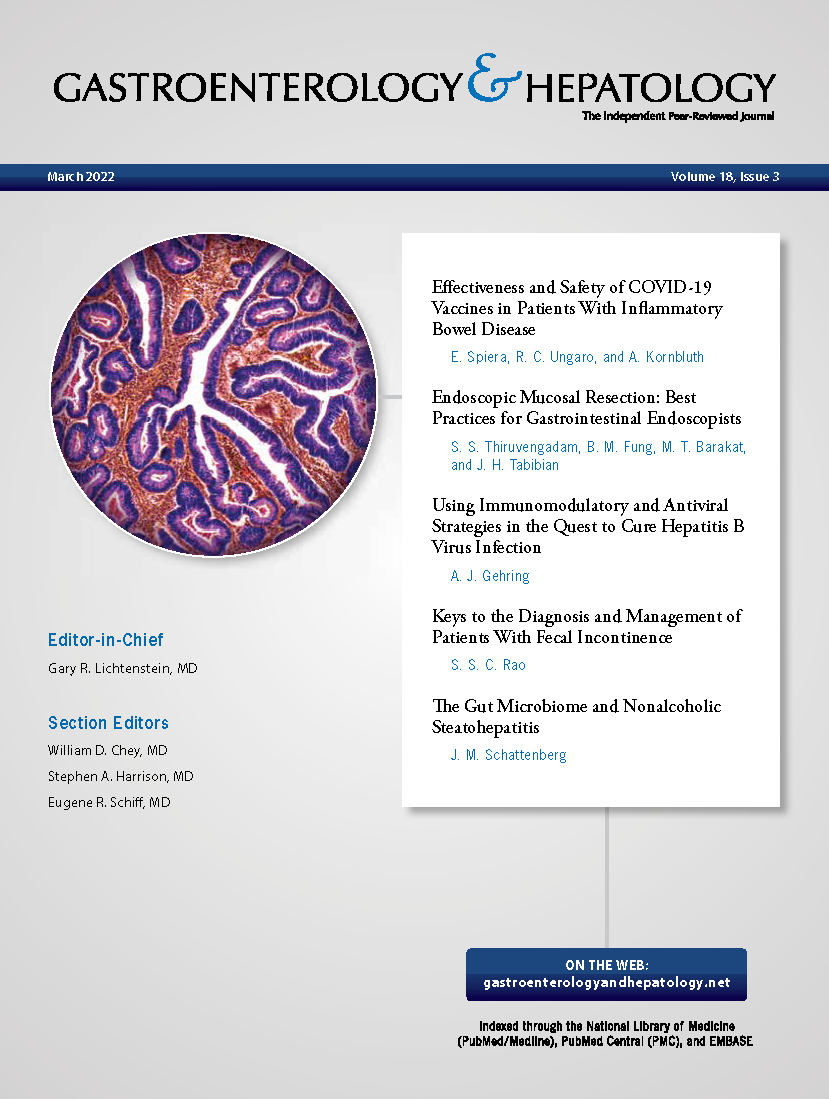
Bowel or fecal incontinence, according to the Mayo Clinic, “is the inability to control bowel movements, causing stool (feces) to leak unexpectedly from the rectum. Also called bowel incontinence, fecal incontinence ranges from an occasional leakage of stool while passing gas to a complete loss of bowel control. Common causes of fecal incontinence include diarrhea, constipation, and muscle or nerve damage. The muscle or nerve damage may be associated with aging or with giving birth.” Dr. Satish Rao is a seasoned gastroenterologist and an expert in digestive health, particularly the brain-gut connection. Rao, a professor of medicine at the Medical College of Georgia at Augusta University, recently offered a Q&A on the topic of fecal incontinence with the journal Gastroenterology & Hepatology. What is the prevalence of fecal incontinence in the adult population? Surveys have indicated a prevalence of approximately 9% to 10% in the United States. A recent study reported a 14% prevalence, although this study was Internet-based and, thus, may not have included many elderly patients, as they may not be as computer-savvy as younger patients. It is safe to say that one in seven Americans currently suffers from fecal incontinence. Prevalence appears to be equal in men and women, although women outnumber men almost three to one when it comes to gastroenterology clinic visits and health care-seeking. Men may be too embarrassed to bring the issue of fecal incontinence to the attention of a physician, but when asked about it, they will admit and discuss it. Also, extracting information from a patient about fecal incontinence depends on how the question is asked. Asking patients whether they have daily leakage vs whether they ever have had leakage or have had leakage in the past month will elicit different responses that a clinician may interpret differently. It is important to remember that leakage is not a physiologic event that a healthy adult should have at any time, even once a month or once a year. Not having the capacity to control bowel evacuation or having leakage unaware of its occurrence signals an abnormality. What are notable risk factors for fecal incontinence? In women, pregnancy can be a risk factor, particularly if giving birth involves pelvic tissue damage, such as injury inflicted by forceps use or the unfortunate occurrence of a significant tear. Neurologic or back injuries are other common risk factors. Also, chronic diarrhea can progress to fecal incontinence owing to severe irritation of the rectum or irritants in stool. Further, any condition that changes the ability of rectal capacity can result in fecal incontinence. These circumstances can include surgery or radiation to the rectal area. Hear from a patient and learn more about Rao's research using magnetic stimulation to treat fecal incontinence. What treatment modalities are currently available? Simple, conservative treatment consists of educating patients about fecal incontinence and instructing them to avoid precipitating events. For example, although many people love to have a meal followed by a cup of coffee and a walk, such a sequence of activities is ill-advised for an incontinent patient: the meal provokes a gastric-colonic response, coffee is a powerful colonic stimulant, and exercise also stimulates motility. This triad creates the perfect storm for a stool leakage or accident while the patient is out on the after-dinner walk. Antidiarrheal therapies can be very effective but only in approximately 15% to 20% of patients. Another treatment is biofeedback, which can correct muscle weakness using behavioral techniques. Biofeedback provides resolution in approximately 50% to 70% of patients. The traditional model of office-based biofeedback requires that the patient make 6 or even up to 10 visits to a specialty clinic. This may mean that some patients must drive very long distances to an appropriate care facility that is staffed with trained personnel or physical therapists. This scenario presents a significant challenge for many patients, which is increasingly being recognized by health care professionals and researchers. Good devices for home-based biofeedback have been scarce; however, such a device was recently approved by the US Food and Drug Administration. The research center at Augusta University has tested it in a clinical trial setting and found it to be quite effective as a home biofeedback treatment. Dextranomer is another treatment modality. It involves injection of small beads of dextran polymers into the anorectal region. The beads form a protective cuff or a buffer to stop stool leakage. Another treatment modality is sacral nerve stimulation using the Medtronic InterStim system. The patient is outfitted with a pacemaker-like device with wires that continuously stimulate the sacral nerves that control stool events. In the case of a torn muscle, suturing the torn ends to reduce the size of the anorectal opening is usually useful for women postpartum, although the effect may not be sustained in the long term. What emerging treatments and research should clinicians be aware of? One emerging treatment developed at Augusta University’s Clinical Research Center is called translumbosacral neuromodulation therapy (TNT). TNT is similar to TAMS and involves the fecal delivery of magnetic energy through an insulated coil to the lumbosacral nerves that regulate anorectal function. The pulses generated are of the same strength as those of magnetic resonance imaging. The team at Augusta University’s research center has shown that TNT mechanistically improves nerve function and substantively improves stool leakage. A sham-controlled study and long-term study are currently underway at Augusta University and Harvard University’s Massachusetts General Hospital. These studies are being sponsored by the National Institute of Diabetes and Digestive and Kidney Diseases. A multicenter study sponsored by the National Institutes of Health that the team at Augusta University also is involved with is the FIT (Fecal Incontinence Treatment) trial. This randomized study compares biofeedback with dextranomer injection. Also, as mentioned, tools are becoming available for home biofeedback that should allow many more affected patients to receive treatment because they can do so in the comfort of their own home. The research center at Augusta University is working on a novel home biofeedback protocol for the treatment of constipation and fecal incontinence. Thus, novel noninvasive tools are emerging for fecal incontinence. The repertoire of current and emerging tools holds the promise of improved outcomes for patients with fecal incontinence. Rao is also the founder of the Augusta University Digestive Health Center. He is available to speak to media regarding any aspect of digestive health -- simply click on his icon now to arrange an interview today.
