
Experts Matter. Find Yours.
Connect for media, speaking, professional opportunities & more.
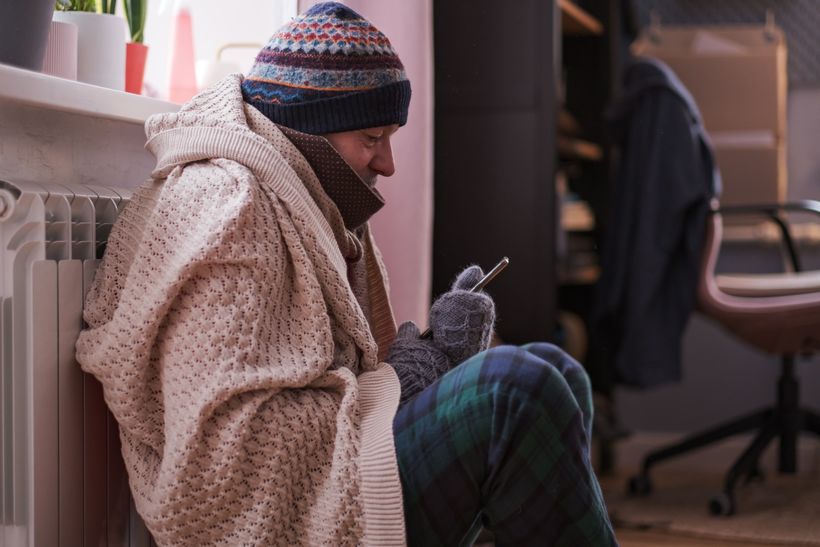
Baby, It's Cold Outside… And That's No Joke for Seniors
How cold is it? • It's so cold I saw a dog stuck to a fire hydrant. • It's so cold my words froze mid-air and my neighbour had to thaw them out to hear what I said. • It's so cold, I just saw a politician with his hands in his own pockets. Okay, I'm joking—but just a bit. Because while I enjoy a good cold-weather quip, hypothermia isn't funny. Currently, this severe Arctic blast is gripping Canada and large parts of the United States, dropping temperatures 20–40°F (11–22°C) below seasonal norms across a 2,000-mile stretch of North America. Nearly 80 million people are under winter storm warnings. Power outages are anticipated. Roads could be impassable. Travel is about as appealing as a root canal in a snowstorm. For many seniors on both sides of the border, this isn't just an inconvenience—it's a real safety risk. The Cold, Hard Stats (Brace Yourself) Looking at the research I couldn't believe what I found: Older adults are more than 5x as likely to die from hypothermia as younger adults (Kosatsky et al., 2015). In the U.S., approximately half of all hypothermia deaths are people over 65 according to data from the CDC. In Canada, adults over 75 are more than 5 times more likely to die from hypothermia than younger adults—and 87% of those deaths happen right in their own homes. (StatsCan Health Infobase ) Read that again. Slowly. Not on frozen lakes. Not stranded on highways. Instead, in familiar living rooms. Sitting on well-worn couches. Beneath afghans crocheted by someone who loved them. Why Your Body Becomes a Cold -Weather Traitor Our bodies change as we age, and not in the fun "I've earned every wrinkle" way. The insulating fat layer under the skin thins. Circulation slows. Metabolism drops like your interest in small talk. Certain medications—prescription and over-the-counter cold remedies—can interfere with temperature regulation and awareness. Your body's thermostat? It's on the fritz. Here's the math: Hypothermia doesn't require a blizzard. It can begin indoors when temperatures fall below 65°F / 18°C. And here's the truly dangerous part: hypothermia affects the brain first. Judgment declines before shivering becomes severe. You don't realize you're in trouble. You just feel "a bit chilly" while your core temperature quietly drops. Stop Acting Your Age! (But Also... Dress as if you know your age) I'm all for embracing life at every stage—hiking to Everest Base Camp at 60-something, teaching Zumba, and that MBA thing at 70, refusing to "act your age." But embracing life in this weather requires wisdom, not bravado. Cold weather brings real risks: • Slips and falls on icy surfaces (and no, we don't bounce like we used to) • Increased risk of heart attack and stroke because cold thickens the blood • Respiratory infections that linger far too long • Frostbite on fingers and toes • Hypothermia that clouds thinking before any alarms sound. The Indoor Survival Guide—Keep Up (Yes, You Can Get Hypothermia at Home) Set the thermostat to at least 68–70°F (20–21°C). This is not a time to be a miser. Heating bills can be expensive, but hospital stays are even more costly. And they don't even give you warm blankets anymore. Layer like a pro. This is not the time for fashion minimalism. Think: • Long underwear or thermal leggings • Pyjamas under clothes • Stockings or tights under pants • Two pairs of socks • Warm boots with good tread (essential for any outdoor ventures) • Shirts layered under sweaters When it's this cold, if you still own leg warmers—congratulations. Wear them. The warmth is worth the call from the '80s asking for them back. Hats indoors are permitted. This isn't a fashion show; it's survival style. You lose a lot of body heat through your head. Emulate your inner Elmer Fudd if you need to. Carbon monoxide alarms are essential & in many areas legally required. When temperatures drop, people get creative—and desperate. Space heaters, fireplaces, generators, kerosene heaters, or (please, dear God, don't) using gas ovens for heat. That last one is about as safe as texting while skydiving. And here's an important PSA: Starting January 1, 2026, Ontario's updated fire code mandates a functioning carbon monoxide alarm on every level of homes that have fuel-burning appliances. Remember to test alarms when you change your clocks for daylight saving time—it's easy to do, and not easy to forget. Block drafts like you're defending a castle. Roll towels under doors, seal windows, close unused rooms, open curtains during sunny days, and close them tightly at night. Check your medications. Ask your pharmacist or doctor if any prescriptions or over-the-counter remedies influence temperature regulation or alertness. Knowledge is power—and warmth. Check Food & Other Supplies. If venturing out feels risky, order groceries for delivery. Services like Voilà by Sobeys, Instacart, PC Express, and many local grocers deliver directly to your door. This isn't laziness—it's smart risk management. Most delivery services are free or inexpensive, especially when compared to the alternative: icy sidewalks, falls, broken hips, or getting stranded in extreme cold while wearing inadequate footwear because "it's just a quick trip." Clear Your Snow. Snow and ice hinder movement. Limited movement results in isolation. Isolation worsens depression and cognitive decline. Clear snow isn't just about safety—it's about dignity. Pro Tip: Protect Your Pipes (and Your Wallet). Winter power outages can mean burst pipes and serious water damage. If you expect a prolonged outage: • Know where your main water shut-off is • Turn it off • Open faucets to drain the lines It feels extreme—until it doesn't. Until you're standing in three inches of water at 2 a.m., wearing your emergency leg warmers. Know or Live Near an Older Adult? Here's Your Cold Weather Action Plan Don't ask if they need help—just do it. Clear the porch. Shovel a path. Salt the steps. Think of it as the winter cousin of snow angels: shovel angels. Be one! When people Are Shut In—Go check in with them. For those stuck indoors, reach out by video, not just text or voice. Seeing someone tells you far more than hearing "I'm fine." Use FaceTime, Zoom, WhatsApp, or Google Meet. Do this with older people you know. Because pride prevents people from asking for help. Shame prevents people from being honest—about empty fridges, sleeping in mittens, or wearing coats to bed. Look for these signs: • Confusion or slurred speech • Shivering—or lack of it (paradoxically dangerous) • Pale or bluish skin • Slow movements or lack of coordination • Extreme fatigue Know When to Call for Help If something feels off, err on the side of safety. In Canada: • Telehealth Ontario: 1-866-797-0000 • Quebec: 811 • Other provinces: Know your local health line If you notice any signs of distress—confusion, chest pain, shortness of breath, severe cold exposure—or if you're unsure, call 911. Cold-related emergencies escalate rapidly. The Culture Shift We Need—Right Now Cold snaps reveal faults in our systems and communities. This is the time to foster a check-in culture: a call, a knock, a cleared walkway, groceries dropped at the door. Preparation matters. Connection matters more. Winter is temporary. The habits we build to take care of one another are not. Be cool—and stay warm out there, friends. Sue Don’t Retire… Rewire! What are your best winter safety tips? Share them—because staying warm is better when we do it together. Want more of this? Subscribe for weekly doses of retirement reality—no golf-cart clichés, no sunset stock photos, just straight talk about staying Hip, Fit & Financially Free.


How to Make Your Experts “AI-Ready"
AI is changing how people discover expertise. Today, journalists, event organizers, researchers, and the public increasingly turn to tools like ChatGPT, Claude, Perplexity, and Google Search’s AI summaries powered by Gemini. Instead of clicking through pages of links, they expect clear, credible answers—often delivered instantly, with citations. That shift has major implications for organizations. It’s no longer enough for your experts to “rank well.” They need to be understood, trusted, and accurately represented by AI systems. So the real question becomes: When AI talks about your experts, does it get it right? This is where LLMs.txt plays an important role—especially when paired with an ExpertFile-powered Expert Center. What is LLMs.txt (In Plain English)? ...and why is it essential for expert content LLMs.txt is a small, machine-readable file placed on your organization’s website—in the case of your expert content alongside your main Expert Center. Its purpose is simple: to explain your expertise to AI systems clearly and unambiguously. “AI systems don’t just scan for keywords; they look for clear meaning, consistent context, and clean formatting — precise, structured language makes it easier for AI to classify your content as relevant.” Microsoft: Optimizing Your Content for Inclusion in AI Search Answers Rather than forcing AI to infer meaning from scattered pages, LLMs.txt explicitly tells systems: Who your experts are Which pages represent official, curated content How expert profiles differ from articles, Q&A, or research content How your organization’s expertise should be interpreted as a whole Think of it as a table of contents and usage guide for AI —helping large language models understand your site the way a communications professional would. Why This Matters for Visibility and Trust It Establishes Your Organization as the Source of Truth AI systems routinely synthesize information from multiple places. Without guidance, they may rely on outdated bios, scraped content, or secondary references. LLMs.txt provides a clear signal: This is our official expert content. This is what represents us. For ExpertFile clients, this matters because the platform already centralizes and curates expert content—from profiles and directories to Spotlights and Expert Q&A—ensuring that what AI sees is current, governed, and institutionally endorsed. The result: Greater accuracy, stronger attribution, and reduced risk of misrepresentation when your experts appear in the ever growing AI-generated overviews and answer. ahrefs: AI Overviews Have Doubled How It Improves Discovery Across AI Platforms It Makes Structured Expertise Easier for AI to Use ExpertFile is purpose-built to publish structured expert content at scale—content that goes well beyond static bios. LLMs.txt simply helps AI recognize and use that structure correctly. It clarifies the role of key ExpertFile content types, including: Expert Profiles → Canonical identity, credentials, and areas of expertise Spotlight Posts → Timely commentary, thought leadership, and research insights Expert Q&A → Authoritative answers to real-world questions Directories, Research Bureaus, and Speakers Bureaus → Curated collections of expertise by topic or audience This makes it easier for AI systems to: Match your experts to breaking news and trending topics Pull accurate summaries for AI-generated responses Identify the right expert for journalists, event organizers, and researchers Combined with ExpertFile’s extended distribution through expertfile.com and the ExpertFile Mobile App, your expertise is not only published—but actively discoverable across channels used by key audiences . How It Builds Organizational Authority It Connects Individual Experts to Institutional Credibility Without context, AI may treat expert pages as isolated profiles. LLMs.txt helps connect the dots. It tells AI that: Your experts are curated and endorsed by the organization Their insights are part of a broader expertise ecosystem Your institution has depth across priority subject areas This aligns closely with how ExpertFile structures content to support E-E-A-T (Experience, Expertise, Authority, Trust)—not just at the individual level, but across the organization . The outcome: Your organization is recognized not just as a collection of experts, but as an authoritative source of knowledge. How It Works with Google, Gemini, and AI Search Supports AI Summaries, Citations, and Knowledge Panels LLMs.txt helps ensure that when Google’s AI: Summarizes your organization Cites expert commentary Builds “about this topic” panels …it draws from your official, structured ExpertFile content, rather than fragmented third-party sources. This complements ExpertFile’s existing SEO and AI-discoverability foundation, which includes clean code, proper meta data, schema markup, and frequent crawling by both search engines and AI bots. How LLMS.txt Fits with SEO, Meta Tags, and Schema LLMS.txt doesn’t replace SEO—it builds on it. Traditional SEO elements such as page titles, meta descriptions, schema.org markup, and internal linking remain essential for helping search engines index and rank your content. ExpertFile already delivers these fundamentals out of the box, continually testing and evolving SEO and GEO (Generative Engine Optimization) standards as search changes . “Semantic SEO helps search engines understand context... it now helps bridge a critical gap between traditional SEO and newer generative engine optimization (GEO) and AI optimization (AIO) efforts.” Search Engine Land: Semantic SEO: How to optimize for meaning over keywords LLMS.txt adds a layer designed specifically for AI systems: Schema explains individual pages LLMs.txt explains your entire expertise ecosystem In simple terms: SEO helps your content get found LLMs.txt helps AI understand, summarize, and cite it correctly Together, they ensure your experts are not only visible—but accurately represented wherever AI is shaping discovery. Why This Is Especially Powerful on ExpertFile ExpertFile was designed to future-proof expert visibility—offering structured publishing, governance, distribution, inquiry management, analytics, and professional services as part of a continuously evolving SaaS platform . LLMS.txt acts as a multiplier on that foundation: Turning your Expert Center into a machine-readable expertise hub Strengthening AI discovery without adding operational burden Supporting emerging use cases like automated expert matching and AI-assisted research It’s not about chasing new technology. It’s about ensuring your expertise is clearly defined, properly attributed, and trusted—now and in the future. The Takeaway An LLMs.txt file on your ExpertFile organization page helps ensure that: Your experts are found by AI tools, not overlooked Your content is interpreted correctly, not flattened or misrepresented Your organization earns authority and trust in AI summaries, citations, and search results “AI search isn’t eliminating organic traffic. But it is reducing visits to source websites… Measure presence (citations, mentions) alongside traffic to see real impact.” Semrush: AI Search Trends for 2026 & How You Can Adapt As AI becomes the front door to information, LLMs.txt helps make sure that when people ask for expertise, your organization is the answer they get.



When Betting Goes Mobile: The Hidden Cost to Young Adults’ Finances
As online gambling and sports betting surge across the United States, concerns are mounting about the financial and social consequences—particularly for young people. Dr. Jared Pincin, Associate Professor of Economics at Cedarville University, offers journalists a data-driven economic lens on how the rapid expansion of digital gambling is reshaping personal finances and increasing financial risk among younger Americans. What's Happening Mobile betting apps have transformed gambling into an always-available activity, accessible anywhere and at any time. With aggressive marketing tied to professional and collegiate sports, online gambling has become normalized—especially among young adults. As participation rises, so do reports of debt, financial instability, and problem gambling, raising questions about consumer protection, regulation, and long-term economic impact. Dr. Jared Pincin primary research interests explore the intersection of public choice economics with foreign aid as well as issues in sports economics. Pincin has published in popular publications such as The Hill, Real Clear Markets, Foxnews.com, and USA Today and scholarly journals such as Oxford Development Studies, Applied Economic Letters, and the Journal of Sport and Social Issues. View his profile here Key Insights Online Gambling Is Built for Continuous Spending Modern gambling platforms are designed to encourage repeated engagement. Gamified interfaces, instant wagers, and constant prompts make it easy for users to lose track of spending, increasing the likelihood of financial loss over time. Young Adults Face Elevated Risk Young people, particularly college-age students and adults in their twenties, are among the fastest-growing users of online betting platforms. Limited financial experience, combined with easy credit access and social pressure, makes this group especially vulnerable to poor financial outcomes. Personal Finances Are Directly Impacted Gambling losses often come at the expense of savings, rent, tuition, and long-term financial planning. Dr. Pincin emphasizes that gambling platforms generate profit only when users lose, making sustained participation a negative-sum financial activity for individuals. Economic Incentives Drive Expansion From an economic standpoint, gambling growth is fueled by state revenue incentives and private profit motives. Dr. Pincin helps explain how these incentives can conflict with consumer well-being, particularly when regulatory safeguards lag behind technological innovation. About Jared Pincin Dr. Jared Pincin is an Associate Professor of Economics at Cedarville University. He holds a Ph.D. in economics and specializes in public choice, behavioral economics, and sports economics. His work examines how incentives shape individual decision-making and how policy choices affect financial outcomes at both the personal and societal levels. Let Us Help with Your Coverage Jared Pincin can assist reporters by: Explaining why online gambling participation has risen so quickly among young people Breaking down the economic mechanics of betting platforms and personal financial risk Providing context on the long-term financial consequences of habitual gambling Contributing expert insight to stories on regulation, advertising, and consumer protection Why This Matters As gambling becomes increasingly embedded in American culture, its financial consequences are no longer limited to isolated cases. Understanding how online gambling affects young people’s financial stability is essential for informed public reporting. Dr. Pincin offers clear, accessible analysis that helps audiences understand the economic realities behind the headlines.


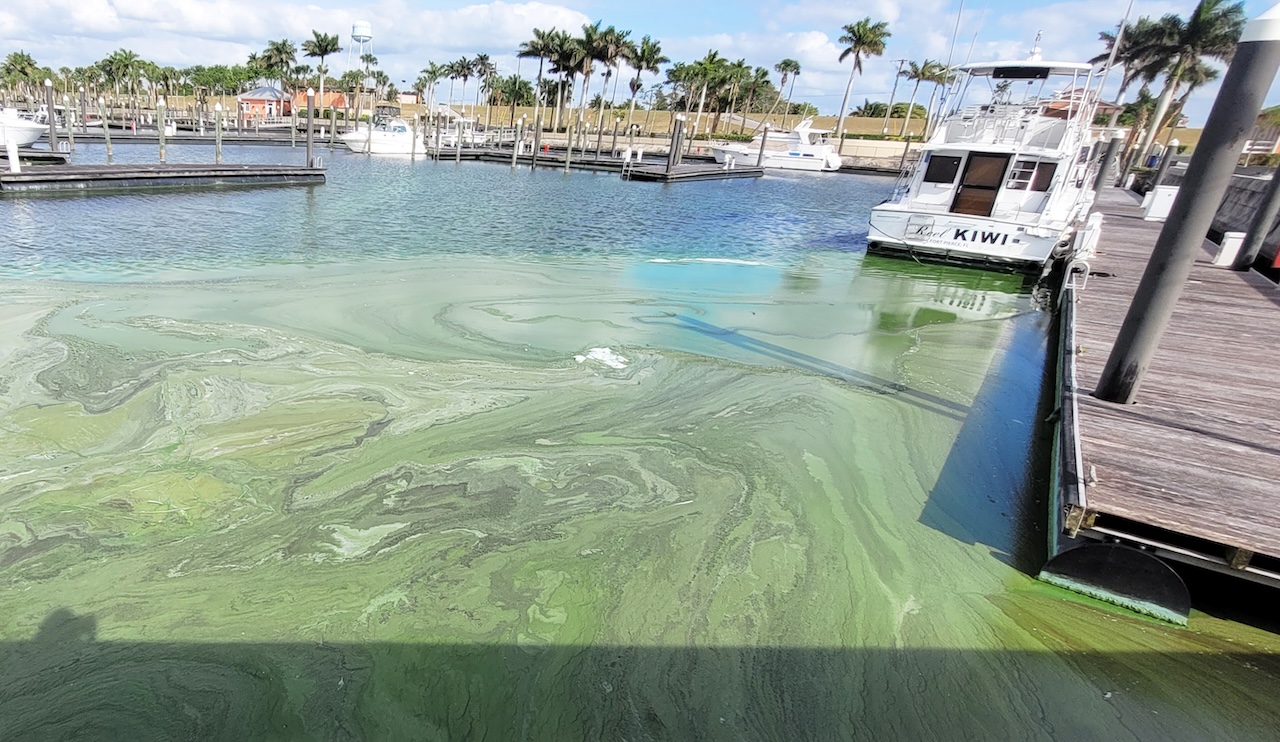
UF water researchers develop prediction system for harmful algae
The slimy algae topping Florida’s waterways are more than just unsightly. They are often toxic to humans, animals and the environment. To mitigate those risks, University of Florida researchers are collaborating with North Carolina State University and University of South Florida scientists on a next-day prediction model to warn and inform water managers about harmful algal blooms. The research is funded by two U.S. Army Corps of Engineers grants for two phases, totaling $4.4 million. The project is led by David Kaplan, Ph.D., a professor with the Engineering School of Sustainable Infrastructure and Environment in the Herbert Wertheim College of Engineering and director of the Howard T. Odum Center for Wetlands, and Mauricio Arias, Ph.D., an associate professor at USF. In a paper published recently in the Journal of Environmental Management, Kaplan, UF assistant professor Elise Morrison, Ph.D., and NCSU’s Maria Menchu Maldonado, Ph.D., chronicled their work with harmful algal blooms in the Caloosahatchee River and Estuary, the environmentally sensitive link between Lake Okeechobee and Florida’s southwestern coast. Maldonado performed the work under the guidance of NCSU collaborator Natalie Nelson. In a collaboration between multiple colleges, organizations, departments and universities, the paper’s other authors are Eric Milbrandt of the Sanibel-Captiva Conservation Foundation, Edward Phlips of UF and Natalie G. Nelson of NCSU. The project’s facilitators include Darlene Velez, research coordinator with the UF Water Institute, and Lisa Krimsky, Ph.D., a water resources regional specialized agent with IFAS. Using water samples and computer algorithms, the team developed prediction models based on two water sources feeding the river: Lake Okeechobee and the river’s watershed – the water run-off from the surrounding land. The models determine levels of chlorophyll-a, which is a pigment in algae that is indicative of algal bloom conditions. “For watershed-dominated conditions, the model was able to predict 49% of the variation in next-day chlorophyll-a, which isn’t bad, but for lake-dominated conditions, the model was much better, explaining 78% of the variation in next-day chlorophyll-a in the water,” Kaplan noted. Unlike traditional forecasting models for algal blooms, which are often complex and require much computing power, these models are designed to be practical for daily decision-making, particularly for the Southwest Florida Water Management District (SWFWMD), which has made improving the health of the Caloosahatchee Estuary a state priority. Ultimately, researchers want to develop an algae-prediction system and tools for water managers to reduce risks in all freshwater bodies. “Definitely, this model could be expanded with the use of more data,” said Maldonado. “The same procedure could be applied in other lakes that are highly managed. And this could be done around the world.” Algal blooms in Florida’s lakes, rivers and estuaries have caused significant environmental and economic damage in recent years, UF researchers contend. Blooms are becoming more frequent and longer lasting. The initial project – called Coupling Lake, Estuarine, and Watershed Models for the Caloosahatchee River and Estuary (CLEW) – designed data- and model-driven guidance for Lake Okeechobee water releases. “The overall motivation is that Lake Okeechobee is a challenging natural resource to manage, particularly deciding when and how much water to discharge from the lake to either estuary,” Kaplan said. “There are many competing needs surrounding management of the lake, which has only so much volume. We don't want to cause flooding or other ecological harm.” The follow-up project is UF’s collaboration with USF to develop tools for end users, meaning agencies and managers to make better decisions. The team wants to deliver a system where water managers press the button to get the one-day risk forecast. The study was organized to predict whether the algae-toxin risk is low, medium or high. “In this case, there is a threshold of algal organisms that is considered harmful,” Maldonado said. “Those waters carry phytoplankton species, a microscopic algae that produce toxins. They can be dangerous to swim in, and they can be harmful to the environment. It can be a liver toxin.” Beginning in the late 19th century, the Caloosahatchee River and its watershed underwent extensive modifications that significantly altered the hydrology of the region, according to SWFWMD. The once-shallow river was deepened and widened into a regulated waterway that was connected to Lake Okeechobee and the Kissimmee Chain of Lakes for navigation, water supply and flood control purposes. “Water quality is a challenge in Lake Okeechobee, including sometimes pretty bad harmful algal blooms,” Kaplan said. “And then, of course, the downstream recipients of whatever water is discharged are very sensitive to the amount of water they're getting and what's in it. They’d prefer it to be only the right amount at only the right times with the best quality."


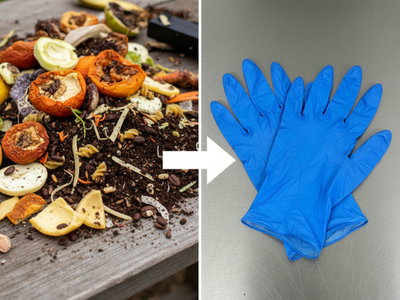
New research partnership to develop biodegradable gloves from food waste for healthcare sector
Knowledge Transfer Partnership between Aston University and PFE Medical to develop a biodegradable clinical glove from food waste The gloves will provide a low-cost, convenient and sustainable alternative to the 1.4bn disposable gloves used in the NHS each year The innovation will reduce clinical waste and costs and help the NHS reach its net zero goals. Aston University and Midlands-based company PFE Medical are teaming up to create biodegradable gloves made from food waste for use in the NHS. They will offer a low-cost, convenient alternative to disposable gloves without compromising patient safety. More than 1.4bn disposable gloves are used by the NHS each year. They create large volumes of clinical waste which has both an environmental and economic cost. The Knowledge Transfer Partnership (KTP) project will develop a more sustainable alternative made from polymers derived from food waste such as orange peel, able to degrade naturally. The gloves will initially be for use during low-risk tasks such as ultrasound scans, rather than in more critical situations such as operating theatres. The gloves would be designed to not only reduce clinical waste and costs in the NHS, but also carbon emissions, helping the NHS reach its goal to be the world’s first net-zero health service. With most personal protective equipment (PPE) currently sourced from Chinese manufacturers, the goal is to develop a biodegradable glove that can be manufactured using a UK supply chain. The challenging project draws on Aston University’s expertise in sustainable polymer chemistry, centred at Aston Institute for Membrane Excellence (AIME). Aston University has one of the largest research groups of polymer chemists in the UK. The project will be led at the University by Professor Paul Topham, director of AIME, and Dr James Wilson, AIME associate member. The research team have chosen to focus on polymers from food waste in order to ensure that the final product can be manufactured sustainably. Most polymers are currently made from petroleum. Polymers made from food waste, ranging from fruit waste to corn or dairy products, have the potential for antioxidant and antibacterial properties if designed appropriately. The team will manipulate the polymer molecules so that they include the right monomers (the smaller units which make up the molecules) in the right location to achieve the properties they require. Critical to the success of the project will be PFE Medical’s commercial and clinical experience of taking new innovations into medical use. It will be the third KTP between Aston University and PFE, following on from successful projects to develop an automated endoscope cleaner, now in use across University Hospitals Birmingham NHS Foundation Trust (UHB). Professor Topham said: “At Aston University, we have a long history of working with industry, of translating fundamental research into solutions for real world problems. This project with PFE Medical provides us with that route, to take our science and engineering and make a difference to peoples’ lives. That’s exactly where, as researchers, we want to be.” Rob Hartley, CEO of PFE Medical, said: “Our previous KTP with Aston University was a phenomenal success, thanks to the brilliant team we had on board. I’m just as excited by this project, which is looking to solve an equally long-standing problem. If we can achieve our goal, then the implications are huge, going far beyond the NHS to all the other situations where people are wearing disposable gloves.” KTPs, funded by Innovate UK, are collaborations between a business, a university and a highly qualified research associate. The UK-wide programme helps businesses to improve their competitiveness and productivity through the better use of knowledge, technology and skills. Aston University is a sector-leading KTP provider, ranked first for project quality, and joint first for the volume of active projects. For further details about this KTP, visit the webpage: www.aston.ac.uk/business/collaborate-with-us/knowledge-transfer-partnership/at-work/pfe-medical.



Sun-Sentinel: What happens when parents go beyond sharenting?
So many parents routinely share photos and news about their kids on social media that the behavior has a name: sharenting. Usually harmless and well-meaning, it can also take a dangerous turn, exposing children to online predators, allowing companies to collect personal information and creating pathways for children to become victimized by identity theft. The risks are most pervasive when parents overshare to profit from their social media accounts. Whenever parents share, they are the gatekeepers, tasked with protecting their children’s information, but they are also the ones unlatching the gates. When parents profit from opening the gates, it is especially challenging to balance protecting their kids’ privacy against sharing their stories. Federal and state laws typically give wide deference to parents to raise their children as they see fit. But the state can and does intervene when parents abuse their children. Those laws protect children in the physical world. However, few laws shield children when parents risk harming them online. Let’s consider this hypothetical situation based on a composite of real-life events. Mia (fictional name) is a 7-year-old girl growing up in Orlando. Her mother is a stay-at-home parent who has a public Instagram account and considers herself an influencer. Many lingerie brands pay Mia’s mom to model their clothing. When a lingerie company from overseas offers Mia’s mom some money to have Mia also pose in their clothing, Mia’s mom says yes. Over the next few weeks, Mia and her mom model the clothing together in pictures and videos, sometimes wearing the outfits while reading together in bed, having pillow fights or being playful around the house — always in clearly intimate but arguably appropriate settings. Mia’s mom’s social media page explodes with new followers, many of whom appear to be grown men. The images on the page receive hundreds of likes and multiple comments. Mia’s mom deletes the most inappropriate comments but leaves others, hoping to increase engagement. As Mia’s mom’s social media following grows, so does the amount of money she earns. Mia tells her teacher about the social media page. Her teacher reaches out to Mia’s parents, to no avail. Mia’s mom keeps sharing. The teacher sees this as a potential form of abuse and neglect and, according to her obligation as a mandatory reporter of abuse, she calls in a report to the state’s central abuse registry. The teacher isn’t trying to get Mia’s mom in criminal trouble, but she thinks the family could use some education surrounding safe social media use and possibly access to financial support if they need this type of online exposure to pay the bills. The intake counselor declines to accept the hotline call. The counselor explains that the posting of pictures is not grounds for an abuse, abandonment or neglect investigation. The parent is sharenting, the counselor says, and that is within a parent’s right. Of course, child sexual abuse material is illegal, but the photos posted by Mia’s mom fall into a gray area — not illegal material, but likely harmful to Mia. Should there be a law to stop this? I believe there should be. Just as our views regarding child abuse have evolved, so must our views on sharenting. Merely 150 years ago, it was legal for parents to beat their children. It wasn’t until 1874, when a little girl named Mary Ellen was beaten severely by her caregiver, that courts began to step in. Drawing from existing laws prohibiting animal cruelty, the Society for the Prevention of Cruelty to Animals argued that Mary Ellen had the right to be free from abuse. At the time, there were laws protecting animals from harm by their caregivers but no laws protecting children from such harm! Back to the present: Mia’s disclosure to her teacher could have changed her life and led to her family getting online safety help, if only the child welfare laws were suitably tailored to protect her in the online world as they attempt to do offline. Child protection laws should be expanded to include harms that can be caused by online sharing. The law can both protect parental autonomy and honor children’s privacy through a comprehensive and multidisciplinary new approach toward protecting children online — one that allows for thoughtful investigation, education, remediation and prosecution of parents who use social media in ways that are significantly harmful to their children. This conduct, which falls beyond sharenting, is ripe for legal interventions that reset the balance between a parent’s right to share and a child’s right to online privacy and safety. Stacey Steinberg grew up in West Palm Beach and now lives in Gainesville, where she is a professor at the University of Florida Levin College of Law; the supervising attorney for the Gator TeamChild Juvenile Law Clinic; the director of the Center on Children and Families; and the author of “Beyond Sharenting,” forthcoming in the Southern California Law Review. This piece was also published in the South Florida Sun-Sentinel.


Maduro is gone; expert details potential impact on the Caribbean
Globally, the ousting of Nicolás Maduro in Venezuela has been met with a mix of reactions and cautious optimism. The University of Delaware’s Kalim Shah can discuss how regime change will play across the Caribbean and the spillover effect that will ripple throughout the region – and the world – in the years and decades to come. Shah, professor of energy and environmental policy and an expert on the island nations of the Caribbean, says that although public statements have been muted and restrained, there is a shared understanding. “For small island states that have absorbed the effects of Venezuelan collapse for more than two decades, this moment represents the possible end of a long and destabilizing chapter,” Shah said. Caribbean governments are not celebrating regime change, Shah said. Rather, they are responding to the prospect of reduced systemic risk. “A Venezuela that no longer exports large-scale displacement, opaque energy leverage and permissive criminal governance is objectively preferable for the region.” Shah can discuss several aspects of Venezuela’s political history, how the nation has arrived where it is, where it might be headed and the impact this will have on the Caribbean as a whole. Those include: • Venezuela’s political and economic deterioration during the Chávez–Maduro era and how that has translated directly into pressures felt across the Caribbean in the form of migration, fiscal exposure, security risks and regional uncertainty. • How the nation’s institutional collapse coincided with deepening organized crime activity across the Caribbean basin. Data from the United Nations Office on Drugs and Crime consistently places the region within major cocaine trafficking corridors linking South America with North American and European markets. For Caribbean governments, this meant higher interdiction costs, increased exposure to transnational criminal networks and growing pressure on already limited security institutions. • This moment invites a reassessment of China’s expanding footprint in the Caribbean, Shah says. He can discuss the ways in which Beijing has deepened its presence throughout the region. Shah says that as this transition unfolds, five policy developments will determine whether the cautious optimism proves warranted: • The impact on Venezuelan outward migration to the Caribbean. • Whether Caribbean public systems receive durable support rather than short-term humanitarian fixes. • Organized crime and drug trafficking pressures in the Caribbean basin. • External security engagement in the Caribbean. • Whether the region avoids a return to dependency-driven energy and infrastructure politics. “For the Caribbean, hope today is not naïve. It is conditional. The Chávez–Maduro years imposed real costs on the region. Their end creates an opening…but only if policy follows through,” Shah said. To contact Shah directly for interviews, visit his expert page and click on the "contact" button. Interested reporters can also send an email to mediarelations@udel.edu.


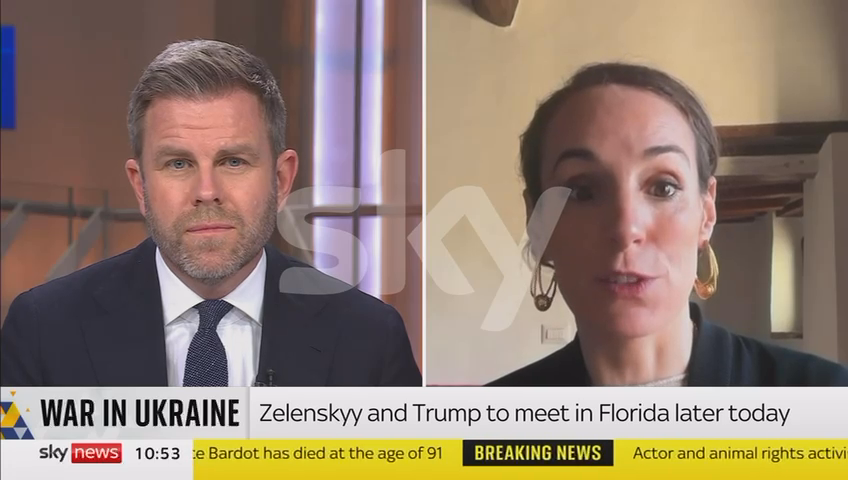
In a recent interview, Livia Paggi of J.S. Held discussed the implications of reported discussions between President Donald Trump and President Volodymyr Zelensky about a potential peace plan aimed at ending the war in Ukraine. The conversation focused on what these talks signal politically, what pressure points may be shaping each leader’s approach, and why the timing and framing of any “peace plan” matters as much as the details themselves. Paggi emphasized that peace-plan conversations at this level often have multiple audiences at once: domestic political constituencies, international allies, and adversaries assessing resolve and leverage. She explored how diplomatic positioning can influence the credibility of negotiations and how public messaging, even before formal agreements exist, can shift perceptions on the battlefield, at the negotiating table, and across NATO-aligned capitals. The interview also examined the risks embedded in any peace-plan narrative. Paggi highlighted that negotiation efforts can introduce uncertainty for markets, governments, and populations when expectations outpace realities. She discussed how the mechanics of ending a war extend beyond a headline announcement, including enforcement, guarantees, verification, and the long-term stability of whatever framework is proposed. When we look at what Trump is likely to do, he's going to try to go back and forth, favor different political actors and see what he can do to unlock the situation. A copy of the full interview is below: For journalists following the Ukraine war, shifting diplomatic strategies, or the real-world consequences of peace negotiations, Livia Paggi offers a clear, practical lens on what these discussions could mean next. Her perspective helps reporters move beyond political theatre and toward the key questions: what’s being signaled, who gains leverage, what conditions would make an agreement durable, and what risks emerge if the process breaks down. Looking to connect with Livia Paggi? Livia is a sought-after speaker and regularly provides commentary on global political trends for the media, including for the BBC, Bloomberg TV, CNN, and the Financial Times. Livia is the recipient of numerous awards for her work. Most recently, she was named by Management Today as one of Britain’s top women in business under 35 and Bloomberg TV named her as one of the top female foreign policy commentators. Click on her profile icon to arrange an interview or get deeper insights into geopolitical risk, government relations, and business impacts.


A Snapshot of the Local Economy: Simon Medcalfe on Growth, Risk, and What Comes Next
At Augusta University’s annual Economic Forecast Breakfast hosted by the James M. Hull College of Business, Simon Medcalfe, PhD, offered a grounded, data-driven look at how the local economy is performing — and what lies ahead. Speaking to business leaders, students and community stakeholders, Medcalfe emphasized the importance of distinguishing real economic growth from inflation-driven gains, noting that while the Augusta region continues to grow, it does so at a measured pace compared to national averages. His presentation framed the local economy as stable and resilient, but not immune to broader forces shaping the U.S. outlook. A key theme of Medcalfe’s remarks was the role of research, innovation and education in sustaining long-term economic health. He pointed to strong gains in research and development across Georgia and highlighted how university-based research directly contributes to regional economic output. According to Medcalfe, investment in knowledge creation remains one of the most reliable drivers of growth, reinforcing the value of higher education institutions as economic anchors. Simon Medcalfe, PhD, is an economist with an emphasis on sports economics, social determinants of health, and the local economy. View his profile At the same time, Medcalfe cautioned against complacency. While regional fundamentals remain solid, he stressed that uncertainty at the national level continues to pose risks. “However, uncertainty abounds in national macroeconomic policy that could negatively impact growth next year,” Medcalfe said, underscoring how unresolved fiscal decisions and policy shifts can ripple down to local economies. Still, his overall outlook balanced realism with optimism. Medcalfe concluded that the Augusta region — and Georgia more broadly — is positioned to weather uncertainty thanks to diversification, investment in early education, and continued research activity. “Overall, Augusta and Georgia are positioned well for economic growth in 2026 with a strong commitment to early childhood education, a diversified labor market and strong research and development,” he said. View the full article 'Annual Economic Forecast Breakfast offers snapshot of the local economy' here: For journalists covering regional economics, workforce development, higher education, or policy-driven growth trends, Simon Medcalfe, PhD, offers clear-eyed analysis rooted in data — and an ability to translate complex economic signals into insight that matters locally. Simon is available to speak with media - simply click on his icon now to arrange an interview today.


From Libraries to Heart Health: Marlo Vernon Takes Cardiovascular Care Into Rural Georgia
Marlo Vernon, PhD, associate professor in the Department of Health Management, Economics, and Policy at Augusta University’s School of Public Health, is leading a creative public health initiative designed to improve cardiovascular monitoring in rural Georgia. Through the university’s Rural Obese At-Risk initiative, Vernon and her team are placing blood pressure monitors in local libraries, allowing residents to check them out just like books. The effort addresses a critical access gap in rural communities where preventive health tools are often limited or difficult to obtain. Vernon’s work focuses on the realities facing communities in the South’s so-called Stroke Belt, where overlapping health conditions significantly elevate cardiovascular risk. View her profile “There are significant chronic disease risk factors in this so-called Stroke Belt. We’ve got high obesity rates. We have family history. We have high rates of diabetes and kidney disease and they all kind of feed into each other to really create this cardiovascular health need in our communities. And women, in general, are just at a higher risk for this,” said Marlo Vernon, PhD. Beyond equipment access, Vernon’s research also examines how people understand and manage their health when traditional care options are limited. The library-based model helps normalize blood pressure monitoring while reducing barriers such as travel distance, cost, and limited clinic availability. It also creates opportunities to study how community-based solutions can improve awareness, engagement, and long-term cardiovascular outcomes. For journalists covering rural health, women’s health, chronic disease prevention, or innovative public-health strategies, Vernon offers grounded, real-world insight into how trusted community spaces can play a vital role in addressing persistent health disparities. A full article on this topic is available below. To arrange an interview with Dr. Vernon simply click on her iconnow to set up a time to talk today.
