
Experts Matter. Find Yours.
Connect for media, speaking, professional opportunities & more.

Central American Aid & Immigration
Assistant Professor Carmen Monico recently penned an article examining the Trump administration’s plan to use cuts in aid to El Salvador, Guatemala and Honduras to pressure those countries into curtailing the migration of their citizens to the U.S. The article, “Is Cutting Central American aid going to help stop the flow of migrants,” was first published by The Conversation, and has been picked up by a variety of media outlets. In her research and as a media resource, Monico draws from her work in Guatemala examining how programs to reduce crime and violence in the country can help retain at-risk youth who may feel pressured to leave their home country. She has extensively examined the forces that have compelled unaccompanied children and teens from Guatemala, Honduras and El Salvador to leave behind their homes and families. If Dr. Monico can assist with your reporting about these complex immigration issues, please reach out to Owen Covington, director of the Elon University News Bureau, at ocovington@elon.edu or (336) 278-7413. Dr. Monico is available for phone, email and broadcast interviews.


A crowd of presidential candidates – who needs to surge and who needs to go?
To date, there are 25 registered and “serious” candidates vying to lead the Democratic Party in the 2020 election against President Donald Trump. To put it in perspective: If this were an NFL game, you’d have a full field and still three players left watching and waiting on the sidelines for their chance to touch the ball. It’s a lot of people. Odds are, given the enormous costs and time a campaign requires, it’s just not sustainable for most of the candidates. On July 30 and 31, CNN will be hosting two debates to try and introduce all these candidates to a national audience. Screen time will be limited and opportunities must be seized. It’s a crucial moment for most of the 25. So next week, some will emerge and likely, others will have to accept the reality that they just won’t be president. What will it take to emerge from the pack? Of the more popular candidates – who is at risk of losing relevance? Is there a dark horse who could upset the more usual suspects? There is a lot to know going into these debates and that’s where our experts can help. Dr. Gregg R. Murray, professor of political science at Augusta University, is available to talk about the current race to lead the DNC. Murray’s research focuses on political behavior and psychology with specific interests in voter mobilization and turnout. He is also executive director of the Association for Politics and the Life Sciences.


Cord blood awareness – let our experts help with coverage
July is Cord Blood Awareness Month. In the simplest of terms, cord blood is found in the blood vessels of the placenta and the umbilical cord and collected after a baby is born and after the umbilical cord is cut. The benefits of cord blood transplantation are many, according to the Human Cord Blood Stem Cell Core Laboratory at Augusta University: Can be stored for personal use (biological insurance) or donated for others to use Important for ethnic minorities for whom bone marrow donors are difficult to locate Less risk of infectious disease contamination Less stringent HLA-matching required for use in transplantation Fewer side-effects after transplantation Cord blood transplantation can be used in the treatment of leukemia and other blood disorders, sickle cell disease, bone marrow failure diseases, immune deficiency diseases, neuroblastoma and more. “Cord blood is useful because it is a source of stem cells that form into blood cells. Cord blood can be used for transplantation in people who need regeneration, that is, ‘regrowth,’ of these blood-forming cells,” says Keith Wonnacott, Ph.D., chief of the Cellular Therapies Branch in FDA’s Office of Cellular, Tissue, and Gene Therapies. “For instance, in many cancer patients, the disease is found in the blood cells. Chemotherapy treatment of these patients kills both cancer cells and the healthy blood-forming stem cells. Transplanted stem cells from cord blood can help regrow the healthy blood cells after the chemotherapy.” – USFDA website Cord blood and stem cell research are often in the news and sometimes even the subject of serious debate. Are you a journalist looking to cover Cord Blood Awareness Month, or do you have questions for ongoing stories? That’s where our experts can help. Dr. Jatinder Bhatia is an expert on infant nutrition, neonatology, and ECMO for the Medical College of Georgia at Augusta University. Dr. Bhatia is available to speak with media regarding cord blood, its uses and the research behind it – simply click on his icon to arrange an interview.

Full speed ahead or time to pump the breaks when it comes to investing in ride-share companies?
There’s been a lot of talk and even some screaming from early investors about the state of ride-share stocks like Uber and Lyft. Since its IPO, Uber has been a rollercoaster ride for those who got in early. “When Uber stock (UBER) went public on May 10, it looked like a disaster. At minimum, underwriters look for a stock to close slightly above its offering price. Uber’s shares dropped 7.6% to $41.60 in the first day of trading and closed well below the offering price of $45. But a funny thing has happened since. After closing down as much as 18% from its IPO price, Uber stock has rallied 21% to close at $44.92 per share on Thursday. The stock eclipsed the IPO price during intraday trading for the first time on Wednesday and closed at exactly $45 that day.” June 07 – Barron’s But let’s be honest, unless you’ve got a crystal ball or a time machine – any stock is a gamble. How the market reacts, how the company performs and even how CEOs behave can dictate big gains or drastic falls. Steve Jones is a Professor of Finance at Indiana University's Kelley School of Business – he lent his perspective to the topic. “As far as which stocks to buy, there are never right or wrong answers – It’s just a question of a person being able to assess risk or potential returns. The IPO prices indicate the market has discounted Uber and Lyft stocks and sees them as riskier than originally perceived to be. Now, they do offer potential for a good return… For example, Facebook stocks dropped then rebounded… Google dropped then rebounded. Lots of stocks that have not done well at first have come back. Will that be these two? "I think there’s potential for it. On the other hand, we have this situation where analysts are critical of the business models of both these companies. It’s not clear Uber drivers are going to sign up to do this in the long run at these kind of wages, and if they can’t underpay drivers, how do they make money? There is a criticism going on of the business model here, and if this model can become profitable, I think the stocks will take off. It’s questionable though, whether that’s possible or not. That’s what the market is going back and forth on right now.” Are you covering the track Uber investors are on, other IPO’s or companies that are disrupting not just the marketplace but also the stock market? Then let our experts help with your stories. Steve L. Jones is an expert in the areas of asset valuation, corporate finance, financial markets, and investment management. He’s available to speak with media regarding these topics – simply click on his icon to arrange an interview.


Social issues and boosting a brand – More companies taking a stand
Procter & Gamble this weekend put out a full-page ad in the New York Times supporting equal pay – In fact, the company urged the US Soccer Federation to “be on the right side of history.” P & G also gave $529,000 (which equates to $23,000 for each of the 23 players on the United States Women’s National Soccer Team) to the Players Association to help close the gender pay gap. Indiana University Kelley School of Business clinical professor of marketing Kim Saxton says this is an excellent move for Secret and P & G. “This is brilliant. The Secret brand is all about being strong but 'made for a woman.' It makes sense for the brand to stand up for the very women it serves,” said Saxton. “I was a bit surprised at one level, because P & G is not typically a risk-taking brand. But as long as they stay consistent to the brand, know their target audience and what is important to that audience – which this clearly does -- It’s a brilliant move.” “We now have brands who are willing to take a stand on social issues,” Saxton continued. “In the past, brands may have steered clear of jumping into the conversation if it could offend someone. Now, brands are realizing that coming down on one side of a cause or another has worked well for Nike. Nike has taken flack for taking a stand on a number of issues, but they’ve stood strong and decided that’s what their brand’s about. If you help your target audience accomplish their goals, they will support you back, and that’s what’s happening here." Pay equity is just one issue that has come to the forefront as of late. Nike has also seen its brand benefit substantially when it decided to express its support for former NFL quarterback- turned-activist Colin Kaepernick. In fact, being on the ‘right’ side of that issue has some analysts pointing out it boosted the company’s value by close to 3 billion dollars. Social issues and marketing are emerging as a new trend. There are rewards, but there are also serious consequences as well. If you are a reporter covering this topic -- let our experts help explain. Kim Saxton is a marketing strategy professor who believes marketers should make data-driven decisions to improve their effectiveness. Kim is available to speak with media regarding this topic – simply click in her icon to arrange an interview.
A global commitment to democracy
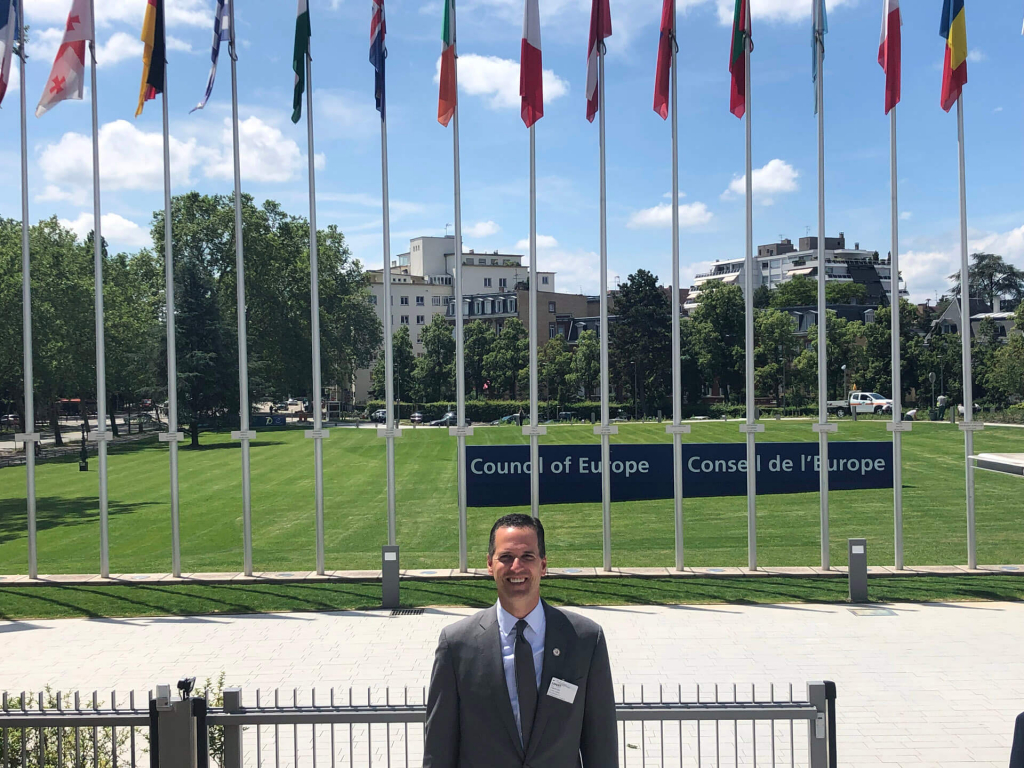
When I was invited to attend the Global Forum on Academic Freedom, Institutional Autonomy, and the Future of Democracy held this June in Strasbourg, France, I jumped at the chance. I was proud to add Otterbein’s support to a movement of global leaders committing to protecting democracy. I attended the forum along with more than 100 higher education leaders from around the world. Since its founding, Otterbein has stood for the rights of academic freedom and autonomy, as well as the freedom of speech of individuals, and we continue to stand resolute today. Otterbein believes that all voices from different walks of life must be represented, respected and valued, and we are committing to be a national and global leader in preserving democratic societies and values. The Global Forum was co-organized by the Council of Europe; the International Consortium for Higher Education, Civic Responsibility, and Democracy; the Organization of American States; and other partners, notably the International Association of Universities and the Magna Charta Observatory. It gathered higher education leaders and representatives of public authorities and NGOs from Europe and the United States, as well as smaller numbers from Australia, Asia, Africa, the Middle East and Latin America. - John Comerford Are you a journalist covering topics about democracy and how it is being threatened around the world? What role does higher education play in global democracy? And what countries or regions are the most at risk? There are a lot of questions regarding this topic – and that’s where we can help. John Comerford is an expert in higher education, regional and national topics. He is the President of Otterbein University and is available to speak with media regarding this issue and how higher-education needs to be made available to everyone in America regardless of income, family name or background. Simply click on his icon to arrange an interview.

Big trouble for big pharma – let our expert explain
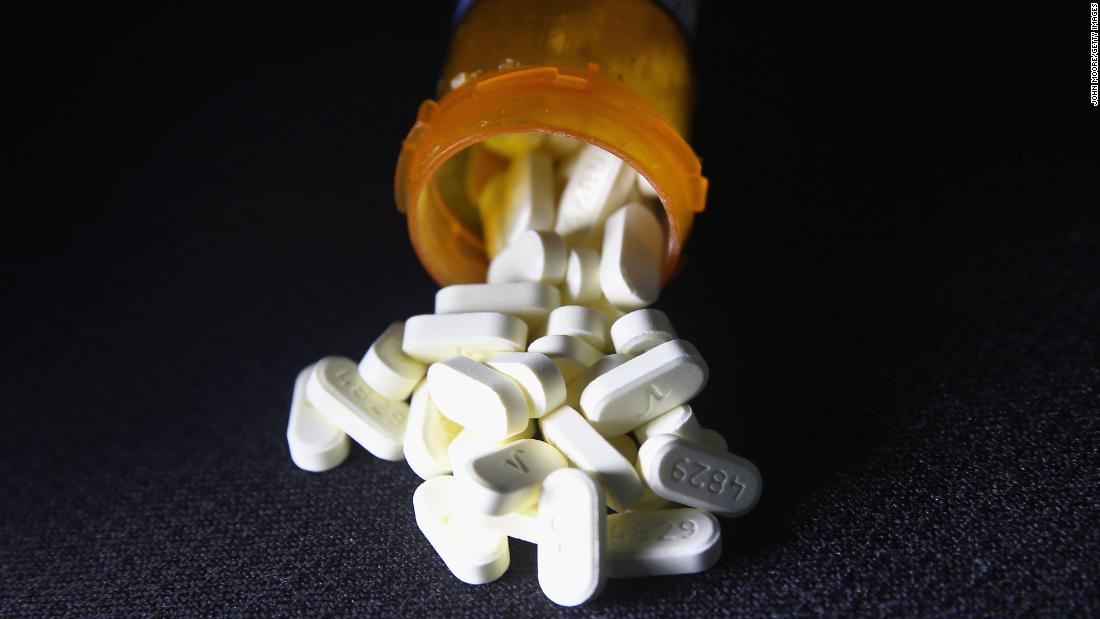
Things are sunny and bright for the usually family-friendly image of Johnson & Johnson. In fact, as more and more evidence and details are presented in a landmark lawsuit between the corporate giant and the State of Oklahoma. The company could be facing financial calamity and its reputation might be a near impossible mission for any PR expert to recover. “As the state of Oklahoma’s multibillion-dollar lawsuit against Johnson & Johnson has unfolded over the past month, the company has struggled to explain marketing strategies its accusers say dangerously misrepresented the risk of opioid addiction to doctors, manipulated medical research, and helped drive an epidemic that has claimed 400,000 lives over the past two decades. Johnson & Johnson profited further as demand for opioids surged by buying poppy growing companies in Australia to supply the raw narcotic for its own medicines and other American drug makers. One expert witness at the forefront of combatting the epidemic, Dr Andrew Kolodny, told the court he had little idea about Johnson & Johnson’s role until he saw the evidence in the case. “I think it’s fair to characterize Johnson & Johnson as a kingpin in our opioid crisis,” he said. – The Guardian, June 19 But what is next? Will this lawsuit be duplicated in other states? Are other big-pharma companies liable or in similar trouble? And is this the gamechanger the industry needs? There are a lot of questions and that’s where we can help. Dr. Marc Sweeney is the Founding Dean of the School of Pharmacy at Cedarville University and is an expert in the fields of drug abuse, prescription drug abuse and Opioid addiction. Marc is available to speak with media regarding this growing issue. Simply click on his icon to arrange an interview.


The Hazards of Oil Refineries and Other Industries
The Philadelphia Energy Solutions refinery will shut down as a result of its recent explosions and fires. Scott Jackson, PhD, a visiting professor of chemical engineering at Villanova University, says there are two parts to contamination—surface contamination and contamination of the water underground beneath the oil refinery. The surface contamination can be naturally bioremediated to some extent. At the worst, the surface can be removed and taken to a secure landfill or decontaminated by other means. However, organics like benzene, toluene and xylene (commonly known at BTX) that have reached deep into the underground water table beneath parts of the older parts of the plant can be difficult to remediate. An area of contaminated ground water must be pumped out using wells and treated on the surface using standard wastewater treatment technologies. Remediating this pool of contaminated underground water can take years depending on its area and concentration. Looking ahead, contaminated concrete will need to be removed to a secure landfill, and contaminated topsoil will also need to be removed. Equipment can be sold for scrap metal. Depending on the extent of the ground contamination, the company could either encapsulate it with asphalt or concrete or return the land to a more natural condition with plantings. Refineries aren’t the only operations at risk for hazardous incidents. “All manufacturing operations, including processing of food, the manufacturing of electronic chips, plastics, paints, gasoline, and virtually everything that we use in our daily lives use potentially dangerous operations where risks associated with accidents must be managed. Some of the most dangerous industries might surprise you: Large breweries have recurrent incidents where workers die due to suffocation, caused by carbon dioxide, and dust explosions from the processing of sugar have caused terrible damage and loss of life—a fact that few people understand.” The hazards of a refinery are more apparent than in other industries, so consequently many more people believe refineries are dangerous places, but Jackson notes that, due to decision and risk analysis, refineries should be and generally are no more dangerous than someone driving their car to work.


Not this time, but expect interest rates to get cut soon – our expert can explain why
It was all eyes on the Fed this week, but when it came to decide, Federal Reserve Chairman Jerome Powell held U.S. Interest rates steady and unchanged. The pressure was on to lower the rates amid serious concerns that the current trade wars and tariff action could start impacting America’s economy and slow it down. Narayana Kocherlakota, the Lionel W. McKenzie Professor of Economics at the University of Rochester wasn’t surprised by the June decision to remain steady. And with serving six years as president of the Federal Reserve Bank of Minneapolis, his expertise and perspective indicates lower rates will come at the next meeting. “I am not expecting a change in policy, which means the interest rates should remain the same. What I am expecting is a lot of discussion, which takes place in secret, about cutting interest rates by a quarter percentage point at their next meeting in July. Why would they do that? The Federal Reserve is tasked with trying to keep inflation at 2 percent and keep unemployment low. Right now unemployment is about as low as it’s been in the past half-century, which is very good. Inflation remains lower than the Federal Reserve would like—it’s been below 2 percent for most of the last seven years. I think they’re mainly worried about risks. There are signs of risk around the world partly due to big variations in trade policy emerging from the White House. So, the Fed is thinking about cutting rates now in order to keep the economy as healthy as possible, if there’s any danger of a recession.” University of Rochester Newscenter. Will lower rates really keep America’s economy humming? Won’t lower rates impact the strong US dollar? And if we are headed toward recession, what else can de done to turn the economy around? There are a lot of questions – and that’s where our experts can help. Dr. Narayana Kocherlakota was the President and CEO of the Federal Reserve Bank of Minneapolis from 2009-2015. As part of his responsibilities in that position, he served on the Federal Open Market Committee (FOMC), the monetary policymaking arm of the Federal Reserve System. He is currently a Lionel W. McKenzie Professor of Economics and is an expert in financial economics, interest rates and monetary policy. Narayana is available to speak with media regarding the economic effects of the shutdown – simply click on his icon to arrange an interview.



College readiness: Why it’s time to turn the page on one-off developmental courses
With summer officially here, millions of recent high school graduates and adult learners alike are preparing for college this fall. Unfortunately, a large percentage of them need developmental courses in order to advance, and many of those students will drop out within their first year—victims of a college preparedness approach that is generally not working. While it is true that education provides one of the surest pathways to a better life, millions of individuals do not have the academic background, confidence, mindset, and study habits to succeed in postsecondary programs and achieve their career dreams. Underprepared students face serious hurdles when attempting to enroll in college, and often struggle with one or more of the following: Poor self-image, lack of confidence (and overconfidence), and undeveloped study skills Weak math skills and math phobia Poor writing/language skills Lack of preparation for rigorous reading of texts, analytical thinking, and problem-solving Despite the poor track record, an estimated $7 billion is spent annually on traditional remedial education by students and institutions. According to research, 68 percent of community college students and 40 percent of public four-year college students take at least one developmental course, and among them less than 10 percent of two-year students graduate within three years, and only 35 percent of four-year students graduate within six years. Solutions exist, according Pat Partridge, president of WGU Academy—an independent nonprofit entity established by Western Governors University (WGU) to help solve the growing college-readiness gap. He suggests that for college readiness to be effective, programs must incorporate noncognitive personal competencies. “The Academy’s approach is based on the premise that to make college-readiness effective we must address the whole person rather than just getting them through one-off math or English courses to satisfy admissions requirements. Our two-pronged approach to preparing students—focused on academic coursework and noncognitive personal skills—is challenging traditional thinking paradigms that are not working well. The program is designed to be transformative for students who need confidence and persistence, social and emotional learning skills, and customized support to position them for long-term academic and career success.” Studies show that students and families pay an extra $3,000 on skills and content they should have learned in high school—a hefty price for courses that typically offer no transferable credits. Partridge suggests that programs like Academy—which uses an online, competency-based learning model similar to WGU’s—can change that by offering a scalable, replicable solution. WGU Academy students pay $150 per month, and most enrollees should finish the program in three to four months, or even less—making it a low-cost, low-risk solution. And the courses are ACE (American Council on Education) recommended, which hundreds of colleges and universities recognize. “The challenge is far larger than WGU alone can tackle, which is why Academy is designed to help serve hundreds of thousands of individuals who are not likely to attend WGU” Partridge noted. “We look forward to working with other entities that share the same mission to help individuals succeed in college and their careers—both recent high school grads and adults—by boosting completion rates.” WGU Academy’s first partnership is with tnAchieves in support of Tennessee’s flagship scholarship program that allows any resident without a postsecondary certification to attend community college tuition-free. WGU Academy, which launched May 1, 2019, already has more than 600 enrolled students. To speak with Partridge, contact WGU Academy’s PR Business Partner, Matt Griffin, at matt.griffin@wgu.edu or (615) 472-6056.
