Experts Matter. Find Yours.
Connect for media, speaking, professional opportunities & more.
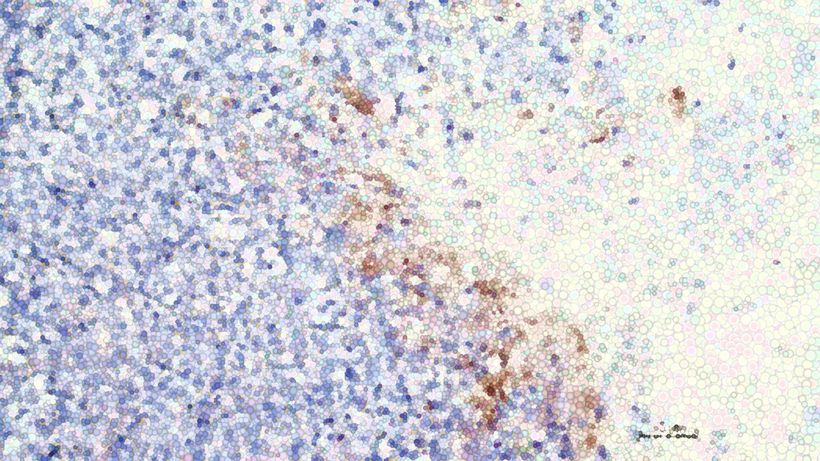
In a major step forward for cancer care, researchers at ChristianaCare’s Gene Editing Institute have shown that disabling the NRF2 gene with CRISPR technology can reverse chemotherapy resistance in lung cancer. The approach restores drug sensitivity and slows tumor growth. The findings were published Nov. 13, 2025 in the online edition of Molecular Therapy Oncology. This breakthrough stems from more than a decade of research by the Gene Editing Institute into the NRF2 gene, a known driver of treatment resistance. The results were consistent across multiple in vitro studies using human lung cancer cell lines and in vivo animal models. “We’ve seen compelling evidence at every stage of research,” said Kelly Banas, Ph.D., lead author of the study and associate director of research at the Gene Editing Institute. “It’s a strong foundation for taking the next step toward clinical trials.” Potential Beyond Lung Cancer The study focused on lung squamous cell carcinoma, an aggressive and common form of non-small cell lung cancer (NSCLC) that accounts for 20% to 30% of all lung cancer cases, according to the American Cancer Society. It’s estimated that over 190,000 people in the U.S. will be diagnosed in 2025. While the research centered on this cancer type, the implications are broader. Overactive NRF2 contributes to chemotherapy resistance in several solid tumors, including liver, esophageal and head and neck cancers. The results suggest a CRISPR-based strategy targeting NRF2 could help resensitize a wide range of treatment-resistant tumors to standard chemotherapy. “This is a significant step toward overcoming one of the biggest challenges in cancer therapy — drug resistance,” Banas said. “By targeting a key transcription factor that drives resistance, we’ve shown that gene editing can re-sensitize tumors to standard treatment. We’re hopeful that in clinical trials and beyond, this is what will allow chemotherapy to improve outcomes for patients and could enable them to remain healthier during the entirety of their treatment regimen.” Targeting a Master Switch for Resistance The research zeroed in on a tumor-specific mutation, R34G, in the NRF2 gene, which acts as a master regulator of cellular stress responses. When overactive, NRF2 helps cancer cells withstand chemotherapy. Using CRISPR/Cas9, the team engineered lung cancer cells with the R34G mutation and successfully knocked out NRF2. This restored sensitivity to chemotherapy drugs such as carboplatin and paclitaxel. In animal models, tumors directly treated with CRISPR to knockout NRF2 grew more slowly and responded better to treatment. “This work brings transformational change to how we think about treating resistant cancers,” said Eric Kmiec, Ph.D., senior author of the study and executive director of the Gene Editing Institute. “Instead of developing entirely new drugs, we are using gene editing to make existing ones effective again.” Editing Reaches Threshold Levels One of the most promising discoveries was that disrupting NRF2 in just 20% to 40% of tumor cells, was enough to improve the response to chemotherapy and shrink tumors. This insight is particularly relevant for clinical use, where editing every cancer cell may not be feasible. To test therapy in mice, the researchers used lipid nanoparticles (LNPs), a non-viral method with high efficiency and low risk of unintended, off-target effects. Sequencing confirmed that the edits were highly specific to the mutated NRF2 gene, with minimal unintended changes elsewhere in the genome. “The power of this CRISPR therapy lies in its precision. It’s like an arrow that hits only the bullseye,” said Banas. “This level of specificity with minimal unanticipated genomic side effects offers real hope for the cancer patients who could one day receive this treatment.”



As sustainability moves from niche topic to boardroom central, companies face an increasingly complex global environment of regulatory divergence, disclosure demands and reputational risk. A recent article by J.S. Held's John Peiserich examines how multinational firms can respond effectively to the “crosscurrents” of ESG compliance, litigation exposure and evolving definitions of corporate responsibility. John Peiserich specializes in environmental risk and compliance. With over 30 years of experience, John provides consulting and expert services for heavy industry and law firms throughout the country with a focus on Oil & Gas, Energy, and Public Utilities, including serving as an expert witness in arbitration proceedings and in state and federal courts. View his profile here Key Insights: Sustainability now touches every major business function — environmental, social, and governance — and must be embedded in strategy rather than treated as an add-on. Regulatory landscapes are diverging: while the U.S. federal approach remains fragmented, individual states like California are moving ahead with mandatory climate and emissions-related corporate disclosures. In contrast, the European Union’s Green Deal and related frameworks promote a more unified regulatory model, creating operational tension for multinational corporations. Litigation and disclosure risk are increasing, with “greenwashing” (overstating sustainability achievements) and “greenhushing” (avoiding or under-reporting ESG performance) emerging as major board-level concerns. Effective risk management now requires scalable data systems, transparent communication, strong governance, and agility to adapt across multiple regulatory regimes. Why this matters: The widening divide between jurisdictions — and intensifying scrutiny of corporate sustainability claims — means ESG compliance can no longer be treated as a checkbox exercise. Organizations that fail to anticipate regulatory expectations or align ESG strategy with business goals risk legal exposure, reputational harm, and missed opportunities for value creation. Strategic Insights for Corporate Leadership on Sustainability Boards and executives must adjust their mindset, seeing sustainability not as a burden but as a catalyst for growth and differentiation. Proactive investment in research, development, and stakeholder engagement will help organizations seize new opportunities and maintain credibility in a fast-changing world. Documentation and transparency are vital defenses against legal challenges, while ongoing monitoring of policy and market trends ensures adaptability. Ultimately, the most successful companies will treat sustainability as an essential tenet of strategy—aligning profit, purpose, and governance to secure their position in the global marketplace. Navigating the crosscurrents of sustainability requires courage, judgment, and a commitment to continuous learning. By embracing these principles, corporations can build a future that is not only profitable but also just, resilient, and worthy of the trust placed in them by shareholders and society alike. Looking to know more or connect with John Peiserich about this important topic? Simply click on his icon now to arrange an interview today.



Op-Ed: Stablecoin 'rewards' are a risk to financial stability
Congress has long recognized that stablecoins should not function as unregulated bank deposits. The intent of the recently enacted GENIUS Act is clear: to prohibit stablecoin issuers from paying interest or yield to holders, maintaining a distinction between payment instruments and bank deposits which are not only used for payment purposes but also as a store value. Yet loopholes have already emerged. Some crypto exchanges and affiliated platforms now offer “rewards” to stablecoin holders that work much like interest, potentially undermining the stability of the traditional banking system and constraining credit in local communities. Terminology matters. Credit card rewards are funded by interchange fees and paid to encourage spending — you earn points for using your card. Stablecoin “rewards” are different. They’re funded by investing the reserves backing stablecoins, typically in Treasury bills or money market funds, and passing that interest income to holders. You earn returns for holding the stablecoin, not for using it. Economically, this is indistinguishable from a bank deposit paying interest. When a platform advertises “5% rewards” on stablecoin holdings, it’s generally backing those tokens with Treasuries yielding about 4.5%, then passing that yield to users. Whether labeled rewards, yield or dividends, the function is the same: interest on deposits. Banks perform a similar activity — taking deposits, investing in loans and paying depositors a return — but face far higher costs, including FDIC insurance, capital requirements and compliance obligations that stablecoin issuers largely avoid. This dynamic has a precedent. In the 1970s and early 1980s, Regulation Q capped bank deposit rates at 5.25% while inflation and Treasury yields soared above 15%. Money market funds filled the gap, offering market rates directly to consumers. Deposits fled smaller banks, which lost their funding base, while large money-center institutions gained reserves. The result was widespread disintermediation, the collapse of the savings and loan industry and the farm-credit crisis of the 1980s. Stablecoin “rewards” risk repeating that history. Just as money market funds exploited the gap between regulated deposit rates and market rates, stablecoin platforms exploit the difference between what banks can profitably pay and what lightly regulated issuers can offer by passing through Treasury yields with minimal overhead. Some ask why banks can’t just raise deposit rates. The answer lies in structure. Banks operate under a fundamentally different business model and cost framework. They pay FDIC premiums, maintain capital reserves and comply with extensive supervision — costs most stablecoin issuers don’t bear. Banks also use deposits to make loans, which requires holding capital against potential losses. Stablecoin issuers simply hold reserves in ultra-safe assets, allowing them to pass through nearly all the yield they earn. To match 5% “rewards,” banks would need to earn 6% to 7% on their loan portfolios — an unrealistic target in today’s environment, especially for smaller community banks. The consequence is not fair competition, but a structural disadvantage for regulated depository institutions. The Consumer Bankers Association warns this loophole could trigger a massive shift of deposits from community banks to global custodians. Citing Treasury Department estimates, the Association notes that as much as $6.6 trillion in deposits could migrate into stablecoins if yield programs remain permissible. Because the GENIUS Act’s prohibition applies narrowly to issuers, exchanges and intermediaries may still offer financial returns under alternate terminology. This opens the door to affiliate arrangements that replicate the essence of interest payments without legal accountability. Those reserves don’t stay in local economies. The largest stablecoin issuers hold funds at global custodians such as Bank of New York Mellon, in money market funds managed by firms like BlackRock or — if permitted — directly with the Federal Reserve. When a community-bank depositor moves $100,000 into stablecoins, that capital exits the local bank and concentrates at systemically important institutions. The community bank loses lending capacity; the megabank or the Fed gains reserves. The result is disintermediation with a concentrated risk profile reminiscent of the money-market fund crisis. The Progressive Policy Institute estimates that community banks — responsible for roughly 60% of small-business loans and 80% of agricultural lending nationwide — could be among the most affected. In Louisiana, where local banks finance small businesses and family farms, that risk is especially relevant. If deposits migrate to unregulated digital assets, community-bank lending could tighten, particularly in rural parishes and underserved communities. Research from the Brookings Institution reinforces the need for regulatory parity. The label “rewards” doesn’t change the fact that these payments are economically interest. Allowing intermediaries to generate yield without deposit insurance or prudential oversight could recreate vulnerabilities similar to those seen during the 2008 money market fund crisis. To preserve financial stability, policymakers should move to close the stablecoin-interest loophole. Clarifying that the prohibition on interest applies to all entities— not just issuers — would uphold Congress’ intent. Regulators such as the Securities and Exchange Commission, Commodities Futures Trading Commission and federal banking agencies could also treat “reward” programs as equivalent to deposit interest for supervisory purposes. Stablecoins offer genuine efficiencies in payments, but unchecked yield features risk turning them into unregulated banks. History shows what happens when regulatory arbitrage allows competitors to offer deposit-like products without oversight: deposit flight, institutional instability and capital flowing away from community lenders. Acting now could help sustain stability, protect depositors and preserve the credit channels that support community lending — especially in states like Louisiana, where community banks remain the backbone of Main Street.



Motor vehicle crashes remain one of the leading causes of death among teenagers. For the youngest drivers, getting behind the wheel marks freedom but also comes with measurable risk. At the University of California, Irvine, Dr. Federico Vaca, professor and executive vice chair of emergency medicine, is determined to change that trajectory. “Driving licensure among our youngest drivers remains a major life milestone, and it allows for newfound freedom and opportunity for not only youth but their parents as well. At the same time, learning to drive and licensure come at a time when youth are rapidly moving through life with new transitions in school, with friends, and likely exposure to alcohol and drugs,” he says. “Our priority … is to examine the complexities of young driver behavior and to thoroughly understand crash injury risk and crash prevention among this special group of drivers.” Vaca’s work is at the intersection of health, transportation science and policy. A fellow of the Association for the Advancement of Automotive Medicine and a researcher at UC Irvine’s Institute of Transportation Studies, he previously served as a medical fellow at the U.S. Department of Transportation’s National Highway Traffic Safety Administration in Washington, D.C. His long-standing goal is to prevent the injuries he has seen and treated in emergency departments and trauma centers through rigorous research, using the findings to inform and advance evidence-based programs and policies that save lives on the road. Innovating safety science UC Irvine is home to a new hub for understanding and preventing crash injuries among young drivers, the Brain, Body & Behavior Driving Simulation Lab, founded by Vaca and his interdisciplinary team. At the heart of the B3DrivSim Lab is a high-fidelity, half-cab driving simulator capable of replicating real-world conditions with precision. It uses advanced software to design customized driving scenarios – from complex roadway environments to the inclusion of such human elements as distraction and fatigue – all while capturing real-time video and driving behavior as well as vehicle control metrics. This integration of medicine, behavioral science and engineering enables researchers to measure how developmental and socioecological factors shape driver decisions in unique and consequential ways. The B3DrivSim Lab also represents a growing mentorship ecosystem at UC Irvine. In mid-June, the facility welcomed Siwei Hu, a postdoctoral scholar who earned a Ph.D. in civil and environmental engineering, with a focus on transportation studies, at UC Irvine. Hu works closely with Vaca to combine engineering and modeling analytics with behavioral and crash risk insights. The half-cab driving simulator uses advanced software to replicate real-world conditions and design customized driving scenarios – from complex roadway environments to the inclusion of such human elements as distraction and fatigue – all while capturing real-time video and driving behavior as well as vehicle control metrics. Steve Zylius / UC Irvine From the lab to policy Beyond simulation, Vaca’s latest National Institutes of Health-funded study, separate from his lab’s work, takes this philosophy to the national level. His project, “Modeling a National Graduated-BAC Policy for 21- to 24-Year-Old Drivers,” explores whether lowering the legal blood alcohol limit for young adults could reduce alcohol-related crashes and deaths. “When you turn 21, at that very moment, the application of several alcohol-related prevention laws changes in the blink of an eye,” Vaca says. “Before that, the minimum legal drinking age and zero-tolerance laws are in place to protect young drivers from alcohol-impaired driving. Effectively, the second you turn 21, those prevention policies don’t apply, and you’re suddenly allowed to have a much higher blood alcohol concentration in your body that’s intimately tied to serious and fatal crash risk. It’s a very dangerous disconnect.” The study will use national crash data, behavioral surveys and system dynamics modeling to examine how a “graduated BAC policy” might bridge that gap, giving young adult drivers a safer transition into full legal responsibility and saving many more lives. Bridging science, education and prevention Earlier this year, Vaca and his B3DrivSim team joined prevention program educators, policymakers, engineers and law enforcement professionals in Anaheim at a Ford Driving Skills for Life event, part of a Ford Philanthropy-sponsored national effort teaching teens hands-on safe driving techniques – from hazard recognition to impaired-driving awareness. Speaking to more than 130 high school students and their parents from local and distant communities, Vaca emphasized the connection among driving, independence, opportunity and responsibility. That message aligns with his broader initiative, Youth Thriving in Life Transitions with Transportation, which introduces high school students to traffic safety and transportation science and their role in promoting health, education and employment in early adulthood. By linking research and real-world experience, the project empowers youth to see mobility as a foundation for opportunity with safety as its cornerstone. With overall young driver crash fatalities rising 25 percent nationally over the last decade and a 46 percent increase in fatal crashes where a young driver had a BAC of ≥ .01/dL, Vaca’s work represents a crucial step toward reversing that trend. Through a combination of clinical insight and prevention, transportation and data science underscored by community collaboration, he and his team are redefining how researchers and policymakers think about youth driver safety.


Heart valve developed at UC Irvine shines in early-stage preclinical testing
UC Irvine researchers designed and developed a minimally invasive replacement pulmonary heart valve. Created for pediatric patients, the device can be expanded as children grow, eliminating the need for multiple surgeries. The team successfully conducted laboratory and early-stage animal feasibility testing of the implant, crucial steps toward approval for human use. Irvine, Calif., June 23, 2025 — Researchers at the University of California, Irvine have successfully performed preclinical laboratory testing of a replacement heart valve intended for toddlers and young children with congenital cardiac defects, a key step toward obtaining approval for human use. The results of their study were published recently in the Journal of the American Heart Association. The management of patients with congenital heart disease who require surgical pulmonary valve replacement typically occurs between the ages of 2 and 10. To be eligible for a minimally invasive transcatheter pulmonary valve procedure, patients currently must weigh at least 45 pounds. For children to receive minimally invasive treatment, they must be large enough so that their veins can accommodate the size of a crimped replacement valve. The Iris Valve designed and developed by the UC Irvine team can be implanted in children weighing as little as 17 to 22 pounds and gradually expanded to an adult diameter as they grow. Research and development of the Iris Valve has been supported by the Eunice Kennedy Shriver National Institute of Child Health and Human Development; the National Heart, Lung, and Blood Institute; and the National Science Foundation. This funding has enabled benchtop fracture testing, which demonstrated the valve’s ability to be crimped down to a 3-millimeter diameter for transcatheter delivery and subsequently enlarged to 20 millimeters without damage, as well as six-month animal studies that confirmed successful device integration within the pulmonary valve annulus, showing valve integrity and a favorable tissue response. “We are pleased to see the Iris Valve performing as we expected in laboratory bench tests and as implants in Yucatan mini pigs, a crucial measure of the device’s feasibility,” said lead author Arash Kheradvar, UC Irvine professor of biomedical engineering. “This work represents the result of longstanding collaboration between our team at UC Irvine and Dr. Michael Recto at Children’s Hospital of Orange County built over several years of joint research and development.” Congenital heart defects affect about 1 percent of children born in the United States and Europe, with over 1 million cases in the U.S. alone. These conditions often necessitate surgical interventions early in life, with additional procedures required to address a leaky pulmonary valve and prevent right ventricular failure as children grow. The Iris Valve can be implanted via a minimally invasive catheter through the patient’s femoral vein. The Kheradvar group employed origami folding techniques to compress the device into a 12-French transcatheter system, reducing its diameter to no more than 3 millimeters. Over time, the valve can be balloon-expanded up to its full 20-millimeter diameter. This implantation method, along with the ability to begin treatment earlier in very young patients, helps mitigate the risk of complications from delayed care and reduces the need for multiple surgeries in this vulnerable population. “Once the Iris Valve comes to fruition, it will save hundreds of children at least one operation – if not two – throughout the course of their lives,” said Recto, an interventional pediatric cardiologist at CHOC who’s also a clinical professor of pediatrics at UC Irvine. “It will save them from having to undergo surgical pulmonary valve placement, as the Iris Valve is delivered via a small catheter in the vein and can be serially dilated to an adult diameter and also facilitate the future placement of larger transcatheter pulmonary valves – with sizes greater than 20 millimeters, like the Melody, Harmony and Sapien devices – if needed.” Kheradvar said that the next phase of preclinical testing of the Iris Valve is funded by the Brett Boyer Foundation, which is committed to supporting research into treatments for congenital heart disease. “We are actively engaged with the U.S. Food and Drug Administration to define and carry out the required experiments and documentation for first-in-human authorization of the Iris Valve,” Kheradvar said. “Our team is urgently advancing the Iris Valve through preclinical studies to enable its clearance for first-in-human use. This is a critical step toward providing toddlers – who currently have no viable minimally invasive treatment until they reach the 45-pound threshold – with a much-needed option.” First co-author Nnaoma Agwu, a biomedical engineering Ph.D. candidate at UC Irvine, said: “The development of the Iris Valve required a strong and knowledgeable team that understood the clinical and mechanical design requirements. This accomplishment would not have been possible without the collaboration of talented clinicians, veterinarians and engineers. With this milestone reached, we are rigorously advancing the Iris Valve’s development, setting our sights on human clinical trials.” Joining Kheradvar, Recto and Agwu as co-authors of the article in Journal of the American Heart Association were Daryl Chau, a recent UC Irvine master’s graduate; Gregory Kelley and Tanya Burney, both research specialists at UC Irvine, with Burney also affiliated with the Beckman Laser Institute; Ekaterina Perminov, a clinical veterinarian with UC Irvine’s University Laboratory Animal Resources; and Christopher Alcantara, a radiology technician at CHOC. About UC Irvine’s Brilliant Future campaign: Publicly launched on Oct. 4, 2019, the Brilliant Future campaign aims to raise awareness and support for the university. By engaging 75,000 alumni and garnering $2 billion in philanthropic investment, UC Irvine seeks to reach new heights of excellence in student success, health and wellness, research and more. The Samueli School of Engineering plays a vital role in the success of the campaign. Learn more by visiting https://brilliantfuture.UC Irvine.edu/the-henry-samueli-school-of-engineering About the University of California, Irvine: Founded in 1965, UC Irvine is a member of the prestigious Association of American Universities and is ranked among the nation’s top 10 public universities by U.S. News & World Report. The campus has produced five Nobel laureates and is known for its academic achievement, premier research, innovation and anteater mascot. Led by Chancellor Howard Gillman, UC Irvine has more than 36,000 students and offers 224 degree programs. It’s located in one of the world’s safest and most economically vibrant communities and is Orange County’s second-largest employer, contributing $7 billion annually to the local economy and $8 billion statewide. For more on UC Irvine, visit www.uci.edu. Media access: Radio programs/stations may, for a fee, use an on-campus studio with a Comrex IP audio codec to interview UC Irvine faculty and experts, subject to availability and university approval. For more UC Irvine news, visit news.uci.edu. Additional resources for journalists may be found at https://news.uci.edu/media-resources.

UF builds community resilience in Jacksonville’s Historic Eastside neighborhood
As the University of Florida continues to expand its presence in Jacksonville, Gators are undertaking sustainability projects to improve the city’s neighborhoods. Faculty and students in the College of Design, Construction and Planning’s Florida Institute for Built Environment Resilience (FIBER) have spent the past four years focusing on the role of housing design in community health resilience in Jacksonville’s Historic Eastside neighborhood, interviewing resident stakeholders and collaborating with citywide organizations that are helping to restore older homes. Findings from the UF research will be instrumental in informing future community planning and housing design decisions, potentially leading to more health-centered, sustainable neighborhoods. “Our research in Jacksonville focuses on how we can inform the development of community infrastructure that holistically supports human well-being across mental, emotional, and physical dimensions,” said Lisa Sundahl Platt, Ph.D., a FIBER research faculty member and an assistant professor of interior design at UF, who added that this holistic, health-centered approach is known as salutogenic design. “We are also actively collaborating with community organizations in Jacksonville and researchers from UF to explore improved strategies for designing and constructing community infrastructure that effectively responds to potential hazards.” A community-wide collaboration UF has conducted a pilot study over the past year on the Jacksonville-based Restore, Repair, and Resilience (R3) initiative that is underway in Historic Eastside – surveying residents about how the design quality of their housing and surrounding environments affects their overall well-being. This interdisciplinary project has brought together FIBER and members of the R3 Group – a coalition of organizations that includes the JEA utility company, LIFT JAX (committed to eradicating generational poverty), the Historic Eastside Community Development Corporation, the United Way of Northeast Florida, and Local Initiatives Support Corporation Jacksonville. FIBER-led research has received ongoing support from the Florida Resilient Cities grant, which is funded by the Jessie Ball duPont Fund. The scope of the R3 project is being scaled up through a U.S. Department of Energy grant awarded through JEA, which will allow for an expansion of home revitalization efforts in Eastside Jacksonville. FIBER’s ongoing housing and health community action research on these efforts will be supported through a grant from the LS3P Foundation. “Many residences we evaluated need help with improvements to housing energy efficiency, building ventilation, building shell structural integrity, and materiality,” Platt said. “For example, underperforming flooring material can create potential trip hazards for older adults. Deterioration in interior materials, caused by degrading components of the building envelope, can also lead to mold and mildew growth in interior environments, which can contribute to poor interior environmental quality issues and acute and chronic health conditions.” Respiratory health issues are often caused by material and ventilation design failures, which can affect people of all ages, especially vulnerable populations such as children and older adults. Oftentimes, interior designers see that the environmental risks that compromise human well-being are coming from both the outside and inside of the buildings. “As we continue to address priorities, our focus extends beyond energy and building efficiency to encompass comprehensive factors of built environment resilience that impact overall community health and well-being,” Platt said. “There's still significant progress to be made in the design of sustainable housing that supports community salutogenic health." Keeping residents safe and healthy UF research has continued to prove that interior resilience for living environments plays a vital role in people’s mental and physical health. “People spend roughly 90% of their time indoors, so it is important to understand the types of design conditions and materials that we’re putting into spaces and how they can affect the occupants of those living in said spaces,” said UF student Milena Rodriguez Mendez, who is one of Platt’s graduate research assistants. Students like Mendez are using qualitative and quantitative research methods to engage in collaborative community-led research that includes academics, for-profit organizations, nonprofits, citizen scientists, and neighborhood stakeholders. “I aim to center my work on social justice and equity, and I believe this initiative represents a meaningful step in that direction,” Mendez said. “Our focus is on the residents of this vibrant yet at-risk community.” FIBER researcher Jason von Meding added, “We want to know how future housing policies can address some future health concerns. We have a lot of youth in the community that are participating, which I think is important.” The FIBER housing and health team is actively pursuing additional funding to expand this research, in collaboration with UF Health Jacksonville’s Department of Community Engagement. “Our goal is to develop an open-source online platform that disseminates lessons learned and proof-of-concept findings on the impact of regenerative housing design on human and ecological health,” Platt said. “This resource will be valuable for other cities and neighborhoods facing similar challenges in housing quality, affordability, and accessibility.” Looking to know more about this project or connect with Lisa Platt? Simply click on her icon now to arrange an interview today.



Covering Hurricane Melissa? Our Expert is Here to Help with Your Coverage
Hurricane Melissa has exploded into a record-breaking Category 5 storm, tearing through the Caribbean with catastrophic force. It made landfall in Jamaica with sustained winds near 185 mph, unleashing torrential rain, landslides, and widespread destruction across the island — the strongest storm ever recorded there. The hurricane has already caused fatalities in Jamaica, Haiti, and the Dominican Republic, and now barrels toward eastern Cuba and the Bahamas, where mass evacuations are underway. Meteorologists warn of up to 30 inches of rainfall in some areas, storm surges reaching 11 feet along southern coasts, and a severe risk of flash flooding and mudslides due to the storm’s slow, grinding pace. Dr. J. Marshall Shepherd is a leading international weather-climate expert and is the Georgia Athletic Association Distinguished Professor of Geography and Atmospheric Sciences at the University of Georgia. Dr. Shepherd was the 2013 President of American Meteorological Society (AMS), the nation’s largest and oldest professional/science society in the atmospheric and related sciences. View his profile here While Melissa is expected to weaken slightly as it moves north, its enormous size means destructive winds, life-threatening flooding, and dangerous coastal waves will persist through the week — with Bermuda now bracing for potential impact and the U.S. East Coast monitoring for high surf and rip currents as the storm churns offshore. Covering? We can help. Dr. J. Marshall Shepherd is a leading international weather-climate expert and is the Georgia Athletic Association Distinguished Professor of Geography and Atmospheric Sciences at the University of Georgia. His expertise has been sought recently by ABC News, Forbes Magazine and The New York Times. He's available to speak with the media about this ongoing story and storm - simply click on his icon now to arrange an interview today.


Treat AI as a Teammate—or Risk Falling Behind
AI is shifting from back-office tool to frontline collaborator, "We are witnessing a key inflection point in how organizations work," says LSU professor Andrew Schwarz. He argues the business case is now clear: AI boosts the quality of ideas and expands who gets to contribute, acting less like software and more like a creative partner. He adds that organizations that embed AI "as a teammate will lead," while those that treat it "as simply a cost-saver risk falling behind." That shift, he says, reaches deep into org charts and workflows. Schwarz notes that AI can flatten expertise silos, help less-experienced employees operate closer to expert levels, and spark cross-functional thinking that blends technical and commercial insight. Leaders, he said, must "rethink structures, roles and workflows — placing AI at the heart of how teams collaborate, not simply at the edge." Technology deployment alone won't deliver those gains, "it requires cultural and capability investment," Schwarz said. The priority, in his view, is to "build collaborative ecosystems where human talent and AI capabilities co-create value," invest early to make the "human-plus-AI" model the default, and tap into academic partnerships: "those companies that partner with universities, such as LSU, will have an even greater advantage." Schwarz also urges guardrails as adoption accelerates. He points to the need for transparency, accountability, fairness, and continuous skill development so the transition "enhances human agency, fosters inclusion, and delivers sustainable value for all stakeholders." His bottom line is urgent and straightforward: "When AI joins the team, better ideas truly surface. Let's prepare our organizations to make that transition, and lead from the front."

New path to combating global malnutrition found in soil
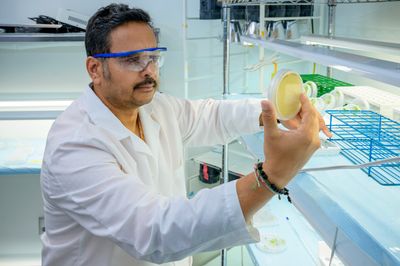
A new University of Delaware study has found that a naturally occurring soil microbe can boost protein-building amino acids in wheat. The finding by UD's Harsh Bais and others could pave the way for nutrient-rich staple crops — helping combat global malnutrition as fluctuations in weather reduce crop quality. In the study, published in the journal Frontiers in Microbiology, Bais and a team of researchers from UD, Stroud Water Research Center and the Rodale Institute investigated how a bacteria naturally found in the soil that is beneficial to human health can enhance the levels of the amino acid and antioxidant ergothioneine in spring wheat. The researchers grew the spring wheat — one of the most widely consumed cereal crops — in a laboratory. After letting the seeds germinate and grow for seven days, they added a strain of bacteria called Streptomyces coelicolor M145 to the spring wheat roots. After combining the bacteria and the plant, they separated the plant’s leaves and roots. Then, they extracted the amino acid ergothioneine from the samples, working to determine how much protein was in the plant’s roots and shoots. They found that 10 days after S. coelicolor had been added to the spring wheat roots, the bacteria was able to inhabit spring wheat’s roots and shoots, producing ergothioneine, bypassing the plant’s innate defense mechanisms, and fortifying the spring wheat. Wheat roots were inoculated with the benign bacteria Streptomyces coelicolor. The image shows the presence of bacteria on the root hairs on day 5. “It’s unusual," Bais said. “Unless there is a mutual advantage for either the plant or the microbe.” The findings suggest that an alternative plant breeding approach could be utilized to associate plants with benign microbes to increase protein content in staple crops. All of our cereal crops are very low in protein. Think rice and breakfast cereals, common foods people eat, derived from these crops. “This approach of harnessing a natural association of microbes with plants may facilitate fortifying our staple crops, enhancing global nutritional security,” Bais said. Bais said he believes using microbes to transport nutrients depends on the microbes’ relationship with plants’ roots. He continues to work to catalyze the colonization of plant roots by beneficial microbes. "Establishing a partnership with the appropriate types of microbes or microbial consortia for plants represents a method of engineering the rhizosphere — the region of the soil near plant roots — to foster a more favorable environment for either microbial associations that stimulate plant growth traits or enhance nutrient availability, which is the path forward,” Bais said. Bais, a professor of plant biology who was named a UD Innovation Ambassador earlier this year, said plants’ “below-ground” traits, such as how nutrient-dense they are, have long been overlooked. “As far as food security, we will have significant challenges by 2050 when the world’s population doubles,” Bais said. “We incentivize our farmers for crop yield; we don’t incentivize them for growing nutrient-dense crops. Growing nutrient-dense plants will enable the population to be fed better and avoid any potential nutrient deficiencies.” The study was funded by the U.S. Department of Agriculture and the Foundation for Food and Agriculture Research. Scientists have become more interested in soil bacteria as a means to solve issues with malnutrition and nutrient deficiencies. Alex Pipinos, the lead author and a UD Class of 2025 graduate with a master’s in microbiology, said environmental conditions are one factor diminishing protein content in plants. “Essentially, crops are becoming less nutrient-dense,” Pipinos said. “The more nutrients in crops, the more healthy humans can be.” Pipinos points to a strong link between soil microbes, plant health and human health. Ergothioneine, she said, has already been shown to lower the risk of cardiovascular disease. It’s also been shown to combat cognitive decline, with a strong link to healthy cognitive aging. “By enhancing ergothioneine in plants, we can improve human health,” Pipinos said. To reach Bais directly and arrange an interview, visit his profile and click on the contact button. Reporters can also contact UD's Media Relations Department.



Aston University: From Metformin to modern obesity therapies
Early beginnings: from herbal medicine to modern drug The origins of a modern diabetes therapy can be traced back to Galega officinalis (goat’s rue), a herb used in European folk medicine for centuries to treat excessive thirst and urination. Its active chemical, guanidine, was found to lower blood sugar in animals in 1918, inspiring the synthesis of a family of drugs known as biguanides. Among these new drugs was metformin, created in 1922 and introduced as a treatment for diabetes in Europe in the late 1950s. However, by the 1970s, metformin was largely disregarded because other biguanide medicines were being withdrawn due to their side-effect of lactic acidosis. Revival in the 1990s: Aston’s role in rediscovery In the early 1990s, research at Aston University provided a decisive turning point. Professor Cliff Bailey and his colleagues revealed that metformin’s primary action occurred in the intestine, where it promoted glucose metabolism and reduced blood sugar without causing weight gain. Their studies clarified that concerns about lactic acid were largely due to misuse, not inherent toxicity. These findings reignited global interest in metformin. Professor Bailey presented his work as an expert witness to the US Food and Drug Administration in 1994, a critical step in securing approval of the drug in the US. He also assisted the European Medicines Agency during periodic reassessments. “My research has always focused on understanding how type 2 diabetes develops and how best to treat it.” Professor Clifford Bailey, Aston University. Establishing global first-line therapy Momentum built through the late 1990s. The UK Prospective Diabetes Study (1998) demonstrated that metformin not only improved blood sugar but also reduced cardiovascular risk, strengthening the case for its wider adoption. By 2012, the American Diabetes Association and the European Association for the Study of Diabetes recommended metformin as the preferred first-line treatment for type 2 diabetes. “We discovered that metformin worked somewhat differently from what was previously thought. By showing how it could be used safely and effectively, we helped pave the way for its wider acceptance.” Today, metformin is the most prescribed diabetes drug worldwide. It is included in the World Health Organization’s Essential Medicines List and has been taken by hundreds of millions of patients, profoundly reshaping global diabetes care. New directions: dapagliflozin and the SGLT-2 inhibitors After the success of metformin, Aston played a central role in the next wave of diabetes medicines. In the 2000s, Professor Bailey was principal investigator in clinical trials for dapagliflozin, the first of the sodium-glucose co-transporter-2 (SGLT-2) inhibitors. Unlike older therapies, SGLT inhibitors lower blood sugar by blocking reabsorption of glucose in the kidneys, causing excess glucose to be excreted in urine. Large international trials demonstrated additional benefits, including weight reduction, lower blood pressure, and improved outcomes for patients with kidney and heart disease. Since its launch in 2012, dapagliflozin has become the most widely prescribed SGLT-2 inhibitor, with more than five million patients treated. It is now embedded in global treatment guidelines, expanding therapeutic options to improve the control of blood glucose and body weight. Foundations for modern obesity therapies The influence of Aston University’s research extends beyond metformin and dapagliflozin. The University’s diabetes research team also studied gut hormones such as GIP (glucose-dependent insulinotropic peptide), which play a central role in regulating insulin secretion and fat metabolism. These early discoveries helped lay the groundwork for today’s incretin-based therapies, including combined GIP/GLP-1 receptor agonists such as tirzepatide. Now widely known as 'anti-obesity injections', these medicines emerged as diabetes treatments and are now transforming care for overweight people with and without type 2 diabetes. Key findings from the research at Aston University Metformin is now being investigated for its anti-ageing and fertility benefits Dapagliflozin shows promise against heart and kidney diseases and gout Gut hormones such as GIP may hold the key to entirely new treatment strategies Why does this matter? The work by Professor Bailey and his colleagues at Aston University has contributed to metformin’s recognition as the primary treatment worldwide for type 2 diabetes. Today, at least half of all patients in Western countries are prescribed metformin — an incredibly cost-effective medicine that continues to save lives. “We identified early on that gut hormones such as GIP were central players in the control of blood glucose and body weight — long before they became the basis for today’s new generation of anti-obesity medicines.” This original research helped lay the scientific foundation for breakthrough treatments like tirzepatide, widely hailed as a game-changer in obesity and diabetes care. Aston University also contributed to the development of dapagliflozin, the first in a new class of drugs that lower blood sugar while also protecting the heart and kidneys. “Millions of people worldwide are living longer and healthier lives because of therapies that have been underpinned by research at Aston University.” Looking ahead Type 2 diabetes remains one of the world’s most pressing health challenges, affecting more than 500 million people globally. Its progressive nature demands a continual search for safer, more effective treatments. From helping rescue a nearly forgotten drug in the 1990s to shaping the next generation of therapies, Aston University’s research has left an enduring mark on clinical practice, regulation, and patient outcomes. The legacy of this work is clear: millions of people worldwide are living longer, healthier lives because of medicines that Aston helped bring to the forefront of modern diabetes and obesity care. About Cliff Bailey is Emeritus Professor of Clinical Science and Anniversary Professor at Aston University in Birmingham, England. He has served on medical and scientific committees of Diabetes UK (formerly the British Diabetic Association), Society for Endocrinology, and European Association for the Study of Diabetes. He has served as a diabetes expert for the approval of new medicines by regulatory agencies including the European Medicines Agency and NICE. His research is mainly directed towards the pathogenesis and treatment of diabetes, especially the development of new agents to improve insulin action and reduce obesity, and the therapeutic application of surrogate beta-cells. Dr Bailey has published over 400 research papers and reviews, and four books, and he is particularly known for research on metformin. References to Case Studies and Key Sources Bailey CJ et al. Metformin: Changing the Treatment Algorithm for Type 2 Diabetes. Aston University REF Impact Case Study, 2014. Bailey CJ. Metformin: Historical Overview. Diabetologia, 2017. Bailey CJ & Day C. Treatment of Type 2 Diabetes: Future Approaches. British Medical Bulletin, 2018.