
Experts Matter. Find Yours.
Connect for media, speaking, professional opportunities & more.

LSU, FUEL, Syngenta Partner to Develop Low-cost Digital Twins for Chemical Processing Facilities
Derick Ostrenko and Jason Jamerson, faculty in the LSU College of Art & Design, along with engineering advisor David Ben Spry, are pioneering a new approach to industrial innovation using digital twins. The effort is supported by a $217,403 use-inspired research and development (UIRD) award from Future Use of Energy in Louisiana (FUEL). Digital twins are highly detailed, virtual replicas of physical assets. The technology is used in engineering to enhance efficiency, safety, and training; however, their creation often requires costly specialized hardware, proprietary software, and engineering-intensive workflows. “This initiative not only advances digital twin technology but also highlights the interdisciplinary power of design and engineering,” FUEL UIRD Director Ashwith Chilvery said. “By applying creative tools in an industrial setting, we’re demonstrating new ways to lower costs and expand access to advanced digital infrastructure.” The collaborative effort between LSU, FUEL, and Syngenta aims to reduce costs by applying techniques more commonly used in the entertainment industry, leveraging free and open-source software and consumer-grade hardware, such as gaming PCs and digital cameras. Most of the work will be conducted by digital art students skilled in 3D modeling and video game production, offering a cost-effective alternative to traditional engineering services. “3D artists and game developers bring both technical expertise and creative vision that can add significant value when paired with traditional engineering approaches,” Spry said. “We’re eager to demonstrate how this talent pool can help accelerate digital transformation in industry.” “Working with an innovative company like Syngenta to advance digital twins for chemical manufacturing is an outstanding opportunity for our researchers and students, and we’re proud of the techniques and talent we’ve developed at LSU. FUEL’s support of digital twin development for the energy and chemical sectors helps build this technology and unique artistry in Louisiana, for our industries, and for the rest of the nation.” - Greg Trahan, LSU Assistant Vice President of Strategic Research Partnerships In addition to producing a high-fidelity digital twin of a process unit within an active chemical manufacturing facility, the project will deliver a virtual reality application that allows immersive interaction with the 3D model. Future extensions may include augmented reality overlays of physical equipment or integration of live process data for real-time monitoring and troubleshooting. The ultimate outcome of the project is a validated workflow that reduces the cost of producing digital twins by a factor of at least five compared to conventional engineering methods. This breakthrough has the potential to redefine digital infrastructure for the chemical processing industry, making it more accessible, scalable, and adaptable to future needs. Learn more about LSU's digital twin work with Syngenta as well as NASA: About FUEL Future Use of Energy in Louisiana (FUEL) positions the state as a global energy innovation leader through high-impact technology development and innovation that supports the energy industry in lowering carbon emissions. FUEL brings together a growing team of universities, community and technical colleges, state agencies and industry and capital partners led by LSU. With the potential to receive up to $160 million in funding from the U.S. National Science Foundation through the NSF Regional Innovation Engines program and an additional $67.5 million from Louisiana Economic Development, FUEL will advance our nation’s capacity for energy innovation through use-inspired research and development, workforce development, and technology commercialization. For more information, visit fuelouisiana.org. About Syngenta Syngenta Crop Protection is a global leader in agricultural innovation. It is focused on empowering farmers to make the transformation required to feed the world’s population while protecting our planet. Its bold scientific discoveries deliver better benefits for farmers and society on a bigger scale than ever before. Syngenta CP offers a leading portfolio of crop protection technologies and solutions that support farmers to grow healthier plants with higher yields. Its 17,700 employees are helping to transform agriculture in more than 90 countries. Syngenta Crop Protection is headquartered in Basel, Switzerland, and is part of the Syngenta Group. Read our stories and follow us on LinkedIn, Instagram & X.


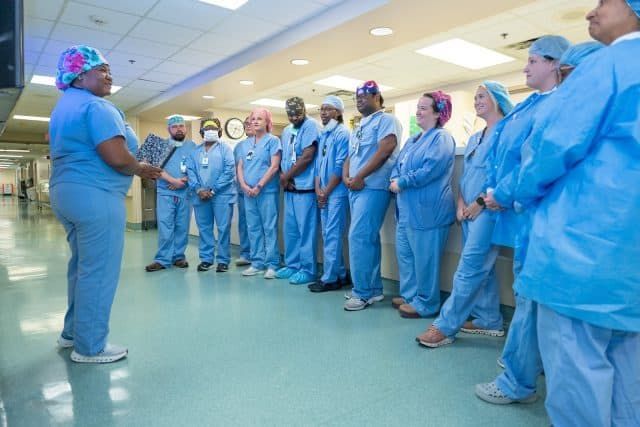
#Expert Research: Incentives Speed Up Operating Room Turnover Procedures
The operating room (OR) is the economic hub of most healthcare systems in the United States today, generating up to 70% of hospital revenue. Ensuring these financial powerhouses run efficiently is a major priority for healthcare providers. But there’s a challenge. Turnovers—cleaning, preparing, and setting up the OR between surgeries—are necessary and unavoidable processes. OR turnovers can incur significant costs in staff time and resources, but at the same time, do not generate revenue. For surgeons, the lag between wheels out and wheels in is idle time. For incoming patients, who may have spent hours fasting in preparation for a procedure, it is also a potential source of frustration and anxiety. Reducing OR turnover time is a priority for many US healthcare providers, but it’s far from simple. For one thing, cutting corners in pursuit of efficiency risks patient safety. Then there’s the makeup of OR teams themselves. As a rule, well-established or stable teams work fastest and best, their efficiency fueled by familiarity and well-oiled interpersonal dynamics. But in hospital settings, staff work in shifts and according to different schedules, which creates a certain fluidity in the way turnover teams amalgamate. These team members may not know each other or have any prior experience working together. For hospital administrators this represents a quandary. How do you cut OR turnover time without compromising patient care or hiring in more staff to build more stable teams? To put that another way: how do you motivate OR workers to maintain standards and drive efficiency—irrespective of the team they work with at any given time? One novel approach instituted by Georgia’s Phoebe Putney Health System is the focus of new research by Asa Griggs Candler Professor of Accounting, Karen Sedatole PhD. Under the stewardship of perioperative medical director and anesthesiologist, Jason Williams MD 02MR 20MBA, and with support from Sedatole and co-authors, Ewelina Forker 23PhD of the University of Wisconsin and Harvard Business School’s Susanna Gallini PhD, staff at Phoebe ran a field experiment incentivizing individual OR workers to ramp up their own performance in turnover processes. What they have found is a simple and cost-effective intervention that reduces the lag between procedures by an average of 6.4 percent. Homing in on the Individual Williams and his team at Phoebe kicked off efforts to reduce OR turnover times by first establishing a benchmark to calculate how long it should take to prepare for different types of procedure or surgery. This can vary significantly, says Williams: while a gallbladder removal should take less than 30 minutes, open-heart surgery might take an hour or longer to prepare. “There’s a lot of variation in predicting how long it should take to get things set up for different procedures. We got there by analyzing three years of data to create a baseline, and from there, having really homed in on that data, we were able to create a set of predictions and then compare those with what we were seeing in our operating rooms—and track discrepancies, over-, and underachievement.” Williams, a Goizueta MBA graduate who also completed his anesthesiology residency at Emory University’s School of Medicine, then enlisted the support of Sedatole and her colleagues to put together a data analysis system that would capture the impact of two distinct mechanisms, both designed to incentivize individual staff members to work faster during turnovers. The first was a set of electronic dashboards programmed to record and display the average OR turnover performance for teams on a weekly basis, and segment these into averages unique to individuals working in each of the core roles within any given OR turnover team. The dashboard displayed weekly scores and ranked them from best to worst on large TV monitors with interactive capabilities—users could filter the data for types of surgery and other dimensions. Broadcasting metrics this way afforded Williams and his team a means of identifying and then publicly recognizing top-performing staff, but that’s not all. The dashboards also provided a mechanism with which to filter out team dynamics, and home in on individual efforts. “If you are put in a room with one team, and they are slower than others, then you are going to be penalized. Your efforts will not shine. Now, say you are put in with a bigger or faster team, your day’s numbers are going to be much higher. So, we had to find a way to accommodate and allow for the team effect, to observe individual effort. The dashboards meant we could do this. Over the period of a week or a month, the effect of other people in the team is washed out. You begin to see the key individuals pop up again and again over time, and you can see those who are far above their peers versus those who, for whatever reason, are not so efficient.” Sharing “relative performance” information has been shown to be highly motivating in many settings. The hope was that it would here, too. Three core roles: Who’s who in the Operating Room turnover team? OR turnover teams consist of three roles: circulating nurse, scrub tech, and anesthetist. While other surgery staff might be present during a turnover, depending on the needs of consecutive procedures, these are the three core roles in the team, and they are not interchangeable in any way: each individual assumes the same responsibilities in every team they join. Typically, turnover tasks will include removing instruments and equipment from the previous surgery and setting up for the next: restocking supplies and restoring the sterile environment. Turnover tasks and activities will vary according to the type of procedure coming next, but these tasks are always performed by the same three roles: nurse, scrub tech, and anesthetist, working within their own area of expertise and specialty. OR turnover teams are assembled based on staff schedules and availability, making them highly fluid. Different nurses will work with different scrub techs and different anesthetists depending on who is free and available at any given time. With dashboards on display across the hospital’s surgery department, Williams decided to trial a second motivational mechanism; this time something more tangible. “We decided to offer a simple $40 Dollar Store gift card to each week’s top performing anesthetist, nurse, or scrub technician to see if it would incentivize people even more. And to keep things interesting, and sustain motivation, we made sure that anyone who’d won the contest two weeks in a row would be ineligible to win the gift card the following week,” says Williams. “It was a bit of a shot in the dark, and we didn’t know if it would work.” Altogether, the dashboards remained in situ over a period of about 33 months while the gift card promotion ran for 73 weeks. It was important to stress the foundational importance of safety and then allow individuals to come up with their own ways to tighten procedures. This was a bottom-up, grassroots experience where the people doing the work came up with their own ways to make their times better, without cutting corners, without cutting quality, and without cutting any safety measures. Jason Williams MD 02MR 20MBA Incentives: Make it Something Special and Unique Crunching all of this data, Sedatole and her colleagues could isolate the effect of each mechanism on performance and turnover times at Phoebe. While the dashboards had “negligible” effect on productivity, the addition of the store gift cards had immediate, significant, and sustained impact on individuals’ efforts. Differences in the effectiveness of the two incentives—the relative performance dashboard and the gift cards—are attributable to team fluidity, says Sedatole. “It’s all down to familiarity. Dashboards are effective if you care about your reputation and your standing with peers. And in fluid team settings, where people don’t really know each other, reputation seems to matter less because these individuals may never work together again. They simply care less about rankings because they are effectively strangers.” Tangible rewards, on the other hand, have what Sedatole calls a “hedonic” value: they can feel more special and unique to the recipient, even if they carry relatively little monetary value. Something like a $40 gift card to Target can be more motivating to individuals even than the same amount in cash. There’s something hedonic about a prize that differentiates it from cash—after all, you will just end up spending that $40 on the electricity bill. Asa Griggs Candler Professor of Accounting, Karen Sedatole “A tangible reward is something special because of its hedonic nature and the way that human beings do mental accounting,” says Sedatole. “It occupies a different place in the brain, so we treat it differently.” In fact, analyzing the results, Sedatole and her colleagues find that the introduction of gift cards at Phoebe equates to an average incremental improvement of 6.4% in OR turnover performance; a finding that does not vary over the 73-week timeframe, she adds. To get the same result by employing more staff to build more stable teams, Sedatole calculates that the hospital would have to increase peer familiarity to the 98th percentile: a very significant financial outlay and a lot of excess capacity if those additional team members are not working 100% of the time. These are key findings for healthcare systems and for administrators and decision-makers in any setting or sector where fluid teams are the norm, says Sedatole: from consultancy to software development to airline ground crews. Wherever diverse professionals come together briefly or sporadically to perform tasks and then disperse, individual motivation can be optimized by simple mechanisms—cost-effective tangible rewards—that give team members a fresh opportunity to earn the incentive in different settings on different occasions—a recurring chance to succeed that keeps the incentive systems engaging and effective over time. For healthcare in particular, this is a win-win-win, says Williams. “In the United States we are faced with lower reimbursements and higher costs, so we have to look for areas where we can gain efficiencies and minimize costs. In the healthcare value model, time and costs are denominators, and quality and service are numerators. Any way we can save on costs and improve efficiencies allows us to take care of more patients, and to be able to do that effectively. “We made some incredible improvements here. We went from just average to best in class, right to the frontier of operative efficiency. And there is so much more opportunity out there to pull more levers and reach new levels, which is truly encouraging.” Looking to know more or connect with Asa Griggs Candler Professor of Accounting, Karen Sedatole? Simply click on her icon now to arrange an interview or time to talk today.


The Sky’s the Limit: Researching surface impacts to improve the durability of aircraft
Associate professor Ibrahim Guven, Ph.D. from the Department of Mechanical and Nuclear Engineering is conducting a research project funded by the Department of Defense (DoD) that explores building aircraft for military purposes and civilian transportation that can travel more than five times the speed of sound. Guven’s role in this project is to consider the durability of aircraft surfaces against elements such as rain, ice, and debris. His research group is composed of Ph.D. students who assist with the study and has collaborated with other institutions, including the University of Minnesota, Stevens Institute of Technology and the University of Maryland. Why did you get involved with this research project? The intersection of need and our interests decides what we research. I’m interested in physics and have been working on methods to strengthen aircraft exteriors against the elements for 12 years. We started with looking at sand particle impact damage, and then we graduated from that to studying raindrop impact because that’s a more challenging problem. Sand impact is not as challenging in terms of physics. A liquid and a solid behave differently under impact conditions. The shape of the raindrop changes prior to the impact due to the shock layer ahead of the aircraft. Researching this impact requires simulating the raindrop-shock layer interaction that gives us the shape of the droplet at the time of contact with the aircraft surface. Unlike with sand, analyzing raindrop impact starts at that point, which requires accurate modeling of the pressure being applied. As the aerospace community achieves faster speeds, there’s a need to understand what will affect a flight’s safety and the aircraft’s structural integrity. That need is what I’m helping to fulfill. Were there any challenges you and your research group faced while working on this study? How did you overcome them? Finding data was hard. I’m a computational scientist, meaning I implement mathematical differential equations that govern physics to write computer code that predicts how something will behave. My experiments are virtual, so to ensure that my models work well, I need experimental data for validation. However, conducting experiments on this problem is extremely challenging. That’s the roadblock. Currently, we refer to data from the seventies and eighties. Beyond that, this kind of information is not available. We are working to generate data that my computational methods need for their validation. An example is the nylon bead impact experiment. Some researchers found that if you shoot a nylon bead at a target, it leads to damage similar to that from a raindrop of the same size. It is much easier and cheaper to shoot nylon beads compared to the experiments involving raindrops. However, this similarity vanishes as we go into higher velocities. How do you typically gather data for a project of this nature? We are working with a laboratory under the U.S. Navy. They can accelerate specimens to relevant speeds, meaning they can shoot them into the air at the desired velocity. A colleague at Stevens Institute of Technology also came up with a droplet levitator. He uses acoustic waves emitted by tiny speakers to play a certain sound at a certain frequency to create enough air pressure to suspend droplets midair. To an untrained eye, it looks like magic. They levitate droplets and use a railgun to shoot our samples at the droplets. Our samples hitting the droplets are stand-ins for the aircraft surface material. Once this is done successfully, they shoot a sample with high-speed cameras that can take ten million frames per second. As a result, we get a good, high-fidelity picture of this impact event. That is the type of data I’m seeking, and this is how I get it from my collaborators. What was your overall experience working with the students in your research group? I like to think it was positive. I try to be a nice advisor and give them space to explore, fail, and bring their own ideas. Even if I feel like we’re at a dead-end, I step back and let them figure it out. My role is to help them grow. Teach them, train them and help them along the way. That’s the experience. Did you notice any personal changes in your students during this project? Yeah, I have. When they’re just out of their undergraduate programs, confidence is lacking sometimes. You see them become more sure of themselves as they learn more and more. Often, regardless of whether English is their native language or not, writing is a big issue for every student. How one presents ideas in written form is a persistent problem in engineering. I see the most growth in that area. Again, an advisor has to be a guide and also have patience. Eventually, after working on multiple paper drafts, I can see tremendous improvement. You must allow them to see their shortcomings. It’s important to work with students to refine how they frame a problem, explain it to a wide audience in concise terms, and use neutral language without leading them to certain conclusions. Why do you think that this research is important? Somebody has to do it, right? I believe that I’m the right person because of my background. Personally, I think if this research makes for safer travel conditions, and if I have something to offer, then why not? If we can accurately simulate what happens in these conditions, we can use our methods to test out designs for damage mitigation. For example, we can perform simulations with different surface materials for the aircraft to see if using a different material or layered coating system leads to less damage. In a bigger picture, we’re working on a very narrow problem in our field, but we don’t know how useful that’s going to be in 10, 15 or 30 years from now. Whatever we study and put out there in terms of publications, it may help some other researcher in a different context many years later. This could be space research, modeling an atmosphere on a different planet, or something that is related to our bodies. There are parts of physics in this problem that do not necessarily only apply to high-speed flight. It could be many different things. One has to understand that what is studied may seem obscure today, but because the universe is more or less governed by the same physics, everything should be put in a theoretical framework, done right and shared with the community. People may learn things that could become relevant in the future. It’s not uncommon. What is another subject that you plan to study? The next natural step is coming up with strategies to mitigate damage in these scenarios. If avoiding a risk is not an option, can we actually come up with a solution? We have to determine how to modify an aircraft’s design to prevent a catastrophe. Another extension of my research would be to examine the landing of spacecraft on dusty planetary bodies. During landing on Earth, aircraft approach and reach the ground very smoothly. On the other hand, a spacecraft comes down slowly and needs a lot of reverse propulsion for a soft landing. As it does, it kicks up a large amount of dust, which blows back and hits the spacecraft. Taking into account the damage that occurs due to particle impact is a direct connection to my work. This again is an open area, and because we have ambitions to have a permanent presence on dusty places like the moon and Mars, we have to nail down the concept of landing safely. That is where my research could help.


Seniors Pay the Highest Price When Politicians Dismiss Healthcare Evidence
Disclaimer: This is an opinion piece. It reflects the author's perspective and should not be considered medical advice. Please consult with your physician or healthcare provider to discuss your individual health and vaccination needs. If you’re experiencing health issues, don’t rely on blogs (even snappy ones)—rely on a qualified medical professional. Fall is here. Kids are back in class, pumpkin spice is back in mugs, and—like clockwork—news headlines are back stirring fear and doubt. This season, RFK Jr. is making noise about vaccines, throwing science under the school bus, and leaving some older Canadians wondering: Who should I trust—politics or science? Spoiler: if you’re betting on politics to keep you healthy, you might as well ask your neighbour’s cat for medical advice. So, let’s get back to basics: what shots you really need, why the science is solid, why politics muddies the waters, and how you can be your own best health advocate. Oh, and because you know me—I’ll sprinkle in a few “if only” vaccines we all wish existed. Science vs. Politics: Who Wins? Science: Vaccines work. They reduce severe illness, save millions of lives, and prevent outbreaks of diseases we thought we’d left in history books. COVID-19 vaccines alone are credited with saving over 1.4 million lives in Europe since 2020. Vaccines aren’t some modern fad cooked up in a lab—they’ve been saving lives since 1796, when English doctor Edward Jenner made a discovery that led to the first smallpox vaccines, which at the time was one of the deadliest diseases on earth. Fast forward to today, and the results speak for themselves. Data from the CDC shows that vaccines have slashed major diseases in the U.S. and Canada to the point where polio and smallpox haven’t been seen in decades—down from tens of thousands of cases every year in the 20th century. Even measles, which has made a resurgence due to rising vaccine skepticism, is still nowhere near the half-million infections Americans used to see annually. Thanks to vaccines, measles, pertussis, mumps, and rubella are now more likely to show up in a history book—or on a pub trivia night—than in your family doctor’s office. Over a century of data shows that vaccines don’t just work—they’ve rewritten medical history. A landmark CDC study published in JAMA by researchers Sandra W. Roush (MT, MPH) and Trudy V. Murphy, MD, with Centers for Disease Control and Prevention, Atlanta, Georgia did a major study comparing disease rates before and after vaccines became widespread. The results were jaw-dropping: Cases of diphtheria, mumps, pertussis, and tetanus dropped by more than 92%, and deaths by more than 99%. Endemic polio, measles, and rubella have been eliminated in the U.S and Canada. Smallpox is gone from the globe. Even newer vaccines introduced since 1980—like those for hepatitis A, hepatitis B, Hib, and chickenpox—cut cases and deaths by 80% or more. The evidence found by the CDC study was so overwhelming that the authors called vaccines “among the greatest achievements of biomedical science and public health” (Source: JAMA, 2007) The number of cases of most vaccine-preventable diseases is at an all-time low; hospitalizations and deaths have also shown striking decreases. Think about it. When was the last time someone at your dinner table worried about catching smallpox? Enter RFK Jr., stage left. He has wasted no time since his appointment as US Secretary of Health & Human Services to undermine confidence in the public health system. His recent moves—firing the CDC director, cutting mRNA funding (even for cancer vaccines!), and gutting expert panels—are sowing doubt faster than a Toronto raccoon opening a green bin. Even Dr. Martin Makary, Commissioner of Food and Drugs for the U.S. Food and Drug Administration (FDA), recently chimed in with an opinion piece published last week in The Wall Street Journal. His take? Vaccines should mostly be reserved for high-risk groups, healthy people don’t really need them, and maybe we should start running more placebo trials “just to be sure.” That sounds reasonable until you realize it’s the same playbook RFK Jr. uses: shrink access, shift the burden of proof endlessly, and treat vaccines like optional extras. When Politics Drowns Out Science, Seniors Pay the Highest Price When politics drowns out science, we pay the highest price. Because the truth is: our immune systems age just like our knees do—creaky and slower to respond. Vaccines aren’t optional; they’re essential. Demanding new placebo trials for vaccines we already know work is like asking a baker to prove yeast makes bread rise every single year. And framing vaccines as “only for the sick” ignores the basic truth: when coverage falls, outbreaks rise. Period. Vaccines for Canadian Adults & Seniors (Source: Health Canada) Vaccines aren’t just for kids—they’re part of healthy aging, too. Health Canada has issued clear guidelines on which shots adults and seniors should have on their radar, from flu and pneumonia to shingles and RSV. Think of it as a maintenance schedule for your immune system. That said, every person’s health history is unique, so always check with your doctor or healthcare provider before rolling up your sleeve. Flu shot (Seasonal Influenza Vaccine) – Protects against flu strains that mutate yearly (PHAC – Influenza Vaccine). Everyone should receive it annually; seniors may be eligible for a high-dose version. Pneumococcal (Pneu-C-20) – Shields you from pneumonia, bloodstream infections, and meningitis (PHAC – Pneumococcal Vaccine). One dose at 65+. Shingles (Recombinant Zoster Vaccine – RZV) – Stops the chickenpox virus (that never left your body) from staging a painful comeback tour (PHAC – Shingles Vaccine Guidance)—two doses, starting at age 50. Tdap (Tetanus, Diphtheria, Pertussis Vaccine) – Protects against lockjaw, a throat infection, and whooping cough (PHAC – Tdap Vaccine). One-time booster, then Tdap every 10 years. Polio (Inactivated Poliovirus Vaccine – IPV) – Keeps polio from making a comeback (PHAC – Polio Vaccine). Needed if you missed doses or travel to outbreak zones. RSV (Respiratory Syncytial Virus Vaccine) – Prevents serious lung infections in older adults (Health Canada – RSV Vaccine Information). Recommended for ages 75+ or in long-term care. MMR (Measles, Mumps, Rubella Vaccine) – Blocks childhood triple threats (PHAC – MMR Vaccine). One dose if born after 1970 and not immune. Varicella (Chickenpox Vaccine) – For those who have never had chickenpox (PHAC – Varicella Vaccine). Two doses under age 50; For those over 50, the shingles vaccine is recommended. The Vaccines We Wish Existed Because let’s face it: medicine has cured smallpox, but not small talk. RV – Rectitious Vision Correction: For correcting poor attitudes and selective hearing in spouses. FOMOVAX: Stops the green-eyed monster when your friends are on a Caribbean cruise and you’re at Costco. TechTonic: For when Zoom won’t unmute and your iPad keeps asking for your “Apple ID you made in 2009.” EarPeace: Selective hearing—blocks whining, amplifies compliments. WineNot: The Thanksgiving booster that helps you tolerate in-laws, politics talk, and Uncle Bob’s gravy complaints. MemoryMap: Protects against the “where did I put my glasses?” epidemic. Spoiler: they’re on your head. If only. Until then, we’ll have to stick with flu and shingles shots. Screening Schedule: The Other Half of the Health Checklist Keeping your health on track sometimes feels like managing a full-time maintenance schedule. After all, the human body has more moving parts than a Canadian Tire catalogue—so of course things need regular tune-ups. If vaccines are like scheduled oil changes for your immune system, screenings are more like the regular safety inspections—checking the brakes, the lights, and making sure nothing rattles when it shouldn’t. Our bodies have a knack for keeping secrets until it’s too late, which is why Health Canada and national guidelines recommend routine checks for cancer, heart health, bone strength, and more. Here’s the recommended Health Canada guidelines—your doctor may adjust based on your risk.: Cervical (Pap test): Every 3 years, ages 25–69 (CTFPHC – Cervical Cancer Guideline). Breast (Mammogram): Every 2–3 years, ages 50–74 (CTFPHC – Breast Cancer Screening). Colorectal (Colonoscopy or FIT test): Every 2 years (FIT) or 10 years (colonoscopy), ages 50–74 (CTFPHC – Colorectal Cancer Screening). Prostate (PSA test): Discuss with your doctor around age 50 (CTFPHC – Prostate Cancer Guideline). Lung Cancer Screening: For current/former heavy smokers, typically ages 55–74 (Canadian Partnership Against Cancer – Lung Cancer Screening). Bone Density (DXA scan): At 65+ or earlier if at risk (Osteoporosis Canada – BMD Testing). Blood Pressure & Cholesterol: Annual or as needed (Hypertension Canada Guidelines). Diabetes (A1C test): Every 3 years starting at 40 (Diabetes Canada – Clinical Guidelines). Your Fall Holistic Health Checklist Still with me? Here's a checklist that I personally follow as a seasonal tune-up—part vaccines, part screenings, part lifestyle hacks. It’s not about chasing perfection; it’s about making sure you’ve got the energy to keep doing what you love (and maybe even outpace the grandkids). Whether you’re just easing into retirement, solidly in the groove, or rocking your seventies with style, these age-by-age tips will help you stay sharp, strong, and one step ahead of sneaky health surprises. Pre-Retirees (55–64) • Annual flu shot • Covid-19 shot • Start shingles series (50+) • Tdap booster if due • Immunization catch-up (MMR, polio, varicella) • Screenings: Pap, mammogram, colon, bloodwork • Exercise, hydrate, and learn to say no—yes, that’s preventive care too. Post-Retirees (65+) • Annual flu shot (high-dose if offered) • Covid-19 shot • Pneumococcal vaccine • RSV vaccine (75+ or communal living) • Shingles vaccine if not done • Screenings: colon, prostate, bone density, cholesterol, diabetes • Keep bones strong: vitamin D, weight training, and occasionally lifting grandkids count. Active Retirees (70+) • All of the above • Review meds and fall-prevention strategies • Stay social—book clubs, golf leagues, dance classes. Loneliness is a silent epidemic. • Advocate for friends, spouses, and grandkids—because being the family health quarterback matters. Your Best Shot: Be Your Own (and Your Community’s) Advocate Vaccines and screenings are only half the story—the other half is using your voice. Seniors have enormous influence, and when you speak up, policymakers listen. Here are a few ways to make sure your concerns don’t get lost in the shuffle: Start local. Write a short letter or email to your Member of Parliament, MPP, or Mayor. Personal stories are more powerful than statistics—tell them why vaccines, screenings, and health services matter to you and your community. Pick up the phone. Constituency offices actually log every call, so even a five-minute conversation with a staffer goes on record. Think of it as Yelp for public policy. Go public. A letter to the editor in your local paper or a well-placed comment at a town hall gets noticed by decision-makers. Be persistent (but polite). Politics moves slowly, but steady nudges add up. You don’t need to storm Parliament—just keep knocking on the door. You’ve spent a lifetime paying taxes, raising families, and building communities—you’ve earned the right to be heard. And let’s be real: nobody wants to mess with a senior who’s got a phone, an email list, and time to follow up. This fall, don’t let politics steal your peace of mind. Don’t let headlines plant seeds of doubt. Vaccines and screenings aren’t about fear—they’re about freedom: freedom to keep moving, keep laughing, keep living the “Hip, Fit & Financially Free” life you deserve. And until they invent the "WineNot" booster or the "MemoryMap" shot, your best defence is still the good old-fashioned flu, shingles, and pneumonia vaccines—plus the screening tests that catch sneaky stuff early. So roll up your sleeve. Book that screening. Be your own health advocate. And while you’re at it, sign your spouse up for the RV shot—because an attitude adjustment should absolutely be a household vaccine. Stay healthy. Don't Retire - Rewire! Sue Resources Want to dig deeper? Here are links to a few of my other health and wellness posts where I share practical tips, a little humour, and more ways to keep your retirement years strong, savvy, and stress-free. > The Retirement Games: From Sprint to Marathon, The New Retirement Reality > Life Hacks in Retirement: Strategies for Aging Well Also for each vaccine mentioned, here are some links to trusted sources of information. Please consult with your physician or healthcare provider before commencing with any treatment. COVID-19 Public Health Agency of Canada (PHAC) - COVID-19: Spread, prevention and risks - https://www.canada.ca/en/public-health/services/diseases/2019-novel-coronavirus-infection/prevention-risks.html Flu Shot (Seasonal Influenza) Public Health Agency of Canada (PHAC) – Canadian Immunization Guide, Influenza Chapter: https://www.canada.ca/en/public-health/services/publications/healthy-living/canadian-immunization-guide-part-4-active-vaccines/page-10-influenza-vaccine.html Pneumococcal (Pneu-C-20) PHAC – Canadian Immunization Guide, Pneumococcal Chapter: https://www.canada.ca/en/public-health/services/publications/healthy-living/canadian-immunization-guide-part-4-active-vaccines/page-16-pneumococcal-vaccine.html Shingles (Recombinant Zoster Vaccine – RZV) PHAC – Shingles Vaccine Guidance: https://www.canada.ca/en/public-health/services/publications/vaccines-immunization/shingles-vaccine.html Tdap (Tetanus, Diphtheria, Pertussis) PHAC – Tdap Vaccine - https://www.canada.ca/en/public-health/services/publications/healthy-living/canadian-immunization-guide-part-4-active-vaccines/page-21-tetanus-diphtheria-pertussis-vaccine.html Polio (IPV) PHAC – Polio Vaccine Guidance - https://www.canada.ca/en/public-health/services/publications/healthy-living/canadian-immunization-guide-part-4-active-vaccines/polio-vaccine.html RSV (Respiratory Syncytial Virus) - Health Canada – RSV Vaccine Information - https://www.canada.ca/en/health-canada/services/drugs-health-products/vaccines/respiratory-syncytial-virus.html MMR & Varicella - PHAC – Measles, Mumps, Rubella, Varicella Chapters: https://www.canada.ca/en/public-health/services/publications/healthy-living/canadian-immunization-guide-part-4-active-vaccines.html


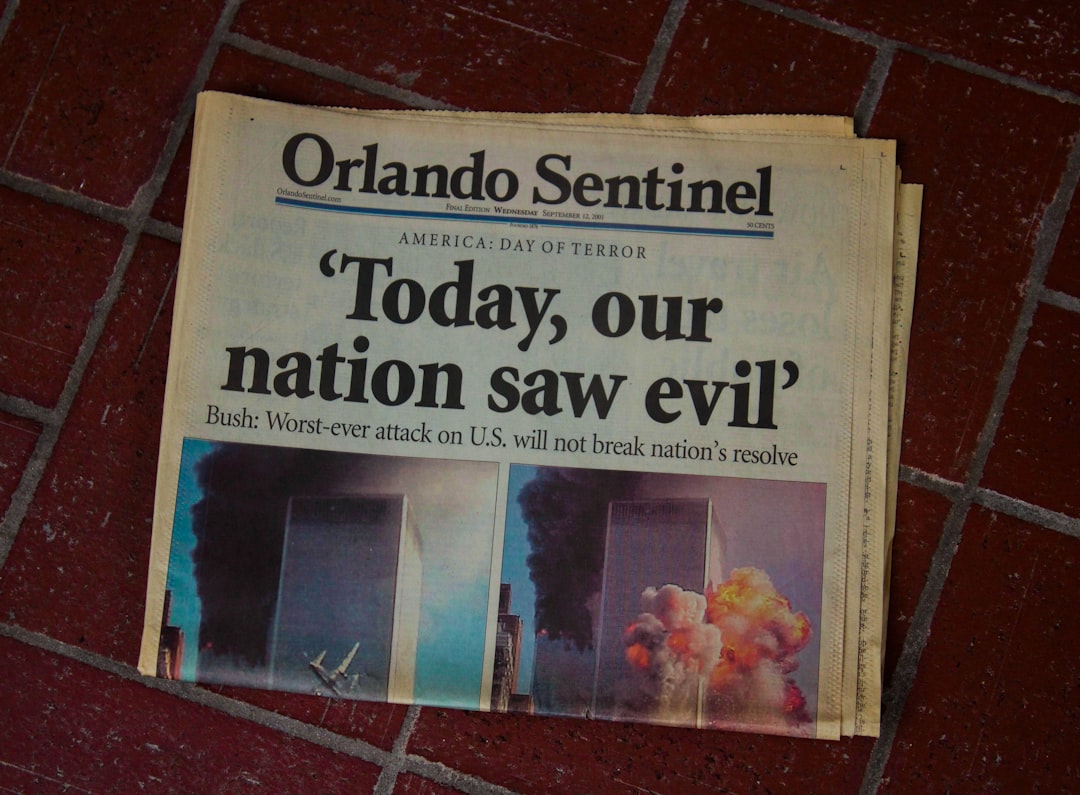
#ExpertSpotlight: The Day That Redefined America: 9/11 and Its Lasting Impact
September 11, 2001 marked a pivot in American history—a day when the nation’s sense of safety was shattered, and its collective identity reshaped. The attacks triggered sweeping changes in security, government authority, social behavior, and even cultural cohesion. Today, the legacy of 9/11 lives on in how we remember, govern, and connect. A Nation in Shock—and Unity On that fall morning, the U.S. witnessed a tragedy that killed nearly 3,000 people and devastated the nation’s psyche. In the immediate aftermath, grief turned into solidarity—as most Americans tuned into televised coverage, felt sadness, anger, and fear, yet paradoxically came together in an extraordinary show of patriotism and trust in institutions. In the months that followed, confidence in government reached levels unseen in decades—fueled by mourning, resolve, and a collective desire to heal. The Rise of “Homeland Security” & Executive Power Almost immediately, the U.S. government unleashed legal and structural transformations. The USA PATRIOT Act, passed just weeks later in October 2001, significantly expanded surveillance and law enforcement powers for domestic security—raising ongoing concerns about civil liberties. Alongside this, the Department of Homeland Security was created in 2002, bringing together 22 agencies to coordinate security against future threats and reinforcing a new era of national vigilance. Economic Shock and Air Travel Overhaul The attacks triggered immediate economic consequences: U.S. stock markets plunged, airlines and insurers suffered heavy losses, and GDP forecasts were revised downward. Meanwhile, the aviation sector underwent a rapid and lasting modernization in security protocols and flight routing. Notably, Canada’s Operation Yellow Ribbon absorbed diverted flights in the chaos, highlighting international cooperation amid crisis. Legal Precedents and Global Conflict Congress quickly approved the broad-ranging Authorization for Use of Military Force (AUMF), enabling the U.S. to pursue adversaries globally—a mandate that has since been interpreted far beyond its original context, shaping nearly two decades of “forever wars.” These legal expansions—and the accompanying conflicts in Afghanistan and Iraq—signaled a new global posture that redefined American foreign policy. Remembering, Serving, and the Legacy Continues In the years since, public memory of 9/11 has evolved—from solemn remembrance to proactive service. Patriot Day, proclaimed a national day of mourning and service, now encourages millions of Americans each year to volunteer in honor of those lost and the unity felt afterward. These acts of service continue to reflect the enduring spirit of resilience and community. Connect with our experts on the history, significance, and lasting impact of 9/11 on American life and policy. Check out our experts here : www.expertfile.com


University of Delaware, in close collaboration with Delaware State Police, the Delaware Association of Chiefs of Police, the Office of Highway Safety, and the Delaware DMV, has co-developed the Blue Envelope Program – now launched statewide as of Aug. 26, 2025. The program offers no-questions-asked, no-ID-required, free envelopes that drivers with disabilities (including communication differences, sensory needs, mobility limitations, or other differences) can keep in their vehicle. The envelope includes space for emergency contact or medical notes, instructions for law enforcement and tips to ensure safe, respectful, clear exchanges during traffic stops. The University of Delaware Center for Disabilities Studies helped review and approve the content and design to ensure inclusivity and accessibility. UD experts – including Sarah Mallory (Associate Director of the Center for Disabilities Studies) and Alisha Fletcher (Director, Delaware Network for Excellence in Autism) – are available to speak about how the program supports an underserved and underrepresented group and improves outcomes in law enforcement encounters. Why This Matters: Traffic stops can be stressful for drivers with disabilities and can lead to misinterpretations or heightened risk. The Blue Envelope helps reduce misunderstandings while preserving dignity and safety. Delaware joins around 10 other states (including Maine, Massachusetts, New Jersey, New York, Rhode Island, and Vermont) in adopting a traffic-stop communication aid for drivers with disabilities This is a practical, no-barrier solution that promotes equity, accessibility, and respectful law enforcement practices. To speak with either Mallory or Fletcher to learn more about the program's development, impact and what’s next, email mediarelations@udel.edu.


Ashley Panichelli, M.D., has been appointed vice chair of the Department of Family and Community Medicine at ChristianaCare. In this role, Panichelli will support the department’s clinical and academic missions. She will help guide quality and safety initiatives and promote a culture of accountability, learning and psychological safety. She will advance education and professional development across faculty and residency programs, assist with strategic planning, mentorship and peer review, and strengthen collaboration across department leadership, faculty and staff. A Delaware native, Panichelli earned her medical degree from Sidney Kimmel Medical College at Thomas Jefferson University and completed her residency and chief residency in Family Medicine at ChristianaCare in 2018. She joined the residency program’s core faculty that same year and has since held several leadership roles, including clinical lead and associate program director. In 2022, she was named clinical director of Academic and Complex Primary Care, a role she continues to support. Panichelli is a clinical assistant professor at Sidney Kimmel Medical College and has been recognized with several honors, including the Delaware Academy of Family Physicians’ Teacher of the Year award and the Department’s Rising Star award. She completed ChristianaCare’s ACT course, the LEED-R elective, and the Harvard Medical Director Leadership Institute. She was an Emerging Leaders Institute scholar with the American Academy of Family Physicians Foundation. She reports to Erin Kavanaugh, M.D., FAAFP, chair of the Department of Family and Community Medicine.



Are raw oysters safe to eat? A seafood expert has answers
Two people recently died in Louisiana after eating raw Gulf oysters contaminated with the flesh-eating bacteria Vibrio vulnificus. Now that we have returned to the “r” months of autumn, a period historically considered safer to consume the mollusks on the half shell, seafood lovers are rightfully on edge about enjoying what many consider a saltwater delicacy. Evelyn Watts, a seafood extension specialist with the LSU AgCenter and Louisiana Sea Grant, has spent the better part of her adult life working with the seafood industry on the best ways to process and work through regulations about their catches. She wants to set the record straight about the safety of eating Gulf oysters throughout the year. According to the U.S. Centers for Disease Control and Prevention, vibrio is a type of bacteria that thrives in warm, brackish waters, especially between May and October. Watts said that while Louisiana is observing some above-average cases, it is important to remember that vibrio is a seasonal pathogen with most infection cases linked to wound exposure or ingestion. On July 31, the Louisiana Department of Health reported four deaths and 17 hospitalizations from vibrio infections this year. The number of hospitalizations had risen to 22 as of the last week of August. Watts emphasized safe handling and cooking of all Louisiana seafood. Thoroughly cooking oysters and other shellfish eliminates any vibrio risk, she said. “The Louisiana seafood industry follows strict safety protocols, including cold-chain management and traceability systems, which includes the use of tags,” she said. “The tag color indicates if harvest refrigeration times have been followed.” Watts said white-tagged oysters may be consumed raw while those with green tags must be sold for processing and cannot be purchased for raw consumption. “Restaurants are required to post consumer advisories about raw shellfish risks, especially for those with liver disease or weakened immune systems,” she said. “Consumers may purchase oysters either as shellstock — live molluscan shellfish still in the shell — or shucked, where the meat has been removed from the shell.” Watts explained that if consumers intend to purchase shellstock oysters for raw consumption, they must look for the white tag, which confirms the product has followed proper refrigeration protocols. This tag includes key information such as the harvester’s name, the dealer’s name and address, certification number, date of harvest and harvest location. Conversely, pre-shucked oysters or half-shell oysters sold in tubs, bags or trays — whether refrigerated or frozen — are not intended for raw consumption unless the label explicitly states otherwise. “While vibrio is more common in warmer months, it’s important to remember that it can be present year-round," Watts said. "The good news is that by staying informed and choosing properly cooked oysters, consumers can enjoy seafood safely in any season.” According to LSU AgCenter and Louisiana Sea Grant economist Rex Caffey, oysters are the third-most lucrative seafood commodity in the state, behind shrimp and crab. Thus, the recent uptick in illnesses could adversely affect the state’s economy if the public isn’t properly informed on how to mitigate potential infections. “Louisiana is the national leader in oyster production and accounts for more than 75% of Gulf oyster landings,” Caffey said. “The value of Louisiana’s oyster crop has varied in recent years, with an average of $65 million annually from 2022 to 2024.” For additional information about oysters as it relates to handling and production, Watts suggests visiting https://louisianadirectseafood.com/oyster/. Article originally posted here


Are you ready for some football?
From its modest beginnings in the late 19th century to becoming America’s most-watched sport, professional football has not only entertained generations but also transformed communities, economies, and culture. Today, the National Football League (NFL) stands as a global brand, symbolizing both the triumphs and tensions of American life. Early Beginnings Professional football took root in the 1890s, when athletic clubs in Pennsylvania began paying players under the table. In 1920, a group of teams formed the American Professional Football Association, later renamed the NFL in 1922. Early decades were marked by instability, but the league grew steadily, and by the 1950s, with the rise of television, football began capturing national attention. The 1958 NFL Championship Game—dubbed the “Greatest Game Ever Played”—cemented football as America’s sport of the future, setting the stage for the AFL-NFL rivalry of the 1960s and the eventual Super Bowl, first played in 1967. Economic Impact Football is now one of the most powerful economic engines in American sports. The NFL generates more than $18 billion annually, with billions flowing into local economies through stadium construction, tourism, and broadcasting rights. Super Bowl weekend alone can inject hundreds of millions of dollars into host cities. The game has also reshaped industries—from sports broadcasting and advertising to fantasy leagues and legalized sports betting. It drives sponsorships, merchandise sales, and jobs connected to media, hospitality, and infrastructure. Social and Cultural Significance Football’s reach extends beyond the field. It has served as a stage for some of America’s most important social conversations—from racial integration in the 1940s, to gender roles in sports media, to the modern debates over player safety and activism. Figures like Jackie Robinson in baseball broke barriers, but in football, trailblazers such as Kenny Washington (first African American to reintegrate the NFL in 1946) helped reshape opportunity and inclusion. In more recent years, high-profile advocacy by players on issues ranging from racial justice to mental health has placed the sport squarely in the middle of national debates. At the same time, concerns about concussions and long-term health risks have fueled public dialogue on workplace safety and medical ethics, echoing issues seen across many industries. A Lasting Legacy Football is more than a game. It has become a unifying tradition—whether through Friday night lights in small towns, college rivalries that galvanize entire states, or Super Bowl Sunday as an unofficial national holiday. Its economic and cultural significance continues to expand, reflecting both America’s passion for competition and its ongoing social evolution. Connect with our experts about the history and significance of professional football in America: Check out our experts here : www.expertfile.com
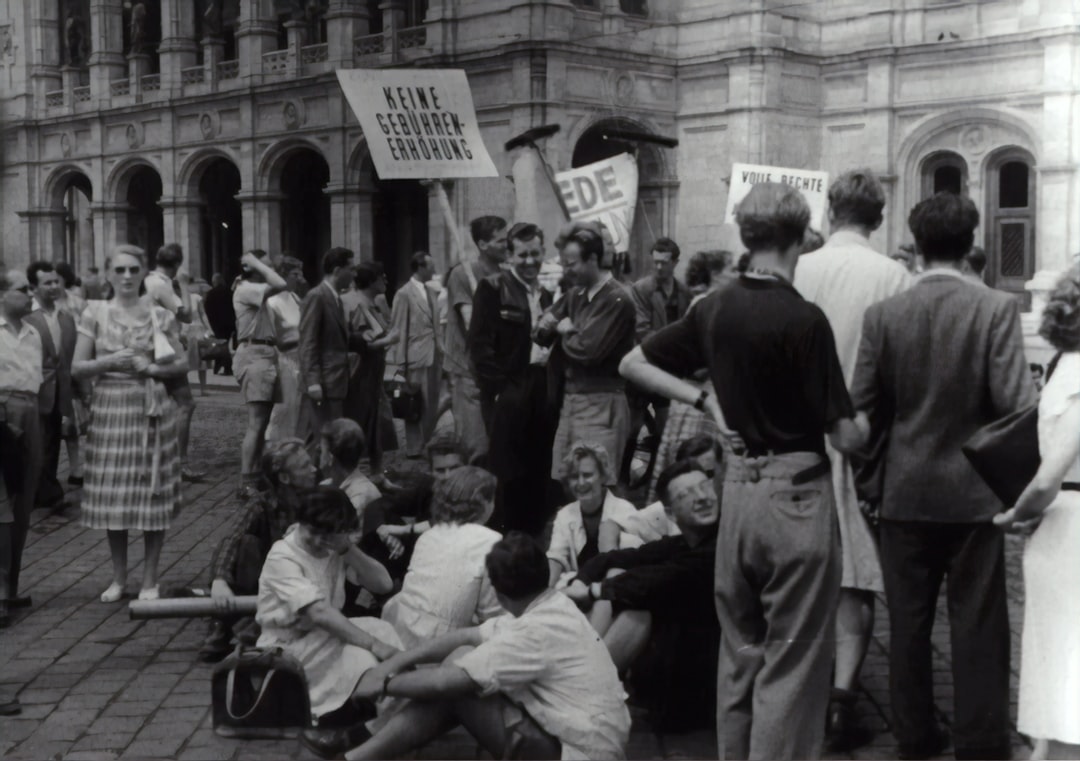
ExpertSpotlight: The History of Labor Day
What began as a modest parade in New York City has grown into a national holiday that honors the contributions of American workers and continues to spark conversations about labor rights today. Observed on the first Monday of September, Labor Day is both a tribute to the workforce and a cultural milestone marking the close of summer. From Parade to Holiday The first Labor Day celebration took place on September 5, 1882, when roughly 10,000 workers marched through New York City in a demonstration organized by the Central Labor Union. The parade, followed by a picnic and speeches, was designed to showcase the unity and strength of trade and labor organizations. The origins of the idea remain contested. Some credit Peter J. McGuire, co-founder of the United Brotherhood of Carpenters, while others point to Matthew Maguire, a machinist and secretary of the Central Labor Union. Regardless of its champion, the concept spread quickly. By the late 1880s, states began adopting Labor Day as an official holiday. In 1894, following a wave of labor unrest that included the Pullman Strike, President Grover Cleveland signed legislation declaring the first Monday in September a federal holiday. Labor Day vs. May Day Unlike May Day (May 1)—which became closely associated with international labor movements and the more radical legacy of the Haymarket Affair of 1886—Labor Day was intended as a uniquely American holiday. Its September placement emphasized unity and recognition without the confrontational overtones of May Day. Over time, this distinction gave Labor Day a broader cultural resonance in the United States. A Living Tradition While barbecues, parades, and retail sales now dominate many Labor Day weekends, the holiday’s deeper meaning endures. It is a reminder of the hard-won gains of the labor movement, from the eight-hour workday to workplace safety protections, as well as the continuing debates over wages, unionization, and economic fairness. Even traditions like the etiquette rule of not wearing white after Labor Day reflect how the holiday shaped cultural norms at the turn of the 20th century. Today, beyond its role as summer’s unofficial finale, Labor Day continues to honor the dignity and achievements of working people across the country. Connect with our experts about the History of Labor Day. Check out our experts here : www.expertfile.com