
Experts Matter. Find Yours.
Connect for media, speaking, professional opportunities & more.
MEDIA RELEASE: Nearly All Manitoba Parents Report Unsafe Driving in School Zones, CAA Study Finds.
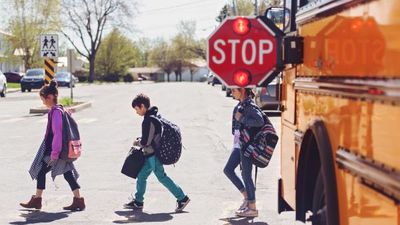
With the new school year days away, CAA Manitoba (CAA MB) is releasing new findings on school zone safety. A recent survey found that nearly all (90 per cent) Manitoba parents and guardians have reported unsafe driving behaviours in their school zone. As a result, most parents (62 per cent) consider their child’s school zone very unsafe. “Every parent wants to see their child to and from school safely,” says Ewald Friesen, manager, government & community Relations for CAA Manitoba. “Driving dangerously in areas where vulnerable road users are active such as children, always presents heightened road safety concerns.” Parents call for greater safety precautions in school zones According to the data, parents cited speeding, drivers blocking school bus zones and distracted driving as the most dangerous driving behaviours they witnessed in their school zone. The study also found that 43 per cent of parents choose to drive their kids to school over walking, cycling or taking a school bus, contributing to the increase in vehicle traffic in these areas. “This is an eight per cent increase in parents driving their children compared to our last survey in 2023,” says Friesen. “Parents stated their reasons for driving their children included convenience and distance between home and school, but the most concerning answer was because of traffic safety concerns.” Most Manitoba parents favour greater safety precautions in school zones, including lower speed limits, enhanced infrastructure, improved enforcement and education. The data shows that the majority of parents (83 per cent) support reducing speed limits in school zones during the school year, a common practice in the province. A majority of parents also believe that automated speed enforcement (ASE) is an effective deterrent to speeding in school zones, while recognizing there are other tools, including speed bumps and digital speed detection signs, as effective ways to slow drivers around their child’s school. CAA Manitoba is encouraging motorists to make responsible driving choices to protect children as they travel to and from school. CAA Manitoba has the following tips when travelling in school zones: Help reduce traffic with active school travel: Encourage your kids to walk or wheel to school to ease traffic congestion. If your school is a further distance, CAA MB encourages parents and guardians to park a block away and walk to school to reduce the volume of vehicles and improve sightlines. Put away distractions: It’s important to put away distractions such as phones and be extra attentive in school zones for both motorists and pedestrians. Slow down: Know and respect the speed limit in your neighbourhood’s school zones. Give yourself plenty of time to drop off your kids at school to avoid rushing. Choose a safe spot to drop off and pick up your children from school: Follow your school’s rules and avoid double parking or stopping on crosswalks, dropping off or picking up your kids on the opposite side of the street, and stopping in moving traffic as kids rush out. Instead, use the designated drop-off areas or consider a spot a bit farther away from school that is easily accessible and safe. Make eye contact with pedestrians: With the excitement of going back to school, anticipate that children may not easily see or hear your moving vehicle, so make eye contact with pedestrians crossing the road. Stop for school buses: Never pass a stopped school bus with an activated stop arm and flashing red lights as children get on and off the bus. Passing a school bus as it loads and unloads children – not only is this dangerous, but it’s also illegal. Watch for CAA School Safety Patrollers: When travelling through school zones, watch for CAA School Safety Patrollers in their lime green safety vests, as they play an important role in ensuring the roadway is safe before kids cross on their own. Visit schoolpatrolmanitoba.com for more information. CAA supports safety in school zones through the CAA School Safety Patrol® program. The program was developed to protect, educate and empower elementary school children on safe road-crossing practices. For more school zone safety tips, visit caamanitoba.com/schoolzonesafety. The online survey was conducted by DIG Insights in May 2025, with 516 Manitoba parents/guardians with children attending school from kindergarten to grade 8. Based on the sample size of n=516 and with a confidence level of 95 per cent, the margin of error for this research is +/- 3%.)



New findings from CAA South Central Ontario (CAA SCO) show that parents believe that school zone congestion is increasing. Eight in 10 Ontario parents report traffic buildup during both drop-off (81 per cent) and pick-up (84 per cent) times. These numbers are up from 77 per cent and 79 per cent in 2024, respectively. “Every parent wants to see their child get to school safely, and an increase in vehicle traffic in these areas can pose a serious safety risk to young road users,” says Lauren Fisher, manager, government relations for CAA SCO. “Our survey reveals that parents are choosing to drive their kids to school because of the distance between home and school, convenience and traffic safety concerns.” Parents Support Stricter School Zone Safety Measures A majority of parents (83 per cent) have reported seeing unsafe driving behaviours in their child’s school zone – up three per cent from 2024. As a result, most parents (63 per cent) consider their child’s school zone very unsafe, a number that has climbed since 2023 (55 per cent). “Speeding, stopping in undesignated areas and double parking are all commonly reported unsafe driving behaviours parents see in their child’s school zones,” says Fisher. “To help deal with that, most parents are in favour of increasing safety precautions in school zones, including improved enforcement and penalties.” Most parents are in favour of reducing the speed limit in school zones, with nearly half considering 30km/h as the most appropriate speed in these areas. Many parents also believe that automated speed enforcement (ASE) effectively deters speeding in school zones. With the new school year just days away, CAA SCO encourages motorists to make responsible driving choices to protect children as they travel to, from and around school. CAA SCO has the following tips when travelling in school zones: Help reduce traffic with active school travel: Encourage your kids to walk or wheel to school to ease traffic congestion. If your school is a further distance, CAA SCO encourages parents and guardians to park a block away and walk to school to reduce the volume of vehicles and improve sightlines. Put away distractions: It’s essential to put away distractions such as phones and be extra attentive in school zones, for both motorists and pedestrians. Slow down: Know and respect the speed limit in your neighbourhood’s school zones. Give yourself plenty of time to drop off your kids at school to avoid rushing. Choose a safe spot to drop off and pick up your children from school: Follow your school’s rules and avoid double parking or stopping on crosswalks, dropping off or picking up your kids on the opposite side of the street, and stopping in moving traffic as kids rush out. Instead, use the designated drop-off areas or consider a spot a bit farther away from school that is easily accessible and safe. Make eye contact with pedestrians: With the excitement of going back to school, anticipate that children may not easily see or hear your moving vehicle, so ensure to make eye contact with pedestrians crossing the road. Stop for school buses: Never pass a stopped school bus with an activated stop arm and flashing red lights as children get on and off the bus. Passing a school bus as it loads and unloads children – not only is this dangerous, but it’s also illegal. Watch for CAA School Safety Patrollers: When travelling through school zones, watch for CAA School Safety Patrollers in their lime green safety vests, as they play an important role in ensuring the roadway is safe before kids cross on their own. Visit caaschoolsafetypatrol.com for more information. For more school zone safety tips, visit caasco.com/schoolzone. CAA supports safety in school zones through the CAA School Safety Patrol® program, developed to protect and educate elementary school children on safe road-crossing practices. CAA’s Ontario Road Safety Resource is a toolkit with valuable lesson plans for teachers to help educate students about road safety. To learn more, please visit www.caasco.com/schoolzone. The online survey was conducted by DIG Insights in May 2025, with 1,511 Ontario parents/guardians with children attending school from kindergarten to grade 8. Based on the sample size of n=1,511 and with a confidence level of 95 per cent, the margin of error for this research is +/- 2%.)


Are GCSEs delivering for students and society?
Ahead of the GCSEs results being released on Thursday 21 August Aston University work psychologist, Dr Paul Jones, discusses whether the exams are fit for purpose. He believes that our exam system narrows thinking, and GCSEs emphasise “right answers” and rote recall, creating risk-averse learners who are afraid to fail or think differently. Exams are harming wellbeing GCSEs were designed in the 1980s, when many left education at 16. Today, almost all young people continue to 18, yet they still face a stressful halfway checkpoint that often does more harm than good. Research shows GCSEs are linked to anxiety, sleeplessness and even self-harm. This isn’t about students being “less resilient”, t’s about a system that has prioritised bureaucracy, league tables, and exam statistics over wellbeing. GCSEs don’t prepare students for life Exams reward the ability to memorise and recall under pressure, but the world beyond school demands much more. Employers and universities want young people who can think critically, manage their own learning, collaborate, and adapt. By the time many reach university, students are burnt out from years of high-stakes testing. They often struggle with independence, risk-taking, and curiosity, the very qualities they need to succeed. Over-assessment stifles innovation Our exam system narrows thinking. GCSEs emphasise “right answers” and rote recall, creating risk-averse learners who are afraid to fail or think differently. Innovation, however, requires psychological safety: the freedom to explore, experiment, and make mistakes. In a world where AI can already handle routine tasks like recall and pattern analysis, the human edge lies in breaking moulds, challenging assumptions, and combining knowledge in new ways. Our current system suppresses exactly those skills. Moving GCSEs into the future We need fewer, smarter assessments and a curriculum that builds creativity, resilience, and innovation. Other countries use project-based learning, portfolios, and sampling tests to capture what young people can really do. Wales is already embedding wellbeing and digital skills into its new curriculum. England risks being left behind if it continues to cling to an exam-heavy model designed for a different era. The bottom line Our young people deserve an education that prepares them for life, not just for exams. We should be measuring what really matters: wellbeing, creativity, and the ability to thrive in a fast-changing, AI-driven world. To speak to Dr Jones or for any media inquiries in relation to this please contact Nicola Jones, Press and Communications Manager, Aston University on (+44) 7825 342091 or email: n.jones6@aston.ac.uk


Planned Changes to EPA Policy Likely to Impact Public Health and Safety
Dr. Jase Bernhardt, associate professor in Hofstra’s Department of Geology, Environment, and Sustainability, was interviewed by Newsday about the planned revocation of 2009’s endangerment finding, and how it may impact health and safety on Long Island. The endangerment finding was a scientific declaration that determined carbon dioxide and other greenhouse gases endanger public health. Dr. Bernhardt said the consequences from rescinding the endangerment finding will be damaging but suggests they are likely to be incremental and slower for the public to discern. “It’s going to be more gradual,” he said. “There’s not going to be that singular event where you can say ‘this definitely had an immediate effect right here.’ It’s a long term change.”


This article is republished from The Conversation under a Creative Commons license. Read the original article here. The last few weeks of summer, heading into Labor Day weekend, can sometimes mean vacations and driving more miles on the road for all people, including teens. Traffic crashes are the No. 1 cause of death for teens, and the crash rate for teen drivers is disproportionately higher than the share of licensed teen drivers. In addition to this grim statistic, summer is the riskiest time for teen drivers. The 100 deadliest days represent the period from Memorial Day to Labor Day when the number of fatal crashes involving teen drivers dramatically increases. A third of each year’s teen driver crashes occur during the summer. We are scholars who research transportation safety and teen driver behavior. Our expertise helps us understand that these 100 days are not just a statistical fluke – they reflect a dangerous intersection of factors such as inexperience and a propensity to take risks. What makes summer different? Regardless of the season, some teen drivers engage in risky behaviors that increase their likelihood of a fatal crash, such as getting distracted, driving with friends in the vehicle, driving under the influence, not wearing seat belts and a lack of hazard awareness. Teens also have more free time in the summer, since most aren’t in school. Combined with the longer days and better weather, teens drive more over the summer. More time on the road means more risk, especially for inexperienced drivers. Teens may also be more likely to drive after dark during the summer, in comparison to more experienced drivers. But nighttime driving is also when visibility is reduced and crash risks are higher, particularly for teens who haven’t fully developed the skills necessary for night driving. This increased exposure, in addition to teens’ general risky driving tendencies, contributes to the 100 deadliest days for teen drivers. The increased crash risk for teens over the summer isn’t equally distributed either. Crashes with teen drivers that lead to serious injuries are more likely to occur with male drivers, in rural areas, for those of lower socioeconomic status and for those with disorders, such as attention deficit and hyperactivity disorder. Teaching young drivers Driver’s education programs are the formal method to teach teen drivers the rules of the road. In driver’s education programs, teens receive information about driver and road safety though classroom and behind-the-wheel instruction in preparation for the licensing exam. Some states require teens to complete a driver’s education course if they want to receive a license under the age of 18. Of teens who have a license, nearly 80% of them have gone through some form of driver’s education. Though driver’s education programs can be helpful, their effects are not equally felt. In some states, teens and their guardians must pay out of pocket for driver’s education courses to obtain a license. This makes driver’s education and, as a consequence, obtaining a driver’s license inequitable. There are also driving school deserts – areas where the poverty rate is 20% or above and there are no behind-the-wheel driver education courses within a 10- to 15-minute drive. This makes driver education courses inaccessible. Many of these driving school deserts happen to be in areas with high populations of minorities. Over 20 years ago, graduated driver licensing was introduced to reduce teen crash rates. This is a phased licensing system wherein teen drivers are restricted in terms of when, where and with whom they can drive until they turn 18. Such a system allows teens to gradually learn and gain experience with driving over time. Graduated driver licensing has been implemented in all 50 states, and it has been shown to reduce teen driver crash rates. However, its effectiveness is limited to those who participate in the system. A large number of teens are unlicensed and are of low socioeconomic status. Many of these unlicensed teens forgo the entire process and remain unlicensed but still drive, well into their 20s when the graduated driver licensing restrictions are lifted. Making summer safer There are two things people can do to turn the 100 deadliest days into the 100 safest days. First, it is important that communities offer free supplementary training programs for teen drivers, because becoming a safe and responsible teen driver shouldn’t be limited to those with resources. As one example, in collaboration with industry partners, we have developed a program called Risk-ATTEND. It is a free, online, evidence-based program that teaches teen drivers how to anticipate risks while driving. Our research has shown that programs such as these can improve teen driving skills and may be especially effective for teen drivers in high-poverty areas. Second, our research has shown that parents and guardians still play an important role in influencing teen driver behavior. Studies show that teens mirror the behaviors they observe: If they see adults text and drive, they’re more likely to do the same. Once teenagers become old enough to drive, it is also important to establish rules and guidelines about expectations to establish clarity and accountability. Written agreements or checklists can address high-risk conditions such as nighttime driving, driving with other young passengers, phone use and adherence to speed limits. Systems to help monitor and enforce rules have been shown to be effective in improving teen driver behavior. One such program is Checkpoints, which is a Connecticut-based program in which families agree to limit teen driving during high-risk conditions. Teens face consequences for violating these limits, such as a temporary loss of driving privileges. However, the limits are gradually lifted as they gain driving experience. More than rules matter Ultimately, preventing crashes in the summer and beyond extends beyond mere adherence to regulations. Avoiding them fundamentally hinges on cultivating a robust safety culture that emphasizes a collective commitment to risk reduction and continuous improvement in driving practices. For teens, the summer months present unique challenges and opportunities. Drawing on best practices, such as training programs, teens can build essential skills in varied conditions before gaining full, unsupervised privileges.



Aston University researcher investigates safety risks of secondhand cosmetics sold online
As second-hand beauty products grow in popularity, so do questions about their safety. At Aston University, Dr Amreen Bashir, senior lecturer in biomedical science, is leading an academic investigation into the microbiological risks associated with pre-owned cosmetics being sold through online platforms like Vinted and Facebook Marketplace. The project, which has received ethical approval from the University’s Health and Life Sciences Ethics Committee, will assess the types of bacteria and potential contaminants found in used cosmetics – such as makeup and skincare – when they are resold and reused by new owners. “Second-hand beauty is trending for sustainability and affordability,” said Dr Bashir. “But very little research has explored what’s actually living in those products — and what kind of risk that might pose to everyday users.” Why this matters Pre-owned beauty items are often marketed as sustainable and cost-effective, but without careful handling they can harbour microorganisms – from bacteria to mould – that may cause infections, allergic reactions, or worse. Without knowing when a product was first opened or its expiry date, buyers could be unknowingly using unsafe cosmetics. Dr Bashir’s study will be among the first in the UK to analyse not just contamination, but also expiry timelines, and how low consumer awareness of these dates adds to the risk. The study will explore: • Types of microbiological contamination found in used products • Risks posed by product type (e.g., mascaras vs. powders) • Storage conditions and packaging integrity • Expiry dates and consumer awareness, for example: - Cosmetics have expiry timelines printed as either a date or a small jar symbol with a number (e.g., 6M, 12M, 24M, 36M), indicating months after opening. - Products can be contaminated long before the expiry date if not stored properly. - Dr Bashir’s previous research found that many makeup users didn’t know where to find the expiry date on the packaging and often kept products for years past their safe-use period. Potential to shape consumer safety and regulation With second-hand beauty sales on the rise, the findings could help shape public health messaging, consumer awareness campaigns, and online marketplace guidelines. Results could also support industry discussions on product labelling, returns, and hygiene standards. The project bridges the gap between digital consumer behaviour and health science, with implications for how individuals make purchasing decisions and how regulations adapt to a fast-changing beauty market. ⸻ Want to learn more or collaborate? Updates will be shared through academic publications and public-facing channels once data collection and sample testing are complete. Click on the icon below to connect with: Dr Amreen Bashir, senior lecturer in biomedical sciences Areas of expertise: Clinical microbiology, antimicrobial resistance, bacteria found in food, makeup products, food and water microbiology

LSU Veterinary Teams Recall Courage, Loss, and Lasting Change from Hurricane Katrina Animal Rescues
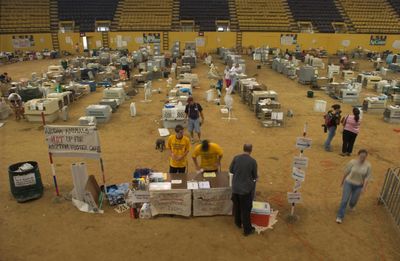
From that tragedy came transformative change, with new animal evacuation protocols and policies, including the creation of the federal Pet Evacuation and Transportation Standards (PETS) Act, which requires state and local disaster plans to include provisions for pets and service animals. LSU School of Veterinary Medicine played a pivotal role in this evolution. In the days and months after Katrina, LSU Vet Med faculty, staff, and students worked alongside state officials, military units, and volunteers from across the nation to rescue, treat, and shelter thousands of animals. Two decades later, Katrina’s scars remain, but so does the resilience of the people and animals who lived through it. Their stories serve as a reminder that in even the darkest moments, compassion can spark lasting change. Rescue in a War Zone Dr. Jenny Sones (then veterinary student): I had been working at LSU Vet Med for five years when Katrina hit. LSU Vet Med put out an ‘all hands on deck’ call to employees. All of our hospital wards were turned into an ER. We opened our homes to complete strangers who came to help. It was organized chaos. Many animals came to us looking like corpses with a heartbeat because they’d been in the flood waters so long. I worked all day at LSU Vet Med, where we saw the sickest, most injured patients, and worked at Lamar Dixon evenings and weekends. Twenty years later, the images are so vivid in my mind. I took a horse trailer on a rescue mission into New Orleans with two students and a state veterinarian escort one week after Katrina hit. The scene looked like a war zone, helicopters everywhere, buildings burning, gunshot sounds. Every area we saw was looted. The stench was awful. There were people on the overpasses who had been there for a week. We were there to rescue animals. Military, Louisiana National Guard, and police brought the animals to us where our trailer was parked on an overpass. We picked up a few strays on our way out. The animals we rescued were so scared. Some had been in the flood waters a long time and were soaking wet and foul smelling. Their skin was sloughing off and they were emaciated. Amazingly, none of the dogs, cats, or horses were aggressive—maybe because they were in shock or they were grateful. We treated them all at Lamar Dixon, washed them with Dawn dishwashing soap and applied betadine. Sick ones were transported by trailer to LSU Vet Med. They were very dark times and very good times too. We were able to get the New Orleans French Quarter mules out to Lamar Dixon. Their caretaker crew stayed with them. They hooked up the mules, still in good shape because they weren’t in the flood waters, and they gave workers short rides around the Lamar Dixon grounds. It was such rewarding work. We were exhausted but in the best way. It would have been easy to get caught up in the devastation if we didn’t focus on our purpose to help animals. You can’t fix everything, but you can fix what’s in front of you. If you can survive the devastation of Katrina, you can survive anything. From Classroom to Crisis Dr. Jenny Sones (then veterinary student): In August 2005, I was starting my second year of veterinary school at LSU. I had no idea that life was about to change so drastically. School was cancelled, and electricity was out most places except at the vet school. My colleagues set up temporary housing in our study rooms and other places throughout the vet school. We then began to learn of the effects of Katrina on our veterinary species—dogs, cats, horses, and more. These precious creatures were the reason why we studied, crammed, and signed up to endure the rigors of veterinary school. It was time to close the books and help! Although we were not licensed veterinarians yet, we were keen to provide aid in any way we could. I, along with lots of my classmates, volunteered at Parker Coliseum on the LSU campus, where displaced small animals were seeking refuge, and at Lamar Dixon, which became the shelter for large animals and small animals. We spend many hours doing anything we could, cleaning litter boxes, refilling water bowls, changing bedding, administering medications, and assisting the heroic volunteer veterinarians working tirelessly to treat the injured, sick, and rescued. Lots of important lessons were learned during Katrina. Many animals were not reunited with their owners. That's when I learned the value of microchipping to permanently identify animals, gained an appreciation for animal search and rescue, and the value of quick response. (Sones is now CSU Equine Reproduction Laboratory reproduction specialist.) Mapping Rescues by Hand Ashley Stokes (former faculty member): It was unlike anything I’ve ever experienced. I was researching and teaching at LSU Vet Med in 2005. LSU Vet Med stepped up in so many ways. We started receiving calls from citizens and local authorities at the vet school almost immediately after the storm. They needed help with resources—animal rescue, food, and water. They had to leave New Orleans quickly. I particularly remember a call from someone from south of Belle Chase, La., who had left horses, cattle, and two dogs in the house and needed help. It was surreal to see the devastation, houses floating, there in the Delta. We were making real-time decisions to help their animals. They’d lost so much, and for some, their animals were all they had left. We put a paper map of Louisiana on the wall and put pins in the locations that called for assistance. We covered all of New Orleans and surrounding areas, including the north shore and extending west to Baton Rouge. We took the callers’ information and sent teams of staff, students, and volunteers to different locations with donated trailers, hay, water, and other resources for rescue. We continued rescues for months after the storm. We were there for people for the long haul. The whole experience was transformational in my life. What I learned from Katrina became part of my own career and what I continue to do. There were beautiful moments, especially seeing how resilient and helpful people could be. I saw every day how the community came together and were absolute bright lights. Positive came from tragedy. (Stokes is now dean of UC Davis College of Agricultural & Environmental Sciences.) The Boxer on the Third Floor Dr. Neil Henderson (alumnus): When Katrina hit, the Louisiana Veterinary Medical Association sent out a request for help from veterinarians. I got to the Lamar Dixon Center on Day 5 after Katrina hit. St. Bernard Parish was where I spent most of my time helping. It was literally destroyed. One day, while we were making our rounds, a man came running up to me and said that he just remembered that while the storm was coming through—he was on the third story of a building looking out of the window—he noticed a dog swimming around frantically with nowhere to go. He opened a window for it with the hopes that it would swim inside the building to safety. Seven or eight days later, with the temperature well into the upper 90s, the man came up to me and asked me to go into the building to see if I could find the dog. I did not have much hope but went anyway. There, on the third floor of the building, I found the dog, a boxer, alive. She was in surprisingly good shape. The man was ecstatic to see the dog and could not believe that it made it inside the building to safety. I stayed for five days helping animals, and my late father (Dr. Robert Henderson, class of 1977) came after that for five more days. (Henderson is the owner of the Pine Ridge Veterinary Center in Stonewall, La.) Article originally posted here.


Dr. Sameer Hinduja is one of the world’s foremost experts on cyberbullying, adolescent mental health, and digital safety. A Professor at Florida Atlantic University’s School of Criminology and Criminal Justice and Co-Director of the Cyberbullying Research Center, he has advised the White House, testified before federal agencies, and worked with schools and tech companies worldwide to protect young people online. View Full Profile→ Amid the U.S. youth mental health crisis, his latest peer-reviewed study, published through FAU Newsdesk, reveals that hope not only boosts well-being and academic achievement but also acts as a powerful shield against bullying and cyberbullying in adolescents. Results, published in the journal Frontiers in Sociology, show that students with less hope were 56% more likely to cyberbully others than their peers over their lifetime, and 57% more likely over the last 30 days. Those with more hope were 36% less likely to cyberbully others over their lifetime and over the last 30 days when compared to their peers with lower levels of hope. The key takeaway? Hope matters. It buffers against the urge to aggress against others online and off. “Hope acts as a powerful protective factor against both school bullying and cyberbullying among youth,” said Sameer Hinduja, Ph.D., lead author, a professor in the School of Criminology and Criminal Justice within FAU’s College of Social Work and Criminal Justice, co-director of the Cyberbullying Research Center, and a faculty associate at the Berkman Klein Center at Harvard University. “When young people believe in their ability to set meaningful goals and stay motivated to reach them, they are far less likely to lash out or harm others. Hope gives them a sense of direction – and that can make all the difference.” Hinduja's previous research has been featured in The Washington Post, where he emphasized that cyberbullying is not just emotionally distressing—it can cause trauma responses in teens that mirror clinical Post-Traumatic Stress Disorder. “As our research clearly shows, cyberbullying in any form — whether it’s exclusion from a group chat or direct threats — can lead to significant trauma in youth,” Sameer Hinduja, a professor in Florida Atlantic University’s School of Criminology and Criminal Justice and the paper’s lead author, said in a news release. “We were surprised to find that no single type of cyberbullying caused more harm than others; all carried a similar risk of traumatic outcomes. This means we can’t afford to dismiss or trivialize certain behaviors as ‘less serious’ — being left out or targeted by rumors can be just as detrimental as more overt attacks.” Why This Matters Now As students return to school this fall, Hinduja’s research offers a clear reminder: digital harm is real harm. Emotional safety in online environments deserves the same urgency as physical safety in school buildings. His work calls for: • Preventive education over punitive responses • Trauma-informed approaches in schools • Support systems that validate and protect victims • Tech accountability and policy reform ⸻ Dr. Hinduja is available for media interviews on topics such as: Adolescent Mental Health • Cyberbullying • PTSD • Digital Safety • School Culture Click on the icon below to connect.


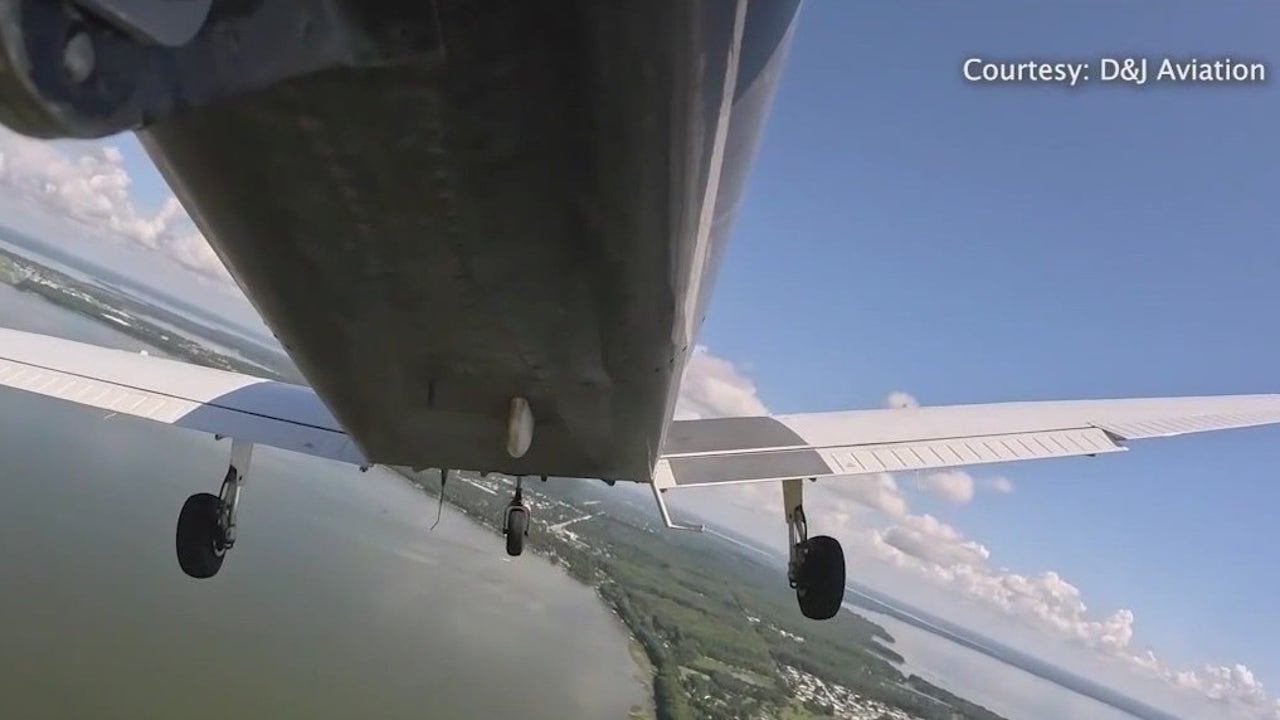
Record-breaking heatwaves are plaguing the U.S. this summer, making it difficult to stay cool. However, the scorching temperatures aren't just affecting us at the ground level — they're disrupting air travel, too, with increasing flight delays and aircraft weight restrictions. Visiting assistant professor of aeronautics Shem Malmquist, a recognized expert in aviation safety and operations, spoke with FOX 35 Orlando about how extreme temperatures can directly impact aircraft performance, particularly at high-traffic airports during the summer. "Temperatures are probably not something people think about," said Shem Malmquist, a graduate lecturer in aviation at Florida Tech. "But the delays just compound on each other. If you start getting delayed because people need more time to take breaks to stay cool, now that flight’s late, and that has a snowball effect." These limitations can affect passenger loads, cargo capacity and overall flight scheduling. As temperatures continue to climb, Malmquist warned that these disruptions could become the new normal — not just a seasonal inconvenience, but a growing challenge for the aviation industry in the face of climate change. A seasoned Boeing 777 captain and accident investigator, Malmquist has spent decades researching aircraft operations and emergency scenarios. He’s also contributed to global conversations on aviation safety policy and climate-related infrastructure resilience. If you’re covering this topic or looking to speak with an expert on the intersection of climate and air travel, Malmquist is available for interviews. Click the icon below to connect with him.



A new survey conducted by CAA Manitoba found that Manitobans are very worried about the dangerous driving they’ve seen across the province, especially distracted driving and speeding. The study found that 88 per cent of Manitoba drivers feel somewhat or very concerned about distracted driving. According to Manitoba Public Insurance (MPI), distracted driving is now the number one cause of fatalities on Manitoba roadways. “It is no surprise that Manitobans are concerned about the dangerous driving they have witnessed, especially when it comes to distracted drivers,” says Ewald Friesen, manager, government & community relations for CAA Manitoba. “What is most concerning, however, is that currently, Manitoba does not have a specific distracted driving law, which could help deter distracted drivers and increase road safety.” CAA Manitoba’s research indicates that almost half (46 per cent) of Manitobans have admitted to being distracted drivers, while most (63 per cent) have witnessed a close-call collision or traffic violation caused by distracted driving. Most concerning, 13 per cent of drivers reported being directly involved in a collision due to distracted driving. Our research found that more than half of Manitobans believe increasing fines and penalties can discourage distracted drivers. “We know that drivers who text are far more likely to be involved in a crash or near-crash compared to non-distracted drivers,” adds Friesen. “Distractions inside and outside your vehicle can draw your focus away from where it needs to be most.” In addition to distracted driving, speeding continues to be a significant problem in Manitoba, and Automatic Speed Enforcement (ASE) may be an additional tool that has been shown in other jurisdictions to help. Additional research conducted by CAA shows that 82 per cent of Manitobans stated that speeding is also a problem this year. That same study found that 65 per cent of drivers support the use of ASE cameras. In fact, almost three-quarters of Manitobans say that ASE can help deter speeding and slow drivers down. “ASEs can be a valuable tool in positively shifting driver behaviour and protecting vulnerable road users, especially in areas with schools and community centres,” says Friesen. “Photo radar cameras should not be used as a revenue generator but rather as a tool to encourage safe driving behaviours, especially in school zones.” As of right now, Winnipeg is the only municipality in Manitoba with the right to use photo enforcement; however, other municipalities continue to lobby for similar rights. In addition to tools such as ASE cameras, Manitobans support higher fines and harsher penalties or suspensions, especially for repeat offenders. Over half of Manitobans (60 per cent) believe increasing the penalties on repeat offenders is the most effective way to discourage drivers from speeding, especially in school zones or near community centres. “CAA Manitoba continues to advocate for safer roads across all municipalities, especially for vulnerable road users,” says Friesen. “Standardized practices across municipalities regarding distracted driving laws and ASE cameras can help ensure that they are used in a predictable way that improves road safety and reinforces public trust.” For more information about dangerous driving and road safety, visit: www.caamanitoba.com/advocacy Speeding and Dangerous Driving Methodology The online survey was conducted by DIG Insights from March 7 to March 19, 2025, with 500 Manitoba drivers aged 18 and older. Based on the sample size of n=500 and with a confidence level of 95 per cent, the margin of error for this research is +/- 3%.) Distracted Driving Methodology The online survey was conducted by DIG Insights from February 11 to February 21, 2025, with 506 Manitoba drivers aged 18 and older. Based on the sample size of n=506 and with a confidence level of 95 per cent, the margin of error for this research is +/- 3%.)