Experts Matter. Find Yours.
Connect for media, speaking, professional opportunities & more.

Aston University researcher takes on leadership role within biomedical engineering
Dr Antonio Fratini is the new chair of the Institute of Mechanical Engineers Biomedical Engineering Division It is one of the largest group of professional biomedical engineers in the UK The specialism merges professional engineering with medical knowledge of the human body, such as artificial limbs and robotic surgery. An Aston University researcher has been given a leading role within the biomedical engineering sector. Dr Antonio Fratini CEng MIMechE has been elected as the new chair of the Biomedical Engineering Division (BmED) of the Institution of Mechanical Engineers (IMechE), one of the largest groups of professional biomedical engineers in the UK. The IMechE has around 115,000 members in 140 countries and has been active since 1847. Biomedical engineering, also known as medical engineering or bioengineering, is the integration of engineering with medical knowledge to help tackle clinical problems and improve healthcare outcomes. Dr Fratini previously served as chair of the Birmingham centre of the division for five years and as vice-chair of the division for one year. His research includes responsible use of AI, 3D segmentation and anatomical modelling to improve surgical training and planning, motor functions and balance rehabilitation. He leads Aston University’s Engineering for Health Research Centre within the College of Engineering and Physical Sciences and has vast experience in the design, development and testing of new medical devices. Currently he is the University’s principal investigator for the West Midlands Health Tech Innovation Accelerator and he has a growing reputation in the UK and internationally within the biomedical engineering profession. He said: “Biomedical engineering is continuously evolving and our graduates will create the future of health tech and med tech for more effective, sustainable, responsible and personalised healthcare. “I am very honoured of this appointment. This three-year post will be a great opportunity to further develop the biomedical engineering profession worldwide and to show Aston University’s commitment to an inclusive, entrepreneurial and transformational impact within the field.” Professor Helen Meese, outgoing chair of the division, said: “I am delighted to see Antonio take on the chair’s position. He has, over the years, contributed significantly to the growth of the Birmingham regional centre and has actively supported me throughout my tenure as chair. I know how passionate he is about our profession and will undoubtedly continue to drive the division forward over the next three years.” Dr Frattini was presented with his new title on 20 June at the IMECHE HQ at 1 Birdcage Walk, London during the Institution’s technology strategy board meeting. For media inquiries in relation to this release, contact Nicola Jones, Press and Communications Manager, on (+44) 7825 342091 or email: n.jones6@aston.ac.uk


New research from Goizueta’s Diwas KC unpacks the dual impact of Prescription Drug Monitoring Programs on opioid prescriptions and heroin overdose deaths. More than two million individuals in the US are experiencing Opioid Use Disorder (OUD). The CDC defines OUD as “a problematic pattern of opioid use that causes significant impairment or distress.” Around 130 people die of opioid overdoses every day. Perhaps more startlingly, four million people over the age of 12 have reported using pain medication recreationally, including opioids. Prescription opioids are a highly-regulated class of drug. They interact with the opioid receptors on nerve cells throughout the body, as well as the brain, which reduces the intensity of pain signals to the body. For many, they are a necessary prescription to get through the pain of surgery or injury, as the body heals itself. Unfortunately, the function of opioids in the body—releasing endorphins and boosting feelings of pleasure, as well as reducing pain—also make them highly addictive. PDMP: A Successful Federal Mandate The United States continues to see increases in deaths from opioid overdoses. So, federal and state governments have been working in enact policies that are designed to decrease those fatalities. One of the methods states are using to prevent common abuse patterns like “doctor shopping,” which is the pattern of visiting multiple physicians to obtain prescriptions, is the Prescription Drug Monitoring Program (PDMP), designed to be used in conjunction with Health Information Technology (HIT) programs. PDMP serve two purposes: identifying drug-seeking behaviors in patients, and identifying physicians with patterns of inappropriate prescribing. Nearly all 50 states have enacted PDMPs of some degree. Some programs require physicians to check the PDMP before prescribing restricted pharmaceuticals, but in others it’s only suggested. Intrastate communication between PDMPs is not always possible, however. The Unintended Consequences The use of PDMPs has been shown to reduce the number of opioid prescriptions, the intended outcome of the program. Enter a recently published study by Diwas KC, Goizueta Foundation Term Professor of Information Systems & Operations Management. The research shows that during time the research was conducted, prescriptions for opioids declined by 6.1%. However, the research also brought to light a very serious and unintended consequence of the implementation of PDMPs. The study concluded that while the implementation of PDMPs did reduce opioid prescriptions, it did not reduce overall numbers of prescription opioid deaths. In fact, it may have contributed to a 50% increase in heroin overdose fatalities. “The heroin increase was definitely something we were not expecting, it was a total surprise,” says KC. "It was something that we had hypothesized. You’ve got a bunch of individuals who have used prescription opiates and had presumably been dependent. Now with the passage of this PDMP law, it has become more difficult to obtain prescription opiates. Therefore, some people might be forced to turn to the street version of it." Diwas KC “We didn’t expect the effect size it to be as significant as it is,” says KC. Heroin and commonly prescribed opioids like oxycodone and hydrocodone are very similar on a biochemical level. What’s more, they generate a similar sensation in the body, according to KC. That’s why he and his team had the initial hypothesis that some addicted individuals, when unable to get prescription medication, might turn to street drugs, which are much more dangerous on many levels. “There are many aspects to this. One has to do with the potency and the toxicity of the things you get on the streets. There are very little checks and balances on those. There’s no control in quality for sure,” KC says. He also notes the lack of checks and balances on the frequency of usage. “So the frequency of usage, the quality of the substances you’re putting inside your body, and possibly the circumstances of acquiring it might also be very risky too.” A Dual Impact The research concludes that mandating PDMP use is an example of a successful use of policy for intervention. It does, in fact, decrease the number of opioid prescriptions available to patients. That’s critical information for policy makers and physicians to take in. And it’s a solid reason to keep using and expanding PDMP usage, according to KC. "I should point out very clearly that the policy did have the intended effect of reducing prescriptions. So, it definitely benefited people who might otherwise have become addicted." Diwas KC “By reducing unnecessary prescriptions it might have limited the number of people who would have gotten hooked on the drugs in the first place. So there’s definitely the benefit of that,” says KC. “It’s just that when the policy was implemented, there was also this side effect because of people who were already using it. So, when those people were forced to look for alternatives, that’s when things got bad.” Research papers like this one show an important side of using data to mark successes and failures of government policies. Taken on the surface, data can show a policy’s impact for the greater good. But a deeper dive into the surrounding data—like the increase in heroin use after the implementation of PDMPs—gives everyone a better idea of the full impact of this mandate. "Policies have intended as well as unintended consequences. In this case of PDMP it had the desired effect of reducing prescriptions. That probably helped a lot of people not get addicted to opiates in the first place." Diwas KC “But sometimes policies also have unintended consequences,” says KC. “Like in the case of people who were already addicted to painkillers suddenly stopping it, causing them to take drastic actions, and that’s what happened for some of the people in the study. Policies need to consider the possibility of unintended consequences and take actions to also mitigate those unintended consequences.” Interested in knowing more? Diwas KC is the Goizueta Foundation Term Professor of Information Systems & Operations Management. He is available to talk about this important topic - simply click on his icon now to arrange an interview today



First in Delaware to Offer MR-Guided Ultrasound for Treatment of Essential and Parkinson’s Tremor
Revolutionary technology gives patients immediate relief from debilitating tremors without the need for invasive surgery. ChristianaCare is the first health care provider in Delaware to offer FDA-approved focused ultrasound treatment for people suffering from essential tremor and Parkinson’s disease. The new option – called MR-guided focused ultrasound – uses sound wave energy to destroy precise areas of brain tissue that is the source of the tremor. No surgical incision or anesthesia is necessary, and many patients experience immediate and significant reduction in tremors, which can make daily activities challenging. Dr. Martello explains that the procedure involves the use of high-frequency sound waves directed with pinpoint precision by magnetic resonance imaging to ablate, or burn, the focal point deep within the brain that is causing tremors. “This minimally invasive technology dramatically improves the lives of patients with essential tremor and tremor-dominant Parkinson’s who haven’t fully responded to traditional treatments,’’ said Justin Martello, M.D., director of the Parkinson’s and Movement Disorders Programs, and Focused Ultrasound Program at ChristianaCare. What is tremor? Tremor is a neurological condition that includes involuntary shaking or trembling movements in one or more parts of the body. It most commonly affects the hands and can make daily tasks such as writing, eating and using a computer or phone extremely difficult. Tremor affects approximately 1% of the population overall and 5% of adults age 60+. It is expected to increasingly impact Delawareans as the state’s population ages. Essential tremor is the most common type of tremor. It can occur at any age but is most common in older adults. Tremor is also the most well-known symptom of Parkinson’s disease. An estimated 1.5 million Americans suffer from Parkinson’s disease, a progressive neurodegenerative disease that affects movement and can also affect speech, balance and cognitive function. A newer, better option for patients who don’t respond to medications The procedure of MR-guided focused ultrasound involves the use of high-frequency sound waves directed with pinpoint precision by magnetic resonance imaging to ablate, or burn, the focal point deep within the brain that is causing tremors. Patients are fitted with a frame affixed to a specialized helmet that combines the focused energy of more than 1,000 high-frequency sonic beams directed through the skull. The treatment does not require cutting through the skull, or radiation, as in gamma knife technology. “Today, there are basically three options for managing tremor,” said Pulak Ray, M.D., of Delaware Neurosurgical Group and associate director of the Focused Ultrasound program. “The first is medication, which is effective and affordable for many patients, but its effectiveness tends to diminish over time. The second is deep-brain stimulation, which is the most invasive and costly treatment option. The newest is MR-guided ultrasound, which tends to be the preferable option for most patients who do not respond well to medication, because it is a simple, non-invasive outpatient procedure that is highly effective, safe and produces instant results.” Benefits of MR-guided Focused Ultrasound MR-guided focused ultrasound reduces tremor immediately, with shorter recovery time, lower risk of side effects and lower associated health care expenses compared to surgical alternatives. This treatment dramatically improves patient experience and quality of life for people with Parkinson’s disease or essential tremor. For many patients, MR-guided ultrasound reduces their dependence on caregivers to assist with activities of daily living. Candidates must first undergo a CT scan to ensure a skull density sufficiently thick to accommodate the procedure. The patient is awake during the procedure and situated within an MRI machine for real-time imaging of the brain. The physician tests the precise location by heating the area, then ensuring the patient is able to control tremors by tracing lines on a spirograph. At that point, the physician then permanently ablates the focal point, usually a sphere a few millimeters in length. “Our team is very excited to bring this technology to Delaware and to open up access to potentially life-changing treatment that until now has required long wait times and significant travel for patients,” said Kim Gannon, M.D., Ph.D., medical director of the comprehensive stroke program and physician executive of Neuroscience Service Line at ChristianaCare. “Many tremor patients have suffered for years or even decades with this debilitating and progressive condition and helping them live a more active and independent lifestyle is extremely rewarding.” MR-guided focused ultrasound is covered by Medicare and most insurance plans.


Oh, Ozempic … Is THIN Back In?
After decades of what seemed like progress away from the obsession for “wellies” and “thigh gaps” the thin-is-in mentality seems to be creeping back into the spotlight to weigh on women’s minds – especially on social media. Channeling the renewed fascination with and focus on slimness, University of Mary Washington Assistant Professor of Communication Emily Crosby, and Associate Professors of Communication Adria Goldman and Elizabeth Johnson-Young, presented a talk titled "Social Media and the Changing Current of Health Messaging and Debates." Crosby's presentation, "Ozempic is Cheating!: Articulating a Digital Turn in Diet Culture," looks at the discourse surrounding Ozempic on social media. Employing feminist rhetorical criticism, Crosby analyzes posts and commentary to identify themes and conventions of analog and digital diet culture. This research articulates the digital turn in the "cult of thinness," to expose how medical injectable weight loss drugs undermine the body positive movement by invoking clinical technology as ethos. Goldman's presentation, "#SocialSupport: Examining the Informative and Emotional Functions of Bariatric Surgery Support Groups on Facebook," investigates the functions of digital support groups in assisting with mental well-being and emotional regulation for people considering, undergoing or recuperating from weight loss surgery. This research examines Facebook’s ability to function as both an informative and emotional resource for the bariatric surgery community. Johnson-Young's presentation, "Sugar, Snacks and Weight: An Examination of Posts and Parent Reactions to the Challenges of Nutritional Health Norms on the Growing Intuitive Eaters Instagram," examined posts and comments on an influencer's account. The research is rooted in both health behavior theory and non-evaluative and trust-based communication around food and nutrition. Preliminary findings show a variety of themes regarding reactions to the influencer's posts, from anger and resistance to relief and excitement. Weight loss, wellness and the enormous amount of attention this topic is getting has journalists looking for answers. And if you're covering or are looking to know more - we can help. All three University of Mary Washington experts are available to speak with media - simply click on an icon now to arrange an interview today.




American College of Surgeons Recognizes ChristianaCare for ‘Meritorious’ Surgical Outcomes
ChristianaCare has been honored as one of only 78 institutions out of 615 by the American College of Surgeons (ACS) Clinical Congress for achieving “meritorious” outcomes in surgical patient care. This is the 10th time that ChristianaCare has been recognized through the organization’s National Surgical Quality Improvement Program – also known as ACS NSQIP – which is the only nationally validated quality improvement program that measures and enhances the care of surgical patients. “Patients can be confident that when they come to ChristianaCare for surgery, they are receiving care from a team that has a long track record of national recognition for outstanding quality and safety. Receiving this recognition for the 10th time is a direct result of our commitment to excellence and providing world-class surgical care to our community,” said Matthew Rubino, MD, MBA, FACS, interim chair of ChristianaCare’s Department of Surgery. “These awards reflect the commitment to excellence by all our surgeons and caregivers within Perioperative Services. We look forward to progressing on our journey of continuous improvement, anchored by our values of love and excellence.” The award recognizes ChristianaCare’s coordinated delivery of perioperative care within the general, colorectal, neurologic, orthopaedic and oral and maxillofacial and otorhinolaryngology (ear, nose and throat) surgery specialties. It includes Christiana Hospital and Wilmington Hospital, as well as the Christiana Surgicenter in Newark, Delaware, representing a combined total of nearly 38,000 surgical procedures a year. That volume represents the 46th highest volume of surgeries among health systems nationwide. The ACS NSQIP measures actual surgical results 30 days after the operation and makes risk adjustments to compensate for differences among patient populations and acuity levels. Participating hospitals are required to track the outcomes of inpatient and outpatient surgical procedures and then analyze their results, which direct patient safety initiatives within the hospital and impact the quality of surgical care. ChristianaCare was honored with ACS NSQIP recognition for its performance in eight clinical areas: Mortality. Cardiac arrest and heart attack. Pneumonia. Unplanned intubation. Ventilator use for longer than 48 hours. Renal failure. Surgical site infections. Urinary tract infection.


Jacqueline Ortiz Honored for Increasing Patient Access to Interpreter Services
Fifty-eight years ago, a young man from Argentina wound up in surgery at a California hospital after stomach pains turned out to be peritonitis, a potentially life-threatening inflammation of the membrane lining the abdominal wall. He was discharged to his wife’s care, with one problem — neither the man nor his wife had any idea how to care for the open wound in his abdomen. Jacqueline Ortiz The couple did not understand the lengthy instructions delivered in English, and there was no interpreter to explain to them in their native Spanish what to expect. So, when the man tried to take a bath and discovered the gauze was stuck to his wound, he didn’t know what to do. Fear and uncertainty compounded an already stressful time. Jacqueline Ortiz wasn’t yet born when her father’s health care emergency took place, but growing up she heard the story over and over. It was more than family lore for Ortiz — it was a lesson. Ortiz said she wanted her mother, pictured with her at the DVTA event, to see the growing number of people working as interpreters to ensure people get the information they need in the language they understand. Ortiz, now the vice president for Health Equity and Cultural Competence at ChristianaCare, saw firsthand how the experience left her parents terrified of the medical environment. Removing barriers to good health Years later, Ortiz is a leader in advocating for patients to have access to qualified, culturally responsive medical interpreting services to remove communication barriers with providers and ensure the best possible care and outcomes. “Language access is what fills my heart and soul,” Ortiz said. Her pioneering efforts and enthusiasm for promoting the use of trained interpreters in health care earned Ortiz the inaugural Making an Impact Award from the Delaware Valley Translators Association (DVTA) during an event Sept. 9 at Widener University. In her role at ChristianaCare, she builds the organization’s capacity to reduce the incidence of disease and improve health outcomes, advance equitable health care services, and reduce health disparities for identified conditions and target populations through culturally competent care, including providing health care in patients’ native languages. She has over 20 years of experience researching, teaching and working in cultural competence and health equity, social networks, and economic sociology. “Language access is what fills my heart and soul,” Ortiz said. A vision for serving everyone Eliane Sfeir-Markus, CHI, president of the DVTA, said the award recognizes the efforts of those working to make interpreting and translation more available to people with limited English proficiency, and those who are deaf or hard of hearing. Ortiz’s pioneering work to expand language services for patients and implement comprehensive cultural competence training at ChristianaCare have set a standard for caring for patients in their native languages. “Jaki’s vision for a health care system that truly serves everyone, regardless of their cultural or linguistic background, is inspiring,” Sfeir-Markus said. “We as patients deserve someone who knows our culture to take care of us.” ChristianaCare has more than 20 health care interpreters and over 100 caregivers who have undergone additional training to provide interpreting services when needed. ChristianaCare has more than 20 health care interpreters — who wear eggplant-colored uniforms — and over 100 bilingual caregivers who have undergone special training to serve as interpreters in some settings. “Jaki is a well-known name in the field of interpreting and translation because she has advocated for education and professionalization of interpreters in health care,” said Claudia Reyes-Hull, MArch, CMI, CHI, manager of Cultural and Linguistic Programs at ChristianaCare. “Thanks to her advocacy, more health care systems are recognizing the need to have trained interpreters for their patients.” In accepting the award, Ortiz said interpreters play a critical role in health care by making it possible for patients — and their families — to take an active role in their own care and decrease the anxiety over visiting a health care provider. She credited the success of ChristianaCare’s interpreting and translations services and its continued growth to the collaborative spirit and camaraderie among its team of caregivers, particularly Reyes-Hull. Ortiz said her family’s personal experience with a lack of interpreting services during a hospital stay made them anxious about health care for years. “Probably all of us in this room have walked into a courtroom or a lawyer’s office or a hospital room or a clinic and introduced ourselves and seen that immediate response and relaxation in the person we were speaking with,” Ortiz said to the translators at the DVTA event. “You make those interactions within our legal, educational and health care systems so much better.”


As Popularity of Weight Loss Medicine Soars, Professionals Caution Against “Magic Pill” Mindset
A growing weight-loss fad has been dominating headlines this summer. No, it isn't a new type of trendy diet, exercise regimen or social media influencer-touted superfood. It's two medications—Ozempic and Wegovy—that have skyrocketed in popularity as more Americans turn to these once-weekly injections to aid in their weight loss efforts. But, while acknowledging the drugs' effectiveness, their intended patient populations and appropriate usage has become far more nuanced and situational, and the intended outcome of long-term weight loss and health is dependent on more than just taking either of these medications once a week. "While these medications can be helpful for some people who struggle with weight loss, it's important to remember that they are not a magic solution," said Rebecca Shenkman, MPH, RDN, LDN, director of the MacDonald Center for Nutrition Education and Research at Villanova University's M. Louise Fitzpatrick College of Nursing. First, it's important to understand the components and histories of both Ozempic and Wegovy. They are prescription medications of the same drug, semaglutide, which belong "to a class of drugs known as glucagon-like peptide-1 (GLP-1) receptor agonists, originally developed to treat type 2 diabetes," per Shenkman. It was discovered by researchers that significant weight loss was a side effect of semaglutide. Ozempic is the 2017 FDA-approved drug used to help treat diabetes. Currently, it is not FDA approved for weight loss and typically not covered by health insurance when used for that purpose, per Shenkman, but is often prescribed off label for "weight management in certain individuals who do not have diabetes, but struggle with obesity or [are] overweight." Wegovy was approved by the FDA in 2021 as an anti-obesity drug used for individuals living with obesity or individuals with excess weight, but not classified as living with obesity, who also have other associated health problems. "When used correctly, the drugs can have many benefits," Shenkman said. "[Semaglutide] is shown to improve diabetes and body weight in addition to seeing improvements in cardiovascular health and risk factors." However, "correct use" is what concerns Shenkman and other health and nutrition professionals. "Anti-obesity drugs are a valuable tool for people who have not experienced adequate benefit from self-directed or professionally directed lifestyle treatment," she said. "However, what we are seeing more and more of now is that people are requesting anti-obesity medications without meeting eligibility criteria for drug use, [such as] body mass index and weight criteria, [or] having the foundational knowledge and application of healthy lifestyle behaviors prior to medication use." To Shenkman's first point, there are several factors, especially in American society, driving those who may not meet the criteria for these medicines or even truly need them to request and ultimately receive the drugs. The media's portrayal of ideal body image is an enormous influence, which can lead to "body dissatisfaction and a desire for quick weight loss solutions," said Shenkman. Advertisements for these drugs often promote those ideas, and even downplay side effects, making them more appealing. Intrinsically tied to body image is the struggle many individuals have with psychological issues related to food, such as emotional or binge eating. "They feel that their self-worth is tied to their weight, and they will do almost anything to lose weight, whether it be five or 50 pounds." Shenkman said. "These individuals might believe that medication will help them control their eating habits more effectively." Identification of such issues prior to prescription approval is something that providers need to be aware of and screen for, Shenkman said. "It is so important for providers to complete a comprehensive pre-treatment assessment of their patients who start on weight loss medications. Unsupervised or improper use can lead to malnutrition, unhealthy weight loss or even a worsening of an undiagnosed or undertreated eating disorder or mental health condition." But even users who meet all pre-treatment criteria may be turning to the drugs in haste, or believe that they alone will solve their problems, and do so quickly. "Americans are known for having that 'quick-fix mentality' where people often seek quick solutions to their problems, including weight loss," Shenkman said. "Weight loss medications might promise faster results compared to lifestyle changes, which can take time and dedication." Compounding this "quick-fix mentality" is the frustration many feel when they fail to see results after multiple unsuccessful attempts at weight management. "The abundance of information on diets, exercise routines and weight loss programs can be overwhelming… Some may turn to medications as they seem more straightforward and require less effort to understand," explained Shenkman. But, as health care providers know, they are far from straightforward. All drugs, including Ozempic and Wegovy, come with the potential for side effects, which can vary with the individual. Headlines this summer focused on reports of users experiencing gastroparesis, described by Shenkman as the "the slowing down or 'paralysis' of the digestive system and gastric (or stomach) emptying." Though most often reported to cause nausea and vomiting, complications of gastroparesis can be quite serious. "If someone continues the medication and experiences chronic gastroparesis, complications to be aware of include malnutrition, dehydration, acid reflux, blood sugar control and even bowel obstruction," Shenkman said. The American Society of Anesthesiology also recently issued guidance on the use of such drugs prior to surgery, given potential life-threatening complications. "When prescribing anti-obesity medication, it is the responsibility of healthcare providers to inform patients about potential side effects and risks associated with the medication," Shenkman said. "It is also the right of the patient/consumer to ask questions and understand what they are putting in their body. A thorough discussion about benefits and possible adverse effects can help patients make informed decisions about their treatment." Many users may also not fully understand that these drugs are usually taken long-term, even after reaching a desired weight. Stopping without the knowledge of how to keep the weight off may lead to its return. Considering the pros and cons of the drugs, Shenkman's advice is simple. "Weight loss medications should always be used as part of a comprehensive weight management plan, which includes a balanced diet, regular physical activity and lifestyle changes. Relying solely on medications without addressing other aspects of weight management is not likely to lead to long-term success no matter how long you stay on a medication."


ChristianaCare’s Union Hospital has been recognized by Healthgrades as a 2023 Patient Safety Excellence Award™ recipient. This distinction places Union Hospital, part of ChristianaCare’s Cecil County Campus in Maryland, among the top 10% of all short-term acute care hospitals as evaluated by Healthgrades. Union Hospital is one of only five hospitals in Maryland to receive the 2023 Patient Safety Excellence Award™. “At ChristianaCare, we commit to being exceptional today and even better tomorrow,” said Kert F. Anzilotti, M.D., MBA, FACR, system chief medical officer. “We are proud that Healthgrades has recognized our deep commitment to excellence in patient safety. This award belongs to all our Union Hospital caregivers.” Among the most important ingredients to Union Hospital’s success in patient safety has been standardization of evidence-based practices. Examples include a standardized process for central line insertion that reduces the risk of central line infections, and standardized patient handling processes that help to prevent falls. Union Hospital also established a multidisciplinary committee that standardized caregivers’ approach to skin assessment to prevent pressure injuries. Safe care saves lives During the 2019-2021 study period, 164,592 potentially preventable patient safety events occurred among Medicare patients in U.S. hospitals.* Healthgrades’ analysis revealed that patients treated in hospitals receiving the Healthgrades 2023 Patient Safety Excellence Award were, on average: 61.4% less likely to experience an in-hospital fall resulting in hip fracture than patients treated at non-recipient hospitals.* 52.7% less likely to experience a collapsed lung resulting from a procedure or surgery in or around the chest than patients treated at non-recipient hospitals.* 66.1% less likely to experience pressure sores or bed sores acquired in the hospital than patients treated at non-recipient hospitals.* 67.3% less likely to experience catheter-related bloodstream infections acquired in the hospital than patients treated at nonrecipient hospitals.* Healthgrades noted that if all hospitals, as a group, performed similarly to the 2023 Patient Safety Award recipients then 95,880 patient safety events could have been avoided on average.* “Through our 2023 Patient Safety Excellence Awards, we seek to recognize hospitals that excel in providing top-quality care for their patients while preventing serious injuries during hospital stays,” said Brad Bowman, M.D., chief medical officer and head of Data Science at Healthgrades. “We are proud to name ChristianaCare’s Union Hospital as a 2023 Patient Safety Excellence Award recipient and look forward to their continued efforts to make patient safety a top priority.” Consumers can visit healthgrades.com for more information on how Healthgrades measures hospital quality and to access the complete methodology. *Statistics are calculated from Healthgrades Patient Safety Ratings and Excellence Award methodology which is based primarily on AHRQ technical specifications (Version 2022.0.1) for MedPAR data years 2019 through 2021 and represent three-year estimates for Medicare patients only.


Frequent tanning can signal excessive concern over image and vulnerability to taking health risks, researcher says Getty Images People who often sunbathe or use tanning beds are more likely to try risky weight-loss methods and have cosmetic surgery, as well as get tattoos and piercings. But while people who seldom tan also may try unsafe diets and cosmetic surgery, they rarely opt for tattoos or piercings, according to a Baylor University study. "When compared to infrequent tanners, frequent body-tanners — regardless of whether they are tanned by ultraviolet light from the sun, ultraviolet light from a tanning bed or methods such as tanning sprays that do not involve UV light — showed significantly higher behavioral intentions to engage in risky appearance-related behaviors overall," said Jay Yoo, Ph.D., associate professor of family and consumer sciences in Baylor's Robbins College of Health and Human Sciences. "Safer tanners, on the other hand, are more concerned about modifying their bodies in ways such as tattoos and piercing that may carry a stigma," Yoo said. Most skin cancer prevention campaigns have emphasized avoidance of getting sunburned, reducing UV exposure and applying sunscreen, but they have neglected the individual's experience with social and appearance concerns, he said. But "Excessive tanning can serve as a possible sign of overt concern over body image, with vulnerability to greater health risks," Yoo said. His research article — "A Study of the Relationships between Tanning Methods and the Intention to Engage in Risky Appearance-Related Behaviors" — is published in Family and Consumer Sciences Research Journal. Data for the study was collected from an online survey of 395 female college students in the southern United States. The major contributor to skin cancer is frequent exposure to ultraviolet rays, with skin cancer the most common — and one of the most preventable — types of cancer, according to the American Cancer Society. Ironically, previous research has found that many people choose to tan because they believe a tan makes them look thinner and more fit, Yoo said. Tanning has gone in and out of fashion, Yoo noted. Tans at one time were associated with lower classes who worked outdoors — in contrast with the Southern belles of more than a century ago, who used parasols to protect their skin and to look pale and refined. In the 1920s, fashion designer Coco Chanel started a fad after accidentally getting sunburned while visiting the French Riviera, Yoo said. Tanning remained popular, with high-fashion models often sporting tans, whether from UV exposure or sprays and bronzers. And these days, some people sport tattoos along with their tans, he said. The study found that: Frequent tanners who expose themselves to UV rays through sunbathing or tanning beds have the strongest intentions to engage in a wider range of risky appearance-related behaviors when compared to infrequent tanners or spray tanners. Such behaviors include extreme weight control methods, such as diet pills, self-induced vomiting, laxatives and diuretics; cosmetic surgery and Botox injections; spa treatments, such as hair removal by waxing (which has been associated with rashes and infections) and gel nail polish (done with UV curing and associated with DNA damage to the skin that can result in premature aging and possibly cancer; and tattoos or piercings. Infrequent tanners, as well as "safe" tanners who seek to achieve an ideal tan without ultraviolet methods (sprays, lotions or bronzers) are much less likely to engage in behaviors that may convey certain stereotypes, such as tattoos or piercings with visual symbols or messages. But they are willing to try other risky appearance-related behaviors. Yoo suggested that intervention strategies adapted for healthcare providers to reduce UV exposure and skin cancer could use stigmatization — perhaps through images of tattooed or pierced individuals who also are tanned. "A negative stigma attached to UV exposure can create ambivalence in our society about achieving a tanned appearance," Yoo said. "This could decrease the popularity of tanning in much the same way the negative stereotyping of smoking and education about its health risks have reduced the number of people who smoke." He noted that in the 1940s and 1950s, smoking was idealized, especially in Hollywood movies, but "there has been a cultural shift," he said. "One way to change the appeal of tanning would be to make it un-cool," Yoo said. "If I tan and people look at me funny, I'm not going to tan anymore." While another way to stigmatize tanning would be to stress the health consequences, "for young people it may be more effective to emphasize the appearance," Yoo said. "The tanning that makes me attractive now may be counteracted for the long haul because at 50 or 60, I may have leathery skin. "Given that tanning emerged as a fashion trend, gradual attitudes toward dangerous tanning can be made possible in a similar fashion," he said.


#Expert Research: Biodegradable ultrasound implant could improve brain tumour treatments
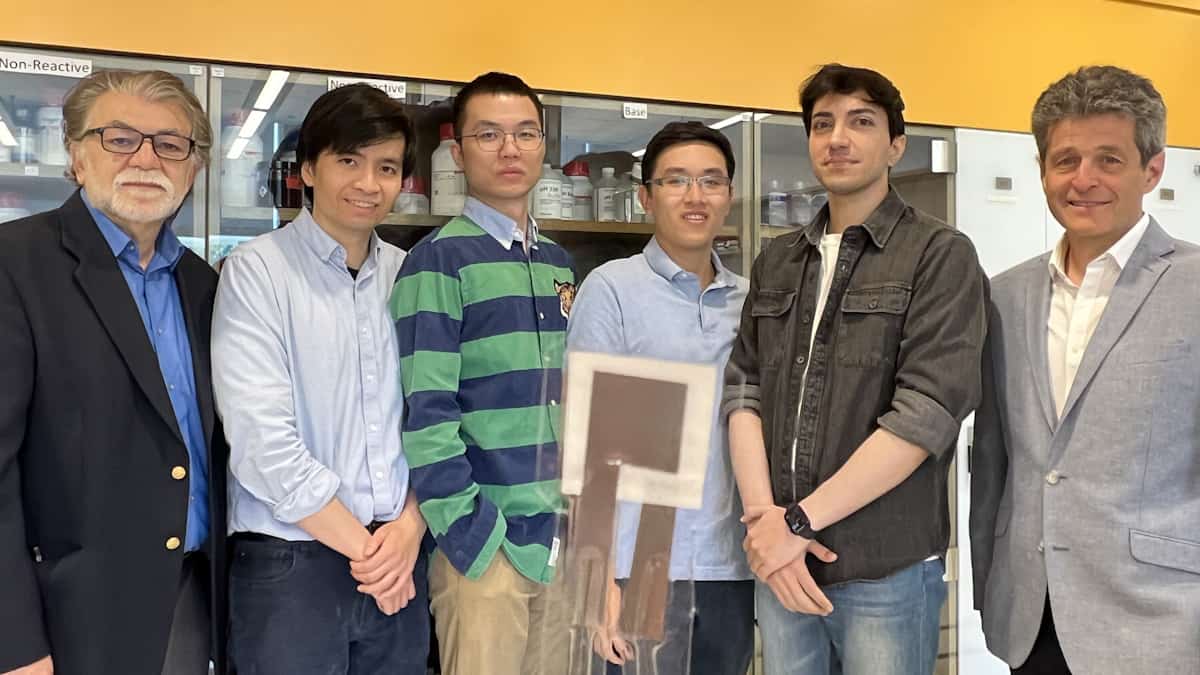
One of the challenges in treating certain types of brain cancer is the way that the blood-brain barrier prevents chemotherapy drugs from reaching the tumors they're meant to target. UConn's Thanh Nguyen, a biomedical and mechanical engineer, is developing new technology that could improve how we are able to treat brain tumors. He recently spoke with Physics World about this groundbreaking research: A new type of biodegradable ultrasound implant based on piezoelectric nanofibres could improve outcomes for patients with brain cancer. Researchers led by Thanh Nguyen from the the University of Connecticut’s department of mechanical engineering fabricated the devices from crystals of glycine, an amino acid found in the human body. Glycine is not only non-toxic and biodegradable, it is also highly piezoelectric, enabling the creation of a powerful ultrasound transducer that could help treat brain tumours. Brain tumours are particularly difficult to treat because the chemotherapy drugs that would be effective in tackling them are blocked from entering the brain by the blood–brain barrier (BBB). This barrier is a very tight junction of cells lining the blood vessel walls that prevents particles and large molecules from making their way through and damaging the brain. However, ultrasound can be safely used to temporarily alter the shape of the barrier cells such that chemotherapy drugs circulating in the bloodstream can pass through to the brain tissues. Currently, to achieve such BBB opening requires the use of multiple ultrasound transducers located outside the body, together with very high intensity ultrasound to enable penetration through the thick human skull bone. “That strong ultrasound can easily damage brain tissues and is not practical for multiple-time applications which are required to repeatedly deliver chemotherapeutics,” Nguyen tells Physics World. By contrast, the team’s new device would be implanted during the tumour removal surgery, and “can generate a powerful acoustic wave deep inside the brain tissues under a small supplied voltage to open the BBB”. The ultrasound would be triggered repeatedly as required to deliver the chemotherapy that kills off the residual cancer cells at tumour sites. After a set period of time following treatment the implant biodegrades, thereby eliminating the need for surgery to remove it. The research, reported in Science Advances, demonstrated that the team’s device used in conjunction with the chemotherapy drug paclitaxel significantly extended the lifetime of mice with glioblastomas (the most aggressive form of brain tumour) compared with mice receiving the drugs but no ultrasound treatment. This is fascinating research and if you are interesting in covering this topic, then let us help. Professor Nguyen focuses on biointegrated materials and devices at nano- and micro-scales for applications in biomedicine, and he's available to speak to media about his research. Simply click on his icon now to arrange an interview today.