
Experts Matter. Find Yours.
Connect for media, speaking, professional opportunities & more.
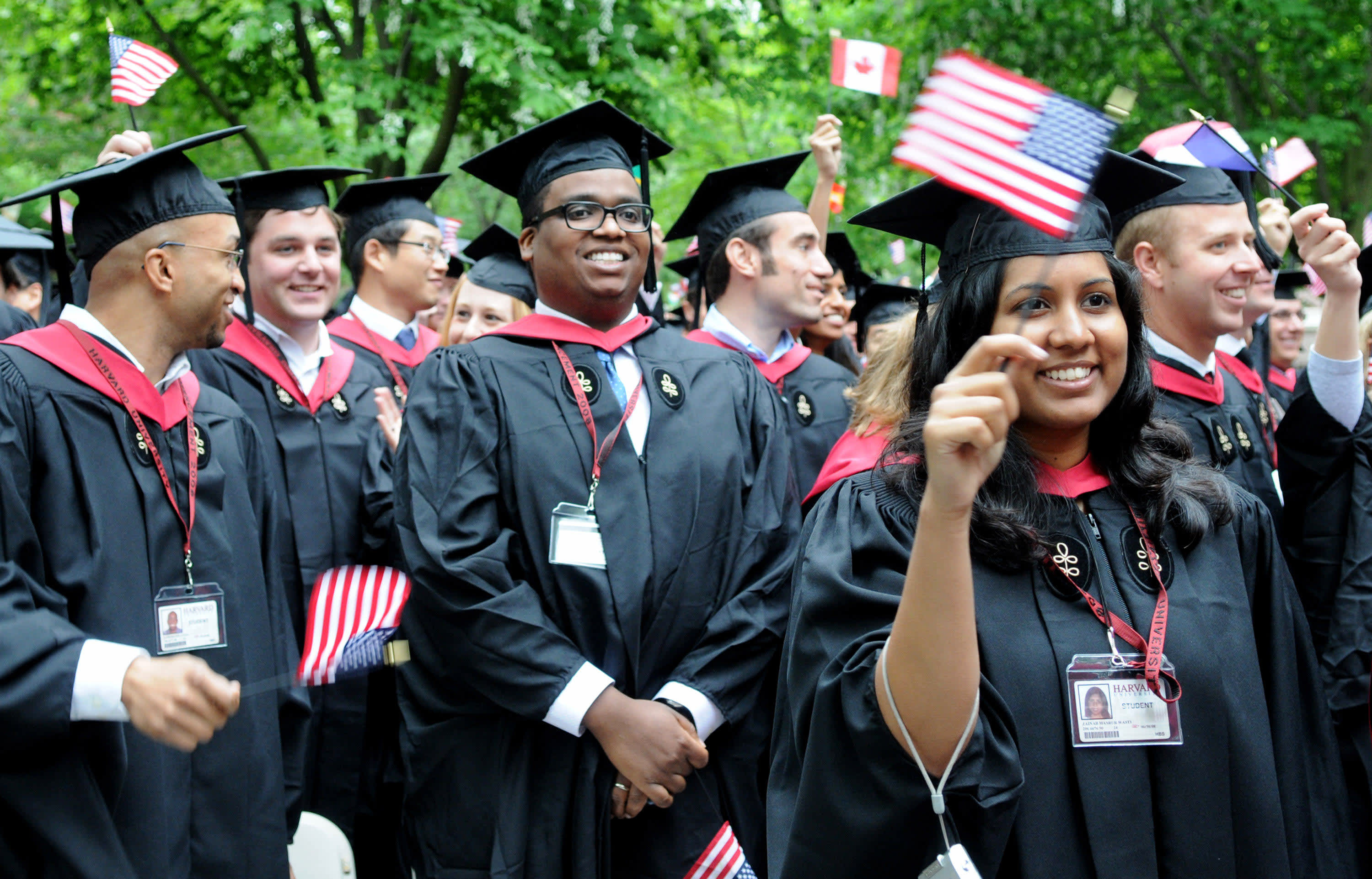
The World Needs More MBAs! Let an expert from WGU explain how partnerships can make it work.
Recently, much talk has centered on the closing of business school programs, and the extreme debt that many students take on to achieve a business degree. New data from Bloomberg Businessweek reported that nearly half of students polled from 126 universities across the world finance $100,000 or more for their MBAs. “Bloomberg Businessweek surveyed more than 10,000 2018 graduates of MBA programs from 126 schools about the amount of debt they piled on earning their degrees. The survey found that almost half of students at leading business schools around the world borrowed at least $100,000 to finance their MBA. According to the survey, at minimum 40% of MBA graduates from U.S. News & World Report’s top-ranking business programs — those at Duke, Dartmouth, University of Michigan, Cornell and University of Chicago — reported incurring at least $100,000 in debt.” July 09 – CNBC MBAs have been widely accepted by employers, and the return on investment for students has historically been high. Over the years, business programs have adapted to the needs of employers, and the basic design of the MBA, combining a broad scope of valuable business skills, has remained relevant despite massive changes in the business world. But with the rise of tuition costs, rapid changes in technology, and a higher value being placed on specialization, the long-standing value proposition of the MBA is changing. Cost, flexibility of delivery and open-loop, customized micro-learning are more likely to meet the needs of students and employers going forward. At WGU, we live and breathe the mission of supporting student academic success and expanding opportunities with affordable, valuable and relevant degree programs. Collaborations with companies which are equally committed to provide their employees the opportunity to sharpen their skills, advance in their careers, and better their lives, are one step in this evolution of business education. An evolution not in the future, it’s here. Dr. Rashmi Prasad is Dean and Academic Vice President of Western Governors University's College of Business. Dr. Prasad is available to speak with media regarding the need for higher education and how partnerships will bolster MBA programs and help graduates find success after they leave school – simply click on his icon to arrange an interview.

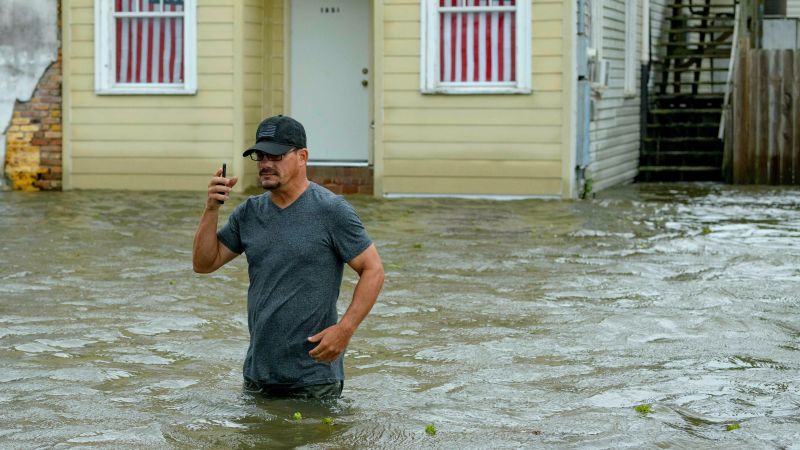
Hurricane season is here – are we ready for another Category 3 like Sandy?
In 2012, America’s East Coast was rocked by Hurricane Sandy. The Category 3 storm left 30 billion dollars in damage in her wake. “Over two million households in the state lost power in the storm, 346,000 homes were damaged or destroyed,[2] and 37 people were killed. Storm surge and flooding affected a large swath of the state. Governor Chris Christie said the losses caused by Sandy were "going to be almost incalculable...The devastation on the Jersey Shore is probably going to be the worst we've ever seen.” Wikipedia Fast forward to today, every season seems to now bring unpredictable weather. Is the Mid-Atlantic region prepared for the worst? What measures have been taken to mitigate mass flooding? Are buildings now better prepared? Have new building codes been implemented and are they effective? And what areas, places or structures are still vulnerable to the fierce winds and massive amounts of water a Category 2 or 3 storm can bring. There are a lot of questions to be answered and if you are a journalist covering this topic – that’s where our experts can help. Rima Taher is an expert in structural technology, stability of structures, architectural cognizance and engineering standards. To get her insights into hurricane preparedness, simply click on the button below to arrange an interview.


As Europe’s heatwave moves north toward the Arctic…just how worried do we need to be?
There’s no easier way to say it – Europe is baking. Record high temperatures are breaking the mercury in London, France, Germany and elsewhere across the continent. And, that warm air is not pushing north toward the Arctic. Greenland’s ice sheet is feeling the heat and it has some scientists worried. “So far this year, Arctic sea ice extent has hovered at record lows during the melt season. Weather patterns favorable for increased melt have predominated in this region, and an unusually mild summer has also increased melting of the Greenland ice sheet. Unlike with sea ice melt, runoff from the Greenland ice sheet increases sea levels, since it adds new water to the oceans. If the entire ice sheet were to melt, it would raise global average sea levels by 23 feet.” Washington Post, July 26 Are you a reporter covering climate change or weather? If so – we have an expert who can help with your stories. Dr. Pamela Grothe is an assistant professor in the Department of Earth and Environmental Sciences as the University of Mary Washington. She recently completed a Ph.D. in the Paleoclimatology Lab at the Earth and Atmospheric Sciences department at Georgia Institute of Technology. She’s an #expert in climate change and is available to speak with media – simply click on her icon to arrange an interview.


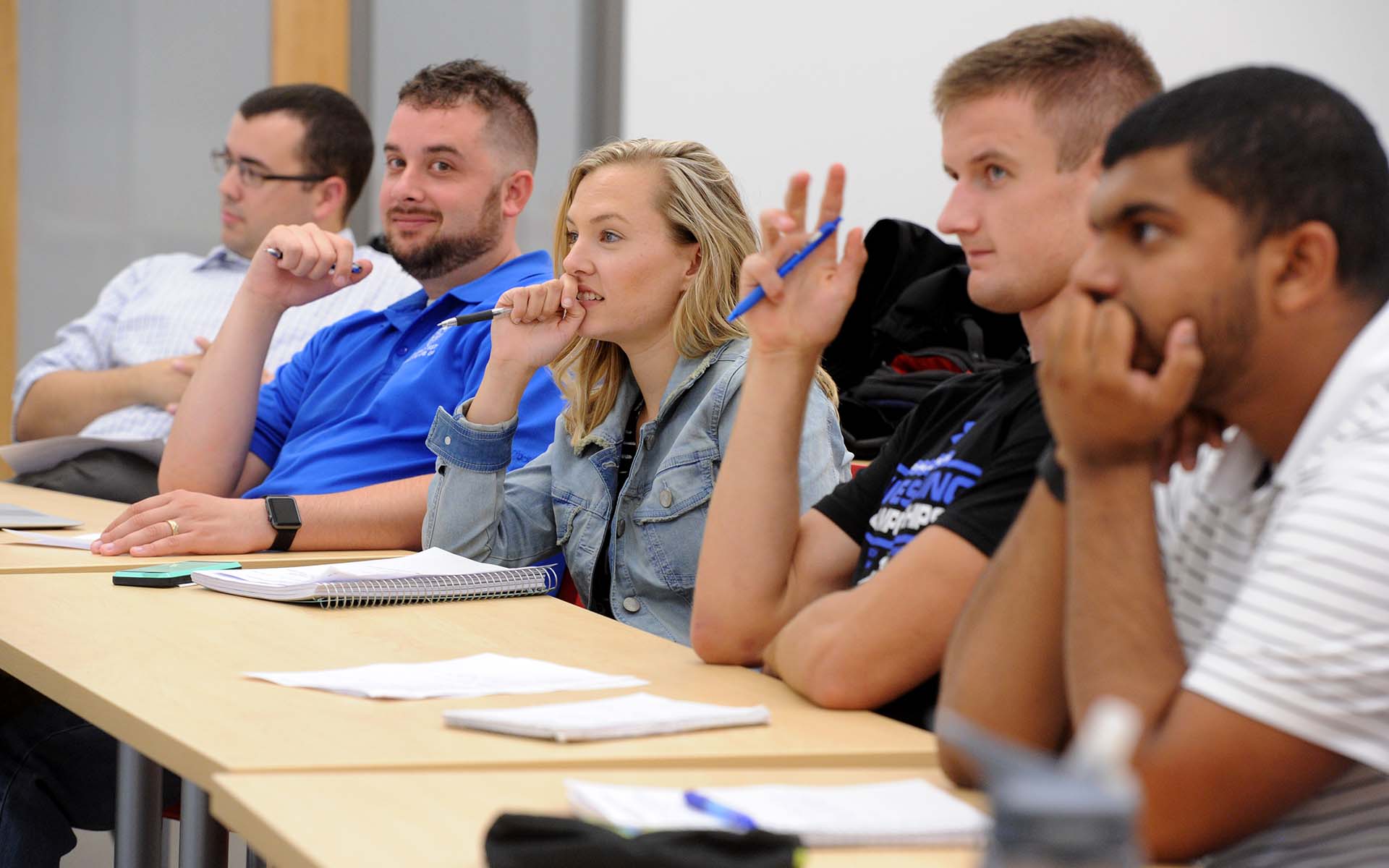
“Design thinking is a human-centered approach to innovation that draws from the designer's toolkit to integrate the needs of people, the possibilities of technology, and the requirements for business success.” - Tim Brown, CEO of IDEO I would add the following to Mr. Brown’s statement. This innovation approach requires more than a designer’s toolkit. It requires multiple departments within an organization to engage in the approach. If I’ve learned one thing in my more than 5 years in higher education it’s that companies continue to push for employees to become better problem solvers, more creative/critical thinkers, and ultimately stronger communicators. Why? Company growth is critical, and the aforementioned skills are how many companies will achieve growth. At Otterbein, we continue to provide education that addresses the development of these skills. We are designing a new focus in the MBA Program; Design Thinking. Otterbein University’s MBA Program is collaborating with the Master of Design (MDes) Program at the Columbus College of Art & Design (CCAD), to integrate a Design Thinking Area of Focus within the MBA program. Design Thinking combines design research, service design, studio & project course for prototyping/impression/artifact work, along with design thinking principles critical in succeeding in business and industry. It is designed for individuals who wish to pursue a career in business design, organizational change, and innovation, among other potential career paths. Are you a reporter covering stories that involve Design Thinking? Are you a student considering pursuing Design Thinking as a postsecondary option? If so, let our experts help with any of your questions. Eric is Director of the MBA Program at Otterbein University and is available to speak to the concepts of Design Thinking. Simply click on his icon to arrange an interview.

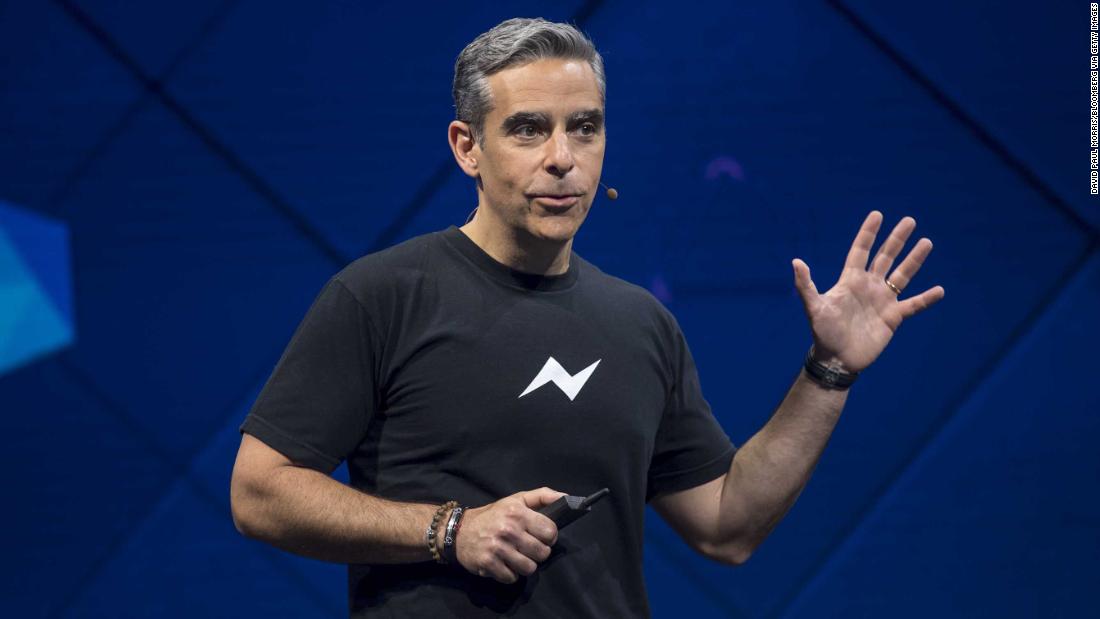
It’s not the first time Facebook has faced Congress. This time, the social media giant came to Washington to discuss its new Libra cryptocurrency. As their new venture into the Fintech industry. Libra, claims Facebook, will keep a customer’s money safe by using the blockchain process. However, the talks didn’t seem to generate a lot of ‘likes’ by members of either party on the Hill. Many lawmakers questioned Facebook (FB) executive David Marcus about why people should trust the company to manage their money and why they should trust Facebook to lead the way on a major new fintech regulation that could fundamentally change global financial systems. "Facebook's motto is move fast and break things," Sherrod Brown, the Committee's senior member, said. "They've moved fast and are helping to undermine our democracy. Now they're expecting us to trust them with our paychecks." July 16 – CNN There are concerns about the currency undermining the federal reserve, about control, regulation and responsibility. But should lawmakers be that worried? What are the potential consequences to Libra launching? What are the benefits? And why is Facebook even going down this path? There are a lot of questions to be asked – and if you are a reporter covering this topic, our experts can help. Eric Overby's research focuses on the transition from physical to electronic modes of interaction and its effect on market efficiency. Eric is available to speak to media regarding blockchain or any other technology related topics – simply click on his icon to arrange an interview.


Modernizing rural health – what it could mean for America
For Americans living outside of cities and in rural and sometimes remote areas of the country, the concept of readily accessible health care just isn’t a reality. However, the idea of expanding broadband internet into rural communities to improve access is one that shares support from all sides of the political spectrum. Just last week, an expert from Augusta University was called up to speak before lawmakers in Congress on the need for this technology and who it could best serve. "Broadband is the gateway to rural schools, businesses and health care providers," said Rep. Angie Craig, a Democrat from Minnesota. Lawmakers raised concerns about the dwindling number of hospitals in rural areas and the need to be competitive when recruiting corporations to do business. "Just the ability in rural America for a physician to pull up an X-ray at their home instead of having to drive to the hospital to look at a patient to know if that is something that’s an emergency," said Rep. Austin Scott, a Republican from Georgia. "One of the biggest needs is tele-psychiatry and tele-mental health," said Dr. David Hess of the Medical College of Georgia. - Spectrum News 1 - July 11 It’s an interesting topic and one that is gaining a lot of attention. How many rural Americans are without access to a doctor or hospital in the country? How much money could be saved by expanding online health care? Online is a viable solution, but are there drawbacks or concerns for patients? And how could expanding broadband and digital health care support issues like mental and maternal health across rural America? If you are a reporter covering this topic – that’s where our experts can help. Dr. David Hess is dean of the Medical College of Georgia and executive vice president for Medical Affairs and Integration at Augusta University. He also helped develop the REACH telestroke network in rural Georgia that now includes about 30 hospitals. Dr. Hess is available to speak with media regarding this topic – simply click on his icon to arrange an interview.


Trained and happy - are you investing in your staff?
A new report released this June overwhelmingly shows that Canadian companies need to invest in their employees if they want to grow. The Navigator: Made for the Future Report surveyed 2,500 businesses in 14 countries and territories - 200 of them in Canada. The survey found that in Canada: Nearly half of those surveyed plan to boost spending on skills training for their staff in the next two years. 47% said their companies planned to spend more on training employees. 42% said they'd spend more on employee satisfaction and well-being. While 54% of the surveyed Canadian business leaders said their companies would make investments that fall under the category of research, innovation and technology, Dan Leslie, deputy head of commercial banking for HSBC Bank Canada, said the results show that technology is only half the story. "Tech adoption brings improvements but also creates the need for new skills," Dan said. "The priorities have shifted since some of our last surveys away from trade or capital investment and more toward investment around the well-being of their workforce." "Given labour market experts predict that many of the jobs people will hold in the future haven't even been invented yet, investing in adaptable employees is good business sense", Dan said. CBC June 26 How much should businesses be investing? What's the cost of programs and training? Is there a tax benefit or assistance small companies can access to assist with costs? Does location play a factor? There are many questions to be answered, and that's where our experts can help. Andrea Bruley, Senior Manager at Freelandt Caldwell Reilly LLP, is an expert in the areas of owner managed business, mentorship, accounting and not-for-profit accounting. You can contact Andrea regarding this topic by clicking the contact button below. Sources:

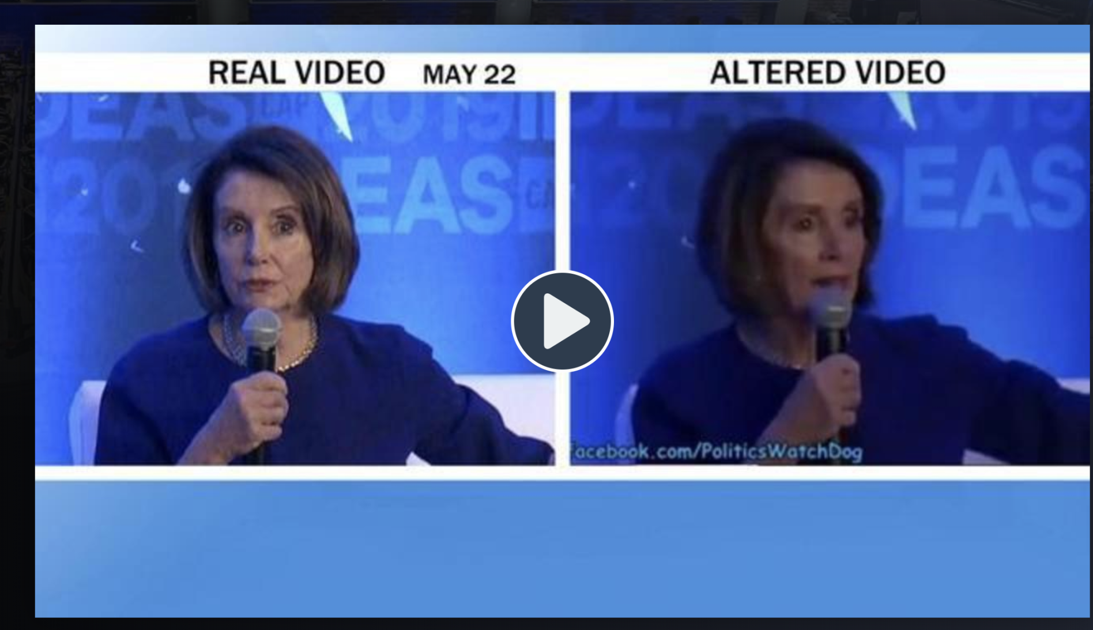
A closer look at deepfakes. Let our experts explain if there’s a reason to worry.
Deepfakes…they’re eerie, entertaining and getting a lot of attention. Deepfake videos are made using artificial intelligence technology which can manipulate someone's face in a video to make it look like they are saying something that they didn't. It's one level up from dubbing, or lip syncing, and can appear very convincing. One example is a video that was made using footage of Mark Zuckerburg in 2017; it was doctored and falsely portrays the Facebook CEO discussing how he had stolen data. – The Sun, June 26 The new concept is all the rage and has seen people spoofed, mocked and tricked. But as once again technology outpaces legislation and with an election approaching, deepfakes have some people going off the deep end. Every day, thousands of videos are posted online, which means that any potential filtering program would need to be able to quickly and efficiently detect fake content. Even then, such media would likely be removed only after being published, meaning that the video would likely have already had an impact. For these reasons, deepfakes are expected to contribute to the upcoming 2020 election in the United States, likely acting as an agent of spreading fake news. However, Edward Delp, a Purdue University professor who developed a computer program to help detect these videos, believes deepfakes pose a bigger threat. “Deepfakes pose a threat to more than just political videos,” he said. “It can be used in making fake child pornography, revenge porn and financial bribes. Just general criminal behavior.” – The Exponent (Purdue University), June 21 As deepfakes become more common on social media and the internet, odds are they will make their way – accidentally or not – into the actual media. And as America still battles with the fake news phenomenon, will Deepfakes further erode our trust in media and our leaders? As deepfakes become more common on social media and the internet, odds are they will make their way into the actual media. So, what can be done? How will these deepfakes affect the perception of news media? What simple advice can we apply to verify if something is real or fake? And do these videos represent a threat to democracy, as some experts are saying? Dr. Gregg R. Murray, professor of political science at Augusta University, is available to talk about the implications of this new threat. Murray’s research focuses on political behavior and psychology with specific interests in voter mobilization and turnout. He is also executive director of the Association for Politics and the Life Sciences.

Experts in the media - Will Facebook, Google take over blockchain?
Banking and big tech are going ‘all-in’ on blockchain initiatives – and it is getting a lot of attention from investors, regulators and the industry. In an announcement this week, Facebook stated it was moving full speed ahead with its cryptocurrency ‘Libra”. With this announcement, Facebook isn’t just moving into the cryptocurrency space—it’s also setting itself up as a financial services company. Unlike many other cryptocurrencies, Libra will be specifically designed for use as a payment medium, rather than a speculative asset. Bitcoin, Ethereum, and other digital currencies are generally difficult to transfer back and forth for everyday payments, partly because the price of the tokens is based primarily on market demand. The value thus fluctuates dramatically. If it works, Libra should be much less volatile since it will be pegged to traditional financial assets, including a raft of government-issued currencies. Slate, June 18, 2019 Recently, Dr. Eric Overby, associate professor of information technology at Georgia Tech's Scheller College of Business was interviewed by Blockchain Tech News to get his perspective on what to expect now that Google and Facebook are adopting blockchain as part of their platforms. The interview is attached below. Eric Overby's research focuses on the transition from physical to electronic modes of interaction and its effect on market efficiency. Eric is available to speak to media regarding blockchain or any other technology related topics – simply click on his icon to arrange an interview.

What will the “new” NAFTA mean for business in Canada?
The "new" NAFTA - officially renamed as the Canada-United States-Mexico Agreement (CUSMA) in Canada, but is referred to as the United States-Mexico-Canada Agreement (USMCA) in the media - could be a benefit for businesses. While tariffs are being lifted and reduced trade talks thaw – it appears that the USMCA is a win/win/win for businesses on every side of the border. The new trade accord has free-trade when it comes to manufacturing, importing, exporting and resourcing. The USMCA sounds great, but will those rays reach areas like Northeastern Ontario? Will our resource and mining industries benefit? Also, what about our emerging technology sector? There is a lot to be figured out as this new trade deal goes through the approval process in Canada and America. Luckily, we have experts who can help! Marc Boivin, Manager at Freelandt Caldwell Reilly LLP, is an expert in the areas of organizational finance, assets acquisition, business valuation and transactions. Contact Marc to arrange an appointment regarding this topic by clicking the contact button below. Sources: