
Experts Matter. Find Yours.
Connect for media, speaking, professional opportunities & more.

A veteran police officer and a bystander were gunned down in a Denver suburb earlier this week in what authorities are saying was a targeted attack by someone who “expressed hatred” for police. A 19-year veteran of the force, Gordon Beesly was allegedly killed because he was simply wearing a uniform and a badge. The tragic fatality is getting massive coverage and UMW’s Laura C. Wilson was interviewed by The Washington Post to provide her expert perspective on the impact this incident will have on survivors. Laura C. Wilson, an associate professor of psychology at the University of Mary Washington in Virginia, said that years ago she might have thought about each mass shooting or shooting in a public place as having unique characteristics that affect survivors. But she now considers the trauma of multiple events. “When we start to see a lot of these events happening in a small community or within the country, we start to have these compounding impacts,” she said. “People now have more evidence that the world is unpredictable, more evidence that regardless of what I do I can’t keep myself safe.” But Wilson stressed that the effects of trauma are unique to every individual, every survivor. There will be extensive coverage of this killing and if you are a reporter looking to cover the issues survivors of mass shooting events will experience, then let us help. Dr. Laura C. Wilson is a clinical psychologist whose expertise focuses on post-trauma functioning, particularly in survivors of sexual violence or mass trauma (e.g., terrorism, mass shootings, combat). Her research interests extend to predictors of violence and aggression, including psychophysiological and personality factors, as well as indicators of PTSD following mass trauma, long-term functioning among first responders, outcomes among survivors of sexual violence and the influence of media on mental illness stigma. Dr. Wilson is available to speak with media, simply click on her icon to arrange an interview today.



A new model of health care is coming to Wilmington’s Riverside neighborhood and the Kingswood Community Center. ChristianaCare Virtual Health is now available at The Coker Family Resource Center, inside Kingswood Community Center. It offers convenient, personalized, always-accessible care that makes it easier for people to connect with the care they need and stay well. “This is an entirely new model of health care powered by data and technology to make it easier for people to access care when they need it, and one that fosters strong relationships between patients and their care team,” said Janice E. Nevin, M.D., MPH, president and CEO of ChristianaCare. “In our commitment to make a positive impact on health for everyone in the communities we serve, we’re excited to bring this leading-edge model of care to our neighbors at Riverside. We’re grateful for the partnership of The WRK Group and Kingswood Community Center in this collaborative effort that will support the health and wellbeing of the people in this community.” At The Coker Family Resource Center, patients can connect to ChristianaCare Virtual Health for a virtual appointment with a primary care provider or a member of their care team and also receive access to medical services such as vaccines, blood pressure checks and in-person exams. But care doesn’t have to happen at Kingswood Community Center. Patients can have a virtual visit with their care team anytime and from anywhere they have access to the internet with a smartphone, tablet or laptop with a camera. “Throughout the pandemic, many people have learned the convenience of having a video visit with their doctor instead of coming in for an in-person appointment. At ChristianaCare, we’ve actually been developing this kind of care since the launch of our Virtual Primary Care practice for ChristianaCare caregivers in 2018, in addition to our CareVio data-powered care management platform,” said Sharon Anderson, RN, MS, FACHE, chief virtual health officer at ChristianaCare. “What we’re able to provide today is not just video visits, but an entirely new kind of care that’s always on—it enables patients to interact with their care team when they need support through video visits, secure text messages and other ways that provide care in ways that fit into each person’s lifestyle.” Sharon Anderson, RN, MS, FACHE, chief virtual health officer at ChristianaCare In addition to the on-site medical services provided at the Kingswood location, patients can also receive in-person help with the technology so that they can become comfortable with this new model of care, and ask questions or get help when they need it. Kingswood Community Center, a member of The WRK Group (The Warehouse, REACH Riverside, and Kingswood Community Center), has been a pillar of the Riverside community for 75 years and is located at 2300 Bowers St, Wilmington, DE 19802. In-person appointments are available every Tuesday and Thursday from 12:30 – 2:30 (times may vary). Information and appointments are available by calling 302-428-2400. Establishing easily accessible health care within the Riverside neighborhood marks a long-time goal of The WRK Group. “We are incredibly thankful for this partnership with ChristianaCare Virtual Health as they become the first primary care service provider that exists within Riverside,” said Logan S. Herring, Sr., CEO of The WRK Group. “ChristianaCare has created a nimble solution for our neighbors that includes valuable in-person services and care as well as virtual appointments. Creating this physical and virtual space is an achievement for our community and one in a series of initiatives The WRK Group plans to bring to the local area.” The WRK’s Group managing partner, REACH Riverside, is currently overseeing a $250M holistic revitalization project which includes building a new and improved community center, developing a mixed income housing community, and investing in physical capital to create a thriving and vibrant neighborhood. Introducing the Coker Family Resource Center The Coker Family Resource Center is a new addition to the Kingswood Community Center, made possible by the generous donation of the Coker family, a pillar in the Riverside and Wilmington community. From matriarch and civil rights leader Beatrice “Bebe” Coker and her activism efforts to daughters Dr. Joan Coker, Laurie Coker Reid, and Julie Coker's collective philanthropic and community work, the Coker family embodies the values of Kingswood Community Center and The WRK Group’s collective mission to empower the community to reach its full potential. “Thank you to the entire Coker family, who have dedicated themselves to bettering our community for decades, as well as for providing the needed funding to create the physical space that ChristianaCare Virtual Health inhabits,” Herring continued. “The Coker family has once again demonstrated the value of believing and investing in their community. As we look to the future and continue to dream big about the new Kingswood Community Center, I am excited by the prospect of what this space will evolve into and what additional services we can offer our community.” For more information about ChristianaCare Virtual Care at Kingswood Community Center, click here. About ChristianaCare Headquartered in Wilmington, Delaware, ChristianaCare is one of the country’s most dynamic health care organizations, centered on improving health outcomes, making high-quality care more accessible and lowering health care costs. ChristianaCare includes an extensive network of primary care and outpatient services, home health care, urgent care centers, three hospitals (1,299 beds), a freestanding emergency department, a Level I trauma center and a Level III neonatal intensive care unit, a comprehensive stroke center and regional centers of excellence in heart and vascular care, cancer care and women’s health. It also includes the pioneering Gene Editing Institute. ChristianaCare is nationally recognized as a great place to work, rated by Forbes as the 5th best health system to work for in the United States and by IDG Computerworld as one of the nation’s Best Places to Work in IT. ChristianaCare is rated by HealthGrades as one of America’s 50 Best Hospitals and continually ranked among the nation’s best by U.S. News & World Report, Newsweek and other national quality ratings. ChristianaCare is a nonprofit teaching health system with more than 260 residents and fellows. With its groundbreaking Center for Virtual Health and a focus on population health and value-based care, ChristianaCare is shaping the future of health care. About The WRK Group The WRK Group, which is comprised of three organizations and over 130 employees, shares a collective mission to empower the community to reach its full potential by eliminating the barriers of structural racism and revolutionizing teen engagement. REACH Riverside, overseeing a $250M holistic revitalization, also serves as the managing partner for Kingswood Community Center, a pillar of the Northeast Wilmington neighborhood for 75 years, and The Warehouse, an educational and recreational oasis for teens. The Warehouse: Developed "For Teens, By Teens" - Innovative, one-stop center serving ages 13 to 19 Teen-driven programming focused on recreation, education, arts, career, and health Collaborating with over 140 youth-serving organizations Three goals: safety, educational support, and workforce readiness REACH Riverside: Developed "With the Community, For the Community" Member of the national Purpose Built Communities Redevelopment: Up to 600 units of high quality, mixed-income housing Education: cradle-to-college and career readiness pipeline Community Health: health, wellness, safety services, and programming Kingswood Community Center Empowering the Community of Riverside and Northeast Wilmington since 1946 Early Learning Academy: high quality, evidence-based programming (ages one through five) School-age services (ages six through twelve): before, after-school, and summer programming Jimmy Jenkins Senior Center: activities to remain healthy and self-sufficient Kingswood Academy: alternative school, located at The Warehouse (seventh through twelfth grade) Preparing for the development of a new, state-of-the-art facility that will replace and enhance the current community center ####


ChristianaCare also ranks as No. 1 overall employer for diversity and inclusion in Delaware, No. 14 among U.S. health systems (WILMINGTON, Del. – April 23) magazine ranked ChristianaCare as one of the best employers for diversity and inclusion in the United States in its list of Best Employers for Diversity 2021. ChristianaCare also ranked as the No. 1 employer for diversity in Delaware and the No. 14 health system for diversity in the nation. ChristianaCare ranked 121st out of the 500 employers that were recognized. “At ChristianaCare, our mission is simple, but profound – we take care of people,” said Janice Nevin, M.D., MPH, president and CEO of ChristianaCare, which is Delaware’s largest private employer. “And caring for people means that we work together, guided by our values of love and excellence, to bring equity and inclusion to everyone we serve, including our own caregivers. We are committed to building a workforce that reflects the diverse communities we serve, as we aspire to deliver high-quality, accessible care and achieve health equity.” ChristianaCare has committed to being an anti-racism organization and works to ensure that commitment is reflected through the organization’s policies, programs, and practices. (Read more about ChristianaCare’s anti-racism commitment here.) ChristianaCare’s inclusion efforts also include the launch of 10 employee resource groups, which connect caregivers who have a common interest or bond with one another. Formed by employees across all demographics – such as disability, gender, race, military status, national origin, sexual orientation, etc. – these voluntary grassroots groups work to improve inclusion and diversity at ChristianaCare. More than 750 caregivers at ChristianaCare participate in employee resource groups. ChristianaCare also recently launched LeadershipDNA, a new leadership development program that is specifically targeted to underrepresented, diverse populations and is designed to foster professional and career development. “We are grateful for this recognition, which affirms that our organization is committed to taking on the meaningful work to help our caregivers be exceptional today and even better tomorrow,” said Pamela Ridgeway, chief diversity officer and vice president of Inclusion and Diversity at ChristianaCare. “The fact that our caregivers can see the value and feel the impact of our inclusion and diversity efforts illustrates the importance for us to continue to push onward.” Forbes’ Best Employers for Diversity were identified from an independent survey of more than 50,000 U.S. employees working for companies employing at least 1,000 people in their U.S. operations. The employees were asked to give their opinion on a series of statements surrounding the topic of age, gender equality, ethnicity, disability, LGBTQ+, and general diversity concerning their own employer. The survey also gave survey participants the chance to evaluate other employers in their respective industries that stand out with regard to diversity. Only the recommendations of minority groups were considered. Also factored in was diversity engagement amongst managers and diversity among leadership. About ChristianaCare Headquartered in Wilmington, Delaware, ChristianaCare is one of the country’s most dynamic health care organizations, centered on improving health outcomes, making high-quality care more accessible and lowering health care costs. ChristianaCare includes an extensive network of primary care and outpatient services, home health care, urgent care centers, three hospitals (1,299 beds), a freestanding emergency department, a Level I trauma center and a Level III neonatal intensive care unit, a comprehensive stroke center and regional centers of excellence in heart and vascular care, cancer care and women’s health. It also includes the pioneering Gene Editing Institute. ChristianaCare is nationally recognized as a great place to work, rated by Forbes as the 5th best health system to work for in the United States and by IDG Computerworld as one of the nation’s Best Places to Work in IT. ChristianaCare is rated by HealthGrades as one of America’s 50 Best Hospitals and continually ranked among the nation’s best by U.S. News & World Report, Newsweek and other national quality ratings. ChristianaCare is a nonprofit teaching health system with more than 260 residents and fellows. With the unique CareVio™ data-powered care coordination service and a focus on population health and value-based care, ChristianaCare is shaping the future of health care. ####
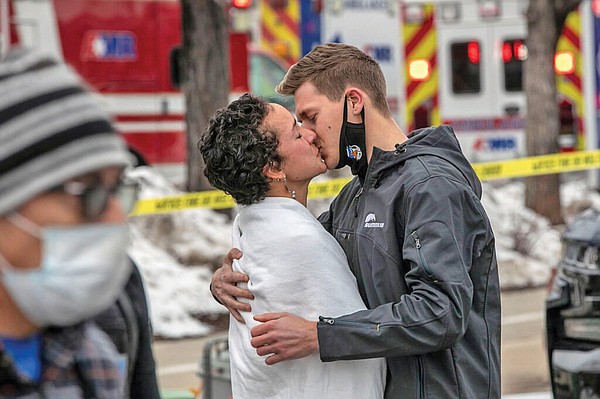
UMW's psychological trauma expert Laura Wilson weighs in on survivors of recent mass shootings
Media have been covering what has been a deadly year in America, with nearly a dozen mass shootings to date. UMW's psychological trauma expert Laura Wilson has been the go-to person to help journalists understand the impact these horrific events have on survivors. Recently, Dr. Wilson was interviewed about the recovery process American Olympic hopeful Maggie Montoya is facing after witnessing first-hand the shooting in Boulder, Colorado, as she prepares to represent America this summer in Tokyo. Laura C. Wilson, associate professor of psychology at the University of Mary Washington in Fredericksburg, Va., has focused on post-trauma functioning from mass trauma. She says most people's exposure and understanding of mass shootings consists of the immediate aftermath. "They see the news coverage of the crime scene and watch the investigators' news briefing," Wilson said. "Within a few days the news trucks leave and people's attention turns to the next major news event. This is when the grief and recovery work starts for the survivors." Wilson said every person will process the events differently. Some will have intense, acute reactions that subside in a few days or weeks. Effects could be chronic for others, and some experience delayed reactions. "Each person is different, and their recovery will look different," she said. Wilson didn't speak specifically about Montoya's running community but said community overall is a powerful strength for survivors in the aftermath of a mass shooting. "It creates a sense of belonging, which can promote psychological recovery," Wilson said. "Having supportive family and friends to validate the feelings and help you process your thoughts is certainly a protective factor." April 18 - The Northwest Arkansas Democrat-Gazette If you are a reporter looking to cover the issues survivors of mass-shooting events will experience, then let us help. Dr. Laura Wilson is a clinical psychologist whose expertise focuses on post-trauma functioning, particularly in survivors of sexual violence or mass trauma (e.g., terrorism, mass shootings, combat). Her research interests extend to predictors of violence and aggression, including psychophysiological and personality factors, as well as indicators of PTSD following mass trauma, long-term functioning among first responders, outcomes among survivors of sexual violence and the influence of media on mental illness stigma. Dr. Wilson is available to speak with media, simply click on her icon to arrange an interview today.

The aftermath of a mass shooting in America
Last week America was shocked by two major mass shooting events in a week. Almost 20 people were killed and so many more will suffer the short- and long-term effects of these tragic and violent events. According to recent media reports, though the election and a full year of COVID-19 dominated news coverage, 2020 was one of the deadliest years for gun violence in decades. Until two lethal rampages this month, mass shootings had largely been absent from headlines during the coronavirus pandemic. But people were still dying — at a record rate. In 2020, gun violence killed nearly 20,000 Americans, according to data from the Gun Violence Archive, more than any other year in at least two decades. An additional 24,000 people died by suicide with a gun. The vast majority of these tragedies happen far from the glare of the national spotlight, unfolding instead in homes or on city streets and — like the Covid-19 crisis — disproportionately affecting communities of color. March 23, Washington Post And as America carries on and moves forward, the survivors, witnesses and families of those killed will be adapting to a new life and a multitude of physical and psychological challenges. If you’re a reporter looking to cover the issues survivors of mass-shooting events will experience, then let us help. Dr. Laura C. Wilson is a clinical psychologist whose expertise focuses on post-trauma functioning, particularly in survivors of sexual violence or mass trauma (e.g., terrorism, mass shootings, combat). Her research interests extend to predictors of violence and aggression, including psychophysiological and personality factors, as well as indicators of PTSD following mass trauma, long-term functioning among first responders, outcomes among survivors of sexual violence, and the influence of media on mental illness stigma. Dr. Wilson is available to speak with media – simply click on her icon to arrange an interview today.
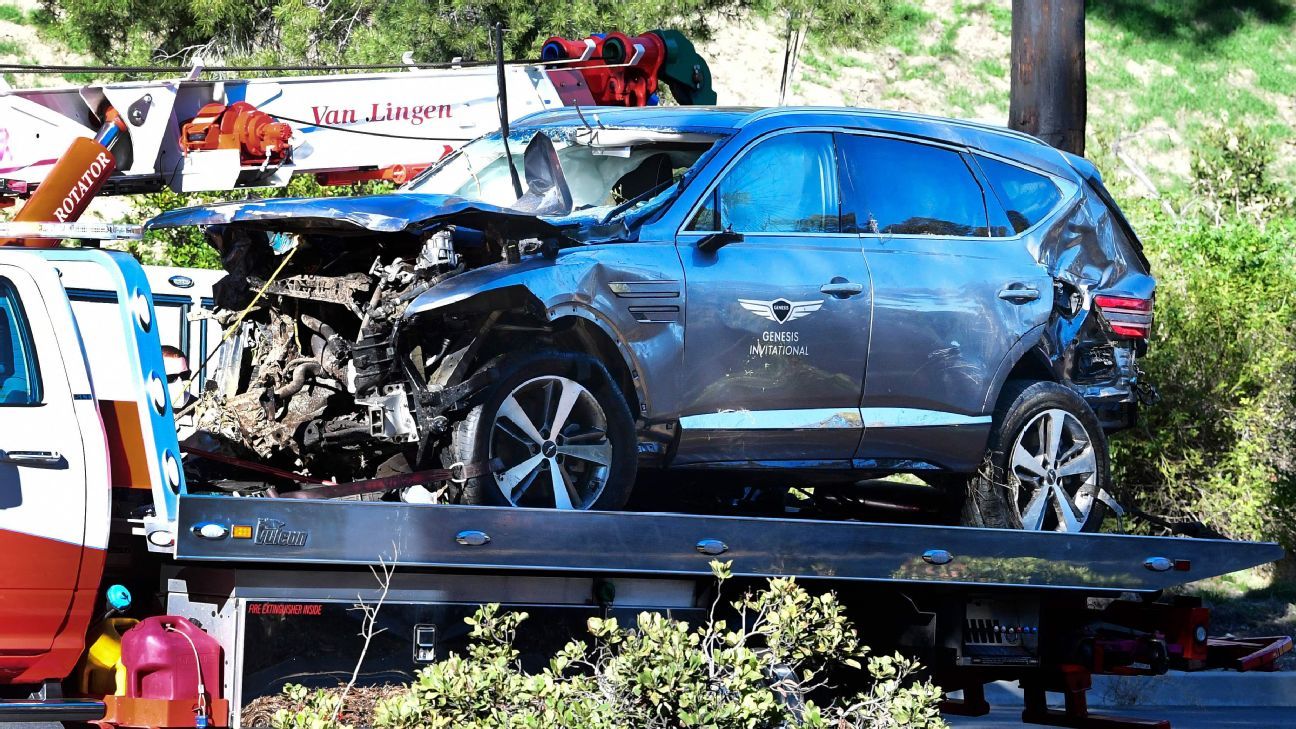
This week’s shocking news of golf legend Tiger Woods rolling his vehicle and sustaining serious injuries to his right leg have sports fans, journalists and most of the world watching and waiting for word of whether he’ll play again. According to ESPN, the injuries are extensive: Tiger Woods is recovering from a lengthy surgery to repair what a doctor said Tuesday night were "significant orthopaedic injuries to his right lower extremity" suffered in a single-car rollover crash hours earlier on a steep roadway in a Los Angeles suburb. As part of a statement on Woods' official Twitter account, Dr. Anish Mahajan of Harbor-UCLA Medical Center updated the famed golfer's condition, saying in part that Woods had multiple "open fractures" to his lower right leg, and he had a rod placed in his tibia and screws and pins inserted in his foot and ankle during an emergency surgery. "Comminuted open fractures affecting both the upper and lower portions of the tibia and fibula bones were stabilized by inserting a rod into the tibia," said Mahajan, the chief medical officer and interim CEO at Harbor-UCLA. "Additional injuries to the bones of the foot and ankle were stabilized with a combination of screws and pins. Trauma to the muscle and soft-tissue of the leg required surgical release of the covering of the muscles to relieve pressure due to swelling." ESPN – February 23 If you’re a journalist looking to know more about this type of injury, what the recovery process usually involves and what the long-term prognosis may be – then let us help. Dr. Monte Hunter serves at Augusta University as the Satcher Distinguished Chair of the Department of Orthopedic Surgery and director of the Sports Medicine Program. Dr. Hunter is an expert in reconstruction and sports injury prevention – and he is available to speak with media about this topic. Simply click on his icon now to arrange an interview today.


Covering Eating Disorders Week? Let our experts explain how COVID-19 can affect eating disorders
COVID-19 is presenting many different issues across all spectrums of society and life. The experts at Michigan State University took questions and provided answers in order to assist those looking to know more about how COVID-19 can affect eating disorders. Eating disorders can often stem from trauma or stress. Kelly L. Klump, professor in the Department of Psychology and fellow in the Academy for Eating Disorders, answers questions on eating disorders and how the pandemic may trigger or exacerbate this disorder. Q: Is there any evidence that the pandemic triggers eating disorder behaviors among teenagers? We have emerging data on risk for eating disorders during COVID-19. Although data are in the early stage, we are seeing increased weight-shape concerns, increased binge eating and, potentially, increased dietary restriction during COVID-19. These symptoms seem to be increasing in the general population, but results are more consistent in showing exacerbation of these symptoms in individuals with anorexia nervosa (increased restriction and potentially exercise) and bulimia nervosa (increased binge eating and purging). Reasons for these increases aren’t entirely clear, but theories focus on increased stress, increased isolation and, for individuals in recovery, decreased access to care during the pandemic. There are also fears of weight gain due to less activity overall that may fuel concerns about weight/shape and later, eating disorder symptoms. Limitations in access to food during the pandemic also seem to be related to these symptoms. Although, how they are related may vary across eating disorder symptoms. Q: What are some signs parents should be aware of that might indicate eating disorder behaviors or warning signs? These signs would be similar to those that we watch for during non-pandemic times. Decreased food intake, increased exercise and increased discussion of weight concerns are early signs. In addition, if food that was present (particularly high fat/high sugar foods) comes up missing frequently, this could be a sign of binge eating. Because eating disorders are highly comorbid with depression and anxiety, increased signs of these conditions (e.g., sad mood, withdrawal, increased anxiety about a range of concerns) could be early signs, particularly if in combination with the weight/shape/binge eating early signs mentioned above. Q: What should a parent who is concerned their child is exhibiting eating disorder behaviors do to address the issue? The first step is to talk with your teen and listen. Check in on how they are doing generally, but then also let them know about the signs you are seeing and your concerns. Empathic listening is key in these conversations and letting them know that you would like to do whatever is needed to help. They may not be willing to talk the first time they are approached. It might take multiple conversations for them to open up and/or admit that they need help. Q: What resources are available to parents looking to get help for their kids right now? There are some websites that can help parents identify eating disorder specialists in their area, including: • Academy for Eating Disorders. Find an Expert page • National Eating Disorders Association Q: Are families facing obstacles in getting preteens and teenagers help for eating disorder behaviors because of COVID-19 measures? A potential decrease in treatment resources appears to be present for eating disorders and other psychiatric illnesses. Treatment that is available may be in the form of telehealth, which some individuals may find very helpful, while others may feel is not enough. We are still collecting data on treatment availability during COVID-19, so we don’t have great data on availability. But early theories are that treatment access may be decreased. Q: What advice do you have for parents who feel like they are seeing their teenagers’ past eating disorders either reappear or become more severe in light of COVID-19? Seek help and do so early. Catching an increase or exacerbation of symptoms early in the process will increase the chances that you can catch the symptoms before they become more severe. Your teen may need “booster” sessions with treaters that can help them get back on track and help them cope with current stressors. If you are a journalist looking to know more or interview Dr. Klump, then let us help - simply click on her icon now to arrange an interview today.


Is there a path to a successful and productive life after imprisonment?
On July 8, Savannah Mayor Van Johnson announced the formation of a new task force focused on helping those formerly incarcerated or with a criminal history seek productive futures when they return to society. The Advocates for Restorative Communities in Savannah (ARCS) will bring together experts, including formerly incarcerated people, who currently work with those in the justice system. The goal is pooling their collective experiences to best serve those returning to Savannah from prison and help them toward a path of success. Georgia Southern University's Maxine Bryant, Ph.D., senior lecturer, Department of Criminal Justice and Criminology, is playing a lead role in the task force. According to Bryant, about 4% of all those in Georgia’s prisons call Chatham County home. Bryant says last year Georgia’s Department of Corrections reported there were around 53,000 people inside their prisons. “Four percent, that’s about 2,000 people, people who are currently incarcerated are probably going to be returning back to Chatham County,” said Bryant. “You add that year after year after year, and then it becomes clear that if we don’t do something, we are a part of the problem, and not the solution.” Bryant added two out of every three people who are released are rearrested within three years. “Not all of those arrests are new crimes,” she said. “Some of them are technical difficulties, technical violations. They couldn’t pay a fine because they didn’t have a job.” June 08 - WTOC TV If you are a journalist and would like to learn more about this program or this topic – then let our experts help. Maxine Bryant’s research interest specifically focuses on factors contributing to the successful community reintegration of released prisons. Specifically, she has written and presented on transitional jobs for newly released prisoners, the role of the Black church in successful offender reintegration, the impact of unaddressed childhood trauma and barriers to successful offender reintegration. She is available to speak with media any time – simply click on her icon to arrange an interview today.


School Nurses Positioned to Help Solve School Shooting Epidemic
Since 2018 school nurses have responded to 38 school shootings, and they find themselves on the front line of gun violence, whether the act is by an active shooter in a school, a mass shooting in the community or anywhere in the country. "The epidemic of gun violence is a public health crisis affecting the whole country, but school nurses are ideally positioned to work alongside others who are committed to public health approaches to solve the issue of mass shootings," says Sunny G. Hallowell, PhD, assistant professor at Villanova University's M. Louise Fitzpatrick College of Nursing. Every school day, 95,000 school nurses enter U.S. schools prepared and ready to serve more than 55 million children for six and a half hours, 180 days a year. Families, school districts and communities entrust their children to school environments with the expectation that they will be kept safe from harm. School nurses are first responders whose skills are crucial to ensuring the health and safety of students, staff and faculty within schools and the surrounding community. Hallowell is coauthor of "School Nurses Share their Voices, Trauma and Solutions by Sounding the Alarm on Gun Violence," published recently in the medical journal Current Trauma Reports. She and her coauthors shed light on the impact of gun violence within schools from the perspective of school nurses, whose expertise is critical to the design and implementation of programs that keep students safe. "Nurses are trained both in the emergency trauma care and clinical responses necessary for addressing traumatic gun violence, as well as the mental health outcomes resulting from tragedy," says Hallowell. "There is a critical need for research that guides the selection of evidence-based safety programs that consider the developmental and the mental health needs of school communities." Standard response protocols such as school safety drills, fire drills and tornado, hurricane and earthquake drills have been implemented as early as the First World War. The memory of air raid drills and the lingering effect of the experiences have been well documented. As Hallowell's journal article shows, fear has long dictated how schools invest their resources in response to gun violence.


Making Children's Mental Health and School Safety a Priority
The U.S. Department of Education announced $71.6 million in grant awards to enhance safety in schools and improve student access to mental health resources. The grants will allow local leaders to tailor their approach to school safety and mental health in ways that meet their students' individual needs and their particular school's unique challenges. "This is a strong step towards helping children across the U.S. who have experienced traumatic events. We know from previous research that traumatic experiences, even those in early childhood, affect an individual at any time in their life," says Elizabeth Dowdell, PhD, RN, FAAN, professor at Villanova's M. Louise Fitzpatrick College of Nursing. "In healthcare, assessing, identifying and treating trauma has become a major public health challenge since trauma exposures frequently go unrecognized and unaddressed." The same is true in the educational system. For many children, adolescents, and adults, trauma results from an event, series of events or set of circumstances which are perceived or experienced to be physically or emotionally harmful or life-threatening. The landmark Adverse Childhood Experience study (1998) found that, in a population of 17,377 adult participants, 63% experienced at least one trauma exposure as a child and 20% experienced more than three trauma exposures. The experience of repeated trauma is sometimes referred to as toxic stress, which can have damaging effects on learning, behavior and health across the life span. These exposures included physical and sexual abuse, neglect and household dysfunction. Increased stress from family violence and chaos is trauma and, when combined with injury, is the leading preventable cause of morbidity and mortality. The lasting adverse effects from the trauma can affect a child's functioning and well-being, specifically mental and physical health, social, emotional and spiritual well-being as they age and develop. "Healthcare is shifting to a trauma-informed framework that focuses on what happened to the person rather than what is wrong with them and recognizes that individual's strengths and resilience. Schools are ideal locations for identification of traumatized children and the implementation of services to help them," says Dr. Dowdell. "School districts have to create physical safety and psychological safe places where all children can learn."
