
Experts Matter. Find Yours.
Connect for media, speaking, professional opportunities & more.

Most patients taking popular weight loss and diabetes medications such as Ozempic and Wegovy can safely continue them before gynecologic surgery, according to a new journal article from ChristianaCare published in Obstetrics & Gynecology. The review found that serious anesthesia risks linked to these drugs are uncommon for most patients and can usually be managed through individualized planning rather than stopping the medication. The paper is the first to take a focused look at glucagon-like peptide-1 receptor agonists, commonly called GLP-1 drugs, in gynecologic surgery. These medications were first approved to treat diabetes and are now widely used to support weight loss and metabolic health, which refers to how the body processes sugar and energy. “Our study shows that the evidence does not support routinely stopping these medications before surgery and that the actual risk is low for most patients,” said Michelle Pacis, M.D., MPH, senior author of the study and a minimally invasive gynecologic surgeon at ChristianaCare. Why these medications raised concerns GLP-1 drugs work in part by slowing how quickly the stomach empties. This helps patients feel full longer, but it also raises concerns for surgery. Doctors worry that food remaining in the stomach could increase the risk of aspiration, when stomach contents enter the lungs during anesthesia. Because of this, early recommendations often advised stopping GLP-1 medications before surgery. The ChristianaCare review found that this approach was largely based on caution rather than strong evidence. The authors reviewed data from multiple studies, including large patient groups, that examined outcomes in people taking GLP-1 drugs during procedures. While some studies showed higher amounts of stomach contents, aspiration events were rare and occurred at rates similar to patients who were not taking the medications. New guidance reflects a change in thinking Recent national guidance from several medical societies now recommends a more tailored approach. Most patients can continue GLP-1 medications before surgery. For patients with higher risk factors, such as significant stomach symptoms or known delayed digestion, simple precautions can reduce risk. These precautions may include a clear liquid diet for 24 hours before surgery or closer monitoring during anesthesia. A clear liquid diet includes fluids like water, broth and clear juices. “This shift recognizes both the benefits of these medications and the importance of patient-specific decision making,” Pacis said. Why this matters for gynecologic surgery Many gynecologic surgeries require patients to be positioned in ways that can affect breathing and circulation. At the same time, many patients needing these procedures also have obesity or diabetes, which can increase surgical risk. GLP-1 medications can improve blood sugar control and support weight loss, helping patients enter surgery in better overall health and enhance recovery. Stopping these drugs without a clear reason may work against those benefits. Practical steps to support patient safety The study outlines several strategies care teams can use when patients remain on GLP-1 medications. These include thoughtful anesthesia planning, careful monitoring of heart and lung function, and, in select cases, the use of ultrasound to check stomach contents before surgery. “The goal is not to ignore risk, but to manage it wisely,” Pacis said. “For many patients, continuing these medications supports safer surgery and better recovery.” The authors note that more research is needed, particularly studies focused specifically on gynecologic surgery. Still, the findings offer clarity for patients and clinicians navigating a rapidly changing area of care. “This review helps bring evidence and balance to an issue that has caused a lot of confusion,” Pacis said. “It supports keeping patients on therapies that benefit their health whenever it is safe to do so.”

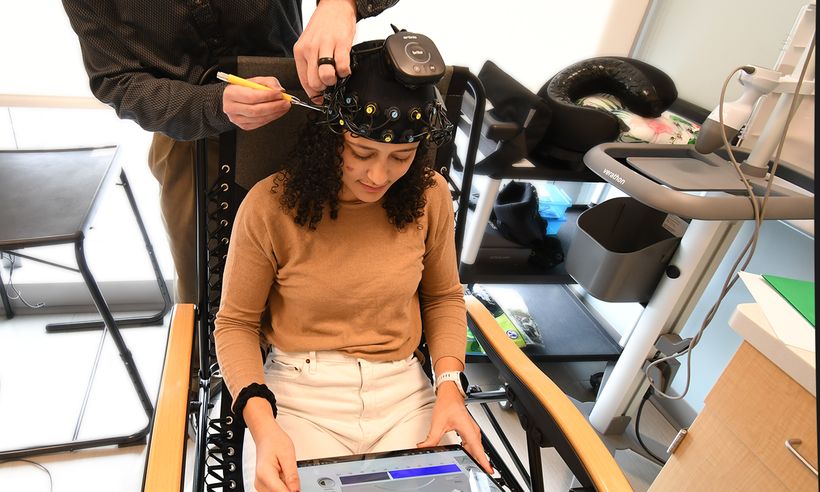
The year was 2003, and John Speich, Ph.D., professor in the Department of Mechanical & Nuclear Engineering, felt like he had a clear sense of the direction his burgeoning career was heading in. Speich had recently completed his doctorate in mechanical engineering from Vanderbilt University, where he concentrated on robotics. Following Vanderbilt, Speich went on to become an associate professor at the Virginia Commonwealth University (VCU) College of Engineering, working with students in the Department of Mechanical & Nuclear Engineering. Leveraging his robotics expertise, Speich planned to continue his work developing robotics for medical surgery and rehabilitation. Then Speich got a call from Paul Ratz, Ph.D., a professor at the VCU School of Medicine, asking for assistance that would change the entire focus of Speich’s career. Ratz used a small robotic lever that moved up and down just a few millimeters to stretch tiny strips of bladder muscle and rings of artery, trying to determine how different chemical compounds changed the mechanical properties of the muscle. Speich was intrigued—this was a form of mechanical engineering. “In mechanical engineering, we pull on things to determine the mechanical properties,” says Speich. “Here, Dr. Ratz was pulling on pieces of bladder instead of the typical substances mechanical engineers are known to work with, like steel, aluminum or plastic.” Speich and Ratz began working together in 2003, and now, because of that unique partnership, nearly all of the research Speich does is about the bladder. “Before I started working with Dr. Ratz, I had never even heard the words neurourology or urodynamics,” says Speich. “Now, Neurourology and Urodynamics is the name of the journal I publish in the most.” Today, Speich collaborates on bladder biomechanics with two doctors at VCU Health. Adam Klausner, MD is a urologist and the interim chair of the new Department of Urology at VCU. Linda Burkett, MD is a urogynecologist from the Department of Obstetrics and Gynecology; prior to medical school, Burkett completed her bachelor’s degree in Biomedical Engineering from the VCU College of Engineering. Together, Speich, Klausner and Burkett aim to find non-invasive methods to characterize and diagnose overactive bladder, with the goal of allowing doctors to precisely match patients with the most effective treatments. A number of students across the VCU College of Engineering and VCU School of Medicine have aided in their research, including recent Biomedical Engineering graduate Mariam William. Speich’s primary methods of research involve Near-Infrared Spectroscopy (NIRS)—a non-invasive technology that uses light to measure tissue oxygenation and brain activity—and ultrasound imaging. By using NIRS to study the brain activity associated with the sudden urge to urinate, Speich and his team are working to pinpoint the brain’s role and determine whether it or the bladder is the primary cause of an individual’s condition. “There are a lot of potential causes of overactive bladder,” says Speich. “Some people may have more than one cause. Individual responses to these treatments vary; what works well for one patient may not work at all for the next. We want to give doctors better tools for quantifying information about their patients so they can make better decisions and more optimized treatments.” Thanks to research grants, including a National Institutes of Health (NIH) grant from 2015-2025, Speich has been able to make a number of important findings in his bladder research. His team has closely examined the bladder’s dynamic elasticity, investigating the biomechanical mechanisms that allow the bladder muscle to fill and expand. Another recent focus asks, “Bladder or Brain. Which is it?” Speich and his team developed a tool called a sensation meter that they use to help determine what an individual is feeling as their bladder is filling over time. All this groundbreaking research and medical school collaboration, and to think—Speich nearly missed the opportunity to enter this field entirely. “When I tell students about how I came to be involved in bladder biomechanics, I tell them, you will always keep learning throughout your entire career,” says Speich. “You never know where you’re going to end up. If you’re an engineer, you’re a problem solver, and there are all kinds of problems in areas like business and medicine—beyond the traditional areas people think of when they think of mechanical engineering.”



New research partnership to develop biodegradable gloves from food waste for healthcare sector
Knowledge Transfer Partnership between Aston University and PFE Medical to develop a biodegradable clinical glove from food waste The gloves will provide a low-cost, convenient and sustainable alternative to the 1.4bn disposable gloves used in the NHS each year The innovation will reduce clinical waste and costs and help the NHS reach its net zero goals. Aston University and Midlands-based company PFE Medical are teaming up to create biodegradable gloves made from food waste for use in the NHS. They will offer a low-cost, convenient alternative to disposable gloves without compromising patient safety. More than 1.4bn disposable gloves are used by the NHS each year. They create large volumes of clinical waste which has both an environmental and economic cost. The Knowledge Transfer Partnership (KTP) project will develop a more sustainable alternative made from polymers derived from food waste such as orange peel, able to degrade naturally. The gloves will initially be for use during low-risk tasks such as ultrasound scans, rather than in more critical situations such as operating theatres. The gloves would be designed to not only reduce clinical waste and costs in the NHS, but also carbon emissions, helping the NHS reach its goal to be the world’s first net-zero health service. With most personal protective equipment (PPE) currently sourced from Chinese manufacturers, the goal is to develop a biodegradable glove that can be manufactured using a UK supply chain. The challenging project draws on Aston University’s expertise in sustainable polymer chemistry, centred at Aston Institute for Membrane Excellence (AIME). Aston University has one of the largest research groups of polymer chemists in the UK. The project will be led at the University by Professor Paul Topham, director of AIME, and Dr James Wilson, AIME associate member. The research team have chosen to focus on polymers from food waste in order to ensure that the final product can be manufactured sustainably. Most polymers are currently made from petroleum. Polymers made from food waste, ranging from fruit waste to corn or dairy products, have the potential for antioxidant and antibacterial properties if designed appropriately. The team will manipulate the polymer molecules so that they include the right monomers (the smaller units which make up the molecules) in the right location to achieve the properties they require. Critical to the success of the project will be PFE Medical’s commercial and clinical experience of taking new innovations into medical use. It will be the third KTP between Aston University and PFE, following on from successful projects to develop an automated endoscope cleaner, now in use across University Hospitals Birmingham NHS Foundation Trust (UHB). Professor Topham said: “At Aston University, we have a long history of working with industry, of translating fundamental research into solutions for real world problems. This project with PFE Medical provides us with that route, to take our science and engineering and make a difference to peoples’ lives. That’s exactly where, as researchers, we want to be.” Rob Hartley, CEO of PFE Medical, said: “Our previous KTP with Aston University was a phenomenal success, thanks to the brilliant team we had on board. I’m just as excited by this project, which is looking to solve an equally long-standing problem. If we can achieve our goal, then the implications are huge, going far beyond the NHS to all the other situations where people are wearing disposable gloves.” KTPs, funded by Innovate UK, are collaborations between a business, a university and a highly qualified research associate. The UK-wide programme helps businesses to improve their competitiveness and productivity through the better use of knowledge, technology and skills. Aston University is a sector-leading KTP provider, ranked first for project quality, and joint first for the volume of active projects. For further details about this KTP, visit the webpage: www.aston.ac.uk/business/collaborate-with-us/knowledge-transfer-partnership/at-work/pfe-medical.



ChristianaCare Hospital, West Grove to Open Mid-August 2025
ChristianaCare is opening its first neighborhood hospital in the company’s 188 year history — ChristianaCare Hospital, West Grove. Set to open in mid-August, this facility offers a new model of emergency and acute care right in the heart of southern Chester County. The exact opening date will be confirmed following final inspection by the Pennsylvania Department of Health, which is scheduled to occur in the first week of August. A Modern Hospital, Right in the Neighborhood Located at 1015 West Baltimore Pike, the 20,000-square-foot hospital will operate 24/7, offering around-the-clock care in a modern, easy-to-access setting. Developed in partnership with Emerus Holdings, Inc., the nation’s leading developer of neighborhood hospitals, this facility brings high-quality acute and emergency care directly into the community. It will be staffed with board-certified emergency physicians, skilled nurses and clinical specialists, all dedicated to delivering patient-first, efficient and compassionate care. “It’s an honor and privilege to expand access to high-quality care for our neighbors in southern Chester County,” said Janice Nevin, M.D., MPH, president and CEO of ChristianaCare. “We will be opening our doors for the families in this community with a steadfast commitment to being their trusted health care partner. We’re grateful for the opportunity to bring love and excellence to those we will serve.” Convenient, Comprehensive Services ChristianaCare Hospital, West Grove is designed to meet a wide range of everyday medical needs. Key features include: A full-service emergency department with 10 treatment rooms. A 10-bed inpatient unit for overnight stays, observation and diagnostics. Advanced imaging and lab services, including ultrasound, CT scan and X-ray. Virtual access to specialists in such areas as cardiology, critical care and infectious disease. The emergency department is equipped to treat conditions such as falls, injuries, heart attacks and strokes. Patients requiring surgery or more complex care will be stabilized and seamlessly transferred to a hospital with more expanded service offerings based on the clinical needs of the patient. “This neighborhood hospital brings the right mix of services to support the health and well-being of our neighbors,” said Pauline Corso, president of ambulatory network continuity and growth at ChristianaCare. “We’re excited to bring care close to home to meet the needs of the community. We’re here to stay and grow alongside this community.” The project has received strong local support and was made possible in part by generous grants from the Commonwealth of Pennsylvania and the Chester County Board of Commissioners — Josh Maxwell, Marian Moskowitz, and Eric Roe — whose leadership helped bring this vision to life. Health Center Expands Access to Primary and Specialty Care As part of its long-term investment in the West Grove Campus, ChristianaCare has also purchased the building at 900 W. Baltimore Pike, across the street from the hospital. This facility currently houses a ChristianaCare primary care practice and imaging services, offering walk-in X-rays and scheduled mammography and ultrasound appointments. This health center will continue to evolve to meet the growing needs of the community. Meeting Regional Needs with a Broader Vision ChristianaCare is expanding its neighborhood hospital model to address care gaps across southeastern Pennsylvania. New hospitals are being planned for Aston and Springfield Townships in Delaware County, with the Aston location already under construction and expected to open in late 2026. In addition, ChristianaCare was the successful bidder for Crozer Health outpatient centers in Glen Mills, Havertown, Broomall and Media, further strengthening its regional footprint and ability to deliver timely, high-quality care. A Legacy of Care in Southeastern Pennsylvania ChristianaCare’s presence in the region is long-standing. The organization currently provides primary care at three Chester County locations — Kennett Square, Jennersville and West Grove — and recently opened a cardiology practice in West Grove. In neighboring Delaware County, the Concord Health Center in Chadds Ford offers a wide range of services, including primary care, women’s health, sports medicine, and behavioral health. Together, these sites serve as the medical home for more than 25,000 residents, underscoring ChristianaCare’s deep commitment to delivering accessible, high-quality care where it’s needed most.

Babies whose mothers took kale or carrot capsules when pregnant responded more favourably to these smells The research shows that the process of developing food preferences begins in the womb, much earlier than previously thought The research follows up on an earlier study Babies show positive responses to the smell of foods they were exposed to in the womb after they are born, according to a new study. The findings, led by Durham University, UK, could have implications for understanding how healthy eating habits might be established in babies during pregnancy. The research included scientists from Aston University, UK, and the Centre national de la recherche scientifique (CNRS) and University of Burgundy, France. It is published in the journal Appetite. Researchers analysed the facial expressions of babies who had been repeatedly exposed to either kale or carrot in the womb after birth. Newborns whose mothers had taken carrot powder capsules when pregnant were more likely to react favourably to the smell of carrot. Likewise, babies whose mothers had taken kale powder capsules while pregnant reacted more positively to the kale scent. Research co-lead author and supervisor Professor Nadja Reissland, of the Fetal and Neonatal Research Lab, Department of Psychology, Durham University, said: “Our analysis of the babies’ facial expressions suggests that they appear to react more favourably towards the smell of foods their mothers ate during the last months of pregnancy. Potentially this means we could encourage babies to react more positively towards green vegetables, for example, by exposing them to these foods during pregnancy. “In that respect, the memory of food the mother consumes during pregnancy appears to establish a preference for those smells and potentially could help to establish healthy eating habits at a young age.” This study is a follow-up to a 2022 research paper where the researchers used 4D ultrasound scans at 32 and 36 gestational weeks to study foetal facial expressions after their pregnant mothers had ingested a single dose of either 400mg of carrot or kale capsules. Foetuses exposed to carrot showed more “laughter-face” responses while those exposed to kale showed more “cry-face” responses. For the latest study, the researchers followed up 32 babies from the original research paper – 16 males and 16 females – from 36 weeks gestation until approximately three weeks after birth. Mothers consumed either carrot or kale capsules every day for three consecutive weeks until birth. When the babies were about three weeks old, the research team tested newborns’ reactions to kale, carrot, and a control odour. Separate wet cotton swabs dipped in either carrot or kale powders, or water as the control, were held under each infant’s nose and their reaction to the different smells was captured on video. The babies did not taste the swabs. Scientists then analysed the footage to see how the newborns reacted and compared these reactions with those seen before the babies were born to understand the effects of repeated flavour exposure in the last trimester of pregnancy. The research team found that, from the foetal to newborn period, there was an increased frequency in “laughter-face” responses and a decreased frequency in “cry-face” responses to the smell the babies had experienced before birth. Humans experience flavour through a combination of taste and smell. In foetuses, this happens through inhaling and swallowing the amniotic fluid in the womb. Research co-lead author Dr Beyza Ustun-Elayan carried out the research while doing her PhD at Durham University. Dr Ustun-Elayan, who is now based at the University of Cambridge, said: “Our research showed that foetuses can not only sense and distinguish different flavours in the womb but also start learning and establish memory for certain flavours if exposed to them repeatedly. This shows that the process of developing food preferences begins much earlier than we thought, right from the womb. By introducing these flavours early on, we might be able to shape healthier eating habits in children from the start.” The researchers stress that their findings are a baseline study only. They say that longer follow-up studies are needed to understand long-term impacts on child eating behaviour. They add that further research would also need to be carried out on a larger group of infants, at different points in time. They say that the absence of a control group not exposed to specific flavours makes it challenging to fully disentangle developmental changes in the babies from the effects of repeated flavour exposure. Future research should also factor in post-birth flavour experiences, such as some milk formulas known to have a bitter taste, which could impact babies’ responses to the smell of bitter and non-bitter vegetables. The research involved the children of white British mothers, and the researchers say that future studies should be widened to explore how different cultural dietary practices might influence foetal receptivity to a broader array of flavours. Research co-author Professor Jackie Blissett, at Aston University’s School of Psychology, said: “These findings add to the weight of evidence that suggests that flavours of foods eaten by mothers during late pregnancy are learnt by the foetus, preparing them for the flavours they are likely to experience in postnatal life.” Research co-author Professor Benoist Schaal, National Centre for Scientific Research (CNRS)-University of Burgundy, France said: “Foetuses not only detect minute amounts of all types of flavours the mothers ingest, but they overtly react to them and remember them while in the womb and then after birth for quite long times. In this way, mothers have an earlier than early teaching role, as the providers of the infant’s first odour or flavour memories.” Visit https://doi.org/10.1016/j.appet.2025.107891 to read the full research paper in Appetite.


ChristianaCare Will Establish New Health Care Campus in Aston, Delaware County, Pennsylvania
ChristianaCare has announced that Aston, PA will be the location for its next health care campus that will feature a neighborhood hospital and a health center. This is one of two facilities that ChristianaCare plans to open in Delaware County, as announced in February 2024. The hospital will be built in partnership with Emerus Holdings, Inc., the nation’s leading developer of neighborhood hospitals. The ChristianaCare Aston Campus, located at 700 Turner Industrial Way, is expected to open in the second half of 2026. The site was chosen based on a market assessment of historical and projected demographic data and health care service availability as well as a consumer survey, community input and feedback from elected officials and business leaders. The study identified gaps in health care accessibility, concluding that Aston would be an ideal location for a health campus. “We are thrilled to be bringing high quality health care services to our neighbors in Aston in Delaware County,” said Jennifer Schwartz, chief strategy officer at ChristianaCare. “Our goal is to make access to health care easy, convenient and close to home in a way that is sustainable and right-sized to meet the needs of the local community.” The neighborhood hospital will operate 24/7 with approximately 10 inpatient beds and an emergency department. The emergency department will treat common emergency care needs such as falls, injuries, heart attacks and strokes. The hospital will also provide diagnostic capabilities, including ultrasound, computed tomography (CT), X-ray and laboratory services. In addition to on-site staff, the hospital will benefit from access to virtual consults — such as neurology and cardiology — to support safe and effective care. ChristianaCare will add a health center on the second floor of the hospital offering outpatient services. These services will be developed based on community needs and are expected to include primary and specialty care practices plus an array of other clinical services. The announcement comes as construction is already under way on ChristianaCare’s first Pennsylvania neighborhood hospital, in West Grove, nearby in southern Chester County, which is projected to open mid-2025. Together, these three new campuses represent a new layer of care coming to southeastern Pennsylvania. ChristianaCare has been providing health care services to the residents of southeastern Pennsylvania for many years. Today, ChristianaCare offers primary care in three Chester County practices that are located in Jennersville, West Grove and Kennett Square. In addition, Concord Health Center in Chadds Ford, Delaware County, provides a wide array of services, including primary care, women’s health, sports medicine, behavioral health and more. Combined, ChristianaCare is now the medical home for 25,000 residents in these communities.

First in Delaware to Offer MR-Guided Ultrasound for Treatment of Essential and Parkinson’s Tremor
Revolutionary technology gives patients immediate relief from debilitating tremors without the need for invasive surgery. ChristianaCare is the first health care provider in Delaware to offer FDA-approved focused ultrasound treatment for people suffering from essential tremor and Parkinson’s disease. The new option – called MR-guided focused ultrasound – uses sound wave energy to destroy precise areas of brain tissue that is the source of the tremor. No surgical incision or anesthesia is necessary, and many patients experience immediate and significant reduction in tremors, which can make daily activities challenging. Dr. Martello explains that the procedure involves the use of high-frequency sound waves directed with pinpoint precision by magnetic resonance imaging to ablate, or burn, the focal point deep within the brain that is causing tremors. “This minimally invasive technology dramatically improves the lives of patients with essential tremor and tremor-dominant Parkinson’s who haven’t fully responded to traditional treatments,’’ said Justin Martello, M.D., director of the Parkinson’s and Movement Disorders Programs, and Focused Ultrasound Program at ChristianaCare. What is tremor? Tremor is a neurological condition that includes involuntary shaking or trembling movements in one or more parts of the body. It most commonly affects the hands and can make daily tasks such as writing, eating and using a computer or phone extremely difficult. Tremor affects approximately 1% of the population overall and 5% of adults age 60+. It is expected to increasingly impact Delawareans as the state’s population ages. Essential tremor is the most common type of tremor. It can occur at any age but is most common in older adults. Tremor is also the most well-known symptom of Parkinson’s disease. An estimated 1.5 million Americans suffer from Parkinson’s disease, a progressive neurodegenerative disease that affects movement and can also affect speech, balance and cognitive function. A newer, better option for patients who don’t respond to medications The procedure of MR-guided focused ultrasound involves the use of high-frequency sound waves directed with pinpoint precision by magnetic resonance imaging to ablate, or burn, the focal point deep within the brain that is causing tremors. Patients are fitted with a frame affixed to a specialized helmet that combines the focused energy of more than 1,000 high-frequency sonic beams directed through the skull. The treatment does not require cutting through the skull, or radiation, as in gamma knife technology. “Today, there are basically three options for managing tremor,” said Pulak Ray, M.D., of Delaware Neurosurgical Group and associate director of the Focused Ultrasound program. “The first is medication, which is effective and affordable for many patients, but its effectiveness tends to diminish over time. The second is deep-brain stimulation, which is the most invasive and costly treatment option. The newest is MR-guided ultrasound, which tends to be the preferable option for most patients who do not respond well to medication, because it is a simple, non-invasive outpatient procedure that is highly effective, safe and produces instant results.” Benefits of MR-guided Focused Ultrasound MR-guided focused ultrasound reduces tremor immediately, with shorter recovery time, lower risk of side effects and lower associated health care expenses compared to surgical alternatives. This treatment dramatically improves patient experience and quality of life for people with Parkinson’s disease or essential tremor. For many patients, MR-guided ultrasound reduces their dependence on caregivers to assist with activities of daily living. Candidates must first undergo a CT scan to ensure a skull density sufficiently thick to accommodate the procedure. The patient is awake during the procedure and situated within an MRI machine for real-time imaging of the brain. The physician tests the precise location by heating the area, then ensuring the patient is able to control tremors by tracing lines on a spirograph. At that point, the physician then permanently ablates the focal point, usually a sphere a few millimeters in length. “Our team is very excited to bring this technology to Delaware and to open up access to potentially life-changing treatment that until now has required long wait times and significant travel for patients,” said Kim Gannon, M.D., Ph.D., medical director of the comprehensive stroke program and physician executive of Neuroscience Service Line at ChristianaCare. “Many tremor patients have suffered for years or even decades with this debilitating and progressive condition and helping them live a more active and independent lifestyle is extremely rewarding.” MR-guided focused ultrasound is covered by Medicare and most insurance plans.
Hospital at Home: Understanding How It Works
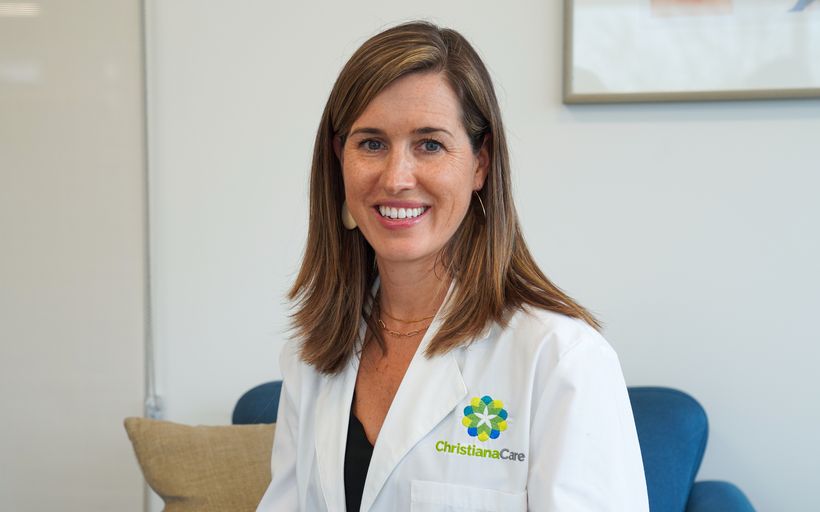
As the ChristianaCare Hospital Care at Home program grows, we see the benefits of improving the way we deliver care to our patients. With each patient we care for, we are reminded that a big part of recuperating and getting better is not just physical but mental and emotional. Being home allows patient to visit with loved ones, cuddle with pets and sleep in their own bed. It also helps our health care providers better understand a patient’s living environment, making it possible for us to provide the individual services they need. Q. What is hospital care at home? A. I think of a virtual hospital as three components: a command center, technology and in-home care. The command center is a 24/7, 365-day- a-week center staffed by physicians, nurses, advanced practice clinicians and patient digital ambassadors. This team of health care providers is tethered to patients in the home by way of our technology. We give our patients a tablet that lists their daily schedule so they know who to expect in their home and the time our health care providers will arrive. It also allows them to contact the command center at any time by pressing a button. When they do that, a nurse appears on the screen right away. Edwin Bryson Sr. said ChristianaCare made it easy to treat his diabetes complications from the privacy and comfort of his own home. With hospital care at home, he said, “all I do is hit the button and a nurse comes on to assist me with anything I need. It was 24-hour service here, just like I was in the hospital.” Technology also allows us to monitor patients’ vital signs at home as we would in the traditional hospital setting. We use Bluetooth technology to upload that information into the electronic medical record. In-home care is made up of a team that goes into the home to deliver the services that a particular patient needs. This includes radiology (X-rays and ultrasound), blood tests, intravenous medications, physical therapy, occupational therapy and more. A licensed professional, such as a nurse, also visits the patient at home at least twice a day. Q. Who is eligible for hospital care at home? A. There are requirements for participation. Patients need to live within 25 miles from our Delaware hospital campuses which are in Newark and Wilmington. We also are looking for patients that meet our acute, inpatient level of care. So if they’re in observation status, for example, they wouldn’t be a good candidate. We also need patients who don’t require continuous monitoring: If a patient has telemetry monitoring or if they’re in the intensive care unit or a step-down unit, they would not be a good candidate. Our team works every day with caregivers at both Delaware hospitals to identify patients who would benefit from hospital care at home. Q. What are common sicknesses that can be treated at home? The first 20 patients we admitted into this program had 20 different diagnoses. But after treating more than 500 patients, the most common diagnoses that we see are cellulitis, sepsis, pneumonia, chronic obstructive pulmonary disease (COPD) exacerbation and congestive heart failure. Hospital at home may not be the solution for all patients, but in many cases it can help patients get better quicker and in a place where they most feel comfortable. As ChristianaCare strives for greater access to care, home may be where the health is.
#Expert Research: Biodegradable ultrasound implant could improve brain tumour treatments
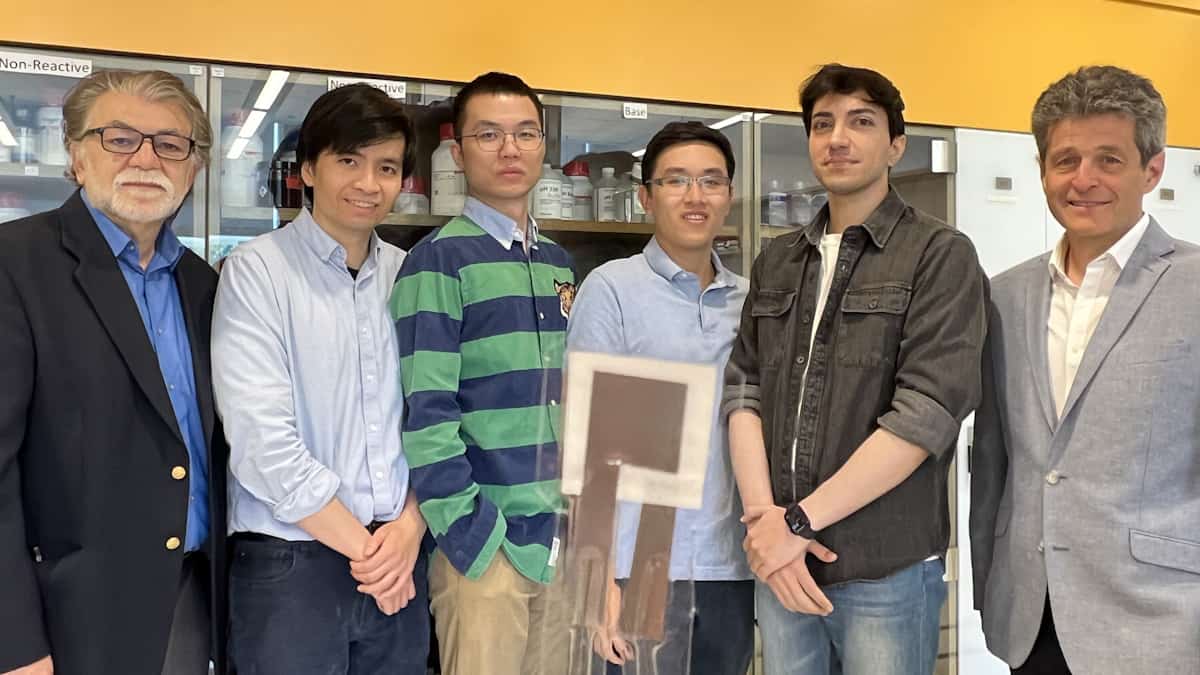
One of the challenges in treating certain types of brain cancer is the way that the blood-brain barrier prevents chemotherapy drugs from reaching the tumors they're meant to target. UConn's Thanh Nguyen, a biomedical and mechanical engineer, is developing new technology that could improve how we are able to treat brain tumors. He recently spoke with Physics World about this groundbreaking research: A new type of biodegradable ultrasound implant based on piezoelectric nanofibres could improve outcomes for patients with brain cancer. Researchers led by Thanh Nguyen from the the University of Connecticut’s department of mechanical engineering fabricated the devices from crystals of glycine, an amino acid found in the human body. Glycine is not only non-toxic and biodegradable, it is also highly piezoelectric, enabling the creation of a powerful ultrasound transducer that could help treat brain tumours. Brain tumours are particularly difficult to treat because the chemotherapy drugs that would be effective in tackling them are blocked from entering the brain by the blood–brain barrier (BBB). This barrier is a very tight junction of cells lining the blood vessel walls that prevents particles and large molecules from making their way through and damaging the brain. However, ultrasound can be safely used to temporarily alter the shape of the barrier cells such that chemotherapy drugs circulating in the bloodstream can pass through to the brain tissues. Currently, to achieve such BBB opening requires the use of multiple ultrasound transducers located outside the body, together with very high intensity ultrasound to enable penetration through the thick human skull bone. “That strong ultrasound can easily damage brain tissues and is not practical for multiple-time applications which are required to repeatedly deliver chemotherapeutics,” Nguyen tells Physics World. By contrast, the team’s new device would be implanted during the tumour removal surgery, and “can generate a powerful acoustic wave deep inside the brain tissues under a small supplied voltage to open the BBB”. The ultrasound would be triggered repeatedly as required to deliver the chemotherapy that kills off the residual cancer cells at tumour sites. After a set period of time following treatment the implant biodegrades, thereby eliminating the need for surgery to remove it. The research, reported in Science Advances, demonstrated that the team’s device used in conjunction with the chemotherapy drug paclitaxel significantly extended the lifetime of mice with glioblastomas (the most aggressive form of brain tumour) compared with mice receiving the drugs but no ultrasound treatment. This is fascinating research and if you are interesting in covering this topic, then let us help. Professor Nguyen focuses on biointegrated materials and devices at nano- and micro-scales for applications in biomedicine, and he's available to speak to media about his research. Simply click on his icon now to arrange an interview today.



ChristianaCare Will Open Neighborhood Hospital at Its West Grove Campus
Plans for emergency and inpatient care follow extensive planning and community listening sessions ChristianaCare today provided new details about its plans to restore needed health care services to the southern Chester County, Pennsylvania, community at its West Grove campus, formerly Jennersville Hospital. ChristianaCare will open a neighborhood hospital that includes 10 emergency department beds and 10 inpatient beds. The neighborhood hospital will offer emergency care and behavioral health emergency care and provide diagnostic capabilities including ultrasound, computed tomography (CT), X-ray and laboratory services. The emergency department will treat common emergency care needs such as falls, injuries, heart attacks and strokes. Additionally, the hospital will benefit from access to ChristianaCare’s large network of specialists and support services — such as neurology and cardiology — through virtual consults. “We are excited to share our plans to restore important local health care resources to the southern Chester County community,” said Janice Nevin, M.D., MPH, ChristianaCare president and CEO. “We are committed to our neighbors in southern Chester County for the long-term, serving them as expert, caring partners in their health.” ChristianaCare’s plans for a neighborhood hospital meet the Pennsylvania Department of Health’s requirements for a micro-hospital, which must have a minimum of 10 inpatient beds and 10 emergency department treatment rooms and offer imaging services on-site. “After listening to the needs of the community and an extensive review of historical and projected demographic data, we believe this neighborhood hospital model will provide the right mix of health care services for the West Grove campus in a way that is sustainable and meets the community’s most immediate needs today,” said Heather Farley, M.D., chief wellness officer for ChristianaCare and the clinical leader for the West Grove planning. “It also sets us up to grow in meeting more of the community’s needs in the future.” ChristianaCare anticipates an opening date in late 2024, although the date is subject to change due to the significant work that will be required to renovate the facility to bring it up to current standards, including the build-out of an entirely new information technology infrastructure. Last year, ChristianaCare received funding from Chester County and the Commonwealth of Pennsylvania totaling $5 million to assist in facility upgrades. ChristianaCare already serves residents of southern Chester County. Since 2020, ChristianaCare has provided primary care in three practices that are located in Jennersville, West Grove and Kennett Square. The West Grove practice has recently brought on additional providers and will soon begin offering virtual visits with ChristianaCare specialists. Combined, these three practices are now the “medical home” for 22,000 residents in these communities. ChristianaCare finalized the purchase of its West Grove campus from Tower Health in June 2022. The hospital has been closed since Dec. 31, 2021.