
Experts Matter. Find Yours.
Connect for media, speaking, professional opportunities & more.
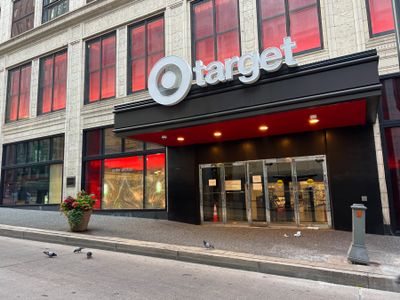
Target Can’t Seem to Escape the Crosshairs
The on-again-off-again nationwide boycott of Target has the retailer’s new chief executive, Michael Fiddelke, officer facing relentless pressure from activists on both sides of the issue. David Primo, a professor of political science and business administration at the University of Rochester, says Fiddelke can’t seem to move Target from the crosshairs despite slashing prices on thousands of products and investing in stores, workers, and technology. “Target remains a battleground for activists on the left and the right, and its new CEO hasn’t yet figured out how to extricate the company from this role,” Primo recently told USA Today. “Fiddelke already faces a huge challenge in turning around a company with significant operational issues. This certainly doesn’t help matters.” Target has reported 13 straight quarters of sluggish sales. Company officials have admitted that shopper anger has contributed. Activists in Minneapolis, where Target is based, organized a nationwide boycott last year over the company’s rollback of diversity, equity, and inclusion policies. From church pulpits to community gatherings, the policy about-face was widely viewed as a betrayal of Black Americans who had propped up the retail giant’s bottom line. Primo studies corporate political strategies, among other areas, and regularly shares his insights with business journalists and political reporters. His essays have appeared in The New York Times and The Wall Street Journal, and he’s been interviewed by many radio and television outlets, including Bloomberg and National Public Radio. Contact him by clicking on his profile.


On Sunday, October 19, at 9:34 a.m., four masked individuals surged into the Louvre’s Galerie d’Apollon from a severed, second-floor window. Hurriedly, they smashed open two display cases, seized eight pieces of jewelry, then shimmied down a ladder and sped off on motorbikes toward Lyons. In seven minutes’ time, in broad daylight, they absconded with an estimated $102 million in valuables from the world’s most famous museum. This past Saturday, October 25, French authorities announced the first arrests in connection with the daring heist. However, despite the police’s progress, the country continues to litigate the matter—embroiled in discussions of heritage, history and national identity. Recently, Roderick Cooke, PhD, director of French and Francophone Studies at Villanova University, shared his perspective on the situation as well as the artifacts lost. Q: The Louvre heist has been described as “brazen,” “shocking” and a “terrible failure” on security’s part. Is there any sort of precedent for this event in the museum’s history? Dr. Cooke: Nothing on this scale has ever happened to the Louvre since its founding as a museum during the Revolution. The closest equivalent is the 1911 theft of the Mona Lisa by a former employee who claimed it should be returned to Italy. However, that was one painting, the heist was not committed by organized crime, and the Mona Lisa did not have the renown it enjoys today. The impact of the theft was thus lower, although it did cause major outrage and a sweeping law-enforcement response at the time. Ironically, that theft is often credited with making da Vinci’s painting the global icon it continues to be. Q: What has the reaction to this event been among the French people? DC: It’s harder to get a sense of reactions across French society, because so much of the aftermath has focused on the intellectual milieux’s opinions. And in those realms, it has immediately become a political football. Individuals positioning themselves as anti-elite or anti-status quo, such as Jordan Bardella of the National Rally party, have called the theft a “humiliation,” immediately tying it to French national prestige. Former President François Hollande has conversely and vainly called for the event to be de-polemicized, citing national solidarity. This is happening because the Louvre is one of the most visible manifestations of French soft power—the most-visited museum anywhere on Earth. As such, anything attacking its integrity becomes an attack on the nation, and how individual French citizens feel about the theft is closely tied to their broader view of the nation. Q: Several of the items stolen from the Louvre once belonged to Empress Eugénie. Could you share a bit of information on her story? DC: Eugénie de Montijo was a Spanish aristocrat who married the Emperor of the French, who ruled as Napoleon III between 1852 and 1870. It was a time of authoritarian repression and sham democracy—Napoleon III installed the Empire through a coup. Its clearest legacy is that Paris looks the way it does today largely because of the thorough modernizations overseen by Napoleon III’s appointee Baron Haussmann. So, Eugénie and her now-lost jewels represent a complex point in French history, when culture and the economy developed quickly, but did so in a climate of fear for any French person who opposed the regime too loudly (like Victor Hugo, who went into exile on the Channel Islands and wrote poems savaging Napoleon III and his deeds). Some accused the Empress of being responsible for the more hardline and conservative stances taken by her husband’s government. On a different note, she was a diligent patron of the arts and arguably the most significant figure in the contemporary fashion world, famous for setting trends such as the bustle that radiated across Europe. This explains the mix of anger and admiration that followed her depending on the sphere she was operating in. A new English-language biography argues that far from being a traditionalist, she was a pioneering feminist by the standards of the time. It looks like her historical importance will continue to be debated. Q: Interior Minister Laurent Nuñez described the stolen items as “of immeasurable heritage value.” How significant of a cultural loss do you consider this theft? DC: These jewels are referred to in French as “les Joyaux de la Couronne” (the Crown Jewels), but of course that phrase lands very differently in republican France than it does across the water in the United Kingdom. The items actually represent several different dynasties of French rulers, some of whom came to power through direct conflict with others. The now-ransacked display at the Louvre smoothed over these historical divisions, for which many French people died over the centuries. President Macron referred to the stolen items as embodying “our history,” which is emblematic of the French state’s work to create a conceptual present-day unity out of the clashes of the past. At a time when France is arguably more divided than at any point since World War II, any unitary symbol of identity takes on greater significance. Q: Do you have any closing thoughts on the artifacts taken and what they represent? DC: I’d reemphasize the previous point about the smoothing effect of the museum display on the violent history that made it possible. Much of the reporting on the stolen jewels lists off the different queens and empresses who owned them, without giving readers a sense of the complicated succession of regime changes and ideologies that put those women in power in the first place. The relative stability of the last 60-odd years is an anomaly in modern French history. This set of jewels and the names of their original owners may seem far removed from the concerns of an ordinary French citizen today, but just beneath their surface is a legacy of changing governments and tensions between social classes that survives in new forms in 2025.

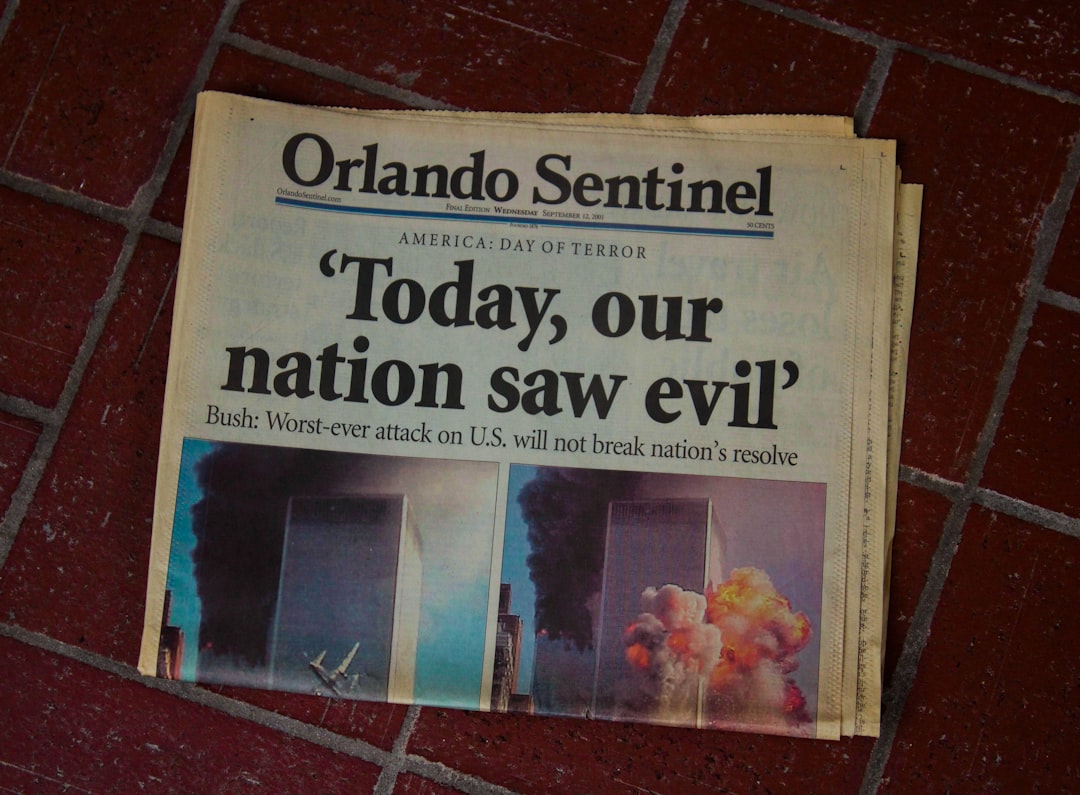
#ExpertSpotlight: The Day That Redefined America: 9/11 and Its Lasting Impact
September 11, 2001 marked a pivot in American history—a day when the nation’s sense of safety was shattered, and its collective identity reshaped. The attacks triggered sweeping changes in security, government authority, social behavior, and even cultural cohesion. Today, the legacy of 9/11 lives on in how we remember, govern, and connect. A Nation in Shock—and Unity On that fall morning, the U.S. witnessed a tragedy that killed nearly 3,000 people and devastated the nation’s psyche. In the immediate aftermath, grief turned into solidarity—as most Americans tuned into televised coverage, felt sadness, anger, and fear, yet paradoxically came together in an extraordinary show of patriotism and trust in institutions. In the months that followed, confidence in government reached levels unseen in decades—fueled by mourning, resolve, and a collective desire to heal. The Rise of “Homeland Security” & Executive Power Almost immediately, the U.S. government unleashed legal and structural transformations. The USA PATRIOT Act, passed just weeks later in October 2001, significantly expanded surveillance and law enforcement powers for domestic security—raising ongoing concerns about civil liberties. Alongside this, the Department of Homeland Security was created in 2002, bringing together 22 agencies to coordinate security against future threats and reinforcing a new era of national vigilance. Economic Shock and Air Travel Overhaul The attacks triggered immediate economic consequences: U.S. stock markets plunged, airlines and insurers suffered heavy losses, and GDP forecasts were revised downward. Meanwhile, the aviation sector underwent a rapid and lasting modernization in security protocols and flight routing. Notably, Canada’s Operation Yellow Ribbon absorbed diverted flights in the chaos, highlighting international cooperation amid crisis. Legal Precedents and Global Conflict Congress quickly approved the broad-ranging Authorization for Use of Military Force (AUMF), enabling the U.S. to pursue adversaries globally—a mandate that has since been interpreted far beyond its original context, shaping nearly two decades of “forever wars.” These legal expansions—and the accompanying conflicts in Afghanistan and Iraq—signaled a new global posture that redefined American foreign policy. Remembering, Serving, and the Legacy Continues In the years since, public memory of 9/11 has evolved—from solemn remembrance to proactive service. Patriot Day, proclaimed a national day of mourning and service, now encourages millions of Americans each year to volunteer in honor of those lost and the unity felt afterward. These acts of service continue to reflect the enduring spirit of resilience and community. Connect with our experts on the history, significance, and lasting impact of 9/11 on American life and policy. Check out our experts here : www.expertfile.com


Taming "The Bear": Villanova Professor Examines Workplace Toxicity in FX's Acclaimed Series
In the latest season of FX’s award-winning series “The Bear,” lead character and chef Carmen “Carmy” Berzatto finds himself at a crossroads. A culinary genius, Carmy has successfully overseen the reinvention of his family’s Italian beef shop as a high-end restaurant—shepherding a dedicated, if unpolished, crew of sandwich makers into a world of haute cuisine, fine wine and elevated service. However, over the course of this transition, his exacting standards have contributed to a culture of anxiety, dysfunction and resentment in the workplace. Despite staff members’ professional and personal growth, tempers still flare like burners on a range, with Carmy’s obsessive attention to detail and single-minded pursuit of perfection spurring conflict. By season’s end, grappling with the fallout from a mixed review seemingly influenced by the back-of-house “chaos,” the chef is forced to confront a complicated and thorny question: Am I getting in the way of my own restaurant’s success? Carmy’s dilemma, while fictional, reflects the very real challenges many modern businesses face when excellence is prioritized at the expense of psychological safety and workplace harmony. Per Manuela Priesemuth, PhD, who researches toxic work climates, aggression on the job and organizational fairness, the warning signs are all too frequently overlooked in high-pressure environments like restaurants. “Some high-stakes industries have a characteristic of having toxic behavior more accepted,” says Dr. Priesemuth. “When it’s more accepted or normed, it’s a real problem.” As she explains, workers in the food service industry, much like medical professionals in an operating room or military personnel in a combat zone, have a tendency to view measured communication and thoughtful interaction as a luxury or even, in some cases, a hindrance. Essentially, there’s a common misconception that working with an edge—yelling orders, avoiding dialogue and berating “underperformers”—gets the job done. “In all of these high-stakes environments where it’s thought there’s leeway to talk negatively or disparagingly, people are mistaken in the productivity result,” Dr. Priesemuth says. “It actually changes for the better in positive climates, because people who are treated with dignity and respect are better performers than those who are mistreated.” To Dr. Priesemuth’s point, research increasingly shows that workplace culture, not just talent or technical ability, is an essential driver of organizational success. In an environment like Carmy’s kitchen, where pride and passion often give way to personal attacks and shouting matches, the on-the-job dynamic can effectively undermine productivity. What may begin as an intended push for excellence can instead result in burnout, high turnover and weakened trust—outcomes that are especially problematic in collaborative, fast-paced industries like hospitality. “There’s even evidence that abusive behavior in restaurant settings can lead to food loss,” shares Dr. Priesemuth. “So, there is a sort of retaliation from the employees who are going through this experience, whether it’s measured [in profit margins] or impact on the customer.” In order to prevent these less-than-ideal outcomes, businesses should take steps proactively, says Dr. Priesemuth. More specifically, they should clearly articulate their values and expectations, considerately engage with their staff’s opinions and concerns and consistently invest in their employees’ growth and development. In the world of “The Bear,” a few of Carmy’s managerial decisions in the second season could be seen as moves in the right direction. At that juncture, he was leveraging his industry connections to provide his restaurant’s staff with the tools and training necessary to thrive in Chicago’s fine dining scene, building skills, confidence and goodwill. “If you give people voice—such as input on the menu, for example, or more autonomy in completing a certain task—it boosts morale,” says Dr. Priesemuth. “It helps people feel that they have input and that they are valued members of the team; it’s this sort of collaborative, positive relationship that increases commitment and performance.” Establishing this type of work culture, grounded in open communication, mutual respect and a shared sense of mission, takes concerted effort and constant maintenance. In situations in which toxicity has already become an issue, as it has in Carmy’s kitchen, the task becomes decidedly more difficult. Typically, it demands a long-term commitment to organizational change at the business’ highest levels. “Adjusting the tone at the top really matters,” says Dr. Priesemuth. “So, if the owner were to treat their chefs and waiters with the dignity and respect that they deserve as workers, that also trickles down to, for example, the customer.” A leader’s influence on workplace morale, she contends, is nuanced and far-reaching. When those in charge model a lack of empathy or emotional distance, for instance, a sort of toxicity can take root. Likewise, when they repeatedly show anger, animosity or frustration, those same feelings and attitudes can have an ingrained effect—regardless of a staff’s talent or ability. Given the outsized role owners, supervisors and managers play in shaping organizational culture, Dr. Priesemuth further notes, “Leaders must also feel that they’re being supported. You can’t have someone who’s exhausted, works 80 hours a week and has relationship and money issues and expect them to say, ‘What are your problems? What do you need?’” In many ways, her insights speak directly to the struggles Carmy faces and prompts throughout “The Bear’s” run. At every turn, he’s dogged by family and relationship troubles, mounting financial pressures and unresolved trauma from a past role. Ultimately, as would happen in real life, his difficulty in healthily processing and addressing these issues doesn’t just harm him; it affects his staff, manifesting itself as a need for control and a crusade for perfection. “There are spillover effects from your own personal life into your job role. In the management field, that has become increasingly clear,” says Dr. Priesemuth. “Whatever you’re going through, whether it’s from an old job or something personal, it will automatically spill over into your current work life and your interactions. And, vice versa, what’s happening to you at work will [impact you off the clock].” In dramatic fashion, the fourth season of “The Bear” concludes with Carmy acknowledging as much. Determining that there are other aspects of his life desperately in need of attention, he surrenders the reins of his business to chef de cuisine Sydney “Syd” Adamu and maître d’hôtel Richard “Richie” Jerimovich, appointing them part-owners. While the soundness of this decision remains a subject for the show’s next season, Carmy justifies the move with a blunt admission: “It’s the best thing for the restaurant. We have to put the restaurant first… I don’t have anything to pull from.” In the end, in both “The Bear” and management studies, there’s an understanding that building healthy and productive work environments requires active engagement and positive reinforcement on the part of leadership. In a sense, creating a strong work culture is shown to be a lot like preparing a phenomenal meal; it’s a matter of attentiveness, patience and care. Without those ingredients, the result could very well be a recipe for disaster.

Anger Over Handling of Israel-Hamas War Boosted Support of Trump
Lawrence Levy, associate vice president and executive dean of the National Center for Suburban Studies, explained in a Newsday article that Donald Trump’s re-election campaign got a boost from Muslim and Jewish communities angered over the Biden administration’s handling of the Israel-Hamas War.


Expert Q&A - Craig Albert, PhD, talks election interference
Going into the final days of the 2024 election cycle there is a very real concern about election interference from both foreign and domestic actors, and it's something that will continue to be monitored even after the final votes are tallied. Craig Albert, PhD, graduate director of the PhD in Intelligence, Defense, and Cybersecurity Policy and Master of Arts in Intelligence and Security Studies programs at Augusta University, is a leading expert on propaganda, information warfare and national security studies. Albert has answered key questions about who is trying to interfere in the U.S. elections and why it matters. Q: How and when should someone vote and does it protect you more to avoid interference? The access to instantaneous news or events could affect people and their understanding of whom they want to vote for all the way up until the day they vote. Because of this ease of access, this election cycle has especially shown us how cautious we need to be in regards to scams. It's also why I know there has been a big push for early voting and mail-in voting, and it's necessary in some cases, but I prefer to vote on Election Day because you never know what type of news might come out about one of the candidates or parties. If something comes out that proves to be true, it could affect how someone might vote, but if you voted before Election Day, it's too late. At the same time, a very serious deepfake could be released that could manipulate how people choose to vote and it could mislead people, as well. Q: What are the consequences of the optics of an 'unfair' election? What the U.S. needs to be cautious about is preserving and maintaining the legitimacy of the election cycle. After the election, no matter who wins, narratives of interference and how it impacted the election are going to be shared and that's just irresponsible. Unless there's damning information and very clear evidence, you shouldn't mess around with the idea that the election was interfered with, because that could threaten the very structure of the United States. Q: What's the potential for post-election meddling? We have domestic bad actors as well as foreign maligned actors that are going to say the election was delegitimized no matter who wins. They have social media campaigns ready to post no matter which side wins, they're going to circulate false videos of ballot boxes burning or news that not all the the votes were counted and things of that nature. They're going to do all kinds of things because anybody can fake a ballot box being burned or mail in votes not being counted properly on video or something like that. The problem is if it goes out there or becomes viral, so many people will believe it and that sows discord. So, that creates distrust in the public system on a pretty big swath of the American population. Q: Who benefits from post-election doubts and chaos? You have foreign actors that really build on the type of anger that the political candidates and their parties already use through their propaganda and rhetoric. We have already seen Russia amplifying the message that somebody cheated or elections were hacked, and you have China, Iran, Venezuela, ISIS and Al Qaeda doing that, as well. You also have regular cyber criminals that just want to sew discord and distress so they can manipulate people later on and get into our banking systems and things of that nature. You have potentially hundreds, if not thousands of attack vectors coming at the United States between election night and January 20 when the new President will be sworn in. And then afterwards, they will all still be trying to create chaos, rebellion, civil unrest, or in the case of Iran, China and Russia, open civil war in the United States. Looking to know more and covering the election, Augusta University can help. Albert is available to speak with media – simply click on his name to arrange an interview today.


Dr Carl Senior identified two types of smile – affiliative and reward – given by political leaders during the last UK general election in 2019 The eventual winner, Boris Johnson, was found to display the affiliative smile, which acts to align voter behaviour The study is the first to look at how supporters of election losers react to the eventual winner. New research led by Aston University’s Dr Carl Senior has found that the type of smile used by a political leader can influence voters to support them and their political agenda. There are many different types of smile, and the researchers, which also included Professor Patrick Stewart from the University of Arkansas, US, Professor Erik Bucy from Texas Tech University, US, and Professor Nick Lee from Warwick Business School at the University of Warwick, UK, focused on two in particular – the ‘reward’ smile and the ‘affiliative’ smile. They used videos from political leaders from the 2019 UK general election, which was won by the Conservative party, then led by Boris Johnson. The Labour party, then led by Jeremy Corbyn, came second. Jo Swinson was the leader of the third-placed Liberal Democrat party. The ‘reward’ smile is the genuine, or felt smile, associated with joy and enthusiasm. It is the smile most likely to be contagious with onlookers, and has been linked to higher levels of trust. The ‘affiliative’ smile, meanwhile, communicates approachability, acknowledgement, and appeasement. It is associated with an affinity towards the onlooker and is thought to be important for developing cooperative relationships. The researchers selected volunteers professing to be supporters of each of the three main parties and showed them the same video footage of the three leaders – Johnson, Corbyn and Swinson – before and after the 2019 election. The team assessed the emotional response to the different smiles for the candidates, whether positive (happiness and affinity) or negative (anger and distress). When shown footage of election winner Johnson’s affiliative smile after the election, people in all groups showed an increase in happiness and affinity compared to when they were shown the footage before the election. Supporters of the losing parties showed an overall decrease in the negative effect. It was only this affiliative smile which was found to act as a mechanism to align voter feelings and behaviour to the dominant, or winning, political message. The reward smile did not have the same effect. Supporters of Labour showed an increased level of anger and distress when viewing Johnson’s reward smile after the election compared to before it. The effects for Corbyn and Swinson were less marked, showing that they failed to significantly change voters’ responses to them. Their appeal was somewhat fixed and failed to match Johnson’s charm. Johnson tapped into the voters’ feeling of annoyance about the slow Brexit process with his ‘Get Brexit done’ slogan, while Corbyn’s position was ambiguous. Swinson’s party was pro-Europe but lacked Johnson’s performative abilities to link a strong message to his nonverbal communication. Previous work by various researchers has shown that observers judge leadership traits and behaviour, or a lack thereof, from non-verbal cues such as facial expressions. However, there has, until now, been little research outside the US on the effect of facial displays on voter behaviour. Dr Senior said: “The human smile can convey both rewarding and affiliative social intent and thus has significant utility in politics, where the ability to bond with and reassure voters is vital to electoral success. We are in an unprecedented year as there are numerous elections scheduled to take place across several continents. The outcome of these campaigns will have a significant impact on millions of people across vast geopolitical regions. Given that almost all politicians involved in these election campaigns will make full use of broadcast media to reach voters, it is crucial to understand the effectiveness of their non-verbal displays in shifting voting preference.” Professor Lee said: “The individual appeal of party leaders has become increasingly influential. A smile can’t win an election on its own. But Johnson’s personal appeal transcended party policies, connecting with people who hadn’t planned to vote for him. “The upside for today’s politicians is that charisma is not an innate quality. It can be taught. By paying attention to their facial behaviour and ensuring they display the right smile in the right context, they can still leverage the power of emotional responses. It is something leaders of all organisations can learn.” The researchers say more work is required to understand how smiles work together with other verbal and nonverbal displays to generate affinity in voters and convey social dominance to other leaders. PLOS ONE DOI: 10.1371/journal.pone.0301113


Oh, Ozempic … Is THIN Back In?
After decades of what seemed like progress away from the obsession for “wellies” and “thigh gaps” the thin-is-in mentality seems to be creeping back into the spotlight to weigh on women’s minds – especially on social media. Channeling the renewed fascination with and focus on slimness, University of Mary Washington Assistant Professor of Communication Emily Crosby, and Associate Professors of Communication Adria Goldman and Elizabeth Johnson-Young, presented a talk titled "Social Media and the Changing Current of Health Messaging and Debates." Crosby's presentation, "Ozempic is Cheating!: Articulating a Digital Turn in Diet Culture," looks at the discourse surrounding Ozempic on social media. Employing feminist rhetorical criticism, Crosby analyzes posts and commentary to identify themes and conventions of analog and digital diet culture. This research articulates the digital turn in the "cult of thinness," to expose how medical injectable weight loss drugs undermine the body positive movement by invoking clinical technology as ethos. Goldman's presentation, "#SocialSupport: Examining the Informative and Emotional Functions of Bariatric Surgery Support Groups on Facebook," investigates the functions of digital support groups in assisting with mental well-being and emotional regulation for people considering, undergoing or recuperating from weight loss surgery. This research examines Facebook’s ability to function as both an informative and emotional resource for the bariatric surgery community. Johnson-Young's presentation, "Sugar, Snacks and Weight: An Examination of Posts and Parent Reactions to the Challenges of Nutritional Health Norms on the Growing Intuitive Eaters Instagram," examined posts and comments on an influencer's account. The research is rooted in both health behavior theory and non-evaluative and trust-based communication around food and nutrition. Preliminary findings show a variety of themes regarding reactions to the influencer's posts, from anger and resistance to relief and excitement. Weight loss, wellness and the enormous amount of attention this topic is getting has journalists looking for answers. And if you're covering or are looking to know more - we can help. All three University of Mary Washington experts are available to speak with media - simply click on an icon now to arrange an interview today.




Three strategies for dealing with toxic positivity in the workplace
Every workplace needs its cheerleaders who work lift their teammates up when the chips are down. But sometimes things really are that bad, and according to UD career expert Jill Gugino Panté, if that’s not acknowledged and dealt with, the situation will go further south. Panté, director of the Lerner Career Services Center at the University of Delaware, offered three tips for dealing with what is known as “toxic positivity.” Don’t force it. One example of toxic positivity in the workplace is always having to display and present positive emotions even when you might be feeling the opposite. So, feelings of frustration, anger or sadness are not acceptable on any given day. Forcing this type of toxic positivity can actually do the opposite and create feelings of resentment and burnout. Share with your supervisor. As an employee in this environment where toxic positivity runs rampant, you may want to have a one-on-one conversation with your supervisor to discuss the culture and ramifications of not being able to display authentic emotions. Perhaps letting your supervisor know that there are negative feelings festering under the “positive outside” that should be addressed. If you don’t feel comfortable going to your supervisor, find an advocate within the organization. And if you feel brave enough, try playing devil’s advocate in a meeting and state that discussing all angles could be helpful in problem solving. Be proactive with direct reports. Another example of toxic positivity is that everything, no matter the situation, is going to be alright. Sometimes situations are not going to turn out for the better. Sometimes situations are awful and horrible and people need to be allowed to feel that way. This constant “look on the bright side” can diminish a person’s experiences and feelings. It silences those who want to be able to express outrage, anger or sadness and doesn’t provide a supportive workplace. Eliminating this behavior starts at the top with creating an environment where people feel safe to express dissenting opinions or feelings. Panté is available for interviews. To set one up, simply click on her profile.



Sixers' summer soap opera: What the Harden-Morey rift can teach us about organizational dynamics
Did star point guard James Harden quit on the Philadelphia 76ers? Or did general manager Daryl Morey break his promise that a large contract would be coming his way after the former MVP took a pay cut last season? As is almost always the case, the answer sits somewhere in the middle, and that's a complicated place for it to be. But Kyle Emich, professor of management at the University of Delaware, said there are lessons in the latest Sixers' offseason debacle that can be applied to teams and culture in the workplace: When you are part of an organization, you need to feel what's called "task significance" to be motivated to do your job. This means that you need to feel that your job has a positive impact on the organization or broader society. The problems between Harden and Morey indicate that, although playing for the fans may give him some motivation, he no longer believes that the organization is a positive entity. This will greatly decrease his motivation, which influences practice and on-the-court performance (assuming he goes back on his threat to return). There is an even larger potential influence on things he is not paid for, but that are very important for the 76ers (such as informal mentoring of players like rising star Tyrese Maxey; acting as a role model (e.g., arriving early/leaving late), giving the organization positive press and his presence and demeanor at training camp (which he says he won't attend). Whether or not people realize it, organizations are emotional environments. Different emotions do different things and this sense of betrayal and anger is likely to make Harden actively move against the Sixers. This is obviously not ideal. Because Harden is a role model, we need to also be aware of emotional contagion. It is possible teammates will look at the front office with increased scrutiny, which will harm any new players brought in or anyone affected by front office moves. Emich is available for interviews, and can be contacted directly by clicking on his profile.
