
Experts Matter. Find Yours.
Connect for media, speaking, professional opportunities & more.

Why Kids Can’t Get Enough of Squishies
They are soft, colorful, collectible—and often difficult to find. “Squishies” have become the latest must-have product for children and teens, driven by social media videos, limited releases and the thrill of tracking down a rare design. But their popularity is about more than the toy itself. Ellen Harrison, a marketing expert and Adjunct Professor at Hofstra University’s Frank G. Zarb School of Business, can explain why tactile products resonate so strongly with younger consumers. The physical experience of squeezing the toys can be calming and satisfying, while their playful designs and collectible nature give children another reason to keep buying, trading and sharing them. Social media adds fuel to the trend. Unboxing videos, influencer posts and online “squishy hunts” expose young consumers to new products and create a sense that they need to act quickly. When certain colors or designs become difficult to find, that scarcity can make them even more desirable. Harrison can also explore how retailers capitalize on fast-moving consumer fads and trends. Limited-edition releases, seasonal collections and carefully managed inventory can create excitement and encourage repeat store visits. Influencer marketing and in-store displays can then turn a simple product purchase into a larger experience. The challenge for brands is keeping consumers interested once the initial craze fades. Harrison can speak to how companies use new product drops, collectible lines and customer experiences to turn short-term excitement into longer-term brand loyalty. She is available to discuss: The appeal of tactile and collectible products Consumer fads and trends Youth consumer psychology Social media, peer influence and FOMO Emotional and impulse purchasing Product scarcity and limited releases Influencer marketing Retail experiences Turning viral trends into brand loyalty Ellen Harrison is available for media interviews about the consumer behaviors and retail strategies driving the squishies phenomenon and other fast-moving product trends.


Why Negative Campaign Ads Work: David Schweidel on the Psychology Driving This Election Cycle
As the 2026 Senate races heat up, negative campaign ads are once again dominating the airwaves. David Schweidel, Professor of Marketing and the Roberto C. Goizueta Professor in Business Technology at Emory's Goizueta Business School, has researched political advertising for years and is currently tracking the 2026 Senate races. Asked why negative campaigns tend to outperform positive ones, Schweidel points to what sticks with voters: "It's those negative messages. It's those attack messages," often fear- or anger-based, that he says are "more arousing to us" and "tends to move the needle more so than positive advertising." Where an ad comes from matters too. Schweidel's research looks at whether messaging originates from the candidate directly or from third parties like PACs or political parties, and he's found that candidate-sourced messaging tends to be more believable, "coming from a human brand," in his words, rather than an unfamiliar political organization. His current research pushes this further, into how political advertising shapes what AI chatbots tell voters. Schweidel notes that where news coverage and social media once drove poll movement, more voters are now turning to AI chatbots for candidate information. Using Maine Senate candidate Graham Platner as an example, he explains that recent news coverage and online conversation about a candidate gets absorbed by these chatbots, ultimately shaping what's presented to a voter asking about that candidate. For campaigns and advertisers, Schweidel frames this as a new channel to understand, similar to how companies already monitor social media conversation, and predicts political campaigns will start actively tracking how their candidates are portrayed in AI responses, the same way many companies now treat AI presence the way they once treated search engine optimization: "What a lot of companies are trying to come up with now is what is the playbook to do the same thing for AI." Dr. Schweidel is an expert in marketing technology, AI, social media, political marketing, and customer analytics. He holds a PhD in Marketing from the Wharton School of the University of Pennsylvania and is the author of Social Media Intelligence and Profiting from the Data Economy. His research has appeared in the Journal of Marketing, Journal of Marketing Research, Marketing Science, and Management Science, and he has been recognized as a Marketing Science Institute Young Scholar and named to Poets & Quants' "Top 40 Under 40." Dr. Schweidel is available to discuss: Why are negative campaign ads more effective than positive ads? Why do negative emotions drive people to vote, donate, and campaign, more than positive emotions? The connection between AI and campaign ads How organizations make explicit decisions to exploit these trends Click on the connect button in his profile below.


Built to Last: What It Takes to Compete Across Generations of World Cups
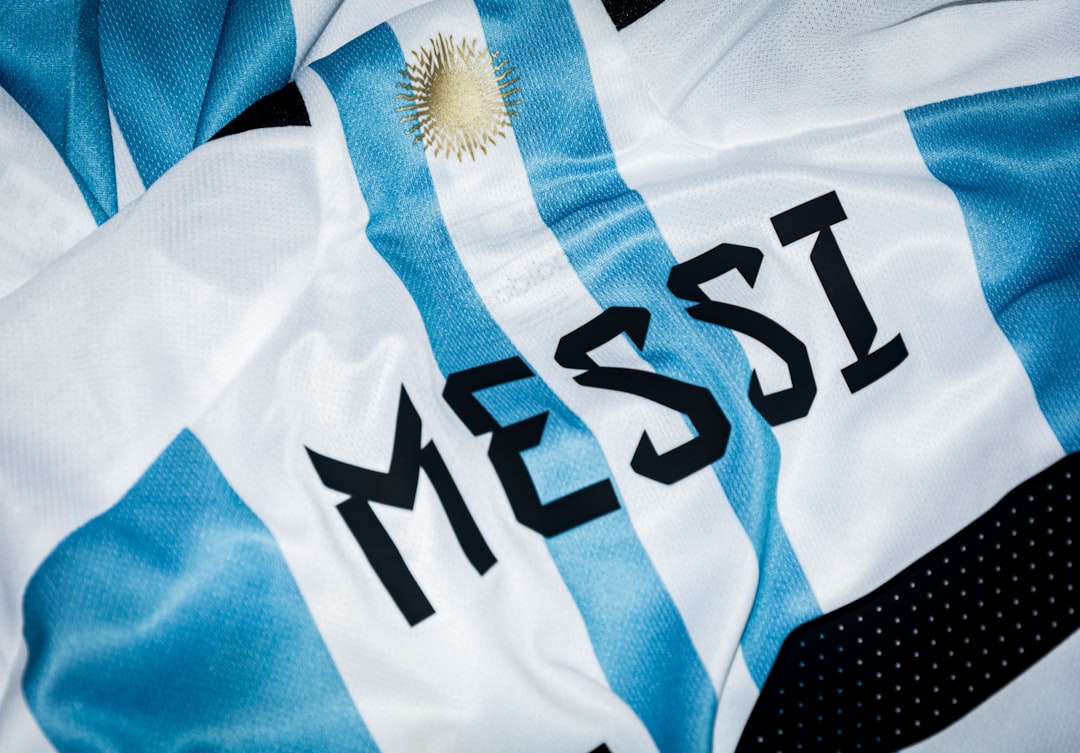
The 2026 FIFA World Cup is giving fans an unusual view of football history: several of the game’s biggest names are still competing long after most elite careers have ended. Cristiano Ronaldo and Lionel Messi are appearing in their sixth World Cups. Ronaldo has scored twice in this tournament and 10 times overall, while Messi has added six goals in 2026 to reach 19 for his World Cup career. Luka Modrić is playing in his fifth tournament. Neymar and Kevin De Bruyne are each appearing in their fourth. Those numbers say something important about talent. They say even more about durability. Reaching one World Cup is difficult. Returning four, five or six times means surviving nearly two decades of club schedules, injuries, travel, tactical changes and competition from younger players. It also means finding new ways to contribute when the body no longer responds exactly as it once did. That opens up several timely questions for journalists covering this final stage of their careers. Below, experts in sports science, biomechanics, psychology and sports business offer perspective on what it takes to compete across multiple World Cups—and what allows some players to remain influential long after their physical peak. What does it take physically to last this long? The World Cup lasts only a few weeks, but the careers behind it are built over thousands of training sessions and matches. For older players, the challenge is not simply staying fit. It is managing fatigue, recovering faster and avoiding the injury that could end the run. Hofstra exercise physiologist Katie Sell can speak to the less visible work behind these careers: sleep, hydration, nutrition, endurance and the tighter recovery window athletes face as they age. At the University of Delaware, Tom Kaminski brings expertise in soccer injuries, concussions and player safety. He can help explain how accumulated wear, repeated head impacts and return-to-play decisions influence whether a player can continue at the highest level. Texas Christian University’s Peter Weyand, an expert in sprint mechanics and running performance, can discuss what happens to speed and acceleration over time—and which physical qualities can still be protected through training. How do great players change their game? Longevity rarely comes from playing the same way forever. Ronaldo moved from the wing into a more central scoring role. Messi became more selective with his movement. Modrić continued to control matches through timing, positioning and awareness rather than physical dominance. These are not signs that aging players have stopped influencing games. They are signs that influence has changed. Carnegie Mellon biomechanics researcher Eni Halilaj can speak to how athletes adjust their movement patterns, conserve energy and reduce physical strain as they get older, while her colleague Eric Yttri, who studies motor control and decision-making, can explain how anticipation and experience allow veteran players to act earlier and more efficiently. Texas Christian University’s Peter Weyand can also add context on why older players often change positions, reduce repeated sprinting or become more selective about when they make high-intensity runs. Why keep coming back? By the time a player reaches a fourth or fifth World Cup, money and recognition are unlikely to be the main reasons for continuing. The harder question is what keeps an athlete committed after years of success, injuries and public scrutiny—especially when their role may be smaller than it once was. TCU sport psychology expert Robyn Trocchio can speak to motivation, focus and how accomplished athletes continue setting meaningful goals late in their careers. Hofstra’s Genevieve Weber can address performance anxiety, media pressure and the emotional weight of entering what may be a final international tournament. Georgia Southern sport psychologist Brandonn Harris can discuss resilience, confidence and the mental discipline required to recover from injury, disappointment and changing expectations. How should an aging superstar be judged? Goals are easy to count. Leadership, timing and influence are not. A veteran player may no longer dominate every match, but may still shape how teammates prepare, how opponents defend and how supporters respond. For coaches, that creates a difficult balance between reputation, current performance and what an experienced player brings in moments of pressure. At Emory University’s Goizueta Business School, Michael Lewis can discuss the value of global stars beyond the score sheet, including fan interest, brand strength and the attention they bring to a national team. Carnegie Mellon University’s Eric Yttri can speak to the on-field contributions that statistics often miss, including positioning, anticipation and decision-making. Texas Christian University’s Robyn Trocchio can address the leadership side of the story, including the difficult transition from automatic starter to mentor, substitute or situational player. A generation nearing the end The 2026 World Cup may be remembered not only for the players who emerged, but for the ones who were leaving. Ronaldo, Messi, Modrić, Neymar and De Bruyne have played through different tactical eras and alongside multiple generations of teammates. Their longevity was not built on talent alone. It required adaptation, recovery, discipline and a willingness to accept that staying great sometimes means becoming a different kind of player. For reporters, their careers offer a timely way to examine how elite athletes age—and why some remain relevant long after the normal limits of the game suggest they should.


World Cup 2026: The Business Behind the Game
As the 2026 FIFA World Cup unfolds across North America, Emory University’s Goizueta Business School experts are available to help media explore the business stories behind the world’s biggest sporting event, from the economics of hosting and ticket pricing to global sponsorship, player brands and the psychology of fandom. Goizueta’s World Cup 2026 Business Hub brings together faculty who can provide timely, research-backed commentary on the commercial, cultural and consumer forces shaping the tournament as it moves from match to match, city to city and story to story. Featured Topics The Economics of Hosting Infrastructure investment, tourism revenue, real estate, local labor markets and the broader financial impact of hosting World Cup matches. The Science of Fandom What drives global fan devotion, audience loyalty and engagement across stadiums, broadcasts and digital platforms. Ticket Pricing and Demand Dynamic pricing, hospitality packages, travel costs and how extraordinary demand shapes the fan experience at major global events. Brand Strategy and Global Sponsorship How companies evaluate World Cup sponsorships, build global campaigns and measure the return on major sports partnerships. The Rise of the Player Brand How star footballers build, extend and monetize personal brands that reach far beyond the pitch. Media can visit Goizueta’s World Cup 2026 Business Hub to explore available experts and connect directly with the right source for their story.







FIFA 2026: Where Sports, Technology and Global Marketing Collide
After an amazing opening weekend - the 2026 FIFA World Cup has the full attention of a global audience. The event is poised to be one of the biggest sports business stories in North America. With matches hosted across Canada, the United States, and Mexico, the expanded 48-team tournament is expected to draw billions of viewers while creating unprecedented opportunities for sponsors, broadcasters, marketers, and technology companies. A recent BBC StoryWorks feature examining Lenovo's role as FIFA's Official Technology Partner highlights how artificial intelligence is transforming the fan experience. New technologies include AI-powered match analytics, enhanced broadcasts, referee-view cameras, AI-generated player avatars that help explain officiating decisions, and infrastructure designed to deliver near real-time content to audiences around the globe. Tim Derdenger is an Associate Professor of Marketing and Strategy at Carnegie Mellon’s Tepper School of Business. He also coordinates the Technology Strategy & Product Management Track for Tepper MBA students whose interest lead them to employment in technology firms. View his profile Beyond the technology, FIFA 2026 represents a major cultural and commercial moment for soccer in the United States. The tournament is expected to accelerate awareness of the sport, attract new fans, create new sponsorship opportunities, and further integrate soccer into the North American sports landscape. At the same time, innovations in broadcasting, immersive content, and digital engagement are changing how fans experience major events, whether they are in the stadium or following from thousands of miles away. Fernando De la Torre is a a research faculty member in the Robotics Institute at Carnegie Mellon University. His research interests are in the fields of Computer Vision and Machine Learning. In particular, applications to human health, augmented reality, virtual reality, and methods that focus on the data (not the model). View his profile CMU experts like Fernando De la Torre and Tim Derdenger can provide insight into the business, marketing, and technology implications of FIFA 2026, including how global sporting events influence consumer behavior, brand strategy, fan engagement, media consumption, and the growing role of AI in sports entertainment. As organizations look to understand the long-term impact of the tournament, these perspectives can help explain why FIFA 2026 is much more than a sporting event, it is a case study in the future of global audience engagement.



World Cup 2026: Story Angles Beyond the Pitch
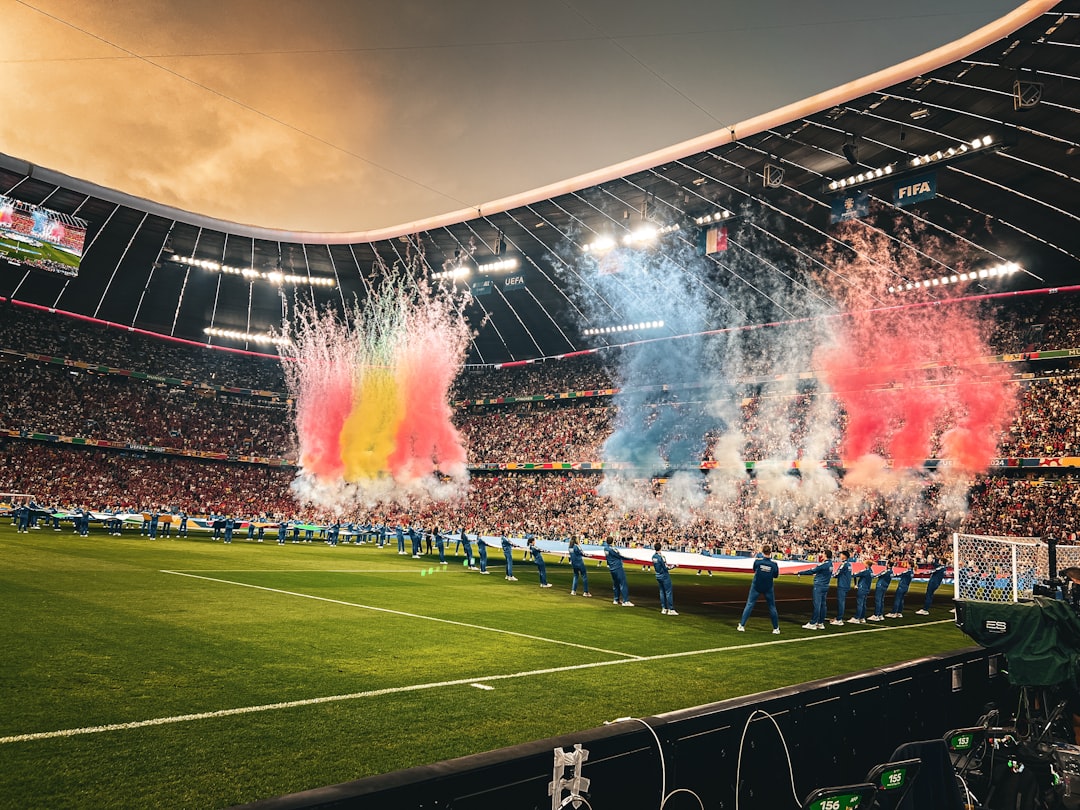
The 2026 FIFA World Cup will be one of the biggest sports stories of the year, with matches underway across Mexico, Canada and the United States. But the story will reach well beyond the field. As the tournament moves from city to city, it will bring host communities, public agencies, local businesses and civic leaders into the spotlight. That creates a wide range of story angles for journalists, from public health and safety, tourism and economic impact to sports technology, fan culture, athlete performance, national identity and the politics of international sport. Institutions using ExpertFile are helping media cover these broader World Cup stories through dedicated Topic Authority Hubs, Spotlight posts and expert profiles featuring trusted sources across health, business, technology, public policy, culture and sport. Featured World Cup Expert Hubs With the World Cup coming to the New York metro area, Hofstra University’s hub brings together experts on athlete health, recovery, injury prevention, mental performance, public health, tourism, local business impact and the cultural history of soccer. Explore Hofstra’s World Cup 2026 Hub. Source: Hofstra University The University of Delaware’s hub focuses on player safety, concussion research, sports analytics, tourism, youth development, fan behavior, shared experiences and the science behind elite competition. Explore the University of Delaware’s World Cup 2026 Hub. Source: University of Delaware Carnegie Mellon University’s hub looks at the tournament through the lenses of geopolitics, diplomacy, sports marketing, fan engagement, AI, robotics, biomechanics, human performance and emerging sports technologies. Explore Carnegie Mellon’s World Cup 2026 hub. Source: Carnegie Mellon University Emory University’s Goizueta Business School hub explores World Cup 2026 through the business of the tournament, including host city economics, ticket pricing, fan engagement, sports marketing, global sponsorship, brand strategy and the rise of the player brand. Explore Goizueta Business School’s World Cup 2026 hub. Story Angles As coverage plans take shape, these are some of the World Cup 2026 story angles journalists may want to explore. The Topic Authority Hubs featured above offer a helpful starting point, with Spotlight posts and expert profiles connected to many of these issues. Journalists can also search directly on expertfile.com to find additional academic experts who can bring depth, context and clarity to their coverage. The politics behind the tournament The World Cup is never just about sport. It can become a global stage for diplomacy, national pride, protest, soft power and political tension, with countries not only competing on the field but also presenting themselves to the world. For journalists, that creates timely story opportunities around national identity, international relations and the political flashpoints that often surface around major global sporting events. The next generation of fans A World Cup can shape how young people connect with sport, family, community and national identity. For many children and teenagers, this may be the first tournament they experience in a big way — at school, at home, in their community or through local soccer programs. The mental pressure of representing a country Few sporting events carry the emotional weight of the World Cup. Players are not just competing for clubs or contracts. They are carrying national expectations in front of a global audience, often under intense media and social media scrutiny. The science of movement under pressure World Cup matches are full of moments that happen almost too quickly to see: a sudden change of direction, a hard landing, a collision, a late tackle, a split-second decision to accelerate or pull back. Experts can help explain the biomechanics behind elite soccer movement, how the body absorbs stress during competition, and why injuries such as ACL tears and concussions remain such important issues at the highest level of the game. How technology is changing the game AI, sports analytics, wearables, robotics, motion tracking and virtual experiences are changing how soccer is played, trained, analyzed and watched. Some of this technology is visible to fans. Much of it is happening behind the scenes. The hidden science behind the tournament Some of the most important parts of the World Cup are easy to overlook. Playing surfaces, stadium preparation, natural grass requirements, turfgrass systems and venue logistics all play a role in the quality of the tournament. What host cities gain — and what they have to manage The World Cup can bring major attention to host cities, along with increased demand on hotels, restaurants, transportation systems, small businesses and public services. The story is not only how many people visit, but who benefits and what remains after the tournament moves on. Sports analytics in action Data is now part of how elite soccer is understood, taught and analyzed. From performance trends to real-time decision-making, analytics can help explain what is happening inside the game and how teams, coaches and analysts evaluate play at the highest level. Soccer as culture and identity For many fans, soccer is tied to family, community, immigration, history and belonging. The World Cup offers a chance to tell stories about fan culture, grassroots soccer, Latin American soccer history, gender and power in the sport, and why watching together can feel so meaningful. Public health and mass gatherings Millions of fans travelling across borders and gathering in stadiums, fan zones and public spaces create important public health questions. Cities need to think about disease surveillance, emergency preparedness, health system readiness and health equity — all while hosting one of the most visible events in the world. About ExpertFile ExpertFile helps organizations become the most trusted and visible source of expertise in an AI-driven world. The platform combines expert profiles, content publishing, inquiry management, analytics and media distribution into a single Visible Authority infrastructure - enabling universities, healthcare organizations, corporations and associations to improve how their expertise is discovered, cited and engaged across search engines, AI assistants and media channels. Built-in workflow orchestration, governance controls and compliance oversight help organizations reduce risk and achieve greater impact with existing resources. Trusted by leading institutions including Carnegie Mellon University, the Massachusetts Institute of Technology (MIT) and ChristianaCare, ExpertFile helps organizations unlock the full value of their expertise at scale. The ExpertFile Mobile App connects journalists, conference organizers, policymakers, researchers and industry partners with authoritative expertise across more than 50,000 topics.


Inside the Partnership Between Texas Christian University and Taylor Sheridan’s Four Sixes Ranch
A unique partnership between Texas Christian University and the legendary Four Sixes Ranch is giving students hands-on experience helping shape the future of one of the most recognizable brands in the American West. Recently featured at a major national rodeo event, the ranch’s newly designed retail booth, created by TCU faculty and students, blends heritage-inspired design with modern merchandising, reflecting the ranch’s growing national profile under the ownership of Taylor Sheridan and Nicole Sheridan. “We’re now written into the history of the Four Sixes Ranch.” The collaboration spans fashion merchandising, branding and business strategy, allowing students to contribute directly to product development, retail design and digital marketing initiatives. For students involved, the project offered a rare opportunity to see classroom ideas become real-world products tied to an internationally recognized Texas brand. Faculty members say the partnership reflects TCU’s focus on experiential learning while helping preserve and evolve an important piece of Texas cultural identity. Check out the video TCU and Four Sixes Ranch, and you can read more about this project in the full article below: Looking to connect with Chares Freeman, Kevin Smith, Nicole Bettinger or Rima Shrestha about this exciting project? Simply contact Holly Ellman, Associate Director of Communication, at h.ellman@tcu.edu today.

Villanova Sports Business Expert Bret Myers, PhD, Previews the World Cup
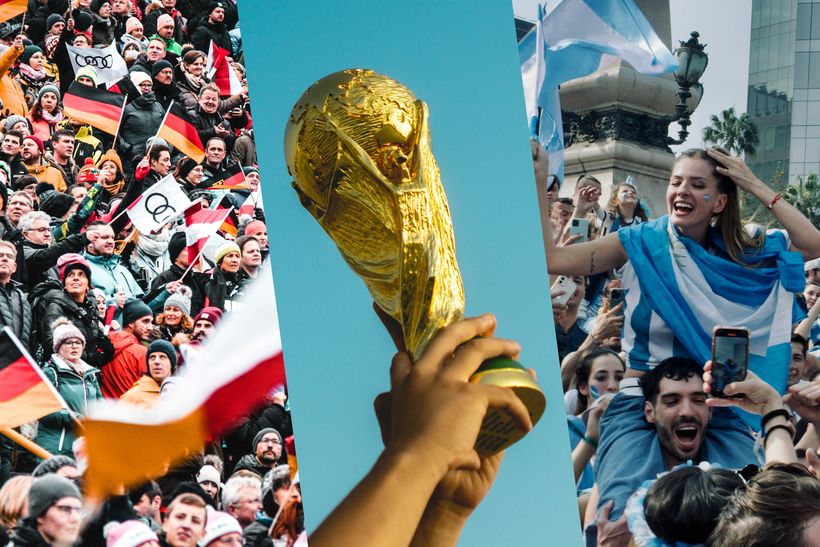
Move over, American football fans. Hello, American… fútbol fans. Soon, the homes of NFL franchises like the Kansas City Chiefs, Dallas Cowboys and Philadelphia Eagles will play host to the 2026 FIFA World Cup, returning to the United States for the first time in 32 years. Through five-plus weeks of action-packed matches, soccer lovers from across the country—alongside more than 1.2 million international visitors—will flock to the nation’s metro areas to take in and celebrate the “beautiful game,” contributing to an atmosphere of revelry, drama and overall excitement. One person adding to the chorus of “olé”s will be Bret Myers, PhD, a sports business expert and professor of the practice of Management and Operations at Villanova University. Formerly a consultant with the Philadelphia Union, the Columbus Crew and Toronto FC, he recently shared some thoughts concerning the upcoming World Cup, its stateside appeal and the latest developments relating to the international contest. Q: The last World Cup game played on U.S. soil took place in 1994. How has soccer’s profile, and the American relationship with the sport, evolved since then? Dr. Myers: Undoubtedly, soccer has grown in this country since 1994 across all relevant metrics—namely, youth participation and academy development, domestic professional league development, TV and streaming viewership and the strength of the national team. A recent Economist survey even identified soccer as the third most popular sport in the country. A lot of that can be attributed to different demographic trends. Many Gen Xers grew up playing and following the sport, and Millennials and younger have become accustomed to engaging with it through social media. The popularity of EA Sports’ FIFA on gaming consoles has also helped with brand and player recognitions domestically. That said, while there have been many positive signs of growth, it is still a complex landscape in the U.S. Major League Soccer (MLS) has increased in quality over its 30 years of existence, but it has been challenging for them to carry the same kind of stature and appeal as the English Premier League, Mexico’s Liga MX, Spain’s La Liga and Germany’s Bundesliga—whose global broadcast rights and merchandising have attracted a lot of American fans due to higher standards of play and tradition. Q: How effective are promotions surrounding the World Cup? And do domestic professional and youth soccer teams benefit from the interest cultivated? DM: Honestly, it doesn’t take much to generate interest in World Cup games. Back in 1994, promotional efforts were arguably more important because soccer was in its infant stages of growth in the U.S., and the ticket prices were accordingly much lower, to spur demand. For this year’s World Cup, there’s an inverse problem. There is so much demand that FIFA is capitalizing with high ticket prices, unfortunately pricing out a lot of avid soccer fans. As for youth soccer and MLS, I don’t see a direct relationship between the promotional effort for the World Cup and the dynamics there. Participation in youth soccer is already high, and it has become a very competitive landscape with a lot of different tiers across multiple age groups, male and female. Meanwhile, MLS interest and ticket sales really boil down to the talent the league attracts. For instance, Lionel Messi’s decision to sign with Inter Miami was an enormous lift factor, bumping up attendance levels and increasing revenue levels for tickets, sponsorships and broadcast rights. Q: This year’s competition marks the first that will feature 48 teams, up from 32 previously. Could you speak about the logic and potential benefits of boosting the number of participants? DM: With the expansion of the World Cup field, there are certainly revenue benefits that come with more matches, more ticket sales, more consumption by fans and more viewership potential. That is the business side of things. From a competition standpoint, the clear beneficiaries are the smaller nations from less competitive continents that get the opportunity to participate, like Curaçao and Cape Verde. These teams are not going to win the World Cup, but they will make things interesting at times in the group phase, as there is always the potential for a surprise knockout or qualification for the next stage. Q: As Sports Illustrated reports, a series of rule changes have been put into effect for the World Cup to “maximize fairness and eliminate the dark arts.” Do you see any of these tweaks meaningfully impacting the product on the pitch? DM: While I think it’s good that FIFA is continuing to examine how to make the game safer, fairer and more exciting, I don’t think the World Cup is the place to experiment. Players should have the chance to get accustomed to rule changes during other types of competitions, so that they can better understand how they are being enforced. That said, in the long term, I think the proposed changes [aimed at preventing time-wasting and feigned injuries] will impact the sport positively. On-field theatrics compromise the integrity of the game, and most fans pick up on it and don’t appreciate it. Q: What elements of the upcoming tourney have you most excited? Are there any particular trends or stories you suggest fans track? DM: Personally, I’m satisfied to see that certain players are defying the traditional notion of an “age curve.” Many countries have players over 35 on their roster, with some of the bigger names being Messi (38), Cristiano Ronaldo (41) and U.S. team captain Tim Ream (38). It is also interesting to see the other end of the spectrum, with emerging talents like Spain’s Lamine Yamal (18) and Brazil’s Estêvão (19). With all the “GOATs” and “young bucks,” it isn’t exactly clear who is effectively the best player in the world right now. It’ll be interesting to see who emerges at the end of the World Cup to stake a claim.



Georgia Southern – East Georgia Campus Athletics joins NAIA
The Georgia Southern University – East Georgia Campus has been officially accepted into the National Association of Intercollegiate Athletics (NAIA), marking a significant milestone in the evolution of athletics on the Swainsboro campus. During its April 12 meeting, the NAIA Council of Presidents approved the application of Georgia Southern University – East Georgia Campus, effective July 1. The institution will begin competition in the Continental Athletic Conference during the 2026–27 academic year. The East Georgia Campus was established through the consolidation of Georgia Southern University and East Georgia State College, with the campus formerly operating as East Georgia State College and competing in the National Junior College Athletic Association (NJCAA). This transition to the NAIA signals a new era of growth and opportunity for student-athletes and the broader campus community. “Acceptance into the National Association of Intercollegiate Athletics marks an exciting new chapter and a defining moment for athletics on the Georgia Southern University – East Georgia Campus,” said Georgia Southern President Kyle Marrero. “As we proudly launch our new identity on the East Georgia Campus in Swainsboro as the Golden Eagles, this milestone reflects both where we are and where we are going. At the heart of this milestone are our student-athletes, and this opportunity expands their ability to compete, grow and represent our campus with pride. This milestone strengthens our ties to institutions committed to excellence, integrity and community, and positions the East Georgia Campus within a vibrant and competitive collegiate athletic community.” Currently, the East Georgia Campus sponsors baseball, men’s basketball, women’s basketball, and softball, with plans to add men’s and women’s cross country beginning this fall. To commemorate this new chapter, Georgia Southern University – East Georgia Campus hosted a public celebration to officially unveil its new Golden Eagles athletics brand, which symbolizes excellence, determination and a bold vision for the future of athletics on the East Georgia Campus. Attendees heard remarks from campus leadership, learned about the inspiration and process behind the Golden Eagles identity, received updates on the campus’s transition to the NAIA, and took part in recognizing the student-athletes who will represent the new identity in competition. Interested in learning more about athletics at Georgia Southern University? Simply contact Georgia Southern's Director of Communications Jennifer Wise at jwise@georgiasouthern.edu to arrange an interview today.


Abhijit Bhattacharyya, Ph.D., has been named the next dean of Georgia Southern University’s Allen E. Paulson College of Engineering and Computing. He will begin his role July 1. Bhattacharyya currently serves as the inaugural dean of the College of Engineering and Computer Science at Arkansas State University, where he has led a period of strategic growth focused on student success, workforce development and research expansion. During his tenure, the college launched new academic programs in high-demand fields, strengthened industry partnerships and advanced initiatives supporting student recruitment, retention and career readiness. “I have the honor and privilege to join Georgia Southern at an exciting time in its journey as it soars beyond its current very strong position in the state of Georgia,” said Bhattacharyya. “The energy on campus and within the college was palpable during my visit, and I look forward to working alongside my colleagues to build on that strong foundation and create a national brand.” Prior to his current role, Bhattacharyya held several leadership positions at the University of Arkansas at Little Rock, including interim vice provost for Research and dean of the graduate school, as well as associate dean of Engineering and Information Technology. He began his career as a faculty member committed to teaching, research and service, and remains an active scholar with externally funded research from federal agencies. Bhattacharyya earned his Ph.D. in mechanical and aerospace engineering from Rutgers University, along with a master’s degree in applied mechanics. He also holds a bachelor’s degree in mechanical engineering from the Indian Institute of Technology, Kharagpur. He is a fellow of the American Society of Mechanical Engineers and serves as an ABET program evaluator. Provost and Executive Vice President for Academic Affairs Avi Mukherjee, Ph.D., said Bhattacharyya’s experience and leadership align strongly with the University’s strategic priorities. “Dr. Bhattacharyya brings a proven record of growing engineering education, advancing academic programs, bolstering research, managing accreditation, strengthening industry partnerships and positioning engineering and computer science for long-term impact,” said Mukherjee. “His commitment to faculty excellence, student success and workforce development will be instrumental as we continue to expand opportunities for our students and elevate the national profile of the Allen E. Paulson College of Engineering and Computing.” Looking to connect with Abhijit Bhattacharyya? Simply contact Georgia Southern's Director of Communications Jennifer Wise at jwise@georgiasouthern.edu to arrange an interview today.