Experts Matter. Find Yours.
Connect for media, speaking, professional opportunities & more.
CorriXR Launches Bold Collaboration to Create First Inhaled CRISPR Therapy for Lung Cancer
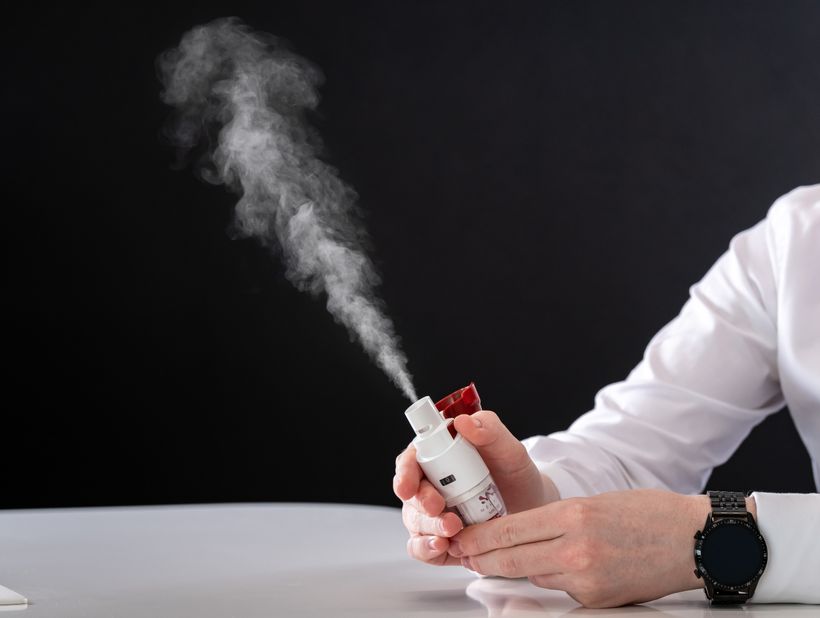
CorriXR Therapeutics, ChristianaCare’s first commercial biotherapeutics spinout, has launched a major collaboration with InhaTarget Therapeutics and Merxin Ltd to develop an inhaled genetic therapy for lung cancer. The goal is to deliver a CRISPR-based treatment straight to tumors in the lungs to improve effectiveness and cut harmful side effects. A New Way to Treat Lung Cancer Lung cancer remains one of the deadliest cancers worldwide. Squamous cell lung carcinoma, an aggressive form of non-small cell lung cancer, accounts for up to 30% of cases. More than 380,000 people are diagnosed each year, yet the five-year survival rate stays under 15%. Standard chemotherapy and immunotherapy often become less effective, and many patients develop resistance that leaves them with few options and rising toxicity. CorriXR is taking aim at this problem. Its CRISPR gene editing system targets NRF2, a key driver of treatment resistance. By switching off NRF2, the therapy has the potential to make tumors sensitive to chemotherapy again and give patients a chance at better outcomes. As reported in a recent paper in Molecular Therapy Oncology, researchers at ChristianaCare’s Gene Editing Institute showed in preclinical lung cancer models that disabling NRF2 can resensitize tumors to chemotherapy with minimal off-target effects. “This partnership is about more than science. It’s about hope for patients,” said Eric Kmiec, Ph.D., founder and CEO of CorriXR Therapeutics and chief scientific officer at ChristianaCare’s Gene Editing Institute. “Lung cancer patients deserve therapies that work and improve quality of life. By combining our CRISPR-based technology with inhaled delivery, we can target tumors directly and reduce systemic toxicity. Our goal is to make treatment simpler, more effective and less invasive.” How the Inhaled Delivery System Works The treatment will be given through inhalation using InhaTarget’s lipid nanoparticle formulation delivered by Merxin Ltd’s advanced inhaler platform. The goal is a non-invasive therapy that patients could use at home. “Combining our pulmonary drug delivery LNP platform with CorriXR’s groundbreaking science and Merxin Ltd’s device technology has the potential to reshape the landscape of lung cancer treatment. We are eager to advance work on this novel combination,” said Frédéric De Coninck, Ph.D., co-founder and CEO of InhaTarget Therapeutics. Merxin Ltd’s technology is central to the approach. Its inhalers are built to deliver precise, consistent doses straight to the lungs. For this collaboration, Merxin Ltd is adapting its device to handle lipid nanoparticle formulations for the first time in a cancer treatment. “Our advanced inhaler technology is designed to ensure non-invasive, precise, consistent delivery of novel therapeutics,” said Philippe Rogueda, Ph.D., co-founder and chief business officer of Merxin Ltd. “We are excited to contribute to this vital effort and help bring innovative solutions to patients with lung cancer.” Why This Matters Patients with squamous cell lung carcinoma often face a fast-moving disease and few treatment choices. A therapy that can reach tumors directly, reduce toxicity and avoid resistance would mark a major shift. “This collaboration underscores the power of combining innovative science with practical delivery solutions,” said Kmiec. “Our CRISPR-based approach is designed to overcome one of the toughest challenges in oncology: treatment resistance. By partnering with experts in inhalation technology, we are moving closer to a therapy that is not only effective but accessible.” Studies will begin soon, with a substantial set of results on effectiveness and impact expected by spring 2026.


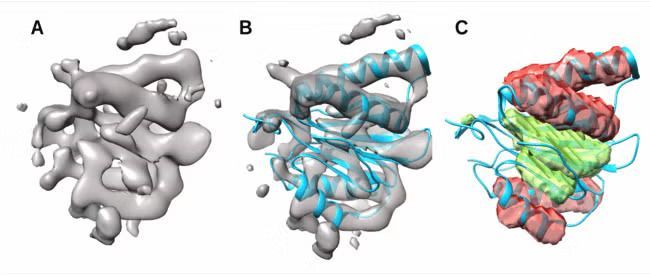
Proteins, often called the building blocks of life, play a central role in drug development. When scientists develop new treatments, they must understand how drugs interact with proteins involved in disease mechanisms and with proteins in the human body that influence drug response. Scientists commonly use cryo-electron microscopy (cryo-EM) 3D imaging data to study proteins. While recent advances have enabled higher-resolution images that are easier to analyze, medium-resolution images—which are more difficult to interpret—are still the most common for larger protein complexes. Salim Sazzed, Ph.D., an assistant professor in the computer science department of Georgia Southern University’s Allen E. Paulson College of Engineering and Computing, has been awarded a two-year National Science Foundation grant of about $175,000 to lead a groundbreaking project to develop novel Artificial Intelligence (AI) techniques for determining protein secondary structures from medium-resolution cryo-electron microscopy (cryo-EM) images. Improved modeling from medium-resolution images will help researchers study more proteins efficiently, giving new insights into diseases and potentially guiding the development of new treatments and future drugs. At its core, this research will combine biology and machine learning to study protein structures. The multidisciplinary approach and potential impacts on public health are what most excite Sazzed. “The impetus behind this research is the positive impact on public health and possibly contributing to the biomedical workforce,” he said. “Seeing biology and computer science combine for that kind of impact is incredibly moving.” As the Principal Investigator (PI) for the project, Sazzed will use his expertise in deep learning computer models to focus on a major challenge in structural biology: identifying the two main secondary structures of proteins—the alpha helix and the beta sheet. These structures are critical for a protein’s overall shape and function, but in medium-resolution cryo-EM images they often appear indistinct or lack clear detail, making them particularly difficult to analyze. Sazzed’s research will focus on two main goals. First, he will quantify the variability of alpha helices and beta sheets in medium-resolution images, comparing them to idealized structures. Second, by integrating this structural variability with the image data in a deep learning model, he will aim to generate more precise and accurate representations of protein secondary structures. “When we feed this information into a deep learning model along with the image data, the model should be able to determine protein secondary structures more precisely,” Sazzed elaborated. Sazzed believes students will greatly benefit from this multi-disciplinary approach. In addition to a Ph.D. student, several undergraduate students will be directly engaged in the research. A full-day workshop will also be organized, allowing Georgia Southern students from diverse disciplines to participate. This initiative will build on Georgia Southern’s strong tradition of involving undergraduates in research and will support the University’s recent focus on biomedical and health sciences. “There are many different knowledge areas coming together in this work,” Sazzed said. “It involves computer science, biology, chemistry, and even public health. I look forward to students following the research and exploring these different fields themselves.” Allen E. Paulson College of Engineering & Computing Interim Associate Dean of Research, Masoud Davari, Ph.D., echoes this sentiment and emphasizes its importance to the University’s research profile. “Sazzed’s interdisciplinary research, which bridges the gap between biology and computer science, will foster multidisciplinary research in our college—as it is cutting-edge and potentially groundbreaking in drug development to impact people’s lives nationally and globally,” Davari said. “It’s also well aligned with the college’s strategic research plan—as we make the move to R1 status to be aligned with ‘Soaring to R1,’ which is among the transformational initiatives for the University.” Looking to know more about Georgia Southern University or connect with Salim Sazzed — simply contact Georgia Southern's Director of Communications Jennifer Wise at jwise@georgiasouthern.edu to arrange an interview today.


ChristianaCare Launches Organoid Core to Personalize Cancer Treatment
ChristianaCare’s Cawley Center for Translational Cancer Research has unveiled a first-of-its-kind organoid core in a community cancer center program. The new laboratory facility within the Helen F. Graham Cancer Center & Research Institute grows and tests living, patient-derived tumor models, giving doctors and researchers a faster, more precise way to identify the therapies most likely to work for each patient. This innovation could change how cancer is treated in Delaware and serve as a model for community centers nationwide. There are only a handful of organoid core centers, or “tumor-on-a-chip” programs, in the United States, and ChristianaCare’s is the first within a community cancer center setting. What the Organoid Core Does Tumor organoids are tiny, three-dimensional cultures grown from a patient’s tumor tissue. They preserve the genetic and molecular traits of the original tumor, making them far more accurate than traditional cell lines. “These mini-tumors enable researchers to screen drugs faster, identify new biomarkers and discover which treatments are most likely to work for each patient,” said Thomas Schwaab, M.D., Ph.D., Bank of America Endowed Medical Director of ChristianaCare’s Helen F. Graham Cancer Center and Research Institute. “This core is a bridge between the lab and the clinic. By growing living tumor models from cells of individual patients, we can test real-world drug responses and tailor treatments for them in ways that were not possible before.” How It Advances Patient Care The organoid core strengthens the Cawley Center's research capabilities by enabling drug screening and biomarker discovery. It will bank organoids representing the wide variety of tumors seen in the community, giving scientists a realistic system for testing therapies. ChristianaCare treats more than 70 percent of cancer patients in Delaware, giving researchers unique access to treatment-naïve samples. These are tumor tissues that have not yet been exposed to chemotherapy or other therapies. Studying them provides a more accurate picture of how cancer behaves naturally and how it might respond to new treatments. Bringing a new cancer drug to patients is expensive and risky. Estimates show it can cost $1.3 to $2.8 billion, with up to a third spent on preclinical development, and only about one in 10 compounds ever reach human trials. Traditional mouse models often fail to fully mimic human tumors, making early testing less reliable. By using organoid screening, the Cawley Center can test therapies more accurately, reduce costs and failure rates and move promising treatments into clinical trials faster. Combined with existing tissue collection programs, clinical trial infrastructure and community partnerships, these resources create a direct pathway to bring lab discoveries to patients faster. Turning Point in Translational Research “Our goal is to shorten the distance between discovery and treatment,” said Nicholas J. Petrelli, M.D., director of the Cawley Center. “Too many promising drugs fail because early models do not capture the complexity of real tumors. The organoid core helps solve that problem. We can now test therapies in models that reflect the patients we actually serve.” “This is a turning point for translational research in community health,” said Jennifer Sims Mourtada, Ph.D., associate director at the Cawley Center. “Organoid technology lets us study cancer in a way that feels personal. We are not just looking at data points. We are studying living models of a patient’s tumor, which can reveal how that person’s cancer might behave or respond to treatment. This approach brings science closer to the people it is meant to help.” Looking Ahead In the coming months, the organoid core will focus on building a diverse biobank of tumors common in Delaware. Plans include collaborations with academic institutions, shared access for external researchers, and development of immune-tumor co-culture models. By combining advanced technology, strong community partnerships and direct patient access, ChristianaCare and the Cawley Center are showing how translational cancer research can thrive in a community setting, making breakthroughs not only in the lab but also in patients’ lives.
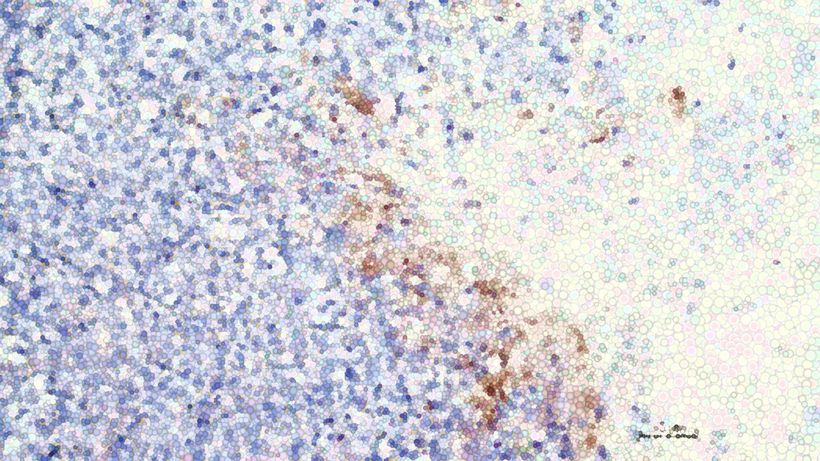
In a major step forward for cancer care, researchers at ChristianaCare’s Gene Editing Institute have shown that disabling the NRF2 gene with CRISPR technology can reverse chemotherapy resistance in lung cancer. The approach restores drug sensitivity and slows tumor growth. The findings were published Nov. 13, 2025 in the online edition of Molecular Therapy Oncology. This breakthrough stems from more than a decade of research by the Gene Editing Institute into the NRF2 gene, a known driver of treatment resistance. The results were consistent across multiple in vitro studies using human lung cancer cell lines and in vivo animal models. “We’ve seen compelling evidence at every stage of research,” said Kelly Banas, Ph.D., lead author of the study and associate director of research at the Gene Editing Institute. “It’s a strong foundation for taking the next step toward clinical trials.” Potential Beyond Lung Cancer The study focused on lung squamous cell carcinoma, an aggressive and common form of non-small cell lung cancer (NSCLC) that accounts for 20% to 30% of all lung cancer cases, according to the American Cancer Society. It’s estimated that over 190,000 people in the U.S. will be diagnosed in 2025. While the research centered on this cancer type, the implications are broader. Overactive NRF2 contributes to chemotherapy resistance in several solid tumors, including liver, esophageal and head and neck cancers. The results suggest a CRISPR-based strategy targeting NRF2 could help resensitize a wide range of treatment-resistant tumors to standard chemotherapy. “This is a significant step toward overcoming one of the biggest challenges in cancer therapy — drug resistance,” Banas said. “By targeting a key transcription factor that drives resistance, we’ve shown that gene editing can re-sensitize tumors to standard treatment. We’re hopeful that in clinical trials and beyond, this is what will allow chemotherapy to improve outcomes for patients and could enable them to remain healthier during the entirety of their treatment regimen.” Targeting a Master Switch for Resistance The research zeroed in on a tumor-specific mutation, R34G, in the NRF2 gene, which acts as a master regulator of cellular stress responses. When overactive, NRF2 helps cancer cells withstand chemotherapy. Using CRISPR/Cas9, the team engineered lung cancer cells with the R34G mutation and successfully knocked out NRF2. This restored sensitivity to chemotherapy drugs such as carboplatin and paclitaxel. In animal models, tumors directly treated with CRISPR to knockout NRF2 grew more slowly and responded better to treatment. “This work brings transformational change to how we think about treating resistant cancers,” said Eric Kmiec, Ph.D., senior author of the study and executive director of the Gene Editing Institute. “Instead of developing entirely new drugs, we are using gene editing to make existing ones effective again.” Editing Reaches Threshold Levels One of the most promising discoveries was that disrupting NRF2 in just 20% to 40% of tumor cells, was enough to improve the response to chemotherapy and shrink tumors. This insight is particularly relevant for clinical use, where editing every cancer cell may not be feasible. To test therapy in mice, the researchers used lipid nanoparticles (LNPs), a non-viral method with high efficiency and low risk of unintended, off-target effects. Sequencing confirmed that the edits were highly specific to the mutated NRF2 gene, with minimal unintended changes elsewhere in the genome. “The power of this CRISPR therapy lies in its precision. It’s like an arrow that hits only the bullseye,” said Banas. “This level of specificity with minimal unanticipated genomic side effects offers real hope for the cancer patients who could one day receive this treatment.”

Do the math: We’re awake roughly 16 hours a day. We spend 10 of those hours staring at screens – phones, tablets, computers, TV, gaming devices. That’s 63% of our waking life. The first platform dedicated entirely to digital balance launching today reveals something even more startling: It's not that we lack willpower to change our behavior. It's that we lack confidence. New proprietary research from Offline.now shows that 8 in 10 people are ready to change their relationship with technology, but more than half are so overwhelmed with their digital habits, they don’t know where to start. “If you don’t learn how to manage the screens in your life, they will manage you,” says Eli Singer, Founder of Offline.now and author of Offline.now: A Practical Guide to Healthy Digital Balance. “When people tell us they feel overwhelmed, it’s not laziness. It’s a crisis of confidence. And confidence is something that can be built.” Digital Wellness Experts Address the Struggles No One Else Will These insights come from digital wellness experts in the Offline.now Digital Wellness Directory – a growing community of licensed professionals across North America specializing in ADHD, relationships, family dynamics, high-achievers, and sustainable behavior change. They’re not offering generic advice. They’re addressing specific digital struggles that define contemporary life. Psychotherapist Harshi Sritharan, who specializes in modern anxiety and ADHD, explains: “The biggest mistake people make is reaching for their phone or turning on their computer first thing in the morning. It injects your dopamine full of uncertainty. You’ve essentially told your brain the most important thing you have to do today is put out fires. I tell clients to delay that first scroll as long as possible and never hit ‘snooze’. You’re fragmenting your REM sleep and making yourself more exhausted. These aren’t willpower issues; they’re about understanding how blue light disrupts your circadian rhythm, especially for those with ADHD who already struggle with sleep regulation.” According to Sritharan, the breakthrough happens when people understand the dopamine cycles driving their dependence and “reframe how they connect with all their screens, whether it’s their phone, gaming console, or streaming TV.” High Achievers Can’t Unplug. The ‘Always-On’ Trap is Killing Productivity, Not Boosting It “A lot of high performers think they need better time management,” says Executive Function Coach, Craig Selinger. “But what they actually need are boundaries. They’ve built empires by being available 24/7, and their phones have become permission slips to say yes to everything.” The difference between old and new technology matters,” he explains. “Back in the day with TV, there was a clear demarcation of beginning and end, right? The episode ends and you move on. Now it’s like Minecraft or TikTok – there’s no ending. And mobility makes it sticky, because you’re physically carrying the drug with you, versus a TV that stayed in one room.” The breakthrough happens when they realize being unavailable on purpose isn’t a weakness. “Things like turning off notifications during deep work, or setting ‘do not disturb’ windows? Those aren’t luxuries. They’re the competitive advantages they’ve been missing.” Digital Dependency as a Third Party in a Relationship Licensed Marriage and Family Therapist Gaea Woods says digital devices are killing interpersonal relationships, not because tech is evil, but because “we use it unconsciously at the moments when connection matters most. When you’re scrolling at dinner, you’re telling your partner ‘my phone is more interesting and important than you’.” The breakthrough happens when couples set explicit agreements: response times, when devices go off-limits – and even what’s it’s OK with AI companions. “We’ve exited the era of meaningful communication without realizing it, and now we must deliberately rebuild it. Nature isn’t ‘Nice to Have’. It’s the Antidote to Screen Fatigue No One is Talking About After running a tech-free camp for 25 years, Personal Development Coach Mark Diamond says he’s seen what happens when kids get genuine face-to-face time interaction outdoors. “Their brains reset. The beauty and physical activity provide perspective that screens can never replicate. Digital dependency has eroded our ability to develop real human connections across all ages, not just teenagers. Screens should not replace the moments that define our wellbeing.” Why This Matters Now The stakes extend beyond personal frustration. Unchecked screen dependency is linked to rising rates of anxiety, deteriorating sleep quality, relationship breakdown, and what mental health experts call “continuous partial attention”, a state where we’re always connected, but never fully present. The Data Reveals When Change is Possible Beyond the confidence divide, Offline.now’s research uncovers the precise moments when users are most open to shifting their digital habits: Evenings from 6 pm-11:59 pm emerge as the “Go Time” window. 40% of self-assessment responders peak readiness to act. Sunday is “Reset Day, when 43% want to set boundaries for the week ahead. Saturdays offer natural opportunities for self-compassion and rest. Afternoons become the “Overwhelm Window”, with 57% feeling consumed by their screens. Critically, Fridays – despite having the highest overwhelm factor – are the worst time for interventions. Users are depleted and change rarely sticks. The Framework That Powers the Platform At the platform’s core is the Offline.now Matrix, a behavioral framework that maps the confidence and motivation levels of users to reveal their starting point: Overwhelmed, Ready, Stuck, or Unconcerned. Based on Singer’s book, Offline.now: A Practical Guide to Healthy Digital Balance, the approach replaces willpower-based advice with microlearning strategies – each taking 20 minutes or less – that track emotional triggers rather than just screen time totals. It offers 100 real-world alternatives to scrolling, from reorganizing a drawer to visiting a thrift shop, and reframes slip-ups as data, not disasters. “The books shows that lasting change doesn’t require deleting Instagram or TikTok tomorrow,” says Singer. “You need to win one personal victory today, and then another tomorrow. That’s how confidence rebuilds.” Propelled by University of Toronto’s Innovation Ecosystem Offline.now is a University of Toronto-affiliated startup, leveraging one of the world’s most powerful innovation networks. U of T is ranked among the top five university-managed business incubators globally and has helped create more than 1,500 venture-backed companies and secured more than CAD$14 billion in investment over the past decade. How Offline.now Works For individuals and families: Take the free self-assessment quiz using the Offline.now Matrix to map your motivation and confidence levels in under three minutes. Receive instant access to practical strategies, curated resources, and a searchable directory of digital wellness experts organized by specialty, location, and insurance coverage. For digital wellness professionals: Join a growing community of licensed mental health practitioners, certified behaviorial coaches, and registered social workers by creating your profile at Offline.now. The platform provides new client leads, professional development opportunities, and visibility in a rapidly expanding market. About Offline.now Offline.now is the first global platform dedicated entirely to achieving digital balance. Founder and author Eli Singer built one of North America’s first social media agencies before seeing technology shift from community-building to attention-harvesting. As a parent, he experienced firsthand the struggle to maintain digital balance. The platform combines proprietary behavioral research, expert guidance and counselling from licensed professionals, and science-backed strategies to help individuals and families build healthier relationships with their screens. Visit Offline.now at https://offline.now Expert Interview Availability Offline.now can arrange interviews with: Eli Singer, Founder – Vision for digital wellness; behavioral data insights Harshi Sritharan, Psychotherapist – Dopamine cycles, ADHD, anxiety and intentional tech use Craig Selinger, Executive Function Coach – Digital distraction in high achievers, family dynamics, ADHD Mark Diamond, Personal Development Coach – Outdoor wellness, sustainable behavior change, happiness, connection Gaea Woods, Licensed Marriage and Family Therapist – Communication, digital third-party relationships, phubbing Additional Resources Free self-assessment quiz - The Offline.now Matrix: https://offline.now/quiz Expert directory and booking: https://offline.now/experts/ Join the directory: https://offline.now/join/ Order Offline.now: A Practical Guide to Healthy Digital Balance: https://offline.now/book/





Heart valve developed at UC Irvine shines in early-stage preclinical testing
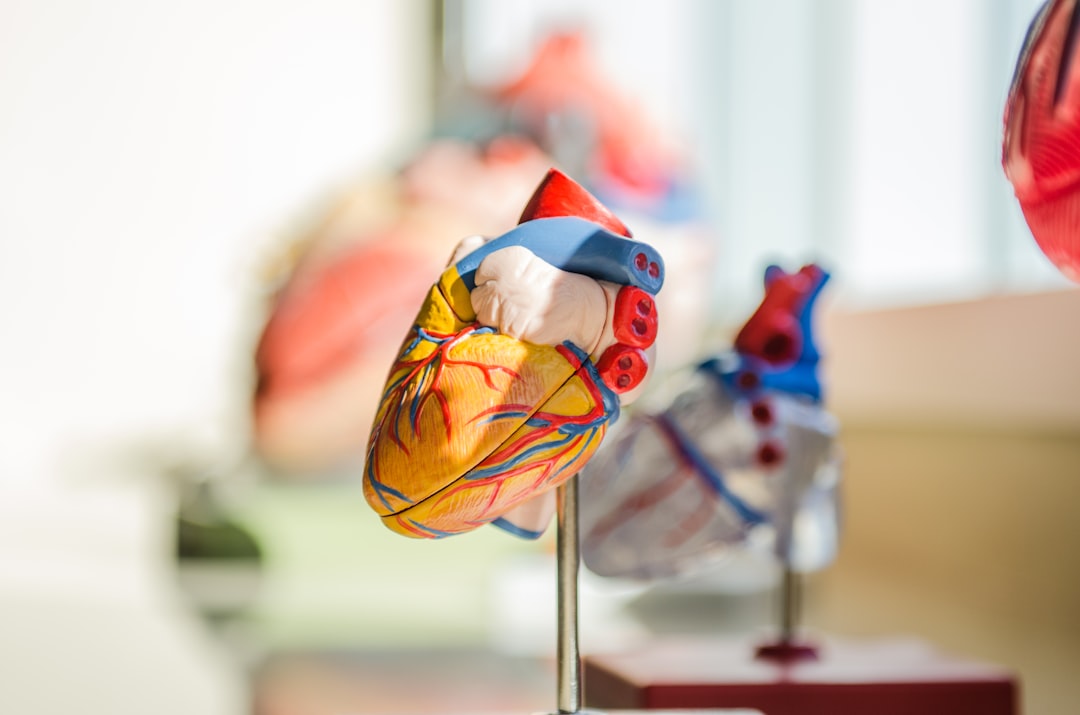
UC Irvine researchers designed and developed a minimally invasive replacement pulmonary heart valve. Created for pediatric patients, the device can be expanded as children grow, eliminating the need for multiple surgeries. The team successfully conducted laboratory and early-stage animal feasibility testing of the implant, crucial steps toward approval for human use. Irvine, Calif., June 23, 2025 — Researchers at the University of California, Irvine have successfully performed preclinical laboratory testing of a replacement heart valve intended for toddlers and young children with congenital cardiac defects, a key step toward obtaining approval for human use. The results of their study were published recently in the Journal of the American Heart Association. The management of patients with congenital heart disease who require surgical pulmonary valve replacement typically occurs between the ages of 2 and 10. To be eligible for a minimally invasive transcatheter pulmonary valve procedure, patients currently must weigh at least 45 pounds. For children to receive minimally invasive treatment, they must be large enough so that their veins can accommodate the size of a crimped replacement valve. The Iris Valve designed and developed by the UC Irvine team can be implanted in children weighing as little as 17 to 22 pounds and gradually expanded to an adult diameter as they grow. Research and development of the Iris Valve has been supported by the Eunice Kennedy Shriver National Institute of Child Health and Human Development; the National Heart, Lung, and Blood Institute; and the National Science Foundation. This funding has enabled benchtop fracture testing, which demonstrated the valve’s ability to be crimped down to a 3-millimeter diameter for transcatheter delivery and subsequently enlarged to 20 millimeters without damage, as well as six-month animal studies that confirmed successful device integration within the pulmonary valve annulus, showing valve integrity and a favorable tissue response. “We are pleased to see the Iris Valve performing as we expected in laboratory bench tests and as implants in Yucatan mini pigs, a crucial measure of the device’s feasibility,” said lead author Arash Kheradvar, UC Irvine professor of biomedical engineering. “This work represents the result of longstanding collaboration between our team at UC Irvine and Dr. Michael Recto at Children’s Hospital of Orange County built over several years of joint research and development.” Congenital heart defects affect about 1 percent of children born in the United States and Europe, with over 1 million cases in the U.S. alone. These conditions often necessitate surgical interventions early in life, with additional procedures required to address a leaky pulmonary valve and prevent right ventricular failure as children grow. The Iris Valve can be implanted via a minimally invasive catheter through the patient’s femoral vein. The Kheradvar group employed origami folding techniques to compress the device into a 12-French transcatheter system, reducing its diameter to no more than 3 millimeters. Over time, the valve can be balloon-expanded up to its full 20-millimeter diameter. This implantation method, along with the ability to begin treatment earlier in very young patients, helps mitigate the risk of complications from delayed care and reduces the need for multiple surgeries in this vulnerable population. “Once the Iris Valve comes to fruition, it will save hundreds of children at least one operation – if not two – throughout the course of their lives,” said Recto, an interventional pediatric cardiologist at CHOC who’s also a clinical professor of pediatrics at UC Irvine. “It will save them from having to undergo surgical pulmonary valve placement, as the Iris Valve is delivered via a small catheter in the vein and can be serially dilated to an adult diameter and also facilitate the future placement of larger transcatheter pulmonary valves – with sizes greater than 20 millimeters, like the Melody, Harmony and Sapien devices – if needed.” Kheradvar said that the next phase of preclinical testing of the Iris Valve is funded by the Brett Boyer Foundation, which is committed to supporting research into treatments for congenital heart disease. “We are actively engaged with the U.S. Food and Drug Administration to define and carry out the required experiments and documentation for first-in-human authorization of the Iris Valve,” Kheradvar said. “Our team is urgently advancing the Iris Valve through preclinical studies to enable its clearance for first-in-human use. This is a critical step toward providing toddlers – who currently have no viable minimally invasive treatment until they reach the 45-pound threshold – with a much-needed option.” First co-author Nnaoma Agwu, a biomedical engineering Ph.D. candidate at UC Irvine, said: “The development of the Iris Valve required a strong and knowledgeable team that understood the clinical and mechanical design requirements. This accomplishment would not have been possible without the collaboration of talented clinicians, veterinarians and engineers. With this milestone reached, we are rigorously advancing the Iris Valve’s development, setting our sights on human clinical trials.” Joining Kheradvar, Recto and Agwu as co-authors of the article in Journal of the American Heart Association were Daryl Chau, a recent UC Irvine master’s graduate; Gregory Kelley and Tanya Burney, both research specialists at UC Irvine, with Burney also affiliated with the Beckman Laser Institute; Ekaterina Perminov, a clinical veterinarian with UC Irvine’s University Laboratory Animal Resources; and Christopher Alcantara, a radiology technician at CHOC. About UC Irvine’s Brilliant Future campaign: Publicly launched on Oct. 4, 2019, the Brilliant Future campaign aims to raise awareness and support for the university. By engaging 75,000 alumni and garnering $2 billion in philanthropic investment, UC Irvine seeks to reach new heights of excellence in student success, health and wellness, research and more. The Samueli School of Engineering plays a vital role in the success of the campaign. Learn more by visiting https://brilliantfuture.UC Irvine.edu/the-henry-samueli-school-of-engineering About the University of California, Irvine: Founded in 1965, UC Irvine is a member of the prestigious Association of American Universities and is ranked among the nation’s top 10 public universities by U.S. News & World Report. The campus has produced five Nobel laureates and is known for its academic achievement, premier research, innovation and anteater mascot. Led by Chancellor Howard Gillman, UC Irvine has more than 36,000 students and offers 224 degree programs. It’s located in one of the world’s safest and most economically vibrant communities and is Orange County’s second-largest employer, contributing $7 billion annually to the local economy and $8 billion statewide. For more on UC Irvine, visit www.uci.edu. Media access: Radio programs/stations may, for a fee, use an on-campus studio with a Comrex IP audio codec to interview UC Irvine faculty and experts, subject to availability and university approval. For more UC Irvine news, visit news.uci.edu. Additional resources for journalists may be found at https://news.uci.edu/media-resources.


MCG scientists investigate arthritis drug’s impact on Alzheimer’s disease
According to the Alzheimer’s Association, more than 7 million Americans are living with Alzheimer’s disease, and one in nine of those people is 65 or older. Although that number is expected to grow, researchers at the Medical College of Georgia at Augusta University are making progress on studies that could turn into life-saving treatments. Qin Wang, MD, PhD, professor in the Department of Neuroscience and Regenerative Medicine at MCG and Georgia Research Alliance Eminent Scholar in neuropharmacology, recently published a study titled “The PKCι‑β‑arrestin2 axis disrupts SORLA retrograde trafficking, driving its degradation and amyloid pathology in Alzheimer’s disease,” in Molecular Degeneration, a leading journal in neurodegeneration. In the study, Wang and her team explored how certain proteins and enzymes interact in the brains of Alzheimer’s patients. Key players include the SORL1 gene, the PKCι enzyme and proteins SORLA, β‑arrestin2 and amyloid. SORL1 encodes SORLA, which helps regulate amyloid. Amyloid can form plaque in the brain, contributing to Alzheimer’s. People with the disease often have lower SORLA levels, which amplifies plaque production. “The goal is to increase SORLA levels in patients with AD. If we can boost it up, that would be great,” Wang said. “But if you want to know how to boost it up, you have to know how it is degraded, so that’s what our work is about – we’re trying to understand how its stability is regulated.” Wang’s research team found that PKCι can add a phosphate group to SORLA, which helps SORLA interact with β‑arrestin2. The PKCι‑β‑arrestin2 axis leads to SORLA degradation, reducing its levels and allowing amyloid plaques to grow unchecked, thereby worsening the disease condition. They discovered this by using biochemical methods and a mass spectrometer managed by Wenbo Zhi, PhD, at the Proteomics and Mass Spectrometry core lab at AU. “We conducted biochemical studies and found that SORLA can be phosphorylated. We identified the phosphorylation site and the interacting enzymes,” Wang explained. “Using the mass spectrometer with PKCι, we saw increased phosphorylation of SORLA at certain sites. Preventing that could stop SORLA degradation.” That’s where a rheumatoid arthritis drug called auranofin comes into play. “While it is an arthritis drug, it can also inhibit the PKCι enzyme,” Wang explained. The team conducted tests using Alzheimer’s mouse models and human iPS cells developed into neurons. For the mouse models, they treated the mice with auranofin for eight weeks, resulting in decreased amyloid levels, reduced neuroinflammation and improved cognitive function. Similar results were seen in human cells with increased SORLA levels and decreased amyloid levels. “A good thing about this is, because this is an FDA-approved drug, it’s ready to be tested in Alzheimer’s patients,” Wang said. “People often worry about drug safety because of long-term use in chronic diseases like Alzheimer’s, but, in this case, existing safety data for chronic use gives a good starting point for testing in Alzheimer’s patients. “I hope a drug company can pick that up for a trial with Alzheimer’s patients because we are trying to translate our bench work all the way to the bedside for treatment,” she continued. The study wraps up a five-year National Institute on Aging grant, a collaborative effort between Wang’s lab and the Kai Jiao, MD, PhD, lab in AU’s Center of Biotechnology and Genomic Medicine. Wang’s team is also working on other grant-funded Alzheimer’s-related projects and hopes to continue making advancements toward finding a cure for this debilitating disease. “All of our projects share the goal of finding a better treatment,” Wang said. “Related to this project in particular, we want to know how the SORLA protein works in different types of brain cells, given the brain’s complexity. Then we can determine how to specifically target that protein to develop more effective therapies.” Qin Wang, MD, PhD, researches the neuropharmacology and signaling mechanisms underlying neurological and psychiatric disorders. If you're interested in learning more about her work or booking an interview, simply click on her icon now to arrange a time to talk.



Experts in the Media: CBD may help treat and reduce inflammation in Alzheimer's disease
In a recent Medical News Today article, Corrie Pelc reported on a study led by Babak Baban, PhD, in which inhaled CBD (cannabidiol) was tested in a mouse model of Alzheimer’s disease to examine its effects on neuroinflammation. Baban, associate dean for Research with AU's Dental College of Georgia and a professor with appointments in neurology and surgery in the Medical College of Georgia at Augusta University, explained that previous work from his group showed inhaled CBD to be more effective than oral or injected forms for certain neurological conditions, motivating them to explore its potential in Alzheimer’s research. He emphasized that Alzheimer’s is driven by multiple interacting biological processes – not just amyloid plaques – and sees inflammation as a promising new therapeutic target. In the study, inhaled CBD lowered activity in two major immune “alarm” pathways – IDO (indoleamine 2,3-dioxygenase) and cGAS-STING – both implicated in chronic inflammation. By dampening these pathways, CBD reduced levels of inflammatory cytokines and helped restore a more balanced immune environment in the brain. Baban framed this as a shift from symptom treatment to addressing underlying immune dysfunction, and noted that the findings could reorient how Alzheimer’s is approached. At the same time, he stressed that human trials are still needed: his team is preparing translational studies and holds an active Investigational New Drug (IND) application with the FDA for inhaled CBD in neuroinflammatory conditions, with Alzheimer’s disease as a natural next step. Read the full article here: Babak Baban, PhD, is a professor, immunologist and associate dean for research at the Dental College of Georgia at Augusta University where he has served for 13 of his 20 years as a translational and clinical immunologist. View his profile here Looking to know more about this important research or to connect with Babak Baban, PhD? He's available to speak with media – simply click on his icon to arrange an interview today.

LSU Launches Louisiana’s Most Advanced Microscope at Research Core Facility
LSU’s Advanced Microscopy and Analytical Core (AMAC) facility gives Louisiana researchers access to 16 state-of-the-art instruments, including a new Spectra 300 Scanning Transmission Electron Microscope (S/TEM) for atomic-scale imaging and analysis. The new microscope—the most advanced in Louisiana—was installed with $10 million in support from the U.S. Army. Standing almost 13 feet tall on a platform isolated from vibration, the S/TEM required major renovations, including a raised ceiling, acoustic wall panels, and a magnetic field cancellation system to ensure the instrument’s stability and performance. The microscope offers magnification up to 10 million times, powerful enough to enlarge a single grain of Mississippi River silt to the size of Tiger Stadium. “This is a transformational moment for LSU and for the future of research in Louisiana,” Interim LSU President Matt Lee said. “With the installation of the most advanced microscope in the state, LSU is once again demonstrating how we’re delivering on our promises—leading in research, innovation, and service to the state and nation.” The launch of the AMAC and S/TEM demonstrates LSU’s increased investment in providing its faculty and partners with the best possible equipment for research and discovery, including for national defense, energy, and health. “Winning in research is no different than winning in athletics—the best facilities attract the best talent, and you need the best of both to win,” LSU Vice President of Research and Economic Development Robert Twilley said. “Today’s launch is about a state-of-the-art microscope but also the launch of the AMAC as our first research core facility at LSU—the first of more to come to attract, train, and supply the best research talent for Louisiana and build research teams that win.” Using a finely focused electron beam and techniques such as energy dispersive X-ray spectroscopy (EDS) and electron energy loss spectroscopy (EELS), the S/TEM can reveal both structure and chemistry at atomic resolution. These capabilities drive advances in materials science—improving semiconductors, solar cells, batteries, catalysts, coatings, and alloys—while supporting biomedical research by mapping drug delivery, uncovering the structures of viruses and bacteria, and improving medical implant design. LSU’s AMAC research core facility was recently rebranded, changing its name from the Shared Instruments Facility (SIF). Learn more about how AMAC instruments help unlock millions in federal research funding to Louisiana and deliver solutions.


Aston University: From Metformin to modern obesity therapies
Early beginnings: from herbal medicine to modern drug The origins of a modern diabetes therapy can be traced back to Galega officinalis (goat’s rue), a herb used in European folk medicine for centuries to treat excessive thirst and urination. Its active chemical, guanidine, was found to lower blood sugar in animals in 1918, inspiring the synthesis of a family of drugs known as biguanides. Among these new drugs was metformin, created in 1922 and introduced as a treatment for diabetes in Europe in the late 1950s. However, by the 1970s, metformin was largely disregarded because other biguanide medicines were being withdrawn due to their side-effect of lactic acidosis. Revival in the 1990s: Aston’s role in rediscovery In the early 1990s, research at Aston University provided a decisive turning point. Professor Cliff Bailey and his colleagues revealed that metformin’s primary action occurred in the intestine, where it promoted glucose metabolism and reduced blood sugar without causing weight gain. Their studies clarified that concerns about lactic acid were largely due to misuse, not inherent toxicity. These findings reignited global interest in metformin. Professor Bailey presented his work as an expert witness to the US Food and Drug Administration in 1994, a critical step in securing approval of the drug in the US. He also assisted the European Medicines Agency during periodic reassessments. “My research has always focused on understanding how type 2 diabetes develops and how best to treat it.” Professor Clifford Bailey, Aston University. Establishing global first-line therapy Momentum built through the late 1990s. The UK Prospective Diabetes Study (1998) demonstrated that metformin not only improved blood sugar but also reduced cardiovascular risk, strengthening the case for its wider adoption. By 2012, the American Diabetes Association and the European Association for the Study of Diabetes recommended metformin as the preferred first-line treatment for type 2 diabetes. “We discovered that metformin worked somewhat differently from what was previously thought. By showing how it could be used safely and effectively, we helped pave the way for its wider acceptance.” Today, metformin is the most prescribed diabetes drug worldwide. It is included in the World Health Organization’s Essential Medicines List and has been taken by hundreds of millions of patients, profoundly reshaping global diabetes care. New directions: dapagliflozin and the SGLT-2 inhibitors After the success of metformin, Aston played a central role in the next wave of diabetes medicines. In the 2000s, Professor Bailey was principal investigator in clinical trials for dapagliflozin, the first of the sodium-glucose co-transporter-2 (SGLT-2) inhibitors. Unlike older therapies, SGLT inhibitors lower blood sugar by blocking reabsorption of glucose in the kidneys, causing excess glucose to be excreted in urine. Large international trials demonstrated additional benefits, including weight reduction, lower blood pressure, and improved outcomes for patients with kidney and heart disease. Since its launch in 2012, dapagliflozin has become the most widely prescribed SGLT-2 inhibitor, with more than five million patients treated. It is now embedded in global treatment guidelines, expanding therapeutic options to improve the control of blood glucose and body weight. Foundations for modern obesity therapies The influence of Aston University’s research extends beyond metformin and dapagliflozin. The University’s diabetes research team also studied gut hormones such as GIP (glucose-dependent insulinotropic peptide), which play a central role in regulating insulin secretion and fat metabolism. These early discoveries helped lay the groundwork for today’s incretin-based therapies, including combined GIP/GLP-1 receptor agonists such as tirzepatide. Now widely known as 'anti-obesity injections', these medicines emerged as diabetes treatments and are now transforming care for overweight people with and without type 2 diabetes. Key findings from the research at Aston University Metformin is now being investigated for its anti-ageing and fertility benefits Dapagliflozin shows promise against heart and kidney diseases and gout Gut hormones such as GIP may hold the key to entirely new treatment strategies Why does this matter? The work by Professor Bailey and his colleagues at Aston University has contributed to metformin’s recognition as the primary treatment worldwide for type 2 diabetes. Today, at least half of all patients in Western countries are prescribed metformin — an incredibly cost-effective medicine that continues to save lives. “We identified early on that gut hormones such as GIP were central players in the control of blood glucose and body weight — long before they became the basis for today’s new generation of anti-obesity medicines.” This original research helped lay the scientific foundation for breakthrough treatments like tirzepatide, widely hailed as a game-changer in obesity and diabetes care. Aston University also contributed to the development of dapagliflozin, the first in a new class of drugs that lower blood sugar while also protecting the heart and kidneys. “Millions of people worldwide are living longer and healthier lives because of therapies that have been underpinned by research at Aston University.” Looking ahead Type 2 diabetes remains one of the world’s most pressing health challenges, affecting more than 500 million people globally. Its progressive nature demands a continual search for safer, more effective treatments. From helping rescue a nearly forgotten drug in the 1990s to shaping the next generation of therapies, Aston University’s research has left an enduring mark on clinical practice, regulation, and patient outcomes. The legacy of this work is clear: millions of people worldwide are living longer, healthier lives because of medicines that Aston helped bring to the forefront of modern diabetes and obesity care. About Cliff Bailey is Emeritus Professor of Clinical Science and Anniversary Professor at Aston University in Birmingham, England. He has served on medical and scientific committees of Diabetes UK (formerly the British Diabetic Association), Society for Endocrinology, and European Association for the Study of Diabetes. He has served as a diabetes expert for the approval of new medicines by regulatory agencies including the European Medicines Agency and NICE. His research is mainly directed towards the pathogenesis and treatment of diabetes, especially the development of new agents to improve insulin action and reduce obesity, and the therapeutic application of surrogate beta-cells. Dr Bailey has published over 400 research papers and reviews, and four books, and he is particularly known for research on metformin. References to Case Studies and Key Sources Bailey CJ et al. Metformin: Changing the Treatment Algorithm for Type 2 Diabetes. Aston University REF Impact Case Study, 2014. Bailey CJ. Metformin: Historical Overview. Diabetologia, 2017. Bailey CJ & Day C. Treatment of Type 2 Diabetes: Future Approaches. British Medical Bulletin, 2018.