
Experts Matter. Find Yours.
Connect for media, speaking, professional opportunities & more.

With days to go, will politicians force a deal or face a federal shutdown?
Once again, the federal government is facing a shutdown, and it could threaten crucial federal workers and programs. If a new funding agreement is not reached by Sept. 30, numerous agencies could close and many would be forced to work without pay until the funds are appropriated. William Hatcher, PhD, chair of the Department of Social Sciences in Augusta University's Pamplin College of Arts, Humanities, and Social Sciences, said a shutdown would affect all of us. This includes important reviews being done by the federal government, such as the Food and Drug Administration, down to national museums and parks being closed. It would affect a large portion of the population. With the deadline looming, the White House specifically mentioned the numerous agencies that could have services curtailed, and they did this for strategic reasons, according to Hatcher. “They are doing a public service by pointing out all that will be affected via a shutdown,” said Hatcher. “Scholars have said Americans are often theoretical conservatives about the size of government, but when it comes to practice, we support public programs, and many who may say they oppose government, when you start asking them about individual programs, they have a high level of support.” Hatcher added this is partisanship at play. “One party is actually historically the most likely to push these shutdowns, even going back to the federal shutdowns in the mid-1990s. And it has often caused political damage to the party because people really realize how much a shutdown affects them when these things happen,” said Hatcher. He added this hurts the effectiveness of the public sector, our trust in government and the overall condition of our democracy when basic work doesn’t happen. While putting temporary spending plans in place can solve some problems, having a long-term deal in place is ideal. “We should be passing budgets for at least an entire fiscal year, not stopgap measures for weeks or even days. However, there is a logic to this happening. The incentives in the Republican Party reward members of Congress, especially those in the House, from making deals and support the necessity of this government spending, which makes it difficult for agreements to come together.” It's going to be an interesting week, and if you're a journalist covering the looming shutdown, then let us help with your stories. Hatcher is a professor of political science and chair of Augusta University’s Department of Social Sciences. He is an expert in the areas of public administration and social, economic and political institutions. Hatcher is available to speak with media regarding this topic. To arrange an interview today, simply click on his icon now.


Concerns Persist Over the State of Ecuadorian Democracy
On August 9, 2023, Ecuadorian presidential candidate Fernando Villavicencio was ambushed and killed following a campaign rally in Quito. The Alausí-born journalist-turned-assemblyman had long been a proponent of social and governmental reform, framing his election bid as a crusade against the drug traffickers, corrupt corporate interests and “political mafia” besetting his country. His assassination has, in turn, sparked concerns and discussion over the current state of democracy in Ecuador. Lowell Gustafson, PhD, is an expert on Latin American affairs and a professor of political science in Villanova University’s College of Liberal Arts and Sciences. From his perspective, Villavicencio’s murder stands as the latest chapter in a saga of malfeasance, intimidation and violence in the region. “This is not new in Latin American political history,” said Dr. Gustafson. “The role of private armies funded by economic sectors beyond state control has been an issue often for the national period. It has taken a stark turn with the riches pouring in from illegal drugs.” In Ecuador, “narco-capitalism” has emerged as a particularly corrosive force. According to Dr. Gustafson, Albanian, Mexican and South American criminal outfits established themselves within the nation by the early 2010s, drawn by the country’s vast network of ports and its proximity to coca-rich Colombia and Peru. “That became a problem for stability in 2016, when the government of Colombia signed a peace agreement with the Revolutionary Armed Forces of Colombia [or FARC],” he stated. “FARC had long controlled cocaine trafficking routes from southern Colombia to Ecuador’s ports on the Pacific Ocean. With their dominance gone, other cartels began to compete for control.” Since the opening of this power vacuum, the situation in Ecuador has grown increasingly volatile, with the governmental response ham-fisted at best and faciliatory at worst. Under the presidential administrations of Rafael Correa, Lenín Moreno and Guillermo Lasso, the cartels succeeded in infiltrating the country’s privatized ports and airports, seizing control of the nation’s prison system and contributing to an ever-growing wave of crime. “Violence against public officials and by vigilante groups have steadily increased since 2018,” Dr. Gustafson said. “With the familiar choice between bribes and cooperation or violence, it is no wonder that cartel influence throughout the Ecuadorian state and military is widely discussed.” While Dr. Gustafson acknowledges the Ecuadorian government’s culpability for this disastrous situation and its escalation, he also cites another factor: the United States’ “war on drugs.” According to the professor, the longstanding U.S. policy has only served to prop up criminal enterprises south of the border, fueling a market for illicit substances. “After a half-century of the war and over a trillion dollars spent on it, coca cultivation in Colombia in 2020 was at an all-time high,” he shared. “The war on drugs has led to the continued power of illegal drug cartels in many countries, now including Ecuador.” In Dr. Gustafson’s estimation, the recent murder of Villavicencio only brings greater attention to this unfortunate state of affairs—a state of affairs common throughout Latin America. “With his consistent and outspoken critique of the cartels’ influence in Ecuador, Villavicencio courageously knew he faced the threat of violence,” he concluded. “The assassination of a presidential candidate brings all of this to a higher level within Ecuador, but the likely reason for [his murder] plagues Mexico, El Salvador and other Latin American nations.”


As Popularity of Weight Loss Medicine Soars, Professionals Caution Against “Magic Pill” Mindset
A growing weight-loss fad has been dominating headlines this summer. No, it isn't a new type of trendy diet, exercise regimen or social media influencer-touted superfood. It's two medications—Ozempic and Wegovy—that have skyrocketed in popularity as more Americans turn to these once-weekly injections to aid in their weight loss efforts. But, while acknowledging the drugs' effectiveness, their intended patient populations and appropriate usage has become far more nuanced and situational, and the intended outcome of long-term weight loss and health is dependent on more than just taking either of these medications once a week. "While these medications can be helpful for some people who struggle with weight loss, it's important to remember that they are not a magic solution," said Rebecca Shenkman, MPH, RDN, LDN, director of the MacDonald Center for Nutrition Education and Research at Villanova University's M. Louise Fitzpatrick College of Nursing. First, it's important to understand the components and histories of both Ozempic and Wegovy. They are prescription medications of the same drug, semaglutide, which belong "to a class of drugs known as glucagon-like peptide-1 (GLP-1) receptor agonists, originally developed to treat type 2 diabetes," per Shenkman. It was discovered by researchers that significant weight loss was a side effect of semaglutide. Ozempic is the 2017 FDA-approved drug used to help treat diabetes. Currently, it is not FDA approved for weight loss and typically not covered by health insurance when used for that purpose, per Shenkman, but is often prescribed off label for "weight management in certain individuals who do not have diabetes, but struggle with obesity or [are] overweight." Wegovy was approved by the FDA in 2021 as an anti-obesity drug used for individuals living with obesity or individuals with excess weight, but not classified as living with obesity, who also have other associated health problems. "When used correctly, the drugs can have many benefits," Shenkman said. "[Semaglutide] is shown to improve diabetes and body weight in addition to seeing improvements in cardiovascular health and risk factors." However, "correct use" is what concerns Shenkman and other health and nutrition professionals. "Anti-obesity drugs are a valuable tool for people who have not experienced adequate benefit from self-directed or professionally directed lifestyle treatment," she said. "However, what we are seeing more and more of now is that people are requesting anti-obesity medications without meeting eligibility criteria for drug use, [such as] body mass index and weight criteria, [or] having the foundational knowledge and application of healthy lifestyle behaviors prior to medication use." To Shenkman's first point, there are several factors, especially in American society, driving those who may not meet the criteria for these medicines or even truly need them to request and ultimately receive the drugs. The media's portrayal of ideal body image is an enormous influence, which can lead to "body dissatisfaction and a desire for quick weight loss solutions," said Shenkman. Advertisements for these drugs often promote those ideas, and even downplay side effects, making them more appealing. Intrinsically tied to body image is the struggle many individuals have with psychological issues related to food, such as emotional or binge eating. "They feel that their self-worth is tied to their weight, and they will do almost anything to lose weight, whether it be five or 50 pounds." Shenkman said. "These individuals might believe that medication will help them control their eating habits more effectively." Identification of such issues prior to prescription approval is something that providers need to be aware of and screen for, Shenkman said. "It is so important for providers to complete a comprehensive pre-treatment assessment of their patients who start on weight loss medications. Unsupervised or improper use can lead to malnutrition, unhealthy weight loss or even a worsening of an undiagnosed or undertreated eating disorder or mental health condition." But even users who meet all pre-treatment criteria may be turning to the drugs in haste, or believe that they alone will solve their problems, and do so quickly. "Americans are known for having that 'quick-fix mentality' where people often seek quick solutions to their problems, including weight loss," Shenkman said. "Weight loss medications might promise faster results compared to lifestyle changes, which can take time and dedication." Compounding this "quick-fix mentality" is the frustration many feel when they fail to see results after multiple unsuccessful attempts at weight management. "The abundance of information on diets, exercise routines and weight loss programs can be overwhelming… Some may turn to medications as they seem more straightforward and require less effort to understand," explained Shenkman. But, as health care providers know, they are far from straightforward. All drugs, including Ozempic and Wegovy, come with the potential for side effects, which can vary with the individual. Headlines this summer focused on reports of users experiencing gastroparesis, described by Shenkman as the "the slowing down or 'paralysis' of the digestive system and gastric (or stomach) emptying." Though most often reported to cause nausea and vomiting, complications of gastroparesis can be quite serious. "If someone continues the medication and experiences chronic gastroparesis, complications to be aware of include malnutrition, dehydration, acid reflux, blood sugar control and even bowel obstruction," Shenkman said. The American Society of Anesthesiology also recently issued guidance on the use of such drugs prior to surgery, given potential life-threatening complications. "When prescribing anti-obesity medication, it is the responsibility of healthcare providers to inform patients about potential side effects and risks associated with the medication," Shenkman said. "It is also the right of the patient/consumer to ask questions and understand what they are putting in their body. A thorough discussion about benefits and possible adverse effects can help patients make informed decisions about their treatment." Many users may also not fully understand that these drugs are usually taken long-term, even after reaching a desired weight. Stopping without the knowledge of how to keep the weight off may lead to its return. Considering the pros and cons of the drugs, Shenkman's advice is simple. "Weight loss medications should always be used as part of a comprehensive weight management plan, which includes a balanced diet, regular physical activity and lifestyle changes. Relying solely on medications without addressing other aspects of weight management is not likely to lead to long-term success no matter how long you stay on a medication."

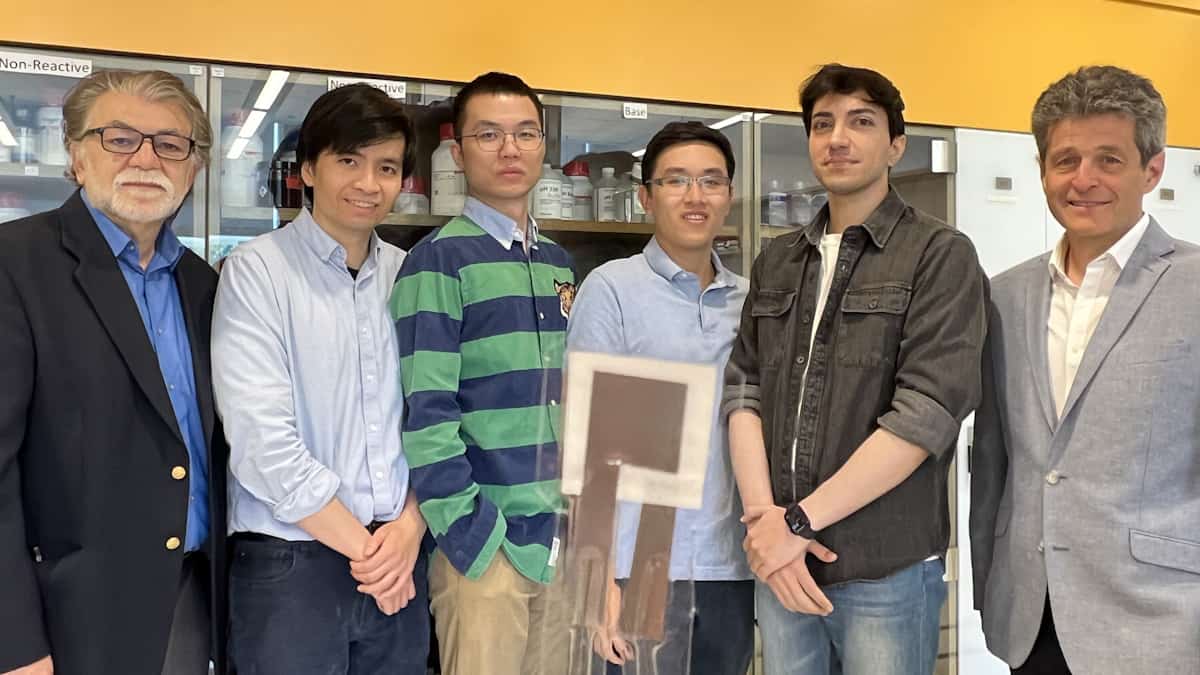
#Expert Research: Biodegradable ultrasound implant could improve brain tumour treatments
One of the challenges in treating certain types of brain cancer is the way that the blood-brain barrier prevents chemotherapy drugs from reaching the tumors they're meant to target. UConn's Thanh Nguyen, a biomedical and mechanical engineer, is developing new technology that could improve how we are able to treat brain tumors. He recently spoke with Physics World about this groundbreaking research: A new type of biodegradable ultrasound implant based on piezoelectric nanofibres could improve outcomes for patients with brain cancer. Researchers led by Thanh Nguyen from the the University of Connecticut’s department of mechanical engineering fabricated the devices from crystals of glycine, an amino acid found in the human body. Glycine is not only non-toxic and biodegradable, it is also highly piezoelectric, enabling the creation of a powerful ultrasound transducer that could help treat brain tumours. Brain tumours are particularly difficult to treat because the chemotherapy drugs that would be effective in tackling them are blocked from entering the brain by the blood–brain barrier (BBB). This barrier is a very tight junction of cells lining the blood vessel walls that prevents particles and large molecules from making their way through and damaging the brain. However, ultrasound can be safely used to temporarily alter the shape of the barrier cells such that chemotherapy drugs circulating in the bloodstream can pass through to the brain tissues. Currently, to achieve such BBB opening requires the use of multiple ultrasound transducers located outside the body, together with very high intensity ultrasound to enable penetration through the thick human skull bone. “That strong ultrasound can easily damage brain tissues and is not practical for multiple-time applications which are required to repeatedly deliver chemotherapeutics,” Nguyen tells Physics World. By contrast, the team’s new device would be implanted during the tumour removal surgery, and “can generate a powerful acoustic wave deep inside the brain tissues under a small supplied voltage to open the BBB”. The ultrasound would be triggered repeatedly as required to deliver the chemotherapy that kills off the residual cancer cells at tumour sites. After a set period of time following treatment the implant biodegrades, thereby eliminating the need for surgery to remove it. The research, reported in Science Advances, demonstrated that the team’s device used in conjunction with the chemotherapy drug paclitaxel significantly extended the lifetime of mice with glioblastomas (the most aggressive form of brain tumour) compared with mice receiving the drugs but no ultrasound treatment. This is fascinating research and if you are interesting in covering this topic, then let us help. Professor Nguyen focuses on biointegrated materials and devices at nano- and micro-scales for applications in biomedicine, and he's available to speak to media about his research. Simply click on his icon now to arrange an interview today.



Pioneering UConn Researcher Regrows Human Bone Using a Biodegradable Implant
A pioneer in the field of regenerative engineering, UConn's Dr. Cato T. Laurencin is charging toward his goal of regenerating a human limb by the year 2030. In a step toward reaching that goal, Dr. Laurencin and his team have detailed their success in regrowing bone using a plant-derived molecule in a recent study published by PNAS, marking a major step toward affordable, safe bone regeneration and growing replacement limbs. Dr. Laurencin discussed this impressive breakthrough this week with Hearst Connecticut Media: Most bone fractures heal reasonably well with care. But in severe breaks, where sections of bones are missing, or in crush injuries bones don’t always heal very well. In those cases, self-grafts or donated grafts of healthy bone from other, non-broken bones can be used to help close the gaps. But bone grafts don’t always take. Since about 2001, recombinant bone morphogenic proteins have been used to help stimulate bone growth in injuries where bone wouldn’t otherwise heal but their use has limits. While they work on long bone fractures, like those in your limbs, they’re not used on more complex bones. In some experimental treatments with fractured pelvises, recombinant bone protein caused bone tissue to form outside the skeleton. Forming bone tissue outside the skeleton is one of the more troubling side effects of this treatment. Bone tissue engineering seeks to get around this by developing implants that use adult stem cells to direct the growth of new bone across breaks that bones could not heal on their own. Some of this work involves building custom implants designed to mimic the missing bone to guide bone healing. Others attempt to deliver the bone protein in an implant, stopping it from leaving the injury area, to prevent side effects. These bone treatments are also expensive. In a meta-analysis from 2006, researchers found that they cost more than standard care for severe fractures. But UConn team took a different approach, using the drug forskolin, a molecule derived from a plant in the mint family. Forskolin triggers cells to make something called “cyclic AMP” a messenger molecule that is normally made in response to hormones. This messenger molecule turns on a wide variety of cell functions depending on what cells in which locations it stimulates. “We were intrigued by being able to find some natural material that people were already consuming in quantity,” said Dr. Laurencin, “But obviously there’s a difference between ingesting it and putting it on one location, like a bone site.” Dr. Laurencin’s team created a biodegradable plastic implant impregnated with forskolin, testing this on rabbits. The implants guided the creation of new bone tissue after 12 weeks. If you're a journalist looking to know more about this groundbreaking research taking place at UConn, let us help with your questions and coverage. Dr. Cato Laurencin, CEO of the Cato T. Laurencin Institute for Regenerative Engineering at UConn, is available to for interviews. Simply click on his icon now to arrange a time to talk today.


Researchers seek to apply nanoparticle drug delivery to coral wound healing
Coral reefs are the foundation of many aquatic ecosystems and are among the ocean’s most vulnerable inhabitants. While natural processes, like animal predation and storms, frequently damage coral, man-made causes, like ship collisions and global warming, destabilize these environments beyond their ability to recover. Researchers like Nastassja Lewinski, Ph.D., associate professor of chemical and life science engineering, are working to understand how corals heal in order to aid the restoration of these fragile ecosystems. They also seek partnerships with stakeholders that can support coral preservation by applying this research to industry practices and providing funding for continued research. “Coral ecosystems are vital to human life,” Lewinski said, “When there’s a high-intensity storm, reefs can absorb the impact and reduce the damage we see on land. They’re also important to the aquatic food web and serve as the foundation to many foods we eat.” Discovering the limits of coral healing is part of Lewinski’s work. Ideal water temperature for coral is 25 degrees Celsius, so research is conducted at the ideal temperature and elevated temperatures of 28 to 31 degrees Celsius, the projected water temperatures influenced by global warming. Successive imaging of wound closure in these conditions builds an understanding of the rate of closure during healing. “We’re looking to understand the mechanics of healing,” Lewinski said, “Some of what we’ve found suggests a process similar to human healing. We want to understand the actors in this process at a cellular level and what their role is in repairing tissue.” These observations inform the mathematical, cell-based wound healing model developed by Lewinski’s collaborators, Angela Reynolds, Ph.D. and Rebecca Segal, Ph.D., both professors in the Department of Mathematics and Applied Mathematics in VCU’s College of Humanities and Sciences. Similar to humans, corals have been documented as following the same four stages of the healing process. These stages include: 1) coagulation to close the site of injury, 2) infiltration with immune cells to ward off infection, 3) cell migration and proliferation and 4) scar remodeling. “With our observations and a mathematical model, the next step is to collect data on the cellular dynamics of the healing process,” Lewinski said, “We want to observe what kinds of cells enter the wound area and what functions they perform during healing.” Fluorescent tagging is used to mark specific cells so they may be observed entering the wound area when healing occurs. Because corals are naturally fluorescent, the selection of the fluorescent tags must take this into account. Phagocytic properties allow immune cells to engulf and absorb bacteria and other small cells, in this case the fluorescent particles being used to tag immune cells. Nutritional variables are also being considered within the experiment. Corals derive energy from consuming small organisms and their symbiotic relationship with algae colonies. Modifying nutritional balance in the lab emulates the coral’s participation in the food web, where accessibility to vital nutrients could impact healing. Developing a nanoparticle drug-delivery system designed to deliver molecules to speed wound healing is the culmination of this research. Lewinski hypothesizes the delivery system would promote an energy-burning state within the corals that could result in increased healing. This is among a few examples of harnessing nanotechnology for safeguarding coral reefs, which are discussed in a recently published comment in Nature Nanotechnology. “The research we’re doing on wound healing in corals is the start of something bigger,” Lewinski said. “Our goal is to create a center dedicated to engineering new technologies for corals. We want to find partners who can translate our research findings to practice, helping preserve coral reefs and the vital resources they provide.” Through this consortium, newly-developed science can be disseminated more effectively within each partner’s respective industry. The result: a renewed commitment to aquatic sustainability and the protection of vital coral ecosystems.


Aston University wins grant to make research more sustainable and environmentally friendly
University awarded grant to develop more sustainable separation method through AstraZeneca’s Open Innovation CoSolve Challenge at ELRIG Dr Vesna Najdanovic will explore use of the solvent ethyl lactate It is a biorenewable and environmentally friendly alternative. An Aston University scientist has won a $25000 grant in the AstraZeneca Open Innovation CoSolve sustainability challenge to help to make research more sustainable and environmentally friendly. Dr Vesna Najdanovic, senior lecturer in chemical engineering at the University’s Energy and Bioproducts Research Institute (EBRI), successfully pitched her idea to explore a new method using ethyl lactate as a solvent. Ethyl lactate is a biorenewable and environmentally friendly alternative solvent produced from lactic acid and ethanol, both obtained by fermentation of biomass. Currently hazardous organic solvents such as acetonitrile are widely used instead. Dr Najdanovic won the AstraZeneca’s Open Innovation CoSolve Sustainability Challenge at the European laboratory research & innovation group (ELRIG) Research and Innovation meeting. She said: “Throughout my research career, I have been working with various green solvents, such as supercritical fluids, ionic liquids and biosolvents, to improve chemical and separation processes. “I am delighted to be selected by the expert judging panel and the highly engaged audience to apply my knowledge to develop greener analytical methods using ethyl lactate as a solvent for liquid chromatography. “I hope this project will pave the pathway to use this environmentally friendly alternative solvent while reducing carbon footprint and pollution”. The pharmaceutical industry generates the highest amount of waste per mass of products compared to other chemical industry sectors, such as the petroleum industry, bulk and fine chemicals. Dr Kelly Gray, CoSolve sustainability programme lead at AstraZeneca, said “In order to protect people, society and planet we have to identify and develop solutions to deliver sustainable science. The goal of the CoSolve sustainability programme was to do just that and identify innovative ideas to practical challenges faced by researchers across scientific disciplines in R&D.” Sanj Kumar, CEO of ELRIG, said “Ensuring that drug discovery processes become sustainable is a priority issue to the ELRIG community, so partnering with AstraZeneca on the CoSolve initiative, by hosting the pitching and final award ceremony, is not only an honour, but raises the awareness of sustainability to our community. Dr Najdanovic and her innovation are a worthy winner and ELRIG is proud that we are able to share her success story.” As much as 80% of this waste presents hazardous organic solvents obtained from petrochemical sources. For example, the pharmaceutical industry consumes 50% of globally produced acetonitrile, of which 20% is a solvent for liquid chromatography, a widely used analytical tool in research and development laboratories. After its use, most acetonitrile is discarded as chemical waste and subsequently incinerated, generating greenhouse gases and other pollutants such as nitrogen oxides and highly toxic hydrogen cyanide. The CoSolve sustainability challenge award builds on Dr Najdanovic’s previous work employing ethyl lactate as a solvent for various separation processes. Her new project supports EBRI’s wider objectives of using bioproducts to deliver low-carbon and environmentally sustainable solutions.


Members of the Lived Experience Stakeholder Group meet at Aston University for the first time to give feedback on the project MEDIATE investigated how medication for severe mental illness can be optimised Research funded by the National Institute for Health Research (NIHR). Researchers from Aston Pharmacy School welcomed people with lived experience involved in the MEDIATE research project to campus for a one-day workshop on 17 March to enable these members of the Lived Experience Stakeholder Group - who all live with and take medication for severe mental illness (SMI) - to meet in person to give feedback and discuss their participation in the project. The group members have participated in the National Institute for Health Research (NIHR) funded project since January 2022 until its conclusion in March 2023. The MEDIATE project investigated how medication can be best optimised (safely getting the right drug at the right dose to the individual at the right time) for people living with SMI. The first part of the workshop allowed participants to discuss with the research team their involvement as people with lived experience of severe mental illness in the project. Dr Jo Howe, MEDIATE project researcher at Aston University, said: “Although this group was formed to help us as researchers, we became aware that involvement in the group has also helped group members. They enjoyed linking with their peers, despite having had different lives and journeys, they discovered shared experiences, which helped them feel less isolated. “Importantly some members said that their involvement in our research improved their self-confidence and helped them to speak about their medication concerns with their healthcare team.” The second part of the workshop bought the group together to gauge opinions on three separate research projects currently being planned by the MEDIATE research team. The group were able to give useful insights to help shape the research teams future project proposals. Max Carlish, MEDIATE group member, said: “Our participation throughout this project has really made us feel that we have been influencing the direction of the research. With our unique service user perspectives helping to make the research findings practicable and applicable to the vitally important - and often overlooked - area of medication optimisation.” Mustak Mirza, MEDIATE group member, added: “People will trust their leaders when the leaders do the thing that make them feel psychologically safe. And I believe and feel you (the MEDIATE Team) have done that. Many thanks for being so kind.” Dr Jo Howe added: “Input from the group has been invaluable for this project. Their involvement has shaped the trajectory of our research and they have been instrumental in identifying gaps in the research evidence. “It really was fantastic to meet everyone in person, I felt like we connected at a deeper level and I’m really looking forward to working with everyone again on future research.” Professor Ian Maidment, MEDIATE project lead at Aston University, said: “It is vital that the people who this research affects are actively involved in the process. We aimed to do this in MEDIATE and working with this group has really helped inform the research. For example, any guidance or outputs we produce will be centred on real world experience and are therefore much more likely to have an impact.”


Candida auris: The deadly fungus is spreading and proving difficult to fight
Candida auris is making headlines - and for all the wrong reasons. The fungus can lead to severe infections causing long term health issues and even death. Recently, Fox News in Los Angeles was covering this emerging threat and reached out to Augusta University's Dr. Jose Vazquez for his expert insight and opinion. Here's the piece: The Centers for Disease Control & Prevention says Candida auris, or C. auris, is an emerging health threat, a type of fungus can cause severe, potentially life-threatening infections in people hospitalized with compromised immune systems. Dr. Jose Vasquez, chief of infectious diseases at the Medical College of Georgia at Augusta University, says there are several reasons for concern about this fungus. "The biggest fear is that it is multi-drug resistant," he says. "So, it is resistant to many different drugs." The CDC says most C. auris infections respond to antifungal medication, but some do not. Vasquez says C. auris is also hard to detect without highly specialized lab equipment that many hospitals do not have. And, he says, it is hard to stop the fungus once it gets into a hospital setting, such as an ICU or nursing care facility. C. auris can live on a person's skin without causing symptoms, allowing it to be transmitted from one person to another, or to get into a patient's body through contaminated surfaces or medical equipment like mechanical ventilators, feeding tubes and central lines. 'It is one of the Candidas that lives the longest on a surface, and we're talking about weeks," he sys. "So it can live there, dry and desiccated. Once it gets there, it kind of sets up shop, and it is very, very difficult to eradicate." The rest of the news story is attached: Looking to know more? That’s where Augusta University can help. Dr. Jose Vazquez, division chief and professor of Medicine at the Medical College of Georgia, is an expert in the realm of infectious diseases. He studies and treats infectious diseases, including antibiotic-resistant superbugs and fungal infections. He has been a reliable source for local, statewide and national media regarding the coronavirus outbreak. Dr. Vazquez is available to speak with media regarding this topic – simply click on his icon to arrange an interview.

Aston University to celebrate 100 years of pharmacy education and research
Aston Pharmacy School to celebrate 100 year anniversary during 2023 The history of teaching pharmacy at Aston University dates back to the 1890s In 2016 the Pharmacy School was awarded a Regius Professorship by HM Queen Elizabeth II. Aston University is gearing up to celebrate 100 years of pharmacy education and research this year. In 1923 the Birmingham Municipal Technical School started to offer full time pharmacy courses to applicants from the general public. The roots of pharmacy education at Aston University date back to the 1890s and more significantly to 1919 when it first started teaching the subject as part of the Chemistry department at the Birmingham Municipal Technical School - as part of a funded package of training and education for returning servicemen after the First World War. In 1923 the pharmacy training provision expanded, taking on six specialist pharmacy staff within the pharmacy section of the Department of Chemistry. That year the Technical School began to offer full time pharmacy courses open to applications from the general public. In 1926 Harry Berry was appointed as head of a separate Department of Pharmacy - following an inspection by the University of London and a positive report. This distinct identity was further cemented a year later in 1927, when Neville Chamberlain, who was the then Minister for Health, opened the new teaching facilities in the School of Pharmacy in the Birmingham Central Technical College. Since then, the University has graduated thousands of pharmacy students with more than 2700 graduates in the last 20 years. Aston University’s Pharmacy School is now recognised as one of the outstanding pharmacy schools in the UK and has been at the forefront of scientific advances over the last 100 years. Its researchers developed the $2 billion blockbuster drug Temozolomide, the leading treatment for brain tumours and it created the UK's first Masters programme for hospital pharmacists. In 2016, Aston Pharmacy School was awarded a Regius Professorship by HM Queen Elizabeth II to mark her 90th birthday. It was the first time a pharmacy school had been given the award, a rare and prestigious honour bestowed by the Sovereign to recognise exceptionally high-quality research. The first holder of the title of Regius Professor of Pharmacy at Aston University was Keith Wilson, a pharmacy academic who helped to shape current and future pharmacy education both within the UK and internationally. Dr Joe Bush, head of Aston Pharmacy School, at Aston University said: "100 years of pharmacy education is a major milestone. We are immensely proud of all our achievements, from producing exceptional graduates who make a significant contribution to the professional workforce in a variety of near-patient settings, to our research discoveries and developments which have positively impacted patient healthcare and the high quality of this research having been recognised via the award of the first ever Regius Chair for Pharmacy. “It is an honour to be a part of Aston Pharmacy School, whose humble beginnings have grown to produce world class research and exceptional graduates. I look forward to celebrating with the rest of the school over the course of the year.” Celebrations of the centenary anniversary will include a celebratory lunch for staff, former staff, students and alumni to recognise the significant contributions that the school has made in research discoveries and teaching. The school will host an exhibition about the last 100 years of pharmacy at Aston University, with a range of historical artefacts on display in the entrance to the University’s main building and there will be a social media campaign to highlight key facts about the last 100 years of pharmacy at Aston University. Did you study pharmacy at Aston University? We would love to hear from you with any stories, memories from your student days. And we would love to hear about where your pharmacy career has taken you. Please get in touch with our alumni team here.