Experts Matter. Find Yours.
Connect for media, speaking, professional opportunities & more.
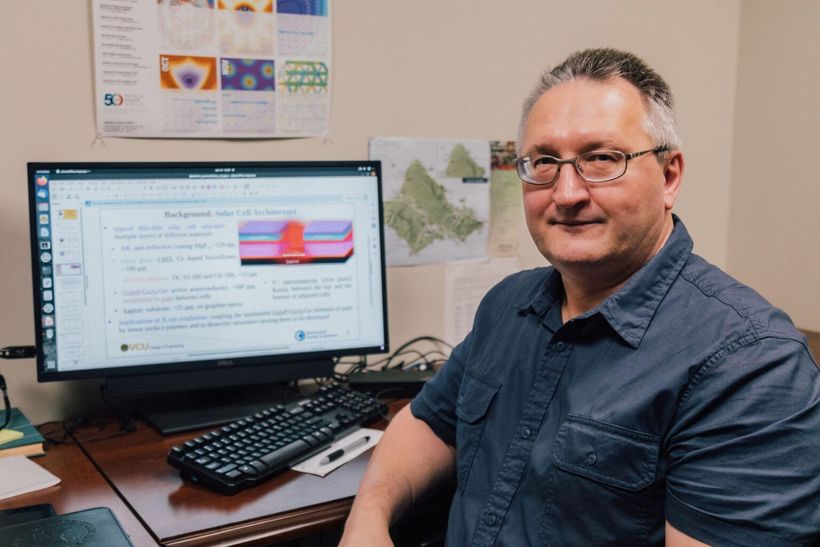
Recently named the nuclear program director at the Virginia Commonwealth University (VCU) College of Engineering, Gennady Miloshevsky, Ph.D., associate professor in the Department of Mechanical & Nuclear Engineering, answers some questions about the direction of VCU Engineering’s nuclear program and what he hopes it can accomplish. What are your top priorities for the nuclear program at the VCU College of Engineering? I want to focus on student development, innovative research and our rankings in best program lists, but that is not everything. Strategy is important. We need to align ourselves with the country’s national energy needs. There are many new developments in the energy sector, like small modular reactors or fusion energy systems, and having the right faculty to engage with these advancements is important. Providing students with a well-rounded education and good opportunities for gaining experience benefits the College of Engineering’s public and private sector partners. Nuclear subject matter is complex, so higher education is very important for workforce development. We want to build partnerships, like the one we have with Dominion Energy, that support this goal. A priority for me is continuing to establish relationships with Commonwealth Fusion Systems, which seeks to build and operate the first commercial grid-scale fusion plant in Chesterfield County, Virginia. Our workforce partners will benefit from VCU’s well-trained nuclear engineering graduates joining the workforce. So, aligning our strategy with national energy needs, hiring the right faculty to support our programs and building industry partnerships that benefit our student’s education and career opportunities are important things for VCU Engineering’s nuclear program. Where would you like to see the College of Engineering’s nuclear program 10 years from now? I would like to see growth in the nuclear program. For example, some new graduate courses on topics like nuclear materials or fusion energy. In 2024, I developed a general course for fusion energy, so building out a curriculum that goes more in-depth would be good. When you look at small modular reactors and micro reactors, current energy policy does not allow private companies to build their own. However, as energy demands increase, policy could change to where you see these compact devices installed in places like data centers, for example. A more in-depth curriculum allows VCU Engineering students to step into industry roles that lead growth of the energy industry while also ensuring students are capable of adapting to the changing field and taking advantage of new developments. What sort of cross-disciplinary opportunities are there for the College of Engineering’s nuclear program? Nuclear engineering and nuclear science are very interdisciplinary fields. You have physics that covers the nuclear reaction and the radiation it generates, for example, then chemistry is needed when talking about nuclear fuel cycles and nuclear waste. You also need materials science because good materials capable of withstanding radiation and high temperatures are needed in nuclear fission and fusion energy systems. This science then connects to engineering, building the reactors, the energy distribution systems like a power grid. It is a small sample of the overall work, but you see how mechanical and electrical engineering are key to this part. All these disciplines come together to solve the same problem. One researcher might be figuring out how to confine plasma and make it stable, then another researcher is looking at how plasma can disrupt the containment wall and how to make materials to protect the wall. Within our department, we are making connections between mechanical-focused faculty working on high-temperature ceramics or additive manufacturing techniques and those of us researching nuclear energy systems in order to make joint proposals. We are also collaborating outside VCU. As an example, I am involved with an alliance founded by the Defense Threat Reduction Agency (DTRA) comprised of 17 universities, research labs and military centers. Coordinated through DTRA, we work together on many of the same problems.Through this partnership, my Ph.D. students do summer research rotations with national labs like Lawrence Livermore National Laboratory in California and The Pacific Northwest National Laboratory. We also bring cadets and midshipman into VCU from other institutions, like the DTRA Nuclear Science and Engineering Research Center, United States Military Academy West Point and the Virginia Military Institute, whose students have been part of research experience for undergraduates programs in the summer. How is artificial intelligence impacting the field of nuclear engineering? So, the United States is sponsoring the Genesis Mission, which seeks to transform science innovation through the power of AI. One area of the Genesis Mission is nuclear fission and fusion energy. I see this playing out with the Department of Energy encouraging national labs, universities and industry to work together on applying these AI advancements to solve the research problems of nuclear energy. It is a great opportunity for students, who we can involve in this work to give them real-world experience with topics they will see after graduation. Last semester I taught a course at VCU on the practical applications of AI on nuclear engineering problems. It is not something like ChatGPT or anything like that. What we did is take Google’s TensorFlow platform that is a library of AI models and machine neural networks. Using Python scripting students learn how to apply these AI resources to about 30 problems in mechanical and nuclear engineering. They create scripts, use data sets and run analytics. We have a nuclear reactor simulator and I have some ideas to create AI-based software we can pair with the simulator, then give the software a data set and let it control the operation of the simulator in a safe way. Tell us about your background. What brought you VCU and the Department of Mechanical and Nuclear Engineering? Actually, I am not a mechanical or a nuclear engineer. My background is in physics. I graduated from the Belarusian State University in 1990 and continued to a Ph.D. in physics from the Heat and Mass Transfer Institute of the National Academy of Sciences of Belarus working on topics related to fusion plasmas and nuclear weapon effects. In space, nuclear weapons produce shockwaves and radiation. I computationally model these effects in my research to determine how something like a nuclear warhead detonation in orbit will impact the materials a satellite is made of, for example. My research also crosses over into nuclear fusion, specifically thermodynamic and optical plasma properties, fusion plasma disruptions, melt motion and splashing from plasma facing components. Accelerating Next-Generation Extreme Ultraviolet (EUV) Lithography (ANGEL) is my most recent collaborative project, supported by the Department of Energy’s (DOE) Office of Science, Fusion Energy Sciences. It involves two national laboratories, three universities and a private-sector company focusing on advancement of future micro-electronic chips, EUV photon sources, mitigation of material degradation and plasma chemistry. Prior to joining the VCU College of Engineering I worked at Purdue University at a DOE-funded center investigating nuclear fusion and the effects of plasma on materials. Around 2019 I wanted to develop my own lab, so I came to VCU with startup funds from the Nuclear Regulatory Commission and DTRA. My first priority after joining the VCU College of Engineering was continuing my fusion research, the second was collaborating with an alliance of universities focused on work for DTRA and DOE.


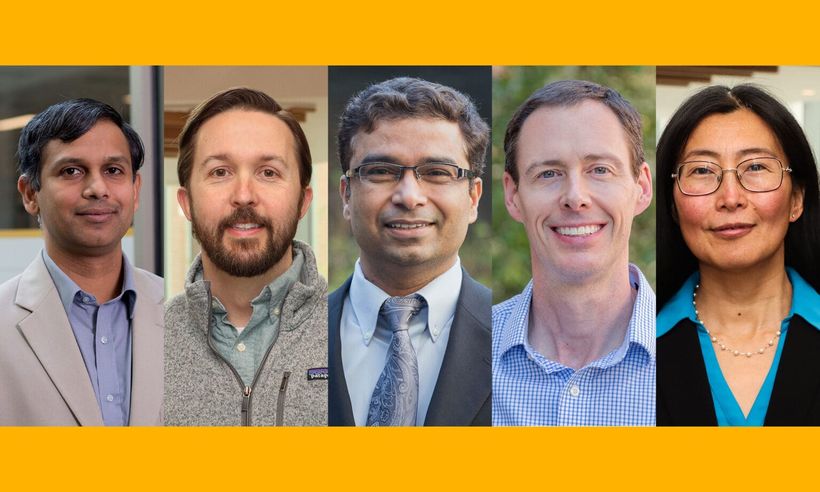
National Academy of Inventors welcomes five VCU College of Engineering researchers
The National Academy of Inventors (NAI) recently inducted five Virginia Commonwealth University (VCU) College of Engineering researchers as senior members. Chosen for their innovative engineering contributions, the honorees are recognized as visionary inventors whose groundbreaking research and patented technologies are driving meaningful societal and economic advancements across the national innovation landscape. “Invention represents the practical application of knowledge and stands as one of the many ways engineers can make a positive impact on their communities and the world,” said Azim Eskandarian, D.Sc, the Alice T. and William H. Goodwin Jr. Dean of the VCU College of Engineering. “This year’s honorees exemplify the interdisciplinary nature of our field, leveraging advanced concepts from mechanical, biomedical, chemical and pharmaceutical engineering to address today’s most pressing challenges. We are immensely proud that our dedicated researchers have earned recognition as members of the esteemed National Academy of Inventors.” The VCU College of Engineering NAI inductees are: Jayasimha Atulasimha, Ph.D. Engineering Foundation Professor Department of Mechanical & Nuclear Engineering An internationally recognized pioneer of straintronics, an approach to electrically control magnetism for ultra-low-energy computing, Atulasimha has made significant research contributions to next-generation memory, neuromorphic hardware and emerging quantum computing technologies. He holds four U.S. patents spanning energy-efficient magnetic memory, nanoscale computing architectures and medical tools. Atulasimha’s commercially viable inventions are funded by organizations like the Virginia Innovation Partnership Corporation and he leads multi-institutional collaborations that drive innovation in computing hardware, AI and quantum technologies with more than $10 million in funded research. Casey Grey, Ph.D. Postdoctoral Research Associate Department of Mechanical & Nuclear Engineering Bridging engineering and medicine, Grey’s work spans life‑saving stroke technologies, breakthrough respiratory and neurological care, and sustainable packaging. As a lead R&D scientist at WestRock, he helped create and commercialize the CanCollar® portfolio, a recyclable paperboard replacement for plastic beverage rings now used on five continents, eliminating thousands of tons of single‑use plastic annually. In medical device innovation, Grey’s patent and development work on a novel cyclic aspiration thrombectomy platform, currently in clinical trials, is advancing stroke treatment by enhancing clot removal efficiency and reducing long‑term disability. At the VCU College of engineering, Grey built a research and commercialization pipeline around neurological and respiratory technologies, securing eight provisional patents and leading multidisciplinary teams in neurology, neurosurgery, surgery, pharmacology and toxicology, internal medicine, and respiratory medicine. His work includes developing dry powder inhaler strategies for delivering life‑saving drugs to patients with acute respiratory distress syndrome (ARDS), a pediatric bubble CPAP system designed to protect brain development in premature infants, and non‑invasive, non‑pharmacological 40 Hz neuromodulation therapies to treat neurodegeneration and conditions with significant central nervous system complications, like sickle cell disease. In collaborations with the VCU Children’s Hospital and VCU Critical Care Hospital, Grey is leading two clinical studies that are translating these innovations to improve patient care. Ravi Hadimani, Ph.D. Associate Professor and Director of Biomagnetics Laboratory Department of Mechanical & Nuclear Engineering Hadimani founded RAM Phantoms LLC, a VCU startup company, commercializing anatomically accurate, MRI-derived brain phantoms for neuromodulation and neuroimaging applications. These brain phantoms help test and tune transcranial magnetic and deep brain stimulation technologies, improving clinical safety and enabling personalized therapy for patients. RAM Phantoms is also developing a highly-skilled workforce for employment in Virginia’s growing biomedical device industry. Beyond commercialization, Hadimani maintains a productive research program with more than $4.5 million in funding resulting in 125 original peer-reviewed publications, 17 current and pending patents, a book, and several book chapters. His biomagnetics lab serves as a training ground for undergraduate, graduate and Ph.D. students to hone their skills in innovation management, intellectual property strategy and startup development. Several students from Hadimani’s lab have engaged in translational research, patent co-authorship and start-up formation, cultivating a new generation of engineer-entrepreneurs equipped to drive future technological advances. Before joining VCU, Hadimani led the development of hybrid piezoelectric–photovoltaic materials that established FiberLec Inc., which commercialized multifunctional energy-harvesting fibers capable of converting solar, wind and vibrational energy into usable electricity. Worth Longest, Ph.D. Alice T. and William H. Goodwin, Jr. Distinguished Chair Department of Mechanical & Nuclear Engineering Uniting aerosol science, biomedical engineering and computational modeling, Longest is revolutionizing inhaled drug delivery. Working with collaborators, his lab has developed novel devices, formulations and delivery platforms that precisely target medications to the lungs, addressing conditions like cystic fibrosis, pneumonia, acute respiratory distress syndrome and neonatal respiratory distress syndrome. These innovations have resulted in multiple patents. Some of them have been licensed through commercial partnerships like Quench Medical, an organization advancing inhaled therapies for applications like lung cancer. Collaborating with the Gates Foundation and the lab of Michael Hindle, Ph.D., from the VCU Department of Pharmaceutics, Longest’s team developed a low-cost, high-efficacy aerosol surfactant therapy for pre-term infants based entirely on technology developed at VCU. The invention eliminates intubation, reduces dosage by a factor of 10, and cuts treatment costs. Over 9 million infant lives are projected to be saved by this technology between 2030 and 2050. Through a long-term collaboration with the U.S. Food and Drug Administration, Longest’s in vitro and computational methods provide federal regulatory guidance for generic inhaled medications. The VCU mouth-throat airway models developed under his leadership are used globally across the pharmaceutical industry and in government laboratories. Hong Zhao, Ph.D. Associate Professor Department of Mechanical & Nuclear Engineering Zhao holds 40 patents with innovations spanning additive manufacturing, stretchable electronics, inkjet printing technologies and superoleophobic materials that repel oils, greases, and low-surface-tension liquids. Her research has applications across health care, sustainable energy and advanced manufacturing. Prior to joining the College of Engineering, Zhao served as a senior research scientist and project leader at the Xerox Research Center, where she developed high-performance materials and printing technologies for commercial deployment. Her industry experience makes Zhao’s lab a hub for innovation and mentorship, with students engaging in innovative research and co-authoring publications. Zhao is an invited reviewer for more than 50 premier journals and grant agencies. “Working with distinguished researchers and innovators like those inducted into the National Academy of Inventors is a great honor for me,” said Arvind Agarwal, Ph.D., chair of the Department of Mechanical & Nuclear Engineering and NAI fellow. “They are an inspiration and showcase the kind of impact engineers can make. Having all five of these innovators as part of our department amplifies the scientific richness of our college and its societal impact. They advance the college’s mission of Engineering for Humanity, with research that brings a positive change to our world.” The 2026 NAI class of senior members, composed of 231 emerging inventors from NAI’s member institutions, is the largest to date. Hailing from 82 NAI member institutions across the globe, they hold over 2,000 U.S. patents.


Surprising finding could pave way for universal cancer vaccine
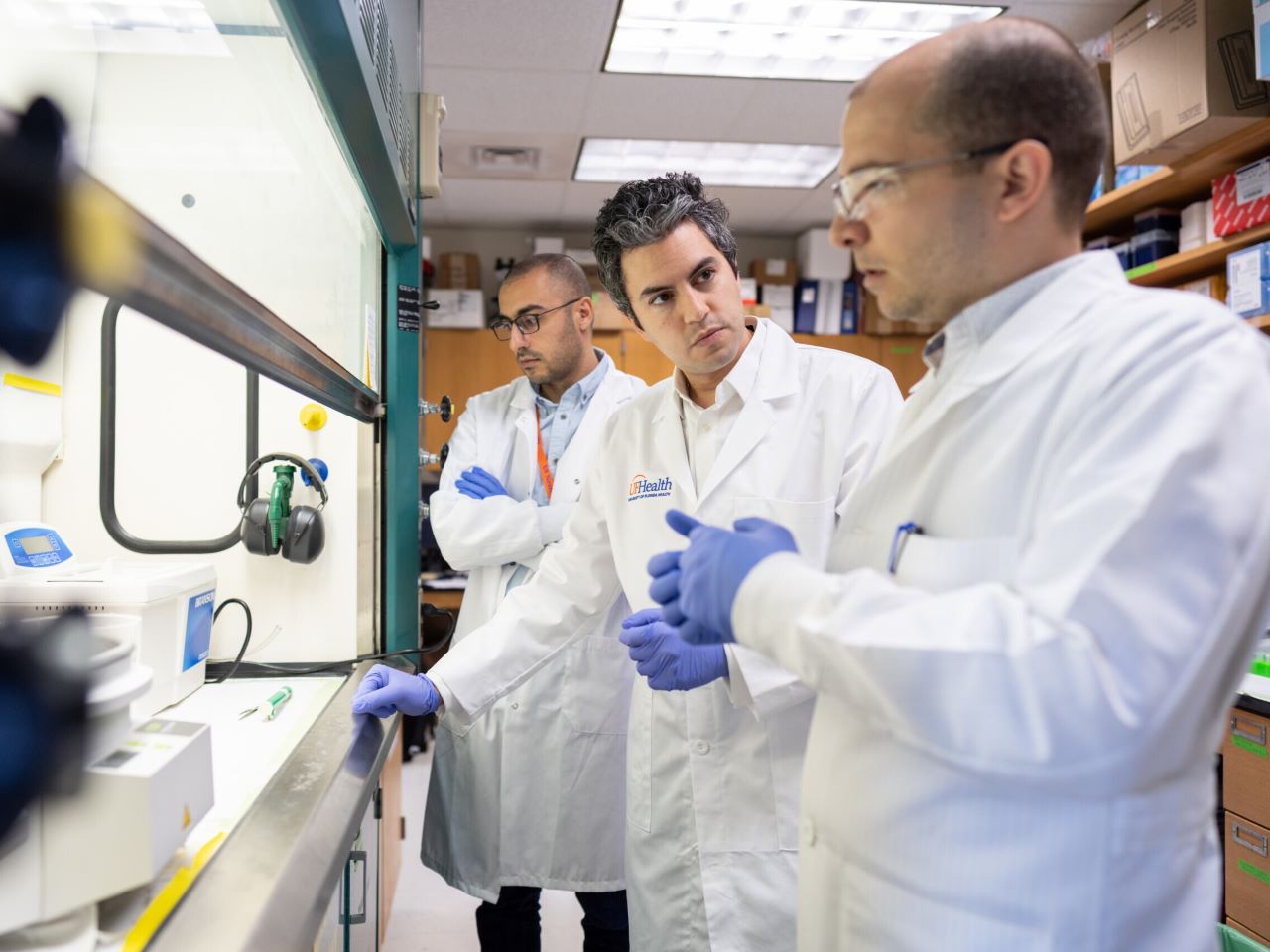
An experimental mRNA vaccine boosted the tumor-fighting effects of immunotherapy in a mouse-model study, bringing researchers one step closer to their goal of developing a universal vaccine to “wake up” the immune system against cancer. Published today in Nature Biomedical Engineering, the University of Florida study showed that like a one-two punch, pairing the test vaccine with common anticancer drugs called immune checkpoint inhibitors triggered a strong antitumor response in laboratory mice. A surprising element, researchers said, was that they achieved the promising results not by attacking a specific target protein expressed in the tumor, but by simply revving up the immune system — spurring it to respond as if fighting a virus. They did this by stimulating the expression of a protein called PD-L1 inside of tumors, making them more receptive to treatment. The research was supported by multiple federal agencies and foundations, including the National Institutes of Health. Senior author Elias Sayour, M.D., Ph.D., a UF Health pediatric oncologist and the Stop Children's Cancer/Bonnie R. Freeman Professor for Pediatric Oncology Research, said the results reveal a potential future treatment path — an alternative to surgery, radiation and chemotherapy — with broad implications for battling many types of treatment-resistant tumors. “This paper describes a very unexpected and exciting observation: that even a vaccine not specific to any particular tumor or virus — so long as it is an mRNA vaccine — could lead to tumor-specific effects,” said Sayour, principal investigator at the RNA Engineering Laboratory within UF’s Preston A. Wells Jr. Center for Brain Tumor Therapy. “This finding is a proof of concept that these vaccines potentially could be commercialized as universal cancer vaccines to sensitize the immune system against a patient’s individual tumor,” said Sayour, a McKnight Brain Institute investigator and co-leader of a program in immuno-oncology and microbiome research. Until now, there have been two main ideas in cancer-vaccine development: To find a specific target expressed in many people with cancer, or to tailor a vaccine that is specific to targets expressed within a patient's own cancer. “This study suggests a third emerging paradigm,” said Duane Mitchell, M.D., Ph.D., a co-author of the paper. “What we found is by using a vaccine designed not to target cancer specifically but rather to stimulate a strong immunologic response, we could elicit a very strong anticancer reaction. And so this has significant potential to be broadly used across cancer patients — even possibly leading us to an off-the-shelf cancer vaccine.” For more than eight years, Sayour has pioneered high-tech anticancer vaccines by combining lipid nanoparticles and mRNA. Short for messenger RNA, mRNA is found inside every cell — including tumor cells — and serves as a blueprint for protein production. This new study builds upon a breakthrough last year by Sayour’s lab: In a first-ever human clinical trial, an mRNA vaccine quickly reprogrammed the immune system to attack glioblastoma, an aggressive brain tumor with a dismal prognosis. Among the most impressive findings in the four-patient trial was how quickly the new method — which used a “specific” or personalized vaccine made using a patient’s own tumor cells — spurred a vigorous immune-system response to reject the tumor. In the latest study, Sayour’s research team adapted their technology to test a “generalized” mRNA vaccine — meaning it was not aimed at a specific virus or mutated cells of cancer but engineered simply to prompt a strong immune system response. The mRNA formulation was made similarly to the COVID-19 vaccines, rooted in similar technology, but wasn’t aimed directly at the well-known spike protein of COVID. In mouse models of melanoma, the team saw promising results in normally treatment-resistant tumors when combining the mRNA formulation with a common immunotherapy drug called a PD-1 inhibitor, a type of monoclonal antibody that attempts to “educate” the immune system that a tumor is foreign, said Sayour, a professor in UF’s Lillian S. Wells Department of Neurosurgery and the Department of Pediatrics in the UF College of Medicine. Taking the research a step further, in mouse models of skin, bone and brain cancers, the investigators found beneficial effects when testing a different mRNA formulation as a solo treatment. In some models, the tumors were eliminated entirely. Sayour and colleagues observed that using an mRNA vaccine to activate immune responses seemingly unrelated to cancer could prompt T cells that weren’t working before to actually multiply and kill the cancer if the response spurred by the vaccine is strong enough. Taken together, the study’s implications are striking, said Mitchell, who directs the UF Clinical and Translational Science Institute and co-directs UF’s Preston A. Wells Jr. Center for Brain Tumor Therapy. “It could potentially be a universal way of waking up a patient’s own immune response to cancer,” Mitchell said. “And that would be profound if generalizable to human studies.” The results, he said, show potential for a universal cancer vaccine that could activate the immune system and prime it to work in tandem with checkpoint inhibitor drugs to seize upon cancer — or in some cases, even work on its own to kill cancer. Now, the research team is working to improve current formulations and move to human clinical trials as rapidly as possible. While the experimental mRNA vaccine at this point is in early preclinical testing — in mice not humans — information about available nonrelated human clinical trials at UF Health can be viewed here.



Supporting fusion energy system development in the state, the Virginia Commonwealth University (VCU) College of Engineering will acquire an ultrasonic metal-powder atomizer to advance critical research in magnetic materials needed for compact fusion reactors. Made possible by a $500,000 grant from the Virginia Clean Energy Innovation Bank (VCEIB), the funds support VCU Engineering’s Advanced Magnetic Materials Processing Laboratory (AM2P), enabling VCU Engineering to establish Virginia’s first in-state capability for producing custom, high-purity metal powders tailored for next-generation fusion reactor components. “Clean-energy innovations from fusion to grid-scale technologies demand materials that can operate under extreme conditions while remaining manufacturable at scale,” said Radhika Barua, Ph.D., assistant professor in the Department of Mechanical & Nuclear Engineering and director of AM2P. “This project will be transformative as we can now design advanced alloy compositions, produce them in-house, and immediately integrate them into additively manufactured components—dramatically accelerating the innovation cycle.” This project positions Virginia to capture a share of the rapidly expanding fusion materials and advanced manufacturing market, projected to surpass $8 billion annually by 2035. Also, this investment is expected to unlock more than $4 million in additional federally competitive research funding over the next four years. “This is a smart, high-impact investment in Virginia’s energy future,” said Glenn Davis, director of the Virginia Department of Energy. “By establishing in-state powder atomization and advanced materials capability, we’re positioned to become a critical node in the emerging fusion supply chain while strengthening our defense and clean-energy industrial base.” This comes on the heels of last year’s announcement that Commonwealth Fusion Systems will make a multibillion-dollar investment to build the world’s first grid-scale commercial fusion power plant in Chesterfield County. The AM2P Lab has emerged as one of the few academic research centers in the nation with deep expertise in additively manufactured permanent magnets, soft magnetic alloys and magnetocaloric materials. “This equipment and research will not only support fusion activities but also open doors for collaborative activities with multiple federal agencies including the Army Research Laboratory, the Air Force Office of Scientific Research and the Office of Naval Research,” said Arvind Agarwal, Ph.D., professor and chair of the Department of Mechanical & Nuclear Engineering. “This grant accelerates Virginia’s leadership in advanced nuclear and fusion manufacturing while strengthening workforce readiness,” said Julianne Szyper, deputy director of the Virginia Department of Energy. “By connecting Virginia’s academic talent with industry and national lab partners, we’re creating an ecosystem that drives innovation, supports high-quality careers and positions the Commonwealth as a competitive hub for clean-energy technologies like fusion.”

Wetlands: Nature’s First Line of Defense for Our Coast and Communities
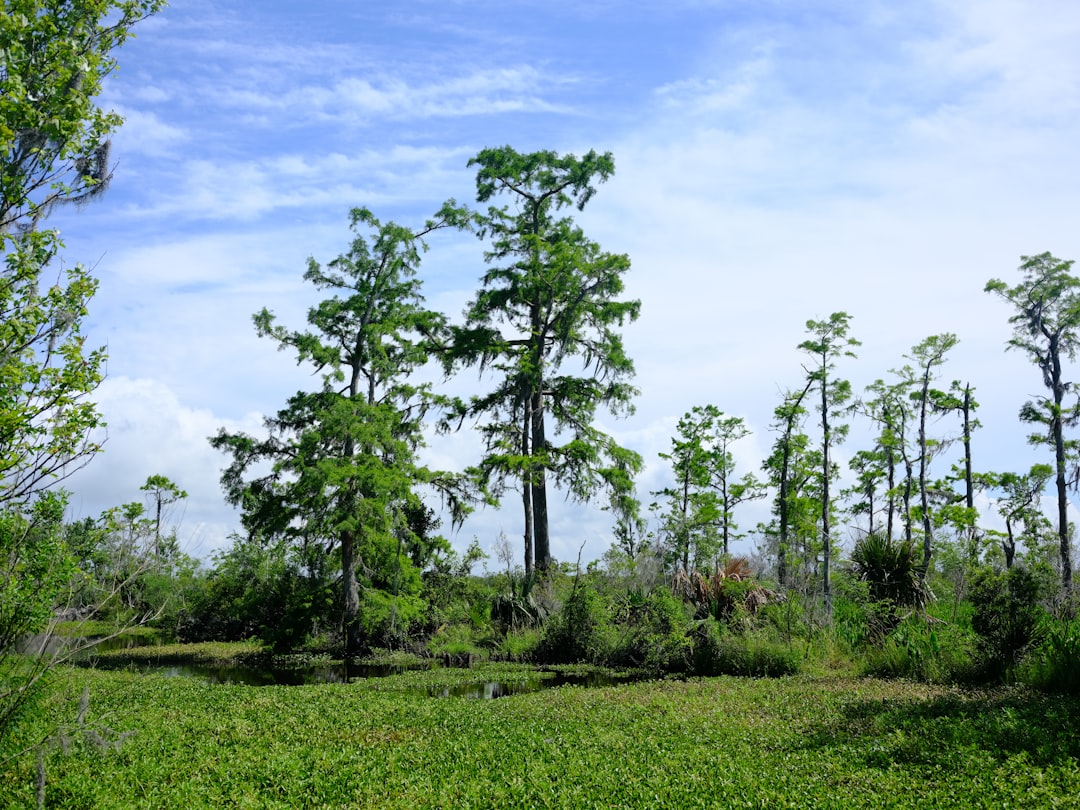
Since the 1930s, Louisiana’s coastline has been reshaped by the relentless advance of the Gulf, with over 2,000 square miles of land disappearing beneath its waters and representing the largest loss of coastal land anywhere in the continental United States. This dramatic transformation has far-reaching consequences, threatening local economies, delicate ecosystems, and heightening the state’s exposure to hurricanes. In the face of these urgent challenges, LSU’s College of the Coast & Environment (CC&E) stands at the forefront, leading pioneering research and bold initiatives that not only protect Louisiana’s coast, but also build stronger, more resilient communities. Below are just a few examples of how CC&E is driving meaningful solutions for our coastal future. Wetlands are vital to protecting our coast, and CC&E researchers are actively investigating the role of both constructed and natural wetlands in reducing coastal flooding hazards. Through several projects funded through the US Army Corps of Engineers, Drs. Robert Twilley, Matthew Hiatt, and CC&E Dean Clint Willson, along with collaborators across campus, are conducting research on coastal ecosystem design - a framework that leverages the benefits of natural and nature-based coastal features, such as wetlands, environmental levees, and flood control gates – and how that could be integrated into engineering design and urban planning. Through the State of Louisiana’s ambitious Coastal Master Plan, administered by the Louisiana Coastal Protection and Restoration Authority, wetland construction and restoration play a huge role in managing the Louisiana coastal region. Such innovative techniques leveraging natural and nature-based features require evaluation to determine the success of such projects, and CC&E researchers are using cutting-edge science to advance this endeavor. Dr. Tracy Quirk and her students are investigating the success of marsh restoration by comparing structural and functional characteristics (e.g., vegetation, elevation, hydrology, accretion, and denitrification) between two created marshes and an adjacent natural reference marsh along the north shore of Lake Pontchartrain, Louisiana. Wetlands not only serve as a buffer from storms and sea level rise but also play a major role in regulating greenhouse gas emissions and contribute to productive vibrant ecosystems. In large collaborative project funded by the National Science Foundation, Dr. Giulio Mariotti is using computer models to forecast how coastal marshes may change in size, shape, and salinity in the future, and how these changes could affect methane emissions. As part of the same project, Drs. Haosheng Huang and Dubravko Justic are creating high-resolution hydrodynamic and biogeochemical models to predict changes in methane emissions in coastal Louisiana. In another project, with funding from Louisiana Center of Excellence, National Science Foundation, Louisiana Sea Grant, and the National Oceanic and Atmospheric Administration, Drs. Matthew Hiatt and John White have established a network of sensors to measure water levels and salinity throughout the wetlands in Barataria Bay, Louisiana, a region that has experienced significant land loss and storm impacts. The goal is to establish an understanding of the drivers of saline intrusion in marsh soils, and to ultimately determine what this means for the ecological resiliency of wetlands experiencing rapid change. CC&E’s leadership in wetlands science is recognized nationwide. It is the only college in the United States to have six faculty members—Drs. John White, John W. Day, Jr., Robert Twilley, William Patrick, James Gosselink, and R. Eugene Turner—honored with the prestigious National Wetlands Award. No other institution has had more than one recipient. Presented annually by the Environmental Law Institute, this award celebrates individuals whose work demonstrates exceptional innovation, dedication, and impact in wetlands conservation and education. CC&E’s unmatched record reflects decades of pioneering research and a deep commitment to safeguarding the nation’s most vulnerable coastal landscapes. Every day, CC&E channels this expertise into action—protecting Louisiana’s coast and, in turn, the communities, wildlife, and ecosystems that depend on it. Through bold research, collaborative partnerships, and a vision grounded in science, the college is shaping a more resilient future for coastal regions everywhere. CC&E is building teams that win in Louisiana, for the world. Article originally published here.
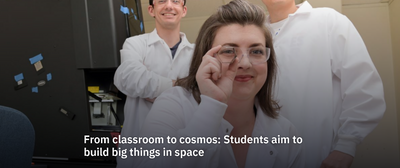
From classroom to cosmos: Students aim to build big things in space
In the vast vacuum of space, Earth-bound limitations no longer apply. And that’s exactly where UF engineering associate professor Victoria Miller, Ph.D., and her students are pushing the boundaries of possibilities. In partnership with the Defense Advanced Research Projects Agency, known as DARPA, and NASA’s Marshall Space Flight Center, the University of Florida engineering team is exploring how to manufacture precision metal structures in orbit using laser technology. “We want to build big things in space. To build big things in space, you must start manufacturing things in space. This is an exciting new frontier,” said Miller. An associate professor in the Department of Materials Science & Engineering at UF’s Herbert Wertheim College of Engineering, Miller said the project called NOM4D – which means Novel Orbital and Moon Manufacturing, Materials, and Mass-efficient Design – seeks to transform how people think about space infrastructure development. Picture constructing massive structures in orbit, like a 100-meter solar array built using advanced laser technology. “We’d love to see large-scale structures like satellite antennas, solar panels, space telescopes or even parts of space stations built directly in orbit. This would be a major step toward sustainable space operations and longer missions,” said team member Tianchen Wei, a third-year Ph.D. student in materials science and engineering. UF received a $1.1 million DARPA contract to carry out this pioneering research over three phases. While other universities explore various aspects of space manufacturing, UF is the only one specifically focused on laser forming for space applications, Miller said. A major challenge of the NOM4D project is overcoming the size and weight limitations of rocket cargo. To address these concerns, Miller’s team is developing laser-forming technology to trace precise patterns on metals to bend them into shape. If executed correctly, the heat from the laser bends the metal without human touch; a key step toward making orbital manufacturing a reality. “With this technology, we can build structures in space far more efficiently than launching them fully assembled from Earth,” said team member Nathan Fripp, also a third-year Ph.D. student studying materials science and engineering. “This opens up a wide range of new possibilities for space exploration, satellite systems and even future habitats.” Miller said laser bending is complex but getting the correct shape from the metal is only part of the equation. “The challenge is ensuring that the material properties stay good or improve during the laser-forming process,” she said. “Can we ensure when we bend this sheet metal that bent regions still have really good properties and are strong and tough with the right flexibility?” To analyze the materials, Miller’s students are running controlled tests on aluminum, ceramics and stainless steel, assessing how variables like laser input, heat and gravity affect how materials bend and behave. “We run many controlled tests and collect detailed data on how different metals respond to laser energy: how much they bend, how much they heat up, how the heat affects them and more. We have also developed models to predict the temperature and the amount of bending based on the material properties and laser energy input,” said Wei. “We continuously learn from both modeling and experiments to deepen our understanding of the process.” The research started in 2021 and has made significant progress, but the technology must be developed further before it’s ready for use in space. This is why collaboration with the NASA Marshall Space Center is so critical. It enables UF researchers to dramatically increase the technology readiness level (TRL) by testing laser forming in space-like conditions inside a thermal vacuum chamber provided by NASA. Fripp leads this testing using the chamber to observe how materials respond to the harsh environment of space. “We've observed that many factors, such as laser parameters, material properties and atmospheric conditions, can significantly determine the final results. In space, conditions like extreme temperatures, microgravity and vacuums further change how materials behave. As a result, adapting our forming techniques to work reliably and consistently in space adds another layer of complexity,” said Fripp. Another important step is building a feedback loop into the manufacturing process. A sensor would detect the bending angle in real time, allowing for feedback and recalibration of the laser’s path. As the project enters its final year, finishing in June of 2026, questions remain -- especially around maintaining material integrity during the laser-forming process. Still, Miller’s team remains optimistic. UF moves one step closer to a new era of construction with each simulation and laser test. “It's great to be a part of a team pushing the boundaries of what's possible in manufacturing, not just on Earth, but beyond,” said Wei.


Long proclaimed Italy’s “moral capital,” Milan is renowned worldwide for its significant contributions to fashion, design and the arts. Soon, another point of pride will be added to the city’s storied history, when the regional hub—and partnering town Cortina d’Ampezzo—plays host to the 2026 Winter Olympics in February. Luca Cottini, PhD, is a professor of Italian Studies and an expert on the evolution of Italian culture, particularly through the 19th and 20th centuries. Recently, he shared some thoughts concerning Milan and Cortina’s successful joint bid for the Olympics, the themes and iconography expected to define this year’s opening ceremony and the symbolic significance of Italy’s selection as a host nation. Question: What was the role of past major events in Milan and Cortina—like the 2015 World’s Fair and the 1956 Winter Olympics—in helping to elevate their appeal for these games? Luca Cottini: I’ll start by saying that although people notice world’s fairs less than the Olympics, they are more impactful to a city and country because they generate more revenue, business, political relationships and positive reputation. They are events in which all the world comes together and each country exposes its excellence, while the host nation brings a visibility that it would not carry otherwise. In 2015, Milan hosted the world’s fair, which generated a completely new fairgrounds area and a visibility of politics, industry, technology and modernity in a way that brings the city to a global stage. I would say that is when the ascent of Milan really started, especially as a desirable destination. With Cortina, after the 2015 World’s Fair—and especially after the COVID-19 pandemic—the Dolomites became really a popular region for travelers to visit. Cortina is also symbolic to Olympic history, because it's the site of the first Olympics that took place in Italy, in 1956 during the reconstruction era. That was the Dolce Vita period, in the middle of the 1950s economic boom, and those games were followed by Rome’s Summer Olympics in 1960. They both represented a way in which Italy, coming out of the war destroyed, was reaffirming its rebirth. Over the years, fewer cities have wanted to host the Olympics because they tend to carry a lot of economic burden, financial debt and little return on investment. In this sense, Milan and Cortina, helped by increased popularity after the world’s fair, sold themselves as a sustainable Olympics. Ninety percent of the buildings were refurbished from older buildings, and they will serve purposes after the Olympics. It’s difficult to tell whether it’s economically sound or not, but it is a way to promote two cities that are in big moments of growth. Q: These Olympic Games will be celebrating Milan’s contributions to fashion. What is the city’s significance to the fashion world? LC: Milan is certainly the capital of fashion in Italy, and is one of the capitals of fashion in the world, along with Paris, New York and London. The fashion heritage that the city carries now in iconic brands like Armani, Versace, Moschino and Dolce & Gabbana is the outcome of a process that took shape in the late 1970s. Until then, fashion in Italy was mainly related to Rome, through cinema, and Florence, as that city represented a new Renaissance in the postwar years. But in the 1970s, much of this fashion world moved from those cities to Milan, because there was a conglomeration of labor, skills, capital and creativity that generated a complex productive and cultural system, or the so-called “Sistema Moda.” This is a particular approach to the industry in Italy that coordinates management and creativity around the figures of a big creative director and a big manager who work together in creating not just nice styles, but also sustainable outlets and markets in and outside Italy. In turn, with its reputation, Milan gives the Olympics that seal of grandeur and coolness. The connection with fashion and promotion of uniqueness is part of the national rhetoric that surrounds what we call “Made in Italy,” this idea of luxury, styling, beauty, order and measure that is endowed in the Italian DNA. Q: Andrea Bocelli—who also appeared in Torino’s 2006 closing ceremony—is supposed to sing once again in this year’s opening ceremony. Aside from his popularity, what is the symbolic significance of his selection as a performer? LC: Bocelli is an interesting case. He is a prototypical Italian success story, which is born in the peninsula but is then ratified outside of Italy. As Bocelli became a global sensation in the U.S., he then came back to his roots in Italy, where his voice has become a symbol of national unity, as epitomized in his solo concerto of Milan, during the pandemic, when he sang in front of the empty Piazza del Duomo, facing the city’s cathedral. In his Catholic faith and secular operatic repertoire, he symbolizes Italian culture as a similar piazza or open space where different voices can converge in a temperate balance. When you put together Bocelli, Mariah Carey and whoever else will be part of the ceremony, that same Italian identity will give rise to a new synthesis, as the encounter of tradition and novelty, grounded-ness and openness. Q: The Olympic flames are supposed to be lit in two cauldrons—one in Milan and one in Cortina—each with a design inspired by Leonardo da Vinci. What was da Vinci’s importance to Milan, specifically? LC: Da Vinci is part of the fabric of Milan. He spent 20 years in the city, painting “The Last Supper” and working at Castello Sforzesco, as well as many other places. His footprint is all over Milan, in its design, walls, canal system and more. He is an archetype of the Italian mind in as much as it represents the combination of engineering and beauty. The word Ingenium in Latin, meaning “genius,” overflows in English into the word “engineering” and also “ingenuity,” which reflects the creative mind. Da Vinci represents the synthesis of Italian Ingenium as a combination of aesthetics and problem solving, which you still see in the city today.


Research Matters: 'Unsinkable' Metal Is Here
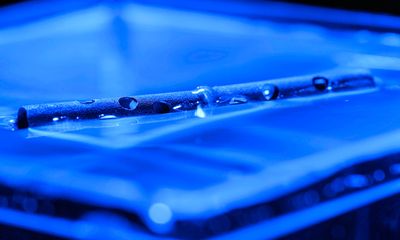
What if boats, buoys, and other items designed to float could never be sunk — even when they’re cracked, punctured, or tossed by an angry sea? If you think unsinkable metal sounds like science fiction. Think again. A team of researchers at the University of Rochester led by professor Chunlei Guo has devised a way to make ordinary metal tubes stay afloat no matter how much damage they sustain. The team chemically etches tiny pits into the tubes that trap air, keeping the tubes from getting waterlogged or sinking. Even when these superhydrophobic tubes are submerged, dented, or punctured, the trapped air keeps them buoyant and, in a very literal sense, unsinkable. “We tested them in some really rough environments for weeks at a time and found no degradation to their buoyancy,” says Guo, a professor of physics and optics and a senior scientist at the University of Rochester’s Laboratory for Laser Energetics. “You can poke big holes in them, and we showed that even if you severely damage the tubes with as many holes as you can punch, they still float.” Guo and his team could usher in a new generation of marine tech, from resilient floating platforms and wave-powered generators to ships and offshore structures that can withstand damage that would sink traditional steel. Their research highlights the University of Rochester’s knack for translating physics into practical wonder. For reporters covering materials science, sustainable engineering, ocean tech, or innovative design, Guo is the ideal expert to explain why “unsinkable metal” might be closer to everyday use than you think. To connect with Guo, contact Luke Auburn, director of communications for the Hajim School of Engineering and Applied Sciences, at luke.auburn@rochester.edu.


Six University of Delaware online graduate degree programs are ranked among the best in the nation by U.S. News & World Report in its 2026 U.S. News Best Online Programs, released Jan. 27, 2026. Both UD’s online master’s in education and online MBA ranked among the top 10% of their respective programs, at No. 25 and 26, respectively. Announced on Jan. 6, the online MBA program recently rose nine spots to No. 32 in the Poets&Quants 2026 Online MBA rankings. UD’s online master’s in nursing program ranked No. 35 out of 209 programs, rising 99 places over the past year. New for UD, the online master’s in educational/instructional media design program was recognized by peers at No. 11 in this education specialty ranking. UD’s online master’s in computer information technology program and online master’s in engineering ranked No. 64 in their respective areas. “These latest rankings recognize the expertise and dedication of our faculty and staff in delivering UD’s outstanding online graduate programs,” Interim Provost Bill Farquhar said. “We are committed to continually enhancing these programs and all the transformative opportunities that enable our students to meet their educational and career goals throughout their lives.” U.S. News selects several factors, known as ranking indicators, to assess each program in the categories outlined above. A program's score for each ranking indicator is calculated using data that the program reported to U.S. News in a statistical survey and from data collected in a separate peer assessment survey. This year’s edition evaluates more than 1,850 online bachelor’s and master’s degree programs using metrics specific to online learning. The rankings include only degree-granting programs offered primarily online by institutions with accreditation from recognized commissions. While the overall rankings methodology remains largely unchanged, U.S. News reported increased participation in this year’s data collection cycle, with more programs submitting statistical data and completing peer assessment surveys. According to U.S. News, this broader participation may reflect continued growth in online education nationwide. The University of Delaware offers over 35 online credit and non-degree professional programs. An online program from UD offers the same quality and rigor as an on-campus program and provides the flexibility to accommodate your busy schedule. UD is accredited by the Middle States Commission on Higher Education, and its online and on-campus degree programs have rigorous curricula delivered by experts, offer affordable program options, and provide students access to student support services, career fairs, recruiting opportunities and graduation ceremonies to celebrate student success. “UD's high-level rankings are in large part due to the positive outcomes that our students experience as a result of taking one of our online degrees or programs,” said Associate Provost for Online Learning and Innovation George Irvine. “Students tell us how much they enjoy learning from our accessible faculty and doing so in engaging and interactive online courses.” For more information about UD’s online degree programs, visit online.udel.edu. A complete listing of UD’s high-profile rankings is available on UD’s Institutional Research and Effectiveness Rankings webpage. Please note that the programs and specialties used in rankings may differ slightly from the names of UD’s degree programs.

Natural defenses: UF researchers use living infrastructure to protect Florida’s shores
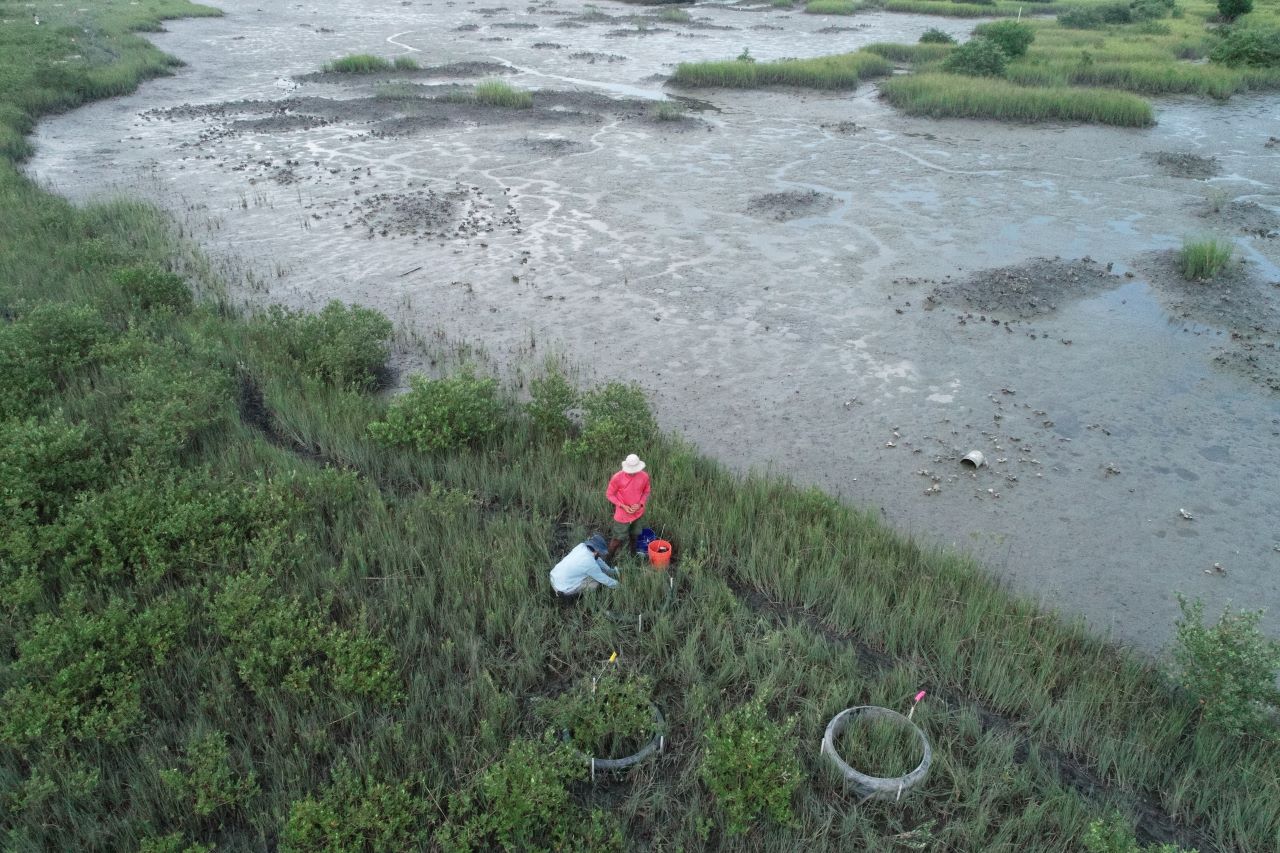
Armed with a $7 million grant from the Army Corp of Engineers, University of Florida researchers are working to bolster shoreline resilience and restore troubled wetlands in St. Augustine through nature-based solutions. “The idea of nature-based solutions is to build what we sometimes refer to as green infrastructure, to use living, natural components as the building blocks,” said Andrew Altieri, Ph.D., an assistant professor with the Engineering School of Sustainable Infrastructure & Environment and interim director of the Center for Coastal Solutions, also known as CCS. Instead of building man-made structures to protect wetlands, for example, restoration crews can move dredged natural sediment otherwise destined for costly disposal to increase wetlands’ size and elevation, restoring their ability to protect shorelines from storm surge, keep pace with sea-level change, filter toxins, store carbon and provide habitats for wildlife. The project is in concert with the Army Corps of Engineers’ goal to naturally reuse and repurpose at least 70% of dredged sediment into other natural areas to benefit habitats and restoration by 2030. “It is critical to understand, test and model how natural processes can be harnessed and strategically implemented to sustainably meet the challenge of rapidly intensifying coastal hazards while also providing environmental, economic and social benefits,” Altieri wrote in the project’s technical summary. Overall, the multi-disciplinary project closely examines patterns and processes of change in coastal landscapes. That includes wetlands — marshes and mangroves — and beach/dune systems. The project comes as these coastal areas are facing threats both natural and human. These areas are essential to wildlife, air quality, native vegetation, storm protection and the overall health of the ecosystem. A 2008 study by the U.S. Fish and Wildlife Service reported a net loss of about 361,000 acres of wetlands in the coastal watersheds of the eastern United States between 1998 and 2004 — an average net decrease of 59,000 acres each year, with experts citing sea-level rise as one of the primary factors. “We're trying to understand the patterns of that loss and what's leading to it,” Altieri said. “These systems are essentially the first and sometimes last line of defense against coastal hazards, risks that include storm surges and coastal flooding. They are forming a buffer, this kind of protective layer on our coast. But they're changing, generally for the worse and are in danger of being lost.” With this project, the CCS-led research team plans to advance the science, technology and engineering principles of nature-based solutions. With marshes, the primary concern is elevation loss, which can drown the vegetation critical to the ecosystem. They are sinking, eroding and succumbing to sea-level changes, Altieri said. “The plants are really important for trapping sediment and holding sediment,” he said. “You lose some of the plants, then you get more erosional loss and a lack of the accumulation of sediment.” Sediment is natural muck on the bottom of water bodies. “If we can add sufficient sediment to increase the elevation to a level where the plants thrive, then they will retain that sediment that's been added to hopefully trap more sediment and accumulate more biomass through their growth,” Altieri said. “It’s something that may need to be done periodically. You may stop that decline, but you may even reverse the process of loss and change the trajectory.” As a bonus, this process saves the cost of disposing of dredged sediment, which is usually piped offshore or to a materials-management area. This project is the next step for CCS-led coastal resilience efforts in St. Augustine. In 2024, CCS and WSP Environment & Infrastructure Inc. launched a coastal wetlands-restoration project to keep pace with sea level change and erosion. The 2025 work is a standalone project with separate funding, Altieri said. The current project also has more research disciplines and project partners, including UF researchers from Landscape Architecture, Geological Sciences and the School of Forest, Fisheries and Geomatic Sciences. “Storm surges, wave energy, coastal flooding – all of that can be slowed or reduced because of wetlands,” Altieri said. “They are basically like shock absorbers. These wetlands, beaches and dunes can be lost or eroded to some degree, but the upland area behind them is essentially protected.” Researching the resilience of dunes comes with a different set of dynamics. Here, they are looking at the plants that support the dunes – sea oats and panic grass, for example. That vegetation also provides a habitat for animals such as beach mice, turtles and birds. On the beach, the team also is looking at water energy and how grain size affects the stability of dunes. “It’s understanding water movement, water energy. How is that interacting with depositing sediment, moving sediment around, sorting sediment? With water, you tend to carry finer particles further than coarser materials,” he said. What does success look like after the award’s five years end? “We'll have an understanding of what's changing on our coasts and why,” Altieri said. “We'll have an understanding of how we can work within this system to modify the natural components and utilize the natural processes. And we will hopefully be working with partners through additional funding mechanisms to actually apply that towards implementation of solutions to increase coastal resilience.” The team also includes Peter Adams, Department of Geological Sciences; Julie Bruck, Department of Landscape Architecture, School of Landscape Architecture and Planning; Maitane Olabarrieta, ESSIE; Alex Sheremet, ESSIE; Nina Stark, ESSIE; Ben Wilkinson, Geomatics Program, School of Forest, Fisheries, and Geomatics Sciences; and Xiao Yu, ESSIE.