
Experts Matter. Find Yours.
Connect for media, speaking, professional opportunities & more.

Researchers seek to apply nanoparticle drug delivery to coral wound healing
Coral reefs are the foundation of many aquatic ecosystems and are among the ocean’s most vulnerable inhabitants. While natural processes, like animal predation and storms, frequently damage coral, man-made causes, like ship collisions and global warming, destabilize these environments beyond their ability to recover. Researchers like Nastassja Lewinski, Ph.D., associate professor of chemical and life science engineering, are working to understand how corals heal in order to aid the restoration of these fragile ecosystems. They also seek partnerships with stakeholders that can support coral preservation by applying this research to industry practices and providing funding for continued research. “Coral ecosystems are vital to human life,” Lewinski said, “When there’s a high-intensity storm, reefs can absorb the impact and reduce the damage we see on land. They’re also important to the aquatic food web and serve as the foundation to many foods we eat.” Discovering the limits of coral healing is part of Lewinski’s work. Ideal water temperature for coral is 25 degrees Celsius, so research is conducted at the ideal temperature and elevated temperatures of 28 to 31 degrees Celsius, the projected water temperatures influenced by global warming. Successive imaging of wound closure in these conditions builds an understanding of the rate of closure during healing. “We’re looking to understand the mechanics of healing,” Lewinski said, “Some of what we’ve found suggests a process similar to human healing. We want to understand the actors in this process at a cellular level and what their role is in repairing tissue.” These observations inform the mathematical, cell-based wound healing model developed by Lewinski’s collaborators, Angela Reynolds, Ph.D. and Rebecca Segal, Ph.D., both professors in the Department of Mathematics and Applied Mathematics in VCU’s College of Humanities and Sciences. Similar to humans, corals have been documented as following the same four stages of the healing process. These stages include: 1) coagulation to close the site of injury, 2) infiltration with immune cells to ward off infection, 3) cell migration and proliferation and 4) scar remodeling. “With our observations and a mathematical model, the next step is to collect data on the cellular dynamics of the healing process,” Lewinski said, “We want to observe what kinds of cells enter the wound area and what functions they perform during healing.” Fluorescent tagging is used to mark specific cells so they may be observed entering the wound area when healing occurs. Because corals are naturally fluorescent, the selection of the fluorescent tags must take this into account. Phagocytic properties allow immune cells to engulf and absorb bacteria and other small cells, in this case the fluorescent particles being used to tag immune cells. Nutritional variables are also being considered within the experiment. Corals derive energy from consuming small organisms and their symbiotic relationship with algae colonies. Modifying nutritional balance in the lab emulates the coral’s participation in the food web, where accessibility to vital nutrients could impact healing. Developing a nanoparticle drug-delivery system designed to deliver molecules to speed wound healing is the culmination of this research. Lewinski hypothesizes the delivery system would promote an energy-burning state within the corals that could result in increased healing. This is among a few examples of harnessing nanotechnology for safeguarding coral reefs, which are discussed in a recently published comment in Nature Nanotechnology. “The research we’re doing on wound healing in corals is the start of something bigger,” Lewinski said. “Our goal is to create a center dedicated to engineering new technologies for corals. We want to find partners who can translate our research findings to practice, helping preserve coral reefs and the vital resources they provide.” Through this consortium, newly-developed science can be disseminated more effectively within each partner’s respective industry. The result: a renewed commitment to aquatic sustainability and the protection of vital coral ecosystems.


Georgia Southern adding two engineering doctorates this fall
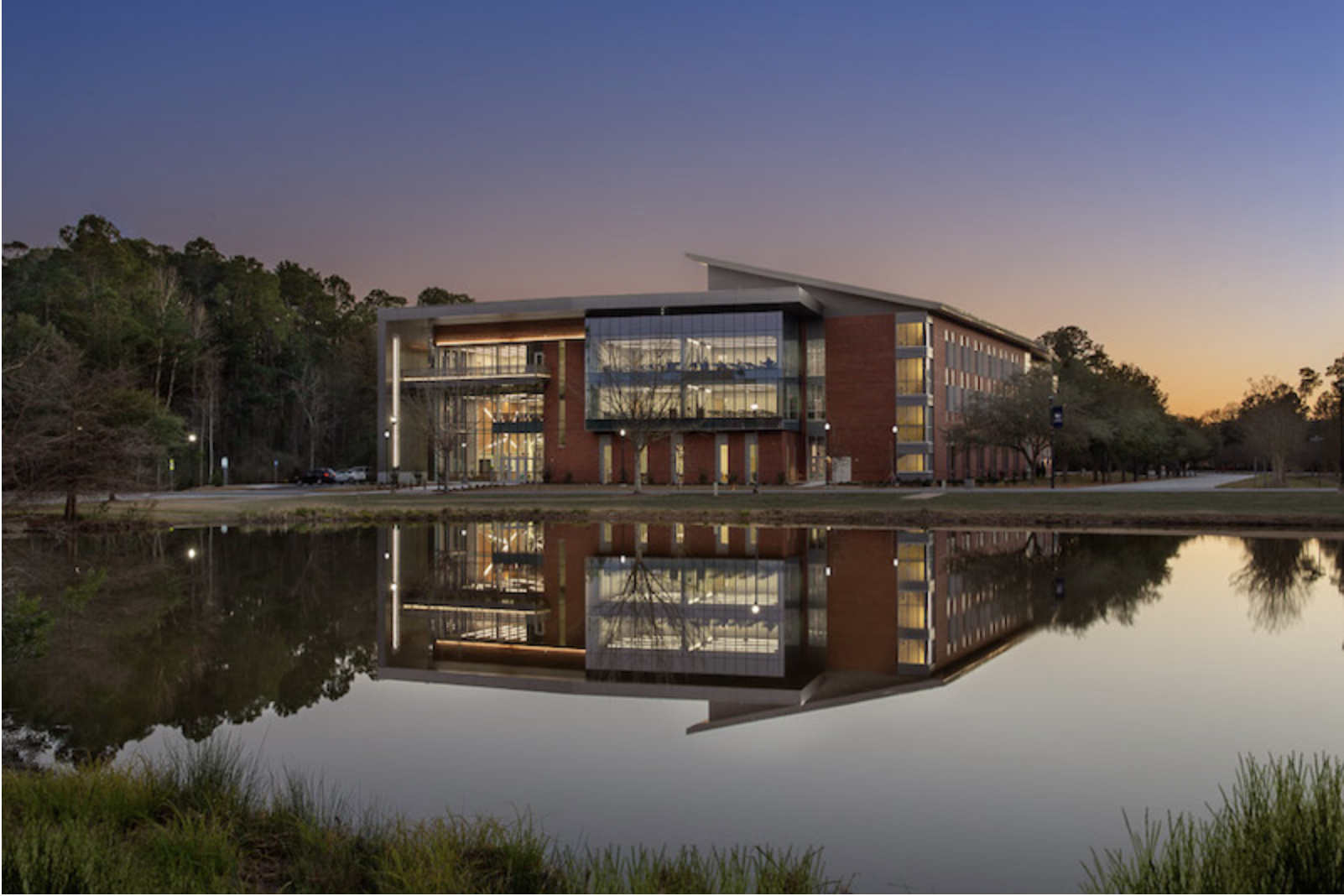
Georgia Southern University is launching two new engineering doctorates – a Ph.D. in applied computing degree and a Ph.D. in engineering – after approval of the programs this week from the University System of Georgia’s Board of Regents. With almost 4,000 students in its programs, Georgia Southern’s Allen E. Paulson College of Engineering and Computing identified the need for the new graduate degrees to sustain growth in the discipline, continue to aid workforce development in the region, add substantially to the university’s research capabilities, and provide additional teacher-scholars for Georgia. “In line with Georgia Southern’s Strategic pillars, the new Ph.D. programs will greatly enhance the University’s research capabilities and further advance key partnerships in the region,” said Carl Reiber, Ph.D., Georgia Southern’s provost and vice president for academic affairs. “A strong Ph.D. program improves faculty recruiting and is a prerequisite for applying for research grants from sources such as the National Science Foundation, the National Institutes of Health, the Department of Energy and the Department of Defense.” The proposed engineering Ph.D. program will have concentrations in civil, electrical, advanced manufacturing and mechanical engineering, and will fuel future multidisciplinary research synergies with other departments and centers within Georgia Southern in fields such as natural sciences, environmental sustainability, public health and education. Greater scholarly collaborations with sister institutions within the university system and beyond are also envisioned. The Ph.D. in engineering program will have a positive impact on the economic and technological development of Southeast Georgia, contributing significantly to the growth of the I-16 technology corridor. The Ph.D. in applied computing degree program will be offered jointly by the Department of Computer Science and the Department of Information Technology within the Allen E. Paulson College of Engineering and Computing at Georgia Southern Universit. The program will provide students with the requisite foundation to conduct basic and applied research to solve advanced technical problems in computing foundations, cybersecurity and machine learning. The program aims to promote the education of individuals who will become exceptional researchers, high-quality post-secondary educators, and innovative leaders and entrepreneurs in the field of applied computing. It will advance research and the generation of new knowledge in applied computing and support the growing knowledge-based economy in Southeast Georgia. The mission of the Ph.D. in applied computing degree program is to ensure student, graduate and faculty success by preparing graduates with the skills and depth of knowledge to advance the computing disciplines through application and scholarship. It will mentor students who will support faculty in their scholarly pursuits as they prepare to assume professional computing and computing-related positions that utilize their applied technical skills, problem-solving aptitude and scholarly abilities upon graduation. “The addition of these two new degree programs is part of Georgia Southern University’s commitment to be a world-class institution that provides a population of advanced graduates who can contribute to regional economic development and public-impact research,” Reiber said. “The programs will enhance the vitality and growth of the bachelor’s and master’s computer science and information technology degree programs by expanding the academic and research missions of the Allen E. Paulson College of Engineering and Computing." For more information about these new engineering doctorates coming to Georgia Southern this fall research or to speak with Carl Reiber, Ph.D., Georgia Southern’s provost and vice president for academic affairs — simply reach out to Georgia Southern's Director of Communications Jennifer Wise at jwise@georgiasouthern.edu to arrange an interview today.


The memorandum of understanding (MoU) will strengthen existing partnership and form basis for future collaborations Official signing took place during an official visit by delegation from NEFU and AEMG on 22 May Delegation met senior staff from College of Engineering and Physical Sciences as well as NEFU students studying at Aston University. Aston University in Birmingham, UK and Northeast Forestry University (NEFU) in Harbin City in Heilongjiang Province, China have signed a memorandum of Understanding (MoU) to develop their strategic partnership. The MoU will see the universities renew and strengthen their existing partnership and explore future collaborations in the areas of both teaching and research. The partnership is facilitated by AEMG Education, who have over 20 years of experience in brokering strategic relationships with Chinese universities. The official signing by Professor Aleks Subic, Vice-Chancellor and Chief Executive of Aston University, Professor Li Shunlong, Vice President of Northeast Forestry University and Mr Stephen Connelly, Vice President of AEMG Education, took place on 22 May during a visit to Aston University by a senior delegation from NEFU and AEMG Education. The delegation from NEFU also included Professor Liu Zhiming, Dean of Aulin College, Mr Sun Zhiping, Director of the International Cooperation Office and Professor Li Hongfen, Associate Professor of the College of Civil Engineering. AEMG Education was represented by Mr Stephen Connelly, Vice President of Business Development and Engagement, Dr Jacko Feng, Director of Research and Partnerships and Ms Sarah Armstrong, Director of Business Development, UK & Europe. During the visit, the delegation met with senior staff from the Department of Civil Engineering and the College of Engineering and Physical Sciences, including Executive Dean, Professor Stephen Garrett. They also had the opportunity to meet with the NEFU students studying at Aston University who have just completed their final year examinations. The Aston University/NEFU partnership was established around the development of a joint programme in BSc Construction Project Management which was approved by the Chinese Ministry of Education (MoE) in January 2018, under which students from NEFU are able to transfer into the final year of the programme at Aston University. In 2021/22, the first cohort of 21 students successfully finished their studies,10 of whom achieved first class degrees. Professor Aleks Subic, Vice-Chancellor and Chief Executive of Aston University, commented: “I am delighted to welcome visitors from NEFU and AEMG to Aston University and to sign the Memorandum of Understanding with NEFU. “This represents an important milestone in taking forward our collaboration. We are committed to continuing to strengthen our strategic relationship with NEFU and look forward to welcoming more students in the future.”


Aston University biofuel experts advise on how Ukraine can build back greener
• Aston University biofuel experts provide advice on Ukraine’s recovery • Professor Patricia Thornley and Dr Vesna Najdanovic were invited to Royal Society conference • Outcomes will be presented to policymakers at Ukraine Recovery Conference in June. Two Aston University scientists have provided expert advice on how the UK’s wealth of research can support Ukraine’s reconstruction. A two-day conference was organised by the Royal Society and its outcomes will be presented to policymakers ahead of the UK government-hosted Ukraine Recovery Conference in June. As Ukraine is one of the largest agricultural producers and exporters it also generates large amounts of agricultural waste which could be used to produce biofuels and valuable chemicals. This could decrease the country’s fuel import dependency and increase the revenues for the sector. Researchers at the conference explored how to tackle some of the many challenges facing Ukraine, from rebuilding its economy, health and wellbeing, regional security and planning for a green recovery. Professor Patricia Thornley who is director of Aston University’s Energy and Bioproducts Research Institute (EBRI), was one of the just three academics invited to contribute to an infrastructure roundtable session. Professor Thornley said: “I was honoured to be asked to attend the infrastructure roundtable and share my expertise on renewable energy and sustainable products. “Ukraine has significant sustainable agricultural and forestry residues, which can be valuable to plug potential gaps in oil and gas supply for heating in the short term. But in the long term these can provide opportunities to produce sustainable bio chemicals and materials which could provide a basis to grow green chemical, material and construction industries. “UK researchers, such as those at EBRI at Aston University and the Supergen Bioenergy Hub, have the experience needed to work on developing these solutions to build back greener. Research evidence and expertise have a vital role to play in supporting policy makers to tackle the complex and urgent challenges related to the reconstruction and recovery of a resilient, sustainable Ukraine.” Meanwhile, Dr Vesna Najdanovic presented opportunities to develop bioenergy and bioproducts in Ukraine at the event and participated as a panel member. Ukraine’s recovery: rebuilding with research, which brought together Ukrainian and UK researchers and policy makers, was held on 15 and 16 May in London. It was funded by Universities UK International, Research England and the British Council and supported by the Academy of Medical Sciences, British Academy and the Royal Academy of Engineering.


Amanda Hewes, MS, education program manager at ChristianaCare’s Gene Editing Institute, has been named one of the 2023 Outstanding Delaware Women in STEM by Million Women Mentors, an international movement dedicated to encouraging girls and women to pursue careers in science, technology, engineering and math (STEM). Hewes’ selection spotlights her dedication to engaging young people in the science of gene editing by introducing the Gene Editing Institute’s CRISPR in a BoxTM educational toolkit into classrooms across Delaware and her commitment to bridging disparities in STEM education. “I’m overjoyed to be honored among so many amazing women in this state,” Hewes said. “It’s humbling to be considered and to stand alongside them. All of these women foster and lead dynamic communities of young women that inspire me every day. I hope that I can do the same by making young women in this state feel empowered through the work that I do.” Hewes joined ChristianaCare’s Gene Editing Institute in 2017 with a focus on expanding its CRISPR gene editing system in a cell-free environment. She was first author in a publication in Nature that established the highly innovative “gene editing on a chip” protocol that allowed CRISPR to edit DNA outside of the cell for the first time. This methodology enables researchers to take fragments of DNA extracted from human cells, place them in a test tube and precisely engineer multiple changes to the genetic code. This gene editing system eventually led to the creation of the CRISPR in a Box™ toolkit. This innovative educational resource provides a way for students to learn about this exciting frontier of science through a hands-on exercise in which they use CRISPR gene editing to disrupt a synthetic gene within a plasmid. The simplicity of this experiment allowed for the reaction to be developed into a remarkable teaching tool that can be brought into most school laboratories containing basic laboratory equipment. Once CRISPR in a Box™ was developed, Hewes recognized the potential it could have for high school and college students. She took on a new role as education program manager and expanded the Gene Editing 360™ platform, which is the Gene Editing Institute’s suite of educational tools for engaging students and the public. “Amanda has set us on a tremendous path toward providing more educational opportunities for Delaware students,” said Eric Kmiec, Ph.D., director of ChristianaCare’s Gene Editing Institute. “She’s inspired young women in multiple states and has created so much of this program with her own ingenuity and passion.” Hewes was honored alongside 10 other women by Gov. John Carney, Lt. Gov. Bethany Hall-Long and others at the Delaware State House with the signing of a proclamation to declare March 24, 2023, as “Delaware Women and Girls in STEM Day.”


Aston University predicted as one of the UK’s leading centres for lab-made meat
• Aston University named as one of the UK’s leaders in the potential future of food • Highlighted for research, teaching, public outreach, industry links and location • Process uses cells taken from animals via biopsy, so doesn’t involve slaughter. Aston University has been named as one of the UK’s leading lights in what is predicted to be the future of food - lab-made meat. The University is one of 17 higher education institutions that are expected to play a major role in the development of cultivated meat. Cultivated or lab-grown meat is made from cells taken from animals via biopsy. The cells are used to create meat which doesn’t involve the slaughter of animals. The process promises fewer greenhouse gases and a decrease in land required for its production compared to traditional livestock. The list of universities has been compiled by Cellular Agriculture UK, a non-profit organisation which promotes the UK’s so-called ‘cell-ag’ sector. Aston University is one of five institutions they chose to highlight in their report Mapping the potential for UK universities to become research and teaching hubs for cellular agriculture. Aston University is described in the report as having potential to be an anchor institution for cellular agriculture, and was highlighted for its research and teaching, public outreach work, links with emerging industry and its central location. Dr Eirini Theodosiou, senior lecturer in the School of lnfrastructure and Sustainable Engineering, focuses on ways to produce enough cell mass to create the meat. She said: “This is still a relatively new food technology. Unlike many others we work on biomaterials for microcarriers/scaffolds for cultivated meat, which puts us in a very strong position, in the UK at least.” Meanwhile Dr Jason Thomas’ work explores the psychology behind supporting people to accept lab-made food. Although many people are willing to try it, there are still many who are reluctant to do so. A recent study of the US and UK found that 35% of meat eaters and 55% of vegetarians claimed they were too disgusted by the idea of cultured meat to even try it. A key goal of his research is how to support people to not just try it but to integrate it into their diet. Dr Thomas said: “We are interested in finding out what factors can influence consumer purchase of and consumption of lab-made meat.” “The engineering/psychology link is one of our USPs and is something Aston University can capitalise on; learning what the consumer wants from cultivated meat, and what would encourage them to consume it, using psychological science, and then incorporating this directly into the production process via engineering. “It is a relatively new food technology, and much work still needs to be done to make it affordable, acceptable and on a massive scale, but it could easily end up being one of the most transformative new foods of the 21st century.”

Aston University wins grant to make research more sustainable and environmentally friendly
University awarded grant to develop more sustainable separation method through AstraZeneca’s Open Innovation CoSolve Challenge at ELRIG Dr Vesna Najdanovic will explore use of the solvent ethyl lactate It is a biorenewable and environmentally friendly alternative. An Aston University scientist has won a $25000 grant in the AstraZeneca Open Innovation CoSolve sustainability challenge to help to make research more sustainable and environmentally friendly. Dr Vesna Najdanovic, senior lecturer in chemical engineering at the University’s Energy and Bioproducts Research Institute (EBRI), successfully pitched her idea to explore a new method using ethyl lactate as a solvent. Ethyl lactate is a biorenewable and environmentally friendly alternative solvent produced from lactic acid and ethanol, both obtained by fermentation of biomass. Currently hazardous organic solvents such as acetonitrile are widely used instead. Dr Najdanovic won the AstraZeneca’s Open Innovation CoSolve Sustainability Challenge at the European laboratory research & innovation group (ELRIG) Research and Innovation meeting. She said: “Throughout my research career, I have been working with various green solvents, such as supercritical fluids, ionic liquids and biosolvents, to improve chemical and separation processes. “I am delighted to be selected by the expert judging panel and the highly engaged audience to apply my knowledge to develop greener analytical methods using ethyl lactate as a solvent for liquid chromatography. “I hope this project will pave the pathway to use this environmentally friendly alternative solvent while reducing carbon footprint and pollution”. The pharmaceutical industry generates the highest amount of waste per mass of products compared to other chemical industry sectors, such as the petroleum industry, bulk and fine chemicals. Dr Kelly Gray, CoSolve sustainability programme lead at AstraZeneca, said “In order to protect people, society and planet we have to identify and develop solutions to deliver sustainable science. The goal of the CoSolve sustainability programme was to do just that and identify innovative ideas to practical challenges faced by researchers across scientific disciplines in R&D.” Sanj Kumar, CEO of ELRIG, said “Ensuring that drug discovery processes become sustainable is a priority issue to the ELRIG community, so partnering with AstraZeneca on the CoSolve initiative, by hosting the pitching and final award ceremony, is not only an honour, but raises the awareness of sustainability to our community. Dr Najdanovic and her innovation are a worthy winner and ELRIG is proud that we are able to share her success story.” As much as 80% of this waste presents hazardous organic solvents obtained from petrochemical sources. For example, the pharmaceutical industry consumes 50% of globally produced acetonitrile, of which 20% is a solvent for liquid chromatography, a widely used analytical tool in research and development laboratories. After its use, most acetonitrile is discarded as chemical waste and subsequently incinerated, generating greenhouse gases and other pollutants such as nitrogen oxides and highly toxic hydrogen cyanide. The CoSolve sustainability challenge award builds on Dr Najdanovic’s previous work employing ethyl lactate as a solvent for various separation processes. Her new project supports EBRI’s wider objectives of using bioproducts to deliver low-carbon and environmentally sustainable solutions.

Gene Editing Institute Opens a Unique Learning Lab for High School and College Students
Free program uses CRISPR in a Box™ toolkit to teach the power of gene editing To inspire the next generation of students to pursue careers in STEM (science, technology, engineering and math) and learn about the power of genomic science, ChristianaCare’s Gene Editing Institute has launched a new Learning Lab on its premises that offers educational programming about revolutionary CRISPR gene editing technology. Located next to the Gene Editing Institute’s lab on the University of Delaware’s STAR Campus, the Learning Lab is a physical space that provides an immersive field trip experience for upper-level high school students and college undergraduates who may not have access at their schools to a laboratory to conduct gene editing experiments. There is no cost for schools to use the lab or for the materials to conduct the experiment. The Gene Editing Institute wants to ensure that all schools have equal opportunity to participate in educational programming at the lab. Students using the lab can perform a gene editing experiment in a single day using the Gene Editing Institute’s innovative CRISPR in a Box™ educational toolkit. All materials in the kit are safe, synthetic materials, and allow students to perform CRISPR gene editing with non-infectious E. coli bacteria. They will be able to see an appearance change indicating gene editing has occurred at the end of their experiment. “Students around the country, no matter where they go to school, have the potential to be scientists, researchers and laboratory technicians,” said Eric Kmiec, Ph.D., executive director and chief scientific officer of ChristianaCare’s Gene Editing Institute. “Our hope is that by creating access and space for students to explore, we can inspire the next generation of students to pursue STEM careers. The Learning Lab allows us to help cultivate the next generation of genetic scientists and strengthen Delaware and our region as a leader in biotechnology.” Education Program Manager Amanda Hewes, MS, developed the Learning Lab after noticing a problem that was undercutting the opportunities of teachers to bring gene editing experiments into the classroom — a lack of space and equipment. Amanda Hewes, education program coordinator, assists students from Wilmington Charter School with their samples of DNA during a Learning Lab experiment. “We don’t want anything to hinder the way students learn about CRISPR gene editing,” Hewes said. “If a student feels like there are too many steps, or a teacher doesn’t have an essential piece of equipment, then we’ve lost an opportunity to bring the next generation of scientists into the lab. We’re striving to break down as many barriers as possible for students.” Learning real-world applications of gene editing The Learning Lab also allows students to speak directly with experts in the field about careers in biotechnology and gene editing as they learn the difference between such things as phenotypic and genotypic readouts in their gene editing experiments. This gives students the chance to ask about the real-world application of genome experiments in a research lab. It also lets them think about their place in a lab setting. “I’ve never been in an actual lab setting before,” said Shiloh Lee, a junior at the Charter School of Wilmington, at a recent class. “I think it is very, very cool to be able to experience it.” “I’ve learned a lot of new skills with the micropipetting,” said Pauline Zhuang, a senior at The Charter School of Wilmington. “We don’t have the same resources at our school. The CRISPR in a Box is such a great resource. My classmates and I have been able to experience, firsthand, what it is like to actually do gene editing.” Through the program, the Gene Editing Institute hopes to educate 1,000 students by spring 2024. Currently, the lab is on track to engage more than 200 students by the end of the spring 2023 semester. CRISPR stands for Clustered Regularly Interspaced Short Palindromic Repeats, which are the hallmark of a bacterial defense system that forms the basis for CRISPR-Cas 9 genome editing technology. The CRISPR technology enables researchers to modify genes in living cells and organisms and may make it possible to correct mutations at precise locations in the human genome in order to treat genetic causes of disease. For more information about the Learning Lab and the educational program, email geneeditinginstitute@christianacare.org.


• Professor Stephen Garrett to discuss why the UK needs to up its game in maths education • He has a particular interest in the development of mathematical and computational solutions to real-world problems • Lecture will take place on Thursday 27 April at Aston University. The latest inaugural lecture at Aston University is to explore why the UK’s low level of mathematical skills don’t add up to a positive digital future. Professor Stephen Garrett will discuss why school-level mathematics is so important in many areas of life and will discuss how the UK needs to up its game in maths education at all ages for the modern digital world. Currently just half of all 16–19-year-olds study maths. Earlier this year the Prime Minister proposed that all students in England will study some form of maths to 18 to ensure that they leave school better equipped for the jobs of the future. Professor Garrett joined Aston University in spring 2022 as Pro-Vice-Chancellor and Executive Dean of the College of Engineering and Physical Sciences. Stephen said: “I’m concerned that too many people are being held back by poor maths – not just at work but in their personal lives too. “Improving maths skills at any age can bring confidence, open up more career options and benefit the local and national economy.” The professor’s research interests are at the boundary of applied mathematics with other disciplines and he has a particular interest in the development of mathematical and computational solutions to real-world problems. He is primarily known as a fluid dynamicist. As an academic leader, Stephen is particularly keen to develop synergies between teaching and research activities and believes the two should always be closely intertwined within the HE sector. His talk, My career in five equations, and the importance of mathematics education in the digital age will also explore the importance of some key areas of school mathematics in his research career. He will start with traditional classroom maths topics such as Pythagoras and trigonometry, through familiar sounding concepts and will link them to a model for fluid flows relevant to the aerospace sector. The free event will take place on the University campus at Conference Aston, on Thursday 27 April from 6 pm to 8 pm and will be followed by a drinks reception. To sign up for a place visit https://www.eventbrite.co.uk/e/an-inaugural-lecture-by-professor-aniko-ekart-tickets-516518760517 There are more details about mathematics courses at Aston University at https://www.aston.ac.uk/courses/mathematics

• Has potential to help geneticists investigate vital issues such as antibacterial resistance • Will untangle the genetic components shared due to common ancestry from the ones shared due to evolution • The work is result of a four-year international collaboration. Aston University has worked with international partners to develop a software package to help scientists answer key questions about genetic factors associated with shared characteristics among different species. Called CALANGO (comparative analysis with annotation-based genomic components), it has the potential to help geneticists investigate vital issues such as antibacterial resistance and improvement of agricultural crops. This work CALANGO: a phylogeny-aware comparative genomics tool for discovering quantitative genotype-phenotype associations across species has been published in the journal Patterns. It is the result of a four year collaboration between Aston University, the Federal University of Minas Gerais in Brazil and other partners in Brazil, Norway and the US. Similarities between species may arise either from shared ancestry (homology) or from shared evolutionary pressures (convergent evolution). For example, ravens, pigeons and bats can all fly, but the first two are birds whereas bats are mammals. This means that the biology of flight in ravens and pigeons is likely to share genetic aspects due to their common ancestry. Both species are able to fly nowadays because their last common ancestor – an ancestor bird - was also a flying organism. In contrast, bats have the ability to fly via potentially different genes than the ones in birds, since the last common ancestor of birds and mammals was not a flying animal. Untangling the genetic components shared due to common ancestry from the ones shared due to common evolutionary pressures requires sophisticated statistical models that take common ancestry into account. So far, this has been an obstacle for scientists who want to understand the emergence of complex traits across different species, mainly due to the lack of proper frameworks to investigate these associations. The new software has been designed to effectively incorporate vast amounts of genomic, evolutionary and functional annotation data to explore the genetic mechanisms which underly similar characteristics between different species sharing common ancestors. Although the statistical models used in the tool are not new, it is the first time they have been combined to extract novel biological insights from genomic data. The technique has the potential to be applied to many different areas of research, allowing scientists to analyse massive amounts of open-source genetic data belonging to thousands of organisms in more depth. Dr Felipe Campelo from the Department of Computer Science in the College of Engineering and Physical Sciences at Aston University, said: “There are many exciting examples of how this tool can be applied to solve major problems facing us today. These include exploring the co-evolution of bacteria and bacteriophages and unveiling factors associated with plant size, with direct implications for both agriculture and ecology.” “Further potential applications include supporting the investigation of bacterial resistance to antibiotics, and of the yield of plant and animal species of economic importance.” The corresponding author of the study, Dr Francisco Pereira Lobo from the Department of Genetics, Ecology and Evolution at the Federal University of Minas Gerais in Brazil, said: “Most genetic and phenotypic variations occur between different species, rather than within them. Our newly developed tool allows the generation of testable hypotheses about genotype-phenotype associations across multiple species that enable the prioritisation of targets for later experimental characterization.” For more details about studying computer since at Aston University visit https://www.aston.ac.uk/eps/informatics-and-digital-engineering/computer-science