
Experts Matter. Find Yours.
Connect for media, speaking, professional opportunities & more.

Research team aims to enhance security of medical devices
Tamer Nadeem, Ph.D., the principal investigator of the VCU-based MedKnights project, explained that the project’s focus is on the Internet of Medical Things (IoMT). Nadeem and co-PI Irfan Ahmed, Ph.D., both associate professors in the VCU College of Engineering Department of Computer Science, recently received $600,000 from the NSF’s Office of Advanced Cyberinfrastructure to put together a framework to improve IoMT security. IoMT devices are used in a range of diagnostic, monitoring and therapeutic applications. IoMT includes patient monitors, ventilators, MRI machines — even “smart beds.” Ahmed cited the internet-connected insulin pump is a good example of an IoMT device. Internet connectivity allows for both monitoring and adjusting the dosage remotely — functions that require a high degree of security for patient privacy as well as safety. All IoMT devices are potentially vulnerable to ransomware, denial of service and other malicious hacker attacks. Nadeem points out that IoMT devices have a higher security requirement than traditional IoT devices such as smart doorbells and smart thermostats in homes. “The most important thing in the medical domain is privacy,” Nadeem said. “For IoT devices in your home, you wouldn’t care that much about privacy, but for medical devices, it is an essential thing. You wouldn’t want anyone to know what your health conditions are, or what problems you might have had.” The work of the MedKnights group is important, as the IoMT domain is expanding; there is growth in terms of types of devices, number of patients using them and number of IoMT vendors. Nadeem added that the COVID pandemic and accompanying quarantine and stay-home orders increased the focus of medical-technology providers on the possibilities of IoMT. “Talking to some of the medical-device providers, I’ve learned that they are considering a line of products where they can remotely monitor patients on those devices, and they also can configure those devices remotely,” Nadeem said. Security is a large concern for the new generation of devices, because the current IoMT devices have been hit hard by hackers, he said. Security is an issue that extends from the individual patient to the institution. “Statistics show there are a lot of ransom attacks being done on the health sectors during the pandemic,” Nadeem said. “That motivated us.” The MedKnights team’s preparation for taking on the dragon of malicious IoMT attacks includes building a “test bed,” an isolated hardware/software assembly that Nadeem says will mimic the internet-enabled hospital setting. “In the hospital environment, there’s set of rooms. Each room has a lot of medical devices; they could be wired, or they could be wireless devices,” he said. “But there is no way that we can do what we want to do in a hospital.” The test bed will incorporate IoMT datasets based on typical device behavior, traffic and known malicious attacks. Nadeem explained that MedKnights will explore vulnerabilities of various IoMT hardware and software by subjecting the elements of the IoMT test bed to a range of attacks. “We will try to see in real time how efficient our technologies to monitor or detect these attacks, then try to intervene if we notice any change in the activities on the network,” he said. “Now, if the attacks manage to get into the device, we would like to also to start to see whether we can monitor these devices and observe abnormality or any misbehavior.” Nadeem said the next step is to isolate the source of fishy activity in the test bed network and begin to reverse-engineer the malware. He explained the group will work on understanding the question by looking for the “hole” that created the vulnerability. Ahmed said the MedKnights will bring undergraduates into the project through DURI, the Dean’s Undergraduate Research Initiative at the VCU College of Engineering. High school students will have an opportunity to join the team through a similar program known as the Dean’s Early Research Initiative, or DERI. DURI and DERI are just two ways of getting younger scientists and engineers involved in actual research. “For the last couple of years, I’ve been contacted by local high schools to host a couple of their students during the summer,” Nadeem added. “The students were really excited about it. We came up with some nice ideas about how to extend that work to their classrooms. As we continue this project, we will reach out to the schools, because we would love having a couple of their students involved.”


Monkeypox and children - A leading virologist explains
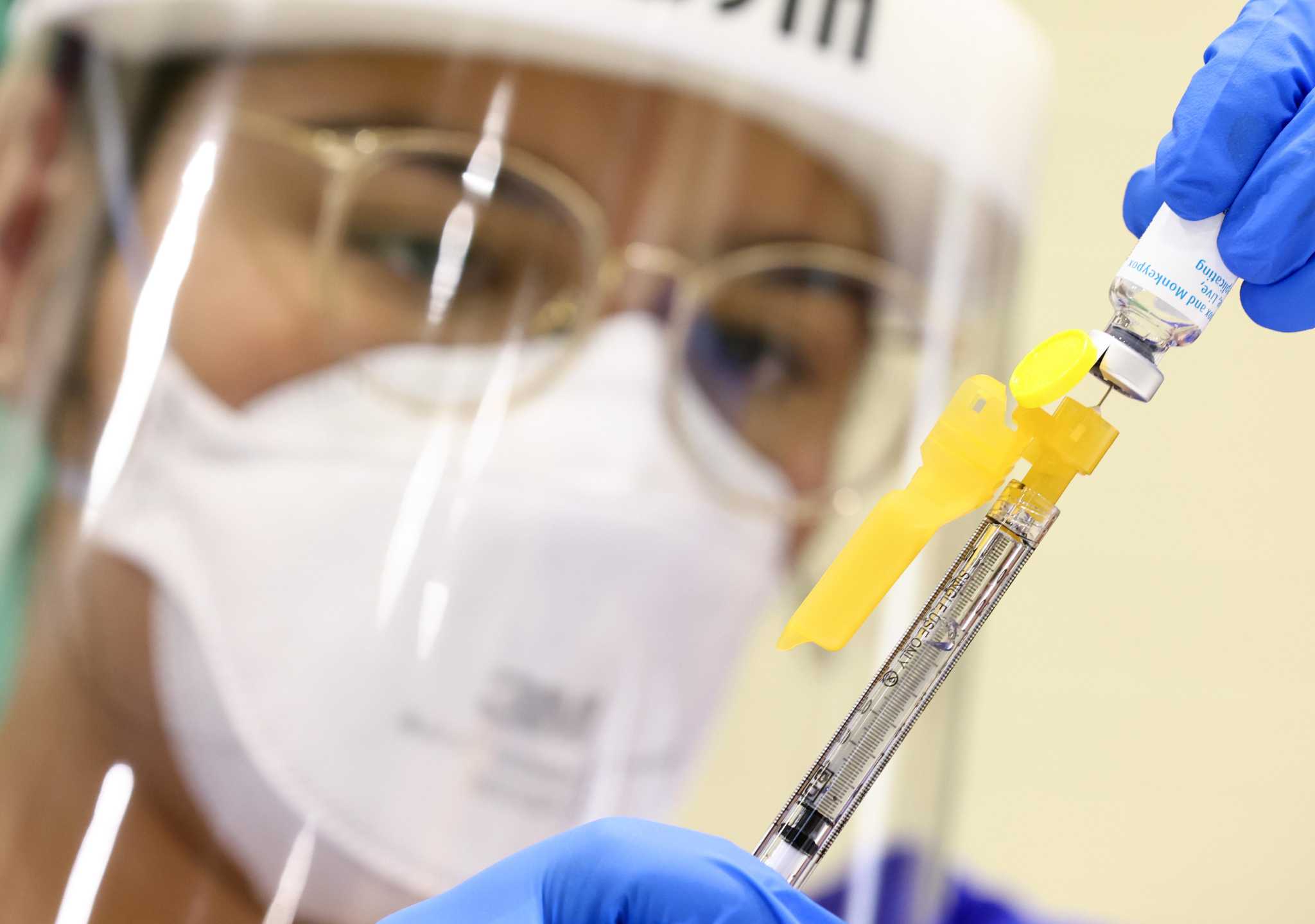
Though the CDC has stated there are no confirmed cases of the monkeypox virus among patients under 18 in Connecticut, a handful of cases involving children have been reported across the country. Paulo Verardi, associate professor of virology and vaccinology at UConn, is taking on some of the important questions about monkeypox and children and offering his expertise and clarity regarding a topic that has many Americans and parents concerned: Are children specifically at risk? A: “Anyone is at risk of contracting monkeypox and spreading it to other people, typically by direct, close contact, such as skin to skin contact. That includes touching monkeypox lesions that sometimes can be hard to notice, or touching and using objects such as toys, clothes, and bedding of someone that is infected. “In this context, it is important to point out that the virus can stay in the environment without losing infectivity for quite some time. Children are very active, social, and tactile, so spread in settings like schools and day care facilities is something we need to consider, particularly if the outbreak continues to evolve and infections become more widespread in diverse populations.” Does the disease traditionally present differently in younger people? Is the symptomology different? A: “In general, symptoms are similar in adults and children, although for this outbreak with this specific strain of the virus, our clinical experience in children is limited because we have had only a few cases so far. “Rash or skin lesions are typical, and fever and swollen lymph nodes (lymphadenopathy) are also common symptoms. However, children may be at higher risk of more severe disease and complications from monkeypox, particularly if they are very young, have skin conditions like eczema, or are immunocompromised.” If you are a journalist looking to cover this topic, let us help with your stories. Paulo Verardi is a virologist who specializes in vaccine research and development and is a member of the Center of Excellence for Vaccine Research. Dr. Verardi is available to speak with media regarding virology, monkeypox, COVID-19, and other viruses – simply click on his icon now to arrange an interview today.


Women in STEM Careers Face Bias
Women are excluded from promotions when firms look at potential, rather than proof, says Dr. Nishtha Langer, an associate professor in the Lally School of Management at Rensselaer Polytechnic Institute. Promotions are an accepted way for firms to attract and retain talent. In an ideal world, promotion for employees would be purely merit-oriented, and thus, performance – or potential for performance – would be a firm’s most important criteria for career advancement. But, according to Dr. Langer, we don’t live in this idyllic world – we live in a world where women are evaluated differently than men, and often endure biases in the work environment that men don’t face. Dr. Langer believes that several factors contribute to such deleterious workplace practices. Promotions rely less on absolute merit and more on relative merit. Thus, prejudiced ideas of potential capabilities, for instance, those relying on gender-role orientation – or the ability of a woman to do what may be perceived to be a masculine task – may prevent senior managers responsible for promotions from realizing the potential of their female colleagues. Women in STEM or technology often suffer from this bias. This prejudice may further bias how women are evaluated. Especially in those jobs where women are a minority, the in-group versus out-group biases would affect the visibility of women vis-à-vis men for promotions. Another factor that may inhibit women from being promoted on the basis of potential – or even indeed with proof – is what researchers term the compensatory stereotype. If men succeed, it is because of their abilities; if women succeed, it is because of factors other than their abilities. Unfortunately, the potential or abilities of women are misattributed to luck or team factors, inhibiting them from the starting line. Finally, promotions are a way for firms to ensure valuable talent does not leave. In that sense, managers may be less sensitive to women’s outside prospects and may thus ignore their potential and choose to not promote them. They do so at their peril and fail to take advantage of the multitude of abilities women bring to the table. Dr. Langer, an authority in the field of business and the societal value of IT and IT human capital, has long focused her research on women in technology careers. She is available to speak to this and other concerns about equality in the workplace.


Podcast: The nine behavioural habits needed to become a trusted executive
Executive trust model designed by business author who researched Doctorate at Aston Business School Nine behaviours sit under the three pillars of trust: ability, integrity and benevolence Company bosses urged to follow example of former Unilever chief executive Successful business leaders need to rely on the power of trust, rather than just trusting in power. And helping them to make that step-change is a self-confessed “trust geek” who carried out his research at Aston Business School before setting up a not-for-profit organisation to help bosses become “trusted executives”. Dr John Blakey has published a book called The Trusted Executive: Nine Leadership Habits that Inspire Results, Relationships and Reputation, which was based on his Doctorate in Business Administration (DBA). He has since founded the Trusted Executive Foundation, based in Solihull but with clients all over the UK and overseas. He spoke about his experiences in the latest episode of the ‘Aston means business' podcast series, presented by journalist Steve Dyson. Dr Blakey said: “The global financial crisis of 2008-09 was clearly a sign that we were losing trust in business life, and that’s what sparked me to enrol on the DBA at Aston University. I wanted to go back into the classroom and do the research to get to grips with this word ‘trust’, and to help other leaders who are looking to build high-trust cultures.” He said it was important for businesses to know where their leaders stand, and “whether you stand for power or trust as the currency of your leadership”. He explained that every leader therefore needs to ask themselves a very important question: “Are they leaders who trust in power or leaders who rely on the power of trust?” Dr Blakey, who first began his own business in executive coaching with Olympic medal-winning rower Bill Barry over 20 years ago, admitted to being a “bit of a trust geek”. While existing research had discovered the three pillars of trust, namely ability, integrity and benevolence, he set out to build on that to find out the “behavioural habits” under each one. He added: “Each habit is important in terms of building and inspiring trustworthiness, whether in a leader, in a team, or in a brand.” Dr Blakey said the habits under the pillar of ability are deliver, coach, and be consistent. “As a business leader it’s important to be competent at what we do, to deliver on time, to budget, to quality,” he said. “Coaching is all about helping other people deliver ... through coaching I can tap into the potential in people and help them grow, and I have to do this delivery and this coaching consistently, day in, day out.” Dr Blakey said that as a researcher not a week goes by without a new case study around integrity, not least that of Boris Johnson and the leadership of the Conservative Party. “There are three habits under this pillar of integrity: be honest, be open, be humble. And when we talk about our political leaders, I think we are particularly talking about honesty, as we have been quizzing our prime minister around his honesty.” He said being open was about “sharing more of yourself” and went on: “I was brought up as a leader not to show weakness … but I think increasingly in the world of trust leaders are being encouraged to show a bit of vulnerability at the right time and place.” Being humble was the opposite of being arrogant, and Dr Blakey cited the recent case of P&O whose leaders, he claimed, showed a “degree of arrogance and dismissiveness about other people’s needs”. The final pillar of benevolence consists of evangelise, be brave, and be kind. He said: “It’s common human care, compassion, kindness, and if you want to be trusted, it’s equally important to be benevolent as it is to have that integrity.” Dr Blakey said a good example of his model is Paul Polman, former chief executive of Unilever, which was recognised for the way it takes care of its people, while also leading on sustainability and protecting the environment. “Paul demonstrates that you can pursue what I call the triple bottom line of profit, people and planet, and do these things in parallel. The single biggest factor in building a high-trust culture is the behaviour of the CEO and the senior leadership team leading by example.” Dr Blakey said he and his team at the Trust Executive Foundation are now helping leaders who want to stand for trust. He added: “The sweet spot for us is helping the leaders lead from the top.”


MEDIA RELEASE: Ten travel tips Ontarians should consider before flying this summer
CAA South Central Ontario (CAA SCO) has compiled a list of ten things that Ontarians should be aware of if they are considering travelling this summer – both inside and outside the country. “Those who are considering booking a trip should make sure they understand the scope of what travel looks like at the moment,” said Nadia Matos, manager external communications, CAA SCO. “The checklist for planning a trip has changed and we want to help people navigate this new environment. “Airports are experiencing delays with varying degrees of impact, and Ontarians should be prepared.” Through consultation with its top travel agents, CAA SCO has identified ten key considerations that potential travelers may not be aware of. Anyone who is considering travel in the current environment should remember that travel requirements and regulations are continually changing. Expect itinerary changes. CAA SCO travel agents say our members are experiencing schedule changes for flights. Subscribe to the airline’s text message service to be immediately notified of any changes, and book connecting flights with more time in between than you normally would if available. A travel agent is also a valuable resource if this happens. Consider packing a carryon instead of checking luggage. Potential baggage delays mean that your luggage may not arrive with you or take extra time to be unloaded off the plane. If you bring a carryon, make sure it fits the size requirements for all the airlines you are flying on, and with any tour operators. When using a carryon to travel, you still need to follow the 3-1-1 rule: three ounces of liquid, gel, aerosol, cream or paste that fit in one quart-sized resealable bag. If you are checking luggage, make sure your carryon has your hygiene essentials, any medications, and a change of clothing. Expect longer wait times at the airport. The old standby of being at the airport one hour before takeoff for domestic flights and two hours before international flights no longer apply. CAA currently recommends arriving at the airport a minimum of two hours before domestic flight departures and at least three hours for international flights. Make sure all your documentation is in order before you book. Your passport should still be valid six months after your travel date, as this is required in several countries. Passports themselves are taking longer than usual to renew, so it should be done several months before you travel. Each destination has varying documentation requirements, so make sure you fully understand what information you need to have ready and in what format. Buy travel insurance and understand what is covered. Make sure you have $5 million in coverage for emergency medical situations and that illness related to COVID-19 is included. Understand your entitlements for situations like denied boarding in the event of a positive test, trip cancellation or delays, what luggage is covered and what isn’t. Car rentals need to be booked months in advance. High demand as well as a shortage of vehicles means a shortage of rental cars. Some rental agencies, particularly on the east and west coasts, are not allowing vehicles to be rented in one city and left in another. A travel agent can help you navigate this. COVID-19 is still a major consideration. Confirm the COVID-19 situation at destination prior to booking. Understand the risk level associated with travel to a particular destination by checking the Government of Canada Travel Advice and Advisories website. Individual travel advisories remain on a country-by-country basis. It is important that Ontarians understand the ongoing uncertainty associated with international travel, whether that be related to the continued community transmission of COVID-19, or state of health care systems in destinations hit hard by the pandemic. Canadians returning home must have all required documentation loaded onto the ArriveCAN App or website. Stay connected. It is important to have access to trusted, up-to-date information while travelling so you can monitor changing conditions and requirements and adapt accordingly. Bookmark the Global Affairs Canada website prior to departure and check it regularly while abroad. It is also a good idea to sign up for Registration of Canadians Abroad and stay in touch with a family or friend that has knowledge of your travel plans. Find these and more information at www.caasco.com/travel Confirm change and cancellation flexibility with your travel service provider. Many airlines and hotels have been providing more flexibility when it comes to refunds and changes to bookings. Make sure you understand any key dates related to cancellation and changes and whether you are entitled to a refund or a future travel voucher or credit at the time of booking. Be patient, be kind. Around the globe, airlines are dealing with staff shortages and luggage handling back-ups. Keep in mind that the staff at the airports are there to help you, and that things may take longer than usual.



'I knew the men murdered in the Amazon—and their alleged killer'
On June 5, 2022, Indigenous expert Bruno Pereira of Brazil and freelance reporter Dom Phillips of Britain went missing while working in a remote part of the Amazon. Since then, a suspect in the case has confessed to their murders. But the story hasn't ended there. As journalists and experts take a closer look, the plot behind the story has thickened with politics, Indigenous rights, and organized crime. Scott Wallace, an associate professor of journalism at the University of Connecticut and author of The Unconquered: In Search of the Amazon’s Last Uncontacted Tribes, has worked extensively in Brazil's Javari Valley. He shared his perspective -- as someone who knew the victims as well as the alleged perpetrator, with National Geographic: The increasingly brazen intruders are no longer small-time players with a net or rifle seeking to put a meal on the family table. Members of the Indigenous patrols say that more and more, poaching crews appear to be highly-capitalized ventures, backed by a shadowy network of outside investors with suspected links to the illicit drug trade. Their fishing boats feature high-horsepower motors, and they carry large quantities of fuel, expensive gill nets, ice, and hundreds of kilos of salt to preserve bushmeat and critically endangered pirarucu, one of the world’s largest freshwater fish. In a rare police action, officers in March intercepted fishermen leaving the reserve with two dozen endangered river turtles, 650 pounds of salted bushmeat, and nearly 900 pounds of salted pirarucu. The evident outlays of cash create both the ability and the imperative for fishermen such as Oliveira to head deeper into the Javari territory, stay there longer, and return with hefty payloads to settle their debts. Unconfirmed reports indicate that Oliveira may have owed a Peruvian financier nicknamed “Colombia” more than $15,000 because a load of his contraband had been intercepted by the Indigenous patrols. As intruders penetrate into the depths of the Javari, Indigenous leaders and their allies fear the growing likelihood of a conflagration involving the uncontacted nomads roaming the forest. “They’re definitely putting the isolados—the isolated ones—at risk,” says Orlando Possuelo, Sydney’s son, who is based in Atalia do Norte and has been working alongside Pereira in advising the Indigenous patrols for the past two years. Poachers are pillaging the animals the isolated groups depend on for survival. And uncontacted groups remain highly vulnerable to contagious diseases, for which they have little to no immunological defense. Finally, and perhaps most immediately, there’s the very real danger of violence. “These fishermen don’t hesitate to shoot,” Orlando says. “If they’re willing to kill outside the reserve, there’s no doubt the lives of the isolated ones are in danger.” An uncontacted Indigenous group would have no way to peacefully communicate with interlopers entering their territory. Their likely first response would be to attack, which could provoke a bloodbath when intruders respond to spears or arrows with far more lethal bullets, says Paulo Marubo. “Anyone knows what the results will be between those carrying firearms and those who do not have them.” The hope of averting that alarming possibility was what led Pereira to risk his life. “The greatest concern that I have is the advance of outsiders—be they for projects authorized by the government or illegal players like loggers, miners, and land-grabbers—into the territories of the isolados,” Pereira told me in a phone call in 2019 after he was ousted from heading the isolated tribes department. “At the same time, you have the crippling of FUNAI and the department to protect the isolated tribes. It’s a very dangerous mix.” Scott Wallace is a bestselling author, photojournalist and educator who covers the environment and vanishing cultures worldwide. Scott is available to speak to media - simply click on his icon now to arrange an interview today.


ChristianaCare is out to revolutionize health care. One of the country’s most dynamic health care systems, ChristianaCare is partnering with two leaders in medical and therapy services to provide comprehensive, integrated virtual health services 24/7 to colleges, universities and other institutions of higher education. Together with PursueCare and SimpleTherapy, ChristianaCare created a bundled health care product that combines general medical services from ChristianaCare’s Center for Virtual Health, mental health and addiction treatment programs from PursueCare and hyper-personalized musculoskeletal care from SimpleTherapy. ‘The future of health care is virtual’ “At ChristianaCare, we know that the future of health care is virtual,” said Sharon Anderson, MS, RN, FACHE, ChristianaCare’s chief virtual health officer and president of ChristianaCare’s Center for Virtual Health. “When college students are able to access medical, behavioral health and musculoskeletal services through their phone or laptop, from their dorm room or a private space on campus, they’ll be more likely to get help when they need it. This is about delivering care to students on their terms, so that they can be healthy and supported with high-quality care throughout their college experience.” Personalized virtual health solutions will be available to students at participating higher education institutions through a customized portal accessible from any computer or mobile device. Students will be able to access assessments, resources and virtual treatment via modules or telemedicine sessions with licensed providers. The offering provides students with unlimited, on-demand care from a multidisciplinary team solving for a multitude of conditions. “For college and university student health services and administrators, this partnership offers a powerful new way to provide comprehensive, affordable health solutions that benefit students,” Anderson said. “In a highly competitive recruiting environment, these solutions are easy to implement and can add tremendous value. We are excited to partner with colleges and universities to strengthen their student health programs by creating a comprehensive virtual care solution to meet their student’s health care needs.” Through a single digital portal, participating students can access internal and family medicine providers from ChristianaCare’s Center for Virtual Health. PursueCare’s Joint Commission-accredited mental health, psychiatric and medication-assisted treatment providers, and SimpleTherapy’s licensed physical therapists specializing in musculoskeletal care, acute or chronic pain management, and strength and mobility training can all be accessed through the portal. Students will also have the option of using PursueCareRx for their pharmacy needs. PursueCareRx is a competitively priced full-service pharmacy that accepts most major insurance and delivers directly to customers. “Young adults face an escalating mental health and substance use crisis,” said Nick Mercadante, founder, and CEO of PursueCare. “Colleges and universities are frequently unable to comprehensively serve the increased need, and research suggests substance use, mental health and suicide carry a significant social stigma. Our goal is to work collaboratively with campus health resources to bring a low-barrier solution students can access privately, any time, on their terms. Additionally, partnering with a world-class health system like ChristianaCare means we can help support whole-person care needs.” “Chronic musculoskeletal disorders have never been more prevalent and traditional care pathways are often ineffective and costly,” said Arpit Khemka, co-founder and CEO of SimpleTherapy. "SimpleTherapy removes barriers for students allowing them to take control of their musculoskeletal health, reducing their need for high-cost, high-risk services, such as surgery and opioids, to manage pain. This results in higher compliance rates and more successful outcomes." Customized and co-branded product The product is designed for colleges, universities and all other higher education institutions. For a flat fee, a school will be able to offer care that is customized and co-branded with school-specific content to be an extension of existing campus health services. It provides curated resources for rapid pre-assessment, on-demand chat and discreet, personalized access to care for students on or off-campus. The innovative patient portal aims to improve and strengthen how schools offer health care solutions to their student population while reducing any potential interruptions of academic and athletic pursuits by making it possible for students to conveniently access care from anywhere. In addition, the offering eliminates social stigma and other access obstacles for students who are at-risk or potentially at-risk, making it more likely that students will avail themselves of treatment options and remain in school. These services are currently licensed to operate in Delaware, New Jersey, Pennsylvania and Maryland. Applications for licenses are underway in other states. ChristianaCare has long been a trailblazer in virtual health. Among its achievements, during the COVID-19 pandemic, ChristianaCare developed a COVID-19 virtual monitoring program that helped 37 companies in 14 states safely reopen with daily symptom monitoring, testing and connections to care for more than 10,000 employees. It’s Center for Virtual Health makes receiving care radically convenient, offering a full continuum of virtual care delivery programs. These programs include virtual primary care, specialty care programs and a Hospital Care at Home Program bringing hospital level of care to a patient’s home. The Center for Virtual Health cares for thousands of patients using state-of-the-art virtual care capabilities supporting patients in receiving care anytime, anyplace, including in the comfort of their own homes. For more information about the program, visit StudentCareSolutions.com.


ChristianaCare Launches Gender Wellness Program for Transgender and Gender Diverse Individuals
Pride Month announcement highlights need for quality health care for LGBTQ+ community ChristianaCare has opened a Gender Wellness Program to provide psychotherapy and support services for individuals age 13 and older who are exploring their gender identity or experiencing gender dysphoria—a sense of incongruence and distress that a person may have because of a mismatch between their gender identity and their sex affirmed at birth. Downloadable: PHOTOS VIDEO The program also provides treatment for any behavioral health condition the individual may be struggling with, such as anxiety and depression. People who identify as transgender have higher rates of suicide attempts than individuals who do not identify as transgender, according to the National Institutes of Health. “ChristianaCare aims to provide the safest, highest quality health care and the best experience possible for our entire community, guided by our values of love and excellence,” said Mustafa A. Mufti, M.D., interim chair of the ChristianaCare Department of Psychiatry. “Caring for our entire community means providing sensitive, compassionate, and state-of-the-art behavioral health and medical care to transgender and gender-diverse individuals. Our Gender Wellness Program will help improve health equity and outcomes for individuals and families who need these services. We know that transgender and gender-diverse individuals face health disparities, and our program will help address that.” The program follows the guidelines of the World Professional Association for Transgender Health (WPATH). WPATH promotes the highest standards of health care for the health of transsexual, transgender and gender-nonconforming people based on the best available science and expert professional consensus. “Our Gender Wellness Program is ready to support anyone age 13 or older who is exploring their gender identity, experiencing gender dysphoria or who needs education and support around social and medical transition,” said Brett E. Herb, DSW, LCSW, program manager of the Gender Wellness Program. Dr. Herb has been in clinical practice for more than 25 years as a psychotherapist and a clinical and administrative manager for numerous behavioral health programs, and has been working with the transgender and gender-diverse populations for the past 17 years. “We provide referrals to compassionate, gender-affirming health care experts,” Dr. Herb said. “Often, families find themselves having to educate their primary care providers, schools, neighbors and family members about how to appropriately care for gender-diverse individuals. Our program provides individuals and families with access to specially trained gender therapists they can trust who can get them the answers they need to help navigate the complexities they may encounter.” The Gender Wellness Program provides referrals to trans-competent primary care providers who prescribe gender-affirming hormone treatment, along with specialists for gynecological and obstetrics care. The program offers individual, couples, family and group therapy sessions. It also provides existing patients with assistance with personal documentation changes and letters of surgical support. “This program has provided me with tremendous support throughout my transition,” said Julie Brown of Wilmington, Delaware. “My therapist empathizes with what I am experiencing in my life, and has guided me through my evolution. The group therapy sessions help me understand that I am not alone. “We form a community, share information and support each other in a safe environment. My child is also a patient of the Gender Wellness Program. Their support has helped him deal with my changes and understand his gender dysphoria.” “Brett Herb and the Gender Wellness Program have helped me grow the confidence I needed,” said Kristopher Snedeker of Newark, Delaware. “Working with the professionals at the program has provided resources to help further my gender transition to become who I truly am.” Gender therapists at the Gender Wellness Program are: Brett E. Herb, DSW, LCSW, Program Manager. Amanda Pope Evans, MSW, LCSW. Katherine Goemaat-Suarez, MSW, LCSW. ChristianaCare is a national leader in LGBTQ+ health care. For the past 11 consecutive years, Christiana and Wilmington hospitals have been recognized by the Healthcare Equality Index as an LGBTQ+ Healthcare Equality Leader. Individuals who would like to learn more can contact the Gender Wellness Program at genderwellnessprogram@christianacare.org or call 302-623-6773. For more on ChristianaCare’s LGBTQ+ health initiatives, visit LGBTQ Health Initiatives.

Beyond the Media Pitch: How to Secure Better Coverage in Today’s Noisy Market
At our webinar earlier this month, we were joined by Wilf Dinnick, a communications and media professional with more than 25 years of global experience as a journalist working in national broadcast, digital and early-stage startups. Wilf has covered major stories for news networks including ABC News, CNN, CBC News and Al Jazeera and is a past winner of the prestigious Edward R. Murrow Award. This vast experience on both sides of the camera has given him a keen understanding of what it takes to secure media coverage in today’s environment. Here are 3 key takeaways you missed: #1 The Odds of your Media Pitch Resulting in Coverage are Disappointingly Low - And the Trend is Not Good Wilf Dinnick discussed the sobering stats from a study of over 400,000 pitches conducted by Propel media that reveal that only ⅓ of emails sent to journalists are opened. But equally disappointing is the fact that only 3% of pitches result in coverage and this trend appears to be continuing. What Dinnick went on to explain is that “journalists see many pitches as an interruption as most fail to clearly demonstrate relevance to the stories they want to publish for their audience. #2 Journalists are Busier than Ever. So You Need to Connect with Them In Places they are Going for Story Ideas and Expert Sources Dinnick also shared some important data that reveals how journalists are spending their time. Where they get their story ideas and how they search for experts. This helps explain the diminishing rate of return on traditional media pitches. For instance, Twitter remains dominant as a platform used by journalists to quickly discover trending stories. So making your story ideas more discoverable with appropriate hashtags on social is an important way to promote your experts in the flow of the conversation as a story is breaking or emerging. Wilf also highlighted the importance of dialling into the daily news cycle by looking in the same areas journalists are going for their ideas. The latest research reveals that journalists find newspapers and magazines most valuable. Why? Sites such as the Washington Post, CNN, BBC, New York Times and Axios are well funded and resourced to develop the longer format, well-researched stories. They often focus on exclusive stories and break important news that is echoed through other outlets. And they set the pace of the news cycle as it echos through regional news outlets where journalists look to localize the story for their audiences. Closely monitoring these sites allows you to be in touch with the key stories and offer clear value to journalists, by offering your experts who can help explain key developments in the context of their research or localize the story for a regional audience. #3 There are Ways to Beat the Odds and Improve your Media Coverage by Following Proven Best Practices When Pitching Despite the poor odds when pitching journalists, there is hope for media relations and PR pros. Dinnick unpacked a number of important best practices that can substantially improve your odds. Drawing on research from a number of media organizations that track journalist engagement, he laid out a number of guidelines that you should be following when putting together your media pitches. Some of these included: Timing Your Pitch Journalists are more receptive to pitches early in the day between the hours of 5am and 11am. This is when the stories are breaking and work is being assigned - and journalists are looking for expert sources. Also, there is evidence that pitching earlier in the week on a Monday or Tuesday yields better results. Keeping it Brief The research Dinnick presented on the profound changes that have been happening in Newsrooms and the overload that journalists are experiencing underscores the importance of being to the point with journalists. That begins with understanding how journalists are spending their day - glued to mobile devices. “This impacts how you need to write subject lines that generate curiosity and fit into mobile devices, given the limited set of characters they can display,” said Dinnick. He also shared stressed research that shows the body copy of a pitch should be under 200 words. Mind the Links Loading a journalist up with lots of links to research, videos, and media coverage in the body copy of your pitch may seem like a good idea to help them evaluative a story idea But this is a no-no. It creates unnecessary clutter and detracts from the key messages you want them to focus on. Instead, journalists report they want as few links as possible. Wilf Dinnick recommends 1-2 links max. It’s important to note that this will present a challenge if you don’t have your content organized into comprehensive expert profiles which include important information that journalists want to see such as past media and speaking appearances, research, publications, education/credentials, affiliations etc. There was a lot to take away from this session which was jam-packed with research and best practices for media relations and PR pros. However, perhaps the most important lesson was how to ”flip” the traditional approach to pitching 180 degrees - starting the pitch process by first developing “owned” content that gets published to your website. As Wilf Dinnick stated, “you have to think like a journalist” as you approach the story ideas you want to pitch. Start with owned content and publish stories that focus on your experts which clearly show them to be relevant and credible while making their work more engaging and human through visual media helps “set the table for the journalist.” If it’s well structured and engaging, it gives journalists the added context they need to immediately understand how your pitch is relatable to their audience. What’s most powerful about this approach is that it helps media relations and PR pros avoid the “earned media trap.” Instead of being overly focused on coverage, we can think more strategically about the value we bring to the organization as storytellers to create quality “owned” content that boosts search engine (SEO) authority and PageRank as well as site engagement with visitors to boost reputation, relationships and revenues. It was clear from the many examples shared by healthcare organizations, universities and associations that this approach is where the real gains can be made. And how media relations and PR pros can show more tangible value to their organizations. Stay tuned for more on this topic of owned content and how it helps improve your media coverage as we explore this in our next post. To see the entire webinar, make sure to sign up for BrightTalk to watch the full webinar here.



Looking for a 'real' expert to explain the latest advances in virtual reality? We're here to help!
Virtual reality is quickly becoming an actual necessity in all facets of technology, education, entertainment and the workplace. It's a popular topic, and Augusta University's Lynsey Steinberg sat down to answer a few questions about how far VR has come and where it's going. VR is changing everyday life for many. What are the biggest advances you've seen in VR use? Virtual reality is rapidly evolving and expanding. It wasn’t too long ago we were excited for the idea of a wireless head set. Now there are companies such as Virtuix creating 360-degree treadmills to interact with your experience in VR and Hypnos VR (a product which releases scents in the air based on the experience in VR). There have been advances of adaptive and stress response simulations based on pupillometry measurements or even integration of physiological sensors for behavioral research. The biggest advancements are solutions that have been unimaginable before that are now entirely possible. It seems the medical field has been a big benefactor of VR. Is this giving students a better way to "learn" about anatomy and other aspects of the field? I believe all experience is valuable to learning. VR is unique in allowing an individual to view as if from their own perspective for virtual experiential learning. We often hear the phrase, “If you could imagine walking a mile in someone else’s shoes,” and now we can provide perspective, allowing another person to view the world as someone with a particular disease or simulate training in a low-risk environment. One example, Fire in the OR, is a VR simulation allowing medical professionals to train safely on how to remove fire danger in the operating room. I believe simulations like these are remarkable examples of how valuable VR can be in education, to remove elements of danger in everyday life. Their research showed 250% improvement rate on fire safety in the OR. A huge industry leader in surgical simulations is Osso VR, creating surgical training procedures for surgeons and hiring some of our Augusta University medical illustration graduates. How is this being applied at Augusta University? The Center for Instructional Innovation created modules with the Medical College of Georgia on handwashing hygiene health and end-of-life care scenarios with the College of Nursing. We encourage faculty to develop multiple methods of interactive modules for the benefit of all learning styles. VR certainly provides engaging and enriching materials for a low-risk environment in instruction. The Center for Instructional Innovation is currently working with the Academic Student Success Center to implement Oculus Quest head sets for anatomy and physiology students to benefit from application use in VR. Augusta University student Henry Oh and his 3D printed pottery from VR sculpture. How else has VR and its use changed the way we go about our daily lives? VR head sets are known in robotics, manufacturing, therapeutic modalities, gaming capabilities, technology in research and education. Any scene you can film in 360 degrees you can now watch in a headset and be fully immersed in the scene (ie: a theater production, a museum tour, an art exhibit, a temple historically preserved, etc). We have gone from telling a story to being immersed in a story. We have been able to utilize VR technology integration and innovation on campus to create enriching learning experiences. We collaborated with our Ceramics department (with Brian McGrath and Raoul Pachecho) to support students in virtual clay sculpting with Adobe Medium. Students 3D printed their works of art after exporting the files from the VR simulation. Where do you see the future of VR? The future developments for integrating systems for haptic feedback will be remarkable integrations. The continued development of behavioral research and integration of gamification is an exciting opportunity in VR as well as the continued development for protocols and appropriate safety procedures. The cross-platform and cross-disciplinary possibilities will allow for creativity to blossom in new world solutions. It is clear, the ongoing need for technical workforce required to create and support more VR and other high-impact technology is rapidly growing. VR is a fascinating topic and if you're a journalist looking to know more by speaking with Steinberg, then let us help. Steinberg is one of the 300 board-certified medical illustrators with experience in hands-on surgery in the operating room, utilizing development in virtual reality, 3D printing, animation, gamification and graphic design while working directly with students, faculty and physicians. Steinberg is available to speak with media -- simply click on her icon now to arrange an interview today.

