
Experts Matter. Find Yours.
Connect for media, speaking, professional opportunities & more.

Secrets to Promoting your Experts to Chase Producers: What exactly do they need from you?
Many moons ago, when I worked in a newsroom, my Executive Producer once said to me, “We only really work five days a year, the other 360 are just filler.” He was being cheeky and clearly exaggerating – but what he meant was that outside of elections, plane crashes and visits by the Pope or President, assignment editors are constantly scrambling to feed the beast and fill a newscast or a paper. It’s even worse in what we now know as the 24-hour news cycle. The news doesn’t sleep anymore. There’s no down time and a lot of time and space to fill. The reality is, with the modern news cycle now being immediate, never ending, online and everywhere the need for content is greater than ever before. From local papers, radio affiliates and even national broadcasts, the need for expertise, opinion and perspective is one of the few common denominators in journalism. And, when it comes to the 24-hour national TV news networks, the demand is even higher with reporters, researchers, technicians, assignment editors, executive producers and chase producers all hunting and scraping for issues and experts to illustrate those issues. This is great insight to be aware of if your role is to get your experts in the news. I worked with Mark Borchiver early in my career. He’s the Associate Producer, CTV National News with Lisa Laflamme which has a viewership of millions across the country. He helps put the show together every night and can tell you that the chase desk is busy all day to feed 24-hour news. They rely on a steady stream of guests and experts. On National News, CTV has a lot of go-to people who either contact CTV or CTV will call them. “The real challenge is to bring fresh talent to the newscast,” Borchiver says. “We need to bring new experts and talking heads into the news family because there’s a certain audience fatigue and predictability factor, when the same guests keep showing up. “ And with media, presentation is just as important as being primed. If you are going to be interviewed or appear on a show that has an audience of a million critical viewers, be prepared. If you are not prepared, there’s a good chance you won’t be invited back, says Borchiver. “Experts need to be media trained and ready for air. Not everyone has the same skill level and not everyone can be taught.” Every news market is different. There are different perspectives, news approaches and quite honestly finding and accessing credible and reliable expertise isn’t as easy as one would think. Even for a news giant like Al Jazeera, in Qatar, finding that ideal person to lend perspective or context isn’t easy. “Part of my job is selecting which stories deserve analysis or reaction from what we call ‘guests’,” Morgan Waters tells me. Morgan, who I also worked with back in my early TV days is now the Executive Producer, Aljazeera English Global. A big job, with high expectations and obviously little room for error. “For us this means a segment, usually live, where anchors conduct interviews for about three to five minutes on a particular subject. This is very important for our organization so I usually deal with about a dozen guest segments every day, plus next day guest planning.” At Al – Jazeera they have a team of interview producers whose job it is to find, pre interview and book these people. They usually go for people through credible organizations that the network trusts, such as NGOs, think tanks, and academic institutions although each interview producer has their own contact list which also include activists, bloggers and civil society. But that isn’t where the credibility check ends. Waters also reminds me, “An expert may work for a credible organization and appear regularly in the media but if I suspect his information is questionable then I won’t ask to book him. “ So in a nutshell, here it is plain and simple. There’s a never-ending news cycle out there. And it needs to be constantly fed. Some organizations wait to be called, while others or pro-actively building relationships with reporters and producers to get their experts seen, heard and read. Many have signed on with ExpertFile, a procured expert database full of people who want to be interviewed and are ready for it. Offering up your in-house expertise and providing someone who is credible, reliable, objective and can shed light, a unique perspective or a fresh angle on news story helps journalists deliver the content they need to the audience that wants. You win. They win. Win-Win. So go feed the beast. Have your organization seen in the news, heard by a massive audience and promoted across multiple media platforms. All for free. Well, free with the exception of some serious effort and savvy on your part. But cost-free for your organization. So what do organizations need to know? Be Fast: When news breaks be responsive. Take advantage of the moment and offer up your expert. Delays reduce your chances that you will get scooped by another organization. Be Prepared: If you offer someone up to media – make sure they have some degree of media training. Be Pro-Active: Don’t wait for media to come to you. Go to them. Be Current: Ensure your expert information such as biographies, publications, photos, videos are easy to review and up to date. Be Discoverable: Get your content outside of your own website. Often media won’t look there first. Ensure your experts can be found in other ways such as the ExpertFile database at Expertfile.com which is home to thousands of experts who are just a click away for media.



Saint Mary’s University of Minnesota has been awarded a $1,732,643 grant from the Kern Family Foundation for the university’s School of Education Character and Virtue Initiative. Using grant funding, Saint Mary’s will develop an enhanced curriculum for current and future educational leaders that places a strong emphasis on moral character, virtue, and ethics. The course content will be enhanced using the University of Birmingham’s (UK) Jubilee Centre for Character and Virtue framework. It will be customized to align with the Lasallian Virtues of a Teacher and the Cardinal Virtues matrix already informing the university’s mission and practices. “Saint Mary’s is a Lasallian Catholic university with a strong reputation for preparing the majority of our state’s educators and educational administrators, and — thanks to this generous grant from the Kern Family — we will strengthen the licensing programs for principals and superintendents, as well as directors of special education by placing character and virtue education philosophies and practices into current programming,” said Father James P. Burns, IVD, Ph.D., president of Saint Mary’s. “This initiative aims to change the face of education today by equipping educational administrators with the framework for virtue that needs to be at the forefront in our schools, and in the hearts and minds of those leading our schools.” Other components of the initiative include establishing an annual retreat on character and virtue in leadership, developing a Character and Virtue School Leadership Academy, designing a character and virtue professional development series for partner schools, and creating online modules. In addition, Saint Mary’s will explore other program pathways and credentials related to this theme that includes microcredentials, certificates, and additional degrees. “We are incredibly grateful to the Kern Family Foundation for partnering with us on this important initiative,” said Audrey Kintzi, vice president for Advancement and Communication at Saint Mary’s. “School administrators have an arduous but extremely important job and, as they face the many challenges that exist in today’s education systems, our goal is to arm them to lead with integrity and to set an example for their faculties and staff and the students in their care.” "Our School of Education prides itself in being one of the state’s largest providers of principal, superintendent, and director of special education candidates,” said Lynn Albee, Ed.D., interim dean of Education. “Through our collaborative relationship with eduCATE, we are able to positively impact the educational experiences of students in Wisconsin as well. This is an exciting opportunity for Saint Mary's Educational Administration program to really make a difference in the lives of Midwest school leaders, as well as children in schools.” Audrey Kintzi, vice president for Advancement and Communication at Saint Mary’s is available to speak with media regarding this grant from the Kern Family Foundation - simply click on her profile to arrange an interview.


Baylor Expert Shares Six Lessons We Can Learn From Mr. Rogers About Being a Good Neighbor
WACO, Texas (Nov. 14, 2019) – In this polarized time, when it requires little effort to tear a stranger apart on social media or lash out at a family member because of a difference of opinion, the gentle cadence of Fred Rogers singing a simple song about neighbors loving and helping each other is a welcome respite. The much-anticipated movie, “A Beautiful Day in the Neighborhood,” starring Academy Award-winner Tom Hanks as Rogers – known to generations simply as “Mr. Rogers,” the host of “Mister Rogers’ Neighborhood” – will be released in theaters on Nov. 22. The official movie trailer posted on YouTube has drawn nearly 12 million views. Civics education expert Brooke Blevins, Ph.D., associate professor of social studies education and chair of Baylor University’s department of curriculum and instruction, said the renewed focus on the beloved and soft-spoken TV personality, who died in 2003, might be coming at just the right time. “When you watch Mr. Rogers, time slows down, and you are able to take a deep breath as complicated issues become more understandable and the beauty of relationships is reinforced,” Blevins said. “Imagine if we all walked into the world with the belief that each person was inherently worthy. Imagine if our goal was to help each other recognize that we are worthy of being loved. Imagine if we sought to listen more than we spoke,” she said. “I imagine if this was the case, that our conversation would change, our understanding of those around us would shift, and our national conversations would be more civil.” Below, Blevins shares six lessons we can learn from Mr. Rogers about being better citizens. Each person is worthy to be loved and heard. Like Mr. Rogers, we must recognize that each person we interact with is worthy to be loved and listened to. We must recognize that each person has unique experiences, fears, losses and triumphs that shape the way they understand what’s happening around them. We need to do much more listening and far less talking. We should work together to tackle tough issues in reasoned and evidenced-based ways with civility and a genuine desire to understand those around us. Use your platform for good. Mr. Rogers was deeply committed to creating a better world. Mr. Rogers did not take his role on TV lightly. He saw it as an opportunity to help young people make sense of the world around them and to become more knowledgeable and engaged citizens. He saw television as an opportunity to create community and a shared sense of purpose. As he once noted, “The space between the television screen and whoever happens to be receiving it, I consider that holy ground. A lot happens there.” Lessons we often think are for children are for adults as well. Mr. Rogers was a teacher, a pastor and a friend. His lessons were drawn from the everyday experiences of children’s lives, from current political events to personal and emotional trials children experience. Not only were these lessons for children, but for their parents who were also watching. His lessons focused on cultivating civic discourse, reasoned judgment and evidence-based decision-making, but most importantly, his lessons cultivated understanding and empathy for one’s neighbor. In his conversations and examples, he drew on our shared humanity to help young people make sense of an ever-changing world. Slow down. In a time of fast-paced and often silly cartoons that were designed to move quickly from scene to scene, Mr. Rogers maintained a much slower and thoughtful pace. A pace that was compelling to both young and old alike. He explored issues slowly and with depth, without the silly antics that are so often used to keep children and adults’ attention. He used his time with viewers to develop a relationship that valued their experience and honored their emotional complexity. He sent the message that all people are inherently valuable and are capable of loving and being loved. It’s OK to discuss tough issues – even with children. But be civil and understanding when you do it. As an ordained minister and gifted musician, Mr. Rogers utilized his vocational skills to create a safe space in which difficult conversations could occur. He never shied away from the tough conversations. From issues such as divorce, death, assassination and even 9-11, Mr. Rogers’ helped young people navigate emotionally traumatic events with both knowledge and compassion. Mr. Rogers knew that by talking about our fears, losses and misunderstandings, we could work together to build a better future. As he wrestled with these issues, he asked questions, he inquired, he listened, and he had children do the same. He had a deep-rooted commitment to helping children navigate their world. Be a good neighbor. Being a good neighbor is caring about those around you. It’s not just about tolerance, but truly seeking to understand those in your community. Being a good neighbor means helping those around you recognize that they play an important part in making the world a better and more just place. It means working together to solve complex issues and cultivate a world in which all people can fulfill their true purpose. ABOUT DR. BROOKE BLEVINS Brooke Blevins, Ph.D., teaches both undergraduate and graduate courses in secondary education, social studies education and multicultural education. As a former secondary teacher, she has a passion for equipping teachers with the resources needed to engage in humanizing social studies education. Dr. Blevins also serves as the co-director for the iEngage Summer Civics Institute, for which she and co-founder Dr. Karon LeCompte have raised more than $250,000 in grant funding. Dr. Blevins’ research focuses on social studies education as a means to prepare active and engaged citizens. In her work, Dr. Blevins examines how to prepare teachers to develop both political clarity and pedagogical content knowledge that encourages them to engage in transformational based and humanizing social studies education. In addition, Dr. Blevins also is interested in how to educate and empower young people to become active civic participants through participation in action civics and digital technologies. ABOUT BAYLOR UNIVERSITY Baylor University is a private Christian University and a nationally ranked research institution. The University provides a vibrant campus community for more than 17,000 students by blending interdisciplinary research with an international reputation for educational excellence and a faculty commitment to teaching and scholarship. Chartered in 1845 by the Republic of Texas through the efforts of Baptist pioneers, Baylor is the oldest continually operating University in Texas. Located in Waco, Baylor welcomes students from all 50 states and more than 90 countries to study a broad range of degrees among its 12 nationally recognized academic divisions. ABOUT BAYLOR SCHOOL OF EDUCATION Founded in 1919, Baylor School of Education ranks among the nation’s top 20 education schools located at private universities. The School’s research portfolio complements its long-standing commitment to excellence in teaching and student mentoring. Baylor’s undergraduate program in teacher education has earned national distinction for innovative partnerships with local schools that provide future teachers deep clinical preparation, while graduate programs culminating in both the Ed.D. and Ph.D. prepare outstanding leaders, teachers and clinicians through an intentional blend of theory and practice. Visit www.baylor.edu/soe to learn more.


Baylor Study: What Does It Take to Be an ‘Ideal Daughter?’
Researchers say new study gives voice to daughters and value to their role in the family WACO, Texas (Nov. 11, 2019) – The roles of daughters in the family structure and in society are difficult to define and they’re rarely understood – even by daughters themselves – said Allison Alford, Ph.D., clinical assistant professor of business communication in Baylor University’s Hankamer School of Business. Alford, who served as an editor on the book “Constructing Motherhood and Daughterhood Across the Lifespan,” is the lead author on a new study, “Role Expectations and Role Evaluations in Daughtering: Constructing the Good Daughter,” published in the latest edition of the Journal of Family Communication. “Our research has found that ‘daughtering’ is invisible work that is not often credited, and it’s as unique as the individual women who are doing the work,” Alford said. “This study and subsequent conversations hopefully will bring to light the idea of daughtering. And as more people hear about it and learn about it, then we’ll start to give credit to it and notice it in our own lives.” The study centers on mother-daughter relationships, specifically, and looks at how daughters perceive and define their roles in that relationship. Researchers interviewed 33 women, ages 25-45, who have living mothers under the age of 70. Those age ranges were chosen in order to capture a time period for mothers and daughters with the greatest likelihood that neither individual was the caregiver of the other and both were in relatively good health, the researchers wrote. Expectations of the “Ideal Daughter” Alford said analysis of the interviews with the daughters revealed four themes or role expectations for an “ideal daughter” in relation to her mother: Showing respect Providing protection Eliciting mothering Making time for connection Each of those efforts requires work, and that work often goes unnoticed or is undervalued – even by daughters themselves, Alford said. The study noted that many of the women who were interviewed initially – almost naturally – anticipated talking about their mothers instead of themselves. “When asked to think about themselves as daughters and their communication in the relationship, many found themselves doing so for the very first time,” the researchers wrote. “These women noted that putting the emphasis on themselves and describing their role as adult daughters felt strange or awkward in its newness.” Showing Respect Respect, the study showed, was the most common topic addressed by the daughters. Based on the interviews, a daughter’s respect for her mother could be demonstrated by avoiding conflict, silencing one’s disagreement with her mother, reacting positively to her mother’s messages and supporting her mother’s power position. “Daughters demonstrated respect by adapting their communication to affirm their mothers’ competence or otherwise avoid offending and disregarding them,” the researchers wrote. One woman, identified as Kelsey in the study, said she listens to her mother talk about things she dislikes and sometimes apologizes to her mother even when she doesn’t feel apologetic. “I would never say, ‘Mom, I don’t want to hear it,’ because I would never say that to my mom. Ever. I would listen to her … I would listen to her tell me things I don’t wanna hear all day long, and never tell her,” Kelsey said. Providing Protection A number of the adult daughters interviewed felt there was an expectation that they would actively protect their mothers. This could be a daughter protecting her mother’s wellbeing, protecting her mother from being taken advantage of, or protecting her from the disrespectful actions of others, including siblings. One woman, Sabine, described a time when she had to stand up to her brother because she felt he was taking advantage of their mother’s goodwill. In addition, she said she had to “get after” her mother for not employing boundaries with the brother. The examples in the study illustrated that many daughters were happy to be champions for their mothers, but some noted that it was difficult to be protectors. Eliciting Mothering A number of the daughters who were interviewed said they struggle a bit with their roles as adults – or even as mothers themselves – who still need to engage with their mothers and ask for assistance. Many said they still seek interaction and approval from their mothers as a sense of pride. “When a daughter calls upon her mother for guidance or activates a need for an emotional evaluation such as pride, she is fulfilling her role expectations,” the researchers wrote. One woman, Lottie, said of her mother: “She compliments me as a mother. I think I feel like a good daughter when I feel like I am making her proud and she lets me know that she is proud of me … and I guess that makes me feel like a good daughter.” Connection In their descriptions of “good daughters,” a number of the daughters interviewed said it was important to set aside time to connect with their mothers. This, the study showed, could be anything from talking on the phone, meeting face to face, taking grandchildren to visit or even moving to a home nearby. Sometimes the expectations are stated outright by the mothers, but that’s not always the case, the researchers explained. Changing the Language Alford said her research has shown that the “language” of daughtering is almost nonexistent in social discourse as well as in scholarly or popular works. For example, she said, a daughter who is caring or supportive is often described as being “motherly.” “That’s an example of giving credit to mothers as being the only people who care for others, versus saying that the daughter is a caring person or that she’s supportive,” Alford said. “We want to think of daughtering as its own form of work and responsibility and put a value on that, so we can see the value that we’re putting into our family relationships and family systems.” One desired outcome of research into this area, Alford said, is that daughters will be given a voice and their valuable work within the family will be acknowledged. “The work that daughters do is important and valuable and the more that we talk about it and bring it to light, the more that we will understand what daughters can bring to the relationship and improve the mother-daughter relationship,” she said. ABOUT THE STUDY The study, “Role Expectations and Role Evaluations in Daughtering: Constructing the Good Daughter,” is published in the Journal of Family Communication. Authors are Allison Alford, Ph.D., clinical assistant professor of business communication in Baylor University’s Hankamer School of Business; and Meredith Marko Harrigan, Ph.D., professor of communication at SUNY Geneseo. ABOUT BAYLOR UNIVERSITY Baylor University is a private Christian University and a nationally ranked research institution. The University provides a vibrant campus community for more than 17,000 students by blending interdisciplinary research with an international reputation for educational excellence and a faculty commitment to teaching and scholarship. Chartered in 1845 by the Republic of Texas through the efforts of Baptist pioneers, Baylor is the oldest continually operating University in Texas. Located in Waco, Baylor welcomes students from all 50 states and more than 90 countries to study a broad range of degrees among its 12 nationally recognized academic divisions. ABOUT HANKAMER SCHOOL OF BUSINESS AT BAYLOR UNIVERSITY At Baylor University’s Hankamer School of Business, integrity stands shoulder-to-shoulder with analytic and strategic strengths. The School’s top-ranked programs combine rigorous classroom learning, hands-on experience in the real world, a solid foundation in Christian values and a global outlook. Making up approximately 25 percent of the University’s total enrollment, undergraduate students choose from 16 major areas of study. Graduate students choose from full-time, executive or online MBA or other specialized master’s programs, and Ph.D. programs in Information Systems, Entrepreneurship or Health Services Research. The Business School also has campuses located in Austin and Dallas, Texas. Visit www.baylor.edu/business and follow on Twitter at twitter.com/Baylor_Business.


Watching Holiday Rom-Coms Can Be a Hallmark of a Strong Relationship, Marriage
Staying in for a good holiday romance movie, or Hallmark marathon? Ronald Rogge, psychology professor from the University of Rochester, says holiday rom-coms and chill can be great for your marriage or relationship. Watching and discussing five movies about relationships over a month can cut the three-year divorce rate for newlyweds in half, according to Ronald Rogge, associate professor of clinical psychology at the University of Rochester. Rogge’s 2014 study involving 174 couples was the first long-term investigation to compare different types of early marriage intervention programs. The findings showed that an inexpensive, fun, and relatively simple movie-and-talk approach can be just as effective as other more intensive therapist-led methods—reducing the divorce or separation rate from 24 to 11 percent after three years. "We thought the movie treatment would help, but not nearly as much as the other programs in which we were teaching all of these state-of-the-art skills," said Rogge, lead author of the study. "The results suggested that husbands and wives have a pretty good sense of what they might be doing right and wrong in their relationships. Thus, you might not need to teach them a whole lot of skills to cut the divorce rate. You might just need to get them to think about how they are currently behaving. And for five movies to give us a benefit over three years—that is awesome." Overall, Rogge’s research found that couples who'd watched relationship & romance movies together and talked about what they watched, were 50 percent less likely to divorce. Other holiday-specific movies used in the original study, or that work well to watch as a couple, include “Family Man,” “Four Christmases,” “Surviving Christmas,” “When Harry Met Sally,” “Love Actually,” and, of course, “It’s a Wonderful Life.”



Coming next fall, Georgia Southern University School of Human Ecology will debut the Birth to Kindergarten Teacher Education Program. The program offers students the opportunity to apply for a Georgia teaching certificate at the completion of all program requirements. The program was designed to operate with a strong social justice lens. “We, the program developers and supporters, know how important it is to recognize the role that contextual influences like race, religion, income level and family structure play in a child’s growth and development,” said Georgia Southern Associate Professor of Child and Family Development Dina Walker-DeVose, Ph.D. “Our program seeks to cultivate cohorts of teachers who are equipped with a sound knowledge base that is grounded in research, a teaching pedagogy that is culturally responsive and flexible to the needs of diverse groups of children, and a spirit of advocacy to support and fight for each and every child, particularly those who are marginalized in our society.” Associate Dean of the College of Behavioral and Social Sciences, John Kraft, Ph.D., said the decision to house the program on the Armstrong Campus in Savannah was influenced by M. Ann Levett, Ed.D., alumna and superintendent of Savannah-Chatham County Public Schools. Levett is experienced in developing early childhood education centers. “Dr. Levett’s vision is more than childcare or pre-k in the ordinary sense,” Kraft said. “She wants these children to experience a holistic program that integrates systemic child development and educational programming and intervention. Birth to kindergarten certified teachers are the foundation for her early childhood education centers.” Walker-Devose said program graduates will have experience working with young students, and they will benefit from a financial standpoint because of the specific training. “Our students will enter the classroom feeling well-equipped for the difficult task of meeting children at their current level of mastery and moving them toward identified goals,” she said. “They will be able to do this while recognizing that certain contextual factors such as race and family income have real impacts on student outcomes. Equipped with this knowledge, skill set and a teaching license, they will be compensated at higher rates than those who are not licensed.” Walker-Devose said Southeast Georgia communities will be one of the biggest benefactors of the program. “Every community that is touched by the children who will be educated by the amazing teachers we will produce will benefit from the program,” she said. “Research shows a positive return on investment for every dollar that is invested in quality early childhood education. This body of research is another reason that society should be looking for ways to support its youngest learners and fairly compensate those trusted with their care and education.” Are you a reporter looking to learn more about Human Ecology and how it will positively impact communities not just in Georgia but potentially across America? Then let our experts help. John Kraft is the associate dean of the College of Behavioral and Social Sciences at Georgia Southern. He has written about human social behavior and is considered an expert in the field. Dr. Kraft is available to speak with media regarding this topic – simply click on his icon to arrange an interview.


As director of engineering at the Virginia Commonwealth University College of Engineering, Supathorn Phongikaroon, Ph.D., leads Virginia's only nuclear engineering education program offering bachelor's, master's and doctoral degrees. VCU Engineering is also home to the nation's only hybrid doctorate in mechanical and nuclear engineering. Phongikaroon is a nationally recognized expert on nuclear waste minimization. He has developed novel ways to process and store used nuclear fuel. He has also developed new techniques to ensure safeguard special nuclear materials. Prior joining the Virginia Commonwealth University (VCU) in January 2014, he held academic and research positions at University of Idaho in Idaho Falls, Idaho; the Idaho National Laboratory in Idaho Falls, Idaho; and the U.S. Naval Research Laboratory in Washington, D.C. Phongikaroon grew up in a restaurant family. While working at the Idaho National Laboratory, he authored "Thaidaho," a cookbook for creating Thai cuisine in American kitchens.


Gene therapy and the next frontier of medicine
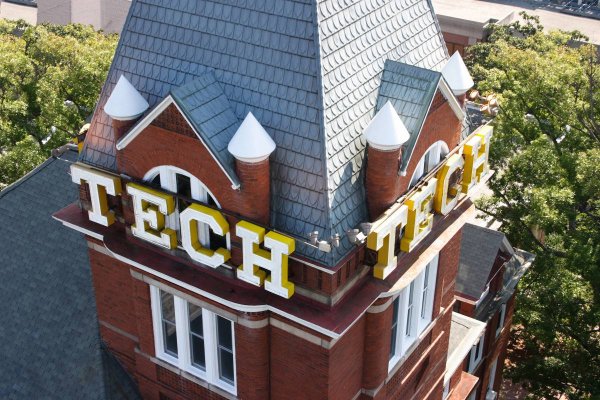
Genetic testing today is mainstream, marketing to consumers who want to know where in Europe they came from or what types of hereditary diseases they could develop. For around $200 you can trace your family tree to learn your origins or identify genetic abnormalities that could signal disease. James Dahlman, assistant professor in the College of Engineering’s biomedical engineering department, specializes in genetics and believes these genotyping services can be helpful, as long as they are used responsibly. “If you’re going to start making medical predictions, you have to be careful,” said Dahlman. “Most people are not equipped to interpret statistics correctly, which can lead to negative predicting and ethical dilemmas. In a few years, genetic counselors will be in high demand so folks can make better decisions about their health.” Dahlman is fascinated by genetics, citing gene therapy as the most interesting field in the world. And it’s a field that he is revolutionizing through his research. Gene therapy is an experimental technique that uses genes to treat or prevent diseases, including hemophilia, Parkinson’s, cancer and HIV. It can help manage a number of diseases by leveraging genes instead of drugs or surgery. Although gene therapy shows promise, there are still risks involved, including unwanted immune system reactions or the risk of the wrong cells being targeted. That’s where Dahlman’s research comes in. Dahlman’s lab focuses on drug delivery vehicles, which are nanoparticles. The nanoparticle delivers gene therapies to the right place in the body to fight disease. It’s critical that the gene therapies only target the unhealthy cells to avoid damaging healthy ones. Dahlman is laser focused on ensuring the nanoparticles know what paths to take to reach the correct organ to start the healing process. “The issue with genetically-engineered drugs is that they don’t work unless they get to the right cell in the body,” said Dahlman. “You can have the world’s best genetic drug that's going to fix a tumor or eradicate plaque, but it’s not going to be effective unless it travels to the right organ. In my lab, we design different nanoparticles to deliver the genetically-engineered drugs to the correct location.” The field of genetic therapy is fascinating – and if you are a journalist looking to cover this topic or have questions for upcoming stories – let our experts help. James Dahlman is an Assistant Professor in the Georgia Tech BME Department. He is an expert in the area of biomedical engineering and uses molecular biology to rationally design the genetic drugs he delivers. This research is redefining the field of genetic therapy. Dr. Dahlman is available to speak with media – simply click on his icon to arrange an interview.

Teaching kids about addiction and the opioid epidemic
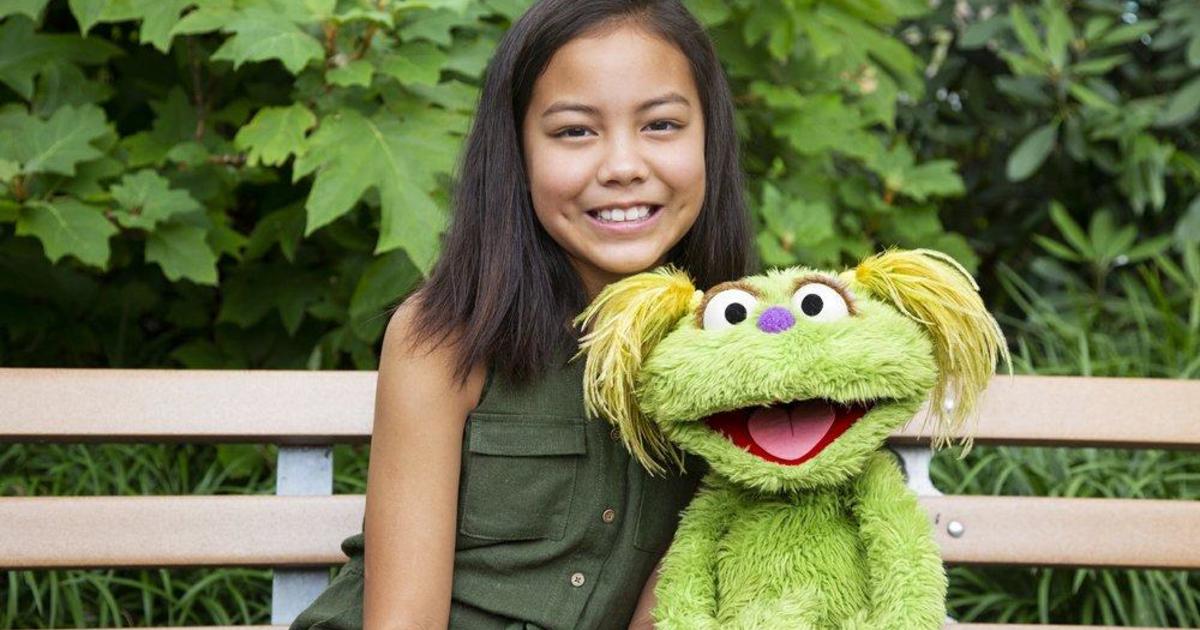
If there is one thing we all know, it is that children are resilient, aware and often impacted by the actions and environments that surround them. And as America is still in the grips of the opioid epidemic, it was only a matter of time before a traditional and respected outlet like Sesame Street took the lead on making sure children could relate. According to Sesame Workshop, 5.7 million children under the age of 11 in the U.S. live with a parent battling a substance abuse disorder. That's one in eight kids and doesn't include children who have been separated from a parent due to circumstances like divorce, incarceration or death related to their addiction. "Addiction is often seen as a 'grown-up' issue, but it impacts children in ways that aren't always visible," said Sherrie Westin, President of Social Impact and Philanthropy at Sesame Workshop. "Having a parent battling addiction can be one of the most isolating and stressful situations young children and their families face." "'Sesame Street' has always been a source of comfort to children during the toughest of times, and our new resources are designed to break down the stigma of parental addiction and help families build hope for the future." CBS NEWS, October 10 Are you a journalist covering the opioid epidemic or addiction issues in America? If so, let our expert help with your questions and coverage. There are a lot of questions and that’s where we can help. Dr. Marc Sweeney is the Founding Dean of the School of Pharmacy at Cedarville University and is an expert in the fields of drug abuse, prescription drug abuse and Opioid addiction. Marc is available to speak with media regarding this growing issue. Simply click on his icon to arrange an interview.


Making Children's Mental Health and School Safety a Priority
The U.S. Department of Education announced $71.6 million in grant awards to enhance safety in schools and improve student access to mental health resources. The grants will allow local leaders to tailor their approach to school safety and mental health in ways that meet their students' individual needs and their particular school's unique challenges. "This is a strong step towards helping children across the U.S. who have experienced traumatic events. We know from previous research that traumatic experiences, even those in early childhood, affect an individual at any time in their life," says Elizabeth Dowdell, PhD, RN, FAAN, professor at Villanova's M. Louise Fitzpatrick College of Nursing. "In healthcare, assessing, identifying and treating trauma has become a major public health challenge since trauma exposures frequently go unrecognized and unaddressed." The same is true in the educational system. For many children, adolescents, and adults, trauma results from an event, series of events or set of circumstances which are perceived or experienced to be physically or emotionally harmful or life-threatening. The landmark Adverse Childhood Experience study (1998) found that, in a population of 17,377 adult participants, 63% experienced at least one trauma exposure as a child and 20% experienced more than three trauma exposures. The experience of repeated trauma is sometimes referred to as toxic stress, which can have damaging effects on learning, behavior and health across the life span. These exposures included physical and sexual abuse, neglect and household dysfunction. Increased stress from family violence and chaos is trauma and, when combined with injury, is the leading preventable cause of morbidity and mortality. The lasting adverse effects from the trauma can affect a child's functioning and well-being, specifically mental and physical health, social, emotional and spiritual well-being as they age and develop. "Healthcare is shifting to a trauma-informed framework that focuses on what happened to the person rather than what is wrong with them and recognizes that individual's strengths and resilience. Schools are ideal locations for identification of traumatized children and the implementation of services to help them," says Dr. Dowdell. "School districts have to create physical safety and psychological safe places where all children can learn."

