
Experts Matter. Find Yours.
Connect for media, speaking, professional opportunities & more.

Big trouble for big pharma – let our expert explain
Things are sunny and bright for the usually family-friendly image of Johnson & Johnson. In fact, as more and more evidence and details are presented in a landmark lawsuit between the corporate giant and the State of Oklahoma. The company could be facing financial calamity and its reputation might be a near impossible mission for any PR expert to recover. “As the state of Oklahoma’s multibillion-dollar lawsuit against Johnson & Johnson has unfolded over the past month, the company has struggled to explain marketing strategies its accusers say dangerously misrepresented the risk of opioid addiction to doctors, manipulated medical research, and helped drive an epidemic that has claimed 400,000 lives over the past two decades. Johnson & Johnson profited further as demand for opioids surged by buying poppy growing companies in Australia to supply the raw narcotic for its own medicines and other American drug makers. One expert witness at the forefront of combatting the epidemic, Dr Andrew Kolodny, told the court he had little idea about Johnson & Johnson’s role until he saw the evidence in the case. “I think it’s fair to characterize Johnson & Johnson as a kingpin in our opioid crisis,” he said. – The Guardian, June 19 But what is next? Will this lawsuit be duplicated in other states? Are other big-pharma companies liable or in similar trouble? And is this the gamechanger the industry needs? There are a lot of questions and that’s where we can help. Dr. Marc Sweeney is the Founding Dean of the School of Pharmacy at Cedarville University and is an expert in the fields of drug abuse, prescription drug abuse and Opioid addiction. Marc is available to speak with media regarding this growing issue. Simply click on his icon to arrange an interview.

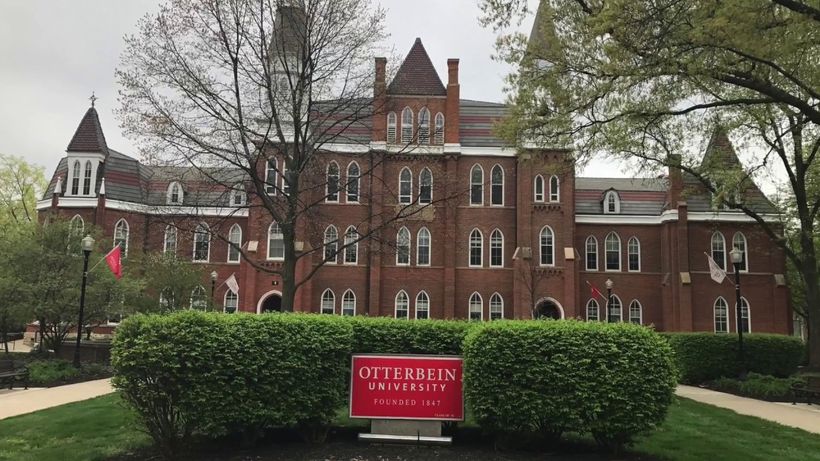
This year, 26 students from Columbus (Ohio) City Schools (CCS) walked across the stage to receive their Otterbein degrees as part of the Class of 2019. It was a result of a partnership between two great educational institutions that is ensuring post-secondary education is accessible to students in central Ohio. “(The event) was a great example of how two educational institutions can come together and make an impact on the lives of young people and the larger community,” said Tanya L. McClanahan, supervisor of higher education partnerships for CCS. For some time now, Otterbein and CCS have been working together to provide several academic options and initiatives to students from Ohio’s largest school district. Since 2014 the Urban Districts Initiative has been working with Columbus City Schools, as well as South-Western City Schools, Westerville City Schools, Whitehall City Schools and Cristo Rey, all districts with more than 35%of students living in poverty. The Initiative is an enhanced need-based aid model that reduces the gap between aid and expected family contribution to the smallest amount possible and has driven significant increases in enrollment of low-income students at Otterbein, as well as sparking a significant increase in student success. The Seniors-to-Sophomores program, where Otterbein offers a summer College Credit Plus course for CCS students that pairs an academic course with a for-credit study skills course. The University also has a STEM skills refresher course for entering students funded through a grant from Nationwide. Otterbein offers Professional Learning Communities (PLCs) for district teachers and Otterbein faculty. In PLCs, teachers and faculty come together to discuss issues related to pedagogy and serving students to enhance the work of both institutions. Recently, Otterbein introduced a scholarship for the dependent children of CCS district (benefits eligible) employees that reduces the cost of an Otterbein education to the average of the state supported universities in Ohio. There are a lot of great things happening in Otterbein’s financial aid and recruitment models that are seeing positive outcomes in the Otterbein and central Ohio communities - and if you need to know more, that’s where our experts can help. Jefferson Blackburn Smith is the Vice President for Enrollment Management and is an expert in financial aid, scholarships, politics, and higher education. He is available to speak to media regarding these topics – simply click on his icon to arrange an interview. To learn more, click the link below: https://www.otterbein.edu/news/cohort-of-columbus-city-schools-alumni-to-graduate-from-otterbein-university-sunday/


Learn the facts – and falsehoods -- about ‘curing’ cancer
When it comes to cancer awareness, any news, promotion and exposure is good news. The goal of those on the frontlines of the battle against this disease is to inform the public, every message encouraging healthier living, prevention methods and hopefully, inspiring more people to support cancer research. Doctors can successfully treat cancer. However, there is no cure. Just this month, as the political rhetoric continues ramping up for the 2020 election, former Vice President Joe Biden used cancer as a platform. "A lot of you understand what loss is and when loss occurs, you know that people come up to you and tell you 'I understand' if you lose a husband, a wife, a son, a daughter, a family member," he said. "That's why I've worked so hard in my career to make sure that — I promise you if I'm elected president, you're going to see the single most important thing that changes America, we're gonna cure cancer." – USA Today, June 12 For Biden, cancer is an issue that is close to him. He lost his son to brain cancer in 2015. He’s passionate and deeply invested in those who have also lost a loved one to the disease. But his messaging was not accurate. If you are covering cancer research, prevention and the quest for the best possible outcomes for those diagnosed and being treated for the disease, the Georgia Cancer Center at Augusta University has experts who can help with your stories. Dr. Daniel Albo is able to discuss the fact that yes, there are highly successful treatments for a variety of different cancers. But, there is no “single bullet” that will cure every kind of cancer there is. This is the mistake Biden made during his speech. For some cancer patients, it’s about working with their doctor to find ways to manage their disease during the entirety of their life, similar to high blood pressure, diabetes, etc. To find new treatment options and therapies for all kinds of cancer, it will take investment from multiple levels of government. But money is not all that is needed. It will take basic science researchers working with clinicians to make new “bench-to-bedside” treatment discoveries. Also, public health and prevention, as well as improving access to health care, are essential to ending the burden cancer puts on patients, their family and their friends. Dr. Albo serves as Chair in the Department of Surgery for the Medical College of Georgia, the Surgeon-in-Chief for Augusta University Health System and associate director of surgical services for the Georgia Cancer Center. He is available to speak with media – simply click on his icon to arrange an interview.


There’s no question about it – our planet has a problem with plastic. Though simple, cheap, convenient and often necessary, the reality is single use and non-reusable plastics like straws, plastic bags, wrapping and most containers are causing problems. There’s no hiding or ignoring the evidence – plastic is everywhere from landfills, to our rivers and streams and even occupying its own land mass in the ocean. Recently Canada proposed a ban on single use plastics to come in to effect in 2021. The country joined the likes of France, Germany, Italy, the U.K. and the European Union who are all implementing similar policies. The United States, however – has not. Here are some facts from the Center for Biological Diversity. Americans use 100 billion plastic bags a year, which require 12 million barrels of oil to manufacture. The average American family takes home almost 1,500 plastic shopping bags a year. According to Waste Management, only 1 percent of plastic bags are returned for recycling. That means that the average family only recycles 15 bags a year; the rest ends up in landfills as litter. Up to 80 percent of ocean plastic pollution enters the ocean from land. 100,000 marine animals are killed by plastic bags annually. One in three leatherback sea turtles have been found with plastic in their stomachs. Plastic bags are used for an average of 12 minutes. It takes 500 (or more) years for a plastic bag to degrade in a landfill. Unfortunately, the bags don't break down completely but instead photo-degrade, becoming microplastics that absorb toxins and continue to pollute the environment There is no doubt plastic is a serious problem in America – but will the country join in? What will it take from an industry point of view? Will costs outweigh the benefit? Is this a matter of regulation and do Americans have the appetite to make this a political issue? There are a lot of questions and that’s where our experts can help. Dr. Beril Toktay is Professor of Operations Management, Brady Family Chairholder and ADVANCE Professor at Georgia Tech’s Scheller College of Business. She’s the founding Faculty Director of the Ray C. Anderson Center for Sustainable Business. She’s an expert in the areas of sustainable operations and supply chain management, with a special focus on the circular economy. Beril is available to speak about this issue with media – simply click on her icon to arrange an interview.


They are incidents that are now more common than a lot of people want to admit – and research is showing that mass shootings are taking a serious psychological toll on our country’s population. UMW’s Laura Wilson’s research was recently cited in media throughout the country for her work analyzing PTSD and its affects on witnesses to these events. “PTSD estimates 28 percent of people who have witnessed a mass shooting develop post-traumatic stress disorder (PTSD) and about a third develop acute stress disorder. Laura Wilson, an assistant professor of psychology at the University of Mary Washington in Virginia conducted a meta-analysis — an examination of data from 11 studies of PTSD symptoms among more than 8,000 participants who ranged from those who'd witnessed shootings to those who just lived in the communities in a 20-year period. She found the greater the exposure — someone who was at the scene or who lost a friend or family — the greater risk of developing PTSD. But, in her work, Wilson has found other factors, too, including previous psychological symptoms and a lack of social support, also played a role in increasing the likelihood. "Mass shootings are a different type of trauma," Wilson says. "People are confronted with the idea that bad things can happen to good people. ... Most people have a hard time reconciling the idea that a young, innocent person made the good decision to go to school, was sitting there, learning and was murdered. That does not make sense to us. ... It just rattles us to our core." And yet, some people don't fully appreciate the lasting psychological wounds of those who escaped physical harm.” June 02, Associated Press Are you covering this topic, or would you like to know more? That’s where UMW can help. Laura C. Wilson is a clinical psychologist whose expertise focuses on post-trauma functioning, particularly in survivors of sexual violence or mass trauma (e.g., terrorism, mass shootings, combat). Dr. Wilson is available to discuss this topic with media – simply click on her icon to arrange an interview.



Do you go to the school of your choice, your parent’s almamater or as far away from home as humanly possible? Picking a college or university is a challenge at the best of times and one that impacts most American families in one way or another. A study completed by Professor of Psychology Holly Schiffrin was cited in an article in The News Minute entitled “How Much Freedom do Students have while Choosing their Undergraduate Course?” “One study in the Journal of Child and Family Studies found that parents’ excessive involvement in their children’s lives yields unfavourable results. The lead author Holly Schiffrin argues, ‘Parents are sending an unintentional message to their children that they are not competent.’ This is in turn, could result in feelings of depression and dissatisfaction.” The path to university and college is never easy and is always a journey filled with pressure and unsolicited advice. All the factors involved, well intended or not can come with consequences and outcomes. It’s an interesting topic and if you are covering, let one of our experts help. Dr. Holly Schiffrin is an internationally known expert on intensive and helicopter parenting. She is available to speak with media, simply click on Holly’s icon to arrange an interview.


Essays for sale – our experts weigh in with ABC news
As the college admissions scandal is becoming the story that just won’t end for some of the leading schools in the country – recently Good Morning America opened another chapter in the book that revealed just how easily college entrance essays are being offered and acquired by prospective students. From ghost writing, to essays up for grabs online at a steep price - It’s a multi-million-dollar industry and it’s growing. A leading expert from UMW was recently interviews by Good Morning America about the problem. “Contract cheating has grown a great deal over the past ten years, “said Professor David Rettinger of the University of Mary Washington in Fredericksburg, Virginia. Rettinger is president of the International Center for Academic Integrity, an organization that promotes integrity in academia throughout the world. "Students are willing to use internet sites, family members, friends and other technology to get contractors to do their work.” Are you covering this topic? We can help. Dr. David Rettinger is available to speak with media regarding this scandal as well as the importance of education in America. Simply click on his icon to arrange an interview.
It is time to finally change the laws regarding use of force? Let our experts explain.
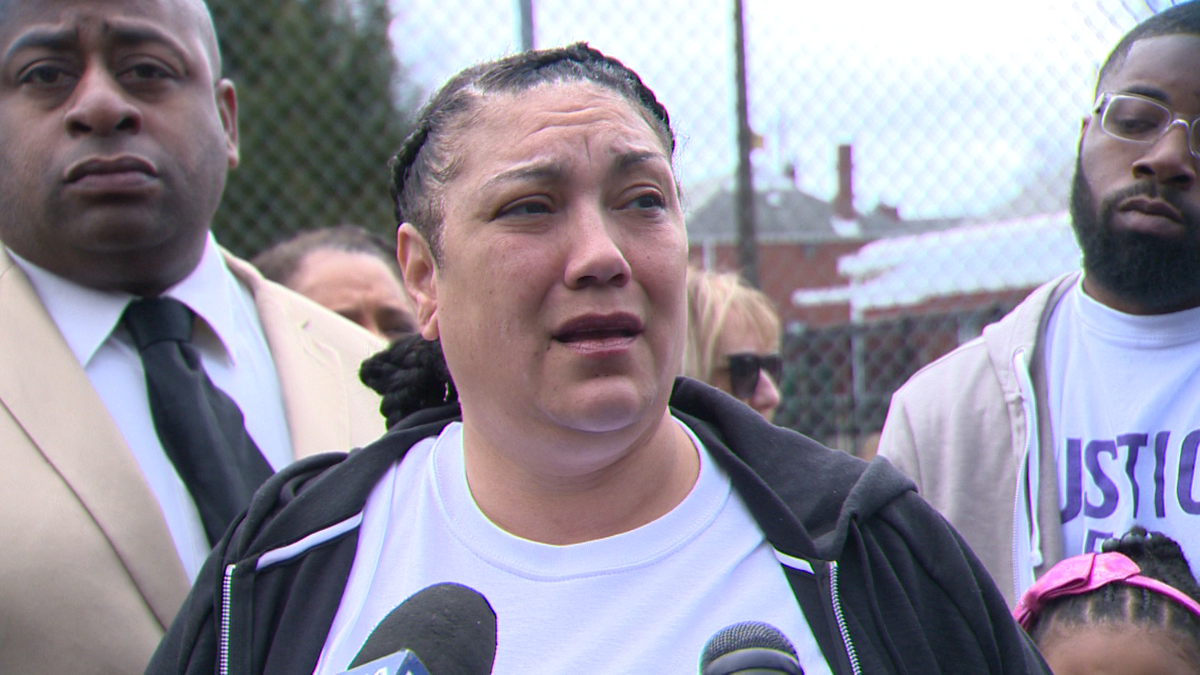
It’s a recurring subject that is dividing parts of society. What is the proper amount and when can and should police use force? With increased media coverage, very public trials and a country that is seeing deep divisions between law enforcement and the people it is intended to protect – each case of an officer using force now comes with an enormous amount of scrutiny. So, what are the laws pertaining to the proper use of force? What deems an action an improper use of force? How are officers trained and are they properly equipped when confronting a situation? Do these laws need updating? There are a lot of questions to be asked and that’s where the experts from Cedarville University can help. Dr. Patrick Oliver serves as Director of the Criminal Justice Program at Cedarville University. He has over 27 years experience in law enforcement and is an expert in the areas of proper and improper use of force. He was also he chief of police in Cleveland and suburban Columbus, Ohio. Patrick is available to speak with media regarding this issue – simply click on his icon to arrange an interview.


After the admissions scandal – Otterbein’s President lends his perspective and pledge
It was a scandal that seemed to rip through some of the top-rated universities and schools in America. The very institutions that portray and image of integrity, ethics and higher expectations had failed in a very public manner. Universities and colleges are supposed to be beyond reproach and in this case some of the best-known names in higher learning were now subject to accepting bribes and admitting students who may have had wealthy parents and worthy-pocket books - but lacked the essential grades to attend. Mix in a few well-known celebrities and this allowed the story to show that America’s elite have access to the levers of academia that most do not. But out of every mistake, there comes a lesson. And ideally a way to find the right way to do things. That’s how the President of Otterbein University, John Comerford sees it. He was recently published when asked about his views on the issue as it played out. “We should use the scandal as a moment to open our eyes to this long-standing inequity, because higher education is still the best door to social mobility our nation has to offer. Some institutions, like Otterbein University, are trying to provide opportunity to all students. We are investing more in need-based aid. We are setting transparent, inflationary 2 percent increases in tuition for the next four years. We are intentionally recruiting in underserved areas, expanding the diversity of our student body and providing student support services on campus. Family income will never be considered in who gets into Otterbein.” – The Columbus Dispatch John Comerford is an expert in higher education, regional and national topics. He is the President of Otterbein University and is available to speak with media regarding this issue and how higher-education needs to be made available to everyone in America regardless of income, family name or background. Simply click on his icon to arrange an interview.

Call to Action for Looming Caregiving Crisis in the U.S.
Experts in the field of unpaid and paid caregiving for chronically ill or disabled adults are warning of a looming caregiving crisis in the United States—and say that innovation and entrepreneurship are desperately needed to avert that crisis. “We are calling for federal and state legislation for greater innovation and technology to avert unnecessary hospital admissions and visits to the emergency room, payment for family care givers, education and training for family caregivers and greater awareness and support among employers for workers who are also family caregivers—estimated to be between 15 percent and 20 percent of any employee population,” says Melissa O'Connor, PhD, MBA, RN, an associate professor at the M. Louise Fitzpatrick College of Nursing at Villanova. Dr. O'Connor specializes in geriatric nursing and home health care. An American Association of Retired Persons study showed that, in 2010, the caregiver support ratio was seven potential family caregivers for every person in the high-risk 80-plus cohort. In contrast, by 2030, the ratio is projected to be four to one. And by 2050, a sharp decline to fewer than three to one. Based on her years of research, Dr. O'Connor says more reimbursement for telehealth and other technologies that are proving to be very effective are needed. As a nurse educator, she also called for more training of clinical staff in caring for older adults. At a recent meeting of the Philadelphia Chapter of Aging 2.0, Dr. O'Connor and fellow panelists shared key points: Men and millennials are overtaking women as family caregivers; employers are often unaware of the economic consequences employee caregivers face and usually underestimate the percentage of employees with caregiving responsibilities; nearly 35 percent of employee caregivers have chosen or been forced by circumstances to leave the workforce because of caregiving responsibilities; and healthcare benefit costs for employees with caregiving responsibilities are eight percent higher than the rest of the employee population.
