
Experts Matter. Find Yours.
Connect for media, speaking, professional opportunities & more.

Notre Dame Cathedral, an iconic symbol of Paris and a masterpiece of Gothic architecture, has stood for centuries as a testament to human creativity, spirituality, and resilience. This historic landmark continues to captivate global attention not only for its artistic and religious significance but also for its ability to endure and inspire amidst challenges like the devastating 2019 fire. Notre Dame matters to the public because it embodies cultural heritage, historical memory, and the ongoing effort to preserve monuments of global importance. Key story angles that may interest a broad audience include: The architectural and artistic marvels of Notre Dame: Exploring its iconic design, stained glass windows, and cultural influence on art and literature. The 2019 fire and restoration efforts: Highlighting the international response, the challenges of restoring historical structures, and the role of modern technology in reconstruction. Notre Dame's role in French and global history: Examining its significance during key historical events, including coronations, revolutions, and wartime preservation. Religious and spiritual importance: Understanding the cathedral’s role as a center for Catholic worship and its influence on interfaith dialogue. The impact of Notre Dame on tourism and local culture: Analyzing how the cathedral shapes Parisian identity and attracts millions of visitors annually. The future of Notre Dame: Discussing sustainability in historical preservation and how the restoration aligns with broader cultural and environmental goals. Connect with an expert about Notre Dame: To search our full list of experts visit www.expertfile.com


ExpertSpotlight: Origins and History of Santa Claus
Santa Claus, the beloved figure at the heart of modern Christmas celebrations, has a rich history rooted in centuries of global tradition and folklore. His story originates from Saint Nicholas, a 4th-century bishop known for his generosity, and has evolved over time through cultural influences from Europe to North America. Santa's transformation into the jolly, red-suited icon we recognize today reflects not only the blending of mythologies but also the commercialization and globalization of Christmas. Understanding Santa’s origins offers valuable insights into cultural exchange, religious traditions, and societal values. Key story angles of interest include: The historical figure of Saint Nicholas and his influence on Santa Claus How Scandinavian folklore shaped Santa's association with winter and gifts The commercialization of Santa Claus in 19th and 20th-century America Depictions of Santa across cultures, from Europe’s Sinterklaas to Russia’s Ded Moroz The role of advertising, particularly Coca-Cola, in shaping Santa’s modern image Santa Claus as a symbol of generosity and its implications for holiday consumerism Connect with an expert about the Origins and History of Santa Claus: To search our full list of experts visit www.expertfile.com
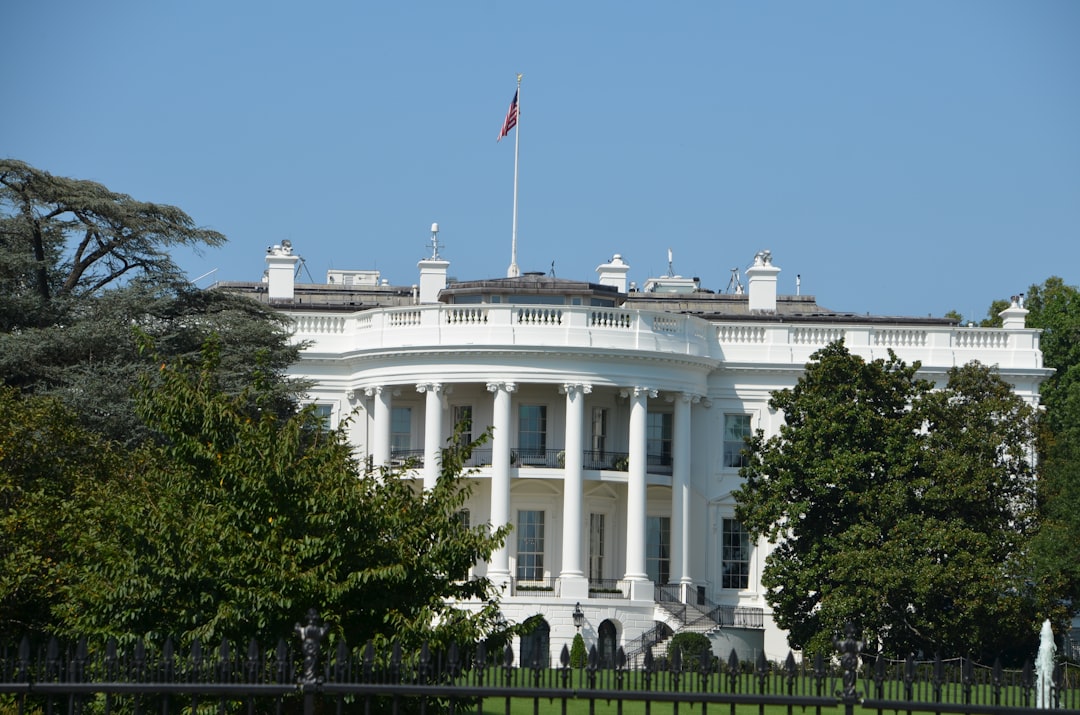
Covering the new Trump Administration - We can Help
With each day seems to come an new appointee to cabinet or significant role, a new policy twist and even the occasional walk back or withdrawal. The steps leading up to January 20, 2025 when Donald Trump resumes office as President of the United States will be getting a lot of coverage - and UC Irvine has it's own team of experts ready to lend their experience, perspective and expert opinion on what is happening. Louis DeSipio examines how democratic nations incorporate new members, including policymaking in the areas of immigration. Topics of Expertise: Foreign Affairs / NATO Immigration and Deportation Department of Education, EPA, Homeland Security, Department of Interior, NOAA, HHS and FDA Jeffrey Wasserstrom specializes in modern Chinese cultural history & world history, who has written on many contemporary as well as historical issues. Topics of Expertise: Foreign Affairs / NATO Free Speech Department of Education, EPA, Homeland Security, Department of Interior, NOAA, HHS and FDA Eric Swanson is an expert on inflation, recessions and what changes in interest rates mean for the economy. Topics of Expertise: Foreign Affairs / NATO Tariffs Impact of Downsized Government Senior's Health and Social Security Heidi Hardt is an expert on NATO, defense, security, foreign policy, organizations, the EU, UN, operations, gender, climate and change. Topics of Expertise: Foreign Affairs / NATO Climate Change Gender and LGBTQ+ Rights Tony Smith’s knowledge of politics includes Constitutional Law, the U.S. Supreme Court and election law. Topics of Expertise: Free Speech Department of Education, EPA, Homeland Security, Department of Interior, NOAA, HHS and FDA Jon Gould is a distinguished scholar in justice policy, social change and government reform. Topics of Expertise: Deregulation Gender and LGBTQ+ Rights All of these experts are available to speak with media - simply click on a profile now to arrange an interview time today.


ExpertSpotlight: The History of Presidential Pardons in America
Presidential pardons have long been a cornerstone of executive power in the United States, granting the president the ability to forgive federal offenses. Rooted in the Constitution and modeled after the British royal prerogative, this authority has sparked significant legal and ethical debates since the nation’s founding. Understanding the history and implications of presidential pardons provides insights into American governance, justice, and the balance of power. This topic presents compelling opportunities for journalists to delve into its historical and contemporary significance. Key story angles include: Origins of the Presidential Pardon: Exploring how and why the pardon power was enshrined in the Constitution, including influences from English law and debates among the Founding Fathers. The First Presidential Pardon: Detailing the story of George Washington’s 1795 pardon of participants in the Whiskey Rebellion and its impact on shaping the use of executive clemency. Controversial Pardons in History: Investigating high-profile pardons, such as those granted by Presidents Andrew Johnson, Gerald Ford, and Donald Trump, and their political and social ramifications. Legal and Ethical Perspectives: Examining what legal scholars and historians say about the scope of pardon power, including debates over its limits and potential for misuse. Pardons and Social Justice: Highlighting cases where pardons were used to address systemic injustices, such as civil rights-era convictions or drug-related offenses. Comparing Global Practices: Analyzing how the U.S. approach to executive clemency compares to pardon systems in other democracies and the broader implications for justice. The history and evolution of presidential pardons open the door to meaningful discussions about justice, accountability, and the executive branch’s influence, offering journalists a wealth of perspectives to explore. Connect with an expert about the History of Presidential Pardons in America: To search our full list of experts visit www.expertfile.com

The new device is designed to reduce the risk of injuries when medicines being delivered into a vein enter the surrounding tissues It detects this problem at the earliest stages, before it is visible to the human eye The project is being supported by SPARK The Midlands at Aston University, a network to support technology development for unmet clinical needs. Clinicians at Birmingham Women’s and Children's NHS Foundation Trust (BWC) have joined with academics at Aston University to create an innovative sensor to reduce the risk of injuries caused when drugs being delivered into a vein enter the surrounding tissue. This complication, called extravasation, can cause harm and, in the most severe cases, life-changing injuries and permanent scarring. It happens most often when infusing medicines into peripheral intravenous (IV) devices, such as a cannula, but can also occur when infusing into a central venous access device. By joining together, BWC and Aston University are combining clinical, academic and engineering expertise to create a sensor that can detect extravasation at its earliest stages. Karl Emms, lead nurse for patient safety at BWC, said: “We've done lots of work across our Trust that has successfully reduced incidents. While we've made fantastic progress, there is only so much we can do as early signs of extravasation can be difficult to detect with the human eye. “The next step is to develop a technology that can do what people can't - detection as it happens. This will make a huge impact on outcomes as the faster we can detect extravasation, the less likely it is that it will cause serious harm.” The focused work to date addressing the issue has recently been recognised by the Nursing Times Awards 2024, winning the Patient Safety Improvement title for this year. This new project is supported by SPARK The Midlands, a network at Aston University dedicated to providing academic support to advance healthcare research discoveries in the region. SPARK The Midlands is the first UK branch of Stanford University's prestigious global SPARK programme. It comes as a result of Aston University’s active involvement in the delivery of the West Midlands Health Tech Innovation Accelerator (WMHTIA) – a government-funded project aimed at helping companies drive their innovations towards market success. The SPARK scheme helps to provide mentorship and forge networks between researchers, those with technical and specialist knowledge and potential sources of funding. SPARK members have access to workshops led by industry experts, covering topics such as medical device regulations, establishing good clinical trials, and creating an enticing target product profile to engage future funders. Luke Southan, head of research commercialisation at Aston University and SPARK UK director, said: “I was blown away when Karl first brought this idea to me. I knew we had to do everything we could to make this a reality. This project has the potential to transform the standard of care for a genuine clinical need, which is what SPARK is all about.” Work on another potentially transformative project has also begun as the team are working to develop a medical device that detects the position of a nasogastric feeding tube. There is a risk of serious harm and danger to life if nasogastric tubes move into the lungs, rather than the stomach, and feed is passed through them. Emms explained: “pH test strips can usually detect nasogastric tube misplacement, but some children undergoing treatment can have altered pH levels in the stomach. This means this test sometimes does not work. “A medical device that can detect misplacement can potentially stop harm and fatalities caused by these incidents.” SPARK will bring together engineers, academics and clinicians for both projects to develop the devices for clinical trial, with a goal of the technologies being ready for clinical use in three to five years. Southan said: “BWC is one of our first partners at SPARK and we're really excited to work with them to make a vital impact on paediatric healthcare in the Midlands and beyond." Notes to editors About Aston University For over a century, Aston University’s enduring purpose has been to make our world a better place through education, research and innovation, by enabling our students to succeed in work and life, and by supporting our communities to thrive economically, socially and culturally. Aston University’s history has been intertwined with the history of Birmingham, a remarkable city that once was the heartland of the Industrial Revolution and the manufacturing powerhouse of the world. Born out of the First Industrial Revolution, Aston University has a proud and distinct heritage dating back to our formation as the School of Metallurgy in 1875, the first UK College of Technology in 1951, gaining university status by Royal Charter in 1966, and becoming the Guardian University of the Year in 2020. Building on our outstanding past, we are now defining our place and role in the Fourth Industrial Revolution (and beyond) within a rapidly changing world. For media inquiries in relation to this release, contact Helen Tunnicliffe, Press and Communications Manager, on (+44) 7827 090240 or email: h.tunnicliffe@aston.ac.uk About Birmingham Women’s and Children’s NHS Foundation Trust Birmingham Women’s and Children’s NHS Foundation Trust (BWC) brings together the very best in paediatric and women’s care in the region and is proud to have many UK and world-leading surgeons, doctors, nurses, midwives and other allied healthcare professionals on its team. Birmingham Children’s Hospital is the UK’s leading specialist paediatric centre, caring for sick children and young people between 0 and 16 years of age. Based in the heart of Birmingham city centre, the hospital is a world leader in some of the most advanced treatments, complex surgical procedures and cutting-edge research and development. It is a nationally designated specialist centre for epilepsy surgery and also boasts a paediatric major trauma centre for the West Midlands, a national liver and small bowel transplant centre and a centre of excellence for complex heart conditions, the treatment of burns, cancer and liver and kidney disease. The hospital is also home to one of the largest Child and Adolescent Mental Health Services in the country, comprising of a dedicated inpatient Eating Disorder Unit and Acute Assessment Unit for regional referrals of children and young people with the most serious of problems (Tier 4) and Forward Thinking Birmingham community mental health service for 0- to 25-year-olds. Birmingham Women’s Hospital is a centre of excellence, providing a range of specialist health care services to over 50,000 women and their families every year from Birmingham, the West Midlands and beyond. As well as delivering more than 8,200 babies a year, it offers a full range of gynaecological, maternity and neonatal care, as well as a comprehensive genetics service, which serves men and women. Its Fertility Centre is one of the best in the country, while the fetal medicine centre receives regional and national referrals. The hospital is also an international centre for education, research and development with a research budget of over £3 million per year. It also hosts the national miscarriage research centre – the first of its kind in the UK - in partnership with Tommy’s baby charity. For interview requests please email the Communications Team on bwc.communications@nhs.net



ExpertSpotlight: The True History of Thanksgiving in America
Thanksgiving is often seen as a time for gratitude and togetherness, but its origins tell a far more complex story that intertwines indigenous history, colonialism, and the reshaping of cultural narratives. Understanding the true history of Thanksgiving invites reflection on the ways history is remembered, celebrated, and taught. As the holiday approaches, uncovering its deeper meaning is vital to fostering awareness of indigenous perspectives, historical accuracy, and the evolution of American traditions. This topic presents rich opportunities for journalists to explore its broader societal implications, with story angles including: Indigenous Perspectives on Thanksgiving: Highlighting how Native American communities view the holiday, including the National Day of Mourning and efforts to preserve indigenous cultures and histories. The Pilgrim-Indian Narrative: Investigating the historical accuracy of the widely taught Pilgrim-Indian story and its role in shaping American identity and myth-making. The Role of Thanksgiving in National Unity: Exploring how Thanksgiving was solidified as a national holiday during the Civil War and its significance in fostering unity amid division. Food, Culture, and Tradition: Examining how Thanksgiving has evolved as a culinary and cultural tradition, including the blending of indigenous and immigrant foodways. Education and Historical Accountability: Analyzing how schools and institutions teach the history of Thanksgiving, with efforts to address inaccuracies and promote indigenous voices. Thanksgiving and Modern Social Issues: Investigating the holiday’s intersection with modern challenges, such as food insecurity, consumerism, and environmental sustainability. Revisiting the history of Thanksgiving offers a chance to deepen public understanding of American history, honor indigenous contributions, and spark meaningful conversations about cultural heritage and national identity. Connect with an expert about the History of Thanksgiving: To search our full list of experts visit www.expertfile.com

NATO, Russia and a New Approach to Foreign Policy
The election of Donald Trump for a second time as the President of the United States may have come as a surprise to many, for world leaders it means an immediate shift when it comes to global issues. Trump campaigned on dealing with the war between Russia and Ukraine and the wars Israel is fighting on multiple fronts himself, and resolving these delicate and complex conflicts with little regard to those at NATO or other leaders around the world. Trump has also indicated that serious changes will be coming to how America handles trade -which will also put how his administration deals with President Xi Jinping in China and the newly elected President of Mexico, Claudia Sheinbaum in the spotlight on center stage. There is already a lot of speculation an even a few glimpses at what lies ahead for US foreign policy, and if you're a reporter covering the lead up to this much hyped event - then let our experts help with your coverage. Louis DeSipio examines how democratic nations incorporate new members, including policymaking in the areas of immigration. Jeffrey Wasserstrom specializes in modern Chinese cultural history & world history, who has written on many contemporary as well as historical issues. Eric Swanson is an expert on inflation, recessions and what changes in interest rates mean for the economy. Heidi Hardt is an expert on NATO, defense, security, foreign policy, organizations, the EU, UN, operations, gender, climate and change. Tony, Jeffrey, Eric and Heidi are available to speak with media - simply click on either expert's icon now to arrange an interview today.
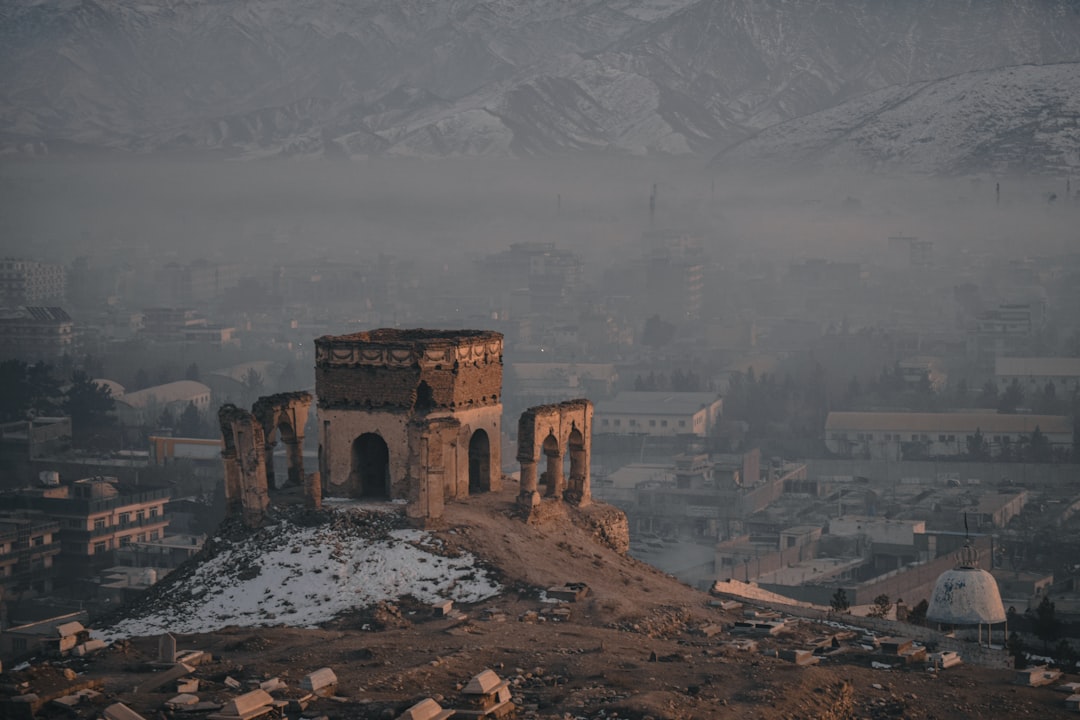
#ExpertSpotlight: A look at Afghanistan
Afghanistan has been at the center of international focus since 2001, enduring decades of conflict, social change, and efforts toward rebuilding. This topic remains significant as the world reflects on the lasting impact of the Afghanistan war, the country's evolving human rights landscape, and the enduring resilience of its people. For the public, understanding Afghanistan's history and current situation is essential to grasp the broader issues of international policy, humanitarian needs, and global security. This subject also highlights the importance of accountability and the role of the international community. Key story angles that may interest a broad audience include: The impact of foreign intervention on Afghan society: Exploring how two decades of international involvement have reshaped the country politically, economically, and socially. Human rights challenges and progress: Analyzing the state of women’s and minority rights, including access to education and healthcare under various regimes. Refugee crises and displacement: Examining the large-scale displacement of Afghans over the years and the humanitarian response by neighboring and Western nations. The resilience of Afghan culture and identity: Highlighting how art, music, and traditions have survived despite conflict, and how cultural preservation remains vital to Afghan communities. The future of Afghanistan’s youth: Discussing the aspirations and challenges facing a generation born into conflict, and the role of education and innovation. The international community’s role and response: Assessing current global engagement, diplomatic efforts, and the responsibilities of the U.S. and allied countries toward Afghanistan. Connect with an expert about the History of Conflict in Afghanistan: To search our full list of experts visit www.expertfile.com

November 11 - a Day of Remembrance
Observed globally, Remembrance Day on November 11 and Veterans Day in America honors the sacrifices of military personnel in times of conflict and serves as a poignant reminder of the human cost of war. Recognized in Commonwealth countries and beyond, this day holds deep significance as nations reflect on peace, memory, and the ongoing impact of past conflicts. Veterans Day is a federal holiday in the United States observed annually on November 11, for honoring military veterans of the United States Armed Forces. Both days matters to the public because it fosters historical awareness, strengthens national unity, and promotes a global dialogue on peace and reconciliation. Key story angles that may interest a broad audience include: The history and symbolism of Remembrance Day: Exploring the origins of the day, the role of the poppy symbol, and its evolution across generations. Global observances and traditions: Highlighting how different countries commemorate November 11 and the unique rituals they observe. Veterans' experiences and perspectives: Featuring stories from veterans and their families, focusing on the impact of service and the importance of recognition and support. The role of education in remembrance: Examining how schools and communities educate younger generations about the history of wars and the importance of honoring service members. Peace-building efforts inspired by Remembrance Day: Showcasing initiatives and organizations working toward conflict resolution, veteran support, and international cooperation. Post-war recovery and mental health: Discussing resources and support systems for veterans dealing with PTSD, physical injuries, and reintegration challenges. Connect with an expert about Remembrance Day : To search our full list of experts visit www.expertfile.com

International Education Week: University of Delaware leads the way in global studies
The University of Delaware has a lot to boast about in regards to International Education Week, which takes place from Nov. 18-22. This includes a four-year academic program that immerses students in both culture and classrooms of host countries; a mentoring program for international students on UD's campus; and the oldest study abroad program in the nation. UD's World Scholars program offers students a four-year global education that begins with a semester of study in Greece, Italy, England, New Zealand or Spain where students earn credits in their majors while becoming immersed in the culture and history of the respective host country. The 101-year-old Study Abroad Program – the oldest program founded by a U.S. institution – offers programs in 40 countries. More than 30 percent of UD undergraduates study abroad at least once, and while one in 10 American students study abroad, at UD the number is 3 in 10. Finally, UD’s Center for Global Programming and Services offers the iBuddy Mentoring Program, which pairs incoming international students with trained and experienced UD student mentors. After undergoing iBuddy training, these mentors offer friendship and guidance on academic matters, social life, housing options and more. They also organize events to help them get socialized.
