Experts Matter. Find Yours.
Connect for media, speaking, professional opportunities & more.

An honor or a Herculean-sized task to host the Olympic Games?
In less than a month – the world will be watching as South Korea plays host, once again to the Olympic Games. With the Games come international attention, media scrutiny and bragging rights. What also comes with is serious price-tag and left-over infrastructure. The Olympics, which begin Feb. 9, will cost the host country approximately 14 trillion won ($12.9 billion) – almost double the original estimates of the 8 to 9 trillion won ($7 to 8 billion) South Korea stated when Pyeongchang won the bid in 2011. That’s a lot of money. And is it worth it? Do the Olympics carry the lustre they once did? Has any country actually been able to make money or put to good use all the facilities that are requires hosting events like luge, bobsledding, biathlons and all those extra arenas? Is it time for a single destination for the world to converge on each year? As costs go up – the urge to host internationally seems to go down. There are a lot of questions about hosting the Games and if the task is worth the price tag -that’s where the experts from Cedarville can help. Andrew Wonders is an Assistant Professor of Sport Business Management and was on planning committees for the Sydney and Salt Lake City Olympic games. He can give a behind-the-scenes look at what is taking place now leading up to the Olympics. Andrew is available to speak with media – simply click on his icon to arrange an interview. Source:


Higher Education - A matter of national security?
With increasingly sophisticated and widespread cyberattacks in the news, what role must higher education play in developing the future cyber workforce? Located at the center of federal cybersecurity assets, the city of Augusta is already growing into a global cyber hub. Now, a new school at Augusta University will prepare the next generation of cyber professionals — right here in Augusta. Augusta University President Brooks Keel announced a new School for Computer and Cyber Sciences that will provide opportunities for students to work with the state cybersecurity professionals. The announcement comes just days after breaking ground on a new state-owned 168,000-square-foot, $60 million cyber innovation and training center at Augusta University's Riverfront Campus. "With hands-on research and internship opportunities not found anywhere else, we have the opportunity to revolutionize cybersecurity education in Georgia and make Augusta a leading hub for cybersecurity innovation," Keel said of the new statewide effort, dedicated to develop the workforce and infrastructure needed to protect our nation from cyberthreats. Augusta University's new school launches July 1, but will move into the Hull McKnight Georgia Cyber Innovation and Training Center upon completion in 2018. "The school will benefit more than 300 current computer science and information technology students, who will have the opportunity to work hand-in-hand with industry, the departments of industry and defense, and state cybersecurity professionals and tech startups," Keel said. How else is Augusta University responding to the need to develop highly skilled, technical workers? How can academia, government and industry partner to develop educational opportunities that are critical to enhancing the nation's cybersecurity? Dr. Brooks Keel is available for interviews on the future of cybersecurity education. Click on his icon to arrange an interview. Source:

Is the Trump infrastructure plan built on rock or sand?
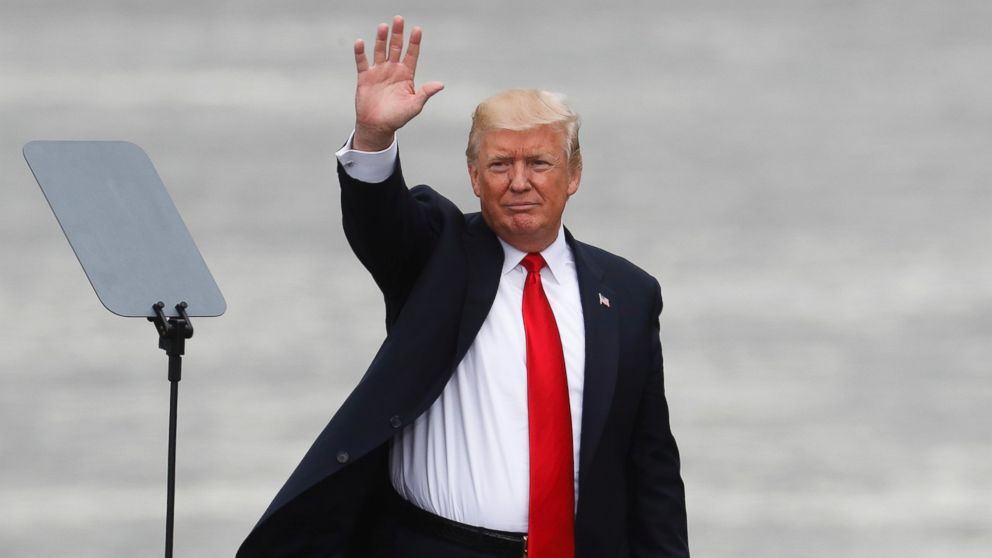
President Donald Trump will pitch plans for rebuilding roads, bridges, and highways this week. But are they solid? Goizueta's Ray Hill spent much of his career in industry working on large scale infrastructure projects. He also teaches a course on the topic. Source:



Time will tell whether President-elect Donald Trump's economic policies will help or hurt the U.S.
President-elect Donald Trump's economic plan, such as it is, is very unspecific and lacking in details—especially in how it will be implemented or what aspects take priority. It looks like his biggest priority will be tax reform. Generally speaking, lowering marginal tax rates are a good thing and can lead to higher economic growth—but it remains to be seen if the increased taxes from the higher growth would balance out the amount of taxes cut. Simplification of the tax code will also be very helpful, but there are very few specifics as to how Trump would accomplish this. In short, his proposal for higher spending on infrastructure, which is definitely needed, with tax cuts would boost growth in the short term but also increase the size of the deficit and prices ( inflation). Although the nation’s infrastructure is in need of repair, voters have to remember that it has taken many decades to get all of this infrastructure into place—it can’t be repaired in just a matter of a few years. Source:


#Rio2106 – A Billion Dollar Party?
Is hosting the Summer Games worth it for an economy in shambles? On Aug. 5, the Olympic Games begin in Rio de Janiero. What should be a point of pride for Brazil has been reduced to a cause for concern and worry for athletes, tourists, and international organizers. Hosting the Olympics is not cheap. It can cost the host country billions of dollars in infrastructure costs. During the bidding process, host cities make bold promises of upgrades to transportation, modernized and safe housing for athletes and new event facilities. Brazil’s economy is currently is a serious recession. Some economists have even said that the economy in this once powerful South American nation has not been in this poor a state since 1901. Professor Tom Smith specializes in cultural economics and the economics of the arts at Emory University’s Goizueta Business School. Professor Smith is available to speak to media about whether or not the economic risk of hosting the Summer Games outweighs the reward. He can also speak to the costs, benefits and long term effects can have on a country. Source: