
Experts Matter. Find Yours.
Connect for media, speaking, professional opportunities & more.

You’ve probably heard of – or experienced for yourself – that women crave chocolate due to PMS (premenstrual syndrome) before or even during their cycle. Some attribute this craving to a loss of riboflavin during this time. But it could also be a response to the body’s increase in hormones that contribute to cravings for sweets and fats, and chocolate has both! Ignoring those cravings isn’t going to work. However, there are ways to satisfy your body’s needs without breaking the calorie bank, overindulging in food or reaching for unhealthy options. The cycle There are essentially two phases in the menstrual cycle — follicular and luteal — which are triggered by hormonal changes. “Cycle syncing” is the process of altering diet and activity according to a woman’s naturally occurring menstrual phases each month. When you consider nutrition “cycle syncing,” which is tailoring your nutrition with your menstrual cycle throughout the month, it’s helpful to break it into four separate components: Menstruation (beginning of menstruation). Follicular. Ovulation (1st day of luteal). Luteal. What does this mean? It means this complex cycle is controlled by female hormones that cause regular bleeding (periods). Estrogen is one of the major players that helps regulate a woman’s menstrual cycle and is produced mainly by the ovaries, the same two small glands that store hundreds of thousands of tiny eggs for release over a woman’s lifetime. Eating for PMS in cycle stages Phase 1: Menstruation – “Aunt Flo” comes to visit (3-7 days) During the menstrual period, the most work happens during the first three days. This is when a woman’s flow arrives and pain onsets in the pelvis, legs, back and other areas. This is also when the most blood is lost. The cramps a woman feels serve a purpose. They are a symptom of the uterus contracting, helping to shed the endometrium (the lining of the uterus), which you may know as Aunt Flo coming to visit, also known as menstrual bleeding. Focusing on good sources of nutrition with magnesium in them may help reduce the severity of symptoms for better sleep, headaches, muscle soreness in the uterus and cramping, swelling and bloating and mood changes. Healthy fats can be useful during this phase since levels of estrogen and progesterone are typically low. We need healthy fats to help generate any kind of hormones. Look for good sources of healthy fats in seafood rich in omega-3 fatty acids, avocados, olive oil, sardines in oil, nuts and seeds, fiber, apples, berries, ground flax seed and oatmeal. Phase 2: Follicular – release the kraken! (7-10 days) Let’s face it, during the second stage of a woman’s cycle, your body is about to drop the mic! Well, not the mic per se, but your body is preparing to release an egg. That’s a lot of work. During this phase, hormones are released to signal the production of follicles on the surface of an ovary. A handful will enlarge, but only the largest and strongest follicle will ultimately release an egg during ovulation. This plays the biggest role in the length of your cycle. At the very same time, the endometrium starts to thicken in case you’re getting ready to have a baby. The last five days of this phase, plus the ovulation day (the day the egg drops), are your fertile window (baby-making time!). This is when you are most likely to become pregnant if you have sexual intercourse without using birth control. Focus on complex carbohydrates during this phase. Complex carbohydrates keep the insulin-glucagon ratio even and can help manage depression, fatigue and insomnia. Pro Tip: Between cycling, zinc can be helpful for ovulation and potentially help to support the egg quality. For women who are looking to conceive, they may want to consider using more zinc in their diet or with a supplement leading up to the follicular phase. Talk with your health care provider to see if this is a helpful option for you. Phase 3: Ovulation phase – there can be only one! (2-4 days) The three to five days leading up to ovulation and the day of ovulation itself are the most fertile. Ovulation begins on the day the egg is released from the egg follicle on the ovary. Remember when you were little and found a dandelion seedling in the grass? You grabbed it and blew on the seedlings to release them into the wind. This is similar except it’s just one egg being released. Protein is your friend during this phase. Protein will help keep your blood sugars steady, keep you feeling full and prevent cravings. Phase 4: Luteal (premenstrual) phase – winter is coming! (10-14 days) The luteal phase starts on the day the egg drops, also known as ovulation day. This happens anytime from day 7 to day 22 of a normal menstrual cycle. After the teen years and before perimenopause (the time before menopause), the luteal phase is very predictable. It normally lasts 13 to 15 days from ovulation until menstrual bleeding starts a new cycle. These two weeks are also known as the premenstrual period. It’s very common to have symptoms during all or part of the luteal phase. You may feel irritable and cranky, gain water weight and feel bloated. A day or more before your period, you may start to have pain (cramps) in your belly, back or legs. It’s normal to have less energy at this time. Don’t panic, and don’t get down on yourself for needing to rest or nap. You may also have headaches, diarrhea or constipation, nausea or dizziness. When premenstrual symptoms make your daily life difficult, you are said to have premenstrual syndrome (PMS). Good dietary sources during the luteal phase should include calcium. Calcium can help reduce the severity of PMS symptoms, including bloating, depression, pain, mood swings and food cravings. Pro tip: It may be difficult to get all the calcium necessary to help with general PMS symptoms. While we recommend getting as much calcium as possible in your diet, check with your health care provider for guidance on nutrition and supplementation. According to the American College of Obstetricians and Gynecologists, 1,200 milligrams of magnesium is usually recommended to help reduce the physical and mood symptoms of PMS. Everyone metabolizes food and supplementation differently. Results will vary. The role of iron Consider increasing iron and iron sources, especially during the luteal phase leading up to the menstruation phase. The leading cause of iron deficiency and anemia is a woman’s cycle. The more that women boost their iron stores before their menstruation cycle, the better. Look to increase iron consumption through animal sources, legumes or fortified cereals. Some women might need supplementation or other medical interventions. Sometimes, other conditions cause heavy menstrual cycles or reasons for medical intervention. Follow up with your health care provider Women may have menstrual-related conditions needing treatment beyond lifestyle changes alone. Seek care for: Irregular periods (not due to medication or breastfeeding). Heavy menstrual bleeding or severe menstrual pain. Significant depression and/or anxiety around the menstruation cycle. Menstrual cycles can have many different symptoms and associated medical conditions. Making lifestyle modifications is helpful, but if you’re experiencing severe or concerning symptoms, these should always be discussed with a health care provider.



Post-Pandemic: How Alcohol Is Harming the Health of More Women
The prevalence of alcohol-related complications has been steadily increasing over the years, but a significant surge occurred during the pandemic, particularly among women aged 40 to 64. According to a JAMA Health Forum report titled High-Acuity Alcohol-Related Complications During the COVID-19 Epidemic, there was a significant increase in severe alcohol-related complications in women and alcoholism. The majority of these, 54% to 66%, were alcohol-related liver disease; smaller numbers, 3% to 5% and 1% to 3% were attributed to alcohol-related cardiomyopathy and alcohol-related gastritis with bleeding, respectively. What the trends mean If these trends persist, the increases in alcohol-related complications will continue to harm women. There are several reasons explaining this increase. In addition to the overall increase in alcohol consumption, the pandemic exacerbated feelings of loneliness and uncertainty about the future. Additionally, lockdowns led to more time spent at home – an environment where alcohol is readily available. How alcohol affects women Women are particularly vulnerable to the adverse effects of alcohol due to differences in body structure and chemistry. They absorb more alcohol and take longer to metabolize it. This means smaller amounts of alcohol can cause more serious health issues. Also, the shift towards drinking at home, which was further made easier by convenient online shopping and home delivery during the pandemic, led to increased consumption without judgment. Addressing any substance misuse needs a multimodal approach. There are treatment options and medications that can help. It is important to wean yourself off alcohol with a doctor’s supervision, as withdrawal can be severe and dangerous. Getting help Health care providers, patients and their loved ones can all partner in enhancing education and awareness about alcohol use risks and reducing stigma in seeking treatment when needed. It’s important for women to recognize that they are not alone and that help is available. It is a difficult addiction for anyone to go through, but education and support can significantly improve outcomes.

Another Assassination Attempt. What Now?
In a shocking turn of events, another attempt was made on former president Donald Trump’s life on Sunday, September 15. He was playing golf in West Palm, Florida, when there was a suspect found with a gun, intending to assassinate Trump. Though the suspect has been apprehended and the former president is unharmed, this situation stirs up many questions about safety amid election season and how that could affect voters. Political expert, Dr. Mark Caleb Smith, has offered useful insight on the effect that this unsure election season has on voters. Here are three key takeaways from his recent interview: The multiple assassination attempts and overall tense election season has created a sense of heightened emotions for many Americans. How will the second attempt on Trump’s life affect the decisions and actions of voters? It seems as though Americans are growing more fearful and divided in the midst of this election season. In the wake of Sunday's events, is there hope for unity among Americans? Many voters are now looking for answers. What action is being taken to ensure that both presidential candidates are safe as the election approaches and tensions only seem to rise? If you are a journalist covering the recent assassination attempt or the upcoming election – our experts are here to help. Mark Caleb Smith is the Director of the Center for Political Studies at Cedarville University. Mark is available to speak with the media regarding the recent assassination attempt, election emotions and the upcoming election. Simply click on his icon to arrange an interview.


Sports Betting: High Stakes at a Young Age
While life may feel like a game, gambling addiction is far from child’s play. Young people are particularly vulnerable and at higher risk for gambling disorders. For those still engaged in their athletic days or recently cut from the team, sports betting may be a particular draw by familiarity. The rush from gambling is not all about winning but about the excitement and thrill of the gamble itself. It can quickly become a behavioral disorder. Why are young people at risk? Young people are particularly at risk since their brains are not yet fully developed, and they indulge in more risk-taking and reward-seeking behaviors. Also, they may have fewer responsibilities and lesser accountability for their losses. The rise of smartphones has made sports betting more accessible than ever. Young people are particularly attached to their phones. It’s not mobile phone addiction but cell phone dependence coupled with the fact there is no judgment when gambling online. The anonymity can make them more likely to take the risk. Recognize red flags It is crucial to identify problem behaviors. Warning signs include: Emotional – increased anxiety and irritability, limited frustration tolerance, inability to concentrate on other activities when not gambling. Behavioral – negative effects on personal, social and work or school responsibilities. If you see or experience these signs, seek help. You or your loved one may benefit from counseling that involves cognitive behavioral therapy, which can reframe their thinking and reinforce positive behaviors over gambling.

EU-UK Trade Deal continues to stifle trade with 27% drop in exports since 2021
New report shows persistent stifling effects of the impact of the Trade and Cooperation Agreement on UK-EU trade relations Monthly data show a 27% drop in UK exports and a 32% reduction in imports to and from the EU between 2021 and 2023 Recommendations for policy interventions include to negotiate sector-specific deals, engage with individual EU countries, and work on reducing non-tariff barriers A comprehensive analysis by researchers at the Centre for Business Prosperity at Aston University reveals that negative impacts of the UK-EU Trade and Cooperation Agreement (TCA) have intensified over time. The new report, Unbound: UK Trade Post Brexit, also shows a 33% reduction in the variety of goods exported, with the agricultural, textiles, clothing and materials sectors most affected. To assess the impact of the UK-EU TCA, the authors analysed monthly import and export between the UK and the EU, from January 2017 to December 2023 and separated into pre- and post-January 2021 when the agreement came into force. The monthly data shows a 27% drop in UK exports and a 32% decline in imports from the EU. Lead author, Professor Jun Du of Aston University says: “The Trade and Cooperation Agreement introduced substantial barriers and there are ongoing and marked declines in the value and variety of UK exports and imports. Without urgent policy interventions, the UK’s economic position and place in the global market will continue to weaken.” The UK-EU TCA redefined trade and investment rules and market access between the UK and the EU. Since it came into force, the UK government has negotiated several trade agreements, but the EU remains the UK’s largest trade partner. Exports for most sectors have decreased since January 2021, although the impact is varied. Agrifood, textile and clothing and material-based manufacturing have been among the hardest hit, with substantial declines in both export value and the variety of products exported. At the same time, some sectors such as tobacco, railway and aircraft manufacturing have seen modest increases in varieties of products exported. On the import side, most sectors have shrunk in both value and variety, particularly agrifood products, optical, textile and material-based manufacturing. A few sectors, for example, ships and furniture, have demonstrated noticeable increases in import product variety. The large variations across different goods categories and EU trade partners underscore the uneven effects of Brexit and the TCA on UK-EU trade dynamics, highlighting the need to understand the nuances and come up with tailored strategies that address the unique challenges of each sector within the new regulatory environment. The researchers make recommendations, outlining how sector-specific negotiations, streamlining customs procedures with digital technologies and reducing regulatory divergence could mitigate some of the impacts. Dr Oleksandr Shepotylo, the report’s co-author says: “Our findings indicate a decoupling of the UK from key EU final goods markets, accompanied by a shift in UK supply chains toward geographically closer EU trading partners for exports and smaller countries for imports. “This shift raises concerns and underscores the urgent need for a strategic reconfiguration of UK supply chains to maintain competitiveness.” Professor Du continues: “The TCA has introduced considerable barriers to UK-EU trade, particularly through increased Non-tariff measures (NTMs). “Addressing these issues through targeted improvements to the TCA is crucial to ensuring that UK businesses remain competitive in the European market. A structured, multi-faceted approach is necessary.” To find out more about these findings, click here.


VR Simulation to Demonstrate the Danger of Snow Squalls
Since 2017, Dr. Jase Bernhardt, Hofstra associate professor of geology, environment, and sustainability, has been using virtual reality technology to teach the public about the dangers of rip currents, hurricanes, and flash flooding. His most recent award, a $100,000 Road to Zero Community Traffic Safety Grant from the National Safety Council, is enabling him to tackle another seasonal weather worry: driving in snow squalls. The National Safety Council received funding for this grant from the National Highway Traffic Safety Administration. Bernhardt’s project aims to share information about the onset of snow squalls, the importance of heeding emergency weather advisories, and what drivers should do if they are on the road when a snow squall occurs. Although squalls are infrequent, they are extreme and frightening winter weather events that can result in a rapid onset of heavy snow, low visibility, icy roadways, and frigid temperatures. “Snow squalls are a very specific type of weather phenomenon. They often occur on a clear, calm day, with no warning of precipitation,” Bernhardt said. “Seemingly out of nowhere, you’ll see clouds, followed by a quick burst of very heavy snow. For a short time, perhaps only 10, 15 minutes, there are whiteout conditions where drivers can barely see the road ahead of them.” According to the U.S. Department of Transportation website, 24% of weather-related vehicle crashes occur on snowy, slushy, or icy pavement, and 15% happen during snowfall or sleet. More than 1,300 people are killed and nearly 117,000 people are injured in vehicle crashes on snowy, slushy, or icy pavement annually. Because winters in the New York metropolitan area have been mild for the last few years, Bernhardt worries that people have been lulled into a false sense of security about driving during winter storms or squalls. “We’re not used to being in that kind of severe weather anymore,” he said. “Snow squalls can be deadly in terms of massive collisions and multi-vehicle chain collisions. The key thing to remember is that they come in rapidly, catching people by surprise.” Bernhardt is collaborating on the software for the snow squall VR simulation with Frank Martin ’22, ’23, who earned both a BS and an MS in Computer Science from Hofstra University. Users will wear a headset and hold a device – like a video game controller – in each hand to replicate the movements of a steering wheel. In this way, users will experience what it is like to drive from clear, pleasant conditions into a brutal wall of snow. Bernhardt said that if a warning for a snow squall is issued via emergency broadcast, he hopes people who have used the simulation will understand the urgency of getting off the road or pulling onto the shoulder and remaining in their vehicle. “We want people to have an experience that is as close to reality as possible. The idea is to simulate how sudden and terrifying snow squalls can be and give people an opportunity to learn what they should and should not do if they are caught in one,” Bernhardt said. In conjunction with the VR simulation, Bernhardt is developing a survey to determine people’s reactions to emergency messaging and how effective it is. He will work with the National Weather Service to have the simulation and surveys available by fall 2025 for use at training and outreach events throughout the Northeast. Like Bernhardt’s rip current project, there are plans to have a version of the snow squall simulation and corresponding literature available in Spanish. Dr. Sasha Pesci, Hofstra assistant professor of geology, environment, and sustainability, is co-principal investigator on the grant and is helping with the translation of materials. “More and more, the National Weather Service, state and federal governments, and other agencies recognize the importance of having this information available in other languages,” Bernhardt said. “There are a lot of drivers whose primary language is Spanish, and they include cab and Uber drivers, and truckers.” Jase Bernhardt is available to speak with media about this topic - simply click on his icon now to arrange an interview today.


#Expert Q and A: Disinformation and Elections
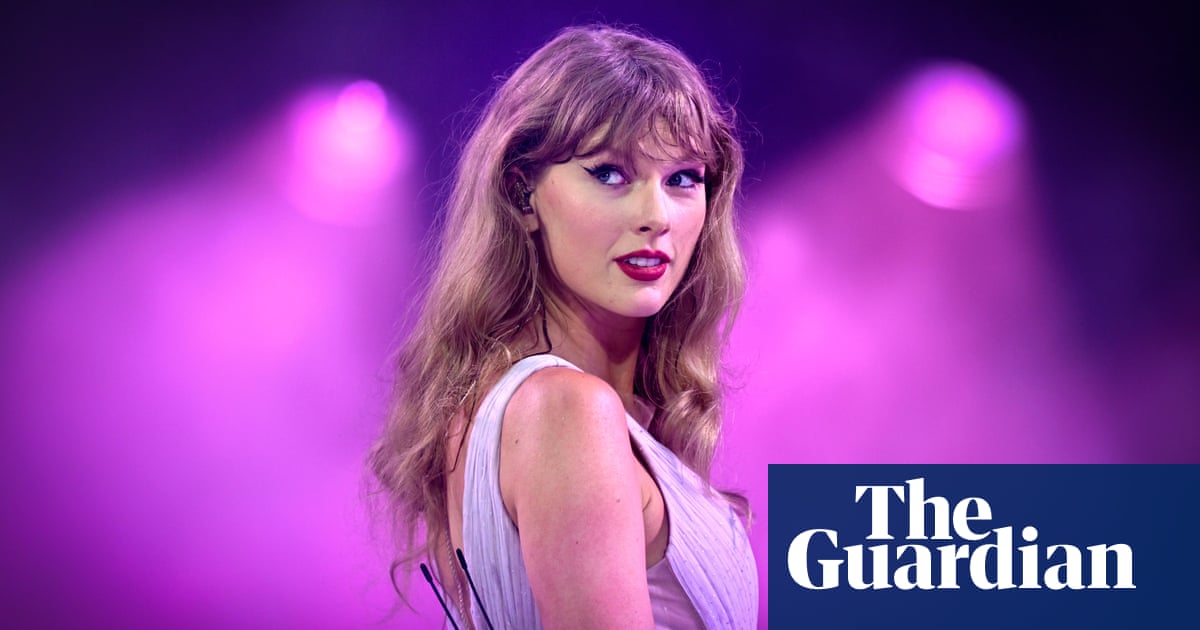
Question: Taylor Swift recently took to her Instagram page to “set the record straight” about an AI version of her that had “endorsed” Former President Donald Trump. What are some of the things people can look for to know if a celebrity has indeed endorsed a candidate? Answer: People can go to the celebrity’s social media page to see their recent social media activity. On the page, people can search for information regarding political endorsements. People should be aware that many fake and parody social media accounts exist for celebrities, so people need to make sure they locate the real social media accounts of the celebrity in question. Also, people can search reputable news sources to see if there is any verifiable information (i.e., the information has been verified by other reputable news sources) regarding celebrity endorsements. Question: In an era where it is too easy for anyone to alter images or video, what are some of the dangers that can be associated with these deep fakes? How can this negatively impact the election, and just life in general with having this kind of misinformation out there? Answer: There can be multiple concerns regarding disinformation and elections. One, if voters make decisions about whether to vote for a candidate based on disinformation/misinformation, this is a concern for elections because in a democracy the hope is that voters can make informed voting decisions based on accurate information. Second, if millions of people are exposed to disinformation/misinformation and only a small percentage of those are not aware that the disinformation/misinformation is false, this could have significant effects for elections. The reason is that in recent presidential elections, and likely in the upcoming election, the margin of victory in some swing states can be less than 1% of the total state vote in some cases. Thus, if only a small percentage of individuals who are exposed to disinformation/misinformation believe the information is true, and the disinformation/misinformation affects their voting decisions, that could have significant effects on the election outcome of a given swing state. Furthermore, we know that the election outcome of each swing state has important implications for the overall presidential election outcome. Question: Do celebrity endorsements still help or hurt candidates? Answer: The empirical evidence linking specific celebrity endorsements to election outcomes is mixed. Based on existing research, we can’t say that a specific celebrity endorsement led to an election victory or loss. However, there has been some interesting research from Harvard (2024) that shows that celebrity endorsements do matter for elections by potentially increasing voter interest, voter engagement and voter registration. One example is in September of 2023 when Taylor Swift made an Instagram post encouraging individuals to vote. Immediately afterward, 35,000 individuals registered to vote on the non-partisan voter registration website Vote.org . So, while we can’t say that a certain celebrity endorsement will directly affect an election outcome, celebrities can move the needle in terms of voter interest, voter registration, and potentially voter turnout, which can influence election outcomes. Interested in learning more - let us help. Lance Hunter, PhD, is a professor of political science with a background in international relations. He is available to speak with media about this important topic - simply click on his icon to arrange an interview today.


Putting a price tag on environmental projects
Unlike a grocery store, the goods and services in the environment — think clean water, tree cover, or flood control — don’t come with a price tag. Researchers in the University of Delaware Department of Applied Economics and Statistics have received a $1.5 million grant to assess the value of what is gained or lost from environmental projects. The three-year grant from the U.S. Army Engineer Research and Development Center, the chief research and development center for the federal environmental engineering agency U.S. Army Corps of Engineers, will pave the way for UD environmental economists to develop a web-based platform to help the Corps. The research team is led by Maik Kecinski, associate professor in the Department of Applied Economics and Statistics and also includes department colleagues Kent Messer and Martin Heintzelman, as well as three graduate researchers. The team will create an online platform to help the Corps estimate the monetary value of the ecosystem impacts through its ongoing and proposed projects across the U.S. Kecinski said many of the Corps’ projects involve natural resources, such as building dams or restoring rivers. Those projects require labor hours and equipment, each with a market value. “But the big piece the Corps doesn’t have is what is the environmental value that’s created or lost through these projects?” Kecinski said. The project came about after ERDC representatives visited UD in 2023. Kent Messer, Professor of Applied Economics, presented research about behavioral aspects around water quality and conservation and learned about ERDC’s research needs. Messer said that the big takeaway from those discussions was that ERDC was interested in having a platform to show the ecosystem services value of its projects. “So that was an exciting opportunity to connect and partner with them on the development of a tool that could help them in this regard,” Messer said. Messer said the opportunity to work with the Corps to assess its projects nationwide is “huge” for the University and for UD’s College of Agriculture and Natural Resources. “It speaks enormously to our college’s prominence in environmental economics issues,” Messer said. Martin Heintzelman, chair of UD's Department of Applied Economics and Statistics, said the project will help raise the profile of the department. “This is really in our wheelhouse in terms of the kind of research we do,” Heintzelman said. “It’s a great opportunity for us to be applying research to policymakers, people who are going to use this work to make better decisions as they’re going about their work constructing, managing, and sometimes de-constructing water and related projects.” The researchers hope the web-based platform will play a role in policy and decision-making, helping the Corps make more informed decisions on environmental projects in the future. “One thing I hope is going to come from this is the choices we make today are going to create a better tomorrow. That’s what it is all about” Kecinski said.


Five ways going green can improve your bottom line: A guide for West Midlands SMEs
As sustainability becomes a central focus for businesses across the globe, small and medium-sized enterprises (SMEs) in the West Midlands are uniquely positioned to benefit from going green. Whether you're running a corner shop, a hairdressing salon, a manufacturing operation, or any other type of small business, sustainable practices can significantly enhance your bottom line. Here are five key ways that adopting green strategies can lead to financial gains. Reduced operational costs One of the most immediate and tangible benefits of going green is the reduction in operational costs. Energy efficiency, waste reduction, and resource conservation are all areas where small changes can lead to significant savings. For instance, simply switching to energy-efficient lighting can reduce electricity bills by up to 75 per cent—a substantial saving for any business, particularly for small retailers or service providers where margins can be tight. Additionally, the UK government offers incentives to help businesses transition to more energy-efficient operations, making it easier for SMEs to invest in these changes. Join Aston University’s workshop on 18 September and take advantage of a free energy assessment for your business. Learn practical steps to audit your energy use and uncover cost-saving opportunities tailored to your specific industry needs. Access to new markets and opportunities As the UK government and local authorities push for a greener economy, there are growing opportunities for businesses that align with these goals. SMEs that adopt sustainable practices may qualify for grants, tax reliefs, and other incentives designed to support green initiatives. For example, local councils in the West Midlands have programmes such as ‘BEAS and Decarbonisation Net Zero’ aimed at helping small businesses reduce their carbon footprint, which can be especially beneficial for almost all sectors where environmental impact is a growing concern. At the workshop, we’ll delve into the funding options and partnerships available to West Midlands SMEs committed to sustainability, helping you unlock new growth opportunities. Increased marketability Consumers are increasingly favouring businesses that demonstrate a commitment to sustainability. According to a study by Nielsen, 66 per cent of global consumers are willing to pay more for sustainable goods, and this trend is evident in the UK as well. By adopting green practices, SMEs in the West Midlands can enhance their brand reputation. This can translate to increased sales, customer loyalty, and even the ability to charge premium prices for sustainable products or services. In a competitive market, your environmental credentials can be a powerful differentiator. Attend Aston University’s workshop to learn from real-life success stories and see how businesses are already turning sustainability into a competitive advantage. Long-term resilience and competitiveness Sustainability isn’t just about immediate financial gains; it’s also about future-proofing your business. As regulations around carbon emissions and environmental impact become stricter, businesses that have already integrated green practices will find it easier to comply, avoiding potential fines and disruptions. For SMEs in sectors like manufacturing, where regulatory pressures are particularly high, adopting sustainable practices now can help ensure long-term competitiveness and resilience. A prime example of this shift is the NHS, which is actively working towards a Net Zero supply chain by 2045. The NHS is urging its suppliers to adopt sustainable practices, with a strong focus on reducing carbon emissions. Businesses that fail to align with these expectations risk losing contracts and falling behind competitors who are meeting these sustainability criteria. At the workshop, you'll learn more about sustainability strategy that can keep your business competitive and resilient in an ever-changing market. Enhanced employee engagement and productivity Increasingly, employees are seeking to work for companies that align with their personal values, including a commitment to sustainability. While this trend is more pronounced among larger companies, it’s also becoming relevant for small businesses, particularly those in industries where attracting and retaining talent is competitive. According to research, 74 per cent of employees feel more fulfilled when they work for a company that is making a positive impact on the environment. For small businesses, fostering a sustainable workplace can enhance employee morale, attract top talent, and reduce turnover rates. However, the degree to which this resonates can depend on your specific workforce. In sectors like tech, professional services, or among younger employees, sustainability is often a key consideration. On the other hand, in some more traditional industries, other factors like job security and compensation might be more important, though sustainability still adds value. Sign up for our workshop to discover how your small or medium business—regardless of sector—can implement effective sustainability practices and energy efficiency strategies to drive growth. This event is open to all SMEs across the West Midlands! Click here to register now. You'll also have the opportunity to book a free energy assessment on the spot and apply for match funding of up to £100,000 to make your business more energy efficient.

The Handshake Seen 'Round The World
More than 50 million viewers were expecting a cold standoff to start last night's debate between Vice President Kamala Harris and former president Donald Trump. University of Delaware experts say Trump was likely more shocked than they were when Harris walked to his podium for a cordial handshake. "It was a clearly planned move on Harris' part intending to assert some dominance over someone whose entire schtick is about being dominant. And it was successful, and I think it discomforted Trump," said David Redlawsk, professor of political science and international relations. Erin Cassese, professor of political science and international relations, said the move exuded confidence, especially given that President Biden and former-President Trump did not shake hands at the outset of their July debate. "Harris’s pursuit of the handshake showed off the bat that she would engage in this debate on her own terms, Cassese said. "It also had Trump on the back foot, as he seemed not to expect the gesture." Cassese said the handshake also offset any advantage Trump might have gained due to the podium setup, which could have highlighted their height differential. "But the handshake showed that Harris was not intimidated by the difference in stature," Cassese said. Redlawsk is a political psychologist who studies voter behavior and emotion, focusing on how voters process political information to make their decisions. He has written several books on politics, worked behind the scenes on campaigns and ran for local office. Cassese explores the behavior of women as voters and candidates for political office in the United States. Her areas of expertise are gender, abortion, public opinion, campaigns and elections. To set up an interview either either expert, reporters can visit their ExpertFile pages and clicking on the "contact" button.
