
Experts Matter. Find Yours.
Connect for media, speaking, professional opportunities & more.

Decoding the Future of AI: From Disruption to Democratisation and Beyond
The global AI landscape has become a melting pot for innovation, with diverse thinking pushing the boundaries of what is possible. Its application extends beyond just technology, reshaping traditional business models and redefining how enterprises, governments, and societies operate. Advancements in model architectures, training techniques and the proliferation of open-source tools are lowering barriers to entry, enabling organisations of all sizes to develop competitive AI solutions with significantly fewer resources. As a result, the long-standing notion that AI leadership is reserved for entities with vast computational and financial resources is being challenged. This shift is also redrawing the global AI power balance, with a decentralised approach to AI where competition and collaboration coexist across different regions. As AI development becomes more distributed, investment strategies, enterprise innovation and global technological leadership are being reshaped. However, established AI powerhouses still wield significant leverage, driving an intense competitive cycle of rapid innovation. Amid this acceleration, it is critical to distinguish true technological breakthroughs from over-hyped narratives, adopting a measured, data-driven approach that balances innovation with demonstrable business value and robust ethical AI guardrails. Implications of the Evolving AI Landscape The democratisation of AI advancements, intensifying competitive pressures, the critical need for efficiency and sustainability, evolving geopolitical dynamics and the global race for skilled talent are all fuelling the development of AI worldwide. These dynamics are paving the way for a global balance of technological leadership. Democratisation of AI Potential The ability to develop competitive AI models at lower costs is not only broadening participation but also reshaping how AI is created, deployed and controlled. Open-source AI fosters innovation by enabling startups, researchers, and enterprises to collaborate and iterate rapidly, leading to diverse applications across industries. For example, xAI has made a significant move in the tech world by open sourcing its Grok AI chatbot model, potentially accelerating the democratisation of AI and fostering innovation. However, greater accessibility can also introduce challenges, including risks of misuse, uneven governance, and concerns over intellectual property. Additionally, as companies strategically leverage open-source AI to influence market dynamics, questions arise about the evolving balance between open innovation and proprietary control. Increased Competitive Pressure The AI industry is fuelled by a relentless drive to stay ahead of the competition, a pressure felt equally by Big Tech and startups. This is accelerating the release of new AI services, as companies strive to meet growing consumer demand for intelligent solutions. The risk of market disruption is significant; those who lag, face being eclipsed by more agile players. To survive and thrive, differentiation is paramount. Companies are laser-focused on developing unique AI capabilities and applications, creating a marketplace where constant adaptation and strategic innovation are crucial for success. Resource Optimisation and Sustainability The trend toward accessible AI necessitates resource optimisation, which means developing models with significantly less computational power, energy consumption and training data. This is not just about cost; it is crucial for sustainability. Training large AI models is energy-intensive; for example, training GPT-3, a 175-billion-parameter model, is believed to have consumed 1,287 MWh of electricity, equivalent to an average American household’s use over 120 years1. This drives innovation in model compression, transfer learning, and specialised hardware, like NVIDIA’s TensorRT. Small language models (SLMs) are a key development, offering comparable performance to larger models with drastically reduced resource needs. This makes them ideal for edge devices and resource-constrained environments, furthering both accessibility and sustainability across the AI lifecycle. Multifaceted Global AI Landscape The global AI landscape is increasingly defined by regional strengths and priorities. The US, with its strength in cloud infrastructure and software ecosystem, leads in “short-chain innovation”, rapidly translating AI research into commercial products. Meanwhile, China excels in “long-chain innovation”, deeply integrating AI into its extended manufacturing and industrial processes. Europe prioritises ethical, open and collaborative AI, while the APAC counterparts showcase a diversity of approaches. Underlying these regional variations is a shared trajectory for the evolution of AI, increasingly guided by principles of responsible AI: encompassing ethics, sustainability and open innovation, although the specific implementations and stages of advancement differ across regions. The Critical Talent Factor The evolving AI landscape necessitates a skilled workforce. Demand for professionals with expertise in AI and machine learning, data analysis, and related fields is rapidly increasing. This creates a talent gap that businesses must address through upskilling and reskilling initiatives. For example, Microsoft has launched an AI Skills Initiative, including free coursework and a grant program, to help individuals and organisations globally develop generative AI skills. What does this mean for today’s enterprise? New Business Horizons AI is no longer just an efficiency tool; it is a catalyst for entirely new business models. Enterprises that rethink their value propositions through AI-driven specialisation will unlock niche opportunities and reshape industries. In financial services, for example, AI is fundamentally transforming operations, risk management, customer interactions, and product development, leading to new levels of efficiency, personalisation and innovation. Navigating AI Integration and Adoption Integrating AI is not just about deployment; it is about ensuring enterprises are structurally prepared. Legacy IT architectures, fragmented data ecosystems and rigid workflows can hinder the full potential of AI. Organisations must invest in cloud scalability, intelligent automation and agile operating models to make AI a seamless extension of their business. Equally critical is ensuring workforce readiness, which involves strategically embedding AI literacy across all organisational functions and proactively reskilling talent to collaborate effectively with intelligent systems. Embracing Responsible AI Ethical considerations, data security and privacy are no longer afterthoughts but are becoming key differentiators. Organisations that embed responsible AI principles at the core of their strategy, rather than treating them as compliance check boxes, will build stronger customer trust and long-term resilience. This requires proactive bias mitigation, explainable AI frameworks, robust data governance and continuous monitoring for potential risks. Call to Action: Embracing a Balanced Approach The AI revolution is underway. It demands a balanced and proactive response. Enterprises must invest in their talent and reskilling initiatives to bridge the AI skills gap, modernise their infrastructure to support AI integration and scalability and embed responsible AI principles at the core of their strategy, ensuring fairness, transparency and accountability. Simultaneously, researchers must continue to push the boundaries of AI’s potential while prioritising energy efficiency and minimising environmental impact; policymakers must create frameworks that foster responsible innovation and sustainable growth. This necessitates combining innovative research with practical enterprise applications and a steadfast commitment to ethical and sustainable AI principles. The rapid evolution of AI presents both an imperative and an opportunity. The next chapter of AI will be defined by those who harness its potential responsibly while balancing technological progress with real-world impact. Resources Sudhir Pai: Executive Vice President and Chief Technology & Innovation Officer, Global Financial Services, Capgemini Professor Aleks Subic: Vice-Chancellor and Chief Executive, Aston University, Birmingham, UK Alexeis Garcia Perez: Professor of Digital Business & Society, Aston University, Birmingham, UK Gareth Wilson: Executive Vice President | Global Banking Industry Lead, Capgemini 1 https://www.datacenterdynamics.com/en/news/researchers-claim-they-can-cut-ai-training-energy-demands-by-75/?itm_source=Bibblio&itm_campaign=Bibblio-related&itm_medium=Bibblio-article-related


Myanmar’s earthquake crisis demands international humanitarian intervention - before it’s too late
We are at a crossroads. Will the international community intervene in Myanmar to save lives, or will it once again retreat into silence until it is too late? In the shadow of disaster, silence is complicity. The devastating earthquake that recently struck Myanmar, registering a magnitude of 7.7 and claiming over a thousand lives with the potential for fatalities to rise into the tens of thousands, is far more than a natural calamity - it is a preventable humanitarian catastrophe. The international community must confront a difficult question: How many more lives must be lost before the world steps in? As someone who has studied disaster governance for over two decades, I can say with a heavy heart that what we are witnessing in Myanmar is a textbook case of systemic failure - of national crisis management, of international humanitarian coordination and, most disturbingly, of disaster diplomacy. A Crisis Exacerbated by Inaction The situation on the ground is dire. Entire villages lie in ruins across Shan State and Mandalay. Liquefaction, caused by the shifting of tectonic plates, has turned many areas into unstable wetlands, with water seeping through the ground continuously. With countless bodies left unrecovered and proper sanitation systems overwhelmed, the risk of cholera and other waterborne diseases looms large. In past disasters - be it Haiti in 2010, Nepal in 2015 or the Turkey-Syria earthquake of 2023 - we saw the tragic consequences of slow and politicised humanitarian responses. But Myanmar’s case is uniquely perilous. The country is not only facing a natural disaster but also the aftermath of years of civil conflict, military rule and geopolitical paralysis. The ruling junta’s statements and figures are unreliable at best and disinformation is hampering coordinated international support. When Aid Needs Armour The reality is that humanitarian intervention in Myanmar now requires more than blankets and bottled water - it needs boots on the ground. Given the multiplicity of armed rebel groups and the entrenched conflict dynamics, any aid convoy risks becoming a pawn in a larger power struggle. We need an international peacekeeping force, mandated strictly for humanitarian purposes, to ensure safe and unfettered access to affected populations. This must be a neutral, apolitical force, equipped to operate in a complex, high-risk environment - not to take sides, but to protect lives. Without such security guarantees, humanitarian agencies cannot function, and the crisis will evolve into famine, mass migration, and possibly regional instability across Southeast Asia. A Crisis of Leadership The United Nations, ASEAN, WHO and other key global institutions have yet again fallen short of timely action. The ineffectiveness of their response should prompt a critical reevaluation of their governance structures and crisis leadership models. The deeper issue is not just logistical - it’s moral. In the absence of strong, scientifically-informed and transparent leadership, international aid becomes another layer of dysfunction. We need a new generation of disaster governance professionals - leaders trained not only in logistics and law, but in negotiation, ethics and diplomacy. The Cost of Indifference Myanmar’s crisis will not remain confined within its borders. Already, we are seeing early signs of mass displacement towards India, Thailand and Bangladesh. If left unchecked, these flows will eventually extend to Europe, the UK and beyond, burdening an already overstretched global refugee system. The longer we delay, the greater the consequences - not just for Myanmar, but for the world. A Call for Science, Transparency and Regional Solidarity As academics and practitioners in the field of Disaster Risk Reduction (DRR), we must hold ourselves to the highest standard of integrity. DRR in regions like South and Southeast Asia must be built on inclusive science, open data, regional collaboration and local knowledge. Taiwan and Singapore offer examples of how early warning systems and data transparency can save lives - why aren't we replicating these models more widely? If this disaster teaches us anything, it is that sovereignty cannot be used as a shield for inaction. A disaster of this magnitude transcends politics. It is a test of our global conscience.

A Bumpy Ride Ahead for HigherEd
A confluence of political, economic, and social challenges is threatening the very fabric of US universities. In both red and blue states, the political and economic headwinds facing institutions are fierce, public skepticism is high, and social media has become a polarizing battleground of filter bubbles filled with mis/disinformation. Universities find themselves squeezed by funding cuts, scrutinized by lawmakers, and caught in cultural crossfire. This presents a unique challenge for communications professionals. In this era of declining trust and “alternative facts,” they need to be hyper-informed, adapt quickly, and boldly emphasize the critical value institutions have in society. Communications should function as a vital link, bridging this growing divide between town and gown. In red and blue states, the political and economic headwinds hitting higher education are fierce, public skepticism is high, and social media has become a polarizing battleground of filter bubbles filled with mis/disinformation. It's important to note that throughout history, universities often emerge stronger and more deeply connected to the public during times of turbulence. Universities played a key role in partnering with the government to implement Roosevelt's New Deal, helping with emergency relief and agricultural programs. They helped democratize education with the GI Bill after World War II. They responded to societal demands during the civil rights era. Most recently, they played a key role in public health amidst the COVID-19 pandemic. Campus communicators have a unique set of skills and a vital responsibility to steer their institutions through these tough times. But the road ahead will be hard. The New Reality for Campus Communicators Cuts to Research Funding The lifeblood of academic innovation—research dollars—is under threat. The new political regime in Washington is looking to cut billions in federal research funding. A sudden cap on NIH indirect costs (slashed to 15% from an average of 28%) will have a profound impact on programs. Many researchers report that major grants are frozen or are expected to shrink. This “budget axe” isn’t theoretical for research universities—it’s biting right now. Communicators must convey what’s at stake: essential contributions such as groundbreaking science, community health programs, and innovation pipelines that fuel the economy hang in the balance as money gets tighter. Increasing State Oversight & Regulation In state capitals, politicians are muscling into campus affairs like never before. Republican-controlled statehouses are overhauling higher education governance, introducing over 150 bills in 35 states aimed at tightening control over public institutions. Even tenure is threatened. In the past year, lawmakers in seven states moved to eliminate or curb tenure and impose stricter post-tenure reviews – an unprecedented encroachment on academic freedom. New laws and proposals are creating oversight committees, mandating changes to the curriculum, and even threatening funding for programs out of political favor. The message from some state capitols is clear: “We’re watching you.” This surge in oversight and regulatory meddling means university communicators must navigate an increasingly fine line, demonstrating transparency and accountability at every turn to appease regulators while fiercely defending their institution’s academic autonomy. Political Pressure and DEI Backlash Diversity, equity, and inclusion initiatives are under open attack. What began as partisan rhetoric has evolved into concrete threats – and actions – against campus diversity efforts. Dozens of states have passed or proposed laws to defund DEI offices, ban diversity training, or restrict teaching about race and gender. The result? An “inconsistent and confusing landscape” for colleges as they respond to swelling political pressure. The campaign against campus DEI has dramatically accelerated in 2025, turbocharged by signals from the Trump administration pushing to eliminate DEI efforts across government and higher ed. According to The Chronicle of Higher Education 270 campuses in 38 states have already scaled back or dismantled some DEI programs under this pressure. For communications teams, the DEI backlash creates a messaging minefield. They must affirm institutional values of inclusion and support for marginalized groups, even as those very programs face hostile scrutiny from powerful critics. Threats to the Federal Department of Education In Washington, the unthinkable is suddenly on the table: the U.S. Department of Education itself is in the crosshairs. President Trump has made good on campaign promises by signing an executive order to dismantle the Department of Education. While outright abolition requires Congress, the administration has already laid off nearly half of the department’s staff and moved to strip the agency to its bare bones. “We’re going to shut it down… it’s doing us no good,” Trump declared. This unprecedented move could upend federal support and guidelines for universities – from financial aid administration to civil rights enforcement – leaving states to fill the void. Communications professionals must reassure students, faculty, and the public that education won’t grind to a halt if federal oversight wanes. It’s a communications tightrope: acknowledging the potential for massive change while conveying stability in the university’s core mission. After all, even if Washington pulls back, universities still answer to accreditation bodies and the public trust. The Misinformation Deluge on Social Media The information ecosystem has never been more chaotic – or more dangerous. Universities are grappling with viral misinformation and disinformation that can ignite campus controversies overnight. In the age of TikTok rumors and politicized Twitter (or “X”) feeds, false narratives spread like wildfire before facts can catch up. Recent campus incidents have shown how quickly truth gets muddled: one university saw fake reports about a protest spread widely. At the same time, another dealt with a gross misinterpretation of a student gathering that went viral. Photos and videos are routinely ripped out of context or deliberately edited with misleading labels. The public, meanwhile, is “bombarded with misinformation” online and growing distrustful of experts. For higher ed communicators, countering misinformation means fighting a two-front war: rapidly correcting falsehoods about their institution and proactively pushing out accurate, compelling content to capture attention before the rumors do. Economic Uncertainty and Budget Turbulence. Even aside from targeted funding cuts, universities are feeling economic whiplash. Inflation, endowment fluctuations, and post-pandemic enrolment dips have collided to squeeze campus finances. Many institutions face structural deficits and tough choices about programs and staffing. In fact, according to the Chronicle of Higher Education, two-thirds of colleges now show at least one sign of financial stress – a startling statistic that underscores how widespread the budget crunch has become. From flagship public universities to small private colleges, hiring freezes and spending cuts are the order of the day. Every dollar is scrutinized by trustees and legislators alike. Communications pros must now operate in a climate of fiscal anxiety, where messages about any new initiative or expense can trigger questions about priorities. The task at hand is to highlight the university’s economic stewardship and continued value to students and the community, even as belts tighten. It’s critical to communicate that the institution is navigating the storm responsibly—protecting its academic core and maximizing the impact of every precious dollar. Demands to Prove Real-world Impact “What is higher ed really doing for society?” In 2025, that question echoes from state capitols, donors’ boards, and kitchen tables across America. Universities are under intense pressure to demonstrate the real-world value of their research and teaching like never before. Lawmakers openly discuss ROI (return on investment) for degrees and research grants, seeking data on graduates’ earnings and innovations spawned per taxpayer dollar. Public confidence in higher education has been shaken – a recent Gallup survey found Americans’ confidence in colleges has plummeted to 36%, down from 57% in 2015. Many believe in personal value (a college degree for better jobs) but doubt that higher education delivers for the greater good. In short, the public is skeptical whether campus research and scholarship are worth the cost. University communicators must do more than publicize exciting discoveries – they must connect the dots for people. Every media release, story, or tweet should answer: Here’s how this university’s work benefits you, your community, and the world. Whether it’s a medical breakthrough, a tech startup from the lab, or a student project solving a local problem, the mandate is clear: show impact or risk losing support. In my next post, I'll provide a detailed blueprint to help communications professionals proactively plan and organize their teams for the road ahead. This actionable framework will help you better identify where you can add value for your institution where it needs it the most and confirm your critical role as a trusted resource. To your success! Upcoming Speaking Events April 23 PRSA Virtual Workshop "Cutting Through the Noise: What Thought Leadership Strategies are Working in Today’s Environment” Register Here June 8 IABC World Conference, Vancouver “The Thought Leadership Blueprint: Why & How to Build a High-Impact Program” Register Here Sept. 12-13 PRSA East Central Conference, Cleveland “The New Comms Leadership Skillset” Register Here About ExpertFile ExpertFile is revolutionizing how organizations connect their experts to journalists, podcasters, and conference organizers who need to find credible experts on tight deadlines…fast. Featuring experts on over 50,000 topics, our free Apple and Android mobile app is the go-to resource for journalists at media outlets such as the New York Times, CNN, NPR Radio, Fox News, BBC, The Guardian, ABC News, CBC, AXIOS and Time Magazine. For over a decade, our award-winning software platform has been helping marketing departments better manage and promote their online thought leadership to reach a wider audience. Clients include Carnegie Mellon University, ChristianaCare Health, Villanova University, Aston University and Emory University. Learn more at: expertfile.com/getstarted



Professor Ian Maidment has received a National Institute for Health and Care Research (NIHR) Senior Investigator Award The award recognises his outstanding leadership contributions to the work of the NIHR and his excellent track record of securing NIHR funding Professor Maidment is the first academic at Aston University to receive the honour. Professor Ian Maidment at Aston Pharmacy School has received a prestigious Senior Investigator Award from the National Institute for Health and Care Research (NIHR). The NIHR gives the award to researchers in recognition of outstanding leadership contributions to the work of the NIHR and an excellent track record of securing NIHR funding. As a senior investigator, Professor Maidment will act as an ambassador for NIHR, and help to guide strategy and tackle challenges in the health and social care landscape. He will join the NIHR College of around 200 senior investigators. Professor Maidment is the first academic at Aston University to receive the award and one of few pharmacists in the UK to receive such an award. Professor Maidment joined Aston University in 2012 as a senior lecturer, which marked his first step into academia after more than 20 years working in the NHS, both as a pharmacist and leading R&D. During his time in the NHS, he published 40 papers in peer-reviewed journals. These formed the basis of a PhD by previous publication, and Professor Maidment was the first person to obtain a PhD at Aston University by this route. He was promoted to reader in 2018 and a full chair in 2022. Professor Maidment specialises in the health care of older people and those with mental health conditions, and the use of medication to treat them. This includes projects investigating the long-standing and international healthcare priority of managing anti-psychotic weight gain. From this research project, guidance will be developed both for patients and practitioners. His research with older people has identified the need to focus on reducing medication burden and investigating the link between some medications and dementia. He also studies how to best use the expertise of community pharmacy to improve outcomes, for example in COVID vaccination and more recently how to make independent prescribing by community pharmacy work better; the importance of this issue was identified by UK Prime Minister Keir Starmer. The award also recognises Professor Maidment’s strong links with the NIHR and critically his continued role in supporting its work. This includes mentoring other researchers, leadership and contributing to the development of the NIHR. Professor Maidment said: “Optimising medication in the real world is a key research priority; about half of all people struggle with adherence to medication. Much of my research has been focused on bringing the patient voice to key research questions. If we can fully understand the patient and family carer view, then we can start to get the medication right.” Professor Anthony Hilton, Aston University pro-vice-chancellor and executive dean of the College of Health and Life Sciences, said: “Professor Ian Maidment’s NIHR Senior Investigator Award is a well-deserved recognition of his exceptional research in medication safety and the care of older adults and people with severe mental illness, such as schizophrenia. His work has not only advanced academic understanding but has also shaped real-world healthcare practices, improving outcomes for patients. “This achievement reflects his dedication, expertise and commitment to impactful research and his outstanding leadership contributions to the work of the NIHR. At Aston University, we are delighted to celebrate Ian’s success and the significant contribution he continues to make to the field.”


The Road to Treating Substance Use Disorder Starts in the Primary Care Office
For a groundbreaking offering in the treatment of substance use disorders, ChristianaCare’s Family Medicine residency program team received a Wellness Hero Award in the 2024 Delaware Lt. Governor’s Wellness Leadership Challenge. ChristianaCare was recognized for creating “a comprehensive program designed to address the pressing need for behavioral health services in Delaware.” ChristianaCare’s Family Medicine residency established a substance use disorder treatment program in 2020 to identify and provide targeted substance abuse treatment to patients in need and, importantly, to train future providers in the specific and unique issues that patients with addiction often face in primary care settings. “The purpose,” said James LaRosa, M.D., associate residency program director, “is to create an eager and competent workforce of providers ready to help this population.” LaRosa, an alumnus of ChristianaCare’s Family Medicine residency, is also lead for the Family Medicine substance use disorder treatment program. “James was intentionally recruited to our program to carry the torch for this important work,” said Erin Kavanaugh, M.D., FAAFP, chair of Family and Community Medicine. “He has taken the program and department to new heights, particularly in terms of grant-funded work and educational opportunities, all anchored in dedication to comprehensive patient care and improved outcomes.” “Family medicine practitioners take a holistic approach so patients receive personalized and consistent care for better health and well-being for them and their communities,” said Anna Filip, M.D., FAAFP, director of the residency program. “With opportunities like the substance use disorder treatment program, we are preparing the next generation of doctors to treat the whole person.” At the 2024 presentation, then-Lt. Gov. Bethany Hall-Long praised the program for “its impact on closing the gaps in treatment capacity for those with substance use disorders” and “taking measurable steps to expand access to care in our community.” The primary goal of the program is to support patients through withdrawal, LaRosa said. Patients identified for the program via ChristianaCare’s hospitals and emergency departments are connected with the Family Medicine Department to open the door to primary care. The program also provides vital social supports for these patients through the robust ChristianaCare network. “We utilize the services of our in-house social work, behavioral health and case management teams to help provide wraparound services to a population where those things are as crucial as the medical care,” LaRosa said. Third-year resident Deanna Gorgei, D.O., said she chose ChristianaCare’s Family Medicine residency for its “forward-thinking and innovative leadership” who support residents in exploring their interests in the field. One of her interests in addiction medicine. “Not only are residents like me getting this experience in how to treat different substance use disorders, but we’ve also gained exposure on how to set up a program like this,” she said. “It’s been a huge part of my training and has shaped my interest going forward.” Family medicine provides an especially effective setting to treat substance use disorders, in part because its providers are qualified to identify and treat comorbid conditions like hepatitis as well as a host of other illnesses and injuries. “Since starting the program,” said LaRosa, “we have stabilized multiple patients’ chronic medical conditions, identified and treated a patient with bladder cancer, and cured 26 cases of hepatitis C.” Combining care for substance use disorder with primary care, said Gorgei, is appealing for residents and fosters better patient experience and outcomes. “I like being able to have both opportunities,” she said. “It’s so beneficial to have addiction medicine rotate with routine primary care, because it is primary care.”




#ExpertSpotlight: Give Peace a Chance?
The long-standing conflict between Israel and Palestine has been punctuated by numerous ceasefire agreements, each representing a pivotal attempt to reduce hostilities and lay the groundwork for peace. These agreements are not only crucial to understanding the complex history of this conflict but also serve as lessons in diplomacy, international mediation, and the challenges of achieving lasting peace in one of the world’s most contentious regions. This topic remains of significant public interest as it reflects ongoing struggles for justice, security, and coexistence. Key story angles include: Historical Context of Ceasefire Agreements: Analyzing landmark ceasefire deals, their terms, and the conditions that led to their creation. The Role of International Mediators: Exploring the involvement of global powers, such as the United Nations, the United States, and regional players, in brokering peace. Challenges in Sustaining Peace: Examining why many ceasefires have failed to lead to long-term solutions and the recurring obstacles to peace negotiations. Humanitarian Impact: Highlighting how ceasefires affect civilian populations, including access to humanitarian aid, rebuilding efforts, and displacement. Evolving Dynamics in the Conflict: Investigating how changing political landscapes, leadership, and international relations influence ceasefire efforts. The Path Forward: Discussing ongoing peace initiatives, grassroots efforts, and the role of global advocacy in supporting a just and sustainable resolution. The history of ceasefire agreements between Israel and Palestine offers a profound lens into the complexities of conflict resolution, the resilience of affected communities, and the enduring hope for peace. Connect with an expert about the history of peace attempts in the Middle East: To search our full list of experts visit www.expertfile.com
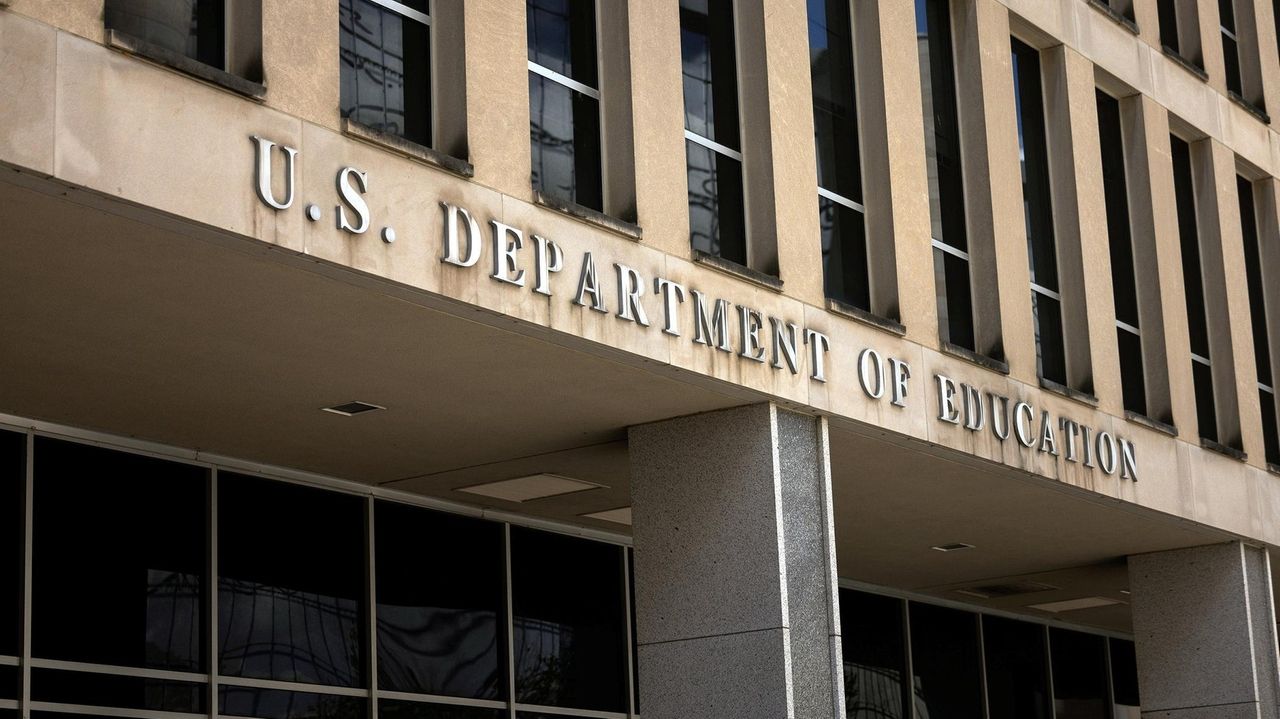
Possible Impact of Dismantling the DOE
Rebecca Natow, associate professor and director of the EdD in Educational Leadership & Policy Studies program and the MSEd in Higher Education Leadership & Policy Studies, was interviewed by Newsday for the article: “Trump wants to abolish the federal education department. What could it mean for Long Island schools?” The article explains the role of the Department of Education and what it would mean to local schools if it were dismantled. Dr. Natow said opposition to any action will likely argue that the president needs authority from Congress to eliminate the education department. “I expect we will see lawsuits. That’s going to be their argument, that it’s not the proper function of executive action,” she said.


Who will be the Canadian Prime Minister's Successor
On January 6th, 2025 Prime Minister of Canada, Justin Trudeau announced his intentions of stepping down. Prime Minister Justin Trudeau has be leading the Liberal Party of Canada for the past 12 years. Since his announcement of resignation there has been many prominent individuals stepping up to enter the race of being his successor. In Canada's political system the leader of the largest party in the House of Commons will act as primer minister. The successor of Mr. Trudeau’s role as party leader will then go to general elections against the leader of the Conservative party. Elections must be held no later than October. What will the change in Prime Ministers look like for the future of Canada's government. International relations expert, Dr. Glen Duerr, has been a reliable source on the events occurring in the Canada. Here are three valuable insights from a recent interview Earning the vote to be Prime Minister Trudeau's successor is not a guarantee of permanently keeping the role of Prime Minister. Once Canada's Liberal Party elects their candidate to replace Trudeau they will run against the leader of Conservative Party, Pierre Poilievre, in a general election. The winner of this election will then maintain the role of Prime Minister. How will the general election impact the Liberal Party? Recently Conservatives and the leader of the party has been dominating public opinion polls. Experts believe that the vote in the House of Commons will cause a drastic shift in the government under a new prime minister long before the general election. Will the shift in popular opinion end the over decade long rule of the Liberal Party? Prime Minister Trudeau explains the Liberal Party will be choosing his successor through votes by the parties members, which has become a minority in Canada's population. Successor candidates include: Chrystia Freeland, Mark Carney, Karina Gould. All of whom have had a succesful political career in the Liberal Party, serving under Primer Minister Trudeau. Are these candidates enough to keep the decade long power in the Liberal party? If you are a journalist covering the change in Canada's leadership, look no further than our experts for valuable insight and expert knowledge. Dr. Duerr is an expert on this subject and is available to speak to media regarding Canadian politics– simply click on his icon to arrange an interview.


Return to Office Mandates: Top 3 Challenges for Employers and Employees
Full time return-to-office (RTO) mandates – most recently from JPMorgan Chase, Amazon and now the U.S. federal government – have made headlines across the country and caused consternation among remote and hybrid employees. Whether one is – or is not – a supporter of remote and hybrid work, the challenges that arise with RTO and with remote/hybrid arrangements are important to consider from both sides – employers and employees. Baylor University management expert Sara Jansen Perry, Ph.D., who studies employee stress and well-being, including the role of remote/hybrid work and leadership, said working from home has existed in some form for decades, and research suggests it will continue to be an option for many workers and organizations. "We know many employees value remote work so much as a benefit that they will choose jobs based on whether it is an option,” Perry said. “Fortunately, we have seen many benefits of remote work as well, including employee productivity, cost savings, enhanced work-life balance and well-being, to name a few. Even if employees return to the office a few days a week, these benefits can still be realized, including longer term organizational benefits in terms of retention and applicant attraction. However, if an organization is set on returning to office full time, there are some challenges they should consider and proactively address.” Perry highlights 3 key challenges about Return to Office mandates from the perspectives of both employers and employees, applying foundational topics in organizational psychology, among them leadership, trust, culture, performance management and retention. Those three key challenges are a must read and part of the entire article attached below: Are you a journalist looking to know more? The let us help. Sara Jansen Perry, Ph.D., The Ben Williams Professor of Management in the Hankamer School of Business at Baylor University, is a nationally recognized researcher on employee stress and well-being, including the role of remote/hybrid work and leadership. Sara is available to speak with media about the recent Return to Work announcement for the federal bureaucracy. Simply click on her icon now to arrange an interview today.


Expansion Plans? What's Behind Donald Trump's Approach to Canada, Greenland and Panama?
With the inauguration of President Donald Trump just days away, there are many people in America and abroad who are watching and waiting on the first moves of the incoming Trump administration. President Trump has been giving some bold suggestions about the importance of places like Greenland, Canada and Panama to America's national and economic security. Some are explaining Trump's approach as a negotiating tactic to spur on deeper conversations. Others are concerned there's some seriousness to his plans for expansion. Either way, it's getting a lot of coverage as the countdown is on to his resumption of the country's leadership. Last week, Trump waded boldly into global affairs — but he barely touched on those purported priorities. Instead, at a news conference at Mar-a-Lago, he focused on a list of obscure, arguably eccentric goals: acquiring Greenland from Denmark, absorbing Canada as a very large 51st state, and retaking control of the Panama Canal. The president-elect said he would bring all three territories under U.S. control through economic coercion, but did not rule out using force to seize Greenland and the canal. January 13 - Los Angeles Times “That would really be something,” Trump said of the United States' taking control of Canada. “You get rid of that artificially drawn line, and you take a look at what that looks like. And it would also be much better for national security,” Trump said. “They’re great, but we’re spending hundreds of billions here to protect it.” Trump said that the subsidies include substantial military support and that the United States loses out through trade deficits. January 07 - NBC News President-elect Donald Trump has reiterated his desire for the US to acquire Greenland and the Panama Canal, calling both critical to American national security. Asked if he would rule out using military or economic force in order to take over the autonomous Danish territory or the Canal, he responded: "No, I can't assure you on either of those two. "But I can say this, we need them for economic security," he told reporters during a wide-ranging news conference at his Mar-a-Lago estate in Florida. Both Denmark and Panama have rejected any suggestion that they would give up territory. January 08 - BBC The coverage has been intense, but there are still some questions to be asked: How would the world and America's allies react if President Trump applies pressure or force to make any of these countries comply? How might relations between Trump and the U.S. military and intelligence community change in his second term? And, is this just a tactic or could President Trump possibly be serious about his plans? Looking to know more? Professor Peter Campbell studies international security, civil-military relations, international relations and policy relevance. Peter is available to speak with media about this ongoing topic - simply click on is icon now to arrange an interview today.
