
Experts Matter. Find Yours.
Connect for media, speaking, professional opportunities & more.
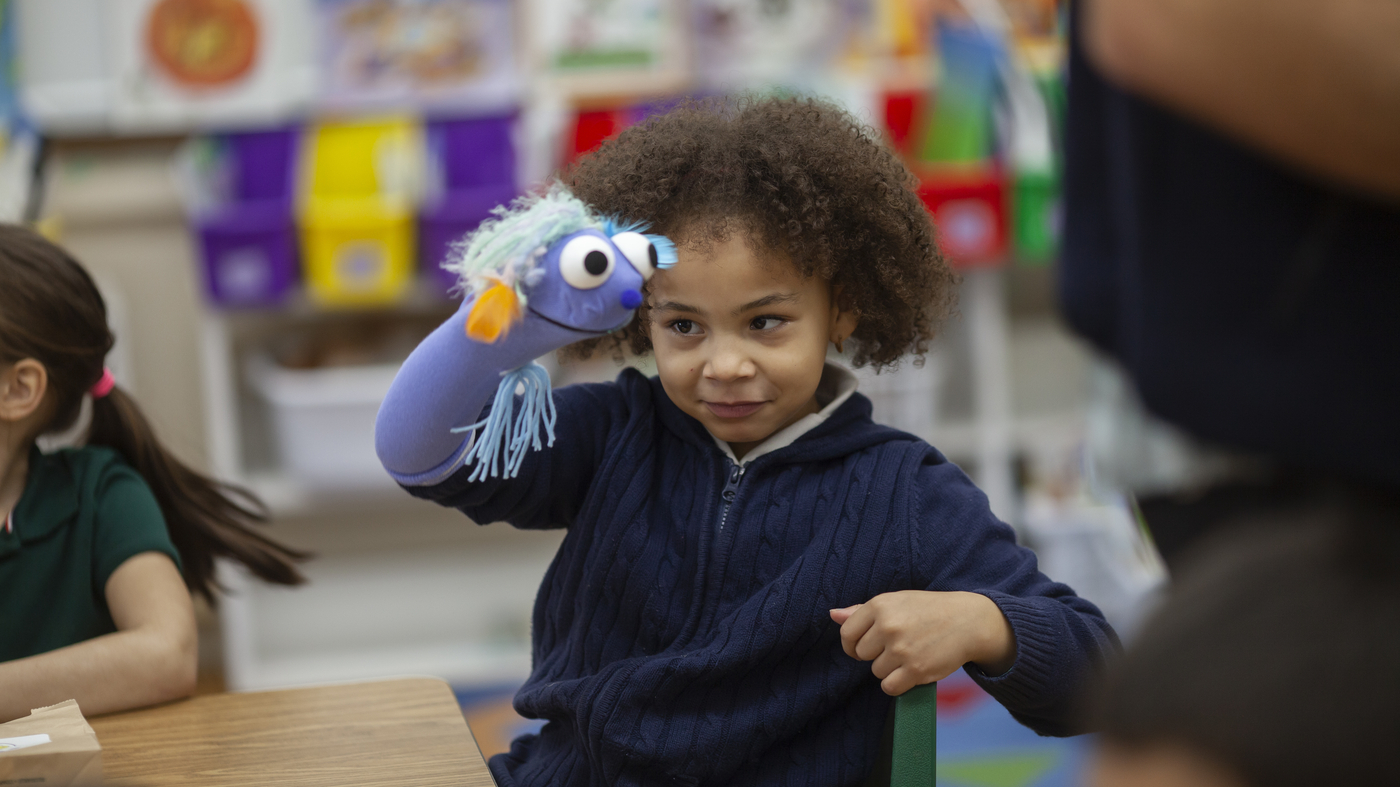
The COVID-19 pandemic took a toll on America's children -- parents lost jobs, kids weren't able to go to school, and they were told it was dangerous to see their friends. From a child's point of view, they seemed to have a lot, if not nearly everything, taken away, and many are still struggling today. Recently, NPR took a deeper look at the challenges kids are facing and found one creative solution that's helping elementary school children to change negative thinking patterns, better understand others' motivations, and face fears that may fuel unhealthy avoidance behaviors. UConn expert Sandra Chafouleas, a professor and school psychologist, is a co-creator of the new program -- called Feel Your Best Self -- which uses puppets to help children develop their social-emotional skills and well-being. During the pandemic, Wicks sent emails to researchers at the University of Connecticut's Neag School of Education, fishing for collaborators. She'd been wanting to put more of their work online. Her pitch: You want to help kids right now, and we have puppets. One of those emails went to Sandy Chafouleas, a UConn professor and trained school psychologist. Chafouleas was worried about all that extra stress on kids returning from the pandemic and that schools wouldn't be able to help them. "Teachers were stressed. Systems were stressed. Nobody had time to do professional learning to do something complex. That's just ridiculous to think that they could've," Chafouleas says. Denoya, the first-grade teacher at Natchaug Elementary, has seen it firsthand: Kids returned from the pandemic with missing or rusty social and emotional skills. They had trouble sharing, learning how to take turns and dealing with disappointment. "There's just things that they missed out on with not having that socialization, and so we need to find a place to teach it at school too," Denoya says. Anticipating this need, Chafouleas and Wicks cooked up Feel Your Best Self. The idea was, these scripted puppet videos would be easy — and free — for schools to use, even if they don't have a trained mental health specialist on-hand. Which many don't. Or they have one, spread across hundreds and hundreds of kids. That includes Natchaug, where Principal Eben Jones has been unable to fill a vacant school psychologist position for the past two years. Jones says that hasn't stopped him and his staff from prioritizing this kind of emotional and social skill-building. "It is embedded daily," Jones says. "Every teacher has time in the morning to have a morning meeting. And in that morning meeting they build community, share a morning message, you know, play a team-building game and make sure kids are connected to each other." This school year, Denoya and her students are doing one FYBS lesson each week. The FYBS program has exploded over the past year, thanks in part to a flood of grant funding. What began last year at Natchaug with a small team performing virtually – and live, not recorded – in one classroom at a time, became a Herculean effort to script, cast and shoot not one but 12 unique videos, with multiple puppets and performers, that teachers and caregivers can access anytime online, at no cost – in both English and Spanish. "Emily and I often feel like we're hanging on to the end of the caboose right now. This has scaled in ways that are unimaginable," says Chafouleas. Sandra Chafouleas is a UConn Board of Trustees Distinguished Professor of Educational Psychology and an expert on social-emotional well-being. She's available to speak with the media today -- just click her icon to arrange an interview.


Gene Editing Institute Travels to Salem for ‘Innovation Days’ Workshop
Education sessions bring CRISPR gene editing to high school students from diverse backgrounds Scientist-educators from ChristianaCare’s Gene Editing Institute held a workshop using CRISPR in a BoxTM at Salem Academy during Innovation Days in October at the school, located in Winston-Salem, North Carolina. These sessions followed a previous gene editing education workshop with Salem Academy students in January 2022. CRISPR in a BoxTM is a revolutionary toolkit that allows students to carry out a hands-on gene editing experiment while learning and analyzing the steps involved in a typical gene editing reaction. Scientists from the Gene Editing Institute also taught a condensed lesson about CRISPR gene editing’s utility in medicine and fielded questions from students about jobs in biotechnology, bioethics and sustainability in the lab. “It’s a really special opportunity that I know I wouldn’t get anywhere else,” said Mathilda Willenborg, a sophomore boarding student from Germany. “And I do feel like I’m learning a lot about gene editing that I definitely didn’t know before. The team makes it really easy and walks us through all the steps.” Last winter, Salem Academy became the first school in North Carolina to offer CRISPR in a Box as it pivoted its academic focus to STEAM (Science, Technology, Engineering, Art and Math). That first innovative workshop originated as a result of an idea from a ChristianaCare board member who attended Salem Academy. Gene Editing Institute Founder and Lead Scientist Eric Kmiec, Ph.D., made a virtual appearance as part of the latest sessions to encourage the students to pursue careers and pathways in biotechnology. “We’re so appreciative of our partnership with Salem Academy,” said Kmiec. “We want to take every chance we get to encourage more women to pursue careers in STEM. Women around the nation, and around the world, should have access to this groundbreaking technology, which will ultimately drastically change the way we treat and cure diseases. If we don’t have young women in that discussion, we’re missing out on valuable experiences and perspectives.” Salem Academy is the only all-female boarding and day high school on a college campus in the U.S. with a STEM focus. Women are achieving significant progress in STEM fields, representing 45% of students majoring in STEM, according to the Integrated Postsecondary Education Data System. However, women only represent 27% of STEM workers, with wide disparities in income in post-graduation employment. As of 2019, less than 30% of the world’s researchers were women, according to the UNESCO Institute for Statistics. The Gene Editing Institute commits to a mission of diversity and equity in its approach. This workshop reached 10 women, two of whom are international students. “Our ongoing partnership with the ChristianaCare Gene Editing Institute will help position our aspiring women scientists for future careers in biotechnology, science and medicine,” said Summer McGee, Ph.D., president of Salem Academy and College. “This is the type of experience that sets Salem Academy apart as a national leader in building the next generation of women leaders in STEAM.” The Gene Editing Institute itself is a national leader in female researchers. Women make up over 80% of scientists within the Institute and fill 75% of the principal investigator roles. The Institute pushes to address the gender gap and promote inclusivity through local outreach and state-spanning programs, like CRISPR in a Box. “We’re not here to do lip service,” said Brett Sansbury, Ph.D., principal investigator of the Discovery Branch of the Gene Editing Institute. “Too many companies make a plan or promise without any actionable steps. We’re taking those steps and bringing in opportunities for students who otherwise wouldn’t have had them.” To learn more about how to bring CRISPR in a Box to your school, visit https://geneeditinginstitute.com/products/education. About CRISPR in a BoxTM CRISPR in a BoxTM is the leading educational toolkit to teach gene editing. The exercise features a hands-on gene editing experiment, including a live readout within non-infectious E. coli bacteria. These experiments follow a gene editing reaction from beginning to end while teaching students the techniques scientists use to perform these reactions in real laboratory environments. CRISPR in a Box is distributed by Carolina Biological. To learn more, visit https://geneeditinginstitute.com/products/education.



How to Blend Different Approaches to Peer Learning
Learn about how Dr. Karen Finlay and the team at Hamilton Health Sciences have implemented meaningful peer learning in a safe environment to improve patient care, quality and collaboration in a constructive environment. Learn more here: https://realtimemedical.com/software-solutions/ See more Customer Stories: https://realtimemedical.com/about-realtime-medical/what-customers-are-saying/ #radiology #peerlearning #diagnosticimaging


MEDIA RELEASE: Watch for higher traffic volume in school zones as students go back to class
WINNIPEG, MB, September 7, 2021 – After months of distance learning, many students will be excited to see their friends and classmates again as they return to the classroom. With higher traffic periods anticipated before and after school, CAA Manitoba (CAA MB) is urging all pedestrians and motorists to stay alert and take extra caution while travelling through school zones. “Pedestrian safety begins with drivers,” said Heather Mack, manager of government and community relations at CAA MB. “When you’re behind the wheel, you have the responsibility to look out for everyone else around you, including parents, guardians and children.” When COVID-19 public health orders were loosened in the province during August and September 2020, recent data reported by Manitoba Public Insurance revealed a spike in the number of fatalities and serious injuries in motor vehicle collisions. In comparison to the previous five-year average, the number of fatalities caused by distracted driving quadrupled while the number of fatalities due to not wearing a seatbelt almost tripled. Additionally, instances of speeding also significantly increased. “CAA is reminding pedestrians, cyclists and motorists to be fully aware of their surroundings by slowing down and putting away all distractions,” said Mack. “Whether you are a parent or guardian driving, or a child walking or wheeling to school, everyone plays a role in keeping school zones safe.” CAA is encouraging motorists to remember these top five school zone safety tips: 1. Make eye contact with passing pedestrians and cyclists: With the excitement of going back to school, anticipate that children may not easily see or hear your moving vehicle. Use eye contact to ensure pedestrians are aware of you driving your vehicle. 2. Help reduce traffic with active school travel: Encourage your kids to walk or ride to school to ease traffic congestion. If your school is a further distance, CAA encourages parents and guardians to park a block away and walk to school, if possible, to reduce traffic and make school zones safer. 3. Slow down: Know the speed limit in your neighbourhood’s school zones and respect them. Ensure to give yourself plenty of time to drop off your kids at school to avoid rushing. 4. Follow the rules of the road near school buses: Always stop for the buses’ flashing lights and wait for children to get safely on or off. Stay alert and watch for children or parents/guardians crossing the road when the bus moves on. 5. Choose a safe spot to drop off and pick up your children from school: Follow your school’s rules and avoid double parking or stopping on crosswalks, dropping off or picking up your kids on the opposite side of the street, and stopping in moving traffic as kids rush out. Instead, use the designated drop off areas or consider a spot a bit farther away from school that is easily accessible and safe. CAA supports safety in school zones through the CAA School Safety Patrol® program. The program was developed to protect, educate and empower elementary school children on safe road-crossing practices.

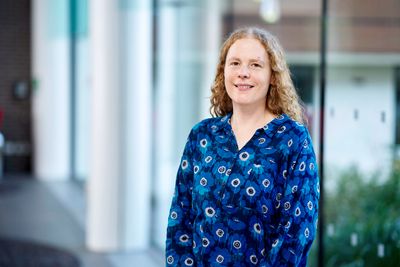
Aston Institute of Health and Neurodevelopment to host third in a series of livestreamed public lectures This episode of Molecules to Minds will explore Dr Laura Shapiro’s research into how children’s experiences of learning to read impacts on how they learn in the future The one-hour livestream will be followed by a Q&A and round table discussion Aston Institute of Health and Neurodevelopment (IHN) will host a livestreamed public lecture in the series Molecules to Minds on Aston University’s digital channel Aston Originals on Thursday 3 November 2022. Dr Laura Shapiro, a reader in psychology, will present her lecture ‘From gobbledygook to goblins: how a child learns to crack the written code’. Laura will reveal the hurdles and fortunes on the journey from spoken to written language and will discuss how our experience of learning to read changes the way we learn forever. Dr Shapiro's research focuses on the causes and consequences of children’s language and literacy development and is shaped both by fundamental scientific questions and by the concerns of practitioners and policymakers. The lecture will be co-presented with James McTaggart from the Highland Council, Scotland and hosted by Professor Jackie Blissett, co-director of IHN. Laura said: “Most adults take reading for granted, yet for a beginner reader, writing is just gobbledygook. The ability to crack the written code underpins all subsequent learning and provides the key to discovering new worlds and fictional friends.” After the livestreamed lecture, Dr Shapiro and guests will host a Q&A and round table discussion, where audience members can address researchers with their questions. The panel includes a variety of guests: James Cook, headteacher at Cawdor Primary, Scotland, Roxanne Mahroof, a parent and Dr Pamela Wadende a senior lecturer in education at Kisii University, Kenya. Dr Shapiro added: “Being able to read is like a key to the adult world: it underpins our ability to learn. Our research shows that strong language skills are needed to learn to read, and the journey to mastery is a long one. “The good news is that getting better at reading helps you learn more from each thing you read, and in turn spurs you to read more widely. Warning: reading can be addictive.” The lecture is targeted at anyone interested in literacy development in children and young people, including academics, teachers, parents and young people themselves. The livestream will take place at 16:00 – 17:00 BST on Thursday 3 November on the Aston Originals YouTube channel. To register for this event please visit our Eventbrite page.


Expertfile Spotlight on National Plan for Health Workforce Well-Being
ChristianaCare Participates in National Academy of Medicine National Plan for Health Workforce Well-Being and Calls for Collective Movement to Address Burnout Crisis The capacity and well-being of the U.S. health workforce has been under threat for years by an epidemic of burnout, and two years of the COVID-19 pandemic has further exacerbated this systems issue. Now at least 40% of nurses, 20% of physicians, and more than 25% of state and local public health department employees are considering leaving their professions. Recognizing that the function of the U.S. health system is at stake due to dangerously mounting health care system pressures, the National Plan for Health Workforce Well-Being by the National Academy of Medicine calls for immediate action to safeguard this precious national resource dedicated to protecting the country’s health. ChristianaCare is proud to have contributed this publication. “The NAM Clinician Well-Being Collaborative’s National Plan for Health Workforce Well-Being will drive urgently needed collective action to strengthen health workforce well-being and reverse existing alarming trends in burnout and turnover,” said ChristianaCare Chief Wellness Officer Heather Farley, M.D., MHCDS, FACEP. “ChristianaCare has served as a strategic network partner with the NAM to design this National Plan, which will coordinate action across several priority areas, including understanding the effects of COVID-19 on the health care workforce, recruiting of the next generation, and increasing access to much-needed mental health resources.” The National Plan calls on multiple actors to work together to drive policy and systems change to better support the health workforce and the health of all communities – including health care and public health leaders, government, payers, industry, educators, and leaders in other sectors. A draft of the National Plan was made available for public feedback and received nearly 2,000 constructive comments. To date the final Plan has received endorsements from over 25 organizations representing the diverse organizational membership of the Clinician Well-Being Collaborative and the various actors needed to collectively advance the practical strategies laid out in the Plan – including ChristianaCare. ChristianaCare has been engaged in all National Plan priority areas, such as: The creation and sustaining of positive work and learning environments and culture. Efforts in this priority area include development of the Center for WorkLife Wellbeing, which utilizes a comprehensive, multimodal approach to foster caregiver work-life meaning, connection, and joy. The Center offers multiple support services and culture change initiatives, including the implementation of resident well-being rounds, OASIS rooms for caregiver restoration, and opportunities for caregivers to develop long-standing mutual support systems. The support of mental health and reduction of mental health stigma, which included the championing of the physician mental health bill that became law this year. It also includes psychological first aid training that ChristianaCare has implemented for health system leaders and managers. Additionally, ChristianaCare offers free comprehensive behavioral health support services and an individual peer and group support program to help caregivers when they experience stress in the workplace. The commitment to well-being as a long-term value, which includes integration of caregiver collective well-being as a systemwide strategic goal. The National Plan visualizes that, when all actors take responsibility, we can create a health system in which care is delivered with joy and with meaning, by a committed care team, in partnership with engaged patients and communities. The National Plan identifies a range of actions for the near-, medium-, and long-term to achieve seven priority areas for health workforce well-being, clearly naming associated goals and responsible actors. Access the full National Plan here to learn more about the priority areas for action. For more information on the Action Collaborative on Clinician Well-Being and Resilience, of which ChristianaCare is a member, visit this site.

Sharing photos of your kids online? Here's what you should consider.
By Emma Richards Today’s parents are the first to raise children alongside social media and in this era of likes, comments and shares, they must also decide when to post images of their children online and when to hold off to protect their privacy. The practice of “sharenting” – parents posting images of their children on social media platforms — has drawn attention to the intersection between the rights of parents and the rights of their children in the online world. Stacey Steinberg, a professor in UF’s Levin College of Law, author and mother of three, says parents need to weigh the right to post their child’s milestones and accomplishments online against the right of a child to dictate their own digital footprint and maintain their privacy. Steinberg, like many parents, avidly posted photographs of her children online to document their childhoods. When she left her job as a child welfare attorney to become a professor, Steinberg also began writing about her motherhood experiences. She also began rethinking posting about her children online, realizing that it could be doing more harm than good. And yet, there was little guidance for parents on to consider when posting images and how to do so with their children’s safety in mind. Among the problematic issues: Machine learning and artificial intelligence allow for the collection of information about people from online posts but there is little control over or understanding of how that stored information is being used or how it will future impact on the next generation. According to Steinberg, a Barclays study found that by the year 2030, nearly two-thirds of all identity theft cases will be related to sharenting. There are also concerns pedophiles may collect and save photographs of children shared online. For example, one article she reviewed reported that 50% of pedophile image-sharing sites had originated on family blogs and on social media. Steinberg says parents should model appropriate social media behavior for their children, such as asking permission before taking and posting an image and staying present in the moment rather than living life through a lens or being fixated with what’s online. “I think it’s a danger that we’re not staying in the moment, that we’re escaping to our newsfeed or that we’re constantly posting and seeing who’s liked our images and liked what we’ve said instead of focusing on real connections with the people in front of us,” Steinberg said in an episode of the From Florida Podcast. While parents serve as the primary gatekeepers for children’s access to the online world, tech companies and policymakers also have roles to play in setting parameters and adopting law that protect children’s safety. Numerous European countries have already moved in this direction with such concepts as the “right to be forgotten,” which allows people to get information that is no longer relevant or is inaccurate removed to protect their name or reputation on platforms such as Google. “The United States really would have a hard time creating a right to be forgotten because we have really strong free speech protections and we really value parental autonomy Steinberg said. Google has, however, created a form that allows older kids to request that old photographs and content about them be removed from the internet, which Steinberg says is a promising step. Steinberg would love to see other mechanisms adopted to minimize the amount of data that is collected about children and ensure artificial intelligence is used responsibly and ethically when collecting online data. In the meantime, parents can proactively make online privacy issues a topic of discussion with their children and take proactive steps to limit their digital footprints, such as deleting old childhood photos. “One thing that I really want to encourage families to do is not to fear the technology, but to try to learn about it,” Steinberg said.


What does back to school look like this year? Augusta University expert talks challenges
Students will be back at the bus stop with school starting soon, but what can parents expect as their children return to the classroom after the effects of the pandemic years? Dr. Stacie Pettit, associate professor in the College of Education and Human Development at Augusta University, said not being in the classroom full-time has had an impact. Pettit said it’s documented that reading scores are down and many students were unaccounted for during at-home learning. But students also developed other skills during this period of time. “On one hand, you can’t completely make up for learning loss,” said Pettit. “Teachers just need to assess where students are and both students and teachers do the best you can from this point. On the other hand, students didn’t just stop learning altogether. There are important life and family skills that were gained during quarantine and the months after. I believe we should look at students from 'funds of knowledge' perspective rather than a deficit lens in order to recognize the cultural resources that a student’s household contains.” She added some students did become isolated and will need to relearn social skills, but many found a lively community online through social media during the pandemic. Pettit also pointed out students are resilient, as well as teachers. They didn’t stop teaching, but rather found new skills in instruction to make learning accessible in the new reality. There are some challenges going back to in-person instruction after the last couple of years. “Overcoming fear they’ve picked up through other people and the news,” she added. “”Feeling uncomfortable with their faces exposed after getting used to hiding behind a mask and dealing with germ phobia. Students also have the additional challenge of another recent school shooting in Uvalde, so not only are they getting used to being back in school full-time, but they also have safety concerns.” Pettit added there are still a few groups of students who could struggle being back in the classroom full-time. “Certainly kids who missed kindergarten. Students from foster care. Students in special education who didn’t have the support they needed during at home learning.” If you're a journalist covering education or are looking to line up your back-to-school stories this year, then let us help. Pettit is a respected leader in middle level teacher education and meeting the needs of marginalized young adolescents. She's available to speak with media - simply click on her icon now to arrange an interview today.


Are You an Expert? Here’s How to Tell
Have you ever wondered whether or not you are an expert? When asked this question about what defines expertise, you will hear a variety of answers. Many will reference key requirements such as an expert must have extensive knowledge in their field. Others will see education, published work, or years of experience as key qualifiers. Yet there are so many other dimensions of expertise that contribute to how visible, influential and authoritative they are within their community of practice or with the general public. Who Qualifies as an Expert? I started looking closer at this topic for two reasons. The first is my personal work with experts. Having worked with thousands of them across a variety of sectors I've observed that many are driven to develop themselves professionally as an expert to meet a variety of objectives. Often these are focused on raising one's profile and reputation among peers or with the broader market to inform the public. Some see media coverage being an essential part of their strategy while others are more interested in developing a larger audience for their research or client work, by speaking at conferences or on podcasts. Others have a focus on improving their PageRank on search engines. All these activities can enable important objectives such as attracting new clients, research funding or talent. The second reason for this deeper dive into expertise is a need to better organize how we look at experts within organizations. My work with communications departments in knowledge-based sectors reveals that they are keen to learn more about how they can better engage their experts to build reputation, relationships and revenue. However, better engagement starts with a better understanding of what qualifies someone as an expert - what attributes can we objectively look at that define expertise? With that knowledge, we can first better appreciate the amount of work experts have put into establishing themselves in their field. Then organizations can nurture this expertise in a more collaborative way to accomplish shared goals. My observation is that with a little more insight, empathy, and alignment, both experts and their organizations can accomplish incredible things together. And there has never been a more important time for experts to "show their smarts." By definition, an expert is someone with comprehensive or authoritative knowledge in a particular area of study. While formal education and certifications are a starting point for expertise, many disciplines don’t have a set list of criteria to measure expertise against. It’s also important to recognize other dimensions of expertise that relate not just to the working proficiency in a field but also to the degree of influence and authority they have earned within their profession or community of practice. Because of this, expertise is often looked at as a person’s cumulative training, skills, research and experience. What are the Key Attributes of Expertise? In evaluating your accomplishments and the various ways you can contribute as an expert to both your community of practice and the public, here are some key questions that can help you assess how you are developing your expertise: Have you completed any formal education or gained relevant experience to achieve proficiency in your chosen field? Are you actively building knowledge in a specific discipline or practice area by providing your services as an expert? Are you generating unique insights through your research or fieldwork? Are you publishing your work to establish your reputation and reach a broader audience such as publications or books? Are you teaching in the classroom or educating and inspiring audiences through speaking at conferences? Do you demonstrate a commitment to impact your community of practice and help advance your field and generate an impact on society by informing the public? Have you established a reputation as a go-to source for well-informed, unique perspectives? Some Additional Tips to Help you Develop Your Expertise To further the discussion, I’ve also shared further thoughts about the meaning of “expertise”. As you think about developing your own personal skills, or if you are a communicator who is responsible for engaging with your organizations experts, here are a few additional principles to keep in mind. Experts Aren't Focused on Some“Magic Number” Related to Hours of Experience Malcolm Gladwell’s book “Outliers” (2008), outlined the now famous “10,000-hour rule” as the magic number of greatness for the time it takes to master a given field. As the rule goes, you could become a genuine expert in a field with approximately 10,000 hours of practice — roughly 3 hours a day, every day for a consecutive decade. But is that what it really takes to become an expert? But is that what it really takes to become an expert? Or did Gladwell oversimplify the concept of expertise? Some of his assumptions for “Outliers” (which became a major bestseller) relied on research from Dr. Anders Ericsson at Florida State University who made expertise the focus of his research career. Contrary to how Gladwell outlined it, Ericsson argued that the way a person practised mattered just as much, if not more, than the amount of time they committed to their discipline. It also depends on the field of research or practice one is involved in. Some disciplines take decades to achieve expertise and many experts will admit they are just scratching the surface of what they are studying, well after they have passed the 10,000-hour mark. That might be just the first stage of proficiency for some disciplines. Experts are Continuously Learning It’s difficult to claim proficiency as an expert if you are not staying current in your field. The best experts are constantly scouring new research and best practices. Dr. Anders Ericsson observed in his work that "deliberate practice" is an essential element of expertise. His reasoning was that one simply won’t progress as an expert unless they push their limits. Many experts aren’t satisfied unless they are going beyond their comfort zone, opening up new pathways of research, focusing on their weaknesses, and broadening their knowledge and skills through avenues such as peer review, speaking, and teaching. The deliberate practice occurred “at the edge of one’s comfort zone” and involved setting specific goals, focusing on technique, and obtaining immediate feedback from a teacher or mentor. Experts Apply their Knowledge to Share Unique Perspectives While many experts conduct research, simply reciting facts isn't enough. Those who can provide evidence-based perspectives, that objectively accommodate and adapt to new information will have more impact. Expertise is also about developing unique, informed perspectives that challenge the status quo, which can at times be controversial. Experts know that things change. But they don’t get caught up in every small detail in ways that prevent them from seeing the whole picture. They don't immediately rush toward new ideas. They consider historical perspectives and patterns learned from their research that provide more context for what's happening today. And these experts have the patience and wisdom to validate their perspectives with real evidence. That's why expert sources are so valuable for journalists when they research stories. The perspectives they offer are critical to countering the misinformation and uninformed opinions found on social media. Experts Connect with a Broader Audience Many experts are pushing past traditional communication formats, using more creative and visual ways to translate their research into a wider audience. We conducted research with academics in North America and in Europe who are trying to balance their research (seen in traditional peer-reviewed journals) with other work such as blogs, social media, podcasts and conferences such as TEDx - all with the goal to bring their work to a wider audience. While that's an essential part of public service, it pays dividends for the expert and the organization they represent. Experts Are Transparent More than ever, credible experts are in demand. The reason for this is simple. They inspire trust. And the overnight success some have seemingly achieved has come from decades of work in the trenches. They have a proven record that is on display and they make it easy to understand how they got there. They don't mask their credentials or their affiliations as they didn't take shortcuts. They understand that transparency is a critical part of being seen as credible. Experts Don’t Take “Fake It Till You Make It” Shortcuts The phrase “fake it till you make it,” is a personal development mantra that speaks to how one can imitate confidence, competence, and an optimistic mindset, and realize those qualities in real life. While this pop psychology construct can be helpful for inspiring personal development, it gets problematic when it becomes a strategy for garnering trust with a broader audience to establish some degree of authority - especially when this inexperience causes harm to others who may be influenced by what they see. When self-appointed experts take shortcuts, promoting themselves as authorities on social media without the requisite research or experience, this blurs the lines of expertise and erodes the public trust. Experts Are Generous The best experts are excited about the future of their field, and that translates to helping others become experts too. That's why many openly share their valuable time, through speaking, teaching and mentorship. In the end, they understand that these activities are essential to developing the scale and momentum necessary to tackle the important issues of the day. How Do You Show your Smarts? How do you personally score on this framework? Or if you are in a corporate communications or academic affairs role in an institution how does this help you better understand your experts so you can better develop your internal talent and build your organization’s reputation? As always we welcome your comments as we further refine this and other models related to expertise. Let us know what you think. Helpful Resources Download our Academic Experts and the Media (PDF) This report, based on detailed interviews with some of the most media-experienced academics across the UK and United States draws on their experiences to identify lessons they can share in encouraging other academics to follow in their path. Download the UK Report Here Download the US Report Here The Complete Guide to Expertise Marketing for Higher Education (PDF) Expertise Marketing is the next evolution of content marketing. Build value by mobilizing the hidden people, knowledge and content you already have at your fingertips. This win-win solution not only gives audiences better quality content, but it also lets higher ed organizations show off their smarts. Download Your Copy



Well before the uncertainty of the pandemic, Orion Travel Insurance, a CAA company, decided to change the way travellers access travel insurance online. Working with a team of anthropologists, the goal of the redesign was to better understand how humans think about travel and safety. Researchers scoured opinions online, analyzed media and sat down with travellers to document their feelings around travel. “The traditional way of building an online quoting system just wasn’t sufficient,” says Kellee Irwin, VP, Orion Travel Insurance Company. “We didn’t feel that the online experience was putting the needs of the traveller first, so we turned it on its head and approached things differently. We are confident that this new approach to accessing travel insurance and information about travel insurance online is going to be an industry game-changer.” Traditionally, online quoting systems for travel insurance have been designed with business needs at the forefront, rather than designed to reflect what customers need to confidently purchase the appropriate protection. “As a company founded to deliver the protection that our members deserve, this antiquated way of doing things wasn’t good enough. Our mission was to create an online buying experience that was inspired by what it’s like when a traveller engages with a CAA Associate at a store,” adds Irwin. The end result of this in-depth work is the launch of a reinvented online travel quote and purchase system that makes learning about and buying travel insurance an easy and seamless experience for travellers. "Our research told us that travellers want to feel like 'their own best expert'. This new online experience enables travellers to explore and learn about the different types of travel insurance and compare the cost of various levels of protection all at their fingertips," says Irwin. The new system helps customers clearly understand the protection they are viewing and why qualifying questions are being asked. No longer will customers be forced to click through a series of prompts, only to discover that their selections do not reflect their needs and they must start all over again. As they explore coverage and learn more about what protection is right for them, travellers can get to a price in just seven clicks. Plus, they can alter their choices and the system will give updated quotes in real time. It also allows customers to use our SMART FAQ search engine in which the customer enters a question and immediately receives a matched answer. The new online buy flow is now in effect, click here to experience Orion’s reimagined online travel insurance system.
